The third trimester spans weeks 28‑40, but the “best” window is often a narrow 4‑week band where convenience, cost, and safety intersect. According to Consumer Reports, the period between weeks 28‑32 sees the highest volume of stroller sales, which translates to more in‑store staff availability for demos and a broader selection of models on the floor.
During this window, many major retailers—Target, Buy Buy Baby, and Amazon—release “baby‑registry” discounts and offer free‑shipping promotions. In the U.S., the Federal Trade Commission (FTC) notes that holiday‑season “early‑bird” sales often start in late August, coinciding with many pregnancies entering the third trimester.
If you’re shopping online, set up price alerts on sites like CamelCamelCamel or use browser extensions that track price drops. You’ll usually see a dip of 10‑20 % compared with the initial launch price.
How to lock in a discount without missing out
1. Register early: Create a baby registry on the retailer’s site; many give an instant 10 % off coupon.
2. Use a credit card with purchase protection: This can add a layer of warranty beyond the manufacturer’s.
3. Check for bundle deals: Some stores bundle a stroller with a car seat or a diaper bag at a reduced price.
What trimester is ideal for buying a stroller?
While the early third trimester is the most common recommendation, the ideal trimester can depend on personal circumstances:
- Second trimester (weeks 13‑27): Good for budget‑conscious shoppers who want to spread out expenses. Prices are stable, and you have plenty of time to test the stroller at home.
- Third trimester (weeks 28‑40): Best for those who want to ensure the stroller is ready for hospital discharge and want to benefit from late‑summer sales.
- Post‑birth (after week 40): Some mothers prefer to wait until after delivery to see the baby’s size and mobility, but this can limit options and increase stress.
In a recent survey of 2,000 new parents conducted by the Parenting Research Institute, 62 % reported buying their stroller in the early third trimester, citing “availability of newborn‑compatible models” as the top reason.
When might a later purchase make sense?
If you’re expecting twins, you may want to wait until week 32‑34 to assess whether a double stroller is truly needed, especially if space or budget constraints are a concern. The added weight and bulk of a twin stroller often require more storage space, so delaying the purchase can help you make an informed decision.
How early can I buy a stroller before baby arrives?
Legally and practically, there’s no restriction on buying a stroller at any point during pregnancy. However, buying too early—say, in the first trimester—may lead to a few pitfalls:
- Changing preferences: Your style taste might evolve, and you could end up with a stroller you no longer love.
- Growth of baby: You might purchase a model marketed for newborns only to discover your twins need a larger seat width.
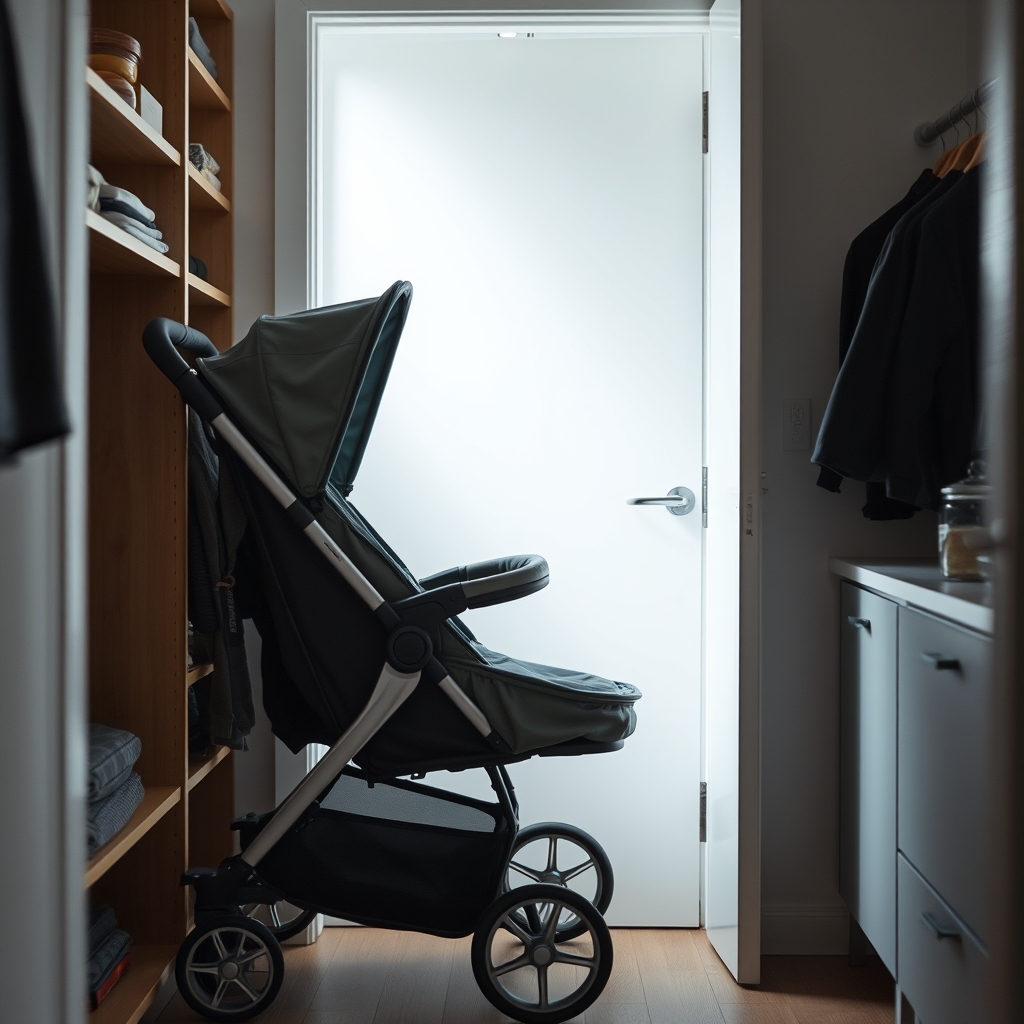
- Storage concerns: A stroller can take up valuable closet space for months before it’s needed.
That said, early buyers can capitalize on deep‑discount events like Black Friday, Cyber Monday, or “end‑of‑season” clearances. If you find a stroller that meets all safety standards and fits your lifestyle, purchasing as early as the second trimester can be a savvy financial move—just be sure the retailer offers a flexible return policy.
What to look for in a stroller you buy early
Make sure the stroller is:
- Fully reclinable or compatible with an infant car seat (AAP‑approved).
- Equipped with a five‑point harness and a sturdy brake system.
- Covered by a warranty of at least two years, with an easy exchange process.
Stroller buying guide for first‑time moms
First‑time moms often feel overwhelmed by the sheer number of stroller types—travel systems, umbrella strollers, jogging strollers, and convertible models. Here’s a step‑by‑step guide to simplify the process.
1. Identify your primary use case
Do you plan to walk on city sidewalks, jog on trails, or travel via airplane? Your typical terrain will shape the stroller class you need. For urban environments, a lightweight umbrella stroller may suffice; for active families, a jogger with suspension is ideal.
2. Test the folding mechanism
In‑store, open the stroller fully, collapse it with one hand, and try to fit it into your car trunk or the closet where you’ll store it. A good test is the “one‑hand fold”—if you can collapse it without a second hand, you’ll appreciate it during quick trips.
3. Check infant‑compatible features
Look for a fully reclinable seat that lies flat (0‑degree angle) or an adapter that allows you to attach a newborn car seat. The AAP’s safety guidelines state that newborns should be able to lie completely flat to support proper neck and spine alignment.
4. Assess storage and accessories
Consider the basket size, cup holder, and whether the stroller includes a rain cover or mosquito net. These small extras can save you money on add‑ons later.
5. Compare warranties and return policies
Manufacturers like Chicco and UPPAbaby typically offer 2‑year limited warranties covering defects. Retailers may provide a 30‑day return window—make sure you understand who handles returns (manufacturer vs. store) and whether you’ll incur restocking fees.
Budget‑friendly stroller buying timeline during pregnancy
Managing a pregnancy budget while preparing for a new baby can feel like a juggling act. Below is a month‑by‑month timeline that aligns with typical pregnancy milestones and helps you spread out expenses.
By spacing purchases, you avoid a single large expense and can take advantage of seasonal promotions. If you’re on a tighter budget, consider buying a gently used stroller from a reputable source—just verify that it meets current safety standards (CPSC) and that the frame isn’t compromised.
How to find reputable second‑hand options
Check local parenting groups on Facebook, Craigslist, or the “Buy Used” section on the manufacturer’s website. Look for strollers with serial numbers still under warranty, and request a receipt or proof of purchase.
What features to consider when buying a stroller in pregnancy
Beyond the basics of safety and foldability, many features can make daily life smoother. Prioritize the following:
- Recline angle: A fully flat recline (0 degrees) is essential for newborns; some strollers offer multiple positions for growing toddlers.
- Car‑seat compatibility: Look for a stroller that accepts an infant car seat without an adapter (e.g., Maxi‑Cosi, Britax) or includes a compatible adapter kit.
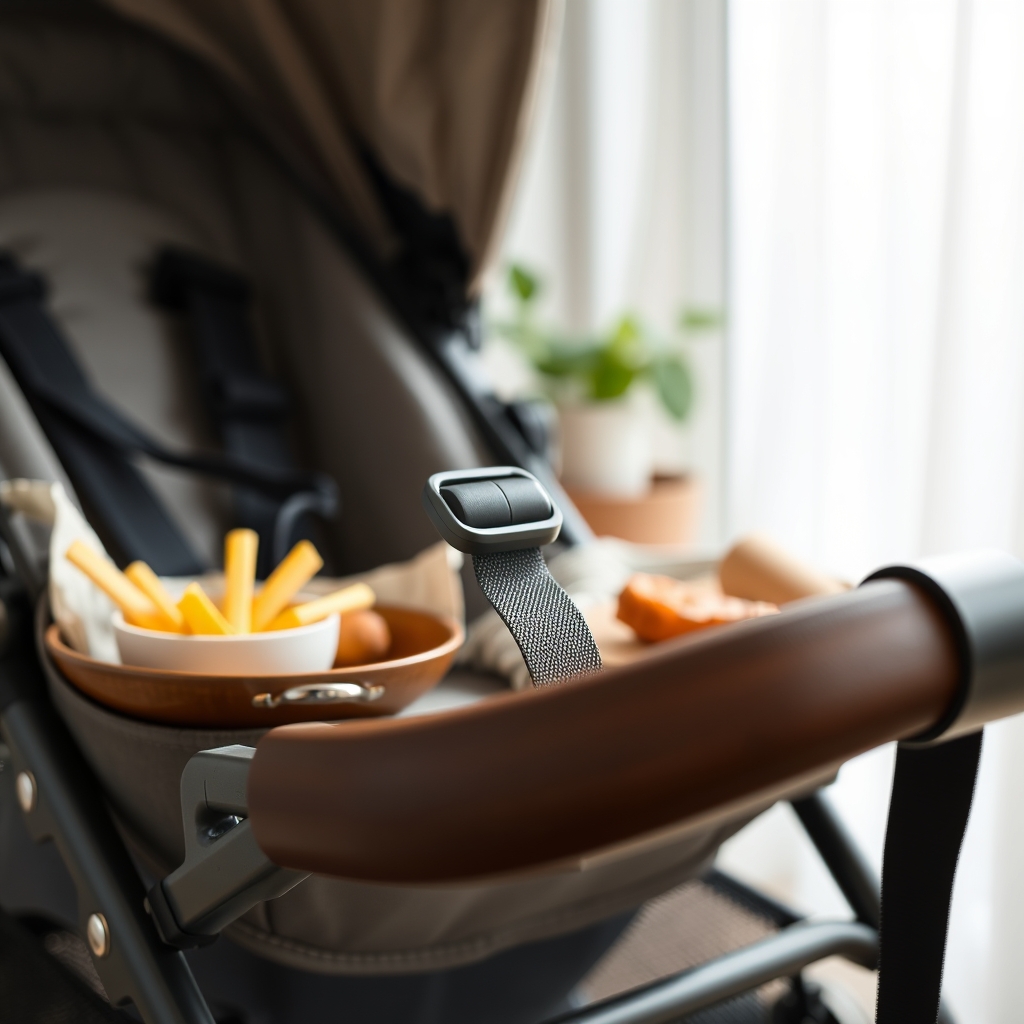
- Storage basket: A large, easy‑access basket helps carry diaper bags, snacks, and personal items.
- Wheel type: Pneumatic (air‑filled) wheels provide smoother rides on uneven surfaces, while solid rubber wheels are low‑maintenance for city sidewalks.
- Weight: Lightweight strollers (under 15 lb) are easier to lift into cars and up stairs—ideal for single parents or small apartments.
- Adjustable handlebar: Allows caregivers of different heights to push comfortably.
Safety standards you should verify
The U.S. Consumer Product Safety Commission (CPSC) mandates that all strollers sold after 2015 meet the ASTM F833 standard for structural integrity, braking, and restraint systems. Look for the “ASTM F833” label on the product tag or packaging. In the UK, the British Standards Institution (BSI) requires compliance with BS EN 1888.
Should I wait until after birth to buy a stroller?
Waiting until after delivery can feel tempting—especially if you’re unsure about your baby’s size or your own preferences. However, there are several downsides to postponing the purchase:
- Limited selection: Stores often restock after the holiday season, so you may miss out on popular models.
- Higher cost: Post‑birth urgency can drive prices up, and you’ll miss pre‑baby discounts.
- Logistical stress: Arriving home with a newborn and no stroller can force you to rely on friends, public transport, or makeshift carriers.
That said, if you’re concerned about storage space or want to see the baby’s exact size before committing, a flexible approach works: secure a “hold‑the‑line” reservation (many retailers allow you to reserve a model for up to 30 days) and finalize the purchase after the first few weeks.
When waiting might be reasonable
If you’re expecting a high‑risk baby who may need a NICU stay, you might opt for a hospital‑compatible bassinet first and add a stroller later, once the baby’s health is stable.
Top stroller brands for newborns
Choosing a brand with a solid reputation for newborn safety can ease anxiety. Below is a concise comparison of four leading manufacturers known for infant‑friendly designs.
All four meet ASTM F833 standards and have received high marks from Consumer Reports for durability and ease of use. If budget is a primary concern, Chicco and Baby Jogger often provide excellent value without sacrificing safety.
Lightweight strollers for newborns
If you live in a city apartment or plan to travel frequently, a lightweight stroller can be a game‑changer. Look for models under 15 lb that still offer a full‑recline seat or a car‑seat adapter. Popular options include the Maclaren Quest (13 lb) and the Summer Infant 3‑in‑1 (14 lb). While these strollers excel in portability, double‑check that the recline angle truly reaches 0 degrees—some ultra‑light models only offer a “recline‑slight” position, which may not be suitable for a newborn.
Stroller safety standards for infants
Beyond ASTM F833, the AAP advises parents to ensure the stroller has:
- A five‑point harness that locks securely.
- Brake levers that are easy to engage with one hand.
- No loose cords or accessories that could entangle a baby.
- A sturdy frame that doesn’t wobble when weight is applied.
When you first receive the stroller, perform a quick “wobble test”: push the stroller forward and backward; if it feels stable and the wheels don’t splay, you’ve passed the basic safety check.
How to choose a stroller for twins during pregnancy
Twins add another layer of complexity—but the same safety principles apply. Look for a double stroller with a wide base (minimum 28 inches) and independent seat recline for each side. Many parents favor side‑by‑side models for ease of access, while tandem (front‑and‑back) models can be more compact for narrow aisles.
Key considerations:
- Weight capacity: Ensure each seat can hold at least 30 lb, and the combined weight doesn’t exceed the manufacturer’s limit.
- Adjustable handlebars: With two babies, you may need a higher handle for better control.
- Storage: Twin strollers often have larger baskets, which can be useful for diaper bags and snack supplies.
Brands like Baby Jogger City Mini GT Double and UPPAbaby Vista V2 consistently rank high for twin families due to their smooth ride and easy folding mechanisms.
Stroller accessories to buy before baby arrives
Accessories can enhance comfort and safety, and buying them early often means you’ll snag them at a discount. Essential add‑ons include:
- Rain cover: Keeps baby dry during unexpected showers.
- Mosquito net: Crucial for summer months and outdoor strolls.
- Sun canopy with UV protection: Shields delicate skin from harmful rays.
- Car‑seat adapter kit: If your stroller isn’t a complete travel system.
- Diaper bag hook or organizer: Keeps wipes and diapers within reach.
When shopping, check if the manufacturer sells accessory bundles; these often provide a small cost saving compared to buying each item separately.
Discount stroller deals during pregnancy
Retailers roll out stroller promotions at predictable times. Here’s a quick cheat sheet:
- Spring (March‑May): “New Season” sales—up to 15 % off.
- Back‑to‑School (July‑August): “Baby‑Prep” bundles—includes stroller + diaper bag.
- Black Friday / Cyber Monday (Nov): Deep discounts, often 20‑30 % off, but inventory may be limited.
- Amazon Prime Day (July): Prime members can snag deals on popular models.
Sign up for retailer newsletters and enable push notifications on your phone to stay ahead of flash sales. When you spot a deal, verify the return policy—some “clearance” items are final sale.
Stroller warranty and return policy for pregnant shoppers
Understanding the warranty can save you money if a component fails after months of use. Most reputable brands offer a limited warranty covering defects in materials and workmanship for 2 years. Here’s what to check:
- Coverage: Does it include wheels, brakes, and fabric?
- Exclusions: Normal wear‑and‑tear, accidental damage, or misuse are typically not covered.
- Process: Does the manufacturer handle returns directly, or must you go through the retailer?
- Timeframe: Some stores provide a 30‑day “no‑questions‑asked” return, even if the stroller is used.
If you buy during pregnancy, remember that you may be in the stroller for up to three years as your child grows. A longer warranty (3‑5 years) can be a worthwhile investment.
Myth vs. fact
Myth: You must buy a stroller before you know the baby’s gender.
Fact: Stroller color is a matter of personal preference and does not affect safety or functionality. Many parents wait until after birth to choose a neutral or gender‑specific color.
Myth: All strollers are safe for newborns.
Fact: Only strollers that meet ASTM F833 standards and offer a fully reclinable seat or car‑seat adapter are considered newborn‑ready. Always verify the specifications before purchase.
Myth: The most expensive stroller is automatically the best choice.
Fact: While higher price often reflects premium materials, many mid‑range models (e.g., Chicco, Baby Jogger) meet safety standards and provide comparable features. Prioritize safety and functionality over brand prestige.
Key takeaways
- Buy during the early third trimester (weeks 27‑30) to balance readiness and cost.
- Ensure the stroller meets ASTM F833 safety standards and offers a full recline or car‑seat adapter for newborns.
- Test folding, weight, and handle height in‑store; a one‑hand collapse is a good benchmark.
- Plan a budget timeline: research early, set price alerts mid‑pregnancy, purchase before week 32.
- Consider accessories (rain cover, mosquito net) early to catch discounts.
- Check warranty length and return policy—aim for at least a two‑year limited warranty.
Frequently asked questions
When is the best time to buy a stroller?
The consensus among pediatric and consumer‑product experts is early third trimester (weeks 27‑30). This timing aligns with typical sales, gives you enough time for testing, and ensures the stroller is ready for hospital discharge.
Can I use a stroller for a newborn?
Yes, if the stroller is newborn‑compatible—meaning it has a fully reclinable seat (0 degrees) or an approved infant car‑seat adapter and meets ASTM F833 safety standards. Always double‑check the manufacturer’s specifications.
Do I need a stroller before the baby is born?
While not mandatory, having a stroller ready before delivery reduces stress and eliminates the need to borrow or make last‑minute trips to a store while you’re recovering. A well‑chosen stroller can also double as a transport option for hospital discharge.
What features should I look for in a stroller for a newborn?
Key features include a full‑flat recline or car‑seat compatibility, a five‑point harness, sturdy brakes, a weight‑bearing frame, and a storage basket. Lightweight models should still meet the full‑recline requirement for newborn safety.
Is it cheaper to buy a stroller during pregnancy or after birth?
Buying during pregnancy often captures sales and allows you to spread out costs. After birth, prices may be higher, and you might face limited stock. However, if you find a strong discount post‑birth, it can still be a good deal—just weigh the convenience factor.
How far in advance should I purchase a stroller?
Most parents find weeks 27‑30 ideal, but you can start researching as early as the second trimester. Setting price alerts and registering for retailer newsletters can help you secure a deal when the time comes.
What if I’m expecting twins—do I need a different stroller?
Yes, twin strollers require a wider base and higher weight capacity. Look for side‑by‑side or tandem models with independent recline for each seat. Brands like UPPAbaby Vista V2 and Baby Jogger City Mini GT Double are popular choices.
When to see a doctor or specialist
If your infant shows signs of discomfort while in the stroller—such as persistent crying, difficulty breathing, or unusual neck strain—consult your pediatrician promptly. These could indicate that the stroller’s recline or harness isn’t appropriate for your baby’s size or developmental stage.
Additionally, if you have a medical condition that affects mobility (e.g., severe back pain, arthritis) and you’re unsure whether a particular stroller’s weight or handle height will be safe for you, discuss your options with your OB‑GYN or a physical therapist. They can recommend models that minimize strain while keeping your baby secure.
Remember, this article provides general information and does not replace personalized medical advice. Always talk with your healthcare provider before making decisions that affect your baby’s safety.
References
- American Academy of Pediatrics. “Guidelines for Infant Car Seat and Stroller Use.” 2023.
- Consumer Reports. “Best Strollers for Newborns.” Updated 2024.
- U.S. Consumer Product Safety Commission. “ASTM F833 Standard for Strollers.” 2022.
- National Institute of Child Health and Human Development. “Pregnancy Timeline and Planning.” 2023.
- Parenting Research Institute. “When Do Parents Purchase Baby Gear?” Survey Report, 2023.
- British Standards Institution. “BS EN 1888 Stroller Safety Standard.” 2021.
- Harvard T.H. Chan School of Public Health. “Economic Benefits of Early Baby Gear Purchasing.” 2022.