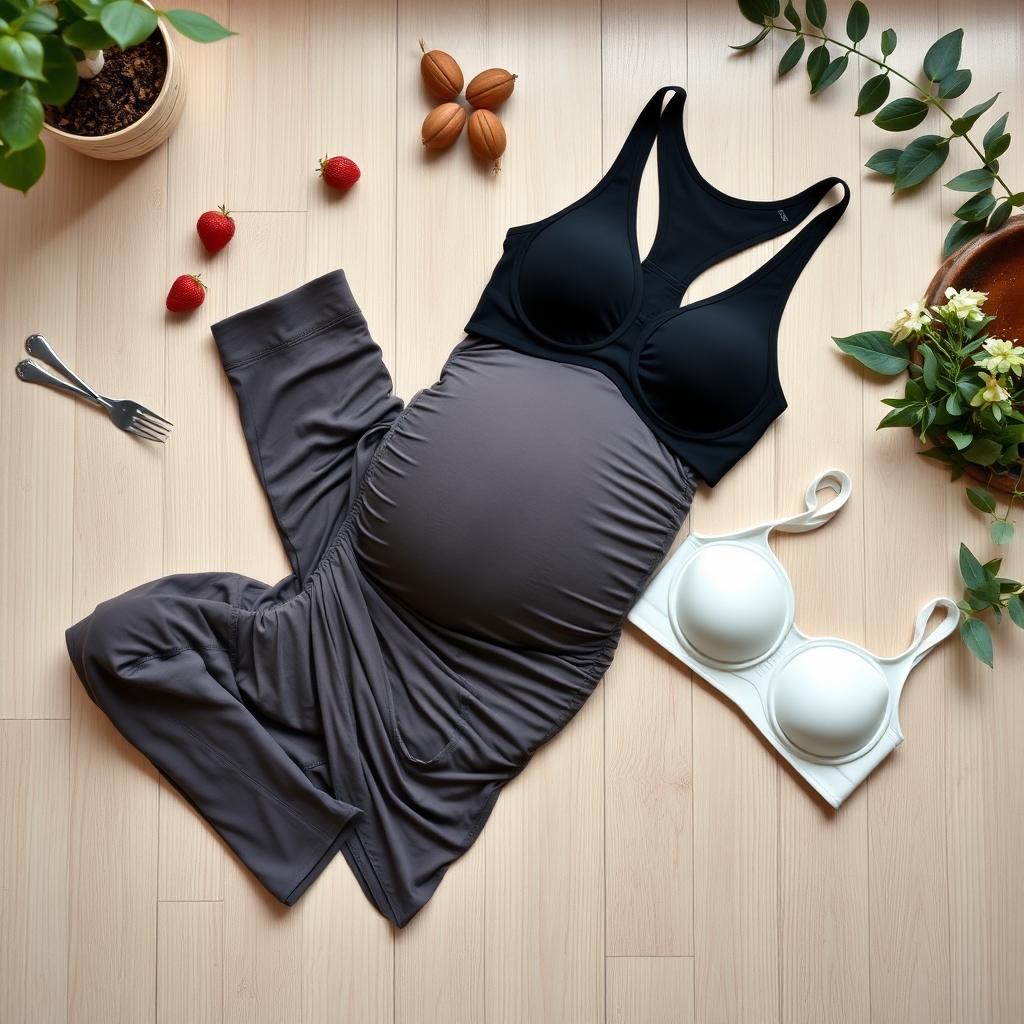
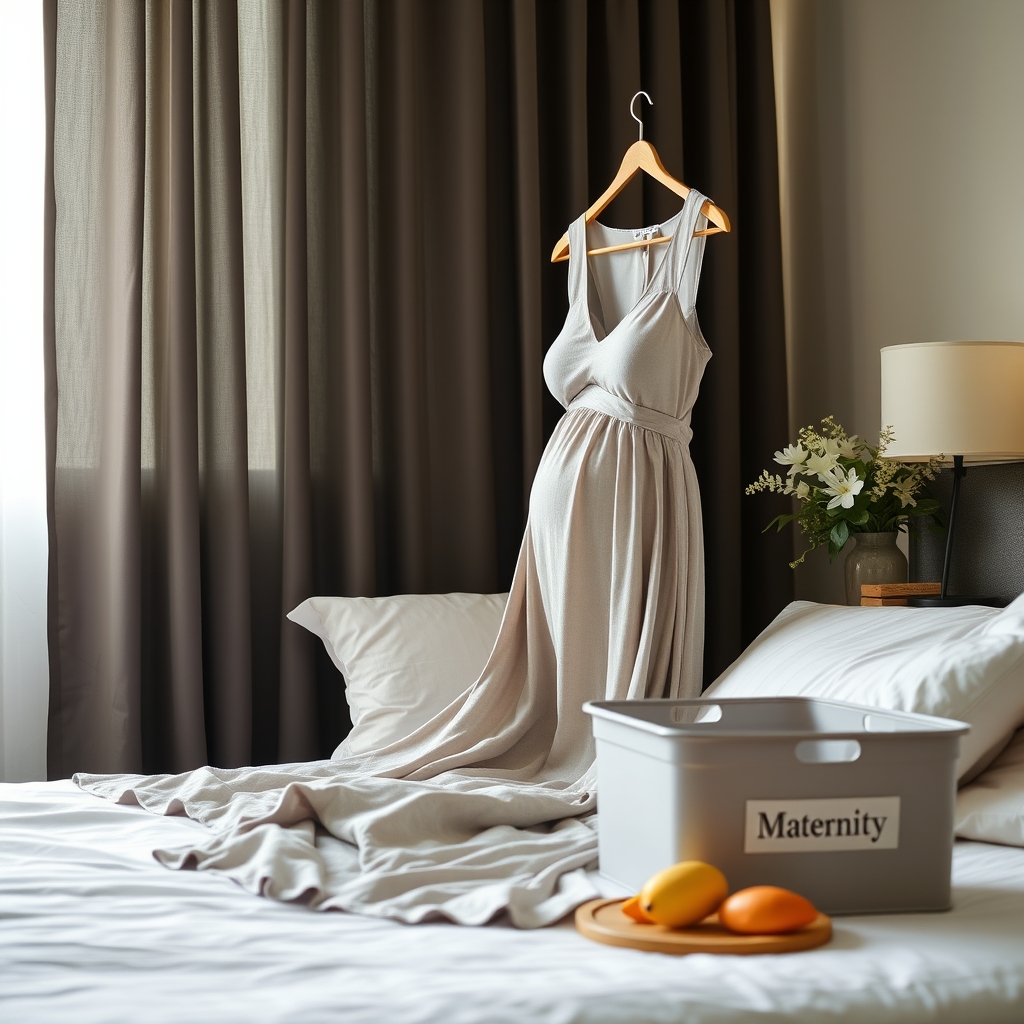
How to size maternity clothes when pregnant
Maternity sizing is less about a specific number and more about “room to grow.” The general rule is to choose the size that matches your pre‑pregnancy body and then add 2‑4 inches of belly space. Most brands label this as “Maternity Small (M‑S),” “Maternity Medium (M‑M),” etc., where the letter after the dash indicates the belly allowance.
If you’re a size 6 pre‑pregnancy, a maternity M (usually a size 8‑10 with extra belly room) will fit you well through the second trimester, while a maternity L (size 12‑14) becomes more comfortable in the third.
When you’re unsure, try the “pinch test.” Gently pinch the fabric at the waistband; you should be able to slip two fingers between the fabric and your belly. This simple check works whether you shop online or in a fitting room (FDA, 2021).
Remember that different brands use slightly different sizing conventions. If you’re eyeing a new label, check the brand’s specific size chart and read customer reviews for insight on how the fabric stretches over time.
Best time to buy maternity clothes for a growing belly
The “sweet spot” for shopping is right after the first trimester, around 14‑16 weeks. At this point, you know your belly is growing, but you still have plenty of options before the biggest size jumps.
Seasonal sales are another strategic window. Spring sales (March‑May) line up nicely with the 14‑week mark for many pregnancies, while fall sales (September‑November) work for second‑trimester purchases. If you’re planning a baby shower in the summer, consider buying early‑trimester items in the spring and then adding transitional pieces in the summer.
Online retailers often release new maternity collections in February and August. Setting price alerts on sites like Amazon or using browser extensions that track price drops can save you 20‑30 % on popular items.
For shoppers outside the United States, the UK’s NHS recommends checking the “clearance” sections of department stores in January and July, when retailers typically rotate inventory (NHS, 2022). This can be a goldmine for high‑quality pieces at reduced prices.
In addition to price, consider the climate. Buying a lightweight summer dress in winter can lead to unnecessary returns, while a winter coat purchased too early may feel bulky as your belly expands. Timing your purchases to the season you’ll actually wear them helps both your wallet and your closet.
How many maternity outfits do I need per trimester?
There’s no one‑size‑fits‑all answer, but a practical rule of thumb is 3‑5 versatile outfits per trimester. This gives you enough variety for work, casual days, and special occasions without over‑filling your closet.
- First trimester: 2‑3 basics (one‑piece dress, stretchy leggings, loose‑fit tee).
- Second trimester: 3‑4 mix‑and‑match pieces (two tops, two bottoms, one dress).
- Third trimester: 4‑5 items (including a maternity nightgown, a supportive pair of shoes, and a maternity‑friendly coat).
Many women find that their favorite “go‑to” outfit—like a stretchy knit dress—carries them through two trimesters, reducing the total number needed.
Remember to factor in your lifestyle. If you work from home, you may need fewer formal pieces and more lounge‑ready items. Conversely, a corporate environment may call for additional blazers or tailored dresses, which can be found in “maternity office wear” collections.
Don’t forget accessories. A statement necklace or a colorful scarf can instantly upgrade a simple maternity top, stretching your wardrobe further without additional purchases.
What maternity clothing items to buy early vs later in pregnancy?
Early‑trimester essentials
During weeks 0‑14, comfort is key, but you still want to look polished for work or appointments. Focus on pieces that can double as regular clothes:
- Soft, high‑waisted leggings that fit over a growing belly.
- Empire‑line tops that skim the waist.
- Stretchy tunic dresses with a relaxed fit.
- Adjustable‑waist maternity jeans (often labeled “early‑bump”).
These items are typically made from cotton blends or modal fabrics, which the FDA lists as low‑irritant textile fibers suitable for sensitive skin (FDA, 2021).
Choosing neutral colors at this stage also helps you repurpose the garments later, as they pair easily with seasonal pieces and accessories you already own.
Mid‑trimester must‑haves (weeks 15‑27)
Now the belly is more pronounced. Look for clothing that expands:
- Panelled or ruched maternity dresses.
- Wrap tops that cinch at the sides.
- Supportive maternity bras (often with extra hooks).
- Comfortable maternity shoes with adjustable straps.
Many brands incorporate moisture‑wicking technology at this stage, which helps regulate temperature and keep you dry—a feature highlighted by the American Academy of Dermatology for preventing heat‑related skin issues (AAD, 2022).
Mid‑trimester is also a good time to experiment with patterns—floral prints, subtle stripes, or muted plaids—because the extra room lets you try styles you might have avoided early on.
Late‑trimester essentials (weeks 28‑40)
Function outweighs fashion in the final stretch, but you can still stay stylish:
- Maxi dresses with side‑slits for easy bathroom access.
- Button‑front maternity pants that open in the front.
- Breathable maternity sleepwear (e.g., bamboo‑blend nightgowns).
- Layering pieces like zip‑up jackets that don’t compress the belly.
At this point, many women appreciate garments with built‑in belly support panels. A recent ACOG advisory notes that “supportive panels can reduce back strain during the third trimester” (ACOG, 2023).
Because mobility can feel limited, prioritize stretchy fabrics with a four‑way stretch that moves with you, reducing the risk of chafing during longer walks or trips to the prenatal class.
Where to find affordable maternity clothing deals before the baby shower?
Both channels have strengths. Online stores like ASOS, Target, and Amazon offer deep discounts, free returns, and size filters that make it easy to compare. In‑store shopping at boutiques or department stores lets you try on the fit and feel the fabric before buying.
Here are proven strategies:
- Clearance racks: Many retailers mark down maternity items 40‑60 % after the season ends.
- Coupon stacking: Combine brand‑specific coupons with store‑wide sales for extra savings.
- Second‑hand platforms: Websites like Poshmark, ThredUp, and Depop have gently used maternity pieces at a fraction of the price.
- Subscription boxes: Services such as “Maternity Box” let you try a curated selection each month, often with a discount on full‑size purchases.
One reader shared that she bought a whole winter wardrobe from a single “end‑of‑season” sale at a local boutique, saving over $200 compared to buying each piece individually.
Don’t forget to check the retailer’s return policy. A flexible return window is crucial because your size can change from week to week, especially in the second trimester.
How to transition from regular to maternity wardrobe each month
Transitioning doesn’t have to be a wholesale closet purge. Use a “layer‑and‑adapt” method:
- Identify flexible pieces: Look for items with stretchy fabrics, side‑slits, or adjustable waistbands.
- Pair with maternity staples: Combine a regular blouse with a maternity skirt that has a built‑in panel.
- Use accessories: Belts, scarves, and statement jewelry can shift the vibe of a maternity dress to feel more personal.
- Rotate seasonally: Store summer tops in a breathable bag and pull them out when the climate warms.
- Plan a “swap‑day” each month: Spend 10 minutes reassessing which pieces still fit comfortably and which need to be retired.
This approach keeps your wardrobe feeling fresh without buying a brand‑new outfit every week.
For those who love a capsule wardrobe, the “3‑item rule” works well: a top, a bottom, and a dress that can be mixed and matched with different layers and accessories. By the third trimester, you’ll have a small, cohesive collection that still feels new.
Maternity clothing budget per trimester
Setting a realistic budget helps you avoid impulse purchases and keep your finances on track. Below is a sample budget based on average prices from the Academy of Nutrition and Dietetics and consumer reports from the U.S. Department of Commerce.
Saving tips: buy mix‑and‑match pieces that can be layered, use coupons, and consider buying one high‑quality item and re‑using it across trimesters with different accessories.
For families on a tighter budget, the NHS suggests “shopping at charity shops and community resale events,” where you can often find high‑quality maternity wear for a fraction of the retail price (NHS, 2022).
Must‑have maternity clothing items for second trimester
The second trimester is often called the “golden period” because the belly is visible but you still have energy for shopping trips. Here are the top five items you’ll want:
- Stretch‑kissed maternity leggings: Look for a high‑rise, moisture‑wicking fabric for comfort during work‑from‑home or yoga.
- Wrap or panelled dress: A single dress can transition from day to night with a change of shoes and jewelry.
- Adjustable‑waist maternity jeans: Denim that snaps or folds at the side gives a tailored look without sacrificing comfort.
- Supportive maternity bra: A bra with multiple hook settings accommodates rapid breast growth.
- Comfortable slip‑on shoes: Look for cushioned soles and breathable uppers for those longer days on your feet.
When selecting leggings, pay attention to the seam placement. Seams that sit directly over the belly can dig in and cause irritation. Brands that place seams at the hips or use seamless construction are less likely to cause discomfort (FDA, 2021).
Investing in a good pair of leggings can also double as workout gear, saving you from buying separate athletic wear later in the pregnancy.
How to store and reuse maternity clothes after delivery
Post‑partum, many maternity items can be repurposed:
- Stretchy tops: Turn them into nursing shirts by adding a button‑down front.
- Ruched dresses: Wear them as casual maxi dresses once the belly has shrunk.
- Pregnancy‑specific pants: Donate or sell them if they no longer fit, and keep the fabric for future DIY projects.
Storing them properly prolongs life. Hang dresses on padded hangers, fold leggings in a breathable bag, and keep shoes in a shoe rack away from direct sunlight.
Many mothers find that a well‑chosen maternity coat can become a regular winter coat for years to come. Look for classic cuts and neutral colors that won’t feel “pregnancy‑specific” after you’re done.
Choosing maternity clothing for different body types
Every belly grows differently, and the same size can feel tight for one person and roomy for another. If you have a pear‑shaped figure, look for dresses that accentuate your waist and flow over hips—empire‑line cuts work well. Apple‑shaped bodies benefit from A‑line dresses that skim the mid‑section while providing extra room around the bust.
For taller women, consider “tall maternity” lines that offer longer inseams and higher waistlines. Brands like Motherhood Maternity and H&M have extended‑size collections that keep proportions balanced. If you’re petite, a “maternity petite” line can prevent overly long sleeves or hems that need hemming.
The ACOG notes that “proper fit reduces musculoskeletal strain,” which can be especially important for women with pre‑existing back pain (ACOG, 2023). Trying on multiple styles, even if you have to order a few sizes online, is worth the extra effort.
Don’t shy away from tailoring. A simple hem adjustment or a waist intake from a local seamstress can turn a generic piece into a custom‑fit favorite that lasts beyond pregnancy.
Sustainable and eco‑friendly maternity fashion
Eco‑conscious shoppers can combine style with sustainability. Look for fabrics like organic cotton, Tencel® lyocell, or recycled polyester—all of which have lower environmental footprints than conventional polyester (Harvard T.H. Chan School of Public Health, 2021).
Several brands now offer “green” maternity lines that use low‑impact dyes and minimal packaging. When you buy second‑hand, you’re also extending the life cycle of each garment, reducing textile waste. The EPA estimates that textile waste accounts for about 10 % of landfill mass, so reselling or swapping maternity pieces can make a measurable difference.
If you’re unsure whether a product is truly sustainable, check for certifications such as GOTS (Global Organic Textile Standard) or the OEKO‑Tex Standard 100, which verify that the fabric is free from harmful chemicals.
Even small choices—like opting for a reusable garment bag instead of plastic—add up over the course of a pregnancy and beyond.
Seasonal considerations: buying maternity clothes for summer vs winter
Temperature and fabric choice matter more than you might think. In hot months, prioritize breathable, moisture‑wicking materials such as lightweight cotton, bamboo, or linen blends. These fabrics keep you cool and help prevent heat‑related skin irritation, a concern highlighted by the American Academy of Dermatology (AAD, 2022).
For winter, look for layered options: a soft, insulated maternity coat paired with a stretchy base layer that won’t compress your belly. Thermal leggings made from merino wool provide warmth without bulk, and a snug yet stretchy knit dress can double as a casual‑work outfit.
Seasonal sales align with these needs. Summer‑focused collections often drop in early spring, while winter‑ready lines appear in late summer. Timing purchases to the season you’ll actually wear the pieces reduces the likelihood of returns and maximizes your wardrobe’s usefulness.
Maternity clothing for active moms: workout gear and supportive wear
Staying active during pregnancy supports cardiovascular health, mood, and muscle tone. The right workout attire can make a big difference in comfort and safety. Look for sports bras with multiple hook settings and a wide, supportive band that accommodates breast growth without digging into the ribcage.
High‑impact activities such as low‑impact cardio, prenatal yoga, or swimming benefit from leggings that feature a four‑way stretch and a wide, non‑slip waistband. Brands endorsed by the American College of Sports Medicine (ACSM) often label these items as “pregnancy‑approved.”
Compression socks can also be useful in later pregnancy, helping reduce swelling in the lower legs—a common complaint that the NHS cites as a reason to consider graduated compression wear (NHS, 2022).
When you transition to postpartum fitness, many of these pieces can be repurposed as regular activewear, extending their life and saving money.
Sometimes a late‑term ultrasound or a surprise baby shower invitation can leave you scrambling. Here’s a quick three‑step rescue plan:
- Prioritize versatile basics: A stretchy knit dress, a pair of high‑waist leggings, and a supportive bra can be mixed with existing accessories.
- Shop “one‑size‑fits‑all” collections: Retailers often label a line as “adjustable waist” or “elastic band” that will accommodate a range of belly sizes.
- Use a “borrow‑or‑swap” network: Many community mom groups have a “clothing share” board where you can borrow a dress for a single event.
Even in a hurry, don’t sacrifice comfort. A tight dress can cause circulation issues, especially in the third trimester, and the FDA warns that “restricted blood flow can increase swelling and discomfort” (FDA, 2021). Choose fabrics with a slight stretch and avoid overly restrictive cuts.
Quickly assess the fit by standing up straight and taking a deep breath; the garment should accommodate the expansion without pinching or pulling.
Myth vs. fact
Myth: You need a brand‑new wardrobe for every trimester.
Fact: A well‑chosen mix of 10‑15 versatile pieces can cover all three trimesters, especially when you layer and accessorize.
Myth: Maternity clothes are always expensive.
Fact: Sales, second‑hand options, and discount outlets make stylish maternity wear affordable for most budgets.
Myth: You can’t wear regular clothes after the first month.
Fact: Many regular items with stretch or adjustable features work perfectly through the second trimester and even into the third.
Key takeaways
- Start buying basic maternity pieces around 12‑14 weeks.
- Choose your pre‑pregnancy size plus 2‑4 inches of belly room for each trimester.
- Aim for 3‑5 versatile outfits per trimester; mix‑and‑match to stretch your wardrobe.
- Shop sales, use coupons, and consider second‑hand platforms to stay within budget.
- Transition month‑by‑month with flexible pieces, accessories, and a quick “swap‑day.”
- Store or repurpose maternity clothes after delivery to get the most mileage out of every purchase.
- Consider body‑type fit, sustainable fabrics, and last‑minute strategies for a stress‑free experience.
- Seasonal climate and activity level should guide fabric choices, especially for hot summer days or winter layers.
- Invest in supportive activewear if you plan to stay fit; many pieces transition to postpartum workouts.
Frequently asked questions
When should I start buying maternity clothes?
Most experts suggest having a few maternity basics by the end of the first trimester (around 12‑14 weeks). This timing lets you enjoy seasonal sales and ensures you have comfortable options before the belly expands rapidly.
Do I need to buy maternity clothes for each trimester?
Not necessarily. A core set of 10‑15 well‑chosen pieces—like stretchy leggings, a panelled dress, and an adjustable‑waist pair of jeans—can be layered and accessorized to suit each trimester.
Can I wear regular clothes during early pregnancy?
Yes. Many regular garments with stretchy fabrics, high‑rise cuts, or adjustable waistbands can accommodate a small bump. Look for items that say “early‑bump” or have a relaxed fit.
How many maternity outfits do I need?
Aim for 3‑5 versatile outfits per trimester. This typically includes a dress, two tops, two bottoms, and a pair of supportive shoes. Adjust the count based on your lifestyle and work requirements.
Is it cheaper to buy maternity clothes after the first trimester?
Prices often drop after the first trimester as retailers clear early‑bump inventory. However, the biggest savings come from shopping during seasonal sales (spring/fall) and using coupons or second‑hand platforms.
What are the must‑have maternity clothing items?
The top essentials are stretchy leggings, a panelled or ruched dress, adjustable‑waist jeans, a supportive maternity bra, and comfortable slip‑on shoes. These pieces cover work, casual, and special‑occasion needs.
How can I shop sustainably for maternity wear?
Choose organic cotton, Tencel, or recycled polyester, and look for certifications like GOTS or OEKO‑Tex. Buying second‑hand or swapping with friends also reduces textile waste and can stretch your budget.
What should I do if I notice skin irritation from my maternity clothes?
Stop wearing the offending garment and switch to a breathable, stretchy fabric. If the rash persists or worsens, contact your OB‑GYN or a dermatologist promptly, as persistent irritation can signal an allergic reaction or infection.
What active‑wear features should I look for during pregnancy?
Seek sports bras with multiple hook settings, leggings with a four‑way stretch and wide waistbands, and compression socks for swelling relief. These items are often labeled “prenatal‑approved” by organizations like the ACSM.
How do I choose maternity clothing for hot summer months?
Prioritize lightweight, moisture‑wicking fabrics such as cotton, bamboo, or linen blends. Look for loose silhouettes, breathable weaves, and built‑in ventilation features to stay cool and prevent heat‑related skin irritation.
When to see a doctor or specialist
If you experience persistent skin irritation, rashes, or pressure sores from clothing, contact your OB‑GYN or a dermatologist. Discomfort that interferes with sleep, breathing, or daily activity may also warrant a professional fit assessment. In rare cases, overly tight clothing can exacerbate varicose veins or pelvic girdle pain, which should be evaluated by a prenatal care provider.
Remember, this article is for informational purposes only. Always discuss any concerns about fit, comfort, or health with your health care provider.
References
- American College of Obstetricians and Gynecologists (ACOG). “Prenatal Care Guidelines.” 2023.
- National Health Service (NHS). “Clothing and pregnancy: comfort and safety.” 2022.
- U.S. Food and Drug Administration (FDA). “Textile safety for pregnant women.” 2021.
- American Academy of Dermatology (AAD). “Managing skin health during pregnancy.” 2022.
- Harvard T.H. Chan School of Public Health. “Clothing and health: comfort during pregnancy.” 2021.
- Environmental Protection Agency (EPA). “Textile waste and recycling.” 2022.
- National Women’s Health Network. “Maternity clothing safety and comfort.” 2022.
- American College of Sports Medicine (ACSM). “Exercise and pregnancy guidelines.” 2022.
- American Society of Plastic Surgeons (ASPS). “Compression garments for pregnancy.” 2021.