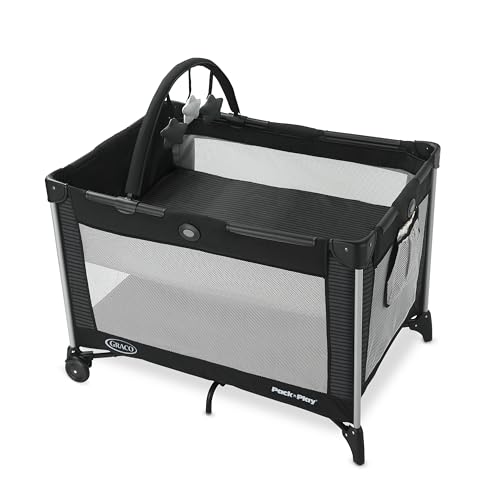
Quick take: ✅ Most women can safely assemble a crib in the second trimester, when energy levels are steadier and the risk of falling is lower. If you’re in the third trimester or have a high‑risk pregnancy, enlist a partner or professional for help. Keep tools organized, lift with your legs, and double‑check that the crib meets current safety standards before the baby arrives.
Picture this: it’s a rainy afternoon in the third month of your pregnancy, and you’ve just unboxed a beautiful new crib. The glossy wood gleams, the mattress fits like a dream, but a knot of worry twists in your stomach—“When should I actually put this together?” You’re not alone. Expecting mothers across the country wrestle with the same question, especially when the nursery is a blank canvas and the due date looms.
In this guide we answer the exact question you typed into Google: when to assemble crib pregnancy. We’ll walk through the safest trimester to start, outline a step‑by‑step assembly plan, share tips for dealing with pregnancy fatigue, and flag the red‑lights that mean you should call a professional. By the end, you’ll know the optimal timeline, the tools that make the job easier, and how to protect both your back and your baby’s future sleep space.
We’ve gathered guidance from the American Academy of Pediatrics (AAP), the Consumer Product Safety Commission (CPSC), and the American College of Obstetricians and Gynecologists (ACOG). Let’s get your nursery ready—without compromising your health.

When is the best time to assemble a crib during pregnancy?
The short answer: the second trimester (weeks 13‑27) is generally the sweet spot. During this window, many women report a resurgence of energy after the first‑trimester fatigue, and the risk of a sudden fall is lower than in the third trimester.
Why does the second trimester work best? ACOG notes that the uterus is still low enough for a comfortable bend, and hormonal changes have usually settled enough to reduce joint laxity that peaks later in pregnancy. This combination means you can lift moderate‑weight items—like crib panels—without straining your lower back.
If you’re a first‑time parent, aim to have the crib fully assembled by the end of week 24. That gives you a buffer for any unexpected delays, and you’ll still have plenty of weeks before the baby’s arrival to make final adjustments.
Even if you’re in the first trimester, you can start planning: read the manual, lay out all parts, and check that the crib meets the latest CPSC safety standards (no drop‑side rails, slats no more than 2 inches apart, sturdy construction). This preparation means that once you hit week 13, you can move quickly and confidently.
Should I assemble a crib in the third trimester?
Most clinicians advise against major assembly tasks after week 28. By the third trimester, the center of gravity has shifted, balance is compromised, and you’re more prone to dizziness or sudden fatigue. The risk of a back strain or a fall while handling heavy parts increases significantly.
If you find yourself with a brand‑new crib and the third trimester is already underway, consider these options:
- Ask for help. A partner, friend, or professional handyman can take on the heavy lifting.
- Break it down. Assemble the frame in short, 15‑minute sessions spread over a few days, keeping the work light and manageable.
- Use ergonomic tools. A cordless drill with a low‑torque setting reduces the need for manual wrenching.
When you’re close to delivery, you may also choose to postpone assembly until after birth. While a pre‑birth crib is convenient, the safety of you and your baby takes priority.
How early can I set up a baby crib while pregnant?
Technically, you can set up a crib as soon as you have the parts in hand, even in the first trimester. However, the practical answer hinges on your physical comfort and safety.
During weeks 1‑12, many women experience nausea, heightened sensitivity to smells, and fatigue. If you feel up to it, you can do a “dry run” by laying out the panels, checking that all screws and hardware are present, and confirming that the crib complies with the CPSC’s current safety standards. This preparatory step doesn’t require heavy lifting and can be done while seated.
Actual assembly—tightening bolts, securing the mattress support, and testing stability—should ideally wait until week 13 or later, when you have more core strength and a lower risk of balance issues.
Is it safe to assemble a crib before baby is born?
Yes, it is safe—provided you follow ergonomic guidelines and respect your body’s limits. The CPSC emphasizes that a properly assembled crib is one of the safest sleep environments for infants. The key is to avoid strain:
- Use a step stool or sturdy chair to reach higher panels, keeping your knees bent and your back straight.
- Lift with your legs, not your back. Hold each panel close to your body, and ask for assistance with any piece that feels heavier than 15 pounds.
- Keep the work area clear of tripping hazards—no toys, cords, or loose floor mats.
If you have a high‑risk pregnancy (e.g., placenta previa, preeclampsia), ACOG advises limiting any activity that could cause a sudden increase in blood pressure or abdominal pressure. In those cases, enlist a partner or professional from the start.
What factors affect timing for assembling a crib during pregnancy?
Several personal and environmental variables influence the optimal timing:
By weighing these factors, you can create a realistic schedule that aligns with both your health and your nursery décor goals.
Guidelines for assembling a crib in the second trimester
When you hit the second trimester, you’re in the ideal window to get the crib ready. Follow these evidence‑based steps to keep the process smooth and safe:
- Gather tools. You’ll need a screwdriver (or a cordless drill with a Phillips head), a rubber mallet, and a sturdy step stool. Keep a bottle of water nearby.
- Read the manual. Skim the entire instruction guide before touching any parts. Highlight any steps that require “tighten only hand‑tight” versus “tighten with tool.”
- Lay out all components. Arrange the panels, slats, hardware, and mattress support on a clean floor. Verify that you have every screw and bolt listed in the parts checklist.
- Assemble the frame. With a partner, lift each side panel together, aligning the pre‑drilled holes. Use your legs to lift, and keep the back straight.
- Secure the slats. Insert each slat into its slot before tightening the screw. This prevents misalignment that could later cause a gap.
- Install the mattress support. Follow the manufacturer’s instructions for the correct height setting—most cribs have multiple levels for newborns and toddlers.
- Check stability. Gently shake the assembled crib. It should feel solid with no wobble. If any movement is detected, re‑tighten all screws.
- Perform a safety inspection. Ensure the slat spacing is no wider than 2 inches, the mattress fits snugly, and no loose hardware remains. Refer to the CPSC’s crib safety checklist.
Take regular 5‑minute breaks to stretch and hydrate. If you feel any sharp back pain, stop immediately and ask for help.
When to install a crib if you have a high‑risk pregnancy?
High‑risk pregnancies require individualized advice from your OB‑GYN. Common conditions—such as preeclampsia, severe anemia, or a history of preterm labor—can limit the amount of safe physical activity.
ACOG recommends that women with high‑risk pregnancies avoid lifting more than 20 pounds and limit prolonged standing. In practice, this means:
- Delegate the heavy lifting. Have a partner or a skilled friend handle the frame pieces.
- Use a professional assembly service. Many retailers offer in‑home setup for a modest fee, which eliminates any strain on you.
- Schedule the final installation after the baby’s birth. If you’re near term (≥36 weeks), it may be safest to wait until the delivery is complete and you’ve recovered.
Always discuss your plan with your provider. A quick check‑in during a prenatal visit can confirm that your chosen timeline aligns with your health status.
How to choose a safe crib for pregnant mothers
Choosing the right crib reduces the need for extensive assembly and minimizes risk. Look for these safety hallmarks:
- Certified to current CPSC standards. Look for the “ASTM F1169‑18” label on the product tag.
- Simple design. Cribs with fewer moving parts (e.g., no convertible trundles or drop‑side rails) are easier to assemble.
- Sturdy materials. Solid wood or metal frames provide stability without the need for excessive tightening.
- Tool‑free assembly. Some brands advertise “no‑tools required” or “quick‑lock” systems, which are ideal for pregnant users.
Reading reviews on reputable sites—such as the AAP’s “BabyGear Guide”—can also reveal whether other parents found the assembly process manageable.
Steps to assemble a crib safely during pregnancy
Even with a user‑friendly crib, following a safety‑first protocol is essential. Below is a concise checklist you can print and keep on the floor while you work:
- Wear supportive shoes with non‑slip soles.
- Set up on a flat, stable surface—preferably a hardwood floor.
- Use a step stool rather than a ladder; keep the stool’s weight limit in mind.
- Lift with your legs, keeping the load close to your body.
- Take a 2‑minute stretch break after every 20 minutes of assembly.
- Keep a bottle of water within arm’s reach to stay hydrated.
- After tightening each screw, give it a gentle wiggle to confirm it’s secure.
- When finished, run a finger along each slat gap; if you can slip a 2‑inch object through, the gap is too wide.
If any step feels uncomfortable, pause and call for help. It’s better to delay a few days than to risk a back injury that could affect your pregnancy.

Myth vs. fact
Myth: You must assemble the crib before the baby’s due date, or you’ll have nowhere to sleep.
Fact: The crib can be set up up to two weeks after birth; a temporary bassinet or portable crib meets safety standards and gives you flexibility.
Myth: All crib assembly is the same, so any adult can do it.
Fact: Pregnancy changes balance and joint stability; even a simple flat‑pack can become hazardous without proper ergonomics.
Myth: If the crib feels sturdy, it’s safe.
Fact: A crib must meet specific CPSC criteria—slat spacing, hardware integrity, and mattress fit—regardless of perceived sturdiness.
Key takeaways
- Second trimester (weeks 13‑27) is the optimal window for crib assembly.
- Never lift more than 20 pounds alone; use your legs and enlist help for heavy panels.
- Choose a crib certified to current CPSC standards and with simple, tool‑free design.
- Follow a step‑by‑step safety checklist, taking frequent breaks and staying hydrated.
- If you have a high‑risk pregnancy, consider professional assembly or postpone until after delivery.
- After assembly, perform a thorough safety inspection—slats, stability, mattress fit.
Frequently asked questions
Can I assemble a crib in the first trimester?
Yes, you can start by reading the manual and laying out the pieces. However, avoid heavy lifting or prolonged standing until after week 12, when your energy levels typically improve.
Is it dangerous to put together a crib while pregnant?
It isn’t inherently dangerous if you follow ergonomic guidelines—lift with your legs, keep tools organized, and avoid over‑exertion. The main risk is back strain or a fall, which is why many experts recommend the second trimester for the actual assembly.
How long does it take to assemble a crib before the baby arrives?
Most flat‑pack cribs take 30‑45 minutes for a single adult. If you’re pregnant, add extra time for breaks—plan on about an hour to stay comfortable and safe.
Do I need help assembling a crib during pregnancy?
Having a partner or friend assist with the heavy parts is strongly advised, especially after week 28 or if you have any pregnancy‑related discomfort. Professional assembly services are also a safe, stress‑free option.
What safety checks should I do after assembling a crib while pregnant?
Check that slats are no more than 2 inches apart, ensure the mattress fits snugly without gaps, verify all screws are tightened, and give the crib a firm shake to confirm stability. Refer to the CPSC’s crib safety checklist for a complete list.
Should I wait until after birth to install the crib?
If you’re in the third trimester, have a high‑risk pregnancy, or experience significant fatigue, waiting until after delivery is perfectly fine. A portable bassinet can serve as a temporary solution.
What if I assemble the crib too early and notice a problem later?
Most issues can be corrected by re‑tightening screws or adjusting the mattress height. If a part is damaged, contact the manufacturer for a replacement before the baby’s arrival.
When to see a doctor or specialist
If you experience any of the following after assembling your crib, contact your OB‑GYN or a physical therapist promptly:
- Sharp or lingering back pain that doesn’t improve with rest.
- Dizziness, faintness, or sudden swelling in the legs.
- Any injury that results in bruising or limited movement.
- Signs of preterm labor (regular contractions, pelvic pressure) triggered by physical strain.
These symptoms can indicate that you’ve exceeded safe activity limits during pregnancy. Your provider can assess your health and advise on safe ways to continue preparing your nursery.

References
- American College of Obstetricians and Gynecologists (ACOG). “Physical Activity and Exercise During Pregnancy and the Postpartum Period.” 2023.
- Consumer Product Safety Commission (CPSC). “Crib Safety Standard (ASTM F1169‑18).” Updated 2022.
- American Academy of Pediatrics (AAP). “Safe Sleep for Babies.” 2022.
- Harvard T.H. Chan School of Public Health. “Ergonomic Tips for Expectant Mothers.” 2021.
- National Institute of Occupational Safety and Health (NIOSH). “Safe Lifting Guidelines for Pregnant Workers.” 2020.