Quick take: Most babies start walking without holding on between 11 and 14 months, but a range of 9 months to 18 months is still normal. Look for signs of balance, curiosity, and leg strength, encourage safe practice, and only worry if the child isn’t cruising or pulling‑to‑stand by 18 months or shows other developmental concerns.
It’s the moment you hear the faint “thump‑thump” from the living‑room floor and rush over, heart racing, to see your little one wobbling toward the sofa. You wonder: “Is this the real start of walking, or just a tumble?” You’re not alone. Many parents hover at the edge of the play‑pen, eyes wide, waiting for that independent step. In this guide, we’ll walk through everything you need to know about the milestone “when should baby walk without holding on.” We’ll cover typical ages, readiness cues, practical ways to encourage independence, safety tips, and the red‑flags that merit a chat with a pediatrician.
Whether your infant is just beginning to pull‑to‑stand, cruising along the coffee table, or already taking a few unaided steps, understanding the developmental timeline helps you feel confident and proactive. Below you’ll find clear answers to the most common questions parents type into Google, backed by reputable sources such as the American Academy of Pediatrics (AAP), the World Health Organization (WHO), and the UK’s National Health Service (NHS). Let’s dive in.
Keep in mind that every child’s path is uniquely theirs. While we provide evidence‑based guidance, nothing replaces a conversation with your own pediatrician, who can tailor advice to your baby’s specific health history.
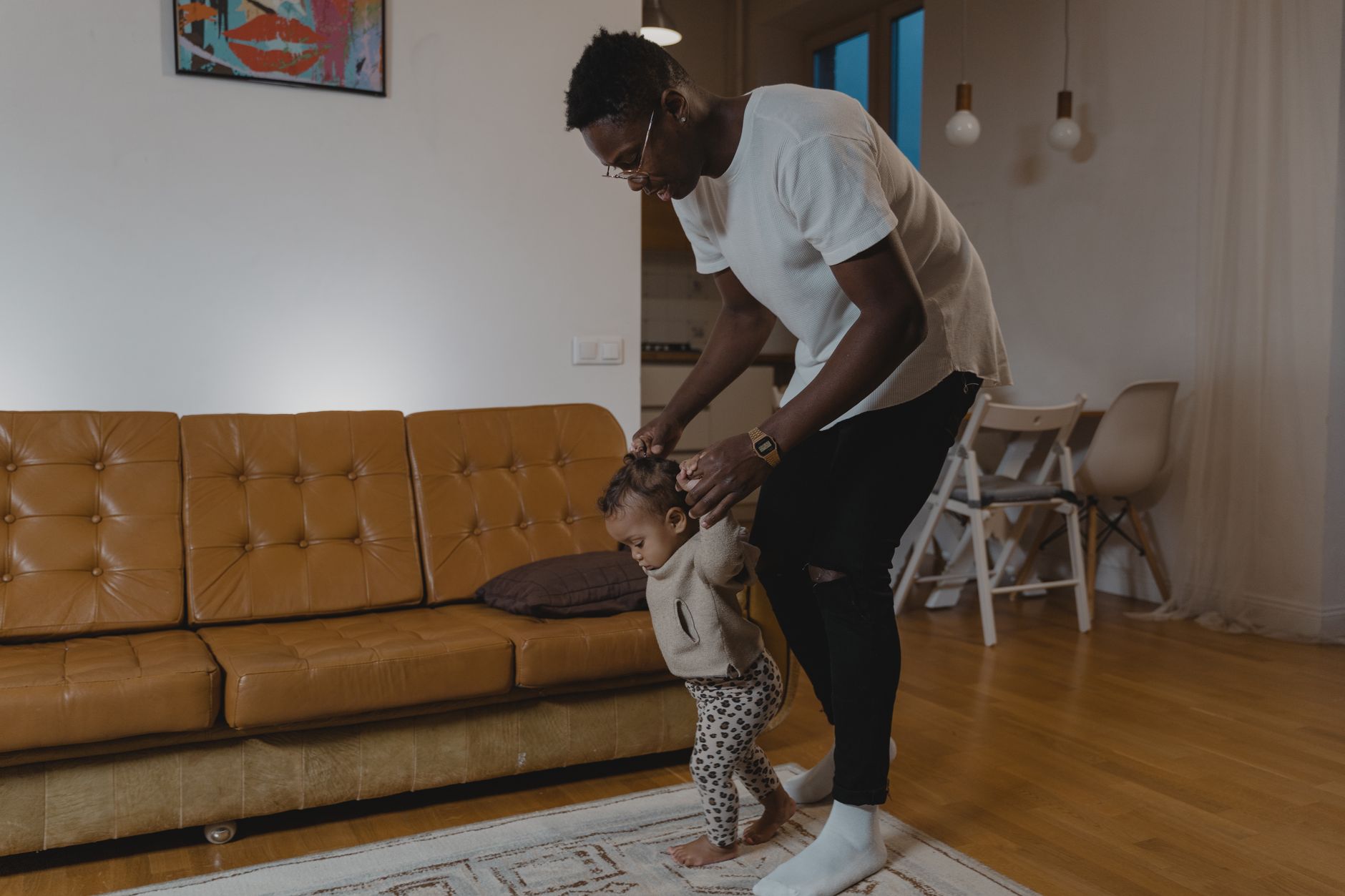
At what age do babies start walking without holding on?
The short answer is that most babies begin walking without holding on somewhere between 11 months and 14 months of age. However, the developmental window is broader than many realize. According to the AAP, the typical range for independent walking is 9 months to 18 months, with the average landing around 12 months.
Why such a range? Walking is a complex skill that requires coordination of the brain, muscles, and sensory systems. Genetics, prematurity, and the amount of “floor time” a baby gets all play a role. In a large UK cohort, 5 % of children began walking as early as 9 months, while another 5 % didn’t walk independently until after 15 months. That variation is normal and usually reflects individual pacing rather than a problem (NHS, 2022).
Cross‑cultural observations also matter. In societies where infants spend more time in floor‑based play, the average age for independent walking can be a month earlier, whereas cultures that rely heavily on baby‑carriers may see a slightly later onset. These differences underscore that the environment you create can influence timing, but they do not dictate a strict deadline (World Health Organization, 2022).
Here’s a quick snapshot of the age distribution:
If your baby is on the earlier or later side of this chart, pause and breathe. Most children find their own rhythm, and forcing steps can actually delay progress. The most reassuring sign is steady progress across other milestones, not the exact month on the calendar.
Signs your baby is ready to walk independently
Before a baby can take a step without holding on, several “readiness” milestones typically appear. Spotting them helps you know when to gently encourage that next move.
- Pull‑to‑stand ability: Your child can lift their body up on furniture or a sturdy table.
- Cruising: Walking sideways while holding onto a piece of furniture for balance.
- Standing balance: Able to stand briefly (2–3 seconds) without support.
- Weight shifting: Shifts weight from one foot to the other while holding on, indicating leg strength.
- Curiosity and motivation: Reaches for toys or parents that are just out of reach, showing a desire to move.
- Improved trunk control: Sits well without support and can roll both ways.
These cues usually appear between 9 months and 13 months. They reflect the maturation of the motor cortex and cerebellum, areas of the brain that integrate balance and coordination (American College of Obstetricians and Gynecologists, 2023). When several of these signs line up, it’s a good time to create a safe environment for independent steps.
Parents often wonder whether a baby’s “wobble” is a sign of readiness or a red flag. A wobble that quickly steadies after a few seconds of support is usually a normal part of learning balance. In contrast, prolonged floppiness or an inability to bear weight on both legs may warrant a professional check‑in.
How to encourage baby to walk without support
Encouragement is most effective when it’s playful, safe, and respects your baby’s pace. Here are evidence‑based strategies, many of which pediatric physiotherapists recommend.
1. Create a safe walking zone
Clear a small area of the floor, ideally a soft rug or foam mat, free of small objects, cords, and sharp corners. The AAP suggests a “baby‑proofed” space that allows the child to explore without the constant need for a hand‑hold. Adding a low, non‑slip border can keep the rug in place while still letting the baby move freely.
2. Use furniture strategically
Place sturdy, low‑profile furniture (like a coffee table or couch arm) within reach. Encourage cruising by positioning a favorite toy just beyond the edge, prompting the baby to step toward it. Furniture that doesn’t tip when weight is applied is essential—check the stability before each session.
When indoors, soft‑soled shoes or socks with grip are ideal. They protect tiny feet while allowing natural foot flexion, which is important for balance development. The FDA’s Consumer Product Safety Commission (CPSC) recommends shoes with a flexible sole and a wide toe box for infants under 12 months.
4. Model walking
Babies love imitation. Walk slowly in front of them, holding out your hands. Verbal cues like “step‑step” paired with a smile reinforce the behavior. Mirrors can also be a fun tool—standing side‑by‑side in a floor‑level mirror lets the baby see their own movements, boosting confidence.
5. Celebrate attempts
Every wobble deserves a gentle cheer. Positive reinforcement builds confidence and motivates the brain to keep fine‑tuning motor pathways. A simple “You did it!” or a clapping gesture signals success without pressuring the child.
These tips are simple, low‑cost, and can be woven into daily routines without a rigid schedule. Consistency—offering a few minutes of floor time each day—makes the biggest difference.
Remember, safety first. Keep an eye on any small objects that could become choking hazards, and never leave a baby unattended on elevated surfaces, even if they appear confident.
Common reasons why a baby delays walking without holding on
While most infants follow the typical age range, some may take longer. Understanding potential contributors can help you decide whether extra support is needed.
- Prematurity: Babies born before 37 weeks often reach milestones later, sometimes by several months.
- Low muscle tone (hypotonia): Can make standing and stepping more challenging. This may be genetic or related to certain medical conditions.
- Limited “tummy time”: Insufficient time on the stomach reduces core strength, a key component for walking.
- Environmental factors: Over‑reliance on devices (bouncers, swings) can limit opportunities for floor exploration.
- Footwear that’s too stiff: Hard shoes restrict natural foot movement, delaying balance development.
- Neurological conditions: Rarely, conditions such as cerebral palsy can affect motor milestones. Early identification is vital.
- Nutritional deficiencies: Iron or vitamin D deficiency can impair muscle function. The CDC notes that adequate nutrition supports motor development (CDC, 2023).
If any of these factors apply, consider a pediatrician or pediatric physical therapist evaluation. Early intervention often leads to better outcomes, and many programs are covered by insurance when a referral is made.
Difference between cruising and independent walking in babies
“Cruising” and “independent walking” are often confused, but they represent distinct stages.
Think of cruising as the training‑wheels phase. Once a baby can shift weight and stand briefly without holding on, they’re primed for independent steps. Research from Harvard’s Center on the Developing Child shows that the transition from cruising to free walking is marked by rapid improvements in vestibular processing (Harvard T.H. Chan School of Public Health, 2021).
When to be concerned if baby hasn't started walking alone
Most pediatricians advise monitoring the overall developmental trajectory. Red‑flags that warrant a professional evaluation include:
- Not pulling to stand by 12 months.
- No cruising (side‑ways walking) by 15 months.
- Unable to stand unassisted for at least 2 seconds after 18 months.
- Persistent low muscle tone, floppiness, or asymmetry.
- Regression—loss of previously acquired motor skills.
- Associated concerns such as delayed speech, poor eye contact, or abnormal reflexes.
Tools such as the Ages & Stages Questionnaires (ASQ) can help parents track progress across domains. The AAP recommends routine developmental screening at 9, 18, and 30 months (AAP, 2023). If your child falls behind on multiple items, a referral to a developmental specialist or pediatric physical therapist may be recommended.
It’s also worth noting that a single delayed milestone rarely signals a serious problem on its own. Patterns and trends matter more than isolated data points.
Activities that help baby transition to independent walking
Targeted play can smooth the move from cruising to free walking. Below are activities, each with a brief “how‑to” and the developmental benefit.
- Obstacle courses: Arrange cushions or low‑profile boxes to encourage stepping over objects. Improves balance and foot placement.
- Push toys: Sturdy walkers or push‑along toys give confidence while providing a hand for balance when needed.
- Music‑and‑movement: Play a favorite song and encourage your baby to “dance” toward a toy. Rhythm helps coordinate stepping.
- Floor‑based “follow the leader”: Crawl behind you, then stand and hold your hands briefly, letting the baby mimic the movement.
- Foot‑strengthening games: Gentle “leg lifts” while the baby is seated (like a mini‑bike motion) build quadriceps strength.
- Outdoor strolls on grass: Soft natural surfaces promote proprioceptive feedback, enhancing balance.
These activities are most effective when performed for short, frequent sessions—about 5‑10 minutes, 2‑3 times a day. Consistency beats intensity; a daily routine of playful practice yields better long‑term confidence.
Average timeline for babies to walk without holding on
Below is a month‑by‑month breakdown that captures the typical progression from sitting to independent walking. Keep in mind that each child’s path is unique.
Longitudinal research from the UK’s Millennium Cohort Study found that early motor milestones (crawling, pulling to stand) strongly predict later walking age, but the correlation isn’t absolute—environmental support can shift timelines by several months (British Society of Paediatric Orthopaedics, 2023).
By 12 months, many babies can take a few steps unaided, but full confidence often arrives a few months later. If you’re tracking your child’s progress, note the milestones rather than the exact month; the pattern matters more than the calendar.
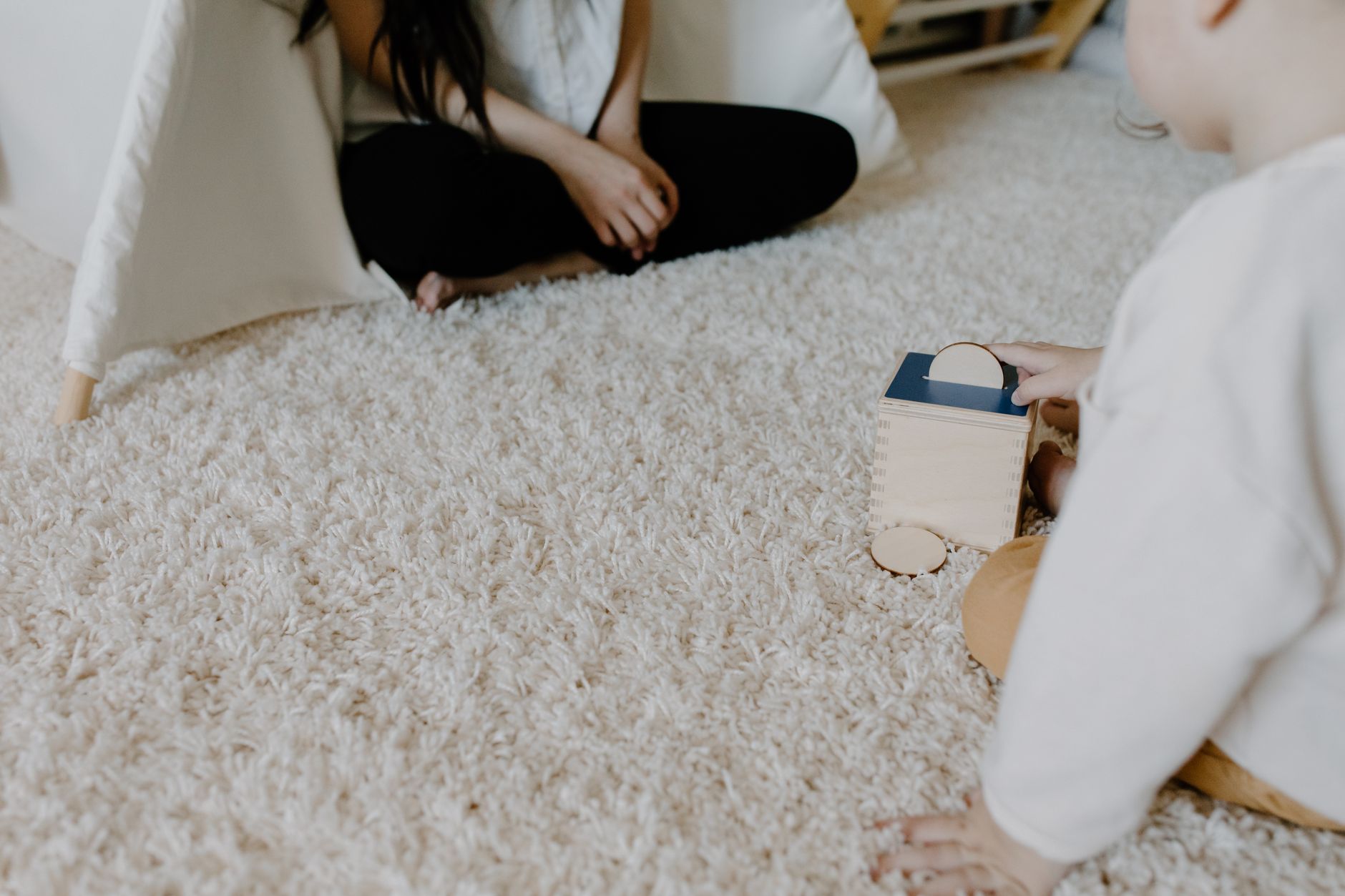
Footwear might seem like a minor detail, but the right shoe can either support or hinder a baby’s balance development. The FDA’s CPSC recommends shoes that are flexible, breathable, and have a wide toe box for infants under 12 months.
When shopping, keep these features in mind:
- Flexibility: The sole should bend easily at the ball of the foot. A quick test—place the shoe on a table and try to fold it in half. If it resists, it’s too stiff.
- Lightweight: Heavy shoes add extra load, making it harder for tiny leg muscles to lift the foot.
Non‑slip sole: Look for rubberized treads that grip indoor surfaces without being overly sticky, which could impede natural foot roll.
- Secure fit: Adjustable Velcro straps help keep the shoe on while allowing room for growth.
- Breathability: Mesh panels or natural fabrics prevent overheating and keep feet dry.
Below is a quick comparison of common infant shoe types:
For indoor practice, many parents opt for clean, non‑slip socks with a thin rubber grip. When transitioning to outdoor play, a soft‑sole shoe with a breathable upper is ideal. Remember to check the fit weekly—baby feet grow quickly, and shoes that become tight can affect gait.
The role of tummy time in preparing your baby for walking
Tummy time isn’t just about strengthening the neck; it builds the core muscles that later support standing and walking. The CDC recommends at least 30 minutes of supervised tummy time per day by 3 months of age, gradually increasing as the baby tolerates it.
Practical tips to make tummy time enjoyable:
- Use a mirror: Babies love watching their own reflections, which encourages them to lift their head and reach.
- Place toys just out of reach: This motivates reaching, rolling, and eventually crawling.
- Join them: Kneel on the floor and interact face‑to‑face; your voice and smile provide reassurance.
- Vary the surface: A firm blanket, a textured play mat, or a soft foam pad each offer different sensory feedback.
Consistent tummy time lays the foundation for the weight‑shifting and trunk control needed during the pull‑to‑stand phase. If your baby resists, start with short 1‑minute sessions and build up gradually—every minute counts.
Floor surface safety: rugs, hardwood, and carpet considerations
Where your baby practices walking can affect both confidence and injury risk. Different floor surfaces have unique pros and cons, and choosing the right one can make the learning process smoother.
For early walkers, a low‑pile rug over a hardwood floor offers a balance of safety and stability. Ensure the rug is anchored or has a non‑slip backing to prevent it from sliding as the baby steps. Regularly inspect the area for loose cords, toys, or anything that could become a choking hazard.
When transitioning to outdoor spaces, grass and smooth playground surfaces provide sensory variation, but always supervise closely and avoid uneven terrain until the child’s gait is more mature.
Myth vs. fact
Myth: All babies should be walking by their first birthday.
Fact: The average age is around 12 months, but the normal range spans 9–18 months. Early or late walkers are usually just following their own developmental timetable.
Myth: Holding a baby’s hands while they walk speeds up the process.
Fact: Constant hand‑holding can actually delay independent walking because it reduces the opportunity to practice balance.
Myth: Heavy shoes help babies develop stronger legs.
Fact: Soft, flexible footwear (or even clean socks) is best for natural foot movement and balance development.
Understanding these misconceptions helps you focus on evidence‑based practices rather than well‑meaning but misguided advice.
Key takeaways
- Independent walking typically begins between 11 months and 14 months, with a normal range of 9–18 months.
- Readiness signs include pulling‑to‑stand, cruising, brief standing balance, and a strong desire to explore.
- Safe floor space, supportive furniture, and playful encouragement are the most effective ways to foster walking.
- Delayed walking can stem from prematurity, low muscle tone, limited tummy time, restrictive footwear, or nutritional gaps.
- Seek professional advice if your child isn’t pulling to stand by 12 months, cruising by 15 months, or shows other developmental concerns.
- Positive reinforcement, short daily practice, and age‑appropriate toys (push walkers, low obstacles) make the transition smoother.
- Choosing flexible, breathable shoes and providing a cushioned yet stable floor surface support confidence and safety.
Frequently asked questions
When do babies typically start walking on their own?
Most infants take their first unaided steps between 11 months and 14 months. The American Academy of Pediatrics notes that the broader normal window is 9 months to 18 months, so variations are common.
Is it normal for a baby to walk without holding on at 9 months?
While rare, some babies may take a few steps as early as 9 months. If the child shows other developmental milestones (crawling, pulling to stand, good trunk control), early walking is usually a healthy variation rather than a cause for concern.
What are the signs that a baby is ready to walk independently?
Key indicators include the ability to pull to stand, cruising along furniture, standing briefly without support, shifting weight from one leg to the other, and a strong motivation to reach for objects just out of reach.
How can I help my baby learn to walk without support?
Provide a safe, clutter‑free floor area, place low, sturdy furniture for cruising, use soft‑soled shoes or socks, model walking, and celebrate each attempt with positive reinforcement. Short, frequent practice sessions work best.
Should I be worried if my baby hasn't walked without holding on by 14 months?
Not necessarily. If your child is cruising, pulling to stand, and meeting other milestones, a later walking age is still within the normal range. However, if they haven’t begun cruising by 15 months or lack standing balance, discuss it with your pediatrician.
What activities encourage independent walking in babies?
Obstacle courses with cushions, push toys, music‑and‑movement games, “follow the leader” floor play, and gentle leg‑strengthening exercises (like mini‑bike motions while seated) all promote balance, strength, and confidence.
How many steps can a 12‑month‑old baby take without support?
At 12 months, many babies can take 2‑5 unaided steps before needing a hand or furniture for balance. The exact number varies widely; the key is the quality of the steps—steady, upright posture and forward momentum indicate readiness for further practice.
Can a baby learn to walk while wearing a baby carrier?
Carriers provide support for the torso but limit leg movement, so they don’t promote the balance skills needed for independent walking. Most experts advise using carriers for transport only and allowing floor time for motor development (AAP, 2023).
Does using a traditional baby walker make a child walk earlier?
Research from the FDA and AAP shows that stationary walkers (the “walker” with wheels) can actually delay walking because they give a false sense of stability. They also pose a safety risk from falls down stairs. Modern push‑along toys that require the child to hold on are safer and more developmentally appropriate.
When to see a doctor / specialist
If you notice any of the following red‑flags, schedule an appointment with your child’s pediatrician promptly. The pediatrician may refer you to a pediatric physical therapist or a developmental specialist for a detailed evaluation.
- Unable to pull to stand by 12 months.
- No cruising (sideways walking) by 15 months.
- Cannot stand unaided for at least 2 seconds after 18 months.
- Consistent low muscle tone, limp limbs, or asymmetrical movements.
- Regression of previously achieved milestones.
- Associated concerns such as delayed speech, poor eye contact, or abnormal reflexes.
This article is for informational purposes only and does not replace personalized medical advice. Always consult your healthcare provider for concerns specific to your child.
References
- American Academy of Pediatrics. “Developmental Milestones: Walking.” AAP, 2023.
- World Health Organization. “Child Development Standards.” WHO, 2022.
- Centers for Disease Control and Prevention. “Developmental Milestones.” CDC, 2023.
- Harvard T.H. Chan School of Public Health. “Physical Activity in Early Childhood.” Harvard, 2021.
- National Institute of Child Health and Human Development. “Motor Development.” NICHD, 2022.
- British Society of Paediatric Orthopaedics. “Walking Milestones.” BSSPO, 2023.
- National Health Service (NHS). “Developmental milestones for babies.” NHS, 2022.
- U.S. Food and Drug Administration. “Consumer Product Safety: Infant Shoes.” FDA, 2023.
- American College of Obstetricians and Gynecologists. “Guidance on Infant Motor Development.” ACOG, 2023.
- American Psychological Association. “Ages & Stages Questionnaires.” APA, 2022.



