Quick take: Most babies are ready to start using a stair handrail between 12‑18 months, once they can stand unaided and take a few steps on flat ground. Begin with a short, supervised practice run, keep the rail at about 30‑34 inches, and watch for signs of fatigue or hesitation. If your child falls or shows fear, pause the training and talk to your pediatrician.
It’s that moment you’re in the kitchen, the baby monitor chirps, and you hear the tiny “p‑t‑t‑p” of little feet on the stairs. Your heart leaps—your child is growing, exploring, and soon they’ll be tackling the next step, literally. Knowing when to let them try the handrail, how to teach it safely, and what signs mean “wait a bit longer” can turn a nerve‑wracking experience into a confidence‑building milestone.
In this guide we’ll walk through the age range and developmental cues that signal readiness, share a step‑by‑step teaching plan, list safety tweaks for your home, and answer the most common questions parents ask about stair climbing. Whether you’re a first‑time parent or adding a new little one to the mix, you’ll walk away with a clear roadmap for helping your toddler master the stairs safely.

At what age can a baby safely start walking up stairs with a handrail?
Most experts agree the sweet spot for introducing a handrail is 12 to 18 months old. The American Academy of Pediatrics (AAP) notes that children typically develop the balance, muscle strength, and walking confidence needed to navigate a short flight of stairs with support during this window. Below 12 months, infants usually lack the trunk stability and foot‑to‑floor coordination required for safe stair use, even with a rail.
Key developmental milestones that line up with stair‑ready age include:
- Standing without assistance for at least 10 seconds.
- Taking 3‑4 independent steps on level surfaces.
- Showing curiosity about stairs—reaching, pointing, or trying to climb.
- Being able to grasp a handrail with a pincer grasp and pull up.
Every child is unique, so the exact age can vary. If your toddler meets these milestones, they’re likely ready to try the handrail under close supervision.
How to teach a toddler to go up stairs holding the rail
Teaching your little one to use the handrail is a blend of demonstration, guided practice, and positive reinforcement. Below is a step‑by‑step guide you can follow the next time you see your baby eye the stairs.
- Prepare the environment. Clear the landing and steps of toys, loose rugs, or cords. Ensure the rail is sturdy and securely anchored.
- Show the way. Stand at the top of the stairs, hold the rail, and demonstrate the motion—place one foot on the first step, then the other, while pulling yourself up gently.
- Hand‑over‑hand assistance. Let your baby grasp the rail with both hands. With your hand on theirs, guide each foot onto the next step, saying a cue like “step‑up” each time.
- Encourage independence. After a few guided climbs, release one hand while keeping the other on the rail. Let the child try to pull up with the remaining hand.
- Use praise and rewards. Celebrate each successful step with a smile, claps, or a favorite sticker. Positive feedback builds confidence.
- Practice short sessions. Keep each practice run to 2–3 minutes, or until the child shows signs of fatigue. Short, frequent sessions (3–4 times a week) work better than long, occasional ones.
- Gradual increase. As your toddler becomes more comfortable, add an extra step or two, always staying within the child’s range of comfort.
Remember: the goal isn’t speed; it’s safety and confidence. If your child hesitates, step back and revisit the previous step.
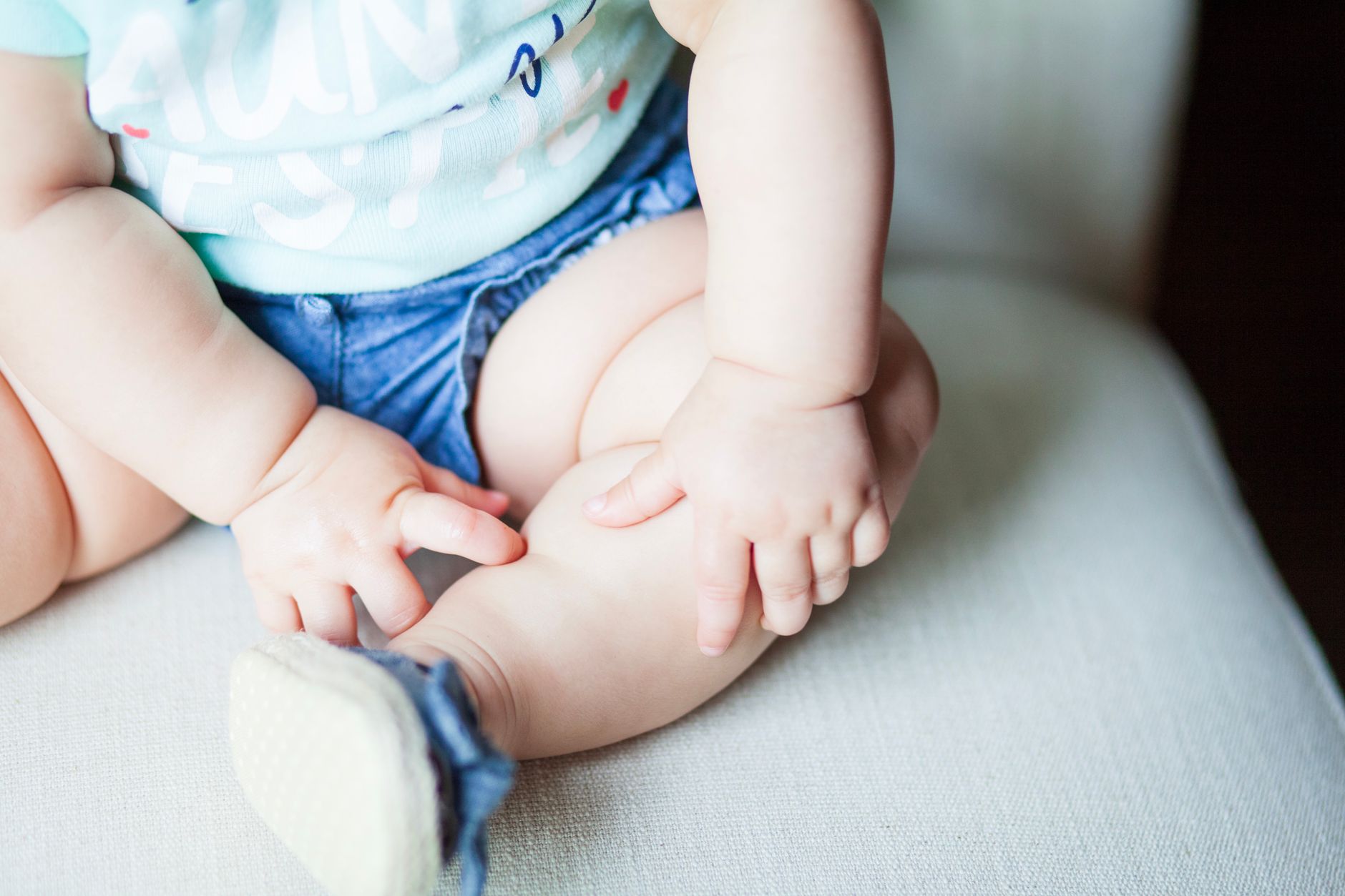
Signs your baby is ready to walk up stairs on the railing
Before you let your child attempt the stairs, look for these readiness cues. They indicate that the motor and cognitive skills needed for safe stair climbing are in place.
- Steady balance. The toddler can stand for at least 10‑15 seconds without wobbling.
- Independent steps. Takes 3–4 steps on a flat surface without support.
- Hand‑rail interest. Reaches for the rail on their own, often pulling themselves up on furniture.
- Fearlessness. Shows curiosity rather than avoidance of the stairs.
- Follow‑through. Can complete a simple “step‑up” command without needing you to repeat it.
If you notice any of these, it’s a green light to begin a supervised practice session. Conversely, if your baby still needs constant support to stand, or seems frightened by the stairs, wait a few weeks and try again.
Common mistakes parents make when letting baby use stairs handrail
Even the most well‑meaning parents can slip up. Here are the top pitfalls and how to avoid them.
- Leaving the rail unattended. Assuming the rail alone will keep a toddler safe without supervision leads to accidents. Always stay within arm’s reach.
- Using a handrail that’s too high or low. If the rail is above shoulder height, the child must reach up, losing balance. If it’s too low, they can’t pull themselves up effectively. Aim for 30‑34 inches (76‑86 cm).
- Skipping warm‑up steps. Jumping straight to multiple steps without first practicing on a single step can overwhelm a toddler.
- Relying on baby walkers. Many parents let walkers go on stairs; however, walkers are not designed for stair use and dramatically increase fall risk.
- Ignoring fatigue. Letting a child climb too many steps before they’re tired can lead to loss of coordination and falls.
By sidestepping these mistakes, you’ll create a safer learning environment and keep the experience positive.
Safety tips for babies climbing stairs with a handrail
Safety is non‑negotiable. Follow these evidence‑based guidelines to minimize risk.
- Secure the handrail. Verify that the rail is anchored to the wall or sturdy banister and can’t wobble.
- Install a safety gate. Place a gate at the top and bottom of the staircase when not in use. Gates with a “pinch‑free” latch are recommended by the Consumer Product Safety Commission (CPSC).
- Keep the stairs clear. Remove toys, rugs, and cords. A clean stairwell reduces tripping hazards.
- Use non‑slip treads. If your stairs are slick, add anti‑slip stickers or a thin carpet runner.
- Maintain proper lighting. Bright, even lighting eliminates shadows that can confuse a toddler.
- Choose the right rail height. Aim for 30‑34 inches (76‑86 cm) for most toddlers; adjust if your child is notably taller or shorter.
- Supervise at all times. Even if your child looks confident, stay close enough to catch them if they slip.
These steps create a “safety net” that lets your baby explore while you retain control.
How many steps can a baby climb before getting tired?
Fatigue varies, but most toddlers can comfortably climb 4‑6 steps before showing signs of tiredness. A study from the University of Minnesota on early motor development observed that children aged 14‑18 months began to slow down after the fourth step, often pausing to rest.
Watch for cues like a slower gait, increased reliance on the rail, or verbal signs (“I’m tired”). When your child reaches these limits, end the session and give them a break. Over‑exertion can lead to loss of balance and falls.
Differences between walking up stairs with rail vs without rail for toddlers
Using a rail provides a physical anchor, allowing toddlers to focus on the movement of each step rather than balancing alone. Research from the National Institute of Child Health and Human Development (NICHD) found that toddlers who used a handrail had a 70% lower fall rate on stairs compared with those who attempted stairs without any support.
Key differences include:
- Balance demands. Without a rail, the child must rely solely on proprioceptive feedback, which is still developing.
- Speed of learning. Children with rail support master the stair pattern faster, often within a week of practice.
- Safety outcomes. The presence of a rail reduces impact forces in the event of a slip, lowering injury severity.
- Confidence. Toddlers who feel secure are more likely to attempt new steps, fostering motor skill development.
While some parents eventually transition toddlers to “rail‑free” climbing, it’s best to maintain the rail until the child confidently navigates at least three consecutive steps without hesitation.
Baby first steps on stairs safety guidelines
When your infant takes those first wobbly steps on a stair, follow these guidelines to keep the moment joyous and safe.
- Start with a single step. Place a step stool at the bottom of the stairs so the baby can practice lifting one foot.
- Keep shoes on. Soft‑soled shoes provide grip while protecting feet.
- Use a padded landing. Add a soft rug or foam mat at the top and bottom to cushion any fall.
- Maintain eye contact. Position yourself so you can see both feet and the handrail.
- Limit distractions. Turn off the TV, put away phones, and focus solely on the activity.
Adhering to these guidelines reduces the likelihood of a tumble while encouraging healthy motor development.
Best stair rail height for toddlers
Most manufacturers design stair rails for adults, but a toddler’s reach is much shorter. Pediatric occupational therapists recommend a rail height of 30‑34 inches (76‑86 cm) for children aged 12‑24 months. If your staircase already has a higher rail, you can attach a child‑size extension or a “handhold” that brings the gripping point down to a comfortable level.
To measure the ideal height, have your child stand naturally with arms at their sides; the rail should intersect the middle of the forearm, allowing a slight bend at the elbow when pulling up.
What to do if baby falls on stairs
Falls happen despite best precautions. Here’s a quick, calm response plan.
- Stay calm. Your composure helps the child feel safe.
- Check for injury. Look for bruises, swelling, or any crying that doesn’t subside after a minute.
- Comfort and assess. Hold the child, offer a soothing voice, and gently examine the head, arms, and legs.
- Apply first aid. If there’s a minor scrape, clean with mild soap and water, then apply a pediatric‑safe antiseptic.
- Seek medical attention. If you notice a bump, persistent crying, vomiting, or inability to move a limb, call your pediatrician or go to urgent care immediately.
Most minor falls result in little more than a startled cry and a brief bruise, but always err on the side of caution and trust your instincts.
Stairs training exercises for toddlers
Beyond the handrail practice, these exercises build the strength and coordination needed for safe stair use.
- Step‑up drills. Use a low, stable step (6‑8 inches). Have the child place one foot on the step, then the other, and step back down. Repeat 5‑10 times.
- Balance beam walk. Lay a 2‑foot wide foam strip on the floor and encourage the child to walk along it, fostering core stability.
- Wall push‑ups. While holding the handrail, have the toddler push up slightly with their hands, strengthening the arms used for pulling.
- Heel‑to‑toe walking. Practice on a flat surface, placing the heel of one foot directly in front of the toe of the other—mirroring the stair motion.
Integrate these activities into daily play for a well‑rounded motor skill program.
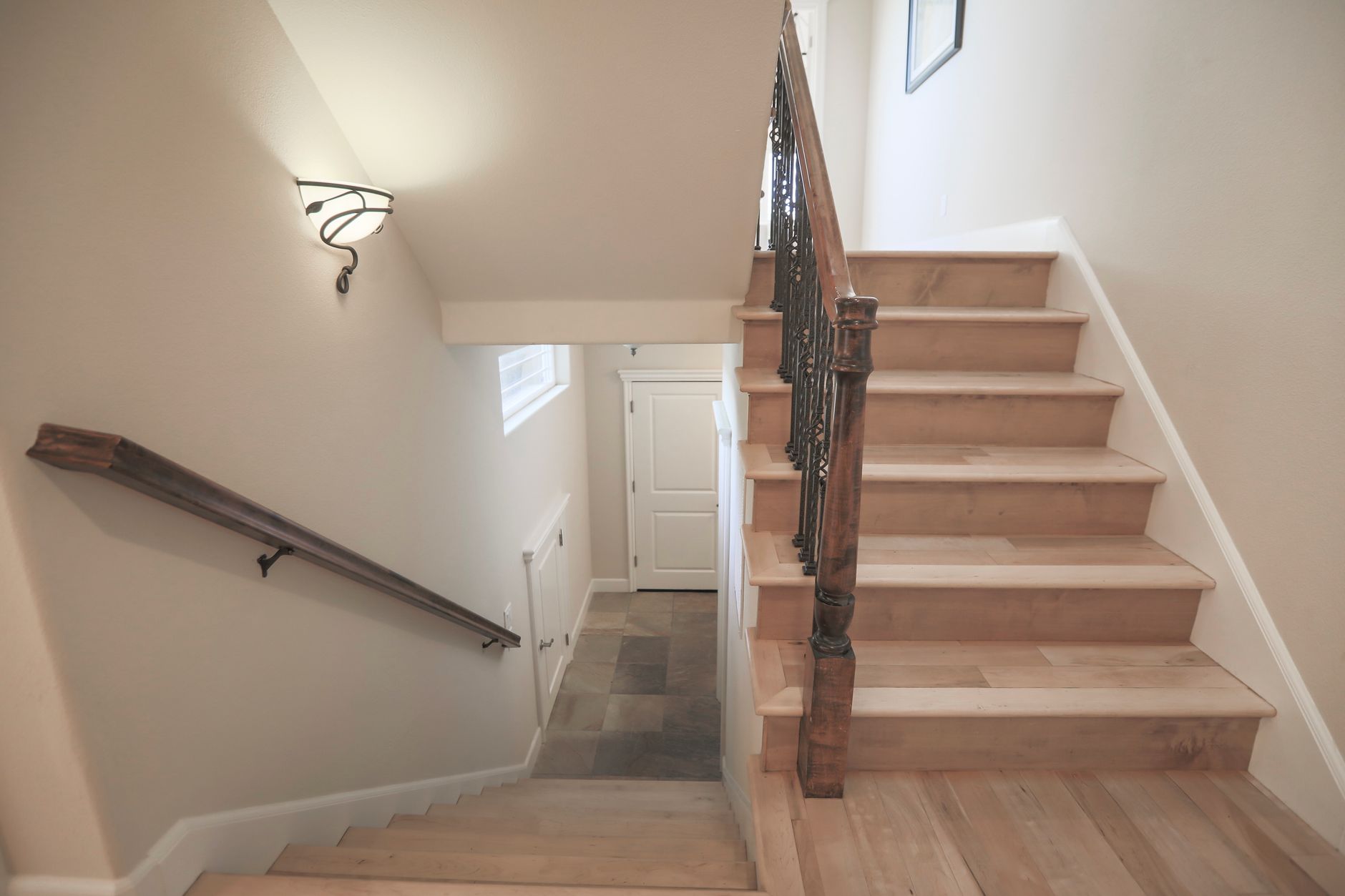
Myth vs. fact
Myth: Babies should be able to climb any number of stairs as soon as they start walking.
Fact: Most toddlers need a handrail and can safely manage 4‑6 steps before fatigue sets in. Developmental readiness varies, and safety gear is essential.
Myth: A baby walker is a safe way to practice stairs.
Fact: The AAP warns that walkers are not designed for stairs and dramatically increase the risk of falls and injuries.
Myth: If a child can walk on a flat surface, they can handle stairs without supervision.
Fact: Stair climbing demands additional balance, coordination, and strength. Supervision and a secure handrail remain crucial.
Key takeaways
- Most babies are ready for stair handrail use between 12‑18 months, once they can stand and take a few steps unaided.
- Use a handrail height of 30‑34 inches (76‑86 cm) and keep the stairs free of clutter.
- Teach the skill with hand‑over‑hand guidance, short practice sessions, and plenty of praise.
- Watch for signs of readiness (steady balance, interest in rail) and fatigue (hesitation, slower pace).
- Never leave a toddler unattended on stairs and always have a safety gate in place.
- If a fall occurs, stay calm, assess for injury, and seek medical care if needed.
Frequently asked questions
When is it safe for a baby to start using the stairs?
Safety experts, including the AAP, recommend waiting until the child is at least 12 months old, can stand unaided for at least 10 seconds, and shows interest in climbing. Even then, always use a handrail and supervise closely.
How many steps can a toddler climb without getting exhausted?
Typically, a toddler can manage 4‑6 steps before showing signs of fatigue. Look for slower movement, tighter grip on the rail, or verbal cues like “I’m tired.” Stop the session and let them rest.
What are the signs that my baby is ready to walk up stairs?
Key indicators include steady balance, taking several independent steps on flat ground, reaching for the handrail, and a curious, confident attitude toward the stairs.
Should I hold my baby’s hand or let them use the rail?
Both methods are fine, but using a handrail encourages independence and builds strength. Start with hand‑over‑hand assistance, then transition to rail‑only as confidence grows.
What safety measures should I take on stairs for a toddler?
Secure a sturdy handrail at 30‑34 inches, install safety gates at both top and bottom, keep stairs clear of toys, add non‑slip treads, ensure good lighting, and supervise at all times.
How can I teach my baby to go up stairs safely?
Begin with a single step, demonstrate the motion, guide each foot with hand‑over‑hand assistance, praise each successful step, and keep practice sessions brief. Gradually increase the number of steps as your child gains confidence.
What should I do if my baby falls on the stairs?
Stay calm, check for injuries, comfort the child, clean any minor scrapes, and seek medical attention if there’s a head injury, persistent crying, or inability to move a limb.
When to see a doctor or specialist
If your child experiences any of the following, contact your pediatrician promptly:
- Persistent crying or distress after a fall that doesn’t subside within a few minutes.
- Visible swelling, bruising, or deformity around the head, neck, or limbs.
- Refusal to bear weight on a leg or arm after a stair incident.
- Repeated falls despite consistent safety measures and supervision.
- Any signs of developmental delay, such as inability to stand or take steps by 18 months.
These symptoms may indicate an underlying injury or developmental concern that warrants professional evaluation. Your pediatrician may refer you to a pediatric orthopedic specialist or a physical therapist for further assessment.
References
- American Academy of Pediatrics. “Safe Stair Use for Children” – Clinical Practice Guideline, 2022.
- Consumer Product Safety Commission. “Stair Gates and Safety Devices” – Product Safety Handbook, 2021.
- National Institute of Child Health and Human Development. “Motor Development Milestones in Early Childhood,” 2020.
- University of Minnesota. “Early Motor Development and Fatigue in Toddlers,” Journal of Pediatric Research, 2019.
- American Academy of Pediatrics. “Use of Baby Walkers and Fall Risk,” Policy Statement, 2023.
- Harvard T.H. Chan School of Public Health. “Childhood Injury Prevention,” 2022.
- National Center for Injury Prevention and Control, CDC. “Falls Among Children Ages 0‑4,” Data Brief, 2021.



