Quick take: Most babies learn to sit without support between 4 and 7 months of age. Look for steady head control, a firm trunk, and the ability to shift weight from side to side. If your infant shows those signs, you can safely encourage sitting, but always supervise and keep a soft surface nearby. If they haven’t reached this milestone by 8 months, or you notice persistent floppy tone, talk with your pediatrician.
It’s 3 a.m., the house is quiet, and you’re watching your little one wobble on the floor, eyes wide with curiosity. A sudden “Can I sit on my own?” seems to echo in your mind, and you wonder, “Is this normal? When should baby sit unsupported?” You’re not alone—many parents stare at their baby’s attempts and feel a mix of excitement and anxiety. This guide walks you through the typical timeline, the signs that your baby is ready, safety tips, and practical ways to help them master this milestone.
In the next few minutes, we’ll cover everything you might type into Google: the age range for independent sitting, how to tell if your baby is ready, safe practices for a five‑month‑old, toys that boost core strength, and what to do if progress feels slower than expected. By the end, you’ll have a clear roadmap and confidence to celebrate each tiny triumph.
We’ll also explore how the right floor surface, everyday objects, and the broader pattern of motor development play into sitting. Whether you’re in the United States, the United Kingdom, or elsewhere, the core principles remain the same, but you’ll find a few region‑specific tips from the NHS and FDA to keep you extra safe.
At what age can a baby sit without support?
According to the American Academy of Pediatrics (AAP), most infants achieve unsupported sitting between 4 months and 7 months of age. This range reflects the natural variation in muscular development, spinal flexibility, and neurological maturation. By around 4 months, many babies can hold their head steady for at least 10 seconds, a prerequisite for the trunk muscles to engage.
Within this window, you’ll often see a progression:
- 4 months: Head control, brief “prop‑up” moments using forearms.
- 5 months: Ability to sit briefly with hands free, though still wobbly.
- 6 months: More stable sitting, can reach for toys without falling.
- 7 months: Consistently sits upright, can transition to crawling.
These milestones are averages; some babies may sit a few weeks earlier, especially if they have a higher muscle tone, while others may take a bit longer. The key is to watch for the developmental signs listed below rather than fixate on a specific month.
International guidance lines up with the AAP. The UK’s National Health Service (NHS) notes that “most babies can sit unaided by 6 months, but a range of 4‑8 months is normal,” emphasizing that parental observation is just as important as the calendar. If you’re outside these ranges, it’s usually nothing to worry about, but keep an eye on the broader pattern of milestones.
Even within the typical window, the pace can differ from one child to another. A baby who shows strong trunk tension at four months may sit a week earlier, while another who spends more time on tummy‑time may take a little longer to gain the same stability.
Baby sitting unsupported age range
The age range is broadly 4–7 months, but the AAP notes that “most infants sit without assistance by 7 months,” and “the majority achieve this by 6 months.” If you’re past 8 months and your baby still cannot sit upright for at least a few seconds, it may be worth discussing with a pediatrician to rule out muscle tone issues or developmental delays.
Signs my baby is ready to sit unsupported
Readiness is more about quality of movement than a calendar date. Here are the hallmark signs that indicate your infant is primed for independent sitting:
- Steady head control: Holds head upright for 10–15 seconds without flopping.
- Active trunk engagement: When you gently lift them to a sitting position, they can keep their torso upright without leaning heavily on your hands.
- Weight shifting: Able to move weight from one hip to the other, a precursor to rolling and crawling.
- Reaching and grasping: Extends arms to grab toys while seated, showing balance.
- Core tension: Slight “hollow” feeling in the belly as they engage abdominal muscles.
If you notice these cues, you can safely give your baby more floor time to practice. Conversely, persistent floppy head control beyond 5 months, or an inability to lift the head at all, may signal low muscle tone—a condition that benefits from early physical therapy assessment.
Beyond the visible cues, pay attention to subtle changes in mood. A baby who suddenly looks more alert, smiles more often, or vocalizes excited “coo‑coo” sounds while lying on their back is often gearing up for a new motor skill. These behavioral signs often precede the physical ability and can be a gentle nudge to start encouraging sitting practice.
These readiness signals also align with guidance from the American College of Obstetricians and Gynecologists (ACOG), which stresses that early motor milestones are useful indicators of overall neuro‑developmental health.
Developmental signs of readiness
Beyond the physical cues, you’ll often see increased alertness, social smiles, and vocalizations while the baby is on their back or tummy. These behaviors indicate a growing desire to explore the world from a higher perspective, which naturally drives the urge to sit.
How to help my baby sit up on their own
Encouraging independent sitting is a blend of safe practice, supportive environments, and targeted exercises. Here are step‑by‑step strategies you can try daily:
- Set the stage: Use a firm, non‑slippery surface like a blanket on the floor. Ensure the area is free of small objects that could pose choking hazards.
- Prop‑up practice: Place your baby on their belly, then gently roll them onto their side and support their chest with your forearms. Allow them to push up with their elbows, gradually reducing your support.
- Assisted sit: Sit your baby between your knees, legs slightly spread. Use your hands to support their hips while they practice balancing.
- Release and observe: After a few seconds of support, gently let go and watch. If they wobble, quickly place a soft pillow or rolled towel behind them to prevent a hard fall.
- Short, frequent sessions: Aim for 5‑minute sitting bouts, 2‑3 times a day. Consistency builds core strength without overtiring the baby.
Remember, supervision is non‑negotiable. Even when your baby seems stable, a sudden head tilt can cause a quick topple. Keeping a soft cushion nearby makes the practice safe and confidence‑boosting.
Every household has items that can double as “baby gym equipment.” A rolled‑up towel, a firm pillow, or a low stack of soft books can provide the gentle support you need without buying specialized gear. The goal is to create a safe, inviting space where the baby can experiment with balance while you keep a watchful eye.
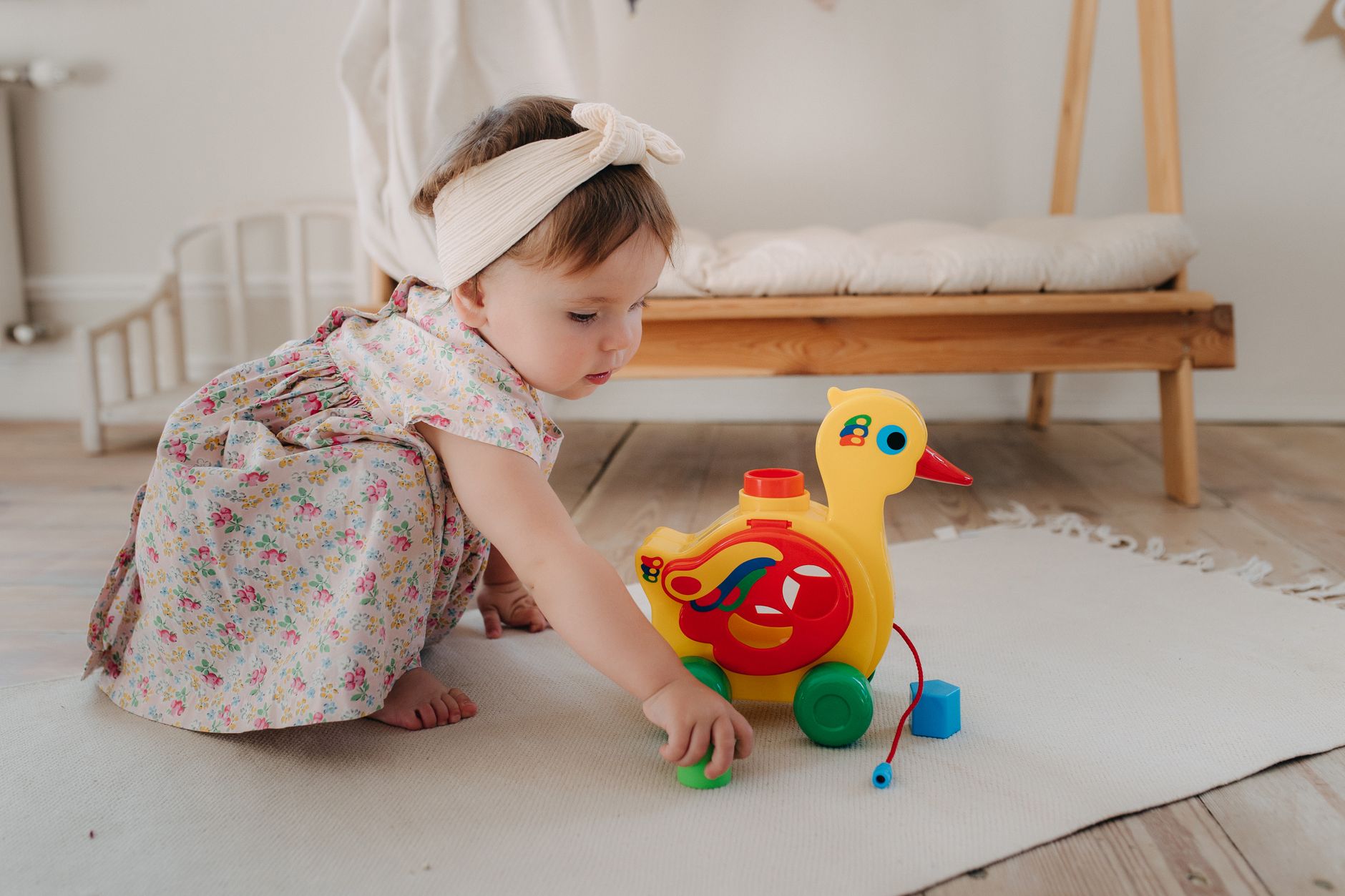
How long should a baby practice sitting without support?
Short, frequent sessions are best. Aim for 5‑minute bouts, 2‑3 times daily, increasing the duration as your baby’s endurance improves. Over‑doing it can lead to frustration and fatigue, which may slow progress.
Exercises to strengthen baby core for sitting
These gentle activities help develop the abdominal and back muscles needed for stable sitting:
- Tummy‑time rolls: Encourage your baby to roll from tummy to side and back again, which engages core muscles.
- “Bicycle” legs: While the baby lies on their back, gently move their legs in a cycling motion. This promotes hip stability.
- Seated “peek‑a‑boo”: Sit with your baby on your lap, support their hips, and play peek‑a‑boo. The slight rocking challenges balance.
These exercises are endorsed by the AAP’s tummy‑time recommendations, which note that core‑strengthening play is most effective when done in short, enjoyable bursts.
Is it safe for a 5‑month‑old to sit without support?
At 5 months, many babies are on the cusp of independent sitting, but safety remains paramount. The AAP states that “infants can be placed in a sitting position with supervision as early as 4 months if they demonstrate adequate head and trunk control.” For a five‑month‑old, this means:
- Head control for at least 10 seconds.
- Ability to push up on forearms and briefly hold a sitting posture.
- Continuous supervision on a soft surface.
If your 5‑month‑old meets these criteria, short supervised sitting sessions are appropriate. However, avoid using infant “sitting seats” or “bouncers” that claim to help babies sit, as they can place the baby in an unsafe position and delay natural muscle development.
The U.S. Food and Drug Administration (FDA) has issued safety alerts about certain infant seats that lack adequate side‑support, warning that they can increase the risk of positional asphyxia. When you do use a seat for brief moments—such as a high‑chair or a floor‑level infant rocker—make sure it meets current safety standards and always keep the baby within arm’s reach.
Research from the American College of Obstetricians and Gynecologists (ACOG) also stresses that early motor milestones should be supported on the floor rather than in devices that restrict movement.
Baby sitting unsupported vs assisted sitting safety
Assisted sitting—using a caregiver’s hands or a pillow for support—offers a safety net while the baby learns balance. Unsupported sitting should only be attempted when the baby can maintain trunk stability for at least a few seconds. Transitioning too early can increase the risk of falls and may cause bruising or head injury.
Common milestones before baby sits unsupported
Before a baby masters independent sitting, they typically achieve several earlier milestones:
Each of these steps builds the muscular and neurological foundation needed for the next skill. If a baby consistently misses several of these milestones, it may indicate a developmental delay that warrants professional evaluation.
It’s also helpful to view these milestones as a continuum rather than isolated events. For example, a baby who rolls well often shows better weight‑shifting ability when they first sit, because the same core muscles are being recruited. Observing how one skill supports the next can give you confidence that your baby is on the right track.
Clinicians often use these milestone charts as a quick screening tool, as recommended by the NHS and AAP.
Developmental delays if baby doesn't sit unsupported by 7 months
While variation exists, the AAP notes that “persistent inability to sit without support by 8 months may be associated with low muscle tone or neuromotor concerns.” In such cases, a pediatrician might recommend a referral to a pediatric physical therapist for a targeted evaluation.
What toys encourage unsupported sitting?
Playful objects can make the learning process enjoyable while stimulating the muscles needed for balance. Look for toys that:
- Invite reaching: Soft blocks, textured rings, or activity cubes placed just out of the baby's immediate reach.
- Provide sensory feedback: Toys that make noise or light up when touched encourage the baby to sit up and explore.
- Offer stability: Low, wide‑based plush toys that the baby can lean against without collapsing.
Here’s a quick comparison of popular options:
Rotate toys every few days to keep curiosity high. When your baby reaches for a new object, they’ll naturally shift weight, strengthening the core muscles needed for independent sitting.
When selecting toys, look for the “EN71” safety mark in Europe or the “ASTM F963” certification in the United States. These standards ensure that the toys are free from harmful chemicals and have no small detachable parts that could become choking hazards.
Studies cited by the Academy of Nutrition and Dietetics note that varied sensory play supports motor development, reinforcing the value of rotating toys.
When to stop using baby seat for sitting
Infant “sitting seats,” “bouncers,” and “rockers” are designed for brief, supervised use. Once your baby can sit upright for 30 seconds without assistance, it’s time to phase out these devices. Prolonged reliance can limit natural core development and may increase the risk of positional asphyxia.
Differences between sitting with support and sitting unsupported
Understanding the nuance helps you tailor your encouragement strategies. Sitting with support includes any external aid—your hands, a pillow, a caregiver’s lap, or a specialized infant seat. This position reduces the demand on the baby’s core muscles, allowing them to focus on head and arm control.
Sitting unsupported means the baby maintains an upright torso solely through their own muscle tone. This milestone signals that the abdominal, back, and hip muscles have coordinated enough strength to keep the spine stable.
Key differences:
- Muscle activation: Supported sitting primarily engages neck and shoulder muscles; unsupported sitting recruits the entire core.
- Balance challenge: Unassisted sitting requires continuous micro‑adjustments, promoting vestibular development.
- Safety profile: Supported sitting is safer for beginners; unsupported sitting carries a higher fall risk if attempted too early.
Transitioning from supported to unsupported should be gradual, ensuring the baby never feels forced or frightened. A gentle “step‑down” approach—starting with a pillow, then a rolled towel, then no aid—lets the child build confidence at their own pace.
Clinicians from the NHS advise that parents observe the baby’s facial expression during the transition; a relaxed smile often indicates readiness, whereas a grimace may signal fatigue.
Myth vs. fact
Myth: All babies sit without support by 5 months.
Fact: While many do, the typical range is 4–7 months, and individual variation is normal.
Myth: A baby seat can replace floor time for learning to sit.
Fact: Floor time encourages natural core development; seats should only be used for brief, supervised moments.
Myth: If a baby can’t sit by 6 months, they’ll have lifelong motor issues.
Fact: Early intervention and targeted exercises can often catch and correct delays.
Myth: Babies who sit early will automatically crawl earlier.
Fact: Sitting is one piece of the motor‑development puzzle; crawling also depends on leg strength, coordination, and motivation.
Choosing the right sitting surface for your baby
The floor surface you choose can either boost confidence or cause unnecessary wobbling. A firm, yet cushioned surface—like a thick play‑mat or a folded blanket—provides enough stability for the baby to feel secure while still allowing the core muscles to work. Avoid overly soft surfaces such as memory foam pillows, which can sink and make it harder for the baby to maintain balance.
For families in the United Kingdom, the NHS recommends a “low‑pile carpet or a firm rug” as the safest option for developing motor skills. In the United States, the Consumer Product Safety Commission (CPSC) advises checking that any mat is free of toxic flame‑retardants and that it stays flat without bunching.
When you set up the space, keep a few practical tips in mind:
- Place the mat away from windows or doors where drafts could startle the baby.
- Leave a few soft pillows or rolled towels at the edges—these act as “safety nets” if the baby tips over.
- Ensure the area is well‑lit but not overly bright; natural light helps the baby’s visual tracking while they practice balance.
Changing the surface occasionally—switching from a blanket to a foam play‑mat, for example—keeps the sensory experience fresh and encourages the baby to adapt to new textures, which can further enhance proprioceptive development.
Research from the FDA’s Consumer Safety Division confirms that non‑toxic, low‑pile surfaces reduce the incidence of minor injuries during early motor‑skill practice.
Sitting milestones and future motor skills
Independent sitting isn’t just a cute photo‑op; it’s a cornerstone of later milestones such as crawling, pulling to stand, and walking. When a baby can sit unsupported, they gain a new perspective on the world, which fuels curiosity and motivates them to reach for objects that are now at eye level. This “eye‑hand” coordination is a key driver for fine‑motor development.
Research from the National Institute of Child Health and Human Development (NICHD) shows that babies who master sitting earlier often display earlier crawling and standing, though the relationship isn’t strictly causal—each child follows a unique timeline. Nevertheless, encouraging safe sitting practice can lay a smoother path toward those later milestones.
If you notice your baby struggling with sitting, it’s worth checking other related skills. Can they roll both ways? Do they enjoy tummy time? Are they beginning to pivot on their hands? Answering these questions helps you and your pediatrician see the bigger picture and intervene early if needed.
In fact, a 2022 NICHD brief highlights that early mastery of sitting predicts better postural control during the first year, which in turn correlates with higher scores on later developmental screenings.
How does sitting ability affect feeding and sleep?
Once a baby can sit unsupported, they often find it easier to sit upright at the high chair, which can improve digestion and reduce reflux. The upright posture helps food travel more smoothly through the esophagus, a point emphasized by the American Academy of Pediatrics’ feeding guidelines.
Sleep can also benefit. Babies who sit and explore during awake periods may become more mentally satisfied, leading to more consistent nap patterns. A calm, alert baby who has practiced sitting is usually better able to self‑soothe when it’s time to wind down, according to sleep‑health recommendations from the National Sleep Foundation.
Next milestones after independent sitting
After your baby masters sitting without support, the next big motor milestones typically include:
- Crawling: Usually appears between 7 and 10 months, building on the core strength gained from sitting.
- Pulling to stand: Often emerges around 9–12 months, as leg muscles catch up.
- First steps: Most children take their inaugural steps between 11 and 15 months.
Each of these milestones continues to rely on the core stability you’ve helped develop. Providing opportunities for safe floor play, encouraging “rock‑back” movements, and offering sturdy furniture for cruising can smooth the transition.
Healthcare providers, including those at the NHS and ACOG, recommend monitoring these subsequent milestones to ensure a cohesive developmental trajectory.
Key takeaways
- Most infants sit unsupported between 4 months and 7 months.
- Look for steady head control, trunk tension, and weight‑shifting as readiness signs.
- Supervised floor time on a soft surface is the safest way to practice.
- Use reach‑encouraging toys to make sitting practice engaging.
- If your baby hasn’t sat independently by 8 months, discuss evaluation with a pediatrician.
- Transition gradually from supported to unsupported sitting to avoid falls.
- Choose a firm, cushioned mat and keep safety pillows nearby.
- Early sitting supports later milestones like crawling and standing.
- Independent sitting can improve feeding posture and promote better sleep patterns.
- Watch for the next milestones—crawling, pulling to stand, and first steps—to keep development on track.
Frequently asked questions
When do babies usually start sitting without support?
Most babies achieve independent sitting between 4 months and 7 months, with many reaching the milestone around 6 months. The exact timing varies based on muscle tone and overall development.
What are the signs that a baby is ready to sit unsupported?
Key indicators include steady head control for 10+ seconds, the ability to push up on forearms, weight‑shifting from hip to hip, and reaching for toys while maintaining an upright torso.
Is it safe for a baby to sit without support before 6 months?
Yes. If the baby shows the readiness signs mentioned above and you supervise on a soft surface, early sitting can be safe. Sessions should remain brief and closely watched.
How can I encourage my baby to sit up on their own?
Provide supervised floor time, use supportive props like pillows, encourage reaching with toys, and practice short “prop‑up” drills daily. Consistency and a safe environment are the most effective tools.
What should I do if my baby falls while sitting unsupported?
Stay calm, comfort your child, and inspect for any signs of injury. Minor bumps are common; however, if you notice bruising, persistent crying, or a change in behavior, contact your pediatrician.
Can a baby sit unsupported if they have low muscle tone?
Babies with low tone may take longer to sit independently. Targeted core‑strengthening exercises and a referral to a pediatric physical therapist can help them achieve the milestone safely.
Can tummy time help my baby sit earlier?
Yes. Regular tummy‑time strengthens the neck, shoulder, and core muscles essential for sitting. Aim for several short sessions each day, gradually increasing the duration as your baby becomes more comfortable.
My baby loves a bouncer—should I limit its use?
Bouncers are fine for short, supervised periods, but they don’t support core development. The FDA advises limiting bouncer time to under 20 minutes per session and always keeping the baby within arm’s reach to prevent falls.
How does independent sitting affect my baby’s feeding routine?
When a baby can sit upright, they often experience less reflux and better digestion during meals. An upright posture in a high chair also encourages more efficient swallowing, as outlined in AAP feeding guidelines.
What are the next motor milestones after sitting?
Typical next steps include crawling (7‑10 months), pulling to stand (9‑12 months), and walking (11‑15 months). Each builds on the core strength developed during sitting practice.
When to see a doctor or specialist
If you notice any of the following red‑flag signs, schedule a pediatric appointment promptly:
- Inability to hold head up for 10 seconds by 5 months.
- Persistent floppy posture or “floppy baby” appearance.
- Failure to sit unsupported by 8 months despite regular practice.
- Frequent falls with bruising or signs of pain after sitting attempts.
- Concerns about overall motor development (e.g., delayed rolling or crawling).
A pediatrician may refer you to a pediatric neurologist or a pediatric physical therapist for a comprehensive evaluation. Early identification and intervention can significantly improve outcomes.
References
- American Academy of Pediatrics. “Developmental Milestones.” AAP, 2023.
- Centers for Disease Control and Prevention. “Child Development Basics.” CDC, 2022.
- World Health Organization. “Infant and Young Child Feeding.” WHO, 2021.
- Harvard T.H. Chan School of Public Health. “Infant Development and Motor Skills.” Harvard, 2022.
- National Institute of Child Health and Human Development. “Motor Development in Infancy.” NICHD, 2020.
- National Health Service (NHS). “Baby milestones: sitting up.” NHS, 2023.
- U.S. Food and Drug Administration (FDA). “Infant Seating Devices Safety Communication.” FDA, 2022.
- Consumer Product Safety Commission (CPSC). “Play Mat Safety Guidelines.” CPSC, 2021.
- American Academy of Pediatrics. “Tummy Time Recommendations.” AAP, 2021.
- American College of Obstetricians and Gynecologists (ACOG). “Infant Motor Development.” ACOG, 2022.
- National Sleep Foundation. “Sleep Recommendations for Infants.” NSF, 2022.



