Recognizing readiness prevents frustration for both you and your baby. Here are the most reliable cues, drawn from the American Academy of Pediatrics and the UK’s Royal College of Paediatrics and Child Health (RCPCH):
- Sits up unassisted: The baby can sit upright for at least five minutes, which provides the core stability needed to bring a spoon to the mouth.
- Shows interest in your meals: Reaches for your plate, watches you scoop food, or mimics chewing motions.
- Attempts to bring objects to the mouth: Grabs a toy or a finger and brings it to the mouth, indicating hand‑to‑mouth coordination.
- Can hold a spoon: Grasp the handle with a thumb‑and‑forefinger pinch, even if the grip is loose.
- Accepts soft foods: Eats mashed vegetables, oatmeal, or ripe fruit without spitting them out.
One reader, “Maya,” shared that her 10‑month‑old son began tapping his spoon on his high‑chair tray before he could actually scoop. “He was just making the sound,” she wrote, “but the moment I handed him a small spoon of banana, his eyes lit up and he tried to bring it to his mouth. That’s when I knew it was time to encourage self‑feeding.” Stories like Maya’s illustrate that the moment of interest often precedes the moment of ability.
In addition to the above signs, pay attention to subtle cues such as a relaxed facial expression when food is offered, or a calm willingness to sit through a short meal. Babies who become overwhelmed may turn their head away or become fussy, signaling that you should pause and try again later.
How to teach a baby to self‑feed with a spoon safely
Teaching self‑feeding is a blend of demonstration, guided practice, and patient supervision. The following step‑by‑step method, endorsed by the Academy of Nutrition and Dietetics, keeps the process safe and encourages independence.
Step 1: Choose the right moment
Pick a meal time when you’re not rushed. A calm environment reduces anxiety and gives you the space to model the action. Aim for a short, 10‑15‑minute feeding window; you can always add another round later.
Step 2: Model the action
Take a baby‑size spoon, scoop a small amount of soft food, and bring it to your own mouth while keeping eye contact with your child. Narrate the steps: “Scoop, bring to mouth, chew, swallow.” Babies learn through imitation, so clear, slow movements are essential.
Step 3: Hand over the spoon
Offer the spoon with the food already on it. Allow the baby to grasp the handle—most will use a thumb‑finger pinch or a whole‑hand grip at first. Let them try, even if they miss the mouth. Celebrate any attempt with a smile and a gentle “Good try!”
Step 4: Provide supportive guidance
If the spoon lands on the tray, gently guide the handle toward the mouth. Use a soft voice: “Here we bring it up.” Avoid picking the spoon away; the goal is to let the baby practice the coordination.
Step 5: Keep the portion small
Start with a teaspoon‑size amount. Too much food increases the choking risk and can overwhelm a novice feeder.
Step 6: Supervise at all times
Never leave a baby unattended with a spoon. Even soft foods can pose a choking hazard if the baby tries to swallow too quickly.
With consistent practice—about three times a week—you’ll notice improvement in both accuracy and confidence. Most babies progress from “scooping and dropping” to “scooping and swallowing” within 2–4 weeks.
Remember that each child’s pace is unique. If a session feels stressful, pause, give a hug, and try again later. The goal is a positive association with food, not a forced skill test.
Common challenges when baby self feeds with a spoon
Even when the signs of readiness are present, hiccups happen. Below are the most frequent obstacles and evidence‑based solutions.
- Messy spills: A 2022 study in the Journal of Pediatric Nutrition found that infants who started spoon self‑feeding before 9 months produced 35 % more mess. Solution: use a high‑chair tray with a raised edge and keep a damp cloth handy.
- Refusal to swallow: Some babies will bring the spoon to their mouth but then push the food out. This often signals a texture aversion. Offer the same food in a finger‑food form (e.g., soft avocado chunks) to build tolerance.
- Dropping the spoon: At first, many babies will let go of the handle. Provide a spoon with a short, wide handle that is easier to grip.
- Choking scares: Even with soft foods, a sudden gulp can cause a brief cough. Stay calm, pat the back gently, and offer a sip of water if needed.
“When my daughter first tried a spoon, she would fling it across the high chair,” says “Laura,” a mother of two. “I kept a second spoon ready and turned each spill into a game—‘Let’s scoop again!’ That kept her motivated and eventually she mastered it.” Turning challenges into playful opportunities reduces frustration for both parent and baby.
Another common issue is “food fatigue,” where the baby loses interest after a few bites. To combat this, vary the colors and flavors of the purees, and keep sessions short enough that the child remains engaged.
Best spoon types for babies learning to self feed
Choosing a spoon that matches your baby’s developmental stage can make the learning curve smoother. Below is a comparison table that highlights key features, safety ratings, and price ranges from reputable brands (e.g., Munchkin, Nuby, and Philips Avent).
For the earliest stage (< 9 months), a soft‑silicone spoon is ideal because the tip bends if the baby pushes too hard, minimizing choking potential. As the child’s grip strengthens, a stainless‑steel spoon with a silicone tip provides a more “grown‑up” feel, supporting the transition to adult utensils.
Remember to inspect the spoon regularly for wear, cracks, or loose parts—any sign of damage warrants replacement immediately.
How many spoonfuls should a baby self feed per meal?
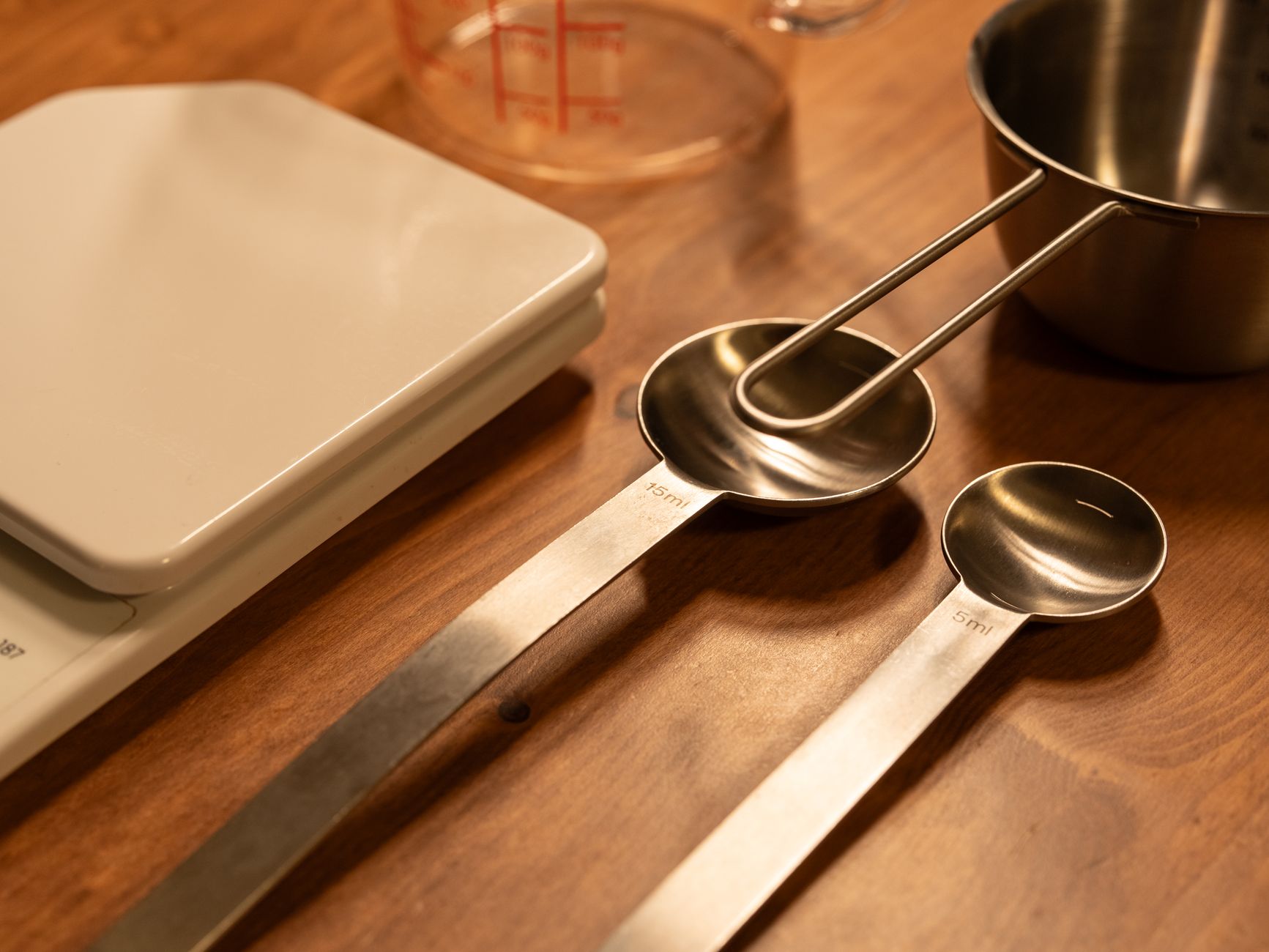
Portion size is a common question for parents who are nervous about over‑ or under‑feeding. The consensus from the World Health Organization (WHO) and the Academy of Nutrition and Dietetics suggests that a 9‑ to 12‑month‑old should receive about 2‑4 tablespoons of pureed or soft food per meal, split across 2‑3 spoonfuls each time they attempt self‑feeding.
Here’s a simple guideline:
- 9 months: 2 tablespoons total (≈ 1 teaspoon per spoonful, 2‑3 attempts).
- 10‑11 months: 3 tablespoons total (≈ 1‑1.5 teaspoons per spoonful, 2‑4 attempts).
- 12 months: 4 tablespoons total (≈ 1.5‑2 teaspoons per spoonful, 3‑5 attempts).
These amounts are not rigid rules—if your baby finishes a spoonful quickly, feel free to offer another small portion. The goal is to let them control the pace, which builds appetite awareness and reduces the risk of over‑filling.
In practice, you might say, “Here’s a tiny bit of sweet potato—take as many spoonfuls as you like.” Let the baby decide when they’re done. You’ll notice as they age that the number of spoonfuls per meal naturally increases, and the time spent at the table lengthens.
For babies who are particularly enthusiastic, you can increase the number of spoonfuls gradually, but always watch for signs of satiety such as turning the head away or losing interest in the food.
When to transition from spoon feeding to self feeding
The shift from assisted spoon feeding to full independence typically occurs between 12 and 18 months, but the exact timing hinges on three factors: motor skill refinement, oral‑motor control, and the child’s appetite.
Key milestones to watch
- Consistent grip: By 14 months most toddlers can hold a regular adult spoon with a thumb‑and‑finger grasp.
- Chewing ability: Ability to chew soft chunks without gagging indicates readiness for larger bites.
- Reduced feeding assistance: If the child can bring the spoon to their mouth without hands‑on‑help for three consecutive meals, it’s time to let them lead.
If you notice these signs, gradually reduce the amount of food you pre‑scoop. Offer a spoonful, then step back and let the child decide whether to take more. By 18 months, most children can manage a full adult spoon, though some may still need a short “helpful hand” during the first weeks.
When you feel confident, you can phase out the baby‑specific spoon altogether. However, keep a soft‑silicone spoon on hand for “messy days” when the toddler decides to experiment with new textures.
Even after the transition, continue to monitor for any new choking hazards that may arise as the child explores larger pieces of food.
Nutrition needs for babies learning to self feed
Self‑feeding is not just a motor skill; it’s also an opportunity to meet evolving nutritional requirements. Between 9 and 24 months, iron, zinc, calcium, and healthy fats become critical for brain development and growth.
Here are nutrient‑dense foods that are easy to scoop with a spoon:
- Iron‑rich purees: Lentil, fortified oatmeal, or pureed beef mixed with sweet potato.
- Calcium sources: Full‑fat yogurt, soft cheese, or tofu blended with fruit.
- Healthy fats: Avocado mash, olive‑oil‑drizzled pureed peas, or salmon flake puree.
- Vitamin C: Mashed berries or citrus‑infused applesauce to boost iron absorption.
Offering a variety of colors and textures encourages acceptance of new foods, a habit that often carries into toddlerhood and beyond. If you’re breastfeeding or formula‑feeding, continue to provide those liquids alongside solid foods until at least 12 months.
The American Academy of Pediatrics recommends that iron‑fortified cereals be introduced early, as iron stores from birth begin to wane around six months. Pairing iron‑rich foods with vitamin C‑rich fruits can enhance absorption, a simple tip that many parents find useful.
How to prevent choking while baby self feeds with a spoon
Choking is the biggest safety concern for parents. The American Academy of Pediatrics (AAP) provides a straightforward checklist to minimize risk.
- Choose appropriate textures: Foods should be soft, smooth, and easily mashable. Avoid whole grapes, nuts, or hard chunks.
- Use a small spoonful: One teaspoon per bite is safest for infants; toddlers can handle two to three teaspoons.
- Keep the baby upright: Ensure the baby sits upright, with the head and neck aligned, for the entire feeding session.
- Stay within arm’s reach: Never leave the baby unattended with a spoon, even for a moment.
- Know infant first‑aid: Keep infant CPR guidelines handy—quickly learn the back‑slap and chest‑thrust technique from your local Red Cross or health visitor.
If a baby coughs, pause feeding and give them a moment to recover. Offer a sip of water only after the coughing stops. Persistent gagging or choking warrants immediate medical attention—call emergency services if the airway is obstructed.
Having a “choking kit” (a soft towel, a small blanket, and a phone with emergency numbers saved) nearby can reduce panic and speed up the response if an incident occurs.

Parent guide to messy eating stages
Mess is inevitable. Embracing it as part of learning helps keep the experience positive. Here’s a three‑stage roadmap you can follow:
- Stage 1 – Exploration (9‑10 months): Expect food on the high‑chair tray, the baby’s hands, and possibly the floor. Use a washable mat and keep wipes within arm’s reach.
- Stage 2 – Skill‑building (11‑13 months): The baby starts to bring the spoon to the mouth more accurately, but spills will still happen. Offer a second spoon for “practice” and praise each successful bite.
- Stage 3 – Independent eating (14‑18 months): The toddler can feed themselves with minimal assistance. At this point, you can transition to a regular dinner plate and a child‑size adult spoon.
Each stage is an opportunity to reinforce positive habits: wiping hands before a bite, putting the spoon back in the tray after each mouthful, and saying “thank you” to the food. The more you model calm, the more the child learns to manage the mess.
For families who prefer a less‑messy approach, consider a “splash‑guard” bib with a pocket that catches drips. This small tool can keep the baby’s shirt clean while still allowing them to explore the spoon.
When to stop using a baby spoon
Most children outgrow the need for a specially designed baby spoon by 18 months, though some families prefer to keep a soft silicone spoon for “messy” meals until age 2. The right time to stop is when your child can consistently:
- Hold a regular adult spoon with a stable grip.
- Eat a variety of textures without choking.
- Maintain a seated posture without slumping.
If these criteria are met, you can retire the baby spoon and introduce a regular child‑size stainless‑steel spoon. Continue to monitor for any new choking hazards as the child experiments with larger bites.
Transitioning gradually—by offering both a baby spoon and an adult‑size spoon during the same meal—helps the child adjust without feeling forced.
How to make spoon‑feeding a sensory‑rich experience
Beyond nutrition, spoon‑feeding can stimulate a baby’s senses, reinforcing learning. Offer foods with contrasting colors (e.g., orange sweet potato and green peas) and subtle aromas (a hint of cinnamon or mild garlic). The scent helps engage the olfactory system, while the bright hues attract visual interest.
Temperature matters too. Warm foods (around body temperature) are soothing, whereas a cool fruit puree can be refreshing. Let your baby feel the spoon’s temperature before the first bite; this tactile cue can reduce hesitation.
For babies who are particularly sensory‑sensitive, start with a single‑ingredient puree to avoid overwhelming flavors. As they become comfortable, introduce mild spice blends or mixed‑vegetable purees to expand their palate.
Tips for traveling with a self‑feeding baby
Travel can feel chaotic, but a few simple strategies keep spoon‑feeding on track. Pack a small, insulated food container to keep purees cool or warm, depending on the season. A silicone‑spoon that folds flat saves space and stays clean.
Bring a “travel tray” that clips onto a high‑chair or booster seat. Many brands offer lightweight, snap‑together trays that fold for suitcase storage. Pair it with a reusable silicone mat to catch any spills.
When dining out, request a high‑chair or booster seat in advance. Bring along a few familiar foods (like a small container of mashed banana) to ease the transition. Most restaurants are happy to accommodate a parent who wants to keep a baby‑friendly spoon on hand.
Remember to keep a bottle of water and a soft bib in your diaper bag. A quick rinse of the spoon with a travel‑size bottle of warm water can keep it ready for the next bite.
Myth vs. fact
Myth: Babies must be able to feed themselves perfectly before you can start offering a spoon.
Fact: Early attempts, even if messy, are beneficial. Supervised practice as early as 8‑9 months helps develop coordination.
Myth: All foods can be given on a spoon once the baby shows interest.
Fact: Stick to soft, age‑appropriate textures until the child demonstrates chewing ability and no choking episodes.
Myth: A baby spoon is a “one‑size‑fits‑all” solution.
Fact: Spoon design matters—soft silicone for early stages, then a silicone‑tipped metal spoon as grip improves.
Key takeaways
- Most babies are ready to self‑feed with a spoon between 9 and 12 months.
- Look for sitting stability, interest in food, and the ability to bring objects to the mouth.
- Start with soft foods, a tiny spoonful, and supervise closely to prevent choking.
- Choose a soft‑silicone spoon for early learners; transition to a silicone‑tipped metal spoon as grip improves.
- Offer 2‑4 tablespoons of food per meal, divided into small spoonfuls.
- Watch for the milestones of consistent grip, chewing ability, and reduced need for assistance before moving to a regular adult spoon.
- Make feeding a multisensory experience and plan ahead for travel to keep routines smooth.
Frequently asked questions
How old should a baby be to feed themselves with a spoon?
Most infants can start trying self‑feeding with a spoon around 9 months, with many becoming competent by 12 months. Readiness depends more on motor skills and interest than a strict age.
What signs show a baby is ready for self‑feeding?
Key signs include sitting upright without support, bringing hands or objects to the mouth, showing interest in your meals, and being able to grasp a spoon with a thumb‑finger pinch.
Is it safe for a baby to use a spoon on their own?
Yes, as long as you choose appropriate soft foods, keep portion sizes small, supervise the baby at all times, and ensure the baby is seated upright. Follow the AAP’s choking‑prevention checklist.
How many spoonfuls can a 9‑month‑old handle?
A 9‑month‑old typically manages 1‑2 teaspoons per feeding attempt, totaling about 2 tablespoons per meal. Offer a new spoonful only after the baby has swallowed the previous one.
What type of spoon is best for a self‑feeding baby?
Soft‑silicone spoons with a short, wide handle are ideal for 6‑12 month‑old infants. As grip improves, a stainless‑steel spoon with a silicone tip works well for toddlers 12‑18 months old.
How can I prevent choking when my baby self feeds?
Use age‑appropriate textures (smooth purees), keep spoonfuls tiny, keep the baby upright, never leave them unattended, and be familiar with infant CPR techniques.
When should I transition from a baby spoon to a regular spoon?
Typically between 14 and 18 months, once the child can consistently hold an adult‑size spoon, chew soft foods without gagging, and feed independently for several meals.
What are some easy ways to keep mealtime less messy while traveling?
Pack a fold‑flat silicone spoon, an insulated food container, and a snap‑together travel tray. Bring a familiar puree and a reusable silicone mat to catch spills, and request a high‑chair in advance at restaurants.
When to see a doctor or specialist
If your baby shows any of the following, contact your pediatrician promptly:
- Frequent coughing or choking episodes despite using soft foods.
- Persistent refusal to eat solid foods after 12 months.
- Difficulty sitting upright for more than a few minutes during meals.
- Significant weight loss or failure to gain weight on a solid‑food diet.
These signs may indicate oral‑motor delays, swallowing difficulties, or underlying medical conditions that require evaluation by a pediatric gastroenterologist or speech‑language pathologist. Remember, this article provides general information; it does not replace personalized medical advice.
References
- American Academy of Pediatrics. “Feeding and Nutrition: Guidelines for Infants and Toddlers.” AAP, 2023.
- World Health Organization. “Complementary Feeding of Infants and Young Children.” WHO, 2022.
- Academy of Nutrition and Dietetics. “Infant Feeding Practices.” EatRight.org, 2021.
- National Health Service (NHS). “Introducing Solids.” NHS.uk, 2023.
- American Academy of Pediatrics. “Preventing Choking in Infants.” AAP Policy Statement, 2022.
- Journal of Pediatric Nutrition. “Messy Meals: The Impact of Early Self‑Feeding on Food Acceptance.” 2022.
- Royal College of Paediatrics and Child Health. “Developmental Milestones for Feeding.” RCPCH, 2023.
- American Psychological Association. “Parental Stress and Feeding Interactions.” APA, 2021.
- National Institute of Child Health and Human Development. “Oral Motor Development.” NICHD, 2022.
- American Academy of Pediatrics. “Infant First‑Aid and CPR Guidelines.” AAP, 2023.
- Harvard T.H. Chan School of Public Health. “Iron‑Rich Foods for Infants.” 2022.