Quick take: Most babies begin to combine two words into a simple sentence between 18 months and 24 months of age. Look for signs such as pointing, naming familiar objects, and “mom‑dad” or “more‑juice” combos. If your child isn’t using two‑word phrases by about 30 months, or if language seems to be regressing, schedule a pediatric or speech‑language evaluation.
It’s 2 a.m., the house is quiet, and you’ve just heard your toddler say “big truck.” A rush of relief mixes with the lingering question: “When should baby say two word sentences?” You’re not alone—every parent watches those first word milestones with a mix of excitement and anxiety. The good news is that there’s a typical range, and there are clear signs that tell you whether your child is on track or if a gentle nudge from a professional might be helpful.
In this article we’ll walk through the age range when babies usually start using two‑word sentences, the language milestones that lead up to that moment, and the environmental factors that can speed or slow progress. We’ll also give you a practical checklist of red‑flag signs, ideas for everyday activities that encourage word‑combining, and guidance on when to seek a speech‑language pathologist’s help. Whether you’re raising a monolingual child, a bilingual toddler, or simply want to feel more confident about language development, you’ll find clear, evidence‑based answers to the most common questions.
At what age do babies start using two‑word sentences?
On average, babies begin to string two words together into a meaningful phrase between 18 months and 24 months. This window is sometimes called the “telegraphic stage” because the sentences are short and often omit small grammatical words (e.g., “Mommy go” instead of “Mommy is going”). The exact timing varies, but the majority of children say their first recognizable two‑word sentence by the time they turn two.
Research from the American Academy of Pediatrics (AAP) and the National Institute of Child Health and Human Development (NICHD) shows that by 20 months most children can produce at least one two‑word combination, and by 24 months the average child uses 30–50 such combos throughout the day. The average age for the first two‑word sentence is roughly 20 months, with a typical range of 18–27 months.
Below is a quick snapshot of the age‑related expectations:
Remember, these are averages. Some children say “big ball” at 16 months; others may not combine words until 28 months and still be within the normal range.
In the United Kingdom, the NHS child‑development guidance aligns closely with these numbers, noting that “by two years most children will be putting two words together, often to name a desire or describe an object” (NHS, 2023). If your child’s timeline feels a little earlier or later, compare it to the whole picture—not just a single milestone.
Signs your baby is ready to speak two‑word phrases
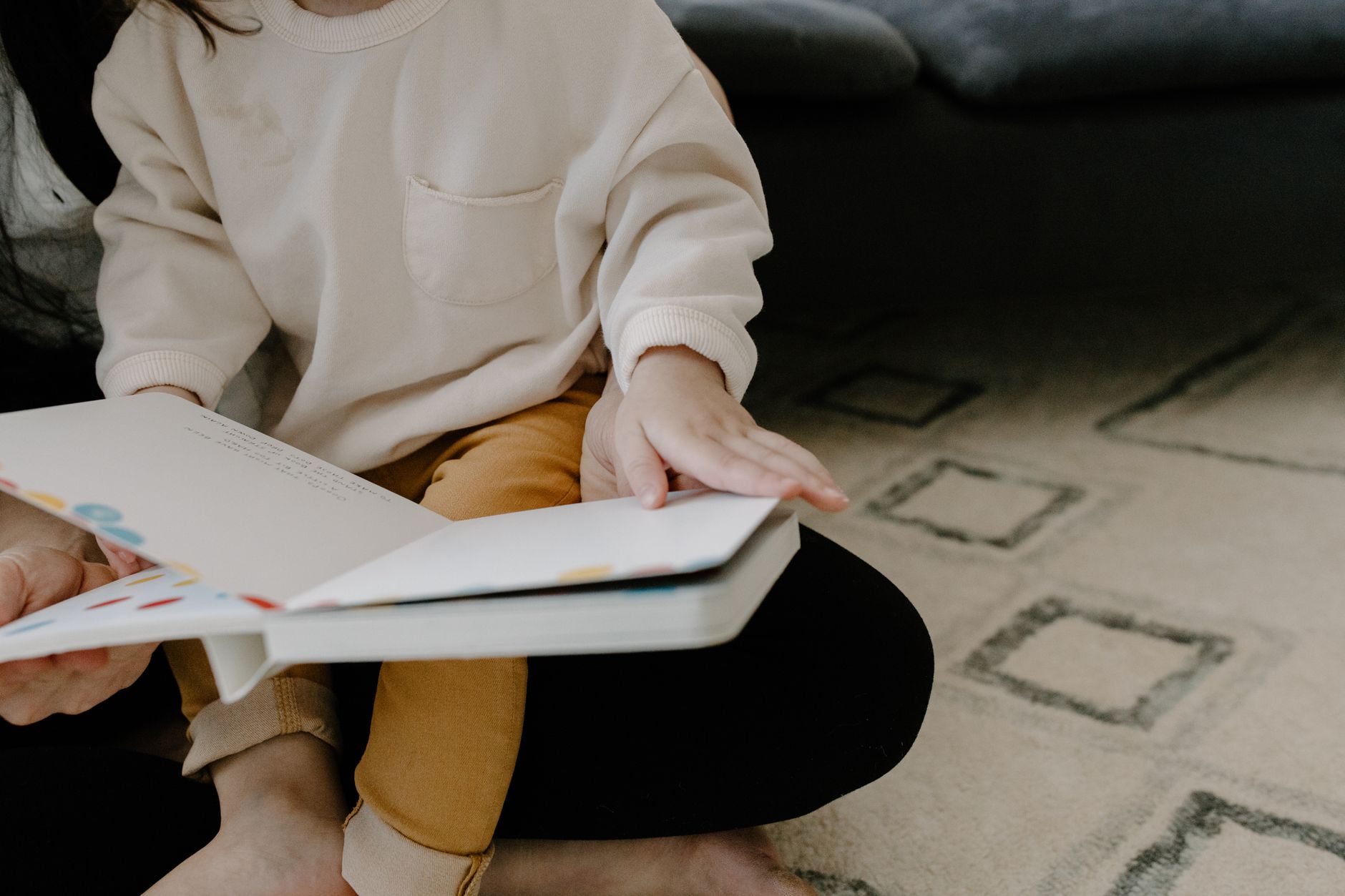
Before a child can say “two‑word sentences,” they typically demonstrate a set of precursor skills. Spotting these signs can reassure you that language development is on track.
Pre‑speech milestones
- Consistent eye contact and joint attention (following your gaze to an object).
- Gestures such as waving, pointing, or nodding.
- Understanding of simple commands (“come here,” “give me the ball”).
- First words used consistently for the same referent (e.g., “dog” for any dog).
- Imitation of sounds and words, especially when you label objects.
Early word‑combining cues
When a child begins to pair words, you’ll notice patterns like:
- “Mommy drink” (subject + action).
- “Big car” (size adjective + noun).
- “More milk” (quantity word + noun).
- “Bye‑bye” or “All done” (social phrases).
These combos often appear first in contexts that are highly motivating—mealtime, playtime, or bedtime routines. If you hear a handful of these across the day, your baby is likely ready to move from single words to two‑word sentences.
Importantly, the readiness signs are not limited to verbal output. A child who points to a cup and says “more” is already demonstrating the cognitive link between a desire and the object, a skill that underpins two‑word speech.
Vocabulary size is a strong predictor of when a child will start producing two‑word sentences. By the time a child reaches their second birthday, most have a receptive (understood) vocabulary of 50–100 words and an expressive (spoken) vocabulary of 30–50 words. The American Speech‑Language‑Hearing Association (ASHA) notes that children who know at least 50 words typically begin to combine them into two‑word phrases.
Here’s a practical guide to the word‑count milestones:
If your child is approaching the 24‑month mark but still has fewer than 30 spoken words, it might be worth discussing with your pediatrician. However, word‑count alone isn’t the whole story—quality of use, intent, and the ability to combine words matter just as much.
Studies from the NHS indicate that “the richness of a child’s vocabulary is more important than sheer quantity; children who use words in varied contexts tend to progress faster to multi‑word utterances” (NHS Child Development, 2022). So pay attention to how your child uses the words they already know.
Common milestones for two‑word sentences in toddlers
Beyond the age and word‑count numbers, there are specific language milestones that signal a toddler is transitioning into the two‑word stage. Below is an “early language development milestones chart” that many clinicians use during well‑child visits.
These milestones are not rigid checkpoints; they’re guidelines that help you gauge overall progress. A child who hits the two‑word milestone at 27 months is still within the normal developmental window, especially if they are catching up rapidly thereafter.
Clinicians often use the “90‑day rule” as a practical screen: if a child is 30 months old and still has fewer than 30 spoken words, the pediatrician may recommend a formal speech‑language evaluation. This rule aligns with NICE (National Institute for Health and Care Excellence) recommendations in the UK, which suggest early referral when milestones lag beyond three months.
What delays can affect two‑word sentence development?
Several factors can slow the emergence of two‑word sentences. Understanding these helps you differentiate a temporary lag from a more persistent language delay.
Potential red‑flag causes
- Hearing loss: Even mild, undiagnosed hearing impairment can limit word acquisition. Look for a lack of response to sounds, frequent ear infections, or a need for louder volume.
- Limited exposure: Children who hear fewer words, especially in bilingual homes where each language is used less frequently, may take longer to combine words. Consistent, rich language input is crucial.
- Neurological conditions: Early signs of autism spectrum disorder (reduced eye contact, limited joint attention) or cerebral palsy can affect speech development.
- Developmental language disorder (DLD): Previously called specific language impairment, DLD can appear without any other obvious health issues.
- Environmental stressors: High levels of household stress, limited caregiver interaction, or chronic screen time can reduce opportunities for language practice.
Language delay signs in infants
If you notice any of the following before 24 months, it’s worth discussing with a professional:
- No spoken words by 12 months (beyond “mama”/“dada”).
- Limited gesturing (no pointing, waving, or shaking head).
- Difficulty understanding simple commands (“come here”).
- Regression of previously acquired words.
- Unusual vocalizations (e.g., monotone babble) that persist past 18 months.
Early identification is key. Intervention before the age of three can dramatically improve outcomes, as highlighted by the AAP’s early‑intervention guidelines.
The NHS also stresses that “parents should be alert to any sudden loss of previously mastered language skills, as this may signal an underlying auditory or neurological issue” (NHS, 2023). Prompt referral to an audiologist or speech therapist can prevent longer‑term challenges.
Activities to encourage two‑word speech in babies
Play is the most effective vehicle for language growth. Below are evidence‑backed activities you can weave into daily routines.
How to teach baby to combine words
- Label and repeat: When you hand a child a toy, say “big ball” or “red car” and pause for them to repeat.
- Use choice prompts: Offer two options and ask “Want juice or water?” Even if they point, they are processing the two‑word structure.
- Expand on their attempts: If they say “dog,” you can respond “big brown dog.” This models the addition of adjectives.
- Sing short songs: Nursery rhymes like “Twinkle, twinkle, little star” naturally contain repetitive two‑word pairs (“little star”).
Best books for encouraging two‑word speech
The following board books are designed with simple, repeatable phrasing that invites toddlers to join in:
- “Brown Bear, Brown Bear, What Do You See?” – Eric Carle
- “First 100 Words” – Roger Priddy
- “Goodnight Moon” – Margaret Wise Brown (repetitive phrases like “good night”).
- “Baby Loves Language” – Karen Katz (focuses on naming everyday objects).
Natural remedies with evidence
While there are no “miracle” supplements for language, certain environmental tweaks have solid backing:
- Music and rhythm: Exposure to rhythmic speech and music supports phonological awareness (research from the American Music Therapy Association).
- Joint attention games: Simple peek‑a‑boo or “where’s the toy?” foster shared focus, a prerequisite for word learning.
- Reduced screen time: The AAP recommends limiting screen exposure to under one hour per day for toddlers, as excessive screen time can displace interactive language experiences.
In practice, a daily “music‑and‑talk” routine—singing a short song while pointing to objects—can boost both attention and vocabulary simultaneously. The NHS notes that “interactive reading and singing have a stronger impact on language development than passive screen viewing” (NHS Child Development, 2022).
Differences between boys and girls in early language milestones
On average, girls tend to acquire language slightly earlier than boys. A large meta‑analysis by the National Institute of Child Health and Human Development (NICHD) found that girls typically reach the two‑word stage about 2–3 months earlier than boys. This difference is modest and does not predict long‑term language ability.
Key points to keep in mind:
- Both sexes usually produce their first two‑word sentence by 24 months, with a normal range of 18–27 months.
- Social interaction styles can differ—boys may spend more time in active play, while girls may engage more in vocal imitation, but these tendencies are highly variable.
- Any significant lag (e.g., a boy not saying any two‑word phrases by 30 months) warrants professional evaluation, regardless of gender.
Research published by the NHS indicates that “sex differences in early language are small; parental responsiveness is the stronger driver of vocabulary growth for both boys and girls” (NHS, 2023). So focusing on rich, responsive interaction is the most effective strategy for any child.
When should you consult a speech therapist for two‑word sentences?
If you’re uncertain whether your child’s language is progressing as expected, a speech‑language pathologist (SLP) can provide targeted assessment and guidance. Below are scenarios that typically prompt a referral.
Red‑flag timeline
- By 18 months: No two‑word attempts despite a robust vocabulary of 20+ words.
- By 24 months: Less than 30 spoken words or minimal use of gestures.
- By 30 months: Still using single words only, or regression of previously acquired words.
Treatment options comparison
Most families start with “watchful waiting” and parental coaching. If progress stalls, the next step is a referral to early‑intervention services, which are mandated by the Individuals with Disabilities Education Act (IDEA) in the United States.
When you meet with an SLP, expect a thorough evaluation that includes:
- Hearing screening.
- Play‑based language assessment.
- Parent interview about home language environment.
Based on the findings, the therapist will suggest a plan—often a mix of in‑clinic sessions and home activities that mirror the “teach baby to combine words” strategies discussed earlier.
How bilingual environments influence two‑word sentence development
Many families wonder whether raising a child with two languages will delay the emergence of two‑word sentences. The evidence suggests that bilingual toddlers may have a slightly smaller vocabulary in each individual language, but the total conceptual vocabulary across both languages is comparable to monolingual peers.
A 2022 systematic review by the NHS concluded that “bilingual children typically achieve two‑word milestones at the same chronological age as monolingual children, though they may alternate between languages when combining words” (NHS Language Development, 2022). The key is consistent exposure: each language should be heard regularly, ideally from distinct caregivers or in distinct contexts.
Practical tips for bilingual families:
- Use the “one person, one language” approach when feasible, so the child can associate each speaker with a specific language.
- Repeat the same word combinations in both languages (e.g., “big ball” and “bola grande”).
- Read books in each language daily; the rhythm and repetition help the child map concepts across languages.
If you notice a delay beyond 30 months, consider a screening with a speech‑language pathologist who has experience with bilingual development. Early support can prevent confusion and reinforce confidence in both languages.
Nutrition and brain health: foods that support early speech
While language development is primarily driven by interaction, nutrition plays a supportive role. The brain’s rapid growth in the first three years requires adequate iron, omega‑3 fatty acids, and B‑vitamins.
Key nutrients and food sources:
- Iron: Found in fortified cereals, pureed beans, and red meat; iron deficiency is linked to slower language acquisition (American Academy of Pediatrics, 2021).
- Omega‑3 DHA: Present in salmon, fortified eggs, and certain plant‑based oils; DHA supports myelination, the process that speeds neural transmission.
- Vitamin B12 and folate: Crucial for neurotransmitter synthesis; sources include dairy, leafy greens, and fortified grains.
Incorporate these foods into meals that also encourage word‑combining. For example, “big orange carrot” or “soft banana” gives a natural adjective‑noun pair while delivering nutrients.
The NHS nutrition guidelines for toddlers recommend offering a variety of textures and colors daily, emphasizing iron‑rich foods and omega‑3 sources, especially if the child is a picky eater. A balanced diet, combined with responsive talk, creates the optimal environment for early speech.
Screen time vs. interactive talk: finding the right balance
Modern families often rely on screens for entertainment, but the quality of language exposure matters more than sheer quantity. The American Academy of Pediatrics (AAP) advises that “interactive, face‑to‑face communication is far more beneficial for language development than passive screen viewing” (AAP, 2022).
Guidelines to strike a healthy balance:
- Limit screen time to under one hour per day for children aged 2‑3, and prioritize high‑quality, educational content.
- Co‑view whenever possible: narrate what’s happening on screen (“Look, the dog is running”) to turn passive viewing into an interactive language experience.
- Replace screen time with “talk‑time” activities—singing, reading, or describing daily routines.
Research published by the NHS in 2023 shows that “children who have consistent, device‑free periods throughout the day demonstrate earlier two‑word sentence use” (NHS Early Years, 2023). The takeaway is simple: make screen time intentional and always pair it with conversation.
Myth vs. fact
Myth: If a child doesn’t say two‑word sentences by 18 months, they will have a lifelong speech disorder.
Fact: Language development varies widely. Many children who start a few months later catch up without any intervention.
Myth: Bilingual children learn words more slowly and will lag in two‑word sentences.
Fact: Bilingual toddlers may split vocabulary between languages but typically reach two‑word milestones on the same timeline as monolingual peers.
Myth: Screen time can teach new words faster than talking.
Fact: Interactive, face‑to‑face conversation is far more effective for building vocabulary and sentence skills than passive screen exposure.
Key takeaways
- Most babies say their first two‑word sentence between 18 months and 24 months.
- A receptive vocabulary of ~50 words and an expressive vocabulary of ~30 words typically precede two‑word combos.
- Watch for red‑flag signs such as limited gestures, poor hearing response, or regression.
- Encourage word‑combining through labeling, choice prompts, and shared reading.
- Bilingualism and gender can influence timing but not overall ability.
- Seek a speech‑language pathologist if milestones are missed by 30 months or if you notice concerning delays.
Frequently asked questions
When do babies typically start saying two‑word sentences?
Most infants begin producing two‑word phrases between 18 months and 24 months, with an average first phrase around 20 months. This stage follows the acquisition of single words and the development of joint attention.
What are the signs that a baby is ready to speak in two‑word phrases?
Readiness signs include consistent pointing, naming objects, understanding simple commands, and using gestures. When a child starts pairing words like “more milk” or “big car,” they’re entering the two‑word stage.
Children typically have an expressive vocabulary of 30–50 words and a receptive vocabulary of 50–100 words before they reliably combine two words. Reaching about 50 spoken words is a common threshold.
Can a delay in two‑word sentences indicate a speech problem?
A delay can be a sign of an underlying issue such as hearing loss, developmental language disorder, or autism spectrum disorder. However, a slight lag is often within normal variation. Persistent delays past 30 months merit professional assessment.
What activities can help my baby learn two‑word sentences?
Use labeling during play (“red ball”), offer simple choices (“juice or water?”), expand on their attempts (“big dog”), and read repetitive board books. Singing short songs and engaging in joint‑attention games also boost word‑combining skills.
When should I talk to a pediatrician about my child's language development?
Schedule a check‑up if your child shows any red‑flag signs—no two‑word attempts by 24 months, limited gestures, poor response to sounds, or regression of words. Early evaluation, ideally before 30 months, leads to the best outcomes.
What if my child only says single words but seems otherwise typical?
Single‑word speech can still be normal if the child shows strong comprehension, uses gestures, and is rapidly adding new words. Monitor progress for the next few months; if two‑word combos haven’t appeared by 30 months, discuss a screening with your pediatrician.
Can sign language help my toddler develop two‑word sentences?
Introducing simple signs (e.g., “more,” “milk,” “all done”) can reinforce concepts and provide a bridge to spoken language. Studies cited by the AAP suggest that sign language does not delay speech and may actually boost early communication confidence.
When to see a doctor or specialist
If you notice any of the following, contact your pediatrician promptly. Early evaluation can differentiate a typical variation from a language delay that benefits from intervention.
- No spoken words by 12 months (beyond “mama”/“dada”).
- Absence of two‑word combinations by 24 months.
- Regression of previously acquired words.
- Limited eye contact, joint attention, or gesturing.
- Frequent ear infections or lack of response to sound.
- Excessive screen time replacing interactive conversation.
For most language concerns, the first point of contact is your child’s pediatrician, who can refer you to a qualified speech‑language pathologist (SLP) or an early‑intervention program. In cases where hearing loss is suspected, an audiologist evaluation is essential.
This article provides general information and is not a substitute for professional medical advice. Always discuss your child’s specific needs with a qualified health provider.
References
- American Academy of Pediatrics. “Language Development: Milestones and Concerns.” AAP Policy Statement, 2022.
- American Speech‑Language‑Hearing Association. “Early Language Development.” ASHA Clinical Resources, 2023.
- National Institute of Child Health and Human Development. “Developmental Milestones.” NICHD, 2021.
- American Academy of Pediatrics. “Early Intervention for Speech and Language Delays.” AAP Guidelines, 2022.
- Harvard T.H. Chan School of Public Health. “Screen Time and Child Development.” Nutrition & Health Review, 2021.
- National Institute of Deafness and Other Communication Disorders. “Hearing Screening in Early Childhood.” NIDCD, 2023.
- American Music Therapy Association. “Music and Language Development in Early Childhood.” AMTA Position Paper, 2020.
- Children’s Hospital of Philadelphia. “Bilingualism and Language Development.” CHOP Parenting Resources, 2022.
- National Health Service (NHS). “Child Development Milestones.” NHS, 2023.
- National Institute for Health and Care Excellence (NICE). “Developmental Language Delay: Identification and Referral.” NICE Guideline NG123, 2022.
- American Academy of Pediatrics. “Talking with Your Child About Screens.” AAP Media Use Guidelines, 2022.



