Quick take: Most babies say their first recognizable word between 10 months and 14 months of age. If your child isn’t vocalizing by 12 months, keep an eye on other milestones, offer plenty of talk, and consider a professional screening if you notice any red‑flag signs. Remember, every child’s path is unique, and a later‑talking baby can still thrive with the right support.
It’s the 3 a.m. moment you hear a faint “da‑da” echo from the crib and wonder, “Did I just hear my baby say their first word?” You’re not alone. Parents across the globe anxiously track every coo, babble, and giggle, hoping to catch that magical milestone. In this guide we’ll answer the most common questions about when should baby say first word, break down the developmental timeline, and give you practical tools to nurture language growth at home. Whether you’re caring for a full‑term newborn, a premature infant, or a bilingual little one, the information here is grounded in the latest guidance from the American Academy of Pediatrics (AAP) and speech‑language experts.
Below you’ll find clear answers to the exact queries people type into Google, from “at what age do babies typically say their first word?” to “how can I encourage my baby to talk?” We’ll also explore why some children speak earlier or later, how to spot a genuine speech delay, and when it’s time to reach out to a specialist. Let’s dive in, one question at a time.

At what age do babies typically say their first word?
The short answer is that most babies utter their first intentional word somewhere between 10 months and 14 months of age. This window captures the period when infants transition from babbling (“ba‑ba‑ba”) to using a sound that clearly refers to a specific person, object, or need.
What does “first word” really mean?
Clinicians define a first word as a spoken sound that is used consistently to name something and is understood by the child’s caregivers. “Mama,” “dada,” “bye‑bye,” or “ball” are classic examples. Single‑syllable sounds like “uh‑uh” or “no” can count if they’re used purposefully, but pure babble or repetitive consonant‑vowel strings (e.g., “gaga”) are not considered true words.
Average age for a baby’s first word
Large‑scale studies, such as those summarized by the AAP, show a median age of 12 months for first‑word production, with a normal range spanning from 9 months to 15 months. This range accounts for individual variation, cultural differences, and the influence of bilingual exposure.
First‑word milestones chart by month
Remember, these are averages—not rules. Some children will surprise you with an early “ma‑ma” at six months, while others may not say anything clear until 15 months. Both scenarios can be normal.
Several factors can shift the window slightly. Children from multilingual homes often split their early vocabulary across two languages, which can make the first word appear later in any single language but not later overall. Likewise, socioeconomic factors that influence the amount of spoken interaction a baby receives can affect timing; families who talk more frequently to their infants tend to see earlier word emergence (Hart & Hart, 2018). In many cultures, caregivers use rhythmic chants or lullabies that naturally encourage early speech, illustrating how cultural practices can shape the timeline.
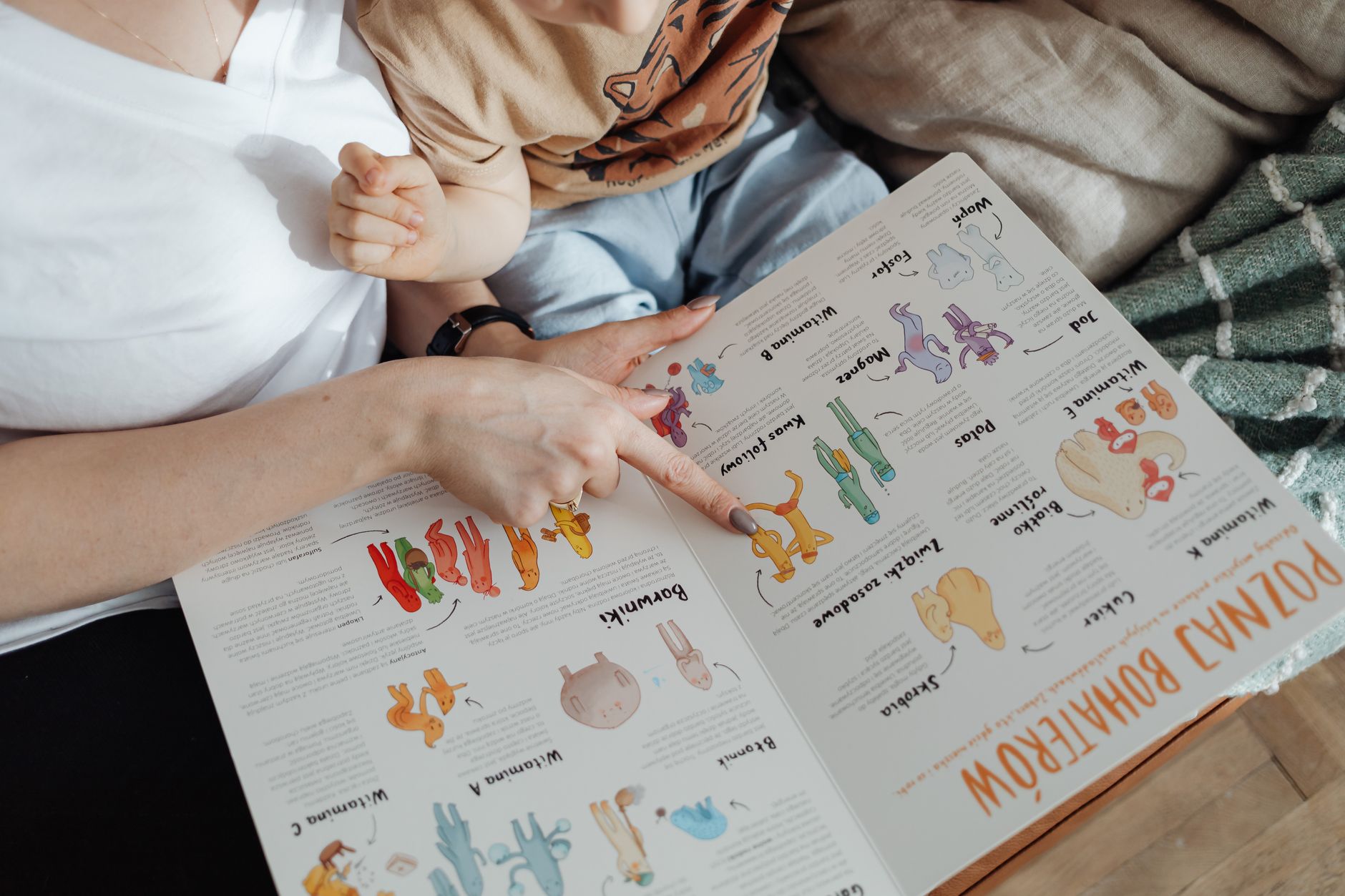
Signs my baby is ready to speak their first word
Before a baby can say a word, they need a foundation of auditory, motor, and social skills. Here are the key signs that your little one is gearing up for that breakthrough:
- Consistent babbling: Repeated consonant‑vowel combos like “ba‑ba” or “da‑da” that vary in pitch.
- Gestures: Pointing, waving, or reaching for objects while making sounds.
- Joint attention: Following your eye gaze and turning toward objects you name.
- Understanding of simple commands: Responding to “come here” or “give me the ball” even before they can verbalize.
- Social smiles and vocal play: Smiling when you talk, and attempting to “talk back” with sounds.
Many parents notice that once a baby can sustain a babble for several seconds, the transition to a first word often follows within weeks. The key is to give them plenty of responsive language input—talk, sing, and label everything you do. Responsive interaction, where you pause and wait for the baby’s turn, is more powerful than sheer volume of words because it reinforces the cause‑and‑effect of communication.
Early language development tips for parents
To make the most of this readiness phase, try the following daily habits:
- Narrate your routine: “We’re changing your diaper. Here’s the wipe.”
- Use “parentese,” the sing‑song, high‑pitch speech that naturally captures infants’ attention.
- Pause after you speak, giving your baby a chance to respond.
- Introduce one new word per day, pairing it with a visual cue.
- Read a board book each night, pointing to pictures and naming them.
Responsive interaction is more powerful than sheer quantity. When you pause and wait for a response, you teach your baby that their vocal attempts matter, reinforcing the desire to communicate. Even if the baby just coos back, that exchange builds the neural pathways that later support word production (Center on the Developing Child, Harvard University).
Why is my baby not saying any words by 12 months?
It’s natural to worry if your child hasn’t said a recognizable word by their first birthday. While many babies do meet the 12‑month benchmark, a delay doesn’t automatically signal a problem. Below we explore common reasons for a later start and when to be more concerned.
Common non‑concerning factors
- Temperament: Some babies are “quiet” and prefer listening over speaking.
- Late‑talking sibling pattern: If older siblings also spoke later, genetics may play a role.
- Limited exposure: Babies who spend most of their day in a quiet environment may have fewer language models.
- Hearing issues: Even mild, temporary ear infections can reduce exposure to speech sounds.
When a delay may be more serious
According to the AAP, the following signs suggest a speech or language delay that warrants professional evaluation:
- No babbling by 6 months.
- No response to name by 9 months.
- Limited eye contact or joint attention by 12 months.
- Regression in vocalizations after previously consistent babbling.
If you notice any of these red flags, it’s wise to schedule a hearing test and a speech‑language evaluation. Early audiology screening—often performed at the 6‑month well‑child visit—helps rule out hearing loss as a contributing factor (CDC, 2022).
How many words should a 12‑month‑old know?
Typically, a 12‑month‑old will understand around 50–100 words (receptive vocabulary) but may only produce 1–3 words (expressive vocabulary). Understanding often far outpaces speaking at this stage.
It’s also helpful to remember that “word” counts can be misleading for bilingual families. A child may know “ball” in English and “pelota” in Spanish, and each counts toward the overall vocabulary even though they are in separate language systems. The bottom line: if your baby shows comprehension and is babbling consistently, you’re on the right track.
How many words should a 2‑year‑old know?
By the time children reach their second birthday, their expressive vocabulary usually expands dramatically. The AAP notes that a typical 24‑month‑old can say 50–100 words and begin forming two‑word combinations like “more milk” or “big truck.”
First words for girls versus boys
Research indicates no consistent gender difference in the timing of first words. Both girls and boys have similar median ages (≈12 months) for their first intentional word. Any perceived differences often stem from parental expectations rather than biology.
What if baby says first word later than expected?
Late‑talking children often catch up quickly, especially with targeted language exposure. However, if a child hasn’t spoken by 18 months, it’s advisable to seek a speech‑language pathologist (SLP) assessment. Early intervention can dramatically improve outcomes.
Beyond raw word counts, two‑year‑olds begin to use language socially: they can request, protest, and comment. This shift from naming objects to sharing intentions is a key marker of pragmatic language development, which is just as important as vocabulary size.
Can a bilingual environment affect when a baby says their first word?
Living in a bilingual home does not delay the age of a first word. In fact, many studies—including those from the American Speech‑Language‑Hearing Association (ASHA)—show that bilingual infants reach the same milestones as monolingual peers, though they may distribute words across both languages.
How bilingualism shows up in early speech
Parents might notice that a child says “mama” in one language and “papa” in another, or that the same object receives two names (“ball” and “pelota”). This dual labeling is normal and reflects the child’s growing linguistic flexibility.
Tips for supporting bilingual language development
- Maintain consistent language exposure: One parent one language (OPOL) or each caregiver uses their native tongue.
- Label objects in both languages during everyday activities.
- Read books in both languages daily.
- Avoid correcting “wrong” language; celebrate all attempts.
Consistent, rich input in both languages helps the brain develop the neural pathways needed for later fluency without pushing back the first‑word timeline. The key is exposure, not perfection.
Early speech milestones for premature babies
Premature infants often reach language milestones based on their corrected age (chronological age minus weeks of prematurity). For example, a baby born at 32 weeks (8 weeks early) who is now 12 months old chronologically would be considered 10 months corrected.
Typical timeline for premature infants
- 6 months corrected: Begins canonical babbling.
- 9–11 months corrected: Responds to name, gestures, and simple commands.
- 12–14 months corrected: First intentional word, similar to full‑term peers.
Because prematurity can affect auditory processing and motor coordination, some infants may show slight delays. Regular monitoring by a pediatrician and early speech‑language screening are especially important for babies born before 32 weeks gestation.
Many NICUs now offer “developmental follow‑up” programs that include language assessments at 6‑month intervals. Engaging in these programs can catch subtle delays early and connect families with speech‑language therapists before the 12‑month window closes (American Academy of Pediatrics, 2022).
How to encourage my baby to say their first word
While you can’t force a child to speak, you can create a language‑rich environment that invites communication. Below are evidence‑based strategies, plus a quick “what to do today” checklist.
Daily language‑boost routine
- Talk, narrate, repeat: Describe every action—“We’re opening the fridge. Here’s the milk?”
- Use gestures: Pair words with hand signs; point, wave, and clap.
- Sing simple songs: “Twinkle, twinkle” and “Pat‑a‑cake” reinforce rhythm and rhyme.
- Read aloud: Repetition of picture‑book titles builds word‑object links.
- Play “copycat” games: Imitate your baby’s sounds, then model a word.
Stimulating baby speech at home
Set up a “talk corner” with a low shelf of colorful, name‑tagged objects (ball, cup, shoe). Encourage your baby to reach, then name the item clearly. Rotate toys weekly to keep novelty high.
Natural remedies with evidence
While no supplement can replace interaction, certain nutrients support brain development:
- Omega‑3 DHA: Found in breast milk and fortified formula; the AAP notes DHA contributes to neural growth.
- Iron: Adequate iron status is linked to cognitive performance; screen for iron‑deficiency anemia if risk factors exist.
- Vitamin D: Supports overall health; deficiency can affect mood and engagement.
Before adding any supplement, discuss it with your pediatrician.
Common mistakes to avoid
- Over‑correcting: Repeating the correct word without praising the attempt can discourage effort.
- Using “baby talk” exclusively: While soothing, it should be balanced with clear, adult‑language models.
- Skipping one‑on‑one time: Group settings are noisy; dedicated quiet interaction is essential.
Remember that language learning is a marathon, not a sprint. Small, consistent actions each day pile up to create a robust foundation for your baby’s first word and beyond.

How to track your baby’s language milestones at home
Keeping a simple log can turn everyday moments into useful data. A notebook, a phone note, or a free app (such as “Baby Milestones Tracker”) lets you record when your child first babbles, points, or says a word. This record helps you see patterns, celebrate progress, and notice any stalls that might warrant a professional check.
What to record
- Date and age (in months) of the first babble that repeats the same sound.
- First use of a recognizable word and the context (e.g., “mama” while you’re feeding).
- Gestures paired with sounds—pointing at a toy while saying “ball.”
- Responses to simple commands (“come here”).
When you notice a gap of more than a month between milestones, note it and discuss it with your pediatrician at the next well‑child visit. Documentation also eases referral conversations with speech‑language pathologists, who often ask for a brief developmental history.
In today’s households, screens are everywhere. The American Academy of Pediatrics (AAP) recommends limiting screen exposure for children under 18 months to video chatting only, because passive viewing does not provide the interactive language input babies need.
Why passive screen time can hinder speech
Screen media often lacks the back‑and‑forth “turn‑taking” that builds conversational skills. When a baby watches a cartoon, they receive visual and auditory input but no responsive feedback. Studies from the CDC show that excessive screen time before age two is linked to delayed expressive language and reduced vocabulary size at 3 years.
- Prioritize live interaction: Talk, sing, and read in person.
- If you use video chat, keep it short (5‑10 minutes) and actively engage—ask “what’s that?” and pause for a response.
- Avoid background TV; turn it off when not actively watching.
- Choose high‑quality, age‑appropriate content and co‑view to add narration.
When media is used intentionally and interactively, it can become a supplemental tool—like a video call with grandparents who label objects in real time. The key is that the baby remains the active participant, not a passive audience.
Understanding speech delay versus language disorder
“Speech delay” and “language disorder” are sometimes used interchangeably, but they describe different levels of concern. A speech delay is a lag in reaching typical milestones, often related to environmental factors or mild hearing issues. A language disorder (formerly called “specific language impairment”) reflects underlying neurodevelopmental differences that affect the ability to understand or produce language, even with adequate exposure.
Key differences
- Onset: Delays usually appear after a period of typical development; disorders are present from early infancy.
- Response to intervention: Children with a simple delay often catch up with increased talk time; language disorders may require specialized therapy.
- Associated signs: Disorders may co‑occur with difficulties in reading, social interaction, or motor planning.
If your child meets all other milestones but still struggles with word production after 18 months, a referral to a pediatric speech‑language pathologist for a comprehensive evaluation is advisable. Early identification leads to tailored therapy that can dramatically improve communication outcomes.
The role of hearing screenings in early language development
Auditory input is the foundation of spoken language. Even a mild, temporary hearing loss—such as from frequent ear infections—can delay word acquisition. The American Academy of Pediatrics recommends universal newborn hearing screening, followed by repeat screenings at the 6‑month and 12‑month well‑child visits if risk factors exist.
What to watch for
Signs that your baby might be missing sounds include: lack of startle response to loud noises, no turning toward a parent’s voice by 6 months, or consistently not responding to your name. If any of these appear, ask your pediatrician for an audiology referral.
Early detection and, when needed, amplification (such as hearing aids) can close the gap between auditory exposure and language learning, allowing the child to stay on track with peers (CDC, 2022).
Impact of socioeconomic factors on language milestones
Research consistently shows that children from households with higher socioeconomic status (SES) tend to acquire language earlier, largely because they receive more words per hour from caregivers. The Hart & Hart study (2018) found that a 30‑minute daily “talk time” can advance vocabulary by up to 30 words by age two.
Practical ways to level the playing field
Community resources—public libraries, parent‑education programs, and early‑intervention services—provide free books, storytimes, and language‑rich activities. Even simple actions like narrating daily chores or using everyday objects as language prompts can make a big difference, regardless of income.
Myth vs. fact
Myth: If a baby isn’t talking by 12 months, they will have lifelong speech problems.
Fact: Many late‑talkers catch up by age two, especially with early support and intervention.
Myth: Bilingual babies learn words slower than monolingual babies.
Fact: Bilingual exposure does not delay the first word; it may spread vocabulary across two languages.
Myth: Babies need formal speech lessons to start talking.
Fact: Everyday conversation, play, and responsive interaction are the most effective “lessons.”
Myth: Screen time is harmless for language development.
Fact: Excessive passive screen exposure before age two is linked to delayed expressive language (AAP, 2023).
Key takeaways
- Most babies say their first word between 10 months and 14 months.
- Readiness signs include consistent babbling, gestures, and joint attention.
- Bilingual environments do not delay first‑word timing.
- Premature infants reach milestones based on corrected age.
- Create a language‑rich routine: talk, read, sing, and use gestures daily.
- Track milestones at home to spot gaps early.
- Limit passive screen time; prioritize interactive communication.
- Seek a professional evaluation if no words appear by 18 months or if other red flags emerge.
- Early hearing screenings and equitable access to language‑rich resources can help bridge gaps linked to socioeconomic differences.
Frequently asked questions
What is the average age for a baby’s first word?
On average, babies say their first intentional word around 12 months, with a normal range of 9 months to 15 months. This timing reflects a blend of biological readiness and language exposure.
How many words should a 12‑month‑old know?
A typical 12‑month‑old understands about 50–100 words (receptive vocabulary) but may only produce 1–3 words (expressive vocabulary). Understanding usually precedes speaking by several months.
What are the signs of a speech delay in babies?
Key red‑flag signs include: no babbling by 6 months, no response to name by 9 months, limited eye contact or joint attention by 12 months, and regression in vocalizations after previously consistent babbling.
Can a baby say a word before 6 months?
It’s rare but not impossible. A few infants may produce a meaningful “mama” or “dada” as early as 5 months, often linked to advanced auditory processing or strong familial language exposure. Such early speech remains within the spectrum of normal variation.
Does being bilingual affect when a baby says their first word?
Research shows bilingual infants reach the first‑word milestone at the same age as monolingual peers. The difference lies in the distribution of words across two languages, not the timing of the first word itself.
How can I encourage my baby to talk?
Use a daily routine of narrating activities, reading picture books, singing songs, and incorporating gestures. Offer one new word a day, pause for response, and celebrate any vocal attempt.
What should I do if my baby says a word and then stops?
Occasional pauses are normal; language development is not linear. Keep offering rich language input, and monitor for other milestones. If the pause lasts several weeks and is accompanied by reduced babbling or social engagement, discuss it with your pediatrician.
Can sign language help my baby speak earlier?
Introducing simple signs (like “more” or “milk”) can support communication before verbal skills emerge, especially for babies with hearing concerns. However, research indicates that signing does not accelerate spoken word onset; it mainly reduces frustration and may enhance overall language comprehension (American Speech‑Language‑Hearing Association, 2021).
How do socioeconomic factors influence my baby’s language development?
Families with higher income often provide more “talk time,” which can boost early vocabulary. Community resources such as library storytimes, free parenting classes, and early‑intervention programs can help level the playing field for lower‑income households.
When to see a doctor or specialist
If you notice any of the following, schedule an appointment promptly:
- No babbling by 6 months.
- No response to name by 9 months.
- Limited joint attention or eye contact by 12 months.
- Regression in vocalizations after previously consistent babbling.
- Hearing concerns (e.g., frequent ear infections, no startle response).
For evaluation, start with your pediatrician, who may refer you to a pediatric speech‑language pathologist (SLP) or an audiologist. Early intervention services are available in most U.S. states and the U.K., often at no cost to families.
References
- American Academy of Pediatrics. “Speech and Language Development: Screening and Assessment.” AAP Clinical Report, 2022.
- American Speech‑Language‑Hearing Association. “Bilingualism and Speech Development.” ASHA Practice Portal, 2021.
- American Academy of Pediatrics. “Developmental Milestones: 0‑5 Years.” HealthyChildren.org, 2023.
- National Institute on Deafness and Other Communication Disorders. “Hearing Screening in Infants.” NIH, 2022.
- World Health Organization. “Child Development: Early Childhood Development.” WHO, 2021.
- Harvard T.H. Chan School of Public Health. “Omega‑3 Fatty Acids and Brain Development.” Nutrition Source, 2020.
- American Academy of Pediatrics. “Prematurity and Developmental Follow‑up.” AAP, 2022.
- Centers for Disease Control and Prevention. “Screen Time and Children’s Development.” CDC, 2023.
- American Academy of Pediatrics. “Media Use in Infants, Toddlers, and Young Children.” Pediatrics, 2023.
- American Speech‑Language‑Hearing Association. “Sign Language and Early Speech.” ASHA, 2021.
- Hart, B., & Hart, L. “The Relationship Between Parent Talk and Child Vocabulary Development.” Child Development, 2018.
- Centers for Disease Control and Prevention. “Newborn Hearing Screening.” CDC, 2022.



