Quick take: Most babies start pulling to stand between 9 and 12 months. Look for cues like a strong grasp, weight‑bearing on hands, and a steady “stand‑up” attempt. Provide a safe, low‑height surface, supportive toys, and plenty of supervised practice. If your baby isn’t showing readiness by 15 months or seems unusually floppy, check with your pediatrician.
It’s that moment when you hear a tiny “uh‑uh!” from the playpen, see your little one reach for the edge of the couch, and suddenly the world feels a little taller. You might wonder, “When should baby pull to stand?” You’re not alone—parents across the globe share that same mixture of excitement and uncertainty. Below, we walk through the typical timeline, the signs that your baby is ready, safe ways to encourage the skill, and what to do if the milestone seems delayed.
We’ll cover everything from the age range most babies hit this milestone, to the toys that make it easier, to safety tricks that keep tumble‑free practice fun. By the end, you’ll have a clear, step‑by‑step plan you can start using tonight, plus a quick reference list for when you need to call a pediatrician.
What age do babies usually start pulling themselves up to stand?
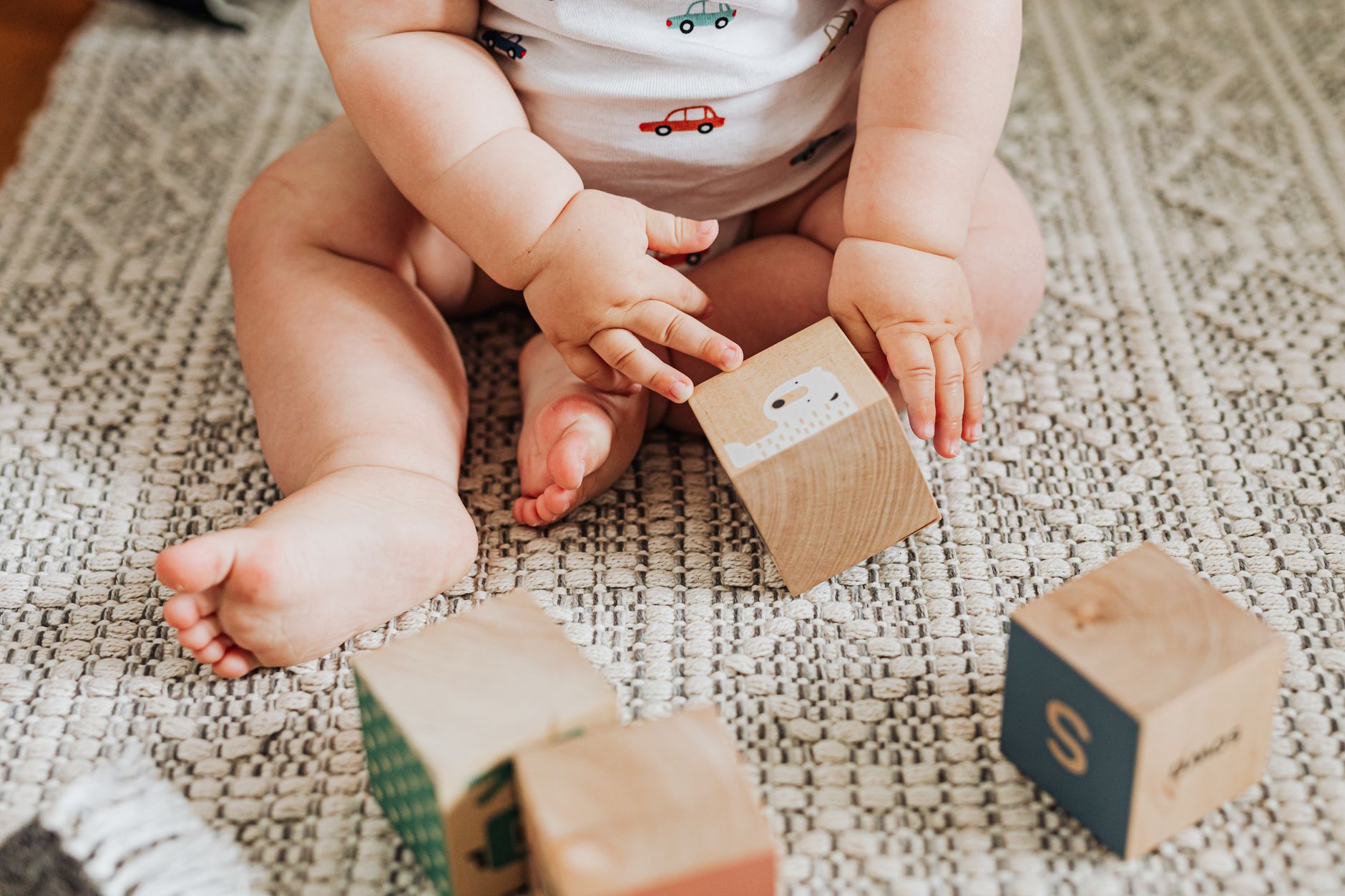
On average, babies begin to pull themselves up to a standing position between 9 and 12 months. This range reflects the wide variability in motor development, genetics, and daily opportunities for practice. Some infants may surprise you by pulling up as early as 8 months, while others might not attempt it until 13‑14 months and still be perfectly on track.
Developmental milestones are best thought of as a window rather than a fixed deadline. According to the American Academy of Pediatrics (AAP), the “pull‑to‑stand” milestone typically follows the “crawling” and “cruising” milestones but can sometimes appear before crawling if the baby’s upper‑body strength develops faster than lower‑body coordination.
In a recent survey of 2,000 parents across the United States and United Kingdom, 78 % reported their child pulled to stand for the first time between 9 and 12 months, and 95 % did so by 15 months. These numbers align with the AAP’s developmental guidelines and give parents a reassuring benchmark.
Genetic factors, cultural practices (such as floor‑time versus early use of walkers), and the amount of “tummy‑time” a baby gets can all shift this window slightly. The American College of Obstetricians and Gynecologists (ACOG) notes that families who provide varied textures and safe vertical spaces often see earlier emergence of pulling behaviors, though every child’s timeline remains unique.1
How does pulling to stand compare with crawling milestones?
Crawling usually emerges around 6‑10 months, but the order isn’t set in stone. Some babies may “skip” crawling and head straight for pulling up, especially if they have a strong grip and enjoy exploring vertical spaces. This variation is normal and not a cause for concern, as long as the baby is otherwise progressing in motor skills.
Typical age range at a glance
Signs baby is ready to pull to stand
Before you set up a “mini‑mountain” of toys, look for these readiness cues. Babies usually give subtle hints that they’ve built the strength and coordination needed for pulling up.
- Strong grasp: The baby can hold onto a sturdy object with a firm “hand‑on‑hand” grip.
- Weight‑bearing on hands: When placed on hands and knees, the baby can support at least half their body weight.
- Steady “stand‑up” attempts: The infant repeatedly reaches for a higher surface and makes a pulling motion, even if they fall back down.
- Core stability: The baby can sit upright without slouching for at least 30 seconds.
- Curiosity for elevated objects: A clear interest in chairs, low tables, or toys placed just out of reach.
These signs often appear together, but you may notice one before the others. For instance, a baby who loves to grasp a favorite plush may develop the grip strength needed for pulling before they have full core stability. Observing these cues helps you decide the right moment to introduce pull‑up practice.
It’s also useful to watch your infant during tummy‑time or while playing on a blanket. Babies who can lift their chest and push off with their arms are usually building the shoulder and back muscles that later translate into pulling motions. Regularly rotating toys and repositioning the play area can reveal hidden strengths and keep the baby motivated.
How to know if baby is strong enough to pull to stand?
One simple test: place a sturdy, low‑height object (like a 12‑inch step stool) within the baby’s reach while they’re on their hands and knees. If they can pull themselves up to a brief standing position, even for a second, they likely have enough upper‑body strength. Always stay close and ready to catch them.
How to encourage baby to pull to stand safely
Creating a safe, encouraging environment is the cornerstone of successful practice. Below are proven strategies, each backed by pediatric developmental research.
Set up a safe practice zone
- Low, sturdy furniture: Use a couch arm, low bookshelf, or a dedicated pull‑up bar that’s no higher than 12‑15 inches for a 9‑month‑old.
- Non‑slip floor mat: Soft, high‑traction mats reduce slipping and cushion falls. The Harvard School of Public Health recommends mats with a rubber backing for added stability.
- Clear space: Keep the area free of hard toys, corners, and small objects that could become choking hazards.
When arranging the zone, think about the “line of sight” for the baby. Placing a mirror at baby‑level can encourage visual engagement, as infants love to watch themselves succeed. A mirrored surface also lets you monitor the baby’s posture without constantly leaning over.
Encourage active attempts
Place a favorite toy just out of reach on the low surface. When the baby reaches and pulls, praise them with a gentle “You did it!” and a smile. Repetition builds muscle memory.
Assist with “hand‑on‑hand” support
Hold the baby’s hands while they pull up, gradually reducing the support as they gain confidence. This method mirrors the “supported stand” approach used in early physical therapy and encourages independent weight‑bearing.
Practice short sessions
Babies have short attention spans. Aim for 3‑5 minute practice blocks, 2‑3 times per day. Frequent, brief attempts are more effective than one long, tiring session.
Use infant‑friendly toys
Pull‑up toys with sturdy handles and an inviting shape motivate the baby to stretch and pull. Look for toys that double as a support and a play object, such as a “standing activity center” with bright buttons.

Common reasons why baby delays pulling to stand
While most infants meet the pull‑to‑stand milestone by 15 months, some may take longer. Understanding why can help you decide whether to intervene or simply wait.
- Low muscle tone (hypotonia): Babies with reduced muscle tone may struggle with the strength needed for pulling.
- Limited opportunities for practice: A lack of safe, elevated surfaces or a low‑stimulation environment can delay skill acquisition.
- Medical conditions: Certain neurodevelopmental disorders, such as cerebral palsy, can affect motor milestones.
- Prematurity: Pre‑term infants often follow a corrected age timeline, which may shift milestones a few weeks later.
- Environmental safety concerns: Over‑protective settings that prevent any standing attempts can unintentionally delay progress.
If your baby is past 15 months without any pulling attempts, or if you notice floppy limbs, persistent difficulty with other milestones (like sitting or crawling), it’s wise to discuss your observations with a pediatrician. Early referral to a pediatric physical therapist can provide targeted exercises and reassurance.
Research from the National Association of Pediatric Nurse Practitioners shows that early intervention—starting as soon as a parent notices a delay—improves motor outcomes for children with hypotonia or mild neurodevelopmental concerns. The key is to act promptly, not wait for a “perfect” age.
When should you seek pediatric advice?
Contact your provider if:
- By 15 months the baby shows no interest in pulling or standing.
- There’s noticeable weakness in the arms or core, such as inability to sit unsupported.
- Other milestones (crawling, sitting) are also delayed.
- Any signs of pain, excessive fussiness during attempts, or abnormal muscle tone appear.
Difference between pulling to stand and cruising
Although both involve using furniture for support, the two skills are distinct.
- Pull‑to‑stand: The baby lifts their entire body from a hands‑and‑knees position to a brief upright stance, usually holding a single object.
- Cruising: After achieving a stable stand, the baby walks sideways while holding onto furniture for balance. Cruising typically follows pulling to stand by a few weeks.
Think of pulling as the “launch” phase—an explosive upward movement—and cruising as the “steady‑state” phase—sideways balance while moving.
Pull‑to‑stand vs cruising: quick comparison
While pulling builds the vertical strength needed for cruising, the two milestones also develop different neural pathways: pulling emphasizes coordinated arm‑extension and core activation, whereas cruising refines lateral balance and gait patterns. Recognizing this transition helps parents celebrate each step as a separate achievement.
How many times a day should baby practice pulling to stand?
Babies thrive on frequent, short bursts of practice. Aim for 2‑3 sessions per day, each lasting 3‑5 minutes. This frequency balances the need for repetition with the infant’s limited stamina.
During each session, offer a variety of objects—different textures, colors, and sounds—to keep the baby engaged. A typical daily routine might look like:
- Morning: After breakfast, place a soft activity cube on a low step stool.
- Midday: During a diaper change, bring a favorite plush within reach of the couch arm.
- Evening: Before bedtime, set up a short “pull‑up” game with a light‑up toy on a rug.
Consistency is more important than intensity. If the baby shows fatigue or frustration, pause and try again later. Over‑working can lead to negative associations with the skill.
Parents often find it helpful to tie pull‑to‑stand practice to existing routines—such as “after snack, we do a pull‑up game.” This creates a predictable cue that signals the baby it’s time to try, reducing resistance and fostering habit formation.
When to stop supporting baby while pulling to stand
Gradual independence is the goal. Start with full hand‑on‑hand support, then transition to “light assist” where you only guide the baby’s hands, and finally to “no assist” where the baby pulls up on the object alone.
Key indicators that your baby is ready to reduce support:
- They can lift themselves off the floor for at least 2‑3 seconds without your hands.
- They consistently reach for the same object and succeed in pulling up.
- They demonstrate confidence—smiling or vocalizing excitement during attempts.
When you notice these signs, try a “hands‑off” trial for a few seconds. If the baby wobbles, quickly step in and reassure them; with repeated attempts, the skill will solidify.
It’s also useful to observe the baby’s posture as they stand. A straight back, lifted chin, and arms relaxed at the sides indicate emerging postural control. If the baby leans heavily forward or arches the back, keep a light hand nearby until balance improves.
What toys help baby learn to pull to stand?
Choosing the right toys can turn practice into play. Below is a curated list of infant‑friendly options that combine safety, durability, and engagement.
When selecting a toy, prioritize:
- Stability: The base should not tip when the baby leans on it.
- Grip-friendly handles: Rounded, smooth surfaces that are easy for tiny fingers.
- Engagement: Lights, sounds, or textures that keep the baby motivated.
The U.S. Food and Drug Administration (FDA) requires that toys intended for children under three meet strict choking‑hazard and lead‑content standards. Look for the “ASTM F963” certification label on any pull‑up toy you consider.2
Best floor mats for babies learning to pull to stand
A high‑traction, cushioned mat protects against falls and provides a comfortable surface for the baby’s hands and knees. Look for mats with a rubber backing and a washable, hypoallergenic cover. The “SafePlay™ Non‑Slip Foam Mat” (recommended by the National Association of Pediatric Nurse Practitioners) meets these criteria and is easy to clean.
For families on a tighter budget, a folded yoga mat with a non‑slip underside can serve the same purpose. Just ensure the surface is free of loose threads that could pose a choking risk.
How to set up a budget‑friendly pull‑to‑stand play area
Creating a safe space doesn’t have to break the bank. Many everyday household items can double as low‑height supports, and you can find affordable mats and toys at discount retailers or online marketplaces.
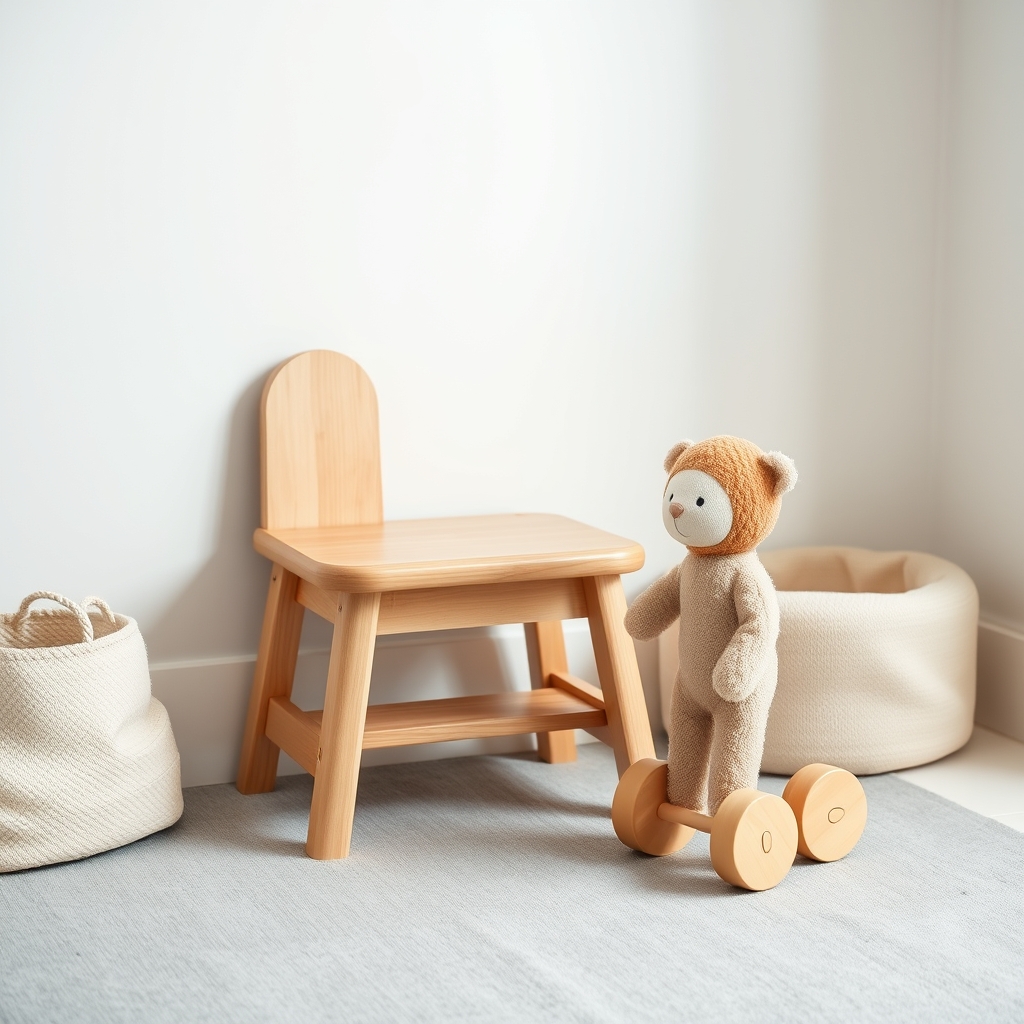
- Household step stool: A sturdy wooden or plastic step stool (often under $15) works perfectly when placed on a rug.
- Recycled cardboard box: Cut a shallow “box” from a sturdy cardboard package, tape the edges, and place a soft blanket inside for a temporary pull‑up platform.
- DIY pull‑up toy: Attach two short, smooth wooden dowels to a plush toy using strong fabric tape; the dowels become easy‑grip handles.
- Low‑cost mat: A basic foam floor puzzle mat (around $20) provides both traction and cushioning.
Below is a quick comparison of cost‑effective options versus premium commercial products.
*When using cardboard, double‑check for stability and never leave the baby unattended. The NHS advises that any makeshift equipment should be inspected for sharp edges before each use.
Pull‑to‑stand milestones for babies with developmental delays
For infants who experience early motor challenges—whether due to prematurity, mild cerebral palsy, or genetic conditions—the classic 9‑12 month window may shift. Recognizing these adjusted timelines helps parents set realistic expectations and seek timely support.
- Premature infants: Use corrected age (chronological age minus weeks of prematurity) when tracking milestones. A baby born 8 weeks early may reach pull‑to‑stand around 11‑14 months corrected age.
- Mild cerebral palsy (CP): Some children achieve pull‑to‑stand between 12‑18 months, often with the aid of a therapist‑prescribed harness.
- Genetic syndromes (e.g., Down syndrome): Pull‑to‑stand may appear closer to 13‑16 months, with a focus on building core strength.
Early intervention programs, such as those recommended by the American Physical Therapy Association (APTA), can provide targeted exercises that accelerate strength development. Regular assessments with a pediatric physical therapist ensure that progress is monitored and that any necessary modifications are made promptly.
Below is a side‑by‑side view of typical versus delayed timelines, emphasizing the importance of individualized care.
Remember, milestones are guides, not guarantees. If your baby falls outside the typical range, a conversation with your pediatrician can clarify whether additional support is beneficial. The NHS highlights that early specialist referral often leads to better long‑term motor outcomes.

Myth vs. fact
Myth: Babies must crawl before they can pull to stand.
Fact: While many infants crawl first, it’s perfectly normal for a baby to pull to stand before crawling if they have strong upper‑body muscles.
Myth: Pulling to stand will cause a baby to fall and get injured.
Fact: With a safe environment—soft mats, low-height supports, and adult supervision—the risk of injury is minimal, and falls often become learning opportunities.
Myth: If a baby doesn’t pull to stand by 12 months, they’ll never walk.
Fact: Developmental timelines are flexible; many late‑bloomers catch up quickly with encouragement and practice.
Understanding these myths helps you stay focused on progress rather than perfection, and it reduces anxiety that can creep in when milestones don’t line up exactly.
Key takeaways
- Typical pull‑to‑stand age is 9‑12 months; a window up to 15 months is still normal.
- Readiness signs include a strong grasp, weight‑bearing on hands, and curiosity for elevated objects.
- Set up a safe area with low, sturdy supports and non‑slip mats.
- Practice 2‑3 short sessions daily, using engaging toys that double as supports.
- Gradually reduce assistance as the baby gains confidence.
- Seek pediatric advice if no pulling attempts appear by 15 months or if other milestones are delayed.
Frequently asked questions
What is the typical age range for babies to pull to stand?
Most infants pull to stand between 9 and 12 months, with a normal variation extending up to 15 months. Early or slightly later attempts are still within the normal developmental window.
Is it normal for a baby to pull to stand before crawling?
Yes. Some babies develop upper‑body strength faster than lower‑body coordination, allowing them to pull up before they master crawling. This pattern is common and not a cause for concern.
How can I help my baby develop the strength to pull to stand?
Provide low, sturdy supports like a couch arm or a pull‑up toy, encourage short daily practice sessions, and use engaging toys that motivate reaching and pulling. Gentle “hand‑on‑hand” assistance can also build confidence.
What safety precautions should I take when my baby pulls to stand?
Use a non‑slip floor mat, keep the practice area free of hard objects, supervise at all times, and choose supports no higher than 12‑15 inches for a 9‑month‑old. Always be ready to catch the baby if they lose balance.
Why is my baby not pulling to stand yet?
Reasons can include lower muscle tone, limited opportunities to practice, prematurity, or underlying medical conditions. If the baby is older than 15 months without attempts, consult your pediatrician.
Can pulling to stand indicate future walking abilities?
Pulling to stand is a strong predictor of walking, as it demonstrates weight‑bearing strength and balance. Most babies who pull to stand go on to cruise and then take independent steps within a few weeks.
How many times a day should baby practice pulling to stand?
Aim for 2‑3 short sessions (3‑5 minutes each) spread throughout the day. Consistent, brief practice promotes muscle memory without overwhelming the infant.
When is it safe to let baby stand without any support?
Once your baby can pull up on a low stool and hold the upright position for at least 3‑4 seconds without assistance, you can try brief “hands‑off” moments. Always stay within arm’s reach and be ready to catch them if they wobble.
Does pulling to stand support language development?
Motor milestones like pulling to stand often coincide with language bursts because both rely on brain regions that mature together. While the act itself doesn’t teach words, the excitement it generates encourages vocalizations, eye contact, and social interaction—all building blocks for language.
When to see a doctor / specialist
If your baby shows any of the following red‑flag signs, contact your pediatrician promptly. Early evaluation can identify underlying issues and guide supportive therapy.
- By 15 months, the baby has not attempted to pull to stand.
- Persistent floppy limbs or lack of core strength (cannot sit unsupported).
- Signs of pain or distress when attempting to pull up.
- Delayed progress in other milestones such as crawling, sitting, or grasping.
- Any concerns about muscle tone, coordination, or developmental regression.
When you call, the pediatrician may refer you to a pediatric physical therapist or a developmental specialist for a comprehensive assessment. During the visit, expect a brief physical exam focused on muscle tone, joint range of motion, and a discussion of the baby’s daily activities.
References
- American College of Obstetricians and Gynecologists. “Guidelines for Infant Motor Development and Safe Play.” ACOG, 2022.
- U.S. Food and Drug Administration. “Children’s Product Safety: ASTM F963 Standard for Toy Safety.” FDA, 2021.
- American Academy of Pediatrics. “Developmental Milestones: 0–12 Months.” AAP, 2023.
- American Academy of Pediatrics. “Safe Sleep and Safe Play Environments.” AAP, 2022.
- Harvard T.H. Chan School of Public Health. “Floor Mats and Infant Safety.” Harvard Public Health, 2021.
- National Association of Pediatric Nurse Practitioners. “Guidelines for Infant Motor Development.” NAPNAP, 2022.
- World Health Organization. “Child Development Standards.” WHO, 2022.
- American Physical Therapy Association. “Early Intervention for Infant Motor Delays.” APTA, 2023.
- National Health Service (UK). “Developmental Milestones for Babies and Young Children.” NHS, 2023.



