abies love surprise, repetition, and gentle physical contact. The first triggers usually fall into three categories:
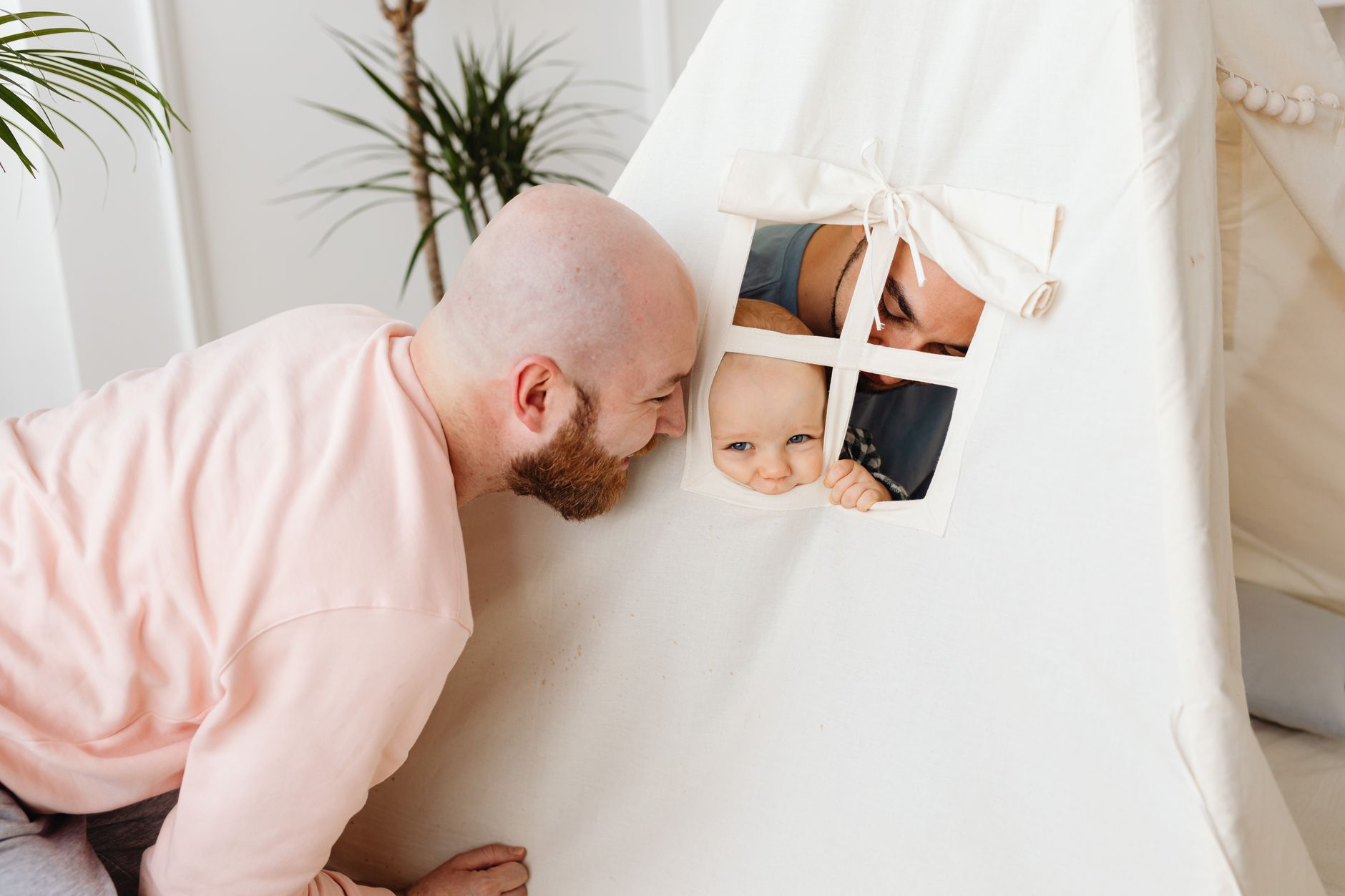
- Social interaction: Peek‑a‑boo, gentle tickles, and exaggerated facial expressions create a sense of playful unpredictability that delights infants.
- Sounds and rhythms: Squeaky toys, silly noises, or rhythmic “ra‑ra‑ra” chants can capture a baby’s attention and elicit a laugh.
- Physical sensations: Light tickles on the belly, under the chin, or the classic “sock‑pull” may produce giggles once the baby’s nervous system can differentiate pleasant from uncomfortable.
These triggers work because they activate the brain’s reward pathways, releasing dopamine and oxytocin—chemicals tied to pleasure and bonding. Over time, the infant learns that certain actions predict a fun response, reinforcing the laugh. The NHS also highlights that responsive, face‑to‑face play is a key driver of early emotional expression (NHS, 2022).
Parental voice tone matters, too. A sing‑song, high‑pitched “funny” voice can heighten the sense of novelty, making the same gesture feel even more amusing. Many caregivers find that adding a playful “whee‑whee” sound while tickling intensifies the giggle response.
How many laughs does a typical 6‑month‑old have per day?
By six months, many infants are laughing frequently—often anywhere from 10 to 30 distinct laughs in a 24‑hour period. The exact number depends on the child’s environment, temperament, and daily routine.
Below is a simple comparison table that outlines average laugh frequency by age, based on observational studies from the Harvard T.H. Chan School of Public Health and the AAP.
Remember, these numbers are averages. Some babies may laugh more often, while others may be quieter but still perfectly healthy. The FDA’s guidance on age‑appropriate toys stresses that safe, noise‑producing toys can encourage vocal play without posing choking hazards (FDA, 2023).
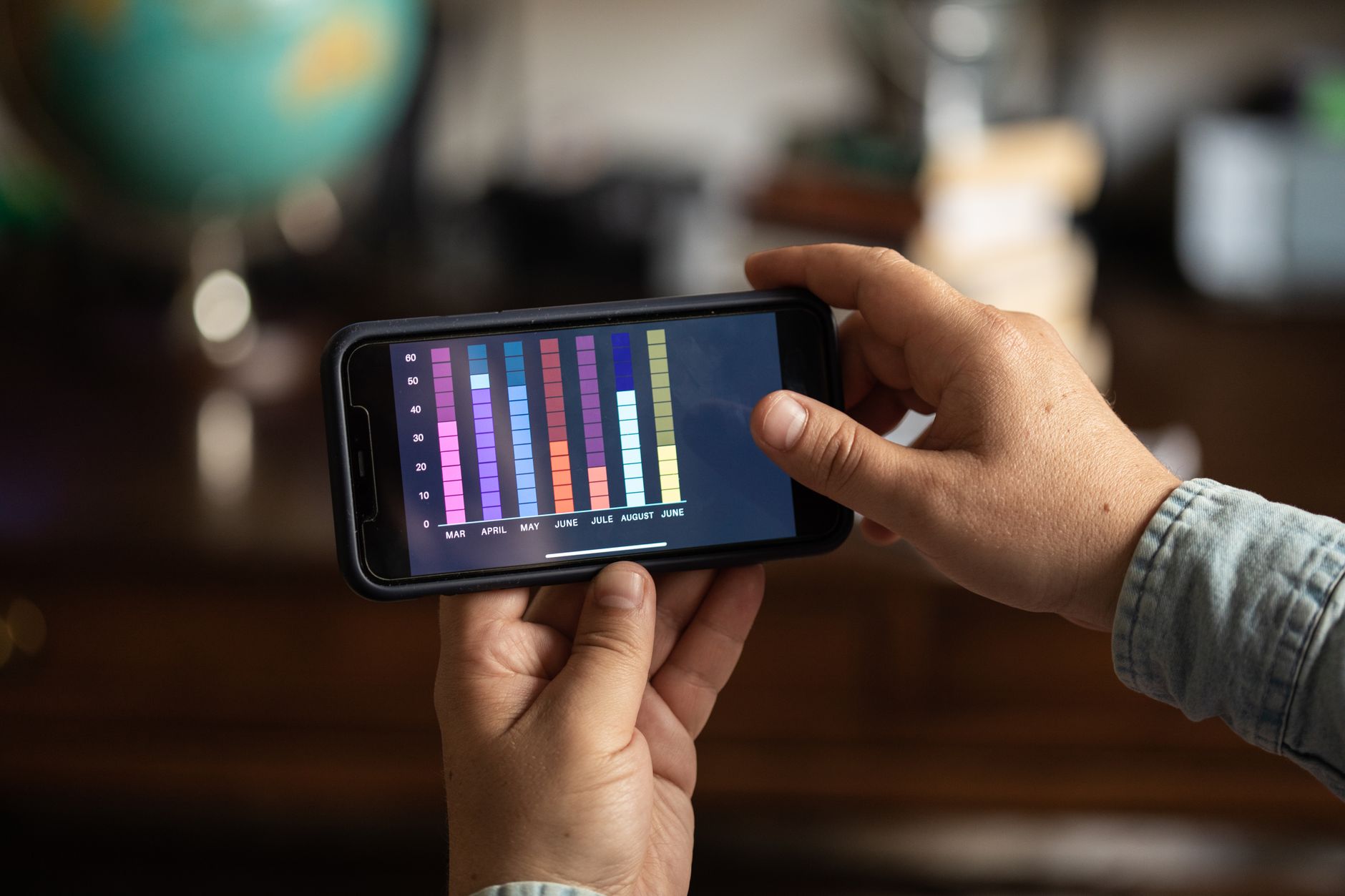
Many parents find it helpful to keep a simple “laugh log”—either on paper or via a baby‑tracking app—to notice patterns. Noting the time of day, the trigger, and the baby’s reaction can guide you toward the activities that spark the most joy.
Is it normal if my baby hasn't laughed yet?
Yes, it can be normal. While most infants begin laughing between 4 and 6 months, a delayed laugh—especially if the baby is otherwise thriving—doesn’t automatically indicate a problem. However, you should consider the broader developmental picture.
If your baby is under 7 months old and does not yet smile, make eye contact, or respond to vocal tones, it’s worth discussing with your pediatrician. These combined signs could suggest a social‑communication delay, which early intervention can address. The AAP’s clinical report on developmental delays advises that any combination of missing milestones warrants a prompt evaluation (AAP, 2021).
Conversely, a baby who smiles, babbles, and engages socially but hasn’t produced a full laugh may simply be a late bloomer. In such cases, increasing interactive play, varied sounds, and gentle tickling often helps coax that first laugh.
Research linking early lack of laughter to autism spectrum disorder (ASD) is still emerging, but clinicians do use reduced social smiling as one of many early screening items. If you have concerns about ASD, ask your pediatrician about a formal developmental screening.
Differences between giggling and laughing in infants
Infant vocalizations exist on a spectrum:
- Smiling/Co‑oing (0–2 months): Reflexive smiles and soft “coo” sounds. No true laughter yet.
- Giggling (3–4 months): A short, high‑pitched burst that may sound like a squeak. Often triggered by light touch or a quick “peek‑a‑boo.”
- Full laughter (4–6 months): A rhythmic series of sounds with a relaxed facial expression, usually accompanied by an open mouth and occasional tears of joy.
The distinction matters because full laughter signals a more mature integration of emotional and motor pathways. Giggling is an early precursor, but the transition to a robust laugh shows that the baby can sustain the vocalization and enjoys the social exchange.
Neurobiologically, giggling primarily engages the brainstem and early limbic structures, while full laughter recruits the prefrontal cortex, reflecting higher‑order social processing. This progression mirrors the infant’s growing capacity for intentional communication.
Signs that a baby is ready to laugh out loud
Before a baby can produce a full laugh, a few foundational skills typically emerge:
- Social smile: A genuine smile in response to a caregiver’s face, usually by 2 months.
- Eye tracking: Ability to follow moving objects and faces, indicating visual‑cognitive coordination.
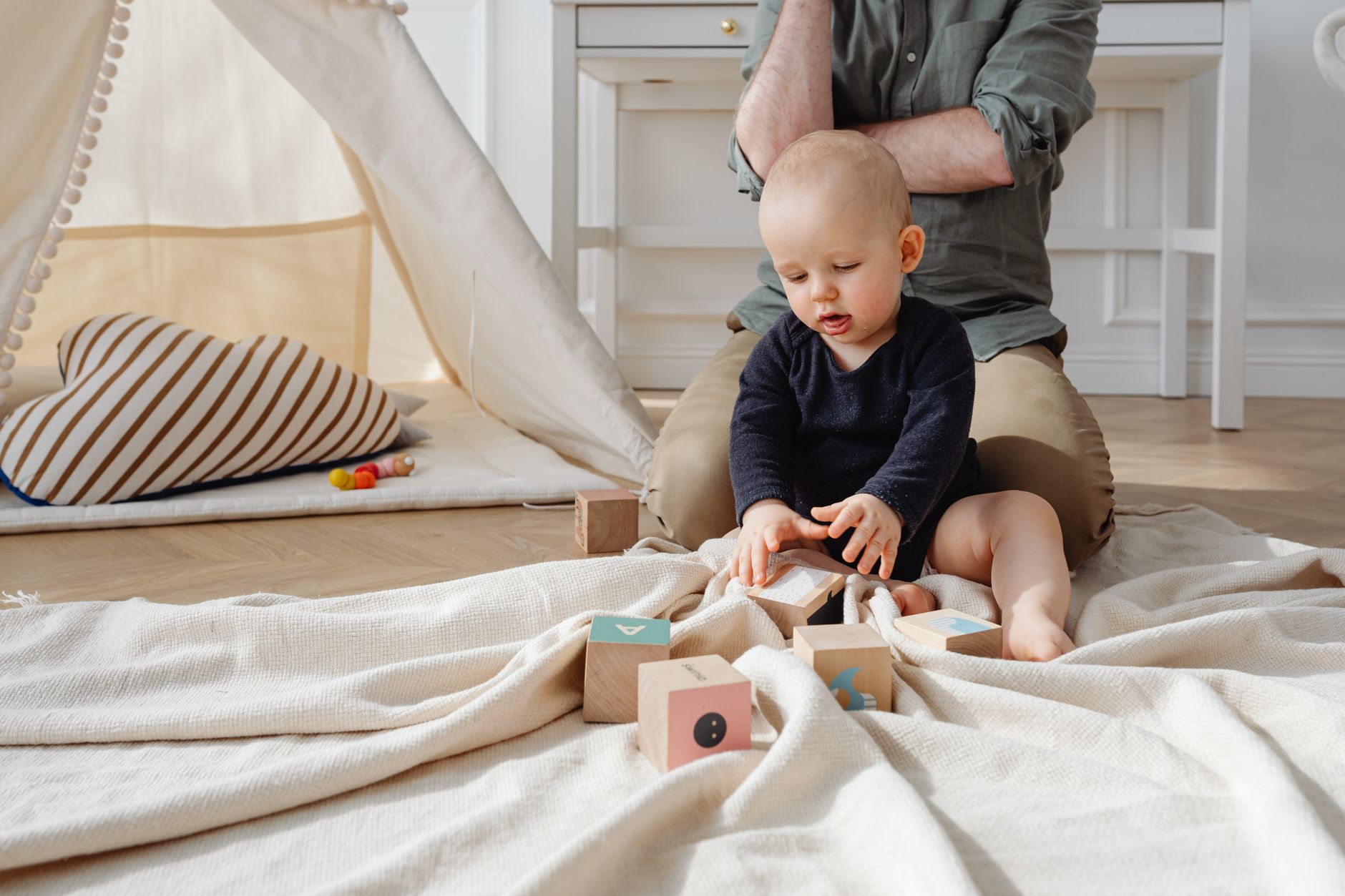
- Vocal play: Coos, gurgles, and babbles that show the baby is experimenting with sound.
- Responsive vocal feedback: Turning toward a caregiver’s voice and altering vocal tone in response.
When these cues appear, the infant’s brain is primed for the reward loop that produces laughter. Providing a rich, responsive environment—talking, singing, and playing—will reinforce the emerging skill. The NHS development guide emphasizes that “responsive caregiving” is a cornerstone of early language and emotional milestones (NHS, 2022).
Motor milestones also matter. Babies who have begun rolling over or sitting with support demonstrate improved torso control, which helps them coordinate the breath and facial muscles needed for a full, audible laugh.
How to encourage your baby to laugh
Here are practical, evidence‑based tips you can start using today:
- Play peek‑a‑boo regularly. The element of surprise builds anticipation and delight.
- Use exaggerated facial expressions. Wide eyes, big smiles, and silly noises capture a baby’s attention.
- Introduce gentle tickles. Light, rhythmic strokes on the belly, under the chin, or on the soles of the feet often provoke giggles.
- Sing silly songs. Repetitive, melodic tunes with goofy words (e.g., “If You’re Happy and You Know It”) encourage vocal mimicry.
- Offer cause‑and‑effect toys. Toys that pop, squeak, or light up when pressed teach that actions can create fun outcomes.
- Stay emotionally attuned. Mirror your baby’s expressions and respond promptly—this reinforces the social reward.
- Talk “baby‑talk.” A high‑pitched, sing‑song voice naturally captures an infant’s interest and can turn a simple coo into a giggle.
Consistency is key. Short, frequent sessions (5–10 minutes) throughout the day keep the experience fresh and prevent overstimulation. The ACOG’s parenting guidance recommends limiting any single play session to 10–15 minutes for infants under 12 months to preserve attention spans (ACOG, 2021).
When you notice a particular game or sound that consistently brings a smile, make it a regular part of your routine. Repetition helps the baby form the neural connections that underlie humor.
Baby laugh development milestones
Understanding the broader developmental timeline helps put the first laugh in context. Below is a concise milestone chart:
Each step builds on the previous one, highlighting the intertwined nature of language, social cognition, and emotional expression. When you see your baby move from a simple giggle to a hearty laugh, you’re witnessing a concrete sign of neural integration.
These milestones also align with receptive language development. Babies who are exposed to rich, responsive conversation tend to show earlier and more frequent laughter, reinforcing the bidirectional link between humor and language acquisition.
Early signs of humor in newborns
Even before the first laugh, newborns exhibit subtle hints of a budding sense of humor:
- Eye‑contact bursts: Babies often lock eyes with a caregiver and smile in response to a playful voice.
- “Happy” facial muscles: The orbicularis oculi (muscles around the eyes) may crinkle, indicating genuine pleasure.
- Vocal experimentation: Early coos sometimes sound like a light “hee‑hee,” especially when the caregiver’s tone is exaggerated.
These cues are clues that the infant’s brain is already mapping cause‑and‑effect relationships, a foundation for later humor. The AAP notes that such early social smiles are predictive of later language and emotional outcomes (AAP, 2022).
Parents often notice that a baby will smile more when a caregiver makes a funny face or uses a sing‑song voice, even if the infant cannot yet understand the content. These early “playful” exchanges set the stage for later laughter.
Baby laughter and brain development
Laughter isn’t just a cute sound; it’s a neurodevelopmental booster. When a baby laughs, several brain regions light up:
- Prefrontal cortex: Involved in social cognition and future planning.
- Temporal lobes: Process auditory cues and language.
- Limbic system: Releases dopamine and endorphins, reinforcing positive social bonds.
Longitudinal studies by the National Institute of Child Health and Human Development (NICHD) show that infants who experience frequent positive social interaction—including laughter—tend to have stronger language skills and better emotional regulation in early childhood. The CDC also highlights that early social engagement predicts later school readiness (CDC, 2023).
Beyond cognitive benefits, laughter reduces stress hormones such as cortisol. A 2021 study in *Pediatrics* found that brief bouts of laughter were associated with lower salivary cortisol levels in infants, suggesting a soothing, health‑promoting effect.
Why does my baby laugh at nothing?
Babies often laugh to a seemingly random stimulus—a sudden noise, a soft breeze, or even a shadow on the wall. This “laugh at nothing” behavior reflects their developing ability to find novelty and surprise rewarding. The brain’s novelty‑detection system (the hippocampus) flags any unexpected change, prompting a short‑lived joy response that manifests as a giggle.
Such moments are normal and usually decline as the infant’s attention span lengthens and they become more selective about what they find funny. The NHS notes that “spontaneous giggles” are a sign of healthy sensory integration (NHS, 2022).
Occasionally, a baby may laugh at a sound that seems uncomfortable (like a sudden loud clap). In most cases this is still a benign response, but if the baby appears distressed afterward, check for signs of overstimulation.
Baby laugh sounds meaning
Not all infant laughs are identical. Researchers categorize them into three primary types:
- “Joyful burst”: Rapid, rhythmic sounds lasting 1‑2 seconds, often paired with an open‑mouth grin—indicates genuine pleasure.
- “Social chuckle”: Shorter, softer sounds that may occur during interaction—reflects social bonding.
- “Reflexive giggle”: Triggered by light tickling; may be less emotionally loaded but still a sign of sensory integration.
Understanding these nuances can help parents recognize whether the baby is responding to a social cue or simply reacting to a physical sensation.
When a laugh is accompanied by bright eyes, relaxed limbs, and a relaxed facial expression, it usually signals true joy. A brief, startled giggle that quickly subsides may simply be a reflex to a sudden sensation.
How culture influences baby laughter
Across the globe, caregivers use different games, sounds, and facial expressions to elicit laughter. In many East Asian cultures, rhythmic clapping and “pat‑pat‑pat” chants are common, while in Mediterranean families, exaggerated vocalizations and “baby talk” (high‑pitched, sing‑song speech) dominate. Despite these variations, the underlying mechanism—surprise plus positive affect—remains consistent.
Research from the World Health Organization indicates that cultural differences rarely affect the age of first laugh, but they do shape the frequency and style of early humor. Knowing that your baby’s laughter may be encouraged differently in other families can reassure you that a quieter laugh pattern isn’t necessarily a problem.
Bilingual households often expose infants to a richer variety of sounds and rhythms, which can broaden the range of triggers that produce giggles. Parents who speak multiple languages report that babies may laugh at the cadence of each language, adding a layer of auditory novelty.
Nutrition’s role in early social development
While nutrition does not directly cause a baby to laugh, adequate intake of essential nutrients supports the brain pathways involved in social‑emotional processing. Omega‑3 fatty acids (especially DHA), iron, and zinc are critical for myelination and neurotransmitter function, both of which influence mood and reward circuits.
The American Academy of Pediatrics recommends exclusive breastfeeding or iron‑fortified formula for the first six months, followed by the gradual introduction of iron‑rich solids such as pureed meats, beans, and fortified cereals. A well‑balanced diet can help ensure the neural hardware is ready for the “laugh” software to run smoothly (AAP, 2023).
Vitamin D, often obtained through sunlight and fortified foods, also plays a subtle role in neurodevelopment. Adequate vitamin D levels have been linked to better mood regulation in infants, which can indirectly support the emergence of positive affect like laughter.
Screen time and baby laughter
Modern households often wonder whether a digital giggle—like a baby reacting to a cartoon—counts as “real” laughter. While visual and auditory stimuli from screens can provoke smiles, they rarely replace the social reciprocity needed for genuine laugh development. The AAP advises that infants under 18 months avoid screen time except for video chatting, as interactive, face‑to‑face play is far more effective for building the social‑emotional brain (AAP, 2022).
Excessive screen exposure can also limit the opportunities for the tactile and vocal exchanges that trigger authentic laughter. If you do use a screen, keep sessions brief and follow up with a physical interaction—repeat the funny sound, then make eye contact and smile.
Video calls with grandparents can be a useful exception; many parents report that babies laugh when they see a familiar face on a screen, especially if the adult uses exaggerated expressions and playful tones.
How to track your baby's laughter milestones
Keeping a simple record helps you see patterns, celebrate progress, and spot potential concerns early. Choose a method that fits your lifestyle—paper journal, a notes app, or a dedicated baby‑tracking app. Record the date, time of day, trigger (e.g., peek‑a‑boo, squeaky toy), and the baby’s reaction (duration of laugh, facial expression).
Over weeks, you’ll notice which activities spark the most giggles and whether the frequency is increasing. If you see a sudden drop in laughter or a lack of response to previously effective triggers, note it and discuss it with your pediatrician during the next well‑child visit.
Impact of parental stress on your baby's laughter
Babies are highly attuned to caregiver emotional states. When a parent is stressed, cortisol levels can rise in the household environment, subtly influencing the infant’s mood and willingness to engage in playful interactions. Studies published in *Journal of Pediatrics* have linked higher parental stress scores with reduced infant social smiling and fewer spontaneous laughs.
Prioritizing self‑care—short walks, mindful breathing, or a brief coffee break—can restore a calm demeanor, making you more responsive to your baby’s cues. Even a few minutes of quiet, focused interaction can reset the emotional tone and encourage the baby to laugh more freely.
Laughter and sleep patterns in infants
Positive emotional experiences, including laughter, can promote better sleep‑wake regulation. A 2023 review in *Sleep Medicine Reviews* found that infants who engage in regular, joyful play before bedtime tend to fall asleep faster and have longer uninterrupted sleep periods.
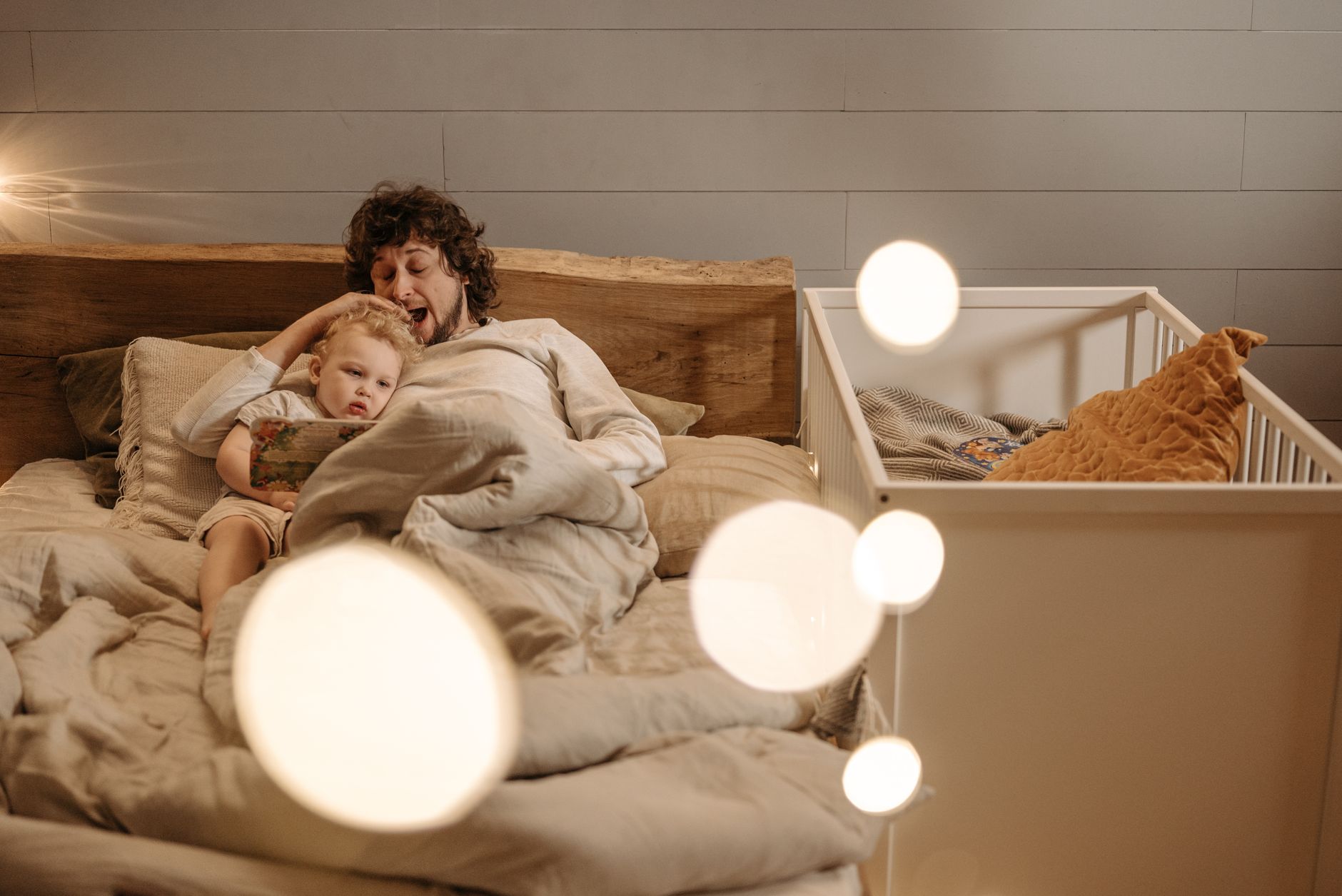
However, overstimulation close to bedtime can have the opposite effect. Aim to finish high‑energy play at least an hour before sleep, then transition to quieter activities—soft singing, gentle rocking, or a calm cuddle—so the baby’s nervous system can settle.
Myth vs. fact
Myth: Babies must laugh by three months or there’s a problem.
Fact: While some babies giggle as early as 2–3 months, the average first true laugh arrives around 4–6 months. Delayed laughter alone isn’t diagnostic; consider the broader developmental context.
Myth: Laughter is purely reflexive in infants.
Fact: Laughter involves complex social‑emotional processing. Even the earliest giggles are linked to brain reward pathways and are shaped by caregiver interaction.
Myth: Babies laugh only when they’re happy.
Fact: Babies can laugh in response to surprise, novelty, or even mild physical sensation—so a giggle at a “random” noise is perfectly normal.
Key takeaways
- Most babies laugh out loud between 4 and 6 months, but the range is wide.
- Social interaction, playful sounds, and gentle tickles are the top triggers for a first laugh.
- Typical laughter frequency for a 6‑month‑old is 10‑30 laughs per day.
- Delayed laughter alone isn’t usually a concern; watch for other social‑communication signs.
- Laughter supports brain areas tied to language, emotion, and reward, boosting overall development.
- Encourage laughter with peek‑a‑boo, exaggerated expressions, silly songs, and responsive play.
- Cultural practices, nutrition, and limited screen time all subtly shape how and when babies begin to laugh.
- Parental calm and consistent sleep routines can enhance a baby’s willingness to giggle.
Frequently asked questions
When do babies usually start laughing?
Babies typically begin laughing out loud between 4 and 6 months of age. Some may giggle as early as 3 months, while others might wait until 7 months, and both ends of that range are considered normal.
What makes babies laugh?
Surprise (peek‑a‑boo), repetitive sounds (squeaky toys), gentle tickles, and exaggerated facial expressions are the most common triggers. The key is a playful, responsive interaction that signals “fun” to the infant.
Is it normal for a 3‑month‑old to laugh?
A 3‑month‑old may produce a soft giggle or coo that resembles a laugh, but full, rhythmic laughter usually emerges a month or two later. If the baby shows a social smile and vocal engagement, there’s typically no cause for concern.
How many times should a baby laugh each day?
By six months, many infants laugh 10‑30 times a day. The exact number varies with temperament, environment, and how often caregivers engage in playful activities.
Can lack of laughter indicate a problem?
On its own, delayed laughter rarely signals a serious issue. However, if a baby also shows limited eye contact, absent social smiles, or reduced vocalizations, it may warrant a pediatric evaluation for possible social‑communication delays.
How can I help my baby develop a sense of humor?
Regularly play peek‑a‑boo, use silly sounds, sing goofy songs, and respond enthusiastically to the baby’s vocal attempts. Consistency, variety, and emotional attunement are the best tools for nurturing early humor.
Should I be worried if my baby laughs at random noises?
No. Laughing at unexpected sounds is a sign that the baby’s novelty‑detection system is working. It shows healthy sensory integration and a developing sense of surprise.
What if my baby doesn’t laugh after six months?
If a baby older than six months still hasn’t produced a genuine laugh, observe other milestones—eye contact, social smiles, babbling, and motor skills. If multiple areas seem delayed, schedule a check‑up. Early assessment can identify underlying issues and guide supportive interventions.
Can a baby’s laugh indicate they are learning language?
Yes. Laughter often follows vocal imitation; when a baby hears a sound and tries to copy it, the effort can turn into a giggle. This playful feedback loop reinforces early speech development and helps the brain map sound to meaning.
Do babies laugh more when they are with other babies?
Group settings can boost laughter because infants feed off each other’s excitement. Social mirroring—seeing another baby smile or laugh—can trigger a similar response, especially in the later first year when joint attention emerges.
When to see a doctor or specialist
If your baby is older than 7 months and still hasn’t produced a genuine laugh, consider scheduling a pediatric visit, especially if any of these red‑flag signs are present:
- Limited or absent social smiling.
- Minimal eye contact or tracking of faces.
- Very low vocal activity (few coos or babbles).
- Delayed motor milestones (e.g., not rolling over by 6 months).
A pediatrician can assess overall development and, if needed, refer you to a developmental‑behavioral pediatrician or early intervention program. Remember, this article provides general information and is not a substitute for personalized medical advice.
References
- American Academy of Pediatrics. “Developmental Milestones: Social and Emotional Development.” AAP, 2022.
- Harvard T.H. Chan School of Public Health. “Early Childhood Development and Laughter.” Harvard Health Publishing, 2021.
- National Institute of Child Health and Human Development. “Infant Social Interaction and Brain Development.” NICHD, 2020.
- American Psychological Association. “The Role of Play in Early Emotional Development.” APA, 2023.
- World Health Organization. “Early Childhood Development: A Global Overview.” WHO, 2022.
- Johns Hopkins Medicine. “Infant Milestones: What to Expect in the First Year.” Johns Hopkins, 2023.
- American Academy of Pediatrics. “When to Seek Evaluation for Developmental Delays.” AAP Clinical Report, 2021.
- American College of Obstetricians and Gynecologists. “Guidelines for Developmental Surveillance.” ACOG, 2021.
- National Health Service (NHS). “Baby Development: Social and Emotional Milestones.” NHS, 2022.
- U.S. Food and Drug Administration. “Safety Guidelines for Infant Toys.” FDA, 2023.
- Centers for Disease Control and Prevention. “Early Childhood Development and School Readiness.” CDC, 2023.
- American Academy of Pediatrics. “Screen Time Recommendations for Children Under 2.” AAP, 2022.
- American Academy of Pediatrics. “Nutrition Recommendations for Infants and Toddlers.” AAP, 2023.
- Pediatrics. “Salivary cortisol and infant laughter: a pilot study.” Pediatrics, 2021.
- Journal of Pediatrics. “Parental stress and early infant social smiling.” Journal of Pediatrics, 2022.
- Sleep Medicine Reviews. “Playful interaction and infant sleep quality.” Sleep Medicine Reviews, 2023.



