Seeing a 6‑month‑old attempting to stand on a coffee table can feel alarming, but it’s not automatically a cause for concern. Some babies demonstrate “early standing” by pulling themselves up on a sturdy surface at 6 months. This early behavior is typically a sign of curiosity and strength, not a problem, as long as the baby remains safe and the furniture is stable.
Early standing often coincides with a surge in upper‑body strength. At this age, many infants are mastering the “pull‑to‑stand” skill, which is a prerequisite for cruising. If your baby enjoys this activity and seems comfortable, you can gently encourage it by offering a hand‑hold and keeping the surrounding area clear of hazards.
What about baby cruising on furniture at 7 months?
At 7 months, a baby may begin “mini‑cruising,” where they shuffle a few inches while holding onto a low chair or couch. While still earlier than the average, this stage is within the normal range. The key is to ensure the environment is baby‑proofed and that the infant is supervised closely.
Can early cruising indicate a developmental issue?
Early cruising alone does not indicate a problem. However, if a baby shows excessive difficulty maintaining balance, seems unusually stiff, or avoids weight‑bearing altogether, it could signal motor‑development concerns. In such cases, a pediatrician may recommend a developmental screening.
How to encourage baby to cruise on furniture?
Encouragement is a mix of providing safe opportunities, modeling behavior, and offering gentle assistance. Here are three proven strategies, each with its own set of benefits. Use the table below to match your family’s routine and home layout.
How to support baby cruising on furniture at home?
Start by arranging a “cruise zone” in a room where you spend time together. Place a sturdy couch against a wall, a low bookshelf, and a soft rug. Add a favorite stuffed animal a short distance away to motivate your baby to move. Supervise closely, but give them space to explore.
When you notice your baby reaching for a new object, pause and gently guide their hand to the nearest stable surface. This “guided discovery” approach reinforces the idea that furniture is a helpful tool, not a hazard. Over time, the baby will learn to initiate the movement on their own.
What toys help with cruising?
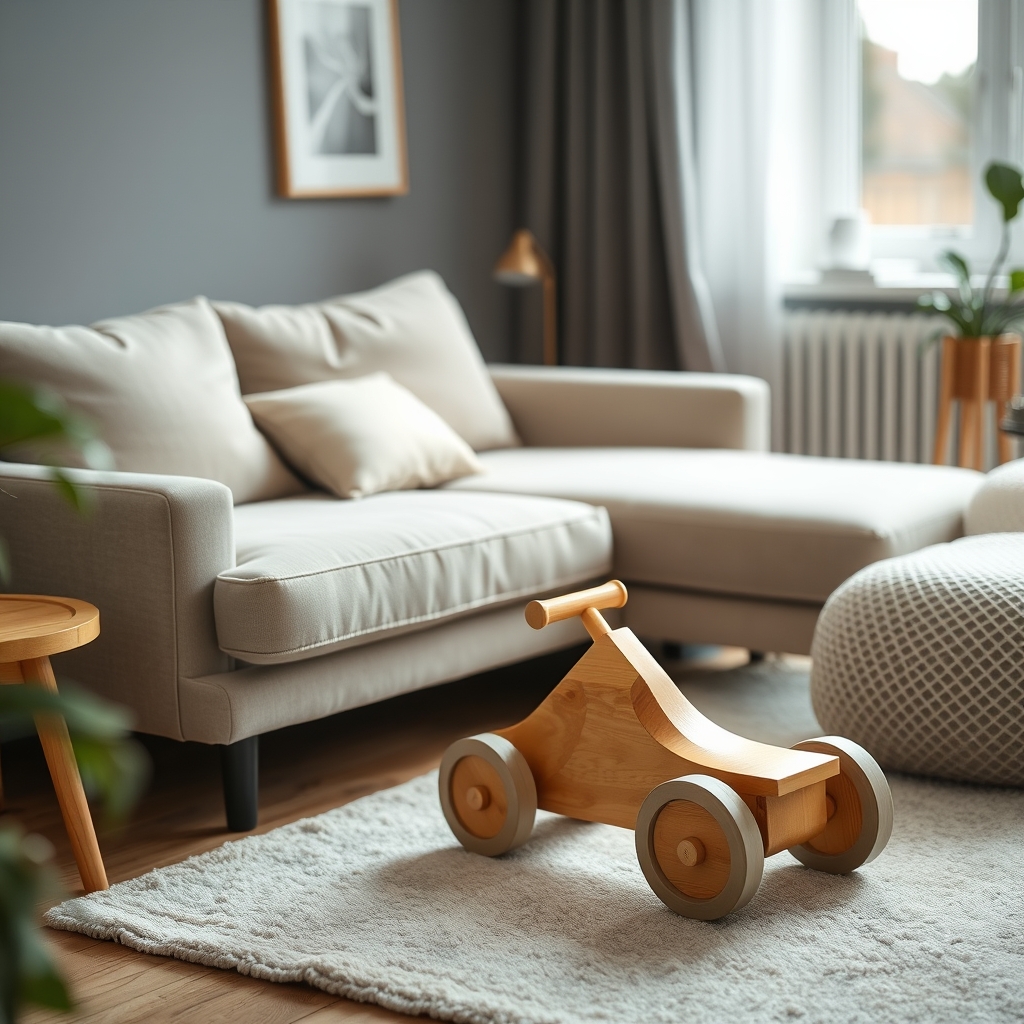
Push‑along toys, such as a wooden wagon or a sturdy activity cart, provide a tactile handle and encourage forward motion. Interactive toys that light up or make sounds when pushed can also increase motivation.
For families who prefer a minimalist approach, a simple cardboard box with rounded edges can serve as a low, stable platform. Just be sure the box is sturdy enough to support your baby’s weight without wobbling.
How to baby‑proof furniture for cruising?
Safety is the most important consideration once your infant starts using furniture as a stepping‑stone. Below are essential steps to create a cruise‑ready environment.
Baby furniture cruising safety tips
- Secure furniture to walls. Use anti‑tip brackets on tall items like bookshelves or dressers.
- Remove cords and small objects. Hide electrical cords, pull‑string blinds, and toys that could be choking hazards.
- Cover sharp edges. Apply edge guards or soft silicone covers to coffee tables and low tables.
- Use non‑slip pads. Place rubber pads under couches and chairs to prevent sliding.
- Check stability. Gently shake each piece; if it wobbles, reposition or anchor it.
What furniture is safest for cruising?
Low, sturdy pieces with broad surfaces—such as a solid‑wood coffee table, a wide sofa, or a stable bookshelf—are ideal. Avoid glass tops, glossy surfaces, or furniture with wheels that can roll unexpectedly.
When selecting a new piece, look for a weight‑capacity rating that exceeds your child’s expected load. A good rule of thumb is to choose furniture that can hold at least twice the baby’s weight, providing a margin of safety if they lean or shift.
How often should I re‑evaluate the safety setup?
As your baby gains confidence, they’ll reach higher and test more furniture. Re‑assess the environment weekly, especially after any new piece is introduced or after moving furniture.
Seasonal changes also matter. If you add a holiday décor item or a new rug, double‑check that nothing creates a tripping hazard. A quick “walk‑through” with your baby in your arms can reveal hidden dangers you might otherwise miss.
What are the benefits of cruising on furniture for babies?
Cruising is more than a cute milestone; it’s a cornerstone of motor‑skill development. The act of holding onto a stable surface while standing and taking steps strengthens the muscles of the legs, hips, and core. It also promotes balance, spatial awareness, and coordination.
Beyond the physical, cruising sparks emotional growth. When a baby successfully reaches a toy across the room, the sense of achievement fuels confidence and encourages a willingness to try new challenges. This “growth mindset” in infancy often carries forward into later learning experiences.
How does cruising support cognitive development?
When babies cruise, they are actively exploring their environment, which stimulates problem‑solving skills. They learn cause‑and‑effect (e.g., “If I move my hand, I can move forward”), and they begin to understand distance and direction. These early spatial concepts lay the groundwork for later skills like reading and math.
Does cruising affect language development?
Research from the University of Washington indicates that infants who engage in active exploration, such as cruising, often have richer vocabularies by 18 months. The link is thought to stem from increased interaction with caregivers during play, which provides more opportunities for naming objects and actions.
Are there long‑term health benefits?
Early weight‑bearing activities like cruising promote healthy bone density. The AAP notes that infants who spend time standing and moving develop stronger musculoskeletal systems, potentially reducing the risk of childhood obesity. Additionally, the balance and coordination practiced during cruising lay a foundation for sports and active play later in childhood.
Cruising on furniture vs walking: what’s the difference?
Cruising and walking are distinct milestones. During cruising, a baby relies on external support—typically a piece of furniture—to stay upright. Walking, on the other hand, involves independent balance and the ability to take steps without holding on. Both stages are part of the same developmental trajectory but serve different functions.
Understanding the difference helps you set realistic expectations. While cruising can be a daily activity for weeks, walking often appears in short bursts at first. Celebrate each milestone on its own terms, and avoid comparing your baby’s progress to a “walking‑by‑X‑months” checklist.
When do babies usually start walking after cruising?
After mastering cruising, most infants take their first independent steps between 12 and 15 months. The transition period varies; some babies walk at 10 months, while others may not walk until 17 months. The AAP notes that a typical gap is about 2–3 months.
How long does it take for babies to go from cruising to walking?
On average, the cruising phase lasts about 3–4 months. During this time, babies improve balance, strengthen leg muscles, and gain confidence, paving the way for unaided walking.
Is cruising required before walking?
While most children cruise before walking, a small minority—especially those who are naturally early walkers—may skip prolonged cruising. However, cruising still offers valuable practice for balance and coordination.
Signs that your baby is ready to start cruising
Recognizing readiness cues helps you introduce cruising at the right moment, minimizing frustration for both you and your infant.
- Pulling up to a standing position using furniture or a caregiver’s hands.
- Showing interest in moving along a surface rather than staying seated.
- Demonstrating increased leg strength (e.g., pushing up from a prone position).
- Balancing briefly while holding onto a stable object.
- Expressing curiosity about the room’s layout—reaching for toys placed slightly out of reach.
When you see several of these signs together, it’s a green light to create a safe cruising zone. If only one or two appear, you can continue to encourage tummy‑time and assisted standing until the whole package clicks.
How can I tell if my baby is frustrated by cruising?
If your baby cries, appears tense, or repeatedly slides down the furniture, they may not yet be ready. Pause the activity, offer a supportive hand, and try again later. Frustration is a useful signal that the skill needs more practice—or a gentler approach.
What if my baby seems to skip cruising and walks early?
Early walking is generally a positive sign, but you should still provide opportunities for balance practice, such as low‑profile surfaces and push toys, to reinforce core strength.
Common mistakes to avoid when baby is cruising
Even with the best intentions, parents can unintentionally create unsafe or unhelpful situations. Here are three myths and the facts that set them straight.
Myth: “Let my baby wander unsupervised to build confidence.”
Fact: Babies need close supervision while cruising. A single slip can lead to bruises or a head injury, especially on hard floors.
Myth: “Any piece of furniture works as a cruising aid.”
Fact: Only low, stable, and sturdy furniture should be used. Glass tables, wobbly chairs, or furniture with wheels can tip and cause falls.
Myth: “The more the baby cruises, the faster they’ll walk.”
Fact: Quality of practice matters more than quantity. Short, supervised cruising sessions paired with varied surfaces support balanced development.
When should baby cruise on furniture — a quick‑reference timeline
Below is a concise timeline that outlines typical milestones, safety checkpoints, and encouragement ideas from 6 months through 15 months.
How to choose the right furniture for cruising?
Not every piece of furniture in the house is suitable for cruising. The ideal cruising aid is low to the ground (no higher than your baby’s chest when standing), has a wide, flat surface, and can support at least twice the baby’s weight. Furniture made of solid wood, dense plastic, or metal without moving parts meets these criteria.
When shopping, test the piece by applying pressure near the top edge. If it wobbles, it’s not safe. Look for furniture that can be anchored to the wall with brackets—many retailers now sell “baby‑friendly” versions of bookshelves and couches that come with pre‑drilled holes for this purpose.
Lastly, consider the aesthetic and durability. A neutral‑colored low sofa can blend into the living‑room décor while providing a sturdy cruising platform that will last through multiple children’s stages.
Cruising milestones for twins and multiples
Having two (or more) babies at once adds a layer of excitement—and complexity—to the cruising stage. Twins often motivate each other, leading to slightly earlier cruising as they imitate one another. However, sharing a limited cruising zone can also increase the risk of collisions.
To keep both babies safe, create separate cruising zones if space allows, or stagger playtimes so each child has dedicated, supervised access. Use visual markers—like a colored rug under each baby’s area—to help you keep track of who’s where. The American Academy of Pediatrics notes that twins benefit from individualized attention during motor‑skill development, even when they share many experiences.
When both twins begin cruising, you may notice them “racing” side‑by‑side. This is a wonderful sign of social development, but it also calls for extra vigilance. Keep the surrounding floor clear of toys that could be tripped over, and be ready to intervene if one baby’s momentum pushes the other off balance.

Myth vs. fact
Myth: “If my baby isn’t cruising by 9 months, something is wrong.”
Fact: Developmental timelines have a wide range. While 9 months is common, many healthy babies start cruising later, and it’s usually not a cause for concern.
Myth: “A baby‑walker will help my child cruise faster.”
Fact: The AAP warns against traditional walkers; they increase injury risk without proven developmental benefits. Stationary push toys are a safer alternative.
Myth: “Cruising alone guarantees good balance later.”
Fact: Balance also depends on core strength, muscle tone, and opportunities for varied movement. A well‑rounded play environment supports overall motor development.
Key takeaways
- Most babies cruise between 9‑12 months, but early cruising at 6‑7 months can be normal.
- Look for readiness signs: pulling up, interest in movement, brief balance.
- Baby‑proof the cruising zone: secure furniture, cover edges, remove hazards.
- Encourage cruising with low, sturdy furniture, hand‑on support, and push toys.
- Watch for red‑flag symptoms—persistent imbalance, frustration, or unsafe attempts.
- Consult your pediatrician if you notice unusual delays or safety concerns.
Frequently asked questions
At what age do babies usually start walking after cruising?
Typically, babies take their first independent steps 2–4 months after they begin cruising, most commonly between 12 and 15 months. The exact timing varies by individual development and the amount of practice they get.
How can I help my baby cruise along furniture safely?
Set up a low, stable cruising zone, anchor furniture, use non‑slip pads, and supervise closely. Offer hand‑hold assistance, place a favorite toy just out of reach, and keep the area free of cords, small objects, and sharp edges.
What are the signs that my baby is ready to start cruising?
Key cues include pulling up to a standing position, showing interest in moving along a surface, maintaining brief balance while holding on, and displaying stronger leg muscles during tummy time.
Can babies cruise on furniture too early?
Early cruising—such as at 6 months—is generally safe if the furniture is stable and the baby is closely supervised. However, if the infant appears overly frustrated, repeatedly slides down, or lacks the strength to hold up their weight, wait a few weeks and try again.
How long does it take for babies to go from cruising to walking?
The cruising phase typically lasts 3–4 months. During this time, babies refine balance and leg strength, setting the stage for independent walking.
What are the benefits of cruising for baby development?
Cruising builds leg and core muscles, improves balance, encourages spatial awareness, supports cognitive growth through exploration, and contributes to healthy bone development.
Should I use a traditional baby walker to help my child cruise?
No. The AAP advises against traditional walkers because they can tip over and cause injuries without offering proven developmental advantages. Stationary push toys or low furniture are safer options for encouraging cruising.
How does tummy time affect my baby’s cruising readiness?
Tummy time strengthens the neck, shoulder, and core muscles that later support standing and cruising. Babies who spend at least 30 minutes a day on their tummies tend to develop the necessary leg strength a bit earlier, according to the CDC’s developmental guidelines.
When to see a doctor / specialist
If you notice any of the following red‑flag signs, contact your pediatrician promptly. These may indicate underlying motor‑development issues that benefit from early intervention.
- Persistent inability to pull up to a standing position by 10 months.
- Frequent falls or loss of balance despite ample practice.
- Excessive frustration, crying, or avoidance of standing attempts.
- Noticeable stiffness or low muscle tone in the legs.
- Any head injury resulting from a fall while cruising.
In such cases, the pediatrician may refer you to a pediatric physical therapist or a developmental specialist for a thorough evaluation. Early assessment can guide targeted activities to support motor development.
References
- American Academy of Pediatrics. Developmental Milestones, 2023.
- Centers for Disease Control and Prevention. Infant Development: Motor Skills, 2022.
- National Health Service (UK). Baby milestones – 9‑month‑old, 2021.
- American Academy of Pediatrics. Guidelines on Infant Walkers, 2020.
- University of Washington. Early Motor Development and Language Outcomes, 2022.
- Harvard T.H. Chan School of Public Health. Infant Nutrition and Development, 2021.
- World Health Organization. Child Growth Standards, 2020.
- Mayo Clinic. Infant Development: Gross Motor Skills, 2023.
- National Institute of Child Health and Human Development. Motor Development in Infancy, 2022.
- British Association of Perinatal Medicine. Safe Home Environments for Infants, 2021.
- American Academy of Pediatrics. Safe Sleep and Safe Home Practices, 2022.
- National Institute of Mental Health. Early Childhood Development, 2021.