A newborn’s first coo typically resembles a soft, elongated vowel—think “ooo,” “aaa,” or “eee.” The sound is gentle, almost like a sigh, and often occurs after a feeding or during a calm, eye‑to‑eye interaction. You might hear it as a single breathy note or a brief series of notes that rise and fall.
Because the vocal cords are still thin, the pitch is usually low and the volume modest. The coo often fades quickly, but the key is that it is produced voluntarily, not as a reflexive cry. Parents who record these early sounds often notice a subtle change in timbre as the infant matures, marking the first step toward more complex speech.
When you capture a coo on your phone, you’ll notice that the waveform is simple—just a short burst of energy without the rapid spikes seen in a cry. This visual cue can be reassuring for anxious parents who wonder whether a faint sound truly counts as a coo.
How to recognize the difference between cooing and crying
- Cooing: Quiet, melodic, no distress in facial expression.
- Crying: Sharp, higher‑pitch, accompanied by clenched fists or a red face.
Both sounds are important. Crying signals a need (hunger, discomfort), while cooing signals the brain’s growing interest in vocal play.
How to encourage my baby to coo?
Encouragement isn’t about forcing sound; it’s about creating a responsive, low‑stress environment that invites your baby to explore vocalization.
Parent tips for encouraging baby cooing
- Talk “baby‑talk”: Use a sing‑song voice, stretch vowels, and pause often so your infant can imitate.
- Mirror your baby’s sounds: If they make a tiny “ah,” repeat it back. This turn‑taking builds the foundation for conversation.
- Use gentle music: Soft lullabies with simple vowel melodies stimulate the auditory cortex.
- Offer a clean, safe “vocal toy”: Soft fabric books or plush toys that make a gentle rustle when handled encourage oral exploration.
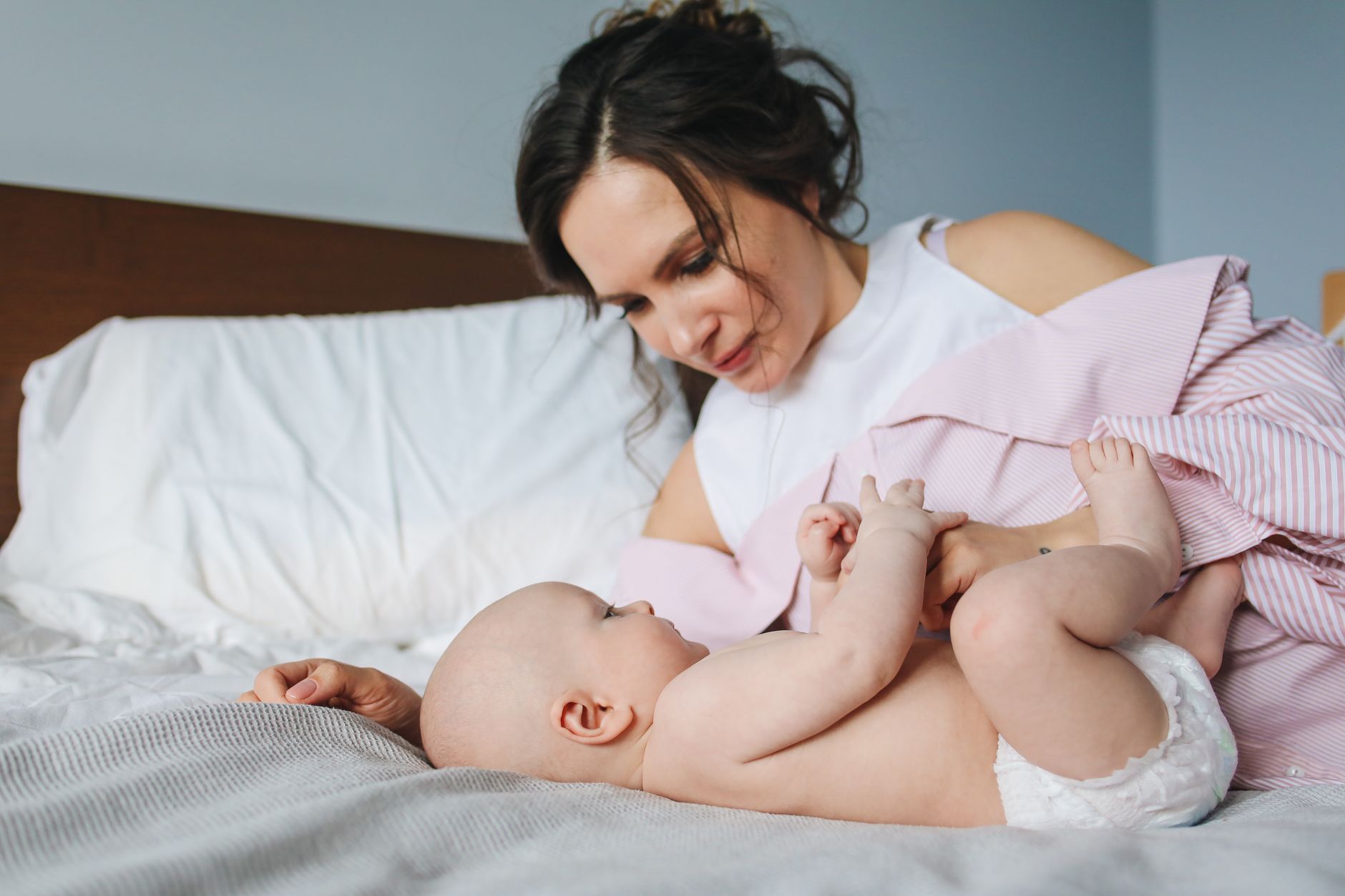
- Maintain eye contact: Babies love visual connection; it reinforces that their sounds are being heard.
These strategies are most effective when they are consistent and paired with a calm, comfortable setting. Over‑stimulation—such as loud TV or rapid speech—can overwhelm a newborn’s still‑developing auditory pathways.
Another subtle tip is to pause after a feeding. The brief silence gives your baby a moment to “fill the gap” with a coo. Even if the sound is faint, acknowledging it with a smile and a “I hear you!” encourages louder attempts later on.
Natural remedies with evidence
While “remedies” may sound medical, the term here refers to everyday practices shown in developmental research to boost early language:
- Reading aloud: Even before your baby understands words, the rhythm of a story supports phonetic awareness (American Academy of Pediatrics).
- Breast‑feeding or bottle‑feeding pauses: Pausing after a sip gives your baby a chance to vocalize.
- Skin‑to‑skin contact: Physical closeness increases oxytocin, which correlates with more vocal attempts (Harvard T.H. Chan School of Public Health).
Comparison of common encouragement strategies
Is it normal if my baby hasn't started cooing by 4 months?
Yes, it can still be within the normal range. While most infants coo by 8 weeks, some may not produce a clear vowel sound until the fourth month. The key is to assess the broader picture: Is your baby making eye contact? Are they smiling socially? Do they respond to your voice?
The NHS Parenting website emphasizes that language development is a continuum. A delay in one milestone often resolves itself if the child is otherwise thriving. Nevertheless, staying vigilant and tracking other cues can help you catch a potential issue early.
Parents who notice a pause in vocal activity should also consider other developmental domains. Gross motor skills, such as reaching and grasping, often progress in parallel with early speech. If those areas are on track, a later‑starting coo is less concerning.
When to worry about delayed speech in babies
Delay becomes a concern if all of the following are observed:
- No cooing or vowel sounds by 5 months.
- Lack of eye‑contact or social smile by 3 months.
- Persistent, high‑pitched crying without vocal play.
- Limited response to name or familiar voices.
If you notice two or more of these signs, schedule an evaluation with your pediatrician. Early referral to a speech‑language pathologist (SLP) can make a big difference.
Difference between cooing and babbling in infants
Both cooing and babbling are early vocal milestones, but they serve distinct developmental purposes.
Key distinctions
- Cooing: Primarily vowel sounds (e.g., “ooo,” “aaa”), occurring around 2‑4 months. It reflects the infant’s growing control of breath and oral resonance.
- Babbling: Begins around 6‑9 months and combines consonants with vowels (e.g., “ba‑ba,” “da‑da”). Babbling shows the infant’s emerging ability to shape the tongue and lips.
Think of cooing as the first “note” in a musical piece; babbling is the first “melody.” Both are essential for later word formation.
Research published by the American Speech‑Language‑Hearing Association (ASHA) shows that infants who babble earlier tend to have larger vocabularies at 24 months, underscoring the importance of nurturing each stage.
Signs that my baby is ready to start cooing
Before a baby produces a coo, you’ll often notice a set of preparatory cues that indicate the vocal system is maturing.
Symptoms checklist
- Regular, rhythmic breathing patterns while awake.
- Quiet “gurgle” or “squeak” noises during feeding.
- Increased alertness and interest in faces.
- Smile in response to your voice or song.
- Occasional pause after a cry, followed by a soft sound.
How to stimulate vocalization in a 2‑month‑old
At two months, your baby’s vocal cords are still very delicate. Try these gentle activities:
- Hold your baby upright during tummy time and narrate what you see (“Look at the blue balloon”).
- Make exaggerated facial expressions while you talk—your baby mirrors the motion.
- Play recordings of soft vowel sounds (e.g., “oo‑oo”) at low volume, then pause to let them imitate.
These exercises build the neural pathways that later support more complex speech.
Another low‑effort tip is to lightly tap your baby’s chest while saying “ah‑ah.” The gentle vibration can heighten awareness of the breath‑sound connection, prompting an exploratory coo.
How many times a day should a baby coo?
There isn’t a prescribed “quota.” A typical infant will coo several times a day, especially after feeds, during diaper changes, and in the evening when the environment is calm. The frequency can range from a single coo in a 24‑hour period to a handful of short vocal bursts.
What matters more than quantity is the quality of the interaction. A brief coo followed by a warm smile from a caregiver reinforces the behavior and encourages the infant to repeat it.
Developmental timeline for infant sounds
Below is a quick visual of how vocalizations evolve:
Even within the same week, you might notice a shift from a single “oo” to a series of “oo‑ah‑oo.” Those micro‑changes are normal and signal the brain’s rapid adaptation.
What milestones follow a baby's first coo?
After the initial coo, the infant’s language journey accelerates. Here’s what typically comes next:
- 4‑6 months: More varied cooing, introduction of simple consonants (“g,” “m”).
- 6‑9 months: Canonical babbling (repeated syllables like “ba‑ba”).
- 9‑12 months: First words, often “mama” or “dada” linked to a person.
- 12‑18 months: Vocabulary burst (10‑50 words) and simple two‑word phrases.
Each stage builds on the previous one. The richer the cooing environment, the smoother the transition to babbling and word‑building.
When should I worry about delayed speech in babies?
While a wide range of normal exists, certain red‑flags call for a professional evaluation. Below we answer the most common concerns you might have.
Frequently asked questions
When do babies typically start cooing?
Most infants coo between 6 and 8 weeks, but a window of 2 weeks to 4 months is considered normal. If cooing hasn’t appeared by the end of the fourth month, watch for other language cues and discuss with your pediatrician.
What does a baby's first coo sound like?
The first coo is a soft, vowel‑only sound—think a gentle “ooo” or “aaa.” It is usually breathy, short, and occurs during calm moments like after a feeding.
Is it normal for a baby not to coo by 4 months?
Yes, many babies delay a little and still develop typical language skills. The key is to assess overall social engagement, eye contact, and response to voices.
How can I help my baby start cooing?
Engage in “baby‑talk,” mirror their sounds, maintain eye contact, and provide a quiet, responsive environment. Simple lullabies and reading aloud also nurture early vocal play.
What are the signs that my baby is ready to coo?
Look for rhythmic breathing, soft gurgles during feeding, smiling at faces, and brief pauses after cries where a vowel sound may emerge.
What is the difference between cooing and babbling?
Cooing is vowel‑only and appears around 2‑4 months. Babbling adds consonants, starts around 6‑9 months, and signals a higher level of oral‑motor control.
Can bilingual households affect when a baby starts cooing?
Exposure to two languages does not delay the onset of cooing. Studies from the National Institute on Deafness and Other Communication Disorders (NIDCD) show that infants in bilingual homes coo at similar ages to monolingual peers; they simply hear a broader range of vowel sounds.
How does a hearing screen influence cooing development?
Early detection of hearing loss is crucial because auditory feedback drives vocal experimentation. The NHS recommends a universal newborn hearing screen within the first month; infants who pass the screen typically begin cooing on schedule.
Myth vs. fact
Myth: If a baby doesn’t coo by 2 months, they will have speech problems later.
Fact: Many infants coo later but still achieve typical language milestones. Early monitoring, not panic, is the best approach.
Myth: Babies need to be spoken to constantly for language to develop.
Fact: Quality matters more than quantity. Responsive, turn‑taking conversations are far more effective than nonstop chatter.
Myth: Cooing is just a cute noise with no real purpose.
Fact: Cooing is the brain’s first experiment with sound production and lays the groundwork for later speech.
When to see a specialist
If you notice any of the following, schedule an appointment with your pediatrician, who may refer you to a speech‑language pathologist (SLP):
- No vowel sounds by 5 months.
- Persistent lack of eye contact or social smile.
- Limited response to your voice or name by 6 months.
- Any concerns about hearing (e.g., no startle response to loud noises).
Early intervention is safe, supportive, and often covered by insurance when a developmental delay is identified.
How does hearing affect early vocalizations?
Hearing is the sensory foundation for all language learning. Newborns begin processing sound in the womb, and by the time they are born they can differentiate between high‑ and low‑frequency tones. If an infant’s auditory pathways are compromised, the feedback loop that encourages cooing can be weakened.
The FDA’s guidance on infant hearing devices stresses that early identification—ideally before six months—allows for timely amplification or therapeutic strategies, which in turn supports typical cooing and later speech development. Parents should watch for a lack of startle reflex to sudden noises, as this can be an early sign of hearing loss.
Practical steps for parents
- Ensure the newborn hearing screen is completed (most hospitals in the U.S. and the UK follow AAP and NHS protocols).
- If the screen is “refer” or you notice your baby doesn’t respond to voices, request a diagnostic audiology evaluation.
- Use visual cues (gestures, facial expressions) alongside verbal interaction to reinforce language while the auditory system matures.
Impact of a bilingual environment on early vocalizations
Many families wonder whether speaking two languages at home will confuse a baby’s early speech. Evidence from the American Speech‑Language‑Hearing Association (ASHA) indicates that bilingual exposure does not delay cooing or babbling. In fact, hearing a wider array of vowel sounds can enrich the infant’s phonemic repertoire.
What does change is the “language mix” later on. Bilingual children may show a slight lag in the size of each individual language’s vocabulary, but their total word count across both languages is comparable to monolingual peers. The key is consistency—regularly speaking each language and responding to the baby’s vocal attempts.
Tips for bilingual families
- Use the same “baby‑talk” style in both languages; vowel elongation works in English, Spanish, Mandarin, etc.
- Designate one caregiver to focus on each language if possible, creating predictable patterns for the infant.
- Read picture books in both languages; the visual context helps bridge any lexical gaps.
Tracking your baby’s vocal milestones
Keeping a simple log can turn anxiety into action. Write the date, the time of day, and a brief description of any vowel‑like sounds you hear. Over weeks, you’ll see patterns emerge—perhaps a coo after each feed or a series of “oo‑ah” during bedtime.
Digital tools are also handy. Many parenting apps include “milestone trackers” that let you attach a short audio clip. When you bring the log to a well‑child visit, you give the pediatrician concrete data, making it easier to decide whether a referral is needed.
Remember, a log is not a diagnostic test; it’s a communication aid. If you notice a sudden drop in vocal activity, note it and discuss it promptly.
Role of tummy time in early speech development
Tummy time is famous for strengthening neck and shoulder muscles, but it also supports oral‑motor coordination. When a baby lifts their head while on their stomach, the tongue and jaw engage, laying groundwork for later consonant production.
Studies from the CDC highlight that infants who receive daily tummy time tend to reach vocal milestones—including cooing—slightly earlier than peers who spend most of their awake time in supine positions. Aim for short, frequent sessions (3–5 minutes) several times a day, gradually increasing as your baby grows.
To combine tummy time with vocal encouragement, talk to your baby while they’re on their belly. The combination of visual, auditory, and proprioceptive input creates a rich learning environment.
Myth vs. fact (expanded)
Myth: Babies need constant background noise (white noise machines) to develop speech.
Fact: While white noise can soothe a newborn, it does not replace the need for human vocal interaction. Direct conversation is essential for language milestones.
Myth: If a baby coos, they will automatically learn to talk on schedule.
Fact: Cooing is a necessary step, but continued engagement, responsive interaction, and a supportive environment are required for later word acquisition.
Myth: All babies coo at the same exact age.
Fact: Normal variation exists; genetics, birth timing, and health status all influence when cooing begins.
Key takeaways
- Most babies start cooing between 6‑8 weeks; a range of 2‑4 months is still normal.
- A coo is a soft, vowel‑only sound that signals the brain’s first voluntary vocal effort.
- Encourage cooing with “baby‑talk,” mirroring, eye contact, and gentle lullabies.
- Watch for red‑flags: no cooing by 5 months plus lack of social smiles or responsiveness.
- Early hearing screening is crucial—auditory feedback drives vocal development.
- Bilingual homes do not delay cooing; they may enrich phonemic exposure.
- Track vocal milestones in a log and combine tummy time with vocal play.
- If red‑flags appear, consult your pediatrician for a possible speech‑language pathologist referral.
- Every child’s timeline is unique—trust your instincts and enjoy the tiny sounds along the way.
Frequently asked questions
Can a baby’s diet affect when they start cooing?
Nutrition supports overall brain development, but there is no direct link between specific foods and the timing of cooing. Ensuring adequate iron and omega‑3 fatty acids—through breast milk, formula, or age‑appropriate solids after six months—helps maintain healthy neural pathways (American Academy of Pediatrics).
Should I use a “talking” toy to prompt cooing?
Interactive toys that speak can be engaging, but they should complement—not replace—human interaction. Studies suggest that live, responsive conversation is more effective than recorded speech in fostering early vocalizations.
What if my baby seems to coo but I can’t hear it clearly?
Sometimes coos are very soft or occur when the baby is asleep. Try positioning yourself closer during feeding or diaper changes, and respond with a gentle “yes, I hear you!” This reinforcement encourages louder attempts over time.
How long should I wait before asking my pediatrician about my baby’s speech?
If you have concerns about cooing by 5 months, or notice any combination of the red‑flags listed above, schedule a routine well‑child visit and share your observations. Early discussion is always better than waiting.
Do cultural practices influence cooing milestones?
Cultural variations in caregiver talk style (e.g., more “parentese” in some cultures) can affect the frequency of vocal exchanges, but the underlying biological timeline for cooing remains consistent across populations.
Can a noisy environment delay my baby’s cooing?
Excessive background noise can mask the infant’s own vocal attempts and make it harder for them to hear the caregiver’s responses. A calm, low‑stimulation setting—especially during feeding and bedtime—optimizes the conditions for cooing.
Does prematurity affect the cooing timeline?
Preterm infants often follow a “corrected age” timeline, meaning you subtract the number of weeks born early when tracking milestones. Many preemies begin cooing around the same corrected age as full‑term babies, though they may need a few extra weeks for motor coordination.
References
- American College of Obstetricians and Gynecologists (ACOG). “Early Language Development.” 2023.
- American Academy of Pediatrics. “Speech and Language Development: What Parents Should Know.” 2023.
- Harvard T.H. Chan School of Public Health. “Early Childhood Development and Language Acquisition.” 2022.
- National Institute on Deafness and Other Communication Disorders (NIDCD). “Infant Hearing and Speech Milestones.” 2021.
- American Speech‑Language‑Hearing Association (ASHA). “Bilingual Language Development.” 2024.
- National Health Service (NHS). “Baby Development: Milestones from Birth to 12 Months.” 2022.
- U.S. Food and Drug Administration (FDA). “Infant Hearing Screening and Early Intervention.” 2023.
- World Health Organization. “Early Childhood Development Guidelines.” 2022.
- Centers for Disease Control and Prevention (CDC). “Tummy Time and Motor Development.” 2021.