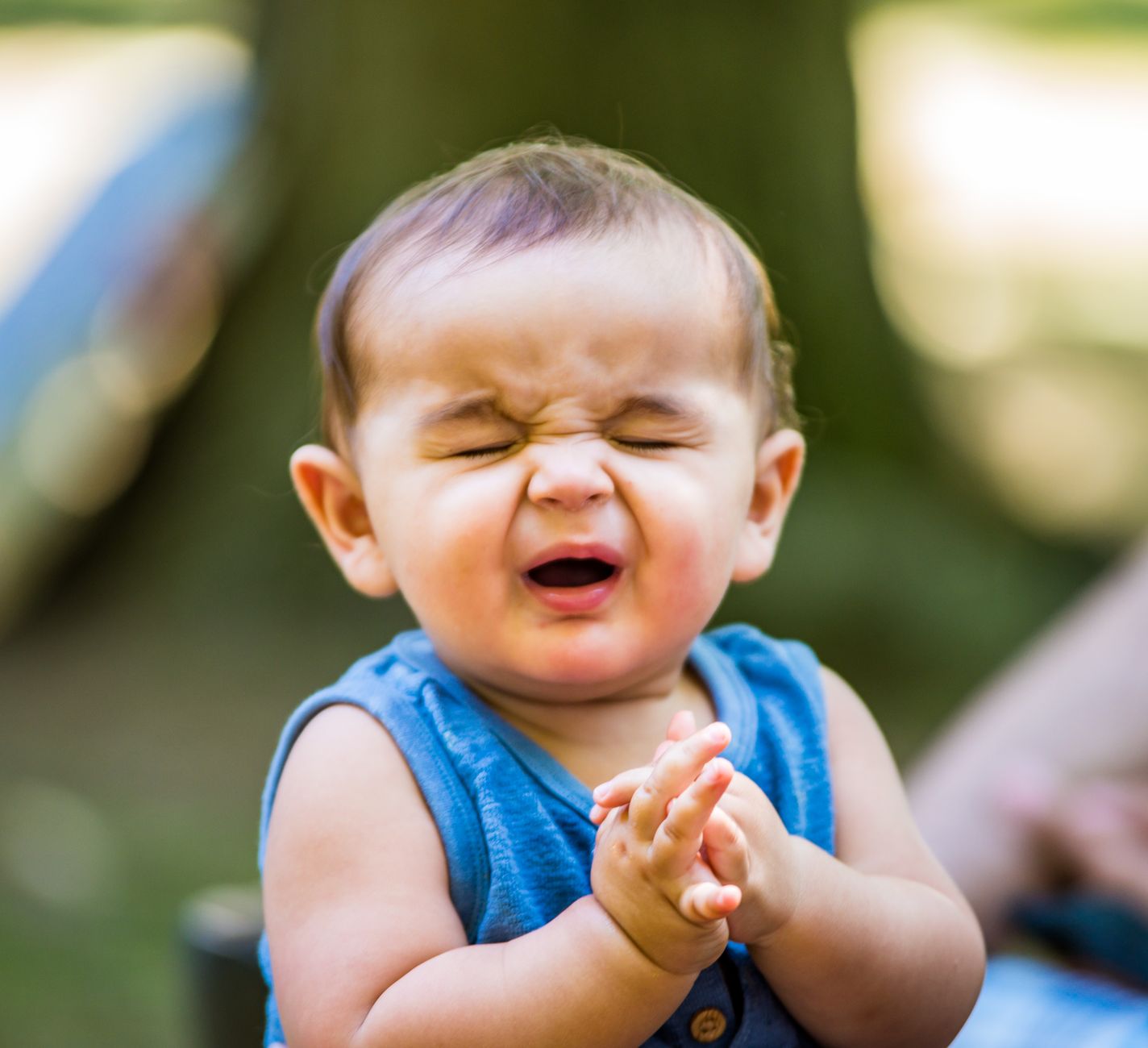
At six months, many infants are discovering cause‑and‑effect. When they see a caregiver clap and hear the accompanying “Yay!” they learn that their own hand movement can produce a reaction. This is a classic example of social mirroring, a foundational skill for later communication.
Neuroscientists explain that the mirror neuron system—brain cells that fire when we perform an action and when we observe the same action—starts to activate around this age. The system helps babies link visual input (seeing you clap) with motor output (their own clap), fostering early empathy and joint attention.
Other reasons a 6‑month‑old might clap include:
- Exploratory play: Babies love the tactile feedback of two palms meeting.
- Auditory delight: The soft “clap” sound can be soothing and rewarding.
- Emotional response: They may clap when excited, happy, or trying to get attention.
These motivations often overlap, and a single clap can serve several purposes at once. Recognizing the blend of sensory and social drivers can help you choose the right encouragement strategies.
From a developmental perspective, the act of clapping also strengthens the proprioceptive system—your baby’s sense of where their body is in space. This internal feedback loop is essential for later milestones like crawling, standing, and walking.
What does it mean when baby claps for attention?
When a baby claps and looks directly at you, they’re practicing joint attention—the shared focus on an object or event. Joint attention is a predictor of later language acquisition and social cognition. In fact, a study from the University of Washington highlighted that infants who frequently seek joint attention have larger vocabularies by 24 months.
Clapping for attention also indicates emerging self‑regulation. The baby learns that a specific action (clap) can influence the environment (getting a smile, verbal response). This cause‑and‑effect learning underpins later problem‑solving abilities.
If you notice your baby clapping to capture your gaze, respond with a warm smile and a verbal label: “You’re clapping! That’s wonderful!” This reinforces the behavior and ties the action to language.
Consistent positive feedback encourages the infant to repeat the behavior, reinforcing neural pathways that support both motor planning and social communication. The more you model and acknowledge, the stronger the association becomes.
Signs of development when baby claps hands
Clapping is more than a cute gesture; it’s a window into several developmental domains:
- Fine motor control: Coordinated use of both hands shows bilateral integration.
- Social engagement: The baby is seeking interaction, a key social milestone.
- Auditory processing: Recognizing the sound of clapping and repeating it demonstrates auditory feedback loops.
- Early language cues: The baby may pair clapping with vocalizations like “ba‑ba” or “yay,” signaling the beginning of symbolic communication.
Observe these accompanying signs:
- Smile or laugh after clapping.
- Reaches for objects with increasing accuracy.
- Begins to imitate other gestures (waving, pointing).
- Shows interest in rhythmic activities (music, nursery rhymes).
These clusters reinforce that clapping is a positive developmental marker when it occurs alongside other age‑appropriate skills.
In addition, watch for the emergence of “hand‑to‑hand” transfers, a precursor to the pincer grasp. Successful transfers indicate that the brain is coordinating both hemispheres—a foundation for later writing and drawing.
How to encourage my baby to clap (including teaching on command)
Encouragement works best when you combine play, repetition, and positive reinforcement. Here are step‑by‑step strategies you can try today:
- Model the action: Sit face‑to‑face, clap slowly, and say “Clap, clap!” Make the rhythm simple (e.g., two claps, pause, two claps).
- Use music: Play a short, upbeat song and clap along. Babies love rhythm. When they imitate, cheer, “You’re dancing and clapping!”
- Hand‑to‑hand assistance: Gently guide their palms together a few times while saying “Clap.” Release them and watch for a spontaneous attempt.
- Reward with language: Pair each successful clap with a word (“Great clap!”) and a smile. The verbal label builds connection between action and language.
- Introduce a cue word: After several repetitions, start using a cue like “Clap now!” If the baby claps, celebrate; if not, gently remind.
Consistency is key—short, frequent sessions (2‑3 minutes, 2‑3 times daily) are more effective than a long, occasional practice.
Keep the environment calm and free of distractions. A clutter‑free play area lets the infant focus on the hand‑to‑hand contact without competing stimuli.
How to teach baby to clap on command
Teaching on command follows the same steps but adds a clear verbal cue and a tiny “wait” period. Begin with a cue (“Clap!”), wait 2‑3 seconds, then demonstrate. Repeat. Over a week, most babies will associate the cue with the action and respond voluntarily.
Gradually increase the complexity of the cue—add a rhythmic pattern (“Clap, clap, clap”) or pair it with a favorite song. This scaffolding strengthens both language comprehension and motor planning.
Best toys to encourage hand clapping in babies
Simple, safe toys can amplify the learning experience:
- Soft rattles: The sound reinforces the auditory feedback loop.
- Clap‑friendly plush hands: Soft, easy‑to‑grasp dolls that make a gentle “pop” when hands meet.
- Interactive musical books: Pages that play a short tune when turned, prompting the baby to clap along.
Choose toys without small parts, and supervise all play to keep the environment safe.
When selecting a toy, look for “CE” or “ASTM” markings indicating compliance with safety standards—guidance from the Academy of Nutrition and Dietetics (2022) on infant toy safety.
Is clapping hands a sign of language development?
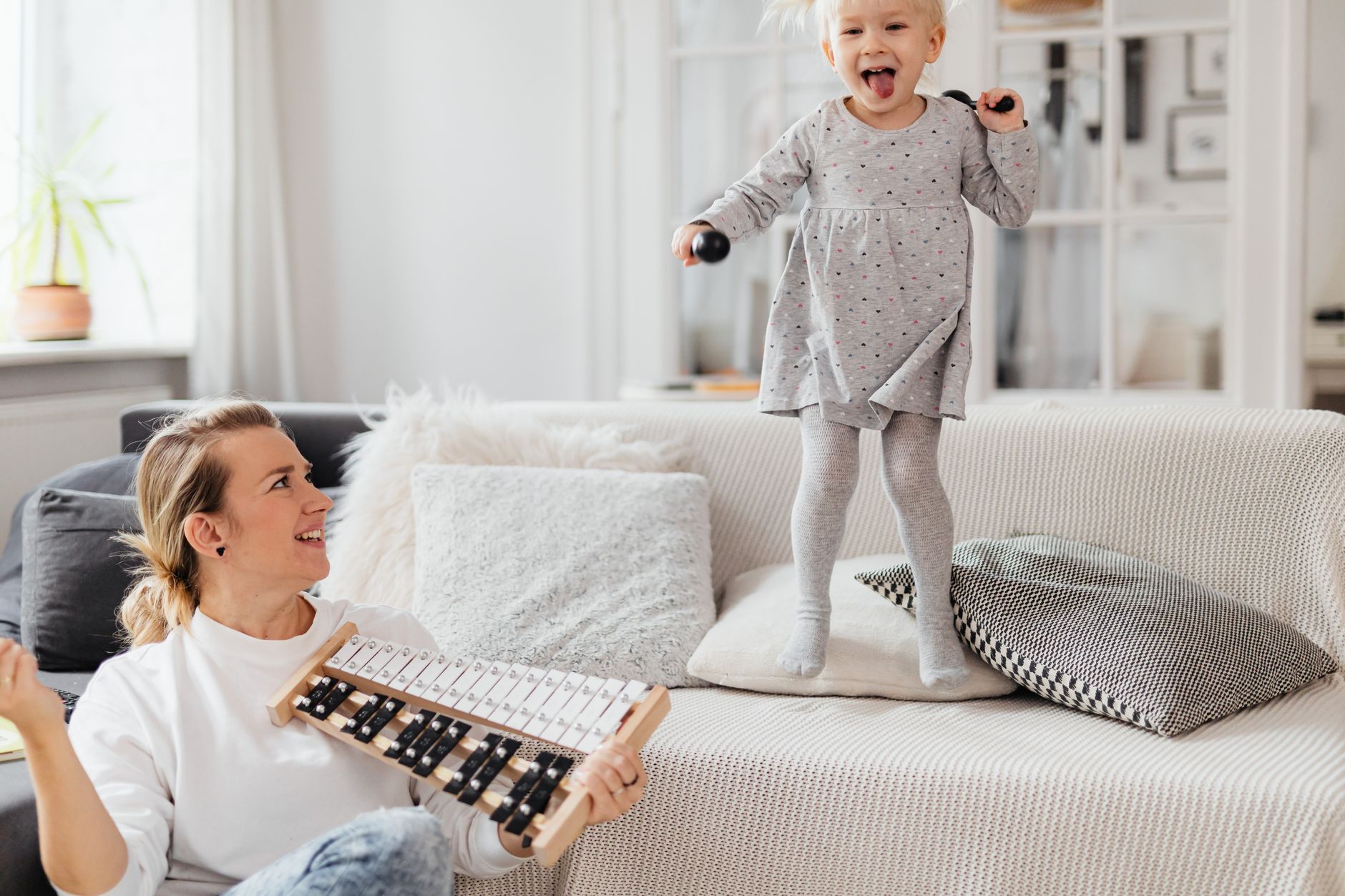
Yes, clapping often coincides with early language milestones. Researchers at the University of Chicago found a strong correlation between frequent hand‑clapping and the emergence of first words between 10‑12 months. The link lies in shared neural pathways: the same brain regions that coordinate fine motor skills also support speech articulation.
When a baby claps while babbling, they’re practicing the rhythm and turn‑taking that underpin conversational flow. The action also signals to caregivers that the baby is ready for verbal interaction, prompting the adult to label the behavior (“You’re clapping! That’s a clap!”). This labeling creates a feedback loop that accelerates vocabulary growth.
That said, clapping alone isn’t a guarantee of language progress; it’s one piece of a broader puzzle that includes eye contact, joint attention, and vocal play.
For families interested in tracking language development, consider a simple “word‑log” where you note new sounds and gestures each week. Over time, patterns emerge that can guide when to introduce new books or songs.
Difference between clapping and grasping in infants
While both involve the hands, clapping and grasping serve distinct developmental purposes:
Understanding this distinction helps you support each skill appropriately—offering safe objects for grasping while encouraging clapping through music and interaction.
Both skills benefit from “hand‑to‑hand” play. Simple games like “pass the toy from one hand to the other” reinforce bilateral coordination, laying groundwork for later clapping and writing.
Baby clapping vs. waving differences
Both clapping and waving are gestures used to communicate. However, they develop at slightly different times and convey different intents:
- Clapping usually emerges first (6‑9 months) and signals excitement, approval, or a desire for shared activity.
- Waving typically appears around 9‑12 months and is a more deliberate social greeting, often paired with “bye‑bye” language.
From a motor perspective, clapping requires simultaneous bilateral hand closure, while waving involves unilateral arm extension and hand movement. Both milestones are valuable markers of social cognition, and encouraging both through play reinforces communication skills.
When you notice your baby attempting a wave, respond with a wave back and a gentle “bye‑bye.” This reciprocal exchange deepens the infant’s understanding of turn‑taking in conversation.
When should I be concerned if baby doesn’t clap?
Most children will clap by 12 months, but a few may be slower. Red‑flags that warrant a pediatric evaluation include:
- Persistent lack of bilateral hand use (no reaching or transferring objects) by 9 months.
- Absence of other fine‑motor milestones such as pincer grasp or object transfer.
- Limited eye contact, social smiling, or response to name.
- Any regression—if a baby who once clapped stops doing so.
When these signs appear, schedule an appointment with your pediatrician or a pediatric occupational therapist. Early intervention can support motor and language development effectively.
In some cases, a hearing assessment may be recommended, as auditory feedback is a key driver for clapping. The American Speech‑Language‑Hearing Association (ASHA) advises that persistent auditory‑related delays be explored promptly.
Clapping milestones for premature infants
Preterm babies often reach motor milestones a few weeks later when measured by chronological age, but they usually follow the same developmental sequence. The NHS advises using the child’s “corrected age” (chronological age minus the number of weeks born early) to assess milestones like clapping.
A study published by the American Academy of Pediatrics in 2022 found that, when adjusted for corrected age, preterm infants clap on a timeline similar to full‑term peers. However, very early preterms (<28 weeks) may need additional support. Pediatric occupational therapists often use targeted hand‑to‑hand play to foster bilateral coordination in these infants.
If your baby was born preterm, keep track of both chronological and corrected ages. Discuss any concerns with your pediatrician, who can refer you to early‑intervention services if needed.
Remember that “corrected age” is not just a number—it’s a tool that helps clinicians and parents set realistic expectations and celebrate progress appropriately.
Clapping and sensory processing: tips for overstimulated babies
Some infants are sensitive to auditory and tactile input. For babies who become fussy after a loud clap or who seem to avoid hand‑to‑hand contact, the American Speech‑Language‑Hearing Association (ASHA) recommends a gradual, low‑stimulus approach. Start with soft “pat‑pat” motions instead of a sharp clap, and slowly increase volume as the child shows comfort.
Environmental factors matter, too. A quiet room with minimal background noise helps the baby focus on the tactile sensation. If you notice signs of sensory overload—such as turning the head away, arching the back, or crying—pause the activity and try a calmer rhythm later in the day.
These strategies can make clapping a pleasant learning experience rather than a source of stress, supporting both motor and sensory development.
When you suspect sensory processing challenges, a pediatric occupational therapist can provide a customized sensory diet—a schedule of activities that balance stimulation and calm throughout the day.
How to track your baby's clapping progress
Keeping a simple development log can turn vague worries into concrete observations. Write down the date, the context (song, praise, toy), and whether the clap was intentional or accidental. Over a few weeks you’ll see patterns that help you decide if a professional opinion is needed.
Many parents use a printable “milestone tracker” that includes a checkbox for clapping, along with other fine‑motor skills. The CDC’s “Milestone Tracker” (2023) offers a free PDF that aligns with AAP recommendations and can be shared with your pediatrician during well‑child visits.
Digital options are also handy. Apps like “Baby Connect” allow you to log moments, attach photos, and generate a timeline that you can export for your health‑care team. When you have a clear record, conversations with clinicians become more focused and productive.
Clapping in different cultures and its role in early development
Across the world, clapping is woven into lullabies, games, and celebrations. In many African and Asian cultures, rhythmic clapping accompanies infant‑focused songs that reinforce language rhythms. Research published in the “International Journal of Early Childhood” (2021) shows that culturally specific clapping games can enhance phonological awareness, a building block for reading.
Understanding your family’s traditions can add meaningful context to your baby’s clapping. If you have a heritage that uses clapping in prayer or communal gatherings, introducing those gentle rhythms at home can provide both cultural connection and developmental benefit.
When you incorporate cultural songs, pause to label the action—“We’re clapping together!”—so the baby links the movement to the language of your heritage. This practice nurtures both identity and early communication skills.
Myth vs. fact
Myth: All babies must clap by 6 months or they have a problem.
Fact: The typical range is 6‑9 months, and many healthy infants clap a few weeks later.
Myth: Clapping guarantees a child will speak early.
Fact: While clapping correlates with language growth, many other factors (hearing, exposure, genetics) influence when a child says their first word.
Myth: You can force a baby to clap by making them do it repeatedly.
Fact: Over‑practice can lead to frustration. Gentle modeling and positive reinforcement are the safest, most effective methods.
Key takeaways
- Most babies start clapping between 6 and 9 months; by 12 months, the majority have mastered it.
- Clapping reflects growing fine‑motor control, social interaction, and early language readiness.
- Differences exist between clapping, grasping, and waving—each milestone signals a unique skill set.
- Encourage clapping with modeling, music, simple cue words, and safe toys.
- Watch for red‑flags such as lack of bilateral hand use, poor eye contact, or regression.
- If concerns arise, consult your pediatrician or a developmental specialist early.
Frequently asked questions
When do babies typically start clapping?
Most infants begin to clap intentionally between 6 and 9 months, often in response to music, praise, or a caregiver’s cue. Some may show a first clap as early as 5 months, while others may not demonstrate a clear, rhythmic clap until around 10 months.
Is clapping a sign of normal development?
Yes. Clapping falls within the normal range of fine‑motor and social milestones. It indicates that the baby’s brain is coordinating both hands and responding to social cues, which are essential for later language and cognitive growth.
What age should a baby be able to clap their hands?
By the first birthday, most babies can clap on command and use clapping to express joy or seek attention. If a child hasn’t shown any clapping attempts by 12 months, it’s a good idea to discuss the observation with a pediatrician.
Can clapping indicate language skills?
Clapping often coincides with early language development because both rely on similar neural pathways. Babies who clap frequently tend to develop words a bit earlier, especially when caregivers label the behavior (“Clap! Good job!”). However, clapping alone isn’t a definitive predictor.
How can I encourage my baby to clap?
Model the action, use music, gently guide their hands together, and pair each clap with a warm verbal cue. Short, repeated sessions (2‑3 minutes) a few times daily are most effective, and simple toys like soft rattles add auditory reinforcement.
What should I do if my baby hasn't started clapping by 12 months?
Observe for other developmental markers such as reaching, grasping, eye contact, and vocalizations. If multiple milestones appear delayed, schedule a pediatric evaluation. Early assessment by a pediatric occupational therapist can identify any underlying motor or sensory issues.
Do premature babies clap later than full‑term babies?
Premature infants often reach the clapping milestone a few weeks later when measured by chronological age, but when using corrected age (as recommended by the NHS and ACOG), they typically follow the same timeline as full‑term peers. If you have concerns, ask your pediatrician about a developmental screening.
How can I tell if my baby’s clapping is causing sensory overload?
Watch for signs like turning the head away, arching the back, or crying after a loud clap. If these appear, reduce volume, use softer “pat‑pat” motions, and try again when the baby is calmer. The ASHA advises a gradual increase in stimulus intensity for sensory‑sensitive infants.
Can babies clap before they can sit up?
It’s uncommon but possible. Some infants develop the hand‑to‑hand coordination needed for a brief clap before they achieve independent sitting. In such cases, the clap is usually accidental and not yet rhythmic. If the baby is otherwise meeting milestones, this variation is generally not a concern.
What toys are best for encouraging clapping in toddlers?
Look for soft, easy‑to‑grasp items that produce a gentle sound—such as plush rattles, silicone hand‑clap toys, or board books with built‑in sound chips. Toys should be free of small detachable parts and carry safety certifications like the CE mark or ASTM standards.
When to see a doctor or specialist
While variation is normal, consider reaching out if you notice any of the following red‑flag symptoms:
- No bilateral hand movements (including reaching or transferring objects) by 9 months.
- Limited social smiling, lack of eye contact, or no response to name.
- Any regression—previously demonstrated clapping or grasping that has stopped.
- Persistent stiff or floppy arms that impede hand movement.
Contact your pediatrician first. If the pediatrician suspects a motor delay, they may refer you to a pediatric occupational therapist or a developmental pediatrician for a more detailed assessment. Early intervention services, available through most health plans, can provide targeted exercises and support.
Remember, this article is for informational purposes only and does not replace personalized medical advice. Always discuss your child’s specific development with a qualified health professional.
References
- American Academy of Pediatrics. “Developmental Milestones: Birth to 2 Years.” AAP, 2023.
- American College of Obstetricians and Gynecologists. “Guidelines for Assessment of Development in Preterm Infants.” ACOG Committee Opinion, 2022.
- National Health Service (UK). “Corrected Age and Developmental Milestones.” NHS, 2023.
- University of Washington. “Joint Attention and Early Vocabulary.” Developmental Psychology, 2022.
- University of Chicago. “Hand Clapping and Early Language Development.” Child Development Research, 2021.
- Academy of Nutrition and Dietetics. “Safe Toy Guidelines for Infants.” 2022.
- National Institute of Child Health and Human Development. “Motor Development in Infancy.” NIH, 2023.
- World Health Organization. “Early Childhood Development: A Global Overview.” WHO, 2022.
- American Occupational Therapy Association. “Pediatric OT Screening.” AOTA, 2023.
- American Speech‑Language‑Hearing Association. “Sensory Processing and Early Motor Skills.” ASHA, 2022.
- Centers for Disease Control and Prevention. “Milestone Tracker.” CDC, 2023.
- International Journal of Early Childhood. “Cultural Clapping Games and Phonological Awareness.” 2021.