Postpartum hair loss starts around 3-4 months after childbirth and lasts for several months, learn when it starts and ends with our guide
By Shubhra Mishra — a mom of two who turned her own confusion during pregnancy into BumpBites, a global mission to make food choices clear, safe, and stress-free for every expecting mother. 💛
Check whether any food is safe during pregnancy with the BumpBites Food Safety Checker.
Quick take: Post‑partum hair loss usually begins 2–4 months after delivery, peaks around the third month, and most women see shedding ease by 6–12 months. By the end of the first year your hair typically returns to its pre‑pregnancy thickness, though the exact timing can vary.
It’s 3 a.m., you’ve just finished a quiet feed, and you notice a few more strands on your pillow than usual. Your mind races: “Is my hair falling out because I’m a bad mom? Will I ever look the same again?” You’re not alone. Millions of new parents wake up to a few extra hairs on their pillow, in the shower, or on the brush, and wonder if it’s something to worry about.
🔢 Calculate it for your situation: Use our Postpartum Hair Loss for a personalized result in seconds.
The good news is that what you’re experiencing is almost always a normal, temporary phase called post‑partum telogen effluvium. It’s driven by the hormonal roller‑coaster that follows birth, and for most people it resolves on its own within a year. In this article we’ll walk through exactly when post‑partum hair loss starts and ends, why it happens, how to tell a normal shedding pattern from a warning sign, and what you can do now to support healthier regrowth.
We’ll also cover the factors that make the shedding more or less severe, give you practical tips to keep your scalp happy, and point you to a handy calculator that lets you estimate how many hairs you might lose during the peak weeks. By the end you’ll have a clear timeline, realistic expectations, and a toolbox of gentle strategies to get through the shedding season with confidence.
When does post‑partum hair loss typically begin?
Most women notice the first signs of increased hair shedding between 8 and 12 weeks after giving birth. This timing aligns with the drop in estrogen and progesterone that occurs once the placenta is delivered. During pregnancy, high estrogen levels keep more hair follicles in the growth (anagen) phase, giving you a fuller‑looking mane. When those hormone levels fall, many follicles abruptly shift into the resting (telogen) phase, and the hair that was “paused” begins to fall out.
It’s not uncommon for the shedding to start a little earlier—some report noticing extra strands as soon as the second month postpartum—while others may not see a noticeable change until the fourth month. The key point is that the onset is usually 2–4 months after delivery, not immediately after birth. If you’re still in the first six weeks and see a sudden clump of hair, it could be a reaction to a medication, a thyroid issue, or another medical condition, and you’d want to discuss it with your provider.
Most clinicians describe the pattern as a “quiet” shedding that becomes more apparent over the next few weeks. You might see more hair on your pillow, in the shower drain, or on your brush, but you won’t notice dramatic bald patches. The hair loss is usually diffuse—affecting the entire scalp rather than a single spot. This diffuse pattern is a hallmark of telogen effluvium and helps differentiate it from conditions like alopecia areata, which often produces patchy loss.
Women who deliver by cesarean section sometimes report a slightly delayed onset, likely because the hormonal shift can be more gradual when the stress of labor is less intense. Regardless of delivery mode, the 2‑4‑month window remains the most common window for noticeable shedding.
Why does post‑partum hair loss happen?
The u
nderlying mechanism is called telogen effluvium. In simple terms, it’s a stress‑induced shift of hair follicles from the active growth phase into the resting phase, followed by shedding. During pregnancy, the surge of estrogen prolongs the anagen phase, so you keep more hair on your head. After birth, estrogen levels drop sharply, and the follicles that were “protected” by the hormone release their hair all at once.
Think of your hair as a garden: pregnancy is like a period of abundant rain and sunshine, causing many plants to grow taller than usual. When the rain stops suddenly, some of those plants go dormant, and the extra leaves fall off. The same principle applies to hair follicles.
Other hormonal changes also play a role. Prolactin, the hormone that drives milk production, rises after delivery and can influence hair growth cycles. Additionally, fluctuations in thyroid hormones, cortisol (the stress hormone), and even iron levels can affect how quickly hair moves through its growth phases.
Because telogen effluvium is driven by hormonal shifts rather than structural damage, the hair follicles remain healthy. That’s why the hair typically grows back once the hormonal balance stabilizes, usually by the end of the first year. Researchers have observed that the follicles re‑enter the anagen phase within weeks after the hormonal nadir, but visible regrowth takes longer because each hair must grow out of the scalp.
Androgens, particularly dihydrotestosterone (DHT), can modestly influence the severity of shedding. While DHT is more closely linked to male‑pattern baldness, its levels can fluctuate postpartum, sometimes making the telogen phase a little longer for women who are genetically predisposed.
How long does the shedding phase usually last?
While the exact timeline varies from person to person, the majority of women experience the most intense shedding between 3 and 5 months postpartum. After that peak, the amount of hair loss gradually declines. Most reports place the overall shedding duration at 6 to 12 months, with many mothers feeling a noticeable improvement by the nine‑month mark.
Here’s a quick visual of the typical timeline:
Post‑partum Month
Hair Shedding Level
Typical Experience
0–2
Low
Hair looks fuller; few stray strands.
2–4
Increasing
Noticeable strands on pillow and brush.
4–6
Peak
Most shedding; hair may feel thinner.
7–9
Declining
Shedding eases; new growth appears.
10–12
Low‑to‑none
Hair density returns to pre‑pregnancy level.
For a handful of women, the shedding can linger longer—up to 18 months—especially if they have underlying iron deficiency, thyroid imbalance, or are experiencing significant stress. If you’re still losing a lot of hair at the one‑year mark, it’s worth checking in with your OB‑GYN or a dermatologist to rule out other causes.
To get a personalized estimate of how many hairs you might lose during your peak months, try our Postpartum Hair Loss calculator. It helps you set realistic expectations and plan gentle hair‑care routines.
Tracking your daily hair loss—counting strands on your pillow each morning—can also give you a concrete sense of progress. Most women find that the number drops sharply after the third month, confirming that the shedding phase is winding down.
What does normal shedding look like vs. when to seek medical advice?
Most post‑partum hair loss is harmless, but there are red‑flag signs that suggest a deeper issue. Below is a quick checklist you can use while you’re navigating the shedding months.
Normal shedding: Gradual increase in hairs on pillow, brush, or shower drain; no scalp redness or pain; hair appears uniformly thinner rather than patchy; no other systemic symptoms.
Warning signs: Sudden, rapid hair loss that creates bald spots; persistent scalp itching, scaling, or sores; accompanying symptoms such as fatigue, weight gain, or temperature intolerance; hair loss that continues unabated beyond 12 months; or a known thyroid or iron deficiency that isn’t being treated.
If you notice any of the warning signs, especially bald patches or an ongoing loss after the one‑year mark, reach out to your health provider. Prompt evaluation can uncover treatable conditions like hypothyroidism, anemia, or alopecia areata, which require specific medical management.
One practical way to self‑monitor is the “hair‑part test”: part your hair in the middle and count how many visible scalp patches you see. If you’re seeing more than a few scattered spots, it may be worth a professional look.
Practical tips to manage shedding and promote healthy regrowth
While you can’t stop the hormonal shift that triggers telogen effluvium, you can create a supportive environment for your scalp and hair follicles. Below are evidence‑based, gentle strategies that many mothers find helpful.
1. Gentle hair‑care routine
Use a sulfate‑free, mild shampoo and conditioner. Harsh detergents can strip natural oils and increase breakage.
Limit heat styling (blow‑dryers, straighteners, curling irons) to a few times a week. When you do use heat, apply a heat‑protectant spray.
Detangle with a wide‑tooth comb, starting at the ends and working upward. Avoid tight ponytails, braids, or buns that pull on the scalp.
Consider a weekly deep‑conditioning mask with ingredients like argan oil, shea butter, or coconut oil to keep strands moisturized.
2. Nutrition that supports hair growth
Hair is mostly keratin, a protein made from amino acids, so a diet rich in quality protein is essential. Aim for 0.8–1.0 g of protein per kilogram of body weight daily—roughly 70–100 g for most adults. Include lean meats, poultry, fish, eggs, dairy, legumes, nuts, and seeds.
Key micronutrients that influence hair health include:
Iron: Low iron is a common cause of post‑partum hair loss. Good sources are red meat, lentils, spinach, and fortified cereals. The NHS recommends 30 mg of elemental iron daily for lactating women.
Vitamin D: Supports hair follicle cycling. Aim for 600–800 IU per day, or more if you’re deficient, after checking with your provider.
Zinc and Selenium: Found in pumpkin seeds, oysters, Brazil nuts, and whole grains; they help maintain healthy scalp skin.
Biotin (Vitamin B7): While biotin deficiency is rare, a daily prenatal vitamin that includes biotin can be reassuring.
If you’re breastfeeding, ensure any supplements are compatible with lactation guidelines. A prenatal multivitamin that meets ACOG recommendations usually covers these bases.
3. Manage stress and get enough rest
Stress hormones like cortisol can exacerbate telogen effluvium. Simple practices such as brief mindfulness meditation, deep‑breathing exercises, or a short walk with your baby can lower stress levels. Prioritize sleep when possible—nap when the baby naps, and enlist a partner or family member for a few hours of uninterrupted rest each week.
4. Scalp health
Keep the scalp clean but not over‑washed. Over‑washing can strip natural oils that protect hair shafts. A gentle scalp massage with your fingertips for 2–3 minutes before shampooing can increase blood flow, delivering nutrients to hair follicles.
5. Consider medical support if needed
If you have a known deficiency (iron, vitamin D, etc.), your provider may prescribe supplements. In rare cases where shedding is severe, a dermatologist might recommend topical minoxidil (5 % solution) or other hair‑growth agents, but only after confirming that the underlying hormonal shift has settled.
Remember, the goal is to be kind to your hair while your body readjusts. The strategies above are low‑risk, easy to adopt, and often provide a comforting sense of control during a period that can feel unpredictable.
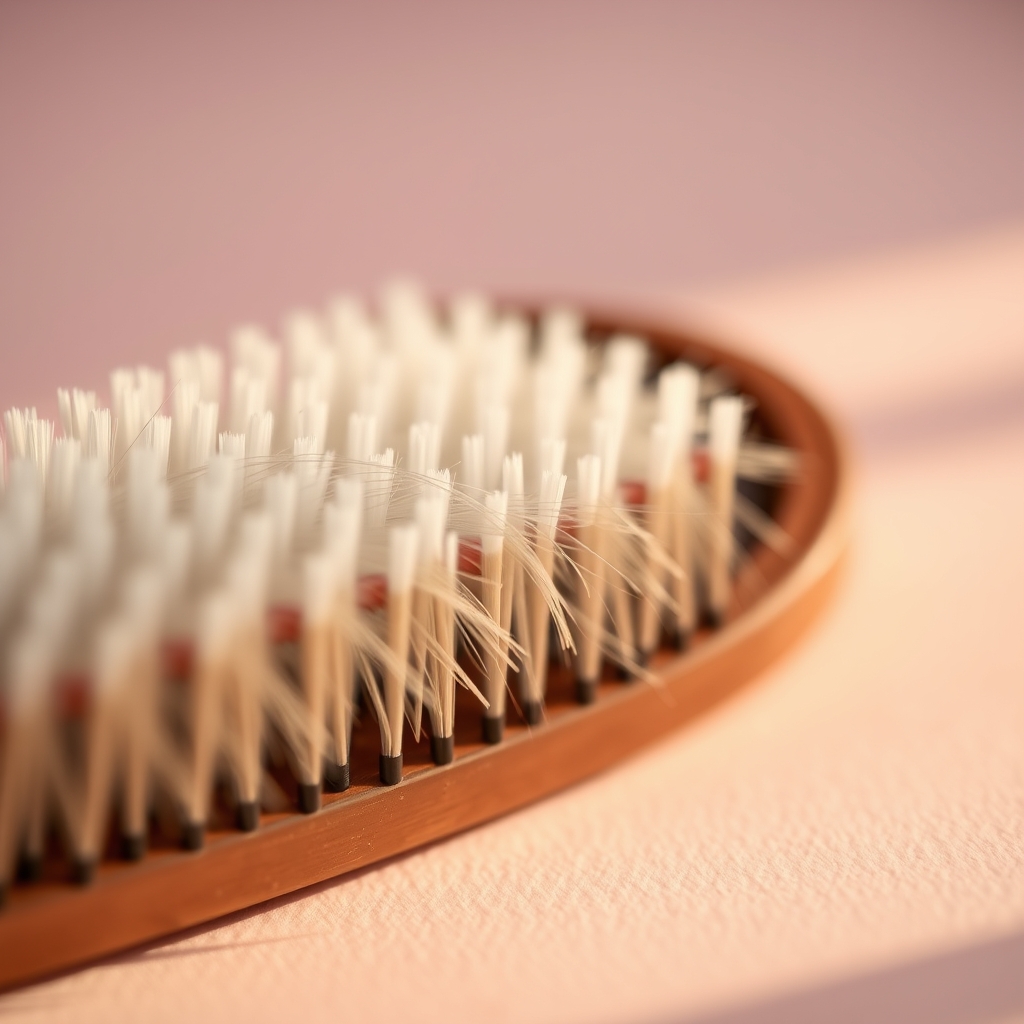
Choosing a soft‑bristle brush can reduce breakage during the shedding months.
Factors that influence the severity or duration of post‑partum hair loss
Not every mother experiences shedding in the same way. Several variables can make the hair loss more pronounced or prolong the timeline.
Genetics
If you have a family history of female‑pattern hair thinning, you may notice a slightly longer or more noticeable shedding phase. Genetics influence how follicles respond to hormonal changes, and they can also affect the baseline density you started with.
Nutrition and iron status
Iron deficiency is the most common nutritional cause of increased hair shedding. Women who entered pregnancy with low iron stores or who don’t replenish iron during lactation often report a more intense shedding period. Checking ferritin levels at your postpartum check‑up can help you catch a deficiency early.
Thyroid health
Even subtle thyroid dysfunction can affect hair cycles. The American Thyroid Association recommends checking thyroid‑stimulating hormone (TSH) levels if you have persistent hair loss beyond six months postpartum.
Stress and sleep deprivation
High stress levels and chronic sleep loss can keep cortisol elevated, which may prolong telogen effluvium. Mothers who have a strong support network and can share nighttime duties often report a smoother recovery.
Medications and birth control
Some postpartum medications, such as certain antihypertensives or hormonal contraceptives, can affect hair growth. If you suspect a medication is worsening shedding, discuss alternatives with your provider.
Lactation
Breastfeeding itself isn’t a direct cause of hair loss, but the added caloric demands can increase the risk of nutrient deficiencies if dietary intake isn’t adequate. Ensuring you meet the increased protein and iron needs of lactation can help mitigate this risk.
All these factors intertwine, which is why the shedding timeline can range from a few months to a year or more. Understanding your own risk profile can help you tailor the supportive measures described earlier.
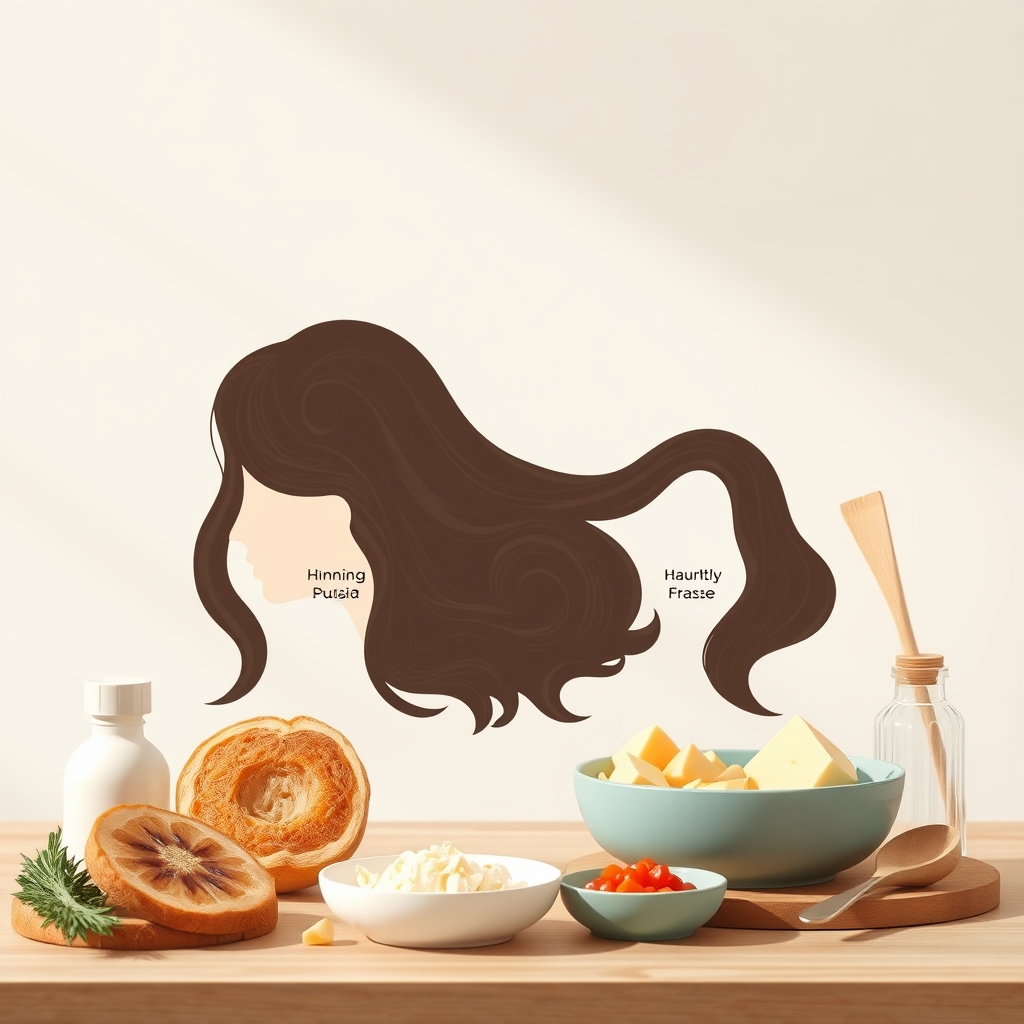
Iron‑rich meals support hair health while you’re nursing.
What to expect after the shedding phase ends
By the time you reach the 9‑month to 12‑month mark, most women notice that the hair they’re losing each day is roughly the same amount they’re gaining. New hairs often start as fine, baby‑soft strands—known as “vellus” hairs—before thickening into the mature hairs you’re used to.
Hair growth rates average about half an inch (1.25 cm) per month. So, after the shedding subsides, you might see a gradual thickening over the next few months. If you monitor the density of your hair with a simple “hair‑part” test—parting your hair in the middle and looking at how many visible scalp areas there are—you’ll likely see a subtle improvement each week.
Most experts, including the American College of Obstetricians and Gynecologists (ACOG), reassure that full regrowth to pre‑pregnancy density typically occurs within a year. If you’re still seeing significant thinning at 15 months, a dermatologist can evaluate for other conditions such as androgenetic alopecia.
Some women also notice a change in hair texture—often a bit curlier or softer—once the new growth emerges. This is normal and usually settles as the hair cycle stabilizes.
Post‑partum hair loss and breastfeeding: what you need to know
Breastfeeding itself does not cause hair loss, but the increased caloric and nutrient demands of lactation can amplify existing deficiencies. Milk production uses roughly 500 extra calories per day, along with additional protein, iron, and zinc. If these needs aren’t met, the body may prioritize essential functions over hair growth, leading to a more noticeable shedding phase.
To keep your hair thriving while feeding, aim for a balanced diet that includes lean protein (chicken, fish, tofu), iron‑rich foods (lean red meat, beans, fortified cereals), and plenty of fruits and vegetables for vitamin C, which enhances iron absorption. Hydration matters, too—adequate water supports overall skin and scalp health. If you’re concerned about your nutrient status, ask your provider for a postpartum labs panel that includes ferritin, vitamin D, and thyroid function.
While many mothers wonder whether lactation hormones like prolactin could directly thin hair, current evidence suggests the effect is indirect—primarily through nutritional pathways. Maintaining a nutrient‑dense diet therefore benefits both milk supply and hair health.
Balancing nutrition and rest while nursing supports both baby and hair health.
When to consider professional treatments
For the small percentage of mothers whose shedding persists beyond 12 months or who develop patchy thinning, medical‑grade interventions may be appropriate. A dermatologist can perform a scalp biopsy or trichoscopy to rule out conditions like alopecia areata or early androgenetic alopecia. If telogen effluvium is confirmed but severe, topical minoxidil (5 % solution) is sometimes prescribed off‑label to accelerate regrowth, though it should only be started after hormonal levels have stabilized.
Platelet‑rich plasma (PRP) therapy and low‑level laser devices are emerging options that some dermatologists offer for hair restoration. While early studies show promise, the evidence is still evolving, and these treatments can be costly. Discuss the risks, benefits, and costs with a qualified provider before deciding. In most cases, supportive nutrition and gentle hair care remain the most effective and safest approach.
Timing matters: many clinicians recommend waiting at least six months postpartum before initiating minoxidil, to ensure that the natural hormonal recovery has taken place. Starting too early can mask underlying issues that still need medical attention.
Understanding the hair growth cycle
Each hair follicle cycles through three phases: anagen (growth), catagen (transition), and telogen (rest). In a healthy scalp, about 85‑90 % of hairs are in the anagen phase, which can last 2–7 years. The catagen phase is brief—about two weeks—while telogen normally lasts around three months before the hair is shed.
During pregnancy, the high estrogen environment extends the anagen phase, so more follicles stay in growth mode. After delivery, the sudden estrogen drop pushes a large proportion of follicles into telogen at the same time, creating the characteristic shedding wave. Understanding this cycle helps demystify why the hair feels thinner for a few months and then gradually returns to normal as follicles re‑enter anagen.
Because the follicles themselves remain intact, the regrowth phase is simply a matter of waiting for new hairs to emerge from the scalp. Most women see the first new strands about three months after the shedding peak, which aligns with the typical 2–3‑month telogen duration.
The hair cycle explains why shedding peaks and then tapers off.
Managing hair health while you’re weaning
When you begin to wean or reduce breastfeeding, your body undergoes another hormonal shift. Prolactin levels fall, and estrogen may rise slightly as the endocrine system rebalances. Some mothers notice a brief “second wave” of shedding during this transition, especially if weaning is rapid.
To smooth this period, continue the same gentle hair‑care routine you used during the postpartum months. Keep protein intake steady, and consider a short course of iron or vitamin D supplementation if labs show low levels. If you experience a noticeable increase in shedding after weaning, give it a few weeks; the hair follicles typically need time to adjust to the new hormonal baseline.
Staying hydrated and maintaining a balanced diet remain crucial, as the body still needs nutrients for skin, hair, and overall recovery even after lactation ends.
Lifestyle habits that support faster regrowth
Beyond nutrition and gentle hair‑care, a few daily habits can give your follicles a little extra boost:
Scalp massage with carrier oil: A nightly 2‑minute massage using a few drops of jojoba or almond oil can improve blood flow.
Stay hydrated: Aim for at least 8 cups of water a day to keep scalp skin supple.
Limit alcohol and caffeine: Excessive intake can interfere with iron absorption; moderate consumption is safest.
Regular, low‑impact exercise: Activities like walking or prenatal yoga increase circulation without stressing the body.
Avoid harsh chemicals: Steering clear of strong perm solutions or bleach during the shedding months reduces additional stress on follicles.
Sleep hygiene: Even short naps can lower cortisol, which in turn helps the hair cycle normalize.
These habits are low‑effort but collectively create a healthier environment for your hair to regrow, making the journey feel a little more under your control.
Doctor’s note
From our medical team: Post‑partum telogen effluvium is a normal response to the rapid hormonal shift after birth. We encourage you to track your shedding pattern—counting hairs on your pillow once a week can give you a concrete sense of progress. If you have a history of thyroid disease, iron‑deficiency anemia, or you’re taking medications that affect hormone levels, schedule a follow‑up at your six‑week postpartum visit. Simple lab tests (CBC, ferritin, TSH) can rule out treatable causes, and most women find reassurance in knowing that their hair will typically return to its pre‑pregnancy state within a year.
🔢 Ready to crunch your numbers? Use our Postpartum Hair Loss for a personalized result in seconds.
Myth vs. fact
Myth: You should shave your head to “reset” hair growth.
Fact: Shaving does not affect the hair‑growth cycle. The follicles remain in the same phase regardless of hair length, and shedding will continue until hormonal levels stabilize.
Myth: Post‑partum hair loss is a sign of a serious medical problem.
Fact: For the vast majority of mothers, telogen effluvium is a normal, temporary response to hormonal change. Persistent or patchy loss, however, warrants a medical check‑up.
Myth: Using hair extensions or wigs will stop the shedding.
Fact: Extensions can actually increase breakage if they pull on the scalp. Gentle hair‑care and avoiding tight styles are more effective at minimizing loss.
Key takeaways
Post‑partum hair loss typically starts 2–4 months after birth, peaks around month 3, and usually resolves by 6–12 months.
The cause is hormonal—mainly a sudden drop in estrogen—leading to telogen effluvium.
Normal shedding is diffuse, without scalp pain or bald patches; seek care if you notice rapid, patchy loss or symptoms beyond a year.
Gentle hair‑care, adequate protein, iron, and vitamin D, plus stress management, can support healthier regrowth.
Factors such as genetics, iron deficiency, thyroid health, and overall stress can influence how severe or long‑lasting the shedding is.
By the end of the first year, most women’s hair returns to its pre‑pregnancy thickness.
When you’re weaning, expect a possible short‑term increase in shedding, but maintain the same supportive routine.
Frequently asked questions
When does post‑partum hair loss typically begin?
Most women notice increased shedding between 8 and 12 weeks after delivery, as estrogen levels fall and hair follicles shift into the resting phase.
How long does post‑partum hair loss usually last?
Shedding peaks around the third to fifth month and generally eases by 6 to 12 months, with most mothers seeing a return to normal hair density by the end of the first year.
Is it normal to still have hair loss 6 months post‑partum?
Yes. Six months is still within the typical shedding window. If the loss is diffuse and you’re not developing bald spots, it’s usually harmless. Persistent, patchy loss after a year should be evaluated.
What can I do to stop post‑partum hair loss?
You can’t halt the hormonal trigger, but you can reduce breakage by using gentle, sulfate‑free shampoos, avoiding tight hairstyles, eating iron‑rich foods, and managing stress. Supplements should be taken only under medical guidance.
When should I worry about post‑partum hair loss?
Seek medical advice if you notice sudden bald patches, scalp pain, itching, or if shedding continues strongly beyond 12 months. Also contact your provider if you have other symptoms like fatigue or unexplained weight changes.
Why does post‑partum hair loss happen?
The rapid drop in pregnancy hormones—especially estrogen—pushes many hair follicles into the telogen (resting) phase at once, causing a temporary increase in shedding known as telogen effluvium.
Can hair‑growth supplements help?
Supplements containing iron, zinc, or biotin may benefit those with documented deficiencies, but they won’t speed up regrowth in the absence of a shortage. Always discuss supplementation with your provider to avoid excess intake.
Does stress affect post‑partum hair loss?
Elevated cortisol from chronic stress can exacerbate telogen effluvium, making shedding more noticeable. Incorporating short relaxation techniques and ensuring adequate sleep can help mitigate this effect.
Can I use essential oils on my scalp postpartum?
Some essential oils—like lavender or rosemary diluted in a carrier oil—are considered safe for topical use and may improve scalp circulation. However, always do a patch test first and avoid applying undiluted oils directly to the skin.
Is it safe to dye my hair after giving birth?
Most dermatologists say that temporary hair dyes are low risk after the first six weeks postpartum, as the scalp barrier is typically restored. If you have a sensitive scalp or recent skin irritation, wait a bit longer and consider a gentle, ammonia‑free formula.
When to call your doctor
Contact your health provider promptly if you experience any of the following: sudden bald patches, scalp redness or pain, persistent itching or sores, excessive shedding that continues beyond 12 months, or if you have accompanying symptoms such as fatigue, unexplained weight gain, or temperature intolerance. This article is for informational purposes only and does not replace personalized medical advice.
References
American College of Obstetricians and Gynecologists (ACOG). “Post‑partum Care.” 2023 Clinical Guidance.
National Health Service (NHS). “Hair loss after pregnancy.” Updated 2022.
American Thyroid Association. “Thyroid disease and pregnancy.” 2021 recommendations.
World Health Organization (WHO). “Iron deficiency anemia.” 2020 guideline.
U.S. Department of Health and Human Services, Office of Dietary Supplements. “Vitamin D Fact Sheet.” 2022.
Mayo Clinic. “Telogen effluvium.” Review of hair‑loss mechanisms, 2022.
British Association of Dermatologists (BAD). “Hair loss in women.” Clinical advice 2023.
Centers for Disease Control and Prevention (CDC). “Nutrition during lactation.” 2021.
Not sure about the label on When Does Postpartum Hair Loss Start And End products?
Snap the ingredients list and SafeFilter checks every ingredient for your stage — only 3 free scans this month, then you're locked until reset. Unlimited from $7/mo or lock $50/yr through Aug 31 (16 days left).
When Shubhra Mishra was expecting her first child in 2016, she was overwhelmed by conflicting food advice — one site said yes, another said never. By the time her second baby arrived in 2019, she realized millions of mothers face the same confusion.
That sparked a five-year journey through clinical nutrition papers, cultural diets, and expert conversations — all leading to BumpBites: a calm, compassionate space where science meets everyday motherhood.
Her long-term vision is to build a global community ensuring safe, supported, and free deliveriesfor every mother — because no woman should face pregnancy alone or uninformed. 🌿
🌍 Stand with mothers, shape safer guidance
Join a small circle of experts who review BumpBites articles so expecting parents everywhere can decide with confidence.