Quick take: By three months postpartum, many women notice a slimmer belly, a softer uterus, and shifting energy levels. Your body is still healing, but you can safely start moderate running, focus on a balanced diet, and use gentle pelvic‑floor exercises. If you experience heavy bleeding, severe pain, or sudden mood changes, reach out to your provider right away.
It’s 3 a.m., you’re scrolling through a parenting forum while a soft “pop” from your breasts reminds you that breastfeeding is still a nightly ritual. You wonder, “Is my body supposed to look like this?” You’re not alone. Hundreds of moms report the same mix of excitement, uncertainty, and occasional frustration at the changes still unfolding.
In this guide we break down the most common 3 months postpartum body changes—from uterus size to stretch‑mark care—so you can make confident, evidence‑based choices. We’ll walk through what to expect, safe ways to move your body, nutrition tips that support recovery, and mental‑health cues that signal it’s time to ask for help.
Read on for a clear roadmap, practical “how‑to” steps, and a safety checklist that lets you enjoy this stage without unnecessary worry.

What does my body look like after 3 months postpartum?
At the three‑month mark, many women notice a noticeable shift from the “pregnancy belly” to a flatter abdomen, though the transition can vary based on genetics, weight gain during pregnancy, and whether you’re breastfeeding.
How will my belly change?
Most moms see a reduction in abdominal girth as the uterus contracts and the abdominal muscles regain tone. However, a “3‑month postpartum belly” might still feel slightly softer or show a faint “pooch” if diastasis recti (separation of the rectus abdominis) is present. If you gently press a fingertip into the midline and feel a small gap, that’s normal and typically improves with targeted core work.
What about skin texture?
Skin may retain a faint “stretch‑mark” hue—pink, red, or purple—that gradually fades to a silvery tone over months. Hormonal shifts can also trigger increased oiliness or occasional breakouts, especially if you’re nursing.
Overall, the visual picture at three months is a blend of healing, residual changes, and early signs of returning pre‑pregnancy shape. Patience and consistent self‑care are key.
How long does it take for the uterus to return to pre‑pregnancy size after 3 months?
The uterus undergoes a process called involution, shrinking from the size of a grapefruit back to a pea‑sized organ. By the end of the first trimester, it typically reaches about 80 % of its pre‑pregnancy size; at three months, most women are close to the original dimensions.
Is it normal for my uterus to still be enlarged after 3 months?
Yes. The American College of Obstetricians and Gynecologists (ACOG) notes that a slight enlargement can persist up to six weeks postpartum, but lingering size beyond three months should be evaluated if accompanied by heavy bleeding or foul‑smelling discharge.
What factors influence the speed of involution?
- Breastfeeding: Prolactin stimulates uterine contractions, often speeding up shrinkage.
- Multiple pregnancies: Carrying twins or more can prolong the process.
- Cesarean delivery: Healing from surgery may slightly delay uterine contraction.
By three months, the uterus is usually back to its pre‑pregnancy size, but a gentle pelvic exam by your OB‑GYN can confirm progress and rule out retained placental tissue.
Postpartum weight loss timeline at 3 months
Weight loss after delivery follows a metabolic rhythm shaped by hormones, activity level, and feeding method. The first six weeks often see the most rapid drop, largely due to fluid loss and uterine involution.
How much weight should I expect to lose by 3 months postpartum?
According to the Centers for Disease Control and Prevention (CDC), most women lose about 5–10 % of their pregnancy weight by three months if they’re not exclusively breastfeeding. For breastfeeding moms, the average loss is roughly 0.5–1 lb (0.2–0.45 kg) per week, translating to 6–10 lb (2.7–4.5 kg) over three months.
What’s the best diet for 3 months postpartum weight loss?
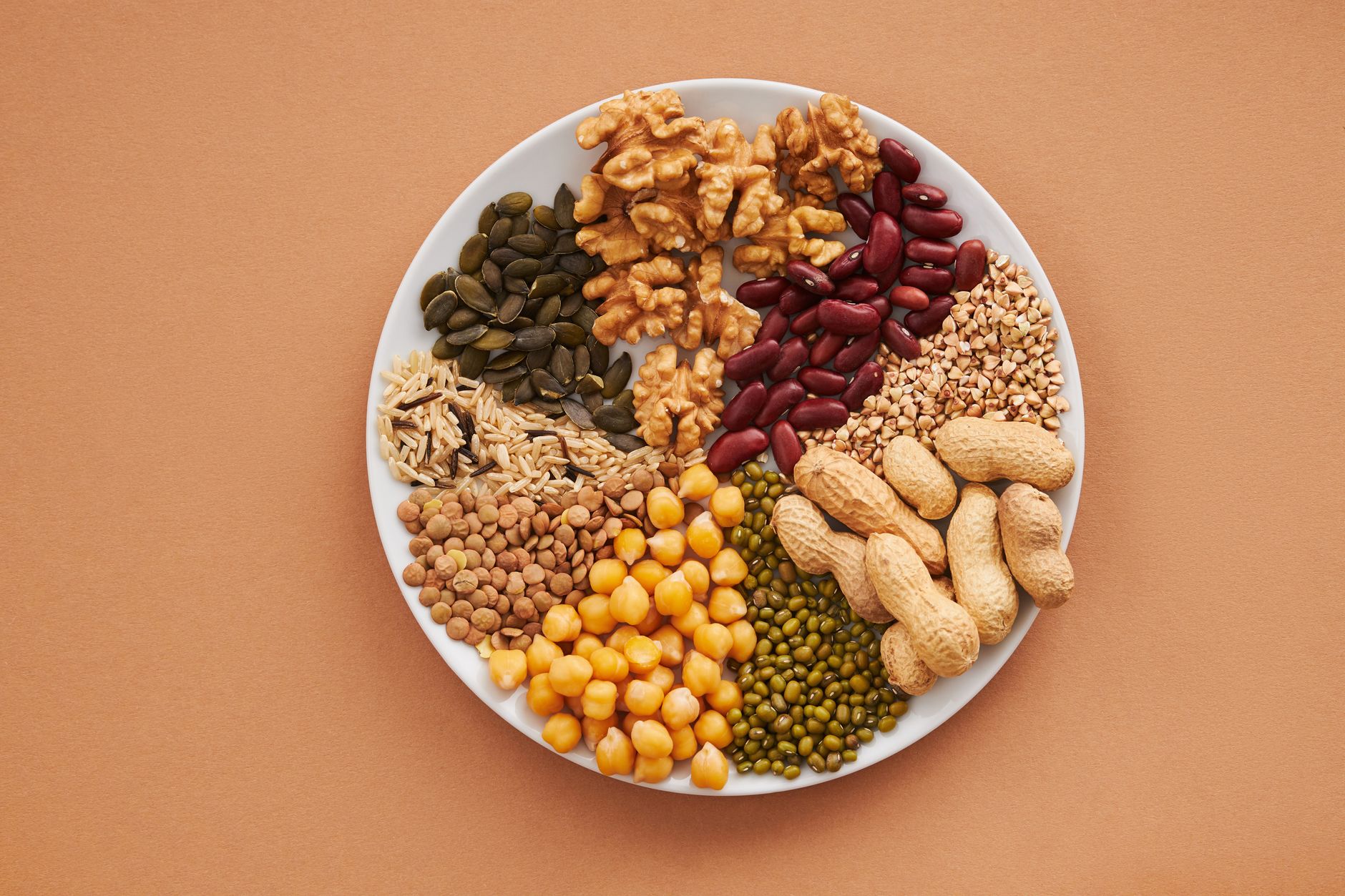
The Academy of Nutrition and Dietetics recommends a balanced plate: ½ vegetables and fruit, ¼ lean protein, and ¼ whole grains, with an additional 300–500 kcal deficit if you’re not nursing. Include plenty of iron‑rich foods (spinach, lentils) and omega‑3 sources (salmon, walnuts) to support recovery.
Why might weight loss feel slower?
Hormonal fluctuations, especially increased estrogen and progesterone during breastfeeding, can temporarily slow metabolism. Stress, sleep deprivation, and iron deficiency also play roles. A comprehensive approach—adequate sleep, stress management, and nutrient‑dense meals—helps keep the scale moving.
Can I resume running after 3 months postpartum?
Running is a high‑impact activity, and the three‑month milestone is often when many moms feel ready to lace up their shoes again. The key is to listen to your body and progress gradually.
What should I look for before hitting the pavement?
- Absence of pelvic pain or heaviness.
- Comfortable core strength—able to perform a gentle plank for 30 seconds without wobbling.
- Stable pelvic floor—no leaking during a brief jog.
Sample running plan for 3‑month moms
- Week 1: Walk‑run intervals (2 min walk, 1 min jog) for 20 minutes, 3 times a week.
- Week 2–3: Increase jog time to 2 minutes, keep walk intervals at 2 minutes.
- Week 4‑6: Progress to continuous 10‑minute jogs, adding a minute each session.
By eight weeks post‑run, many women can comfortably run 20–30 minutes at a moderate pace. If you experience persistent pelvic discomfort, consult a pelvic‑floor physical therapist.
How to improve stretch marks after 3 months postpartum
Stretch marks (striae) often appear as pink or red lines during pregnancy, fading to silvery tones after three months. While they’re a natural sign of skin stretching, many moms seek ways to soften their appearance.
Topical treatments with evidence
- Centella asiatica (gotu kola) creams: A 2022 review in the Journal of Cosmetic Dermatology found modest improvement in scar texture.
- Vitamin C serums: Antioxidant properties support collagen synthesis.
- Hyaluronic acid: Keeps skin hydrated, reducing the contrast of striae.
Apply these products twice daily after showering, when the skin barrier is most receptive. Avoid harsh scrubs, which can irritate fragile post‑pregnancy skin.
Professional options
Laser therapy (fractional CO₂) and micro‑needling are FDA‑approved for striae improvement. Results vary, and multiple sessions are often needed. Discuss costs and expected outcomes with a dermatologist before committing.
Breast changes and milk supply at 3 months postpartum
Three months into breastfeeding, many mothers notice breast size fluctuations, occasional engorgement, and changes in milk composition.
Why do my breasts feel softer?
As your infant’s stomach capacity grows, they may take smaller, more frequent feeds, leading to softer breasts. This is a normal sign of an efficient milk transfer.
Is a dip in milk supply common?
Yes. The American Academy of Pediatrics (AAP) reports that supply can plateau or slightly dip around the 12‑week mark as the baby transitions from “cluster feeding” to a more predictable schedule. Maintaining regular nursing or pumping sessions helps stabilize production.
When should I worry about low supply?
If you consistently have fewer than 4–6 wet diapers per day, notice a sudden drop in output, or feel persistent breast pain, contact a lactation consultant or OB‑GYN.
Pelvic floor recovery tips for 3‑month‑old moms
The pelvic floor—muscles that support the bladder, uterus, and bowel—often weakens after pregnancy and delivery. By three months, focused exercises can restore strength.
Effective pelvic‑floor exercises
- Kegels: Contract the muscles you’d use to stop urine flow. Hold for 5 seconds, release for 5 seconds. Aim for 3 sets of 10 reps daily.
- Pelvic tilts: Lie on your back with knees bent, gently flatten your lower back against the floor. Perform 10‑15 repetitions.
- Bridge lifts: Engage glutes and core while lifting hips. Hold 3 seconds, lower slowly. 2 sets of 12 reps.
When can I try high‑intensity workouts after 3 months postpartum?
The American College of Sports Medicine (ACSM) advises that high‑intensity interval training (HIIT) can be re‑introduced once you can comfortably perform moderate cardio (e.g., brisk walking) for 30 minutes without pain and have adequate pelvic‑floor control. Typically this is around 12–16 weeks, but individual readiness varies.
Signs you need professional help
- Urinary leakage during exercise.
- Persistent pelvic pressure or pain.
- Difficulty fully emptying the bladder.
If any of these occur, schedule an appointment with a pelvic‑floor physical therapist.
When is it safe to have sex after 3 months postpartum?
Resuming sexual activity is a personal decision that hinges on physical healing and emotional readiness. Most providers clear couples for intercourse once the perineal stitches have fully healed, usually around 4–6 weeks. By three months, many women report comfort, though lingering soreness or low libido is common.
Physical signs of readiness
- No pain, burning, or bleeding during intercourse.
- Comfortable with vaginal lubrication—natural or water‑based.
- Ability to contract pelvic floor muscles without discomfort.
Emotional considerations
Hormonal shifts, sleep deprivation, and body‑image concerns can affect desire. Open communication with your partner and, if needed, a therapist specializing in perinatal mental health can help navigate these changes.
Myth vs. fact
Myth: All stretch marks disappear by three months.
Fact: Stretch marks often fade but may remain as silvery lines; treatments can improve appearance but rarely erase them completely.
Myth: You must lose all pregnancy weight before you can exercise.
Fact: Light to moderate activity, like walking or gentle yoga, is safe and beneficial even while you’re still shedding pounds.
Myth: Breast milk supply always drops after the first three months.
Fact: While supply may plateau, many mothers maintain adequate production with regular nursing or pumping.
Key takeaways
- Uterine involution is usually near pre‑pregnancy size by three months, but lingering enlargement isn’t uncommon.
- Weight loss averages 5–10 % of pregnancy weight, with breastfeeding adding a modest weekly deficit.
- Gentle core and pelvic‑floor work pave the way for running and high‑intensity workouts.
- Stretch‑mark creams containing centella asiatica, vitamin C, or hyaluronic acid can soften scars.
- Breast changes are normal; monitor diaper output and seek lactation support if supply drops.
- Resuming sex is safe when physical healing is complete and you feel emotionally ready.
Frequently asked questions
Is it normal for my uterus to still be enlarged after 3 months postpartum?
Yes, a slight enlargement can persist, especially if you’re not breastfeeding. If you notice heavy bleeding, foul odor, or pain, contact your OB‑GYN.
How much weight should I expect to lose by 3 months postpartum?
Most women lose 5–10 % of their pregnancy weight by this point; breastfeeding moms often shed about 0.5–1 lb per week.
Can I start doing high‑intensity workouts at 3 months postpartum?
You can begin HIIT once you can comfortably jog or walk for 30 minutes without pain and have solid pelvic‑floor control, typically around 12–16 weeks.
What are common skin changes at 3 months postpartum?
Expect fading stretch marks, possible acne due to hormonal shifts, and increased dryness if you’re nursing.
How does breastfeeding affect my body at 3 months postpartum?
Breastfeeding may speed uterine involution, modestly increase calorie burn, and cause breast size fluctuations, but it can also lead to temporary milk‑supply plateau.
When will my postpartum mood swings improve?
Hormonal fluctuations usually stabilize by 12 weeks, but sleep, support, and mental‑health resources can accelerate mood recovery.
What foods boost energy for a 3‑month postpartum mom?
Complex carbs (oats, quinoa), lean protein (chicken, beans), and healthy fats (avocado, nuts) provide steady energy without spikes.
When to see a doctor
If you notice any of the following, schedule a visit promptly:
- Heavy bleeding (> 2 pads per hour) or foul‑smelling discharge.
- Severe pelvic pain, especially during urination or bowel movements.
- Sudden, unexplained weight loss or gain.
- Persistent breast pain, fever, or a drop in diaper output.
- Significant mood changes, anxiety, or depression lasting more than two weeks.
Depending on the symptom, you may need to see an OB‑GYN, a pelvic‑floor physical therapist, a lactation consultant, or a mental‑health professional. This article is for informational purposes only and does not replace personalized medical advice.
References
- American College of Obstetricians and Gynecologists. “Postpartum Care.” ACOG Practice Bulletin, 2023.
- Centers for Disease Control and Prevention. “Postpartum Weight Loss.” CDC Health Topics, 2022.
- Academy of Nutrition and Dietetics. “Nutrition Recommendations for Postpartum Women.” Eatright.org, 2023.
- American Academy of Pediatrics. “Breastfeeding and Maternal Health.” AAP Guidelines, 2022.
- American College of Sports Medicine. “Exercise Guidelines for the Postpartum Athlete.” ACSM Position Stand, 2021.
- Journal of Cosmetic Dermatology. “Efficacy of Centella asiatica in Stretch‑Mark Management.” 2022.
- National Institute of Mental Health. “Postpartum Mood Disorders.” NIMH Fact Sheet, 2023.
- World Health Organization. “Postpartum Care and Family Planning.” WHO Recommendations, 2021.



