Postpartum hair loss typically starts 2-4 months after birth, peaking around 4-6 months. Learn what causes it, how long it lasts, and effective strategies to manage and minimize shedding. Get your complete guide here.
By Shubhra Mishra — a mom of two who turned her own confusion during pregnancy into BumpBites, a global mission to make food choices clear, safe, and stress-free for every expecting mother. 💛
Check whether any food is safe during pregnancy with the BumpBites Food Safety Checker.
Quick take: Postpartum hair loss, often called telogen effluvium, typically starts around 2 to 4 months after giving birth. It's a normal, temporary response to hormonal shifts and usually resolves on its own within 6 to 12 months. While it can be alarming to see more hair shedding than usual, it's a very common experience for new mothers and your hair will grow back.
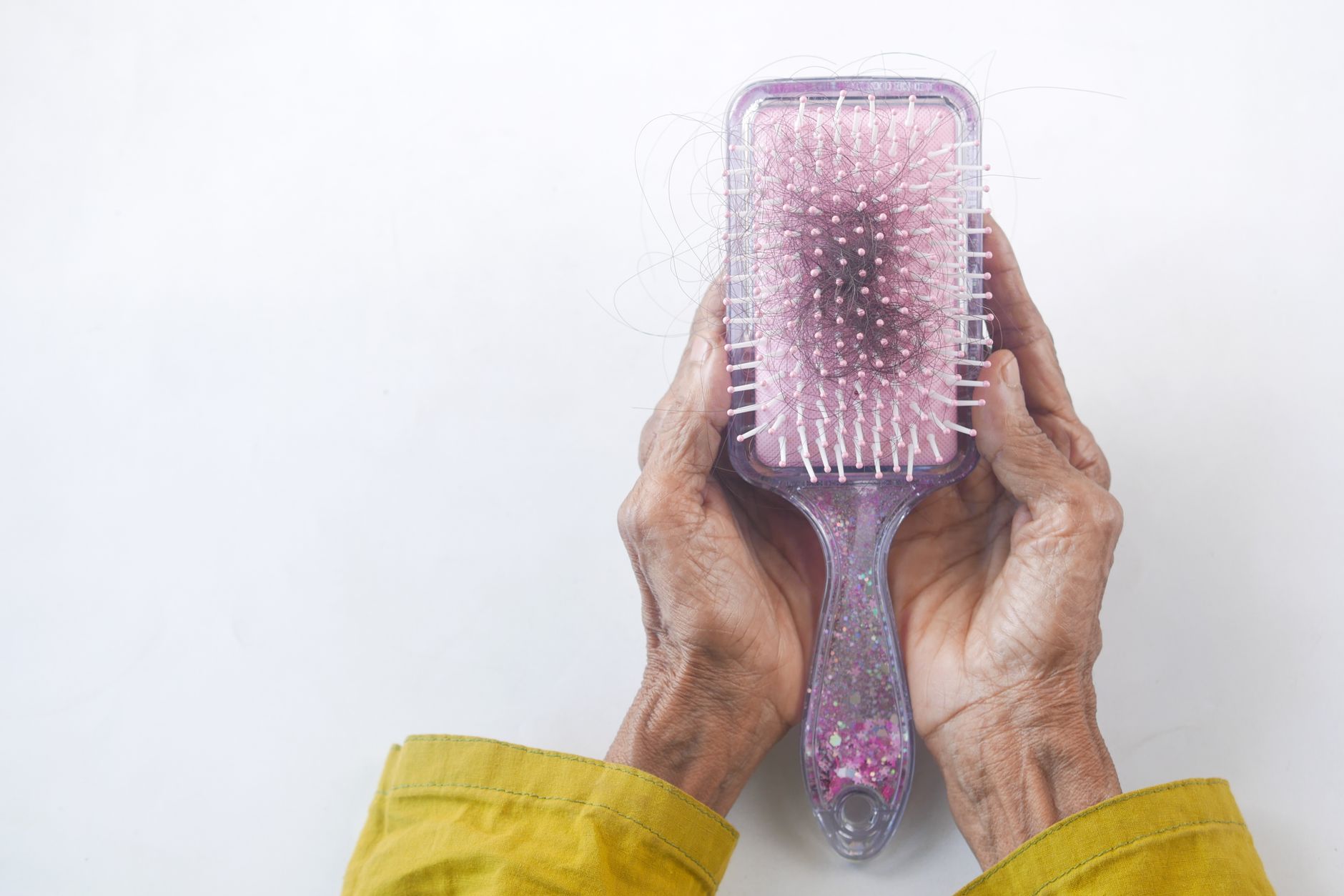
The joy of welcoming a new baby often comes with unexpected changes to your body, and for many new mothers, one of the most surprising can be hair loss. You might be showering and notice alarming clumps of hair, or find your brush is suddenly full after a quick comb-through. If you've just started seeing more hair fall out and are wondering, "Is this normal? When does postpartum hair loss start?", take a deep breath. You're not alone, and what you're experiencing is a very common, temporary phase.
This shedding, medically known as telogen effluvium, is a direct result of the incredible hormonal shifts your body undergoes during and after pregnancy. While it can feel distressing, it’s a natural part of the postpartum recovery process. Understanding when it typically begins, how long it lasts, and what you can do to support your hair’s health can help ease your worries and empower you to navigate this temporary change with confidence.
In this complete guide, we'll explore the science behind postpartum hair loss, its typical timeline, and practical, evidence-based strategies to manage it. We'll also cover when it's wise to talk to your doctor about your concerns, ensuring you have all the information you need.
When does postpartum hair loss typically start after birth?
For most new mothers, postpartum hair loss doesn't begin immediately after giving birth. Instead, you'll likely notice it starting around 2 to 4 months postpartum. This timing is a key indicator that what you're experiencing is indeed the common postpartum shedding, rather than something else.
During pregnancy, your elevated estrogen levels keep your hair in its "growth phase" (anagen phase) for longer than usual. This is why many pregnant women enjoy thicker, fuller hair. Once your baby arrives, these estrogen levels drop dramatically, signaling a large number of hair follicles to enter the "resting phase" (telogen phase) simultaneously. After about two to four months in this resting phase, these hairs are then shed. It’s like a delayed reaction to your body’s major hormonal reset.
The Hormonal Rollercoaster and Your Hair Cycle
To truly understand why postpartum hair loss starts when it does, it helps to know a little about the hair growth cycle. Your hair follicles cycle through three main phases:
Anagen (Growth Phase): This is when your hair actively grows. It lasts anywhere from 2 to 7 years. During pregnancy, higher estrogen levels extend this phase, meaning less hair sheds.
Catagen (Transition Phase): A short phase (about 2-3 weeks) where hair growth stops, and the follicle shrinks.
Telogen (Resting Phase): This phase lasts about 2-4 months. Hair doesn't grow, but it remains attached to the follicle. At the end of this phase, the hair is shed, and a new anagen hair begins to grow in its place.
The sudden drop in estrogen after birth causes a larger-than-normal percentage of your hair to shift from the anagen (growth) phase into the telogen (resting) phase at the same time. Because the telogen phase typically lasts for 2 to 4 months, you start to see noticeable shedding around that same time frame postpartum. This synchronized shedding is what makes postpartum hair loss feel so dramatic compared to your usual daily hair fall.
A Typical Postpartum Hair Loss Timeline
While everyone's body is unique, here's a general timeline for when you might expect to see postpartum hair loss and how it progresses:
First 1-2 Months Postpartum: You likely won't notice much hair loss, and your hair might still feel quite full from pregnancy.
2-4 Months Postpartum (Onset): This is the most common window for increased shedding to begin. You'll likely see more hair in your brush, shower drain, and on your clothes. This is often the period when concerns about "hair loss 3 months postpartum" become prominent.
4-6 Months Postpartum (Peak): Shedding might be at its most noticeable during these months. It can feel disheartening, but remember, this is a normal peak for telogen effluvium.
6-12 Months Postpartum (Gradual Improvement): The shedding typically starts to slow down and gradually decrease. You'll begin to notice new hair growth, often appearing as "baby hairs" around your hairline.
12-18 Months Postpartum (Resolution): For most women, hair returns to its pre-pregnancy thickness and normal shedding cycle by their child's first birthday or shortly thereafter. Some may take up to 18 months.
Understanding this timeline can provide reassurance that what you're experiencing is a predictable, temporary process, not a permanent problem.
Gentle hair care can help minimize breakage during postpartum hair loss.
How long does postpartum hair loss usually last?
The good news is that postpartum hair loss is a temporary condition for the vast majority of women. While it can feel like it's never-ending when you're in the thick of it, the increased shedding typically lasts for a few months and then resolves on its own. Most women find that their hair loss peaks around 4 to 6 months postpartum, and then gradually tapers off.
You can generally expect the significant shedding phase to last anywhere from 3 to 6 months. However, the overall process of your hair returning to its pre-pregnancy state can take longer, often up to 12 months, and in some cases, up to 18 months postpartum. This doesn't mean you'll be shedding heavily for that entire time, but rather that your hair growth cycle will be slowly normalizing, and new hair will be growing in to replace what was lost.
Understanding the Regrowth Phase
Even as you're shedding, your body is working to regrow hair. The follicles that released the old hair strands will eventually re-enter the anagen (growth) phase. You might start to notice short, fine "baby hairs" around your hairline or part. These are signs that your hair is indeed growing back. These new hairs can sometimes be a different texture or color initially, but they usually integrate with your existing hair over time.
It's important to remember that hair growth is a slow process. Hair typically grows about half an inch per month. So, even after the shedding slows down, it takes time for those new hairs to gain length and for your overall hair thickness to return to normal. Patience is truly key during this phase.
When Does It Stop? Setting Expectations
For most women, by the time their baby is around 1 year old, their hair has largely returned to its pre-pregnancy density. Some women may find that their hair doesn't feel quite as thick as it did before pregnancy, but it should be back to a healthy, normal shedding pattern. If you're still experiencing significant hair loss beyond 12-18 months postpartum, or if you have concerns about patchy loss or other symptoms, it's a good idea to speak with your healthcare provider.
The experience can vary from person to person. Factors like genetics, overall health, nutrition, and stress levels can influence how quickly your hair recovers. One BumpBites reader shared, "I was so worried because my hair was still coming out in handfuls at 8 months postpartum, but then almost overnight, it just seemed to stop. By my daughter's first birthday, I had all these little wisps growing in, and it felt like a huge relief." This highlights the often unpredictable but ultimately temporary nature of postpartum hair loss.
What causes postpartum hair loss and is it normal?
Postpartum hair loss is not only normal, but it's also incredibly common, affecting between 40% to 50% of women after childbirth. It's a physiological response to the dramatic hormonal shifts that occur in your body, rather than a sign of something being wrong. Understanding the underlying cause can help you approach it with less anxiety and more reassurance.
The Science Behind the Shed: Telogen Effluvium and Hormonal Shifts
The primary cause of postpartum hair loss is a condition called telogen effluvium. This is a temporary form of hair loss that occurs when a significant number of hair follicles enter the resting (telogen) phase of the hair growth cycle simultaneously, and then shed a few months later. Here’s how it connects to your postpartum body:
Estrogen Surge During Pregnancy: Throughout pregnancy, your body produces significantly higher levels of estrogen. Estrogen has a protective effect on hair follicles, keeping them in the anagen (growth) phase for an extended period. This is why many pregnant women experience fuller, thicker hair and less shedding than usual. It's like your hair growth cycle hits a pause button on shedding.
Dramatic Estrogen Drop Postpartum: Immediately after childbirth, your estrogen levels plummet back to pre-pregnancy levels. This rapid decline is a major signal to your hair follicles.
Synchronized Entry into Telogen Phase: In response to the estrogen drop, a large number of hair follicles that were 'held' in the growth phase now rapidly transition into the telogen (resting) phase. Instead of the usual 5-10% of hairs being in the resting phase at any given time, postpartum, this percentage can jump significantly.
Delayed Shedding: Hair follicles typically stay in the telogen phase for about 2 to 4 months before the hair is shed. This explains why you typically start to see the increased hair fall around 2 to 4 months postpartum – it's a delayed reaction to the hormonal changes that happened right after birth. The hair that was held onto during pregnancy is now being shed all at once.
It's not that you're losing more hair than normal over the long term; rather, you're shedding all the hair you *didn't* shed during pregnancy, plus the normal amount, in a concentrated period. Your total hair count doesn't necessarily decrease, but the density might feel thinner because of the synchronized shedding.
Why It's a Normal Part of Postpartum Recovery
Because telogen effluvium is a physiological response to a major hormonal event like childbirth, it is considered a completely normal and expected part of the postpartum recovery process. It's not a sign of nutrient deficiency (unless you have other symptoms), illness, or anything you've done wrong. Your body is simply re-calibrating after the monumental task of growing and birthing a baby.
The experience can be emotionally challenging, especially when you're already navigating sleep deprivation and the demands of new motherhood. However, knowing that millions of women worldwide go through this and that it's almost always temporary can offer significant comfort. The American Academy of Dermatology (AAD) confirms that postpartum hair loss is a normal, temporary condition that resolves on its own.
What are the signs of postpartum hair loss versus normal shedding?
It's natural to wonder if the amount of hair you're losing is "normal" or if it's postpartum hair loss. We all shed hair daily – usually between 50 to 100 strands – as part of the natural hair growth cycle. With postpartum hair loss, this amount increases significantly, often feeling alarming. Learning to distinguish between your usual shedding and the temporary increase due to hormonal shifts can help you understand what's happening.
Postpartum Hair Loss Symptoms Checklist
If you're experiencing postpartum hair loss, you'll likely notice several of these signs:
Increased Hair Shedding: The most obvious sign. You'll see significantly more hair than usual in your shower drain, on your pillow, in your brush, or on your clothes. This can be startling, with clumps of hair coming out rather than just a few strands.
Onset 2-4 Months Postpartum: The shedding typically begins around 2 to 4 months after giving birth, aligning with the telogen effluvium timeline.
Diffuse Thinning: Rather than bald spots, you'll usually experience a general thinning all over your scalp, though it might be more noticeable around the temples and hairline. Your part might appear wider.
Hair Feels Thinner: Your ponytail might feel less voluminous, or your hair might generally feel less dense than it did during pregnancy or even pre-pregnancy.
New Hair Growth: As the shedding phase tapers off, you might start to see fine, wispy "baby hairs" growing in, especially around your hairline. These are a good sign of recovery.
Absence of Scalp Symptoms: Typically, there's no itching, redness, soreness, or flaking of the scalp associated with postpartum telogen effluvium. If you have these symptoms, it might indicate a different issue.
The Difference: Normal Shedding vs. Postpartum Telogen Effluvium
While both involve hair falling out, the key differences lie in the quantity, timing, and underlying cause:
Characteristic
Normal Daily Shedding
Postpartum Telogen Effluvium
Amount of Hair Shed
50-100 strands per day
Significantly more, often 300+ strands per day, noticeable clumps
Timing of Onset
Consistent throughout life
Starts suddenly 2-4 months postpartum
Duration
Ongoing, cyclical
Temporary, typically 3-6 months of increased shedding
Pattern of Loss
Evenly distributed, minor
Diffuse thinning across the scalp, often more noticeable at temples/hairline
Underlying Cause
Natural hair cycle turnover
Dramatic drop in estrogen levels post-birth, shifting hairs into resting phase
Associated Symptoms
None
Usually no scalp irritation, pain, or redness
Outcome
Hair maintains consistent density
Hair density temporarily decreases, then recovers to pre-pregnancy levels
Beyond the Usual Shed: What to Look For
If your hair loss doesn't fit the typical postpartum pattern – for example, if it starts much earlier or later than 2-4 months postpartum, or if it's accompanied by other symptoms – it could be indicative of a different type of hair loss. For instance, if you notice distinct bald patches, significant scalp irritation, or if the hair loss is still very heavy beyond 12-18 months postpartum, it’s worth discussing with a healthcare professional. These could be signs of other conditions like alopecia areata, thyroid issues, or significant nutritional deficiencies, which require a different approach than typical postpartum shedding.
When should I worry about postpartum hair loss and see a doctor?
While postpartum hair loss is a normal and temporary condition for most women, there are specific situations when it's advisable to seek medical advice. It's always best to trust your instincts. If something feels truly "off" or if the hair loss is significantly impacting your well-being, don't hesitate to reach out to your healthcare provider.
Red Flags: When to Seek Professional Advice
Here are the signs that suggest your hair loss might be due to something other than typical postpartum telogen effluvium, or that it requires further investigation:
Prolonged Hair Loss: If you're still experiencing significant, heavy shedding beyond 12-18 months postpartum, it's a good idea to consult your doctor. While some women take longer to recover, persistent excessive loss warrants a check-up.
Patchy Hair Loss or Bald Spots: Postpartum telogen effluvium typically causes diffuse thinning (overall thinning), not distinct bald patches or circular bald spots. If you notice these, it could be a sign of conditions like alopecia areata, which requires different management.
Scalp Symptoms: If your hair loss is accompanied by itching, burning, redness, pain, flaking, or sores on your scalp, this is not typical for postpartum telogen effluvium and should be evaluated by a doctor or dermatologist.
Other Symptoms of Underlying Conditions: Hair loss can sometimes be a symptom of other health issues. If you're also experiencing extreme fatigue, significant weight changes, intolerance to heat or cold, changes in bowel habits, excessive anxiety or depression, or other concerning symptoms, your doctor can check for conditions like thyroid disorders (hypothyroidism or hyperthyroidism), iron deficiency anemia, or other nutritional deficiencies.
Sudden, Severe Hair Loss: If your hair loss is extremely rapid and severe, even within the normal postpartum window, and is causing you significant distress, a medical consultation can provide reassurance or identify any contributing factors.
No Signs of Regrowth: If you're well past the peak shedding phase (e.g., 9-12 months postpartum) and see absolutely no "baby hairs" or signs of new growth, it might be worth discussing with your doctor.
Other Potential Causes of Hair Loss Postpartum
While hormonal changes are the primary driver of postpartum hair loss, other factors can sometimes contribute to or mimic the condition. Your doctor can help rule these out:
Thyroid Imbalance: Both an overactive (hyperthyroidism) or underactive (hypothyroidism) thyroid can cause hair loss. These conditions are more common in women and can sometimes be triggered or exacerbated postpartum.
Iron Deficiency Anemia: Pregnancy depletes iron stores, and postpartum anemia is common. Iron is crucial for healthy hair growth, so a deficiency can contribute to hair shedding.
Nutritional Deficiencies: While less common as a primary cause in well-nourished individuals, severe deficiencies in vitamins (like Vitamin D or B vitamins) or minerals can impact hair health.
High Stress Levels: Chronic stress, often a reality for new parents, can trigger its own form of telogen effluvium, potentially prolonging or worsening postpartum shedding.
Certain Medications: Some medications can have hair loss as a side effect.
Other Hair Loss Conditions: Rarely, other dermatological conditions affecting the scalp can present postpartum.
Your doctor can perform blood tests (e.g., thyroid panel, iron levels, vitamin D) and a scalp examination to help determine the cause of your hair loss and recommend appropriate treatment if necessary. Remember, advocating for your health is important, especially during the postpartum period.
Can you prevent postpartum hair loss or reduce its severity?
Since postpartum hair loss (telogen effluvium) is a natural physiological response to the massive hormonal shifts after childbirth, it's largely unavoidable. You can't truly "prevent" the hormonal drop that triggers it, so you can't completely prevent the shedding from occurring. However, you can absolutely take steps to support overall hair health, minimize breakage, and potentially reduce the *severity* or duration of the shedding, and encourage healthy regrowth. Think of it as supporting your body through a temporary phase.
Managing Stress and Supporting Overall Wellness
Stress is a known trigger for its own form of telogen effluvium, and it can certainly exacerbate postpartum hair loss. New motherhood is inherently stressful, but finding ways to manage it can benefit your hair and overall well-being.
Prioritize Rest: While full nights of sleep might be a distant dream, try to rest when your baby rests. Even short naps can make a difference.
Ask for Help: Don't try to do it all. Lean on your partner, family, and friends for support with chores, childcare, or even just a listening ear.
Mindfulness and Relaxation: Simple practices like deep breathing exercises, short meditations, or gentle stretching can help calm your nervous system. Even five minutes a day can be beneficial.
Gentle Exercise: Once cleared by your doctor, incorporating light physical activity like walking can be a great stress reliever.
A representative story from one of our readers highlighted this: "I noticed my hair loss was worse on weeks when I was completely overwhelmed and not eating properly. When I made an effort to take even 15 minutes for myself, whether it was a quick walk or just sitting quietly, I felt better, and it seemed my hair wasn't quite so dramatic."
Nutrition: Fueling Your Hair from Within
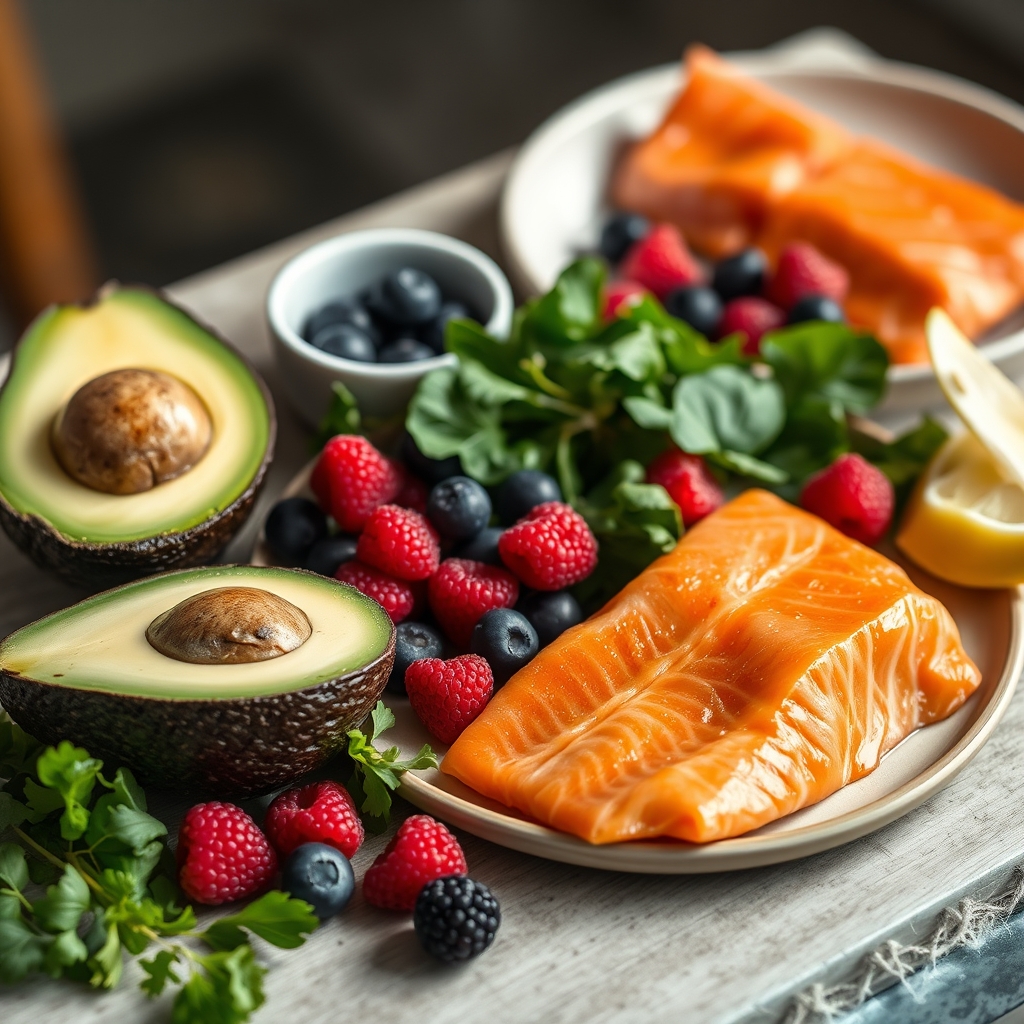
A well-balanced, nutrient-rich diet is crucial for overall health, including hair health. While a perfect diet won't stop hormonal hair loss, it can ensure your hair follicles have the building blocks they need for recovery and regrowth. Focus on:
Protein: Hair is primarily made of protein. Include lean meats, poultry, fish, eggs, dairy, legumes, and nuts in your diet.
Iron: Essential for oxygen transport to hair follicles. Good sources include red meat, fortified cereals, spinach, and lentils. Pair with Vitamin C to enhance absorption.
Omega-3 Fatty Acids: Found in fatty fish (salmon, mackerel), flaxseeds, chia seeds, and walnuts, these support scalp health and hair strength.
B Vitamins (especially Biotin): Important for cell growth. Found in eggs, nuts, whole grains, and leafy greens.
Vitamin C: An antioxidant that helps produce collagen and absorb iron. Citrus fruits, berries, and bell peppers are excellent sources.
Vitamin D: Plays a role in hair follicle cycling. Sunlight exposure and fortified foods like milk and cereals are sources.
Zinc: Supports hair tissue growth and repair. Found in meat, shellfish, legumes, and seeds.
Aim for a diverse diet rich in whole foods. Consult your doctor or a registered dietitian if you have concerns about specific deficiencies, especially if you're breastfeeding.
Gentle Hair Care Practices
While you can't stop the shedding, you can prevent additional hair loss due to breakage or damage. Treat your hair with extra kindness during this sensitive period:
Minimize Heat Styling: Reduce the use of blow dryers, straighteners, and curling irons, which can weaken hair strands. If you must use them, use a heat protectant.
Avoid Tight Hairstyles: Ponytails, braids, or buns that pull tightly on your hair can cause traction alopecia (hair loss from pulling). Opt for looser styles.
Gentle Brushing: Use a wide-tooth comb or a soft-bristle brush. Detangle gently, starting from the ends and working your way up. Don't brush wet hair vigorously, as it's most vulnerable to breakage.
Mild Shampoos and Conditioners: Choose products designed for sensitive scalps or volumizing formulas that won't weigh down your hair. Avoid harsh chemicals like sulfates and parabens if possible.
Limit Chemical Treatments: Delay coloring, perming, or relaxing your hair until the shedding has subsided and your hair has recovered its strength.
Pat Dry, Don't Rub: After washing, gently pat your hair dry with a soft towel instead of rubbing vigorously.
By being kind to your hair, you're giving it the best chance to recover and minimize any additional stress during this temporary phase.
What are the best ways to manage postpartum hair loss and promote regrowth?
While you can't stop the natural hormonal process of postpartum hair loss, you can absolutely take proactive steps to manage the shedding, minimize its appearance, and create the best possible environment for healthy regrowth. This involves a combination of gentle hair care, nutritional support, and lifestyle adjustments.
Daily Hair Care Routine for Postpartum Hair
Your goal during this period is to minimize stress on your hair and scalp. Think gentle, nourishing, and protective.
Wash Gently: Use a mild, sulfate-free shampoo. Focus on cleansing the scalp without aggressively scrubbing your hair strands. Consider a volumizing shampoo and conditioner to give the appearance of fuller hair. Wash your hair every 2-3 days, or as needed, rather than daily, to avoid over-stripping natural oils.
Condition Thoroughly: Apply conditioner mainly to the mid-lengths and ends of your hair to keep it moisturized and prevent tangles. Rinse thoroughly.
Detangle with Care: After washing, gently towel-dry your hair by patting, not rubbing. Use a wide-tooth comb to detangle, starting from the ends and slowly working your way up to the roots. Avoid pulling or tugging.
Air Dry When Possible: Minimize heat styling (blow dryers, straighteners, curling irons). If you must use heat, apply a heat protectant spray and use the lowest effective temperature setting.
Loosen Up Your Hairstyles: Tight ponytails, buns, or braids can pull on your hair follicles and exacerbate shedding or cause breakage. Opt for loose styles, soft scrunchies, or clip-based updos. Consider wearing your hair down more often.
Avoid Harsh Chemical Treatments: This isn't the time for aggressive coloring, perms, or chemical straightening. These can further weaken already vulnerable hair.
Scalp Massage: Gently massaging your scalp daily can help stimulate blood circulation to the hair follicles, which may promote growth. You can do this with your fingertips during shampooing or simply throughout the day.
Nutritional Support and Supplementation
A balanced diet rich in essential nutrients is your foundation. While supplements won't "stop" postpartum hair loss, they can ensure your body has what it needs to support healthy hair regrowth. Always discuss any supplements with your doctor, especially if you are breastfeeding.
Nutrient/Supplement
Typical Role in Hair Health
Food Sources
Considerations (Discuss with Doctor)
Iron
Essential for oxygen delivery to follicles, prevents anemia.
Red meat, spinach, lentils, fortified cereals.
Check levels, especially if fatigued. May need prescription.
Vitamin D
Plays a role in hair follicle cycling and growth.
Fatty fish, fortified milk/cereals, sunlight.
Common deficiency; often recommended postpartum.
Biotin (Vitamin B7)
Supports keratin infrastructure, hair growth.
Eggs, nuts, seeds, sweet potatoes.
High doses can interfere with lab tests. Evidence for hair loss is mixed unless deficient.
Omega-3 Fatty Acids
Reduces inflammation, supports scalp health.
Salmon, flaxseeds, chia seeds, walnuts.
Important for overall health; often safe for breastfeeding.
Zinc
Supports hair tissue growth and repair.
Meat, shellfish, legumes, seeds.
Deficiency can cause hair loss; excessive intake can be harmful.
Collagen
Provides amino acids for keratin production, strengthens hair.
Bone broth, collagen peptides (supplements).
Generally safe; discuss if breastfeeding.
Multivitamin (Postnatal)
Ensures broad nutritional support.
Comprehensive blend of vitamins and minerals.
Continue your prenatal or switch to a postnatal.
Remember, "vitamins for postpartum hair loss" are most effective when addressing an actual deficiency. A balanced diet and continued use of your postnatal vitamin are often sufficient.
Styling Tips to Minimize the Appearance of Thinning
While your hair is recovering, clever styling can help it look fuller and healthier.
Volumizing Products: Mousse, root-lifting sprays, and dry shampoo can add body and texture, making hair appear thicker.
Strategic Parting: Experiment with different parts. A zig-zag part or a side part can make thinning less obvious than a straight middle part.
Shorter Haircuts: A shorter cut can make hair look fuller and healthier by removing damaged ends and reducing the weight that can drag hair down. It also makes shedding less noticeable.
Coloring Techniques: Highlights or lowlights can add dimension and create the illusion of thickness. Consult a stylist experienced with postpartum hair.
Mind-Body Approaches
Managing stress and embracing self-care can indirectly support your body's recovery, including hair health. This includes adequate sleep (as much as possible!), hydration, and gentle movement. Remember, this phase is temporary, and focusing on overall well-being is beneficial for both your mental health and your physical recovery.
Does breastfeeding impact the timing or severity of postpartum hair loss?
This is a common question, and it's a natural concern for new mothers. Many believe that breastfeeding directly causes or worsens postpartum hair loss, but the current scientific understanding suggests a more nuanced relationship. While breastfeeding involves unique hormonal profiles, the primary driver of postpartum hair loss remains the significant drop in estrogen after birth, regardless of feeding method.
The Hormonal Connection: Prolactin and Estrogen
When you breastfeed, your body produces high levels of the hormone prolactin, which is essential for milk production. Prolactin can suppress the return of your menstrual cycle and, in some women, may contribute to keeping estrogen levels slightly lower than in non-breastfeeding mothers. Because of this, some theories suggest that lower estrogen levels during breastfeeding *could* potentially prolong the telogen (resting) phase for a bit longer, or delay the full recovery of hair growth.
However, the initial, dramatic drop in estrogen that triggers the widespread telogen effluvium happens immediately after your baby is born, whether you choose to breastfeed or not. This is the main event that kicks off the shedding process around 2-4 months postpartum. The subtle hormonal differences later on, due to breastfeeding, are not believed to be the primary cause of the initial, significant shedding.
Breastfeeding and Hair Loss: What the Evidence Says
Most research and clinical observations indicate that there is no strong, direct causal link between breastfeeding and the *onset* or *severity* of postpartum hair loss. The large-scale shedding happens to both breastfeeding and formula-feeding mothers with similar timing and intensity. The American Academy of Dermatology (AAD) and other health organizations generally state that breastfeeding does not cause postpartum hair loss.
If there's any perceived difference, it might be related to the duration of recovery rather than the initial shedding. For some breastfeeding mothers, especially those who breastfeed exclusively for an extended period, their hormones might take a little longer to fully rebalance, potentially prolonging the period until their hair feels completely back to normal. However, this is usually a subtle effect and not the cause of the initial alarming shedding.
It's also important to consider other factors that are often present with breastfeeding, such as increased nutritional demands on the mother's body, more intense sleep deprivation, and higher stress levels. These factors, rather than breastfeeding itself, could potentially contribute to overall hair health and perceived hair loss. For example, if a breastfeeding mother is not meeting her increased nutritional needs, this could impact hair growth.
Reassurance for Breastfeeding Parents
If you are breastfeeding and experiencing hair loss, please know that it is almost certainly due to the normal postpartum hormonal shifts and not a direct consequence of breastfeeding. Do not let concerns about hair loss influence your decision to breastfeed, if that is what you choose to do. The benefits of breastfeeding for both mother and baby are well-established, and postpartum hair loss is a temporary condition that will resolve.
Focus on maintaining a nutrient-rich diet, staying hydrated, getting as much rest as possible, and managing stress. These practices will support both your milk supply and your overall health, including the health of your hair. If you have concerns about nutritional deficiencies while breastfeeding, speak with your healthcare provider or a registered dietitian.
Myth vs. Fact
There are many myths swirling around postpartum hair loss, often adding to a new mother's anxiety. Let's clear up some common misconceptions.
Myth: Breastfeeding causes postpartum hair loss.
Fact: While breastfeeding involves hormonal changes, the primary cause of postpartum hair loss is the dramatic drop in estrogen that occurs after childbirth, regardless of whether you breastfeed or formula-feed. Both breastfeeding and non-breastfeeding mothers experience postpartum hair loss with similar timing and intensity. The hormonal shifts related to milk production are not the main driver of the significant shedding.
Myth: If you lose a lot of hair postpartum, it means you're deficient in nutrients.
Fact: Postpartum hair loss (telogen effluvium) is a normal physiological response to hormonal changes and happens to well-nourished women. While severe nutritional deficiencies (like iron deficiency anemia or extreme calorie restriction) can *contribute* to hair loss or prolong it, they are not the primary cause of typical postpartum shedding. A healthy, balanced diet and postnatal vitamin are generally sufficient to support regrowth.
Myth: Cutting your hair short will stop postpartum hair loss or make it grow back thicker.
Fact: Cutting your hair has no impact on the physiological process of hair shedding from the root. Hair loss occurs at the follicle level, not at the ends of the hair shaft. A shorter haircut can, however, make your hair *appear* fuller and make the shed strands less noticeable, as shorter hairs are less dramatic when they fall out. It can also make your hair easier to manage during this phase.
Key Takeaways
Postpartum hair loss, known as telogen effluvium, is a normal and temporary condition affecting many new mothers.
It typically starts 2-4 months after giving birth, triggered by the sudden drop in estrogen levels.
Increased shedding usually lasts 3-6 months, with full hair regrowth taking 6-12 months, or up to 18 months.
Focus on gentle hair care, a nutrient-rich diet, stress management, and adequate rest to support hair health and regrowth.
Breastfeeding is not a direct cause of postpartum hair loss; the shedding occurs due to hormonal changes regardless of feeding method.
Consult your doctor if hair loss is prolonged (beyond 18 months), patchy, accompanied by scalp symptoms, or if you have other concerning symptoms.
A balanced diet rich in protein, vitamins, and minerals supports healthy hair regrowth.
Frequently Asked Questions
Is it normal to lose a lot of hair postpartum?
Yes, it is absolutely normal to lose a lot of hair postpartum. This phenomenon, called telogen effluvium, affects 40-50% of new mothers. It's a temporary response to the dramatic drop in estrogen levels after childbirth, causing a large number of hairs to enter the resting and shedding phases simultaneously. While it can be alarming, it's a natural part of your body's recovery and not a cause for alarm in most cases.
At what month does postpartum hair loss start?
Postpartum hair loss typically starts around 2 to 4 months after you give birth. This timing is consistent with the hair growth cycle, where hairs held in the growth phase by pregnancy hormones transition to a resting phase for about 2-4 months before being shed. So, if you're noticing significant shedding in your third or fourth month postpartum, it's very likely this normal process.
How long after birth does hair loss stop?
The heaviest period of increased hair shedding usually lasts for about 3 to 6 months. For most women, hair loss will start to taper off and decrease by 6 to 9 months postpartum. Your hair's density and normal shedding pattern typically return by your baby's first birthday, though some women may take up to 18 months for full recovery and regrowth.
What helps with postpartum hair loss naturally?
While you can't stop the hormonal process, you can support your hair's health naturally. Focus on a nutrient-rich diet with plenty of protein, iron, and B vitamins. Practice gentle hair care: avoid tight hairstyles, minimize heat styling, and use a wide-tooth comb to detangle. Managing stress, staying hydrated, and getting adequate rest also contribute to overall well-being and can support healthy hair regrowth.
Can stress cause postpartum hair loss?
Yes, chronic stress can definitely contribute to or worsen hair loss, including during the postpartum period. While the primary cause of postpartum hair loss is hormonal, high stress levels can trigger their own form of telogen effluvium, potentially prolonging or intensifying the shedding you're already experiencing. Finding ways to manage stress, even in small ways, is beneficial for both your mental health and your hair.
Does postpartum hair loss grow back thicker?
For most women, hair returns to its pre-pregnancy thickness and normal density. It doesn't typically grow back "thicker" than it was before pregnancy, but it will regain its previous fullness as the new hairs grow in and the shedding normalizes. The temporary thinning will resolve, and your hair cycle will reset to its usual pattern over time.
When to see a doctor / specialist
While postpartum hair loss is a normal and temporary experience for most women, there are situations where it's important to consult a healthcare professional. If you experience any of the following, please reach out to your OB/GYN or a dermatologist:
Prolonged Shedding: If you are still experiencing significant, heavy hair loss beyond 12-18 months postpartum.
Patchy Hair Loss: If you develop distinct bald spots or circular patches of hair loss, rather than diffuse thinning.
Scalp Symptoms: If your hair loss is accompanied by itching, redness, pain, burning, flaking, or sores on your scalp.
Other Concerning Symptoms: If you have other symptoms like extreme fatigue, unexplained weight changes, intolerance to heat or cold, or persistent mood changes, as these could indicate an underlying condition like a thyroid disorder or iron deficiency.
No Signs of Regrowth: If you are well past the peak shedding phase (e.g., 9-12 months postpartum) and observe no new hair growth.
Your doctor can help rule out other causes of hair loss, such as thyroid conditions, nutritional deficiencies, or other dermatological issues, and recommend appropriate treatment if needed. This article is for informational purposes only and is not a substitute for professional medical advice, diagnosis, or treatment. Always seek the advice of your physician or other qualified health provider with any questions you may have regarding a medical condition.
American College of Obstetricians and Gynecologists (ACOG). "Postpartum Care: ACOG Clinical Practice Guideline No. 3." (General guidance on postpartum recovery)
National Institutes of Health (NIH). "Hair Follicle Dermal Papilla Cells: Roles in Hair Cycling and Regeneration." (General information on hair cycle, not specific to postpartum, but relevant for understanding.)
Not sure about the label on Postpartum Hair Loss When Does It Start products?
Snap the ingredients list and SafeFilter checks every ingredient for your stage — only 3 free scans this month, then you're locked until reset. Unlimited from $7/mo or lock $50/yr through Aug 31 (16 days left).
When Shubhra Mishra was expecting her first child in 2016, she was overwhelmed by conflicting food advice — one site said yes, another said never. By the time her second baby arrived in 2019, she realized millions of mothers face the same confusion.
That sparked a five-year journey through clinical nutrition papers, cultural diets, and expert conversations — all leading to BumpBites: a calm, compassionate space where science meets everyday motherhood.
Her long-term vision is to build a global community ensuring safe, supported, and free deliveriesfor every mother — because no woman should face pregnancy alone or uninformed. 🌿
🌍 Stand with mothers, shape safer guidance
Join a small circle of experts who review BumpBites articles so expecting parents everywhere can decide with confidence.