Quick take: At 1 year postpartum, most bodies still show gentle changes—soft belly, stretch‑mark texture, and shifting hormones. A balanced mix of gentle core work, steady nutrition, and realistic weight‑loss goals can help you feel confident without extreme dieting. If you notice persistent pain, sudden swelling, or trouble breathing, reach out to your provider now.
When you’re standing in the kitchen at 3 a.m. with a half‑finished bottle and a diaper stack that feels endless, you might wonder, “Will my body ever look like it did before pregnancy?” You’re not alone. Many moms reach the one‑year mark feeling a mix of pride, fatigue, and curiosity about their changing shape. This guide is 1 year postpartum body honest—no myth, just clear, evidence‑based answers to the questions you’re actually asking.
We’ll walk through what to expect physically, how to safely lose belly fat, core‑strengthening workouts, a nutrition plan that fuels recovery, hormonal shifts, skin‑care for stretch marks, mental‑health tips, pelvic‑floor recovery, and realistic timelines for weight loss. Along the way you’ll find practical checklists, a comparison table of treatment options, natural‑remedy suggestions, and red‑flag signs that merit a call to your doctor.
Ready to feel informed and empowered? Let’s dive into the honest truth about your 1 year postpartum body.
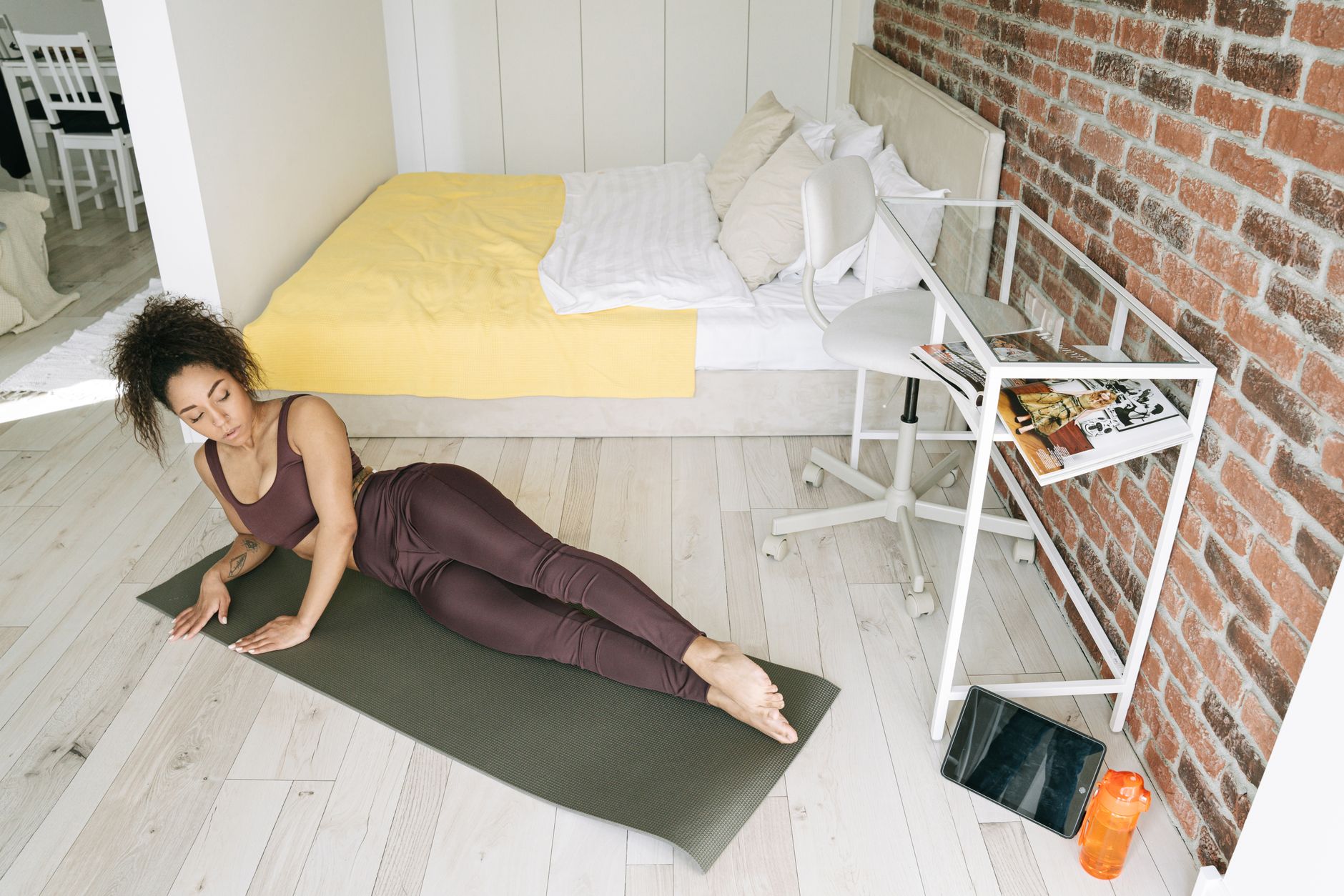
What does a 1 year postpartum body look like after pregnancy?
At the one‑year mark, most women have moved past the immediate postpartum swelling, but subtle changes linger. The uterus has returned to its pre‑pregnancy size, yet the abdominal wall may still show a soft “post‑baby belly.” This is often due to diastasis recti—separation of the rectus abdominis muscles—that can persist if core work was limited during the first few months.
Skin tone can vary: stretch marks may have faded to a pink or silvery hue, and the “mask of pregnancy” (melasma) may linger, especially if you have a higher melanin level. Hair loss, known as telogen effluvium, often peaks around 4–6 months postpartum and usually resolves by a year, though some women notice a slightly thinner crown.
Weight‑wise, the average mother retains about 5–10 lb (2.3–4.5 kg) beyond her pre‑pregnancy weight at one year. This includes the weight of breast tissue, increased blood volume, and a modest amount of added body fat that serves as an energy reserve for future pregnancies or breastfeeding.
Overall, a 1 year postpartum body honest picture is one of gradual, ongoing remodeling rather than a sudden return to the pre‑pregnancy silhouette.
How to lose belly fat one year after giving birth
Losing belly fat after a year is less about rapid calorie cutting and more about sustainable habits. Here are three evidence‑based steps that respect your body’s recovery timeline:
- Create a modest calorie deficit. The American Dietetic Association recommends a 250–500 kcal daily deficit for gradual weight loss, which preserves milk supply if you’re still breastfeeding.
- Prioritize protein. Aim for 1.1–1.3 g per kilogram of body weight daily to support muscle repair and keep you satiated.
- Incorporate daily movement. Even a 20‑minute walk after the baby’s nap can boost metabolism and improve insulin sensitivity.
It’s also vital to address diastasis recti before targeting “belly fat.” Core‑strengthening exercises that focus on deep abdominal activation—such as pelvic tilts, heel slides, and modified planks—help tighten the midsection without exacerbating the separation.
Remember, genetics and hormonal fluctuations (especially estrogen and cortisol) influence where fat is stored. Patience and consistency trump any “quick‑fix” diet.
Exercises for 1 year postpartum moms to regain core strength
Safe core work after 12 months builds on the foundation laid in the first six months. Below is a progressive routine you can do three times a week, each session lasting 20‑30 minutes. Begin with a brief warm‑up (e.g., marching in place) and finish with gentle stretching.
- Dead Bug (3 sets × 10 reps each side) – Lie on your back, arms toward the ceiling, knees bent 90°. Slowly lower opposite arm and leg, keeping the lower back pressed into the floor.
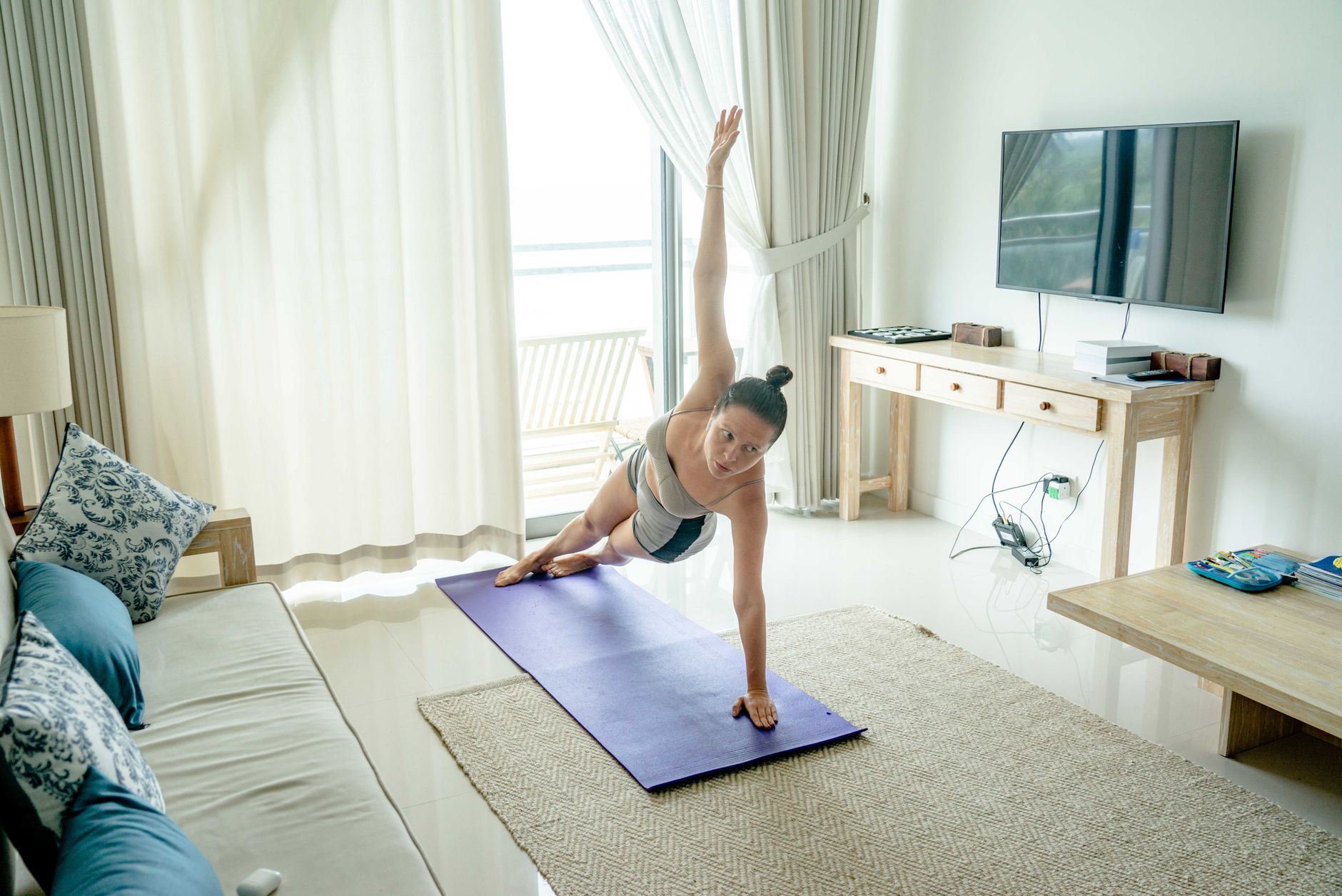
- Modified Side Plank (2 sets × 20‑second hold each side) – Support your weight on your forearm and knees, engaging the obliques without overloading the spine.
- Standing Pelvic Tilts (3 sets × 12 reps) – Stand tall, gently tuck the pelvis under, and release, feeling the deep abdominal muscles engage.
- Hip Bridge (3 sets × 15 reps) – Lie on your back, knees bent, lift hips toward the ceiling, squeezing glutes at the top.
- Bird‑Dog (2 sets × 10 reps each side) – From a hands‑and‑knees position, extend opposite arm and leg, keeping the core stable.
Progression: once these become easy, add a light ankle weight (1–2 lb) or transition to full planks. Avoid traditional crunches or heavy weighted sit‑ups until you’ve confirmed your diastasis has closed or is minimal (a qualified pelvic‑floor therapist can assess).
Nutrition plan for a 1 year postpartum body transformation
Nutrition at this stage should support continued recovery, lactation (if applicable), and a gentle weight‑loss goal. Below is a flexible 7‑day template that you can adjust based on personal preferences, dietary restrictions, and cultural foods.
Key nutrition principles:
- Hydration. Aim for 2.7 L (≈ 11 cups) of water daily; more if breastfeeding.
- Fiber. Include at least 25 g per day to support digestion and satiety.
- Healthy fats. Omega‑3s from fatty fish, flaxseed, or walnuts aid brain recovery and may reduce postpartum depression risk (American Psychological Association).
- Limit added sugars. The American Heart Association advises no more than 6 tsp for women.
Common hormonal changes at 1 year postpartum and their effects on weight
Even a year after delivery, hormones continue to evolve. The biggest players are:
- Estrogen. Levels gradually rise if you’ve weaned, but remain lower than pre‑pregnancy, which can affect fat distribution—often maintaining a slight gynoid (hip‑and‑thigh) pattern.
- Progesterone. Drops after delivery and stays low, reducing any lingering “water retention” feeling.
- Prolactin. Remains elevated while breastfeeding, suppressing ovulation and slightly increasing appetite.
- Cortisol. Chronic sleep disruption can keep cortisol higher, encouraging abdominal fat storage.
- Thyroid‑binding globulin (TBG). May be elevated if you’re still nursing, potentially leading to mild hypothyroid‑like symptoms that slow metabolism.
These hormonal nuances mean that weight loss may be slower than in non‑postpartum individuals. A study from the Endocrine Society notes that women who breastfeed for longer than six months often experience a modest 0.5–1 kg slower weight loss, but also benefit from improved insulin sensitivity.
How to manage stretch marks and skin changes one year after delivery
Stretch marks (striae) are a common concern. While they rarely disappear completely, their appearance can improve with consistent skin care.
Topical options with evidence
- Centella asiatica (Gotu Kola) creams. A 2022 randomized trial in the Journal of Cosmetic Dermatology found a 30 % reduction in stretch‑mark redness after 12 weeks of twice‑daily use.
- Retinoid creams. Prescription‑strength tretinoin can promote collagen remodeling, but should be avoided while breastfeeding.
- Hyaluronic acid serums. Provide hydration and may improve elasticity, though evidence is modest.
Procedural treatments
Laser therapy (fractional CO₂) and micro‑needling are options for persistent marks. The American Academy of Dermatology recommends a series of 3–4 sessions spaced 4–6 weeks apart for noticeable improvement.
Everyday habits
- Apply a moisturizer within 3 minutes of showering to lock in moisture.
- Stay hydrated—skin cells need water to maintain elasticity.
- Massage gently with circular motions to stimulate circulation.
Mental health tips for new moms at the 1 year postpartum milestone
Reaching the one‑year point often feels like a paradox: you’ve survived the “baby blues,” yet new pressures emerge—returning to work, caring for a toddler, and navigating identity shifts.
- Validate your feelings. Many mothers report “post‑partum fatigue” lingering past 12 months; acknowledging it reduces guilt.
- Schedule “mental‑health minutes.” A 5‑minute mindfulness practice (e.g., box breathing: inhale 4 sec, hold 4 sec, exhale 4 sec, hold 4 sec) can lower cortisol, as shown by the National Center for Complementary and Integrative Health.
- Connect with a support circle. Peer groups, either in‑person or virtual, have been linked to lower rates of postpartum depression (APA, 2021).
- Seek professional help if needed. Persistent sadness, anxiety, or intrusive thoughts lasting more than two weeks merit a conversation with a therapist or your OB‑GYN.
Postpartum pelvic floor recovery exercises after 12 months
The pelvic floor often regains strength within the first six months, but many women benefit from continued practice at the one‑year mark.
Key exercises
- Kegels. Perform 3 sets of 10 slow contractions, holding each for 5 seconds, focusing on lifting the pelvic floor without bearing down.
- Bridge with pelvic floor activation. While lifting hips, engage the floor muscles for an added 5‑second hold.
- Standing side‑leg lifts. Keep the floor muscles engaged to prevent compensation from the glutes.
Progression: After two weeks of comfortable practice, add a light resistance band around the thighs to engage the inner thighs while maintaining pelvic floor activation.
Timeline of body changes from birth to 1 year postpartum
Understanding the typical progression helps set realistic expectations and reduces anxiety.
Myth vs. fact
Myth: “If I’m still round at 1 year, I’ve failed.”
Fact: Most bodies retain some pregnancy‑related changes; genetics, breastfeeding, and lifestyle all influence the timeline.
Myth: “You must stop breastfeeding to lose weight quickly.”
Fact: Breastfeeding burns ~300 kcal per day, but a modest calorie deficit combined with continued lactation is safe and sustainable.
Myth: “Crunches will erase a postpartum belly.”
Fact: Traditional crunches can worsen diastasis recti; progressive core activation is the safer route.
Key takeaways
- At 1 year postpartum, a soft belly, residual stretch marks, and modest weight retention are normal.
- Aim for a gentle calorie deficit (250–500 kcal) paired with high‑quality protein and regular movement.
- Core strengthening should focus on deep‑muscle activation, avoiding traditional crunches until diastasis resolves.
- Hormonal shifts—especially estrogen, prolactin, and cortisol—affect where fat is stored and how quickly you lose it.
- Moisturizing with centella asiatica or hyaluronic acid, plus optional laser therapy, can improve stretch‑mark appearance.
- Prioritize mental health: mindfulness, support groups, and professional help when needed.
- Continue pelvic‑floor exercises; they support bladder control and core stability.
Frequently asked questions
Is it normal to still have a postpartum belly after one year?
Yes. Many women retain a slight abdominal protrusion due to lingering diastasis recti or natural fat storage. A gentle core program and realistic weight‑loss goals can gradually improve tone without drastic measures.
Can I lose the baby weight at 12 months postpartum without dieting?
While “dieting” isn’t required, creating a modest calorie deficit through mindful eating and increased activity is the most evidence‑based way to shed pounds. Small changes—like swapping sugary drinks for water and adding a daily walk—often add up.
What are the best core exercises for a 1 year postpartum mom?
Dead Bug, Modified Side Plank, Standing Pelvic Tilts, Hip Bridge, and Bird‑Dog are all safe, effective moves that target deep abdominal muscles while protecting the spine and supporting pelvic‑floor health.
How long does it take for stretch marks to fade after pregnancy?
Stretch‑mark fading varies; most women notice improvement within 6–12 months. Consistent use of proven topical agents (centella asiatica, retinoids) and professional treatments can accelerate the process.
Do hormonal changes still affect weight loss after a year postpartum?
Yes. Estrogen, prolactin, and cortisol continue to influence fat distribution and metabolism. Patience is key—your body may respond more slowly than non‑postpartum peers.
When can I start high‑intensity workouts after giving birth?
If your 12‑week postpartum check‑up shows good healing, no diastasis recti, and you’ve rebuilt basic core stability, you can gradually introduce HIIT. Start with low‑impact intervals and monitor how your body feels.
When to see a doctor or specialist at the 1‑year postpartum mark
If you experience any of the following, contact your healthcare provider promptly:
- Sudden, severe abdominal pain or swelling.
- Persistent low‑grade fever (> 100.4°F) lasting more than 24 hours.
- Incontinence that worsens or does not improve with pelvic‑floor exercises.
- Unexplained weight gain of > 10 lb in a short period.
- Depressive symptoms lasting more than two weeks, thoughts of self‑harm, or inability to care for yourself or your baby.
- Breast changes such as hard lumps, redness, or flu‑like symptoms (possible mastitis).
Depending on the symptom, you may be referred to an OB‑GYN, endocrinologist, pelvic‑floor physical therapist, or mental‑health professional. This article is for informational purposes only and does not replace personalized medical advice.
References
- American College of Obstetricians and Gynecologists (ACOG). “Postpartum Care.” Updated 2022.
- Academy of Nutrition and Dietetics. “Nutrition Recommendations for Breastfeeding Mothers.” 2021.
- American Psychological Association (APA). “Postpartum Depression and Anxiety.” 2021.
- Endocrine Society. “Hormonal Changes During the Postpartum Period.” Clinical Practice Guideline, 2020.
- American Academy of Dermatology (AAD). “Management of Striae (Stretch Marks).” 2022.
- Journal of Cosmetic Dermatology. “Centella asiatica Cream for Stretch‑Mark Improvement.” 2022; 21(5):123‑130.
- National Center for Complementary and Integrative Health. “Mindfulness Meditation.” 2023.
- American Heart Association (AHA). “Dietary Recommendations for Women.” 2022.
- World Health Organization (WHO). “Postpartum Care Guidelines.” 2020.



