That lingering “pooch” is one of the most common concerns at 6 months postpartum—and one of the most misunderstood. Here’s why it might still be there:
1. Diastasis Recti (Abdominal Separation)
During pregnancy, the connective tissue (linea alba) between your abdominal muscles stretches to make room for your growing baby. For about 60% of women, this separation doesn’t fully close on its own. At 6 months postpartum, if you still have a gap wider than 2 finger-widths when you do a diastasis check, it’s likely contributing to your belly’s shape. (More on how to check and manage this below.)
2. Loose Skin and Stretched Tissue
Your skin and underlying tissues stretched over 9 months—it’s unrealistic to expect them to bounce back in 6. Collagen and elastin fibers take time to rebuild, and for some women, the skin may never fully tighten. Factors like genetics, age, and whether you carried multiples play a role here.
3. Postpartum Weight Distribution
Even if you’ve lost most of your pregnancy weight, your body may hold onto fat differently now. Hormonal shifts (especially lower estrogen) can cause fat to redistribute to the abdomen, hips, and thighs. This is a survival mechanism—your body is prioritizing energy stores for breastfeeding and recovery.
4. Pelvic Organ Position
Your uterus, bladder, and intestines shift during pregnancy, and they don’t always return to their exact pre-pregnancy positions. A slight forward tilt of the uterus or a fuller bladder can create the appearance of a “bump,” even if your abdominal muscles are intact.
Real talk: For many women, the postpartum belly isn’t about “fat” or “being out of shape”—it’s about the structural and hormonal changes that pregnancy leaves behind. Think of it less like a “baby weight” problem and more like a healing process.
6 Months Postpartum and Still Gaining Weight: What’s Happening?
You expected to lose weight after giving birth, not gain it. But if the scale’s creeping up at 6 months postpartum, you’re not imagining things—and you’re not alone. Here’s what might be going on:
The Role of Hormones
- Prolactin (the breastfeeding hormone): Prolactin increases appetite and can cause your body to hold onto fat, especially around the abdomen. It also suppresses estrogen, which can slow metabolism.
- Thyroid changes: Postpartum thyroiditis (inflammation of the thyroid) affects up to 10% of women in the first year postpartum. It can cause temporary weight gain, fatigue, and hair loss. (More on when to get this checked below.)
- Cortisol (the stress hormone): Sleep deprivation and the mental load of motherhood keep cortisol levels elevated, which can lead to weight retention, especially around the midsection.
Lifestyle Shifts
- Less movement, more sitting: Between feedings, baby-wearing, and Netflix marathons during naps, many moms move less than they did pre-pregnancy—even if they’re not consciously “exercising less.”
- Diet changes: Quick meals, skipped breakfasts, and emotional eating (because chocolate is a food group now) can add up. Breastfeeding moms also need 300–500 extra calories per day, but it’s easy to overestimate how much you’re burning.
- Sleep deprivation: Poor sleep disrupts hunger hormones (ghrelin and leptin), making you crave high-carb, high-sugar foods. It also slows metabolism and increases fat storage.
When Weight Gain Might Signal Something More
While some weight fluctuation is normal, sudden or excessive gain (especially with other symptoms) could point to:
- Postpartum thyroiditis: Weight gain + fatigue + hair loss + feeling cold. A simple blood test can diagnose it.
- Postpartum depression or anxiety: Emotional eating, lack of motivation to move, and changes in appetite can contribute to weight gain. (This isn’t a personal failing—it’s a medical condition that needs support.)
- Insulin resistance: If you had gestational diabetes, you’re at higher risk for insulin resistance postpartum, which can make weight loss harder.
What to do: Instead of focusing on the scale, track non-scale victories: energy levels, how your clothes fit, and how you feel. If weight gain is paired with other concerning symptoms (like extreme fatigue or hair loss), talk to your provider.
How Long Does It Take for Your Hips to Go Back to Normal After Pregnancy?
“Will my hips ever fit into my pre-pregnancy jeans again?” It’s a question that pops up in mom groups everywhere. The short answer: maybe, but not on the timeline you expect. Here’s what’s really going on with your hips at 6 months postpartum:
The Role of Relaxin
During pregnancy, your body releases relaxin, a hormone that loosens ligaments and joints to make room for your growing baby. Relaxin levels peak in the third trimester but can stay elevated for up to a year postpartum. This means:
- Your hips may feel “wider” because the ligaments around your pelvis are still loose.
- Your gait (how you walk) might feel different as your body adjusts to the new alignment.
- You might be more prone to joint pain or instability, especially in the hips, knees, and lower back.
Structural Changes
Pregnancy can permanently widen your pelvis. A 2016 study in the American Journal of Physical Anthropology found that women’s hips often remain 2–3% wider after childbirth. For most women, this isn’t noticeable in daily life, but it can affect how clothes fit.
Muscle and Fat Redistribution
Hormonal shifts can cause fat to deposit differently, often around the hips and thighs. This is your body’s way of storing energy reserves for breastfeeding and recovery. Even if you lose weight, the shape of your hips may change permanently.
When to Expect Changes
Pro tip: If your hips feel “off” or painful, a pelvic floor physical therapist can assess alignment and give you targeted exercises. Many women assume hip changes are just “part of the deal,” but PT can make a big difference.
Postpartum Hair Loss at 6 Months: When Will It Stop?
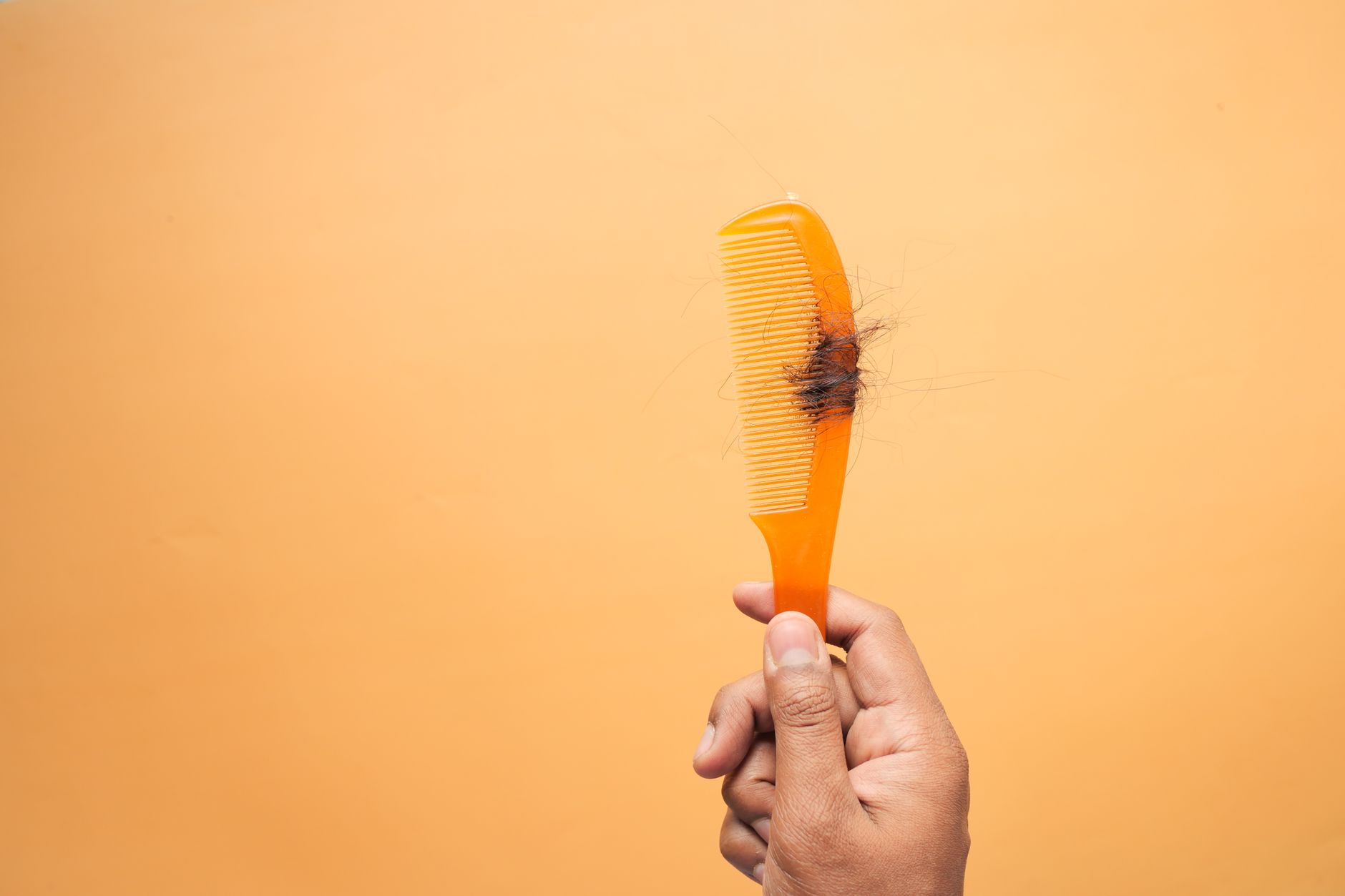
You’re brushing your hair and suddenly, clumps come out. Or you notice your ponytail is half the size it used to be. Postpartum hair loss is one of the most visually jarring changes—and it often peaks around 3–6 months postpartum. Here’s what’s happening and when you can expect it to slow down.
Why It Happens
During pregnancy, high estrogen levels keep your hair in the growth phase longer than usual. After giving birth, estrogen drops, and all that “extra” hair starts shedding at once. This is called telogen effluvium, and it’s completely normal.
When It Should Stop
For most women, hair loss slows down by 6–12 months postpartum. By your baby’s first birthday, your hair should be back to its pre-pregnancy thickness—or close to it. If you’re still losing significant amounts of hair after 12 months, it’s worth checking in with your provider to rule out:
- Thyroid issues (postpartum thyroiditis)
- Iron deficiency (common in postpartum women, especially if you had heavy bleeding during delivery)
- Nutritional deficiencies (like low protein or vitamin D)
What You Can Do
While you can’t stop the shedding, you can support your hair’s recovery:
- Be gentle: Avoid tight ponytails, heat styling, and harsh brushing. Use a wide-tooth comb on wet hair.
- Check your nutrients: Focus on iron-rich foods (red meat, lentils, spinach), protein (eggs, chicken, beans), and vitamins like biotin and zinc. A prenatal vitamin can help fill gaps.
- Manage stress: High cortisol can worsen hair loss. Even 5 minutes of deep breathing or a short walk can help.
- Try a new style: Shorter cuts or layers can make thinning hair look fuller. A good stylist can help you find a flattering cut for your current texture.
One mom shared: “I was convinced I was going bald at 6 months postpartum. My doctor checked my iron and thyroid, and everything was normal. By 9 months, the shedding slowed down, and by 12 months, my hair was back to normal. It felt like forever in the moment, but it did pass.”
Why Do I Still Have a Postpartum Belly Pooch 6 Months Later?
The postpartum pooch—the soft, rounded lower belly that persists long after the baby is born—is one of the most frustrating changes for many moms. At 6 months postpartum, it’s usually a mix of these factors:
1. Diastasis Recti (Abdominal Separation)
If your abdominal muscles haven’t fully closed, they can’t properly support your core. This creates a “doming” effect when you sit up or lift something heavy. To check for diastasis:
- Lie on your back with knees bent, feet flat.
- Place your fingers just above your belly button, pointing toward your feet.
- Lift your head slightly (like a mini crunch).
- Feel for a gap between your muscles. If it’s wider than 2 finger-widths, you likely have diastasis.
What to do: Avoid traditional crunches or sit-ups, which can worsen the separation. Instead, focus on core compression exercises (like heel slides and deep belly breathing) and see a pelvic floor physical therapist for personalized guidance.
2. Pelvic Floor Dysfunction
A weak or overactive pelvic floor can cause your lower belly to protrude. If you’re also experiencing incontinence, pelvic heaviness, or back pain, this could be a factor. Pelvic floor PT can help retrain these muscles.
3. Visceral Fat
Pregnancy can increase visceral fat (the fat around your organs), which sits deeper than subcutaneous fat and can make your belly look rounder. This type of fat is influenced by hormones, stress, and diet. Reducing it takes time and often requires a combination of strength training, stress management, and a balanced diet.
4. Posture Changes
Carrying a baby (in your arms or in a carrier) can shift your posture, causing your pelvis to tilt forward and your belly to protrude. Gentle postural exercises (like cat-cow stretches and glute bridges) can help realign your spine.
Realistic timeline: For most women, the pooch starts to soften between 6 and 12 months postpartum, but it may never fully disappear. If you had diastasis recti or a c-section, healing can take longer.
Can Breastfeeding Affect Your Body 6 Months Postpartum?
Breastfeeding is often framed as a “free weight-loss tool,” but the reality is more complicated. At 6 months postpartum, breastfeeding can influence your body in these ways:
1. Weight Retention or Loss
Breastfeeding burns 300–500 calories per day, but it also increases appetite and can cause your body to hold onto fat stores as a survival mechanism. Some women lose weight easily while breastfeeding, while others find it harder to shed pounds until they wean. There’s no “right” way—it depends on your metabolism, diet, and activity level.
2. Hormonal Effects
- Lower estrogen: Prolactin (the breastfeeding hormone) suppresses estrogen, which can lead to vaginal dryness, lower libido, and slower metabolism.
- Delayed return of your period: For some women, breastfeeding delays menstruation for months (or even a year). This can affect energy levels, mood, and weight distribution.
- Bone density changes: Breastfeeding temporarily reduces bone density, but it usually rebounds after weaning. Ensuring adequate calcium and vitamin D can support this process.
3. Breast Changes
Your breasts may stay larger while breastfeeding, but they can also lose volume and elasticity over time. Some women notice stretch marks, sagging, or asymmetry after weaning. Wearing a supportive bra and staying hydrated can help, but some changes are permanent.
4. Pelvic Floor and Core Recovery
Breastfeeding can delay the return of your period, which means your body may hold onto relaxin longer. This can affect pelvic floor recovery and make joints feel looser. Gentle strength training (with a focus on the core and glutes) can help counteract this.
Myth vs. Fact:
Myth: “Breastfeeding makes you lose weight automatically.”
Fact: While breastfeeding burns calories, it also increases appetite and can cause your body to retain fat. Some women lose weight easily, while others find it harder until they wean.
6 Months Postpartum and Still Experiencing Pelvic Floor Issues: What to Do
You pee a little when you sneeze. Sex feels different. Your lower back aches after standing for too long. If you’re still dealing with pelvic floor issues at 6 months postpartum, you’re not alone—1 in 3 women experience pelvic floor dysfunction after childbirth. Here’s how to address it:
Common Pelvic Floor Issues at 6 Months Postpartum
- Urinary incontinence: Leaking urine when you cough, laugh, or exercise.
- Pelvic organ prolapse: A feeling of heaviness or bulging in the vagina, like something is “falling out.”
- Painful sex: Discomfort or pain during intercourse, often due to tight or weak pelvic floor muscles.
- Lower back or hip pain: The pelvic floor is part of your core—weakness here can contribute to back and hip issues.
- Constipation or bowel leakage: Difficulty fully emptying your bowels or accidental leakage.
When to Seek Help
If you’re experiencing any of the above, it’s time to see a pelvic floor physical therapist (PFPT). Many women assume these issues are just “part of being a mom,” but they’re not something you have to live with. A PFPT can assess your pelvic floor strength, coordination, and alignment, and give you targeted exercises to address your specific concerns.
Exercises to Support Pelvic Floor Recovery
These exercises are generally safe for most women at 6 months postpartum, but check with your provider or PFPT first if you have prolapse or severe pain.
- Kegels (with a twist): Instead of just squeezing, focus on lifting your pelvic floor (imagine picking up a blueberry with your vagina). Hold for 3–5 seconds, then fully relax. Aim for 10 reps, 3 times per day.
- Deep belly breathing: Lie on your back with knees bent. Inhale deeply, letting your belly rise. Exhale and gently draw your belly button toward your spine, engaging your pelvic floor. Repeat for 5–10 breaths.
- Glute bridges: Lie on your back with knees bent, feet flat. Engage your glutes and lift your hips, keeping your core relaxed. Lower slowly. Do 10–12 reps.
- Heel slides: Lie on your back with knees bent. Slowly slide one heel away from your body, keeping your core engaged. Return to start. Alternate legs for 10 reps per side.
Lifestyle Adjustments
- Manage constipation: Straining can weaken your pelvic floor. Eat fiber-rich foods, stay hydrated, and try a foot stool (like the Squatty Potty) to ease bowel movements.
- Avoid high-impact exercise: Running, jumping, or heavy lifting can worsen pelvic floor issues. Opt for low-impact activities like walking, swimming, or yoga until you’ve rebuilt strength.
- Practice good posture: Stand tall with your ribs stacked over your hips. Avoid tucking your pelvis or arching your back.
Red flags: If you’re experiencing severe pain, a visible bulge in your vagina, or difficulty urinating or having bowel movements, seek medical attention immediately. These could signal a more serious issue like prolapse or nerve damage.
Myth vs. Fact: Postpartum Body Changes
Let’s clear up some of the most persistent myths about postpartum bodies:
Myth: “If you work hard enough, your body will go back to ‘normal.’”
Fact: Your body has been permanently changed by pregnancy and childbirth. “Normal” is a moving target—and that’s okay. Focus on strength, function, and how you feel, not on fitting into old clothes.
Myth: “Breastfeeding is a guaranteed way to lose weight.”
Fact: While breastfeeding burns calories, it also increases appetite and can cause your body to retain fat. Some women lose weight easily, while others find it harder until they wean.
Myth: “Postpartum hair loss means you’re going bald.”
Fact: Postpartum hair loss is temporary and usually peaks around 3–6 months. By your baby’s first birthday, your hair should be back to its pre-pregnancy thickness.
Myth: “If you still have a belly pooch at 6 months, you’re doing something wrong.”
Fact: A lingering pooch is often due to diastasis recti, pelvic floor dysfunction, or hormonal changes—not a lack of effort. Healing takes time, and some changes may be permanent.
Key Takeaways
- Your body is still healing at 6 months postpartum—changes are normal and expected.
- A lingering belly pooch is often due to diastasis recti, pelvic floor dysfunction, or hormonal shifts, not “baby weight.”
- Hips may feel wider due to relaxin and structural changes, but most women see improvement by 12 months.
- Postpartum hair loss usually slows down by 6–12 months; if it doesn’t, check for thyroid or nutrient deficiencies.
- Breastfeeding affects your body in complex ways, from weight retention to hormonal shifts.
- Pelvic floor issues are common but not something you have to live with—pelvic floor PT can help.
- Focus on strength, function, and how you feel, not on “bouncing back” to your pre-pregnancy body.
Frequently Asked Questions
How long does it take for your body to fully recover after pregnancy?
Full recovery varies, but most women see gradual improvement between 6 and 12 months postpartum. Some changes, like a wider pelvis or stretch marks, may be permanent. The American College of Obstetricians and Gynecologists (ACOG) notes that it can take up to a year (or longer) for your body to fully heal, especially if you had complications like diastasis recti or a c-section.
Will my postpartum belly ever go away?
For some women, yes—but for many, the belly may never look exactly like it did pre-pregnancy. Factors like diastasis recti, pelvic floor dysfunction, and hormonal changes can contribute to a lingering pooch. Focus on rebuilding core and pelvic floor strength, and give your body time to heal.
Why do I still look pregnant months after giving birth?
That “still pregnant” look is usually due to a combination of diastasis recti, loose skin, and visceral fat. Your uterus may have shrunk back to its pre-pregnancy size, but the surrounding tissues take longer to tighten. If you’re concerned, check for diastasis recti and consider seeing a pelvic floor physical therapist.
Is it normal to still have a soft belly 6 months postpartum?
Yes. A soft belly is common at 6 months postpartum due to lingering relaxin, tissue healing, and hormonal shifts. It doesn’t mean you’re “out of shape”—it means your body is still recovering. Strengthening your core and pelvic floor can help, but some softness may remain.
What are the most common postpartum body changes?
The most common changes include:
- A softer, rounder belly (due to diastasis recti, loose skin, or visceral fat)
- Wider hips (due to relaxin and structural changes)
- Postpartum hair loss (peaking around 3–6 months)
- Breast changes (larger or smaller, stretch marks, sagging)
- Pelvic floor issues (incontinence, prolapse, painful sex)
- Weight redistribution (more fat around the abdomen, hips, and thighs)
How can I speed up my postpartum recovery?
While you can’t rush healing, you can support your body with:
- Pelvic floor and core exercises: Gentle movements like deep belly breathing, heel slides, and glute bridges can help rebuild strength.
- Nutrient-dense foods: Focus on protein, iron, and fiber to support tissue repair and energy levels.
- Hydration: Aim for at least 8 cups of water per day, especially if you’re breastfeeding.
- Rest: Prioritize sleep and stress management—both play a huge role in recovery.
- Professional support: A pelvic floor PT or postpartum fitness specialist can give you personalized guidance.
When to See a Doctor or Specialist
While most postpartum body changes are normal, some warrant medical attention. Contact your provider if you experience:
- Severe or worsening pain in your abdomen, pelvis, or back.
- A visible bulge in your vagina (could signal pelvic organ prolapse).
- Heavy bleeding or foul-smelling discharge (could indicate infection or retained placental tissue).
- Extreme fatigue, hair loss, or feeling cold (could signal thyroid issues).
- Difficulty urinating or having bowel movements (could signal nerve damage or prolapse).
- Persistent sadness, anxiety, or mood swings (could indicate postpartum depression or anxiety).
For specific concerns, consider seeing a specialist:
- Pelvic floor physical therapist: For incontinence, prolapse, or pelvic pain.
- Endocrinologist: For thyroid issues or hormonal imbalances.
- Dermatologist: For persistent hair loss or skin changes.
- Postpartum fitness specialist: For safe exercise guidance after diastasis recti or c-section.
This article is for informational purposes only and is not a substitute for professional medical advice, diagnosis, or treatment. Always seek the advice of your physician or other qualified health provider with any questions you may have regarding a medical condition.
References
- American College of Obstetricians and Gynecologists (ACOG). (2021). Postpartum Care: What to Expect After a Vaginal Delivery.
- American Journal of Physical Anthropology. (2016). Permanent Changes in Pelvic Morphology Following Childbirth.
- The Menopause Society (NAMS). (2020). Hormonal Changes During the Postpartum Period.
- American Thyroid Association. (2021). Postpartum Thyroiditis.
- Mayo Clinic. (2022). Postpartum Hair Loss: Why It Happens and What to Do.
- Harvard T.H. Chan School of Public Health. (2021). Nutrition for Postpartum Recovery.
- Pelvic Obstetric and Gynaecological Physiotherapy (POGP). (2019). Postnatal Pelvic Floor Muscle Training.
- La Leche League International. (2022). Breastfeeding and Weight Loss.