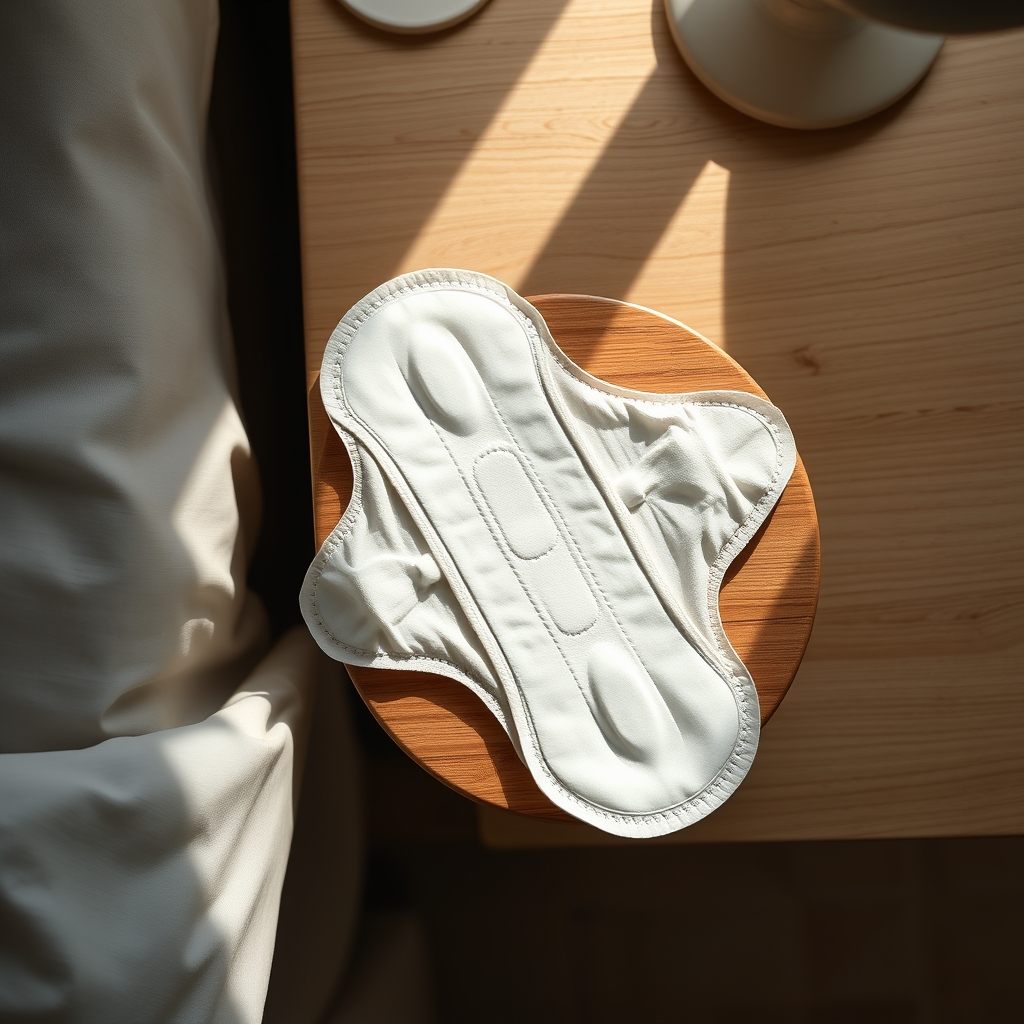
You should be concerned if postpartum bleeding is heavy, lasts more than two weeks, or is accompanied by clots, fever, or foul odor. Learn the warning signs and when to call your doctor.
By Shubhra Mishra — a mom of two who turned her own confusion during pregnancy into BumpBites, a global mission to make food choices clear, safe, and stress-free for every expecting mother. 💛
Check whether any food is safe during pregnancy with the BumpBites Food Safety Checker.
Quick take: Most postpartum bleeding (lochia) is normal and tapers off within four to six weeks, but soaking through a pad in an hour, passing large clots, feeling dizzy, or noticing a foul odor are warning signs that you should contact your provider right away. Trust your body, track what’s typical for you, and don’t hesitate to call for help if anything feels off.
It’s 2 a.m., you’ve just finished a bottle, and you glance at the pad you just changed. It’s soaked through, and a dark‑red spot stains the sheet. Your mind races: “Is this normal? Should I be worried?” You’re not alone—many new parents wake up with the same question. The good news is that a certain amount of bleeding after birth is expected, but there are clear red‑flag signs that signal a problem.
🔢 Calculate it for your situation: Use our Lochia Tracker for a personalized result in seconds.
In this guide we’ll break down exactly what “normal” looks like, how to spot excessive bleeding, why it happens, and what steps to take if you need urgent care. We’ll also compare vaginal and C‑section recovery, explain the difference between primary and secondary postpartum hemorrhage, and give you a handy checklist for the next time you’re reaching for a pad.
By the end of the article you’ll know how much bleeding is typical, when the clot size becomes concerning, and which symptoms demand an immediate call to your doctor or a trip to the emergency department. Let’s get you the peace of mind you deserve.
What is normal postpartum bleeding (lochia) and how long does it last?
After delivery, the uterus sheds the lining that supported your pregnancy. This discharge is called lochia and it changes color and consistency over the weeks that follow. Most guidelines, including those from the American College of Obstetricians and Gynecologists (ACOG) and the UK's National Health Service (NHS), describe three typical stages:
Lochia rubra (days 1–4): Bright red, similar to a heavy period, often with small clots the size of a pea. It may be a little sticky.
Lochia serosa (days 5–10): Pinkish‑brown, less intense, and the flow usually lessens.
Lochia alba (weeks 2–4): Milky or yellow‑white, indicating the uterus is healing.
Most women experience a gradual decline in volume. By two weeks, many are down to a light flow that may be comparable to a normal period, and by six weeks it’s usually negligible. However, the exact timeline varies—some women report light spotting for up to eight weeks, and that can still be within the normal range as long as other warning signs are absent.
It helps to have a visual reference. Below is a quick comparison of typical lochia versus signs that suggest something more serious.
Feature
Normal lochia
Potential problem
Color
Red → pink → white
Bright red after day 4, or foul‑smelling discharge
Amount
1–2 pads per hour on day 1, decreasing daily
Soaking a pad in under 1 hour after day 2
Clot size
Pea‑size, occasional
Clots larger than a golf ball or persistent
Duration
Up to 6 weeks, tapering
Heavy bleeding beyond 6 weeks
Associated symptoms
Mild cramping, normal uterine tenderness
Dizziness, rapid heartbeat, fever, severe pain
Remember that each body is unique. If you notice a pattern that feels “off,” it’s worth tracking—our Lochia Tracker lets you log pad changes, clot size, and any accompanying symptoms so you can see trends over time.
From a physiological perspective, the uterus contracts in waves, a process called involution. The stronger and more regular these contractions, the quicker the blood vessels close and the sooner lochia diminishes. Women who breastfeed often experience more robust uterine contractions because oxytocin released during nursing naturally tightens the uterine muscle. That’s why many new parents notice a slight dip in bleeding after the first few feeds.
Understanding these patterns can reduce anxiety: a slight increase in flow after a night of poor sleep is usually harmless, while a sudden spike after a week of light spotting may merit a call to your provider.
Tracking how much you’re bleeding each day can help you spot changes early.
Warning signs that bleeding may be excessive
Most
postpartum bleeding slows down on its own, but certain signs indicate that your body is losing blood faster than it should. These are the red flags that should prompt a call to your provider or a trip to the emergency department:
Rapid pad saturation: Changing a pad every 30–60 minutes, especially after day 2, suggests heavy bleeding.
Large clots: Anything bigger than a golf ball (≈ 2 cm) or persistent clots that keep appearing.
Foul odor: A sour or rotten smell can indicate infection rather than normal lochia.
Dizziness, light‑headedness, or fainting: These symptoms may signal anemia from blood loss.
Rapid heartbeat or low blood pressure: Feeling a thumping pulse or noticing you feel “weak” can be a sign of hemorrhage.
Severe cramping or abdominal pain: While mild cramping is normal, pain that’s sharp, constant, or worsening should be evaluated.
Fever ≥ 100.4 °F (38 °C): Fever combined with heavy bleeding can point to infection.
When any of these appear, especially together, treat it as an emergency. The phrase “postpartum hemorrhage” isn’t just medical jargon—it describes a serious, potentially life‑threatening condition that requires prompt treatment. ACOG notes that early recognition of these signs can reduce the need for blood transfusion and intensive care.
Even if you’re still on the road to recovery, keep a phone nearby and let a partner or friend know what to watch for; early help can make all the difference.
Primary vs. secondary postpartum hemorrhage: what’s the difference?
Postpartum hemorrhage (PPH) is divided into two categories based on timing:
Primary (or early) PPH: Blood loss exceeding 500 mL after a vaginal birth or 1000 mL after a C‑section, occurring within the first 24 hours. This is usually linked to uterine atony (the uterus not contracting enough), retained placental fragments, or lacerations.
Secondary (or late) PPH: Excessive bleeding that starts **between 24 hours and 12 weeks** postpartum. It’s less common—about 1 % of deliveries—but can be caused by infection, sub‑involution of the uterus (where the uterus fails to shrink), or retained tissue that was missed initially.
Both types can present with the same warning signs—soaking pads, large clots, dizziness—but the underlying cause often differs. Primary PPH is typically managed with uterine massage, medication, or, in severe cases, surgery. Secondary PPH may need antibiotics, a follow‑up ultrasound, or a minor surgical procedure to remove retained tissue.
Because the timing influences treatment, it’s useful to know which window you’re in. If you notice heavy bleeding after the first week, especially with fever or foul odor, contact your provider promptly; a secondary hemorrhage can develop quietly but still requires medical attention.
Common causes of abnormal postpartum bleeding
Understanding why bleeding can become excessive helps you discuss concerns with your provider. The most frequent culprits include:
Uterine atony
After birth, the uterus should contract firmly to close off the blood vessels that fed the placenta. If the muscle stays “floppy,” blood continues to seep out. Uterine atony is the leading cause of primary PPH and can be triggered by prolonged labor, over‑distention of the uterus (multiple babies, large baby, or excess amniotic fluid), or certain medications.
Retained placental tissue
Even a tiny fragment of placenta left inside the uterus can prevent it from sealing off blood vessels, leading to ongoing bleeding. This is a common reason for secondary PPH, often appearing a week or more after delivery.
Uterine infection (endometritis)
Infection after birth can cause the uterus to become inflamed and bleed more. Symptoms usually include fever, foul‑smelling lochia, and uterine tenderness. Endometritis is more common after C‑section, but it can occur after any type of birth.
Trauma to the birth canal
Vaginal tears, episiotomies, or cervical lacerations can bleed for several days. While most heal without issue, a deep tear or a poorly repaired episiotomy may cause persistent bleeding that needs re‑stitching.
Coagulation disorders
Underlying blood‑clotting problems—whether inherited (like von Willebrand disease) or acquired (like liver disease)—can make you bleed more than expected. If you have a known clotting disorder, your obstetric team will monitor you closely, but a new‑onset clotting issue can also appear postpartum.
Risk factors for these complications include high‑blood‑pressure disorders (preeclampsia), prolonged labor, multiple gestation, large baby (> 4 kg), and use of certain medications such as magnesium sulfate. Knowing your personal risk helps you stay vigilant.
Most of these causes are rare, but being aware of them equips you to ask the right questions during your postpartum check‑up.
Postpartum bleeding after vaginal birth vs. C‑section
Both delivery methods involve lochia, but the patterns differ slightly. After a vaginal birth, the uterus contracts quickly, and most women notice a sharp decline in bleeding by the third day. After a C‑section, the uterus may take a bit longer to contract because the abdominal wall and uterine incision need time to heal. Consequently, some women experience a slightly higher volume of lochia for the first 48 hours.
Nevertheless, the warning signs—large clots, rapid pad saturation, dizziness—apply to both groups. If you had a C‑section, you might also be watching the surgical incision site for signs of infection (redness, swelling, discharge). Any sudden increase in bleeding from the incision or a feeling of “pressure” under the scar should be reported immediately.
Because the recovery timeline can be a few days longer after a C‑section, it’s especially important to keep a log of your bleeding and any symptoms. This makes it easier for your provider to spot trends that suggest a problem.
What to do while you wait for medical help
If you suspect excessive bleeding, take these steps while you arrange care:
Lie down and elevate your legs. This helps blood flow back to your heart and can reduce dizziness.
Apply firm uterine massage. Gently press on your lower abdomen (just above the pubic bone) with a clean hand, using a circular motion. This can stimulate uterine contractions.
Stay hydrated. Sip water or an electrolyte drink, but avoid caffeine if you’re already feeling light‑headed.
Use a clean, dry pad. Change it frequently to monitor how quickly it becomes saturated.
Call your provider or emergency services. If you have signs like rapid heart rate, faintness, or soaking a pad in under an hour, go to the nearest emergency department.
While waiting, keep your phone nearby, have a trusted family member or partner with you, and try to stay as calm as possible. Stress hormones can increase heart rate, making you feel worse, so deep breathing can help you stay centered.
If you have a support person, ask them to help you time pad changes and note any clots. A written record—or a quick photo of the pad—can be invaluable when you speak with your clinician, especially if the bleeding pattern changes suddenly.
How to track postpartum bleeding effectively
Accurate tracking is one of the simplest ways to differentiate normal lochia from a problem. The Lochia Tracker we mentioned earlier lets you record:
The time between pad changes (e.g., “30 min,” “2 hr”).
Clot size (pea, grape, golf‑ball, larger).
Any accompanying symptoms such as fever, pain, or dizziness.
Color changes (bright red, pink, brown, white).
When you plot these data points, trends become obvious. For example, a sudden spike from “1 pad per 3 hours” to “1 pad per 45 minutes” is a red flag that you’ll want to highlight to your provider. Many hospitals also use a similar chart during the first 24 hours, so you’ll be speaking the same language as your care team.
If you prefer a paper method, a simple notebook with columns for “time,” “pad,” “clot,” and “symptoms” works just as well. The key is consistency—recording every change for at least the first two weeks gives you a reliable baseline.
Nutrition and self‑care to support uterine healing
What you eat after birth can influence how quickly your uterus contracts and how well your blood volume recovers. A balanced diet rich in iron, protein, and vitamin C helps replace the blood you’ve lost and supports tissue repair.
Iron‑rich foods: Lean red meat, lentils, spinach, and fortified cereals can prevent anemia, which makes dizziness more likely when bleeding is heavy.
Vitamin C: Citrus fruits, strawberries, and bell peppers improve iron absorption and boost immune function, potentially lowering infection risk.
Protein: Eggs, Greek yogurt, and beans give your body the building blocks it needs for uterine muscle recovery.
Hydration: Adequate fluid intake keeps blood volume stable and helps maintain milk production if you’re breastfeeding.
The NHS advises that postpartum women aim for at least 2,000 kcal per day, recognizing the extra energy demands of lactation and healing. If you’re struggling to meet these needs, consider a prenatal‑postnatal supplement that includes iron and folic acid, but always discuss any supplement with your provider first.
While caffeine isn’t a direct cause of heavy bleeding, excessive amounts can worsen dizziness. The ACOG suggests limiting caffeine to less than 200 mg per day (roughly one 12‑oz coffee) during the postpartum period, especially if you notice palpitations.
Small, frequent meals can keep energy steady and reduce the chance of nausea, which some new parents experience while juggling newborn care.
How hormonal changes affect postpartum bleeding
After delivery, the sudden drop in pregnancy hormones—especially estrogen and progesterone—triggers the shedding of the uterine lining, which we see as lochia. In the first weeks, prolactin (the hormone that drives milk production) rises, while oxytocin released during nursing helps the uterus contract.
If you’re not breastfeeding, the oxytocin surge is less pronounced, and some women notice a slightly longer period of heavier bleeding. Conversely, women who breastfeed often report a more rapid decline in lochia because the combined effect of oxytocin and prolactin keeps the uterus tighter.
Understanding these hormonal dynamics can reassure you that variations in bleeding patterns are often normal, but they also highlight why a sudden change—especially after a shift in feeding routine—should be checked with your provider.
When to schedule postpartum follow‑up visits
Standard postpartum care recommends a check‑up around six weeks after birth, but many experts suggest an earlier visit (2‑4 weeks) for those who experienced heavy bleeding, C‑section, or other complications. During these visits, your clinician will assess uterine involution, check for anemia, and review any lingering symptoms.
Don’t wait for the six‑week appointment if you notice persistent heavy bleeding, ongoing pain, or signs of infection. Prompt follow‑up can catch issues like retained tissue or anemia before they become more serious, and it gives you a chance to ask about contraception, breastfeeding support, and mental‑health resources.
Whether you delivered vaginally or by C‑section, your recovery timeline may differ—but the signs of trouble are the same.
Doctor’s note
From our medical team: “Postpartum bleeding is a normal part of healing, but you are the best detector of what’s typical for your body. If you notice any of the red‑flag symptoms we outlined—especially rapid pad saturation, large clots, or feeling faint—don’t wait. Early evaluation can prevent serious complications and get you back to caring for your newborn sooner.”
🔢 Ready to crunch your numbers? Use our Lochia Tracker for a personalized result in seconds.
Myth vs. fact
Myth: “All postpartum bleeding is harmless, so I don’t need to worry about how much I’m losing.”
Fact: While some bleeding is expected, excessive loss (soaking a pad in under an hour, large clots, dizziness) can indicate postpartum hemorrhage, which requires prompt medical attention.
Myth: “If I’m not bleeding heavily, I’m fine—even if the blood looks bright red after a week.”
Fact: Bright red lochia after day 4 may signal a retained placental fragment or infection; you should discuss any persistent bright red discharge with your provider.
Myth: “Only women who had a C‑section can develop serious postpartum bleeding.”
Fact: Both vaginal and C‑section deliveries can lead to primary or secondary hemorrhage; the risk factors differ, but the warning signs are the same.
Key takeaways
Normal lochia changes from bright red to pink to white over 4–6 weeks; it should gradually lessen, not stay heavy.
Heavy bleeding is defined as soaking a pad in under an hour, passing large clots (> 2 cm), or feeling dizzy.
Immediate red‑flag symptoms include rapid pad saturation, large clots, foul odor, fever, and severe pain.
Primary PPH occurs within 24 hours; secondary PPH can appear up to 12 weeks later and often involves infection or retained tissue.
Uterine atony, retained placenta, infection, and birth‑canal trauma are the most common causes of abnormal bleeding.
Use the Lochia Tracker to log your bleeding and spot trends early.
Maintain a nutrient‑dense diet with iron, protein, and vitamin C to support recovery and reduce anemia risk.
Hormonal shifts after birth influence lochia; breastfeeding usually speeds up uterine contraction.
Schedule a postpartum visit within 2–4 weeks if you had heavy bleeding or a C‑section, and don’t wait for the six‑week check‑up if concerns arise.
Frequently asked questions
What is considered heavy postpartum bleeding?
Heavy bleeding is when you soak a pad in under an hour, especially after the first two days, or when you pass clots larger than a golf ball. This level of loss can lead to anemia and requires prompt medical evaluation.
When should I go to the ER for postpartum bleeding?
If you experience rapid pad saturation, large clots, dizziness, a fast heartbeat, or a fever ≥ 100.4 °F combined with heavy bleeding, head to the emergency department immediately; these are signs of possible postpartum hemorrhage.
Is it normal to pass large clots after birth?
Passing small clots the size of a pea is normal in the first few days, but clots larger than a golf ball (≈ 2 cm) or persistent large clots are not typical and should be evaluated by your provider.
How long is too long to bleed after delivery?
Most women’s lochia tapers off by six weeks; bleeding that remains heavy or bright red beyond this point, or that restarts after a period of light spotting, warrants a medical check‑up.
What are the warning signs of postpartum hemorrhage?
Key warning signs include soaking a pad in under an hour, large clots, foul‑smelling discharge, dizziness, rapid heart rate, severe abdominal pain, and fever. Any of these symptoms should prompt immediate contact with your healthcare team.
Can postpartum bleeding stop and then restart heavily?
Yes—this can happen with secondary postpartum hemorrhage, often due to infection or retained placental tissue. If bleeding that had been light suddenly becomes heavy again, call your provider right away.
Can certain medications affect postpartum bleeding?
Yes. Blood‑thinning medications (e.g., aspirin, ibuprofen) and some herbal supplements can increase bleeding risk. The NHS advises limiting NSAIDs to the lowest effective dose and discussing any new medication with your provider during the postpartum period.
Is it safe to resume sexual activity while bleeding?
Most clinicians recommend waiting until lochia has diminished to light spotting and you feel comfortable, typically around four to six weeks. However, if you experience pain, heavy bleeding, or any of the red‑flag symptoms during intercourse, stop and contact your provider.
Can hormonal birth control influence postpartum bleeding?
Combined estrogen‑progestin contraceptives can sometimes increase bleeding in the early weeks after birth, while progestin‑only pills or IUDs are less likely to do so. Discuss your contraception options with your provider to choose a method that aligns with your recovery.
How does stress affect postpartum bleeding?
High stress can elevate cortisol, which may interfere with uterine contraction and make you feel more fatigued or dizzy. Practicing gentle relaxation techniques—such as deep breathing, short walks, or guided meditation—can help keep your body’s recovery on track.
When to call your doctor
If you notice any of the following, contact your provider or go to the nearest emergency department right away: soaking a pad in under an hour, passing large clots, feeling dizzy or faint, having a rapid heartbeat, experiencing a fever ≥ 100.4 °F, noticing foul‑smelling discharge, or enduring severe abdominal pain that does not improve with over‑the‑counter pain relievers. This information is for educational purposes only and does not replace personalized medical advice—always follow the guidance of your own healthcare professional.
References
American College of Obstetricians and Gynecologists. (2023). Postpartum Hemorrhage: Prevention and Management. ACOG Practice Bulletin No. 183.
National Health Service (NHS). (2022). Bleeding after childbirth (postpartum haemorrhage). https://www.nhs.uk/conditions/pregnancy-and-baby/postpartum-hemorrhage/
World Health Organization. (2021). WHO recommendations for the prevention and treatment of postpartum hemorrhage. WHO Guideline.
Centers for Disease Control and Prevention (CDC). (2022). Postpartum Hemorrhage. https://www.cdc.gov/reproductivehealth/maternalinfanthealth/postpartumhemorrhage.htm
Mayo Clinic. (2023). Postpartum bleeding (lochia): What’s normal? https://www.mayoclinic.org/healthy-lifestyle/pregnancy-week-by-week/expert-answers/postpartum-bleeding/faq-20058091
Royal College of Obstetricians and Gynaecologists (RCOG). (2022). Postnatal Care: A Guide for Health Professionals. RCOG Green Top Guidelines.
American Academy of Pediatrics (AAP). (2023). Guidelines for Postpartum Care of the Mother. AAP Clinical Report.
National Institute for Health and Care Excellence (NICE). (2021). Postnatal care: clinical guidance. https://www.nice.org.uk/guidance/ng33
Not sure about the label on When Should I Worry About Postpartum Bleeding products?
Snap the ingredients list and SafeFilter checks every ingredient for your stage — only 3 free scans this month, then you're locked until reset. Unlimited from $7/mo or lock $50/yr through Aug 31 (16 days left).
When Shubhra Mishra was expecting her first child in 2016, she was overwhelmed by conflicting food advice — one site said yes, another said never. By the time her second baby arrived in 2019, she realized millions of mothers face the same confusion.
That sparked a five-year journey through clinical nutrition papers, cultural diets, and expert conversations — all leading to BumpBites: a calm, compassionate space where science meets everyday motherhood.
Her long-term vision is to build a global community ensuring safe, supported, and free deliveriesfor every mother — because no woman should face pregnancy alone or uninformed. 🌿
🌍 Stand with mothers, shape safer guidance
Join a small circle of experts who review BumpBites articles so expecting parents everywhere can decide with confidence.