Stretch marks often appear during the second or third trimester of pregnancy, usually between weeks 24 and 36. Discover exactly when do stretch marks appear pregnancy, why they form, and what factors influence their development. Learn how to manage and minimize their appearance.
By Shubhra Mishra — a mom of two who turned her own confusion during pregnancy into BumpBites, a global mission to make food choices clear, safe, and stress-free for every expecting mother. 💛
Check whether any food is safe during pregnancy with the BumpBites Food Safety Checker.
Quick take: For most pregnant people, stretch marks typically begin to appear in the late second or early third trimester, often between weeks 24 and 36. However, they can show up earlier or later, depending on factors like genetics, skin elasticity, and how quickly your body grows during pregnancy. It's a completely normal part of pregnancy for many.
You’re feeling your baby grow, your belly is blossoming, and suddenly, you might notice them: faint lines appearing on your skin. Stretch marks are a common, often anticipated, part of the pregnancy journey for many expecting parents. If you're wondering "When do stretch marks appear during pregnancy?" or if what you're seeing is normal, you're not alone. It's a question we hear a lot, and the answer, like so much of pregnancy, varies from person to person.
Understanding when, why, and where these marks might show up can help you feel more prepared and less anxious. While there's no magic bullet to prevent them entirely, knowing what to expect can empower you to care for your skin and embrace the incredible changes your body is undergoing. Let's dive into the typical timeline, what causes them, and what you can do to support your skin during this transformative time.
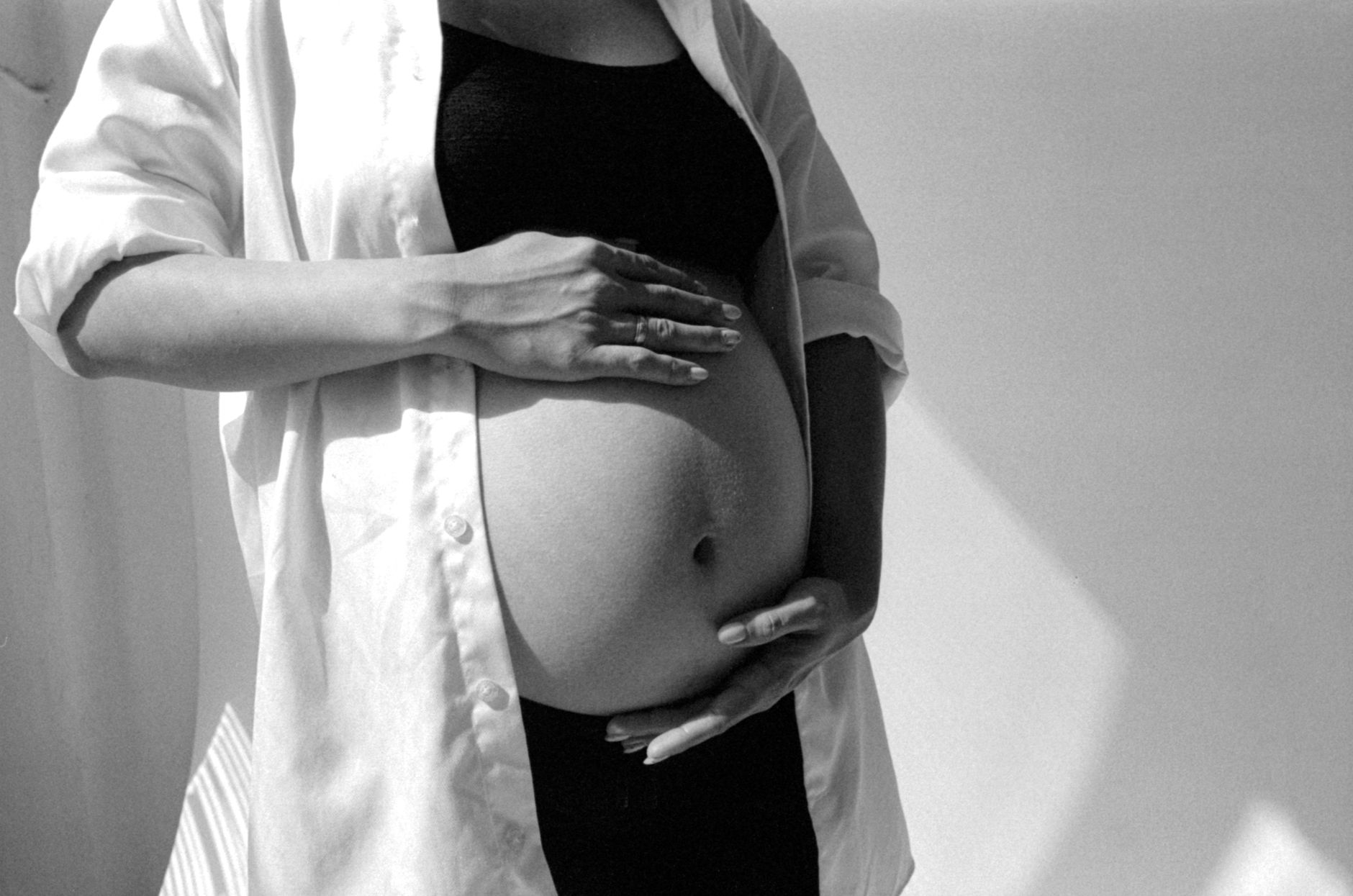
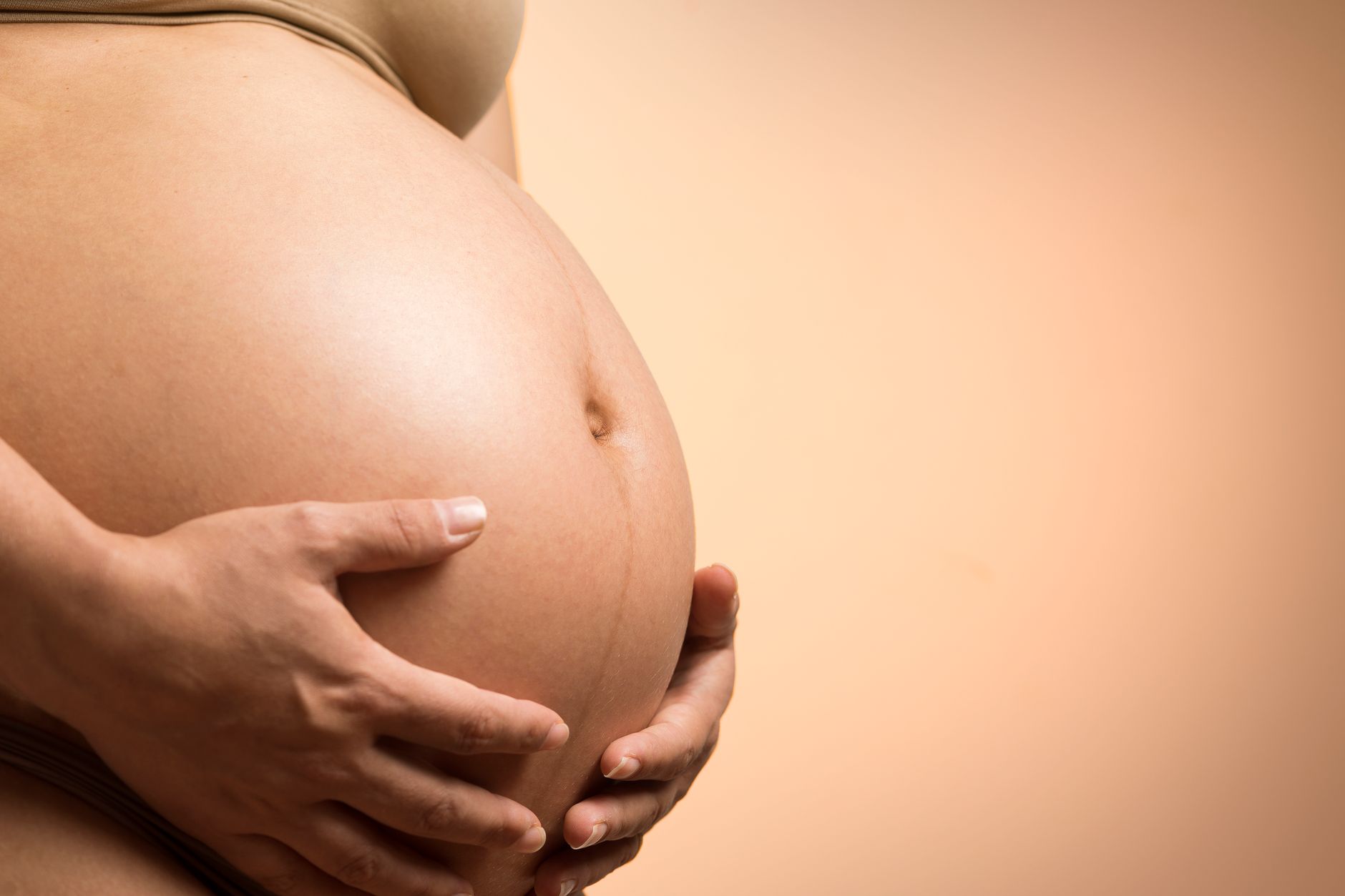
Stretch marks are a natural part of pregnancy for many, often appearing as your belly grows.
What week do stretch marks appear during pregnancy?
For the majority of pregnant individuals, stretch marks, medically known as striae gravidarum, tend to make their debut in the **late second trimester or early third trimester**. This period typically spans from around **week 24 to week 36 of pregnancy**. It's a time of rapid growth for both you and your baby, meaning your skin is undergoing significant stretching.
Think of your skin as an elastic band. When it stretches gradually, it can often return to its original shape. But when it stretches very quickly and beyond its natural capacity, the underlying layers can tear. During these later stages of pregnancy, your uterus is expanding at a faster rate, your baby is growing rapidly, and your body is accumulating extra fluids and fat reserves. All these factors contribute to the skin on your abdomen, breasts, and other areas stretching considerably.
While this is the most common timeframe, it's important to remember that every pregnancy is unique. Some people might notice them a little earlier, while others might not see any until very late in pregnancy or even postpartum. The onset can be subtle, starting as faint, thin lines that gradually become more noticeable.
The skin's structure plays a key role here. Your skin is made up of three main layers: the epidermis (outermost), the dermis (middle), and the hypodermis (innermost). Stretch marks form in the dermis, where the connective tissues – primarily collagen and elastin fibers – are stretched beyond their limit and break. This tearing of the dermis is what creates the visible marks on the surface of your skin.
So, while week 24 to 36 is the general guideline, don't be alarmed if your experience falls outside this exact window. The key takeaway is that they often coincide with periods of significant and rapid growth.
Can stretch marks appear early in pregnancy?
Yes, while less common than in the later trimesters, it is absolutely possible for stretch marks to appear early in pregnancy. Some individuals report noticing them as early as the **first trimester** or during the **first few months** of pregnancy. If you find yourself asking, "Can you get stretch marks in the first month of pregnancy?" the answer is yes, though it's not the norm.
Several factors can contribute to early stretch mark development:
Rapid Weight Gain: Even in the first trimester, some people experience quicker or more significant weight gain than others due to hormonal changes, fluid retention, or changes in appetite. This rapid expansion can put stress on the skin early on.
Breast Growth: For many, one of the first signs of pregnancy is changes in their breasts. They can become tender, fuller, and grow significantly in size quite rapidly, sometimes even before the belly starts to show. This quick breast enlargement can lead to stretch marks appearing on the breasts early in the first or second trimester.
Genetics: Your genetic predisposition is one of the strongest indicators of whether you'll develop stretch marks and when. If your mother or grandmother experienced stretch marks early in their pregnancies, you might too.
Skin Elasticity: Everyone's skin has a different level of elasticity. If your skin is naturally less elastic, it might be more prone to tearing even with less extreme stretching.
Hormonal Changes: Pregnancy hormones, particularly cortisol, are thought to play a role in weakening the elastic fibers in the skin, making it more susceptible to stretch marks. These hormonal shifts begin from conception.
We've heard from many expectant parents who were surprised to see stretch marks pop up sooner than expected. One mom shared, "I was only 16 weeks along, and I started seeing these tiny purple lines on my hips. I thought they only appeared when your belly was huge, so I was a bit shocked!" This perfectly illustrates that while the later trimesters are common, individual experiences vary widely. If you notice stretch marks early on, know that it's a normal variation and nothing to worry about.
Do stretch marks appear after birth?
It's generally less common for entirely *new* stretch marks to appear for the very first time *after* birth. However, what often happens is that existing stretch marks can become more noticeable or change in appearance in the postpartum period. This can lead to the feeling that they "appeared after birth."
Here's why you might perceive stretch marks differently postpartum:
Skin Retraction: During pregnancy, your skin is stretched taut. Immediately after birth, your belly begins to shrink, and your skin starts to retract. This process can sometimes make pre-existing stretch marks, which might have been less obvious when your skin was fully stretched, stand out more. As the skin loosens, the texture and color of the marks can become more pronounced against the softer, less taut skin.
Fluid Retention: Many pregnant people experience significant fluid retention (edema) towards the end of pregnancy. This swelling can sometimes mask or soften the appearance of stretch marks. As this fluid is shed postpartum, the skin's surface may reveal marks that were previously less visible.
Changes in Color: New stretch marks are often reddish, pinkish, purplish, or brownish. Over time, usually several months to a year after delivery, these marks tend to fade. They become lighter, often silvery-white or flesh-toned, and are less noticeable but are still present. This fading process can also make you notice them differently postpartum.
So, while your body is certainly still undergoing massive changes postpartum, it's typically the *evolution* of stretch marks rather than their initial formation that occurs after birth. If you're noticing new lines, it's more likely that they were already there but became more apparent as your body adjusted to its non-pregnant state.
What causes stretch marks to appear during pregnancy?
Stretch marks are a fascinating and sometimes frustrating phenomenon that results from a combination of mechanical, hormonal, and genetic factors. It's not just about your skin stretching; it's a complex interplay of internal and external forces.
Rapid Skin Stretching
This is the most obvious cause. As your belly, breasts, hips, and thighs grow rapidly during pregnancy, your skin stretches significantly. The dermis, the middle layer of your skin, contains strong, elastic fibers of collagen and elastin that give your skin its strength and flexibility. When these fibers are stretched beyond their capacity too quickly, they can literally tear and break. This damage to the connective tissue is what forms the visible marks.
Hormonal Influence
Pregnancy is a time of incredible hormonal shifts, and these hormones play a crucial role in stretch mark development. Specifically, elevated levels of **cortisol** are thought to be a major culprit. Cortisol, a steroid hormone, can weaken the elastic fibers in the skin. It can also inhibit the production of collagen and elastin, making the skin less resilient and more prone to tearing when stretched.
Genetics
Perhaps the single strongest predictor of whether you'll develop stretch marks, and how severe they'll be, is your genetics. If your mother, grandmother, or other close female relatives experienced stretch marks during their pregnancies, you have a significantly higher chance of developing them too. This suggests a hereditary component to skin elasticity, collagen structure, and how your skin responds to stretching and hormonal changes.
Weight Gain (Amount and Speed)
The total amount of weight gained during pregnancy, as well as the speed at which it's gained, are important factors. Rapid weight gain puts immense stress on the skin, giving it less time to adapt and stretch gradually. The American College of Obstetricians and Gynecologists (ACOG) provides guidelines for healthy weight gain during pregnancy, and staying within these recommendations can sometimes help minimize the risk, though it's not a guarantee.
Skin Elasticity and Type
Everyone's skin is different. Some individuals naturally have more elastic, resilient skin, while others have skin that is more prone to tearing. Factors like age (younger skin may be more prone due to being "tighter"), hydration, and overall skin health can also play a role.
Here's a quick look at the primary factors:
Factor
Explanation
Impact on Stretch Marks
Mechanical Stretching
Rapid expansion of skin due to baby's growth, fluid, and fat accumulation.
Direct cause of collagen and elastin fiber breakage.
Reduces skin resilience, making it more susceptible to tearing.
Genetics
Inherited predisposition to skin elasticity, collagen structure, and hormonal response.
Strongest predictor; if family members had them, you likely will too.
Weight Gain
Amount and rapidity of weight gain during pregnancy.
Faster, larger gains increase stress on skin; gradual gain is gentler.
Skin Elasticity
Individual variation in the natural flexibility and resilience of skin.
Less elastic skin is more prone to tears; healthier skin may cope better.
A balanced diet rich in vitamins and minerals can support overall skin health during pregnancy.
Where do stretch marks appear first during pregnancy?
While stretch marks can theoretically appear anywhere your skin is rapidly stretching, there are certain areas that are more common hotspots during pregnancy. Knowing these typical locations can help you identify them and understand why they're appearing there.
Here are the most common places where stretch marks tend to appear first:
Abdomen (Belly): This is by far the most common area. As your baby grows and your uterus expands, the skin on your belly undergoes immense stretching. Marks often appear on the lower abdomen, but can spread upwards and around the sides. They might radiate from the belly button outwards.
Breasts: Many pregnant individuals experience significant breast growth early in pregnancy and throughout. This rapid increase in size can lead to stretch marks on the breasts, often around the sides, underneath, or near the armpits. These can appear even before your belly starts to show significantly.
Hips and Thighs: Pregnancy often involves weight gain distributed around the hips and thighs. The skin in these areas can stretch, especially on the outer thighs and around the hip bones.
Buttocks: Similar to hips and thighs, the buttocks can also be a site for stretch marks due to changes in weight distribution and fat storage during pregnancy.
Upper Arms (especially near the armpits): Less common than the abdomen or breasts, but some individuals may notice stretch marks on the upper arms, particularly if they experience significant weight gain or muscle development in those areas.
Lower Back: While not as frequent, stretch marks can also appear on the lower back, particularly if there's significant lordosis (inward curvature of the spine) or weight gain concentrated in that area.
It's important to remember that you might not get them in all these places, or you might only get them in one or two. The pattern and location are highly individual. One expectant mother told us, "I was so focused on my belly that I didn't even notice the ones appearing on my inner thighs until a few weeks later! It was a good reminder that my body was changing everywhere, not just where I expected." This highlights how varied the experience can be.
The areas most prone to stretch marks are generally those that experience the most rapid and significant expansion. Paying attention to these areas with gentle moisturizing and observation can be helpful, but try not to obsess over every new line – they are a testament to the incredible work your body is doing!
What do new stretch marks look like in pregnancy?
When stretch marks first make their appearance during pregnancy, they typically look quite different from the faded, silvery lines you might associate with older marks. Understanding their initial appearance can help you identify them and understand their progression.
New stretch marks, also known as striae rubrae (meaning "red streaks"), are often characterized by:
Color: They usually start as reddish, pinkish, purplish, or even brownish lines. On darker skin tones, they might appear as darker brown or black lines. The vibrant color comes from the blood vessels that are visible through the thinned skin layers.
Texture: Initially, new stretch marks can feel slightly raised or ridged when you run your fingers over them. They might also feel a bit bumpy. Over time, as they mature, they tend to become slightly indented or depressed below the surrounding skin.
Shape and Size: They typically appear as long, thin, parallel streaks or bands on the skin. They can vary in length and width, sometimes appearing as very fine lines and other times as wider bands. They often run perpendicular to the direction of skin tension.
Itchiness: It's very common for new stretch marks, or the skin around them, to feel itchy. This itching can be a sign that your skin is stretching and that the dermal layers are tearing. If you notice persistent itching in areas prone to stretch marks, it might be an early indicator that they are developing or about to develop. Gentle moisturizers can help relieve this discomfort.
Sensitivity: The skin over new stretch marks might feel a bit more sensitive to touch or irritation.
Over several months to a year (or even longer) after delivery, these "new" marks will gradually mature and fade. They transition into striae albae ("white streaks"), becoming much lighter in color – often silvery-white, grey, or a lighter shade than your natural skin tone. At this stage, they are usually flat or slightly depressed and are much less noticeable, though they don't typically disappear completely. The initial redness and raised texture are signs of active skin stretching and repair, while the faded appearance indicates a more stable, healed scar tissue.
So, if you spot reddish or purplish lines that feel a bit raised and perhaps itch, take a breath. It's a very common presentation of new stretch marks during pregnancy, a normal part of your body's amazing adaptation to growing a human.
How to prevent stretch marks from appearing during pregnancy?
It's a question on nearly every pregnant person's mind: "Can I prevent stretch marks?" The honest answer is that complete prevention isn't usually possible, especially if you have a strong genetic predisposition. However, there are definitely strategies and practices you can adopt to support your skin's health and elasticity, which *may* help minimize their appearance or severity. Think of it as supporting your skin, rather than a guaranteed "stretch mark repellent."
Maintain Gradual, Healthy Weight Gain: Rapid weight gain puts immense stress on your skin. Aim to gain weight within the recommendations provided by your healthcare provider (e.g., ACOG guidelines), and try to do so gradually. This gives your skin more time to adapt and stretch without sudden tears.
Stay Well-Hydrated: Drinking plenty of water throughout the day is crucial for overall skin health. Well-hydrated skin is more supple and elastic, which can theoretically help it cope better with stretching. Carry a water bottle and sip consistently.
Nourish Your Skin from Within: A balanced diet rich in vitamins and minerals that support skin health can make a difference.
Vitamin C: Essential for collagen production. Find it in citrus fruits, berries, bell peppers, and leafy greens.
Vitamin D: Some research suggests a link between vitamin D deficiency and stretch marks. Get it from fortified dairy, fatty fish, and safe sun exposure.
Vitamin E: An antioxidant that supports skin health. Found in nuts, seeds, spinach, and avocados.
Zinc: Important for skin repair and wound healing. Good sources include nuts, seeds, legumes, and lean meats.
Protein: The building blocks for collagen and elastin. Include lean meats, fish, eggs, dairy, and plant-based proteins.
Moisturize Regularly and Gently Massage: While many creams claim to "prevent" stretch marks, scientific evidence for their effectiveness is limited, especially for over-the-counter products. However, keeping your skin well-moisturized can improve its elasticity and keep it feeling comfortable, especially if it's itchy.
What to use: Rich, emollient creams, lotions, or oils that are safe for pregnancy. Look for ingredients like shea butter, cocoa butter, vitamin E oil, almond oil, or hyaluronic acid.
How to apply: Gently massage the cream into areas prone to stretch marks (belly, breasts, hips, thighs) at least once or twice daily, starting early in pregnancy. The act of massage itself can improve circulation and skin pliability.
Manage expectations: Understand that even the best moisturizer may not prevent genetically predetermined stretch marks, but it can certainly help your skin feel better and potentially reduce their severity.
Gentle Exercise: Regular, pregnancy-safe exercise can improve circulation, which in turn delivers more nutrients to your skin and supports its overall health and elasticity.
Avoid Smoking: Smoking significantly impacts skin health, reducing elasticity and hindering the skin's ability to repair itself. Quitting smoking is beneficial for your overall health and your baby's development, as well as your skin.
Ultimately, try to approach stretch marks with self-compassion. Your body is doing incredible work, and these marks are often seen as beautiful reminders of the journey you've been on. Focus on healthy habits that support your overall well-being and skin health, rather than striving for "perfection."
From our medical team: "Stretch marks are a normal physiological response to pregnancy for many individuals, affecting up to 90% of expectant mothers. While they can't be entirely prevented, focusing on gradual, healthy weight gain, good hydration, and skin nourishment can support skin integrity. Remember, these marks are a testament to your body's profound ability to grow and nurture life. They are a common, healthy part of the maternal experience."
Myth vs. fact
There's a lot of information and misinformation floating around about stretch marks, especially during pregnancy. Let's clear up some common myths with the facts.
Myth: Expensive creams can completely prevent stretch marks.
Fact: While moisturizing creams and oils can help keep your skin supple, hydrated, and reduce itching, there is no scientific evidence that any topical cream can completely prevent stretch marks if you are genetically predisposed to them. The damage occurs in the deeper layers of the skin, which most topical products cannot reach effectively enough to prevent tearing. Focus on hydration and skin comfort, not a magic cure.
Myth: Only women with large bellies or those who gain a lot of weight get stretch marks.
Fact: This is untrue. While rapid and significant weight gain can increase the likelihood, even individuals with smaller bumps or those who gain weight within recommended guidelines can develop stretch marks. Genetics and hormonal factors play a much larger role than just the size of your belly or total weight gained.
Myth: Stretch marks mean your skin isn't healthy or elastic.
Fact: Not at all. Stretch marks are a normal response to rapid skin expansion and hormonal changes, even in healthy, elastic skin. They are a testament to the incredible flexibility and adaptability of your body, not a sign of poor skin health. Many people with otherwise healthy skin get stretch marks.
Key takeaways
Most stretch marks appear in the late second or early third trimester (weeks 24-36) due to rapid growth.
It's possible, though less common, for stretch marks to appear early in pregnancy, especially on breasts or hips.
The primary causes are rapid skin stretching, hormonal changes (like increased cortisol), and strong genetic predisposition.
Common areas for stretch marks include the abdomen, breasts, hips, thighs, and buttocks.
New stretch marks are typically reddish, pinkish, purplish, or brownish, and can feel slightly raised and itchy.
While you can't entirely prevent stretch marks, you can support your skin's health by staying hydrated, eating a nutritious diet, maintaining gradual weight gain, and regularly moisturizing and gently massaging your skin.
Stretch marks are a normal and common part of pregnancy for many; embrace them as a part of your unique journey.
Regularly moisturizing and gently massaging your skin can help improve comfort and elasticity during pregnancy.
Frequently asked questions
When do stretch marks usually appear?
Stretch marks most commonly appear in the late second or early third trimester of pregnancy, typically between weeks 24 and 36. This period is marked by significant growth of the baby and expansion of the uterus, causing rapid stretching of the skin. However, individual experiences can vary, and some may notice them earlier or later.
Can you get stretch marks in the first trimester?
Yes, it is possible, though less common, to develop stretch marks in the first trimester. Factors like rapid breast growth, early and quick weight gain, or a strong genetic predisposition can contribute to their appearance before your belly starts to show significantly. If you notice them early, it's a normal variation.
Do stretch marks appear overnight?
While it might feel like stretch marks appear suddenly, they don't typically manifest "overnight." The process of dermal tearing is gradual. What often happens is that faint lines become more visible as they deepen in color or as your skin stretches further. You might simply notice them more prominently one day, especially if you haven't been looking closely.
Are stretch marks always permanent?
Stretch marks are a form of scarring, and while they don't completely disappear, they do fade significantly over time. Initially, they are reddish or purplish and can be raised. After pregnancy, they typically mature into silvery-white, flat, or slightly indented lines that are much less noticeable. Treatments can improve their appearance, but they usually remain as faint marks.
Does itching mean I'll get stretch marks?
Itching in areas prone to stretch marks, especially on the belly or breasts, can often be an early sign that your skin is stretching and that new marks are developing. The stretching of the dermal layers can cause irritation and dryness, leading to an itchy sensation. While itching doesn't guarantee stretch marks, it's a common associated symptom.
Are there different types of stretch marks?
Yes, stretch marks are generally categorized by their stage. "Striae rubrae" (red streaks) are new, active marks that are typically red, pink, purple, or brownish and may be slightly raised and itchy. "Striae albae" (white streaks) are mature, older marks that have faded to a silvery-white or flesh tone and are usually flat or slightly indented. The type simply indicates their age and progression.
When to call your doctor
Stretch marks themselves are a benign and common cosmetic concern during pregnancy, not typically a medical one. However, there are a few situations where you might want to mention them or associated symptoms to your healthcare provider:
If you experience severe, widespread, or persistent itching all over your body, especially without a rash, it could be a sign of a more serious liver condition called intrahepatic cholestasis of pregnancy (ICP). This needs immediate medical attention.
If the skin over your stretch marks becomes broken, infected, or is causing significant pain.
If you have any other concerns about your skin health or changes during pregnancy.
This article is for informational purposes only and is not a substitute for professional medical advice, diagnosis, or treatment. Always seek the advice of your physician or other qualified health provider with any questions you may have regarding a medical condition.
References
American College of Obstetricians and Gynecologists (ACOG). (2020). Weight Gain During Pregnancy.
National Health Service (NHS) UK. (2022). Pregnancy and stretch marks.
Mayo Clinic. (2023). Stretch marks.
Wolff, H., & Johnson, B. (2018). Fitzpatrick's Color Atlas and Synopsis of Clinical Dermatology, 8th Ed. McGraw-Hill Education.
Korgavkar, K., & Wang, F. (2015). Stretch marks during pregnancy: a review of topical prevention. British Journal of Dermatology, 172(3), 606-611.
Brennan, M., et al. (2018). Topical preparations for preventing stretch marks in pregnancy: A systematic review and meta-analysis. British Journal of Dermatology, 178(5), 1034-1044.
Not sure about the label on When Do Stretch Marks Appear Pregnancy products?
Snap the ingredients list and SafeFilter checks every ingredient for your stage — only 3 free scans this month, then you're locked until reset. Unlimited from $7/mo or $50/yr.
When Shubhra Mishra was expecting her first child in 2016, she was overwhelmed by conflicting food advice — one site said yes, another said never. By the time her second baby arrived in 2019, she realized millions of mothers face the same confusion.
That sparked a five-year journey through clinical nutrition papers, cultural diets, and expert conversations — all leading to BumpBites: a calm, compassionate space where science meets everyday motherhood.
Her long-term vision is to build a global community ensuring safe, supported, and free deliveriesfor every mother — because no woman should face pregnancy alone or uninformed. 🌿
🌍 Stand with mothers, shape safer guidance
Join a small circle of experts who review BumpBites articles so expecting parents everywhere can decide with confidence.