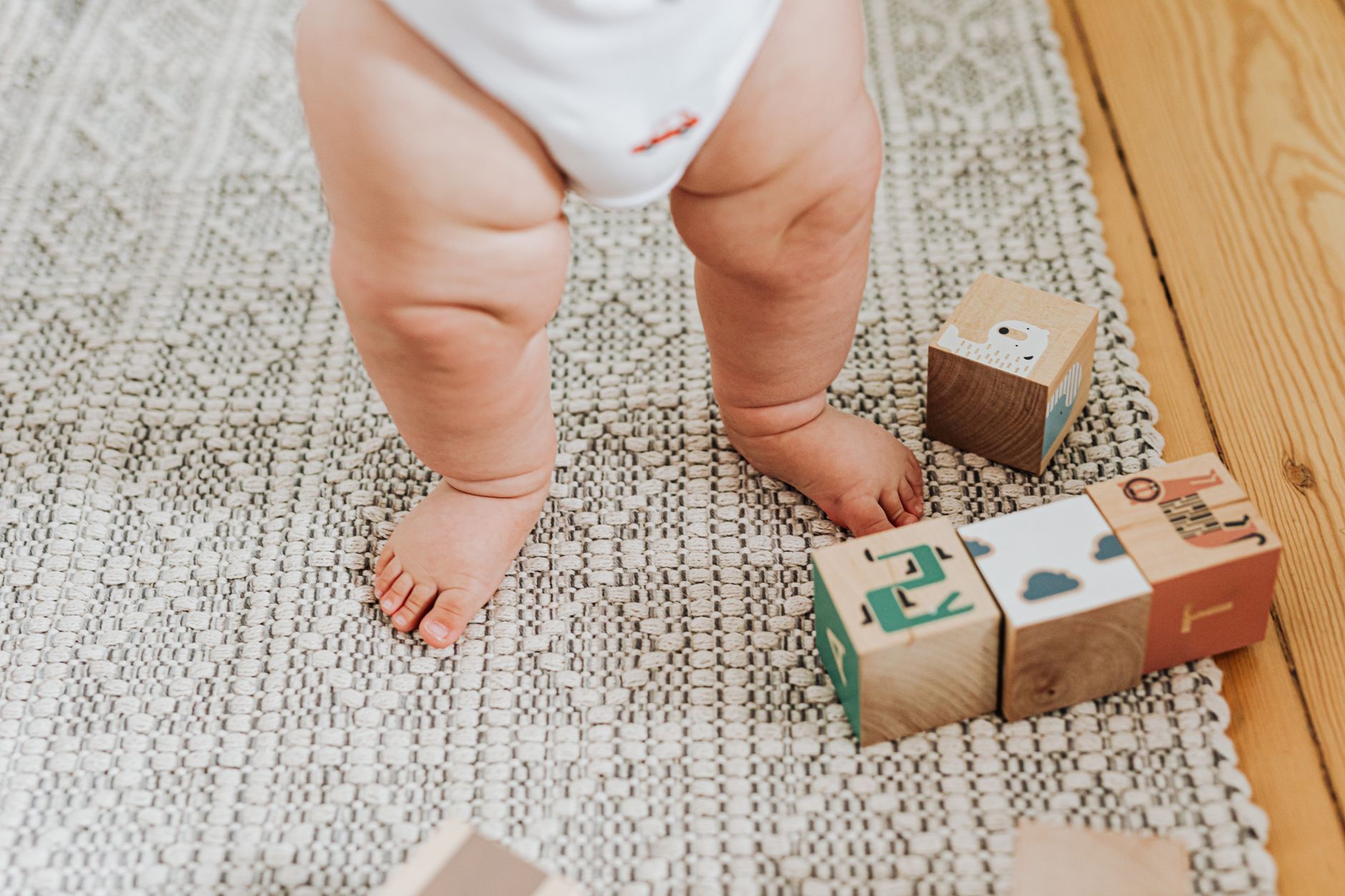
not only okay for babies to walk barefoot, but it's often encouraged, especially indoors. The health benefits of barefoot walking for infants are significant and widely supported by pediatricians and podiatrists. Allowing your baby to go barefoot on safe, clean surfaces helps them:
- Develop stronger foot and ankle muscles: Without the rigid structure of a shoe, the small muscles in the feet and ankles work harder to maintain balance and stability. This leads to better strength and coordination.
- Improve balance and coordination: The sensory input from the ground helps babies understand where their body is in space. They learn to adjust their balance based on uneven surfaces, which refines their motor skills.
- Enhance proprioception: This is your body's "sixth sense," the awareness of its position and movement. Walking barefoot sends signals to the brain that help develop this crucial sense, which is vital for overall motor control.
- Promote natural arch development: While babies typically have flat feet due to a fat pad and developing arches, barefoot walking encourages the muscles and ligaments to develop properly, supporting the formation of a healthy arch over time.
- Increase tactile stimulation: Different textures (carpet, wood, grass, sand) provide rich sensory experiences that are important for brain development and exploration.
However, when it comes to walking barefoot outdoors, caution is key. While short periods on safe, clean surfaces like soft grass or sand can be beneficial, it's generally not recommended for extended periods due to safety concerns. Outdoor environments pose risks such as:
- Sharp objects: Glass, thorns, pebbles, or other debris can easily cut or puncture delicate baby feet.
- Extreme temperatures: Pavement can become scorching hot in the sun, and cold surfaces can cause frostbite.
- Germs and infections: While exposure to some germs can be good for the immune system, certain outdoor environments can harbor bacteria or parasites that could be harmful if they enter through a cut or abrasion.
- Uneven or hazardous terrain: Trip hazards are everywhere outdoors, and even established walkers can struggle with very uneven ground.
So, for indoor play and exploration on safe surfaces, encourage barefoot time. When venturing outside, especially once your baby is walking, protective shoes become important. Many parents find a good balance by allowing barefoot play in a secure backyard or park with close supervision, and using shoes for public spaces or less controlled environments.
Do Newborns and Crawlers Need Shoes Indoors?
No, newborns and babies who are primarily crawling do not need shoes indoors. In fact, wearing shoes too early or too often can potentially affect a baby's natural foot development. For newborns, the emphasis is on warmth and comfort. Soft socks or fabric booties are perfect for keeping tiny feet cozy without restricting movement. These items offer light protection and warmth, especially in cooler climates or air-conditioned homes.
As babies begin to crawl, their feet are still developing rapidly. Their bones are soft cartilage, gradually hardening into bone. Restricting these developing feet in stiff shoes can:
- Hinder muscle development: Shoes can prevent the small muscles in the feet and ankles from strengthening naturally as the baby pushes off and grips surfaces.
- Reduce sensory feedback: Crawling barefoot or in socks allows the baby to feel the ground, which is crucial for learning about different textures and temperatures. This sensory input helps with balance and coordination.
- Impact toe splay: Babies' toes naturally splay out. Shoes, especially those that are too narrow, can compress the toes, potentially affecting their natural alignment and development.
The consensus among pediatric experts is that for newborns and crawlers, bare feet are best indoors. If you're concerned about cold floors, opt for non-slip socks or soft fabric booties that allow for full range of motion and don't have rigid soles. These provide warmth and a little cushioning without interfering with the important developmental work happening in their feet and ankles. One parent shared, "I used to put my daughter in these adorable little shoes when she was crawling, but then I read that bare feet were better. Once I let her crawl barefoot, I noticed she seemed to grip the floor better and was much more confident trying to pull herself up." This kind of direct experience often reinforces the expert recommendations.
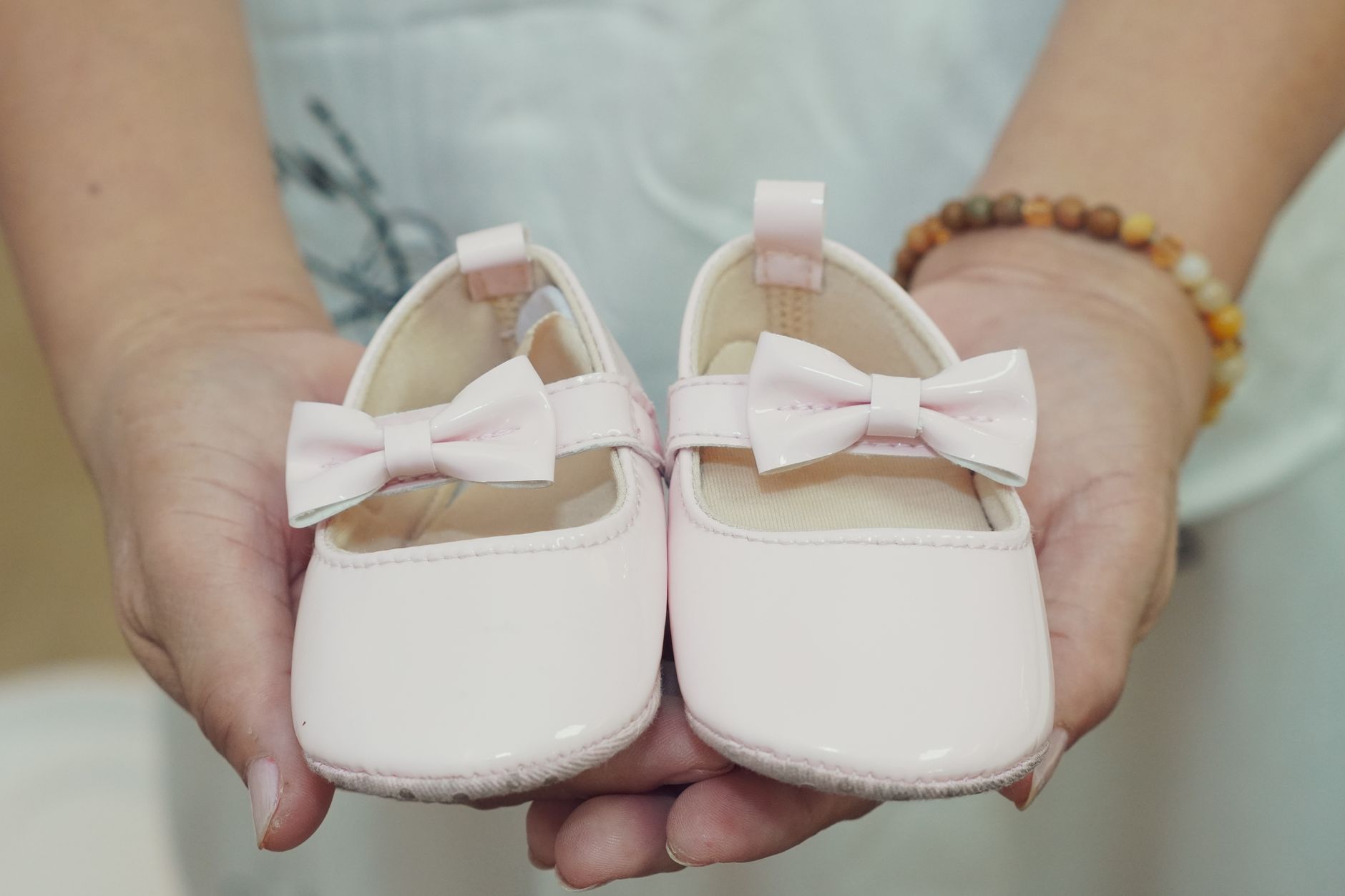
What Are the Signs Your Baby Is Ready for Shoes?
Rather than a specific age, look for developmental cues that signal your baby is ready for shoes. These signs indicate they're moving beyond the "barefoot is best" stage for most situations and will benefit from the protection shoes offer, especially outdoors.
Here are the key signs that your baby needs shoes:
- Consistent Independent Walking: This is the most important sign. When your baby is walking confidently and independently for extended periods, rather than just a few wobbly steps, they're ready for shoes. This usually happens around 12 to 18 months.
- Outdoor Exploration: If your baby is walking and you plan to take them outside to parks, playgrounds, or even just for a stroll in the stroller where their feet might touch the ground, protective shoes are necessary.
- Need for Protection: You observe your baby frequently encountering surfaces that could be hot, cold, sharp, or dirty while walking. This could be anything from rough pavement to a grassy park with unseen debris.
- Increased Activity Level: As toddlers become more active, running, jumping, and playing, their feet need more robust protection and support than just socks can offer.
- Weather Conditions: In colder or wet weather, shoes provide essential warmth and dryness that socks alone cannot.
It's less about the exact date on the calendar and more about their physical capabilities and the environment they'll be navigating. Until these signs are consistently present, continue to prioritize barefoot time for optimal foot development. When you do transition to shoes, remember that the goal is protection and warmth, not necessarily "support" in the way an adult might think of it. For new walkers, flexibility is far more important than rigid arch support.
Are Soft-Soled Shoes Best for Infants and New Walkers?
Yes, absolutely. For infants, pre-walkers, and new walkers, soft-soled shoes are overwhelmingly recommended by pediatricians and podiatrists. The distinction between baby booties and shoes often comes down to the sole: booties are typically very soft, fabric-based, and offer no structured sole, whereas even "soft-soled" shoes for new walkers will have a thin, flexible sole, usually made of rubber or leather.
Here's why soft-soled shoes are better for infants and new walkers:
- Mimic Barefoot Walking: Soft soles allow the foot to bend and flex naturally, just as it would if your baby were barefoot. This freedom of movement is crucial for strengthening the intrinsic foot muscles and developing a natural gait.
- Enhanced Sensory Feedback: A thin, flexible sole allows the baby to feel the ground more effectively. This sensory input is vital for developing balance, coordination, and proprioception. They learn to adjust their steps based on the terrain.
- Better Grip and Stability: Many soft-soled shoes have textured, non-slip bottoms that offer grip without being overly rigid. This helps prevent slips and falls as your baby navigates different surfaces.
- Promote Natural Foot Development: The bones in a baby's foot are still largely cartilage. Stiff, rigid shoes can restrict natural growth and potentially lead to problems like bunions or hammer toes later in life by forcing the foot into an unnatural shape.
- Lightweight and Non-Restrictive: Soft-soled shoes are typically lightweight, making them easier for little feet to lift and move. They don't add unnecessary bulk or weight that could interfere with learning to walk.
When your baby first starts walking outdoors, look for shoes that have these characteristics:
- Flexible Sole: You should be able to easily bend the shoe in half and twist it.
- Wide Toe Box: This allows toes to splay out naturally, without being cramped.
- Lightweight Materials: Avoid heavy or clunky shoes.
- Breathable Materials: Leather, canvas, or mesh help keep feet cool and dry.
- Non-Slip Tread: To prevent falls on smooth surfaces.
As your child grows and becomes a more confident, established walker (typically around 2-3 years old), they can gradually transition to shoes with slightly more structure and support, but flexibility should always remain a key consideration.
How Do You Choose the Right Size Baby Shoes?
Choosing the right size baby shoes is paramount for healthy foot development. Ill-fitting shoes can cause discomfort, blisters, ingrown toenails, and even long-term foot problems. Babies' feet grow incredibly fast, and they can't tell you if their shoes are too tight, so regular checks are essential.
Here’s a step-by-step guide on how to measure baby feet for shoes and ensure a proper fit:
- Measure Regularly: For babies and toddlers, measure their feet every 2-3 months. Their feet can grow up to a half-size in just a few weeks! For older toddlers (18-24 months), every 3-4 months is usually sufficient.
- Measure Both Feet: It's common for one foot to be slightly larger than the other. Always size shoes to the larger foot.
- Measure While Standing: Ideally, measure your baby's feet while they are standing and putting weight on them. This spreads the foot out and gives the most accurate measurement. If they can't stand yet, measure while they are sitting.
- Use a Brannock Device or Ruler:
- Method 1 (Brannock Device): Many children's shoe stores have a Brannock device. This is the most accurate way to measure foot length and width.
- Method 2 (DIY with paper and ruler):
- Place a piece of paper on a hard, flat surface.
- Have your child stand (or sit, if they can't stand) with one foot on the paper. Make sure their heel is against a wall or flat edge.
- Mark the longest part of their foot (usually the big toe) with a pencil.
- Measure the length from the wall to the mark in centimeters or inches.
- Repeat for the other foot.
- Measure the widest part of their foot across the ball of the foot.
- Add Growing Room: Once you have the measurement, add about 1/2 inch (1.2 cm) or a thumb's width to the length. This allows for growth and ensures toes aren't cramped. Babies don't need excessive growing room; too much space can cause tripping.
- Check the Fit:
- Length: With the shoes on, press down on the front of the shoe. You should be able to feel a thumb's width (about 1/2 inch) between the longest toe and the end of the shoe.
- Width: The shoe should be snug but not tight. You should be able to pinch a small amount of material at the widest part of the shoe.
- Heel: The heel should fit snugly and not slip up and down when your baby walks.
- Flexibility: The shoe should bend easily at the ball of the foot.
- Comfort Test: Watch your baby walk. Do they seem comfortable? Are they stumbling? Are there any red marks on their feet when you take the shoes off?
Common Mistakes When Sizing Baby Shoes
- Buying too big for "room to grow": While a little wiggle room is good, shoes that are too large can cause tripping, blisters, and an unnatural gait.
- Assuming all brands size the same: Shoe sizes vary significantly between brands. Always measure and check the fit, even if you're buying the same "size" from a different manufacturer.
- Not checking width: Length isn't the only factor. A shoe might be long enough but too narrow, cramping the toes.
- Relying on a child's feedback: Young children often won't complain about ill-fitting shoes, even if they're uncomfortable, because their nerve endings are still developing.
Regularly checking your baby's shoe fit is a crucial part of ensuring their foot health. A quick check every month or two can prevent many common foot issues.
When Should You Transition from Socks to Shoes?
The transition from socks to shoes is closely tied to your baby's developmental milestones and environment. For newborns and non-walking infants, socks and soft fabric booties are generally all that's needed for warmth and light protection. They allow feet to move freely, which is crucial for early development.
You should consider transitioning to shoes when your baby begins to:
- Consistently Pull Up to Stand: As they use furniture to pull themselves upright, their feet start bearing more weight.
- Cruise Around Furniture: Taking those first sideways steps while holding onto objects means their feet are getting a workout.
- Take Independent Steps Indoors: Even if it's just a few steps, this is a clear sign they're progressing towards walking.
- Prepare for Outdoor Walking: This is the most definitive trigger. Once your baby is walking confidently and you plan to take them outside where their feet will encounter varied surfaces, shoes become a necessity for protection.
During the pre-walking and early walking stages, the transition isn't necessarily an abrupt switch from "only socks" to "only shoes." It's more of a gradual integration. For instance, your baby might wear socks or go barefoot indoors, but you'll put on soft-soled shoes when you go to the park.
The key is to remember that the goal of early footwear is protection and warmth, not "support." A baby's foot is designed to develop its own strength and arch support through natural movement. Avoid rigid shoes that might interfere with this process.
How Often Should Baby Shoes Be Replaced?
Baby shoes need to be replaced much more frequently than adult shoes, primarily because babies' feet grow at an astonishing rate. It's not uncommon for a baby to outgrow a pair of shoes in just a few months, or even weeks during growth spurts. Regularly checking the fit is more important than sticking to a fixed schedule, but here are some general guidelines:
- For Infants (0-12 months, if wearing shoes): Check every 4-6 weeks. Although they might only be in soft booties, ensuring these aren't too tight is important.
- For New Walkers (12-24 months): Check every 2-3 months. This is a period of rapid foot growth and development, and ill-fitting shoes can quickly cause issues.
- For Toddlers (2-3 years): Check every 3-4 months. Growth might slow slightly, but it's still significant.
- For Preschoolers (3+ years): Check every 4-6 months.
Beyond just growth, wear and tear also dictate when shoes need replacing. Even if they still fit, shoes that are worn out can lose their protective qualities and proper shape.
Here's what to look for when deciding if it's time for new shoes:
- Toes Cramped: The most obvious sign. If the longest toe is touching the end of the shoe, or if you can't feel at least a thumb's width of space at the front, the shoes are too small.
- Red Marks or Blisters: Any red marks, indentations, or blisters on your baby's feet when you remove their shoes are a clear sign they're too tight or rubbing in the wrong places.
- Difficulty Putting On/Taking Off: If you struggle to get the shoes on or off, they might be too small.
- Changes in Gait: If your baby starts stumbling more often, walking awkwardly, or refusing to wear their shoes, ill-fitting footwear could be the cause.
- Uneven Wear on Soles: While some wear is normal, excessively worn-out soles, especially unevenly, can affect your baby's balance and protection. If the tread is gone, they're no longer non-slip.
- Damage to the Upper: Tears, holes, or significant scuffs mean the shoe isn't providing adequate protection.
- Deformation of the Shoe: If the shoe's shape is visibly distorted, especially the toe box or heel counter, it's time for a new pair.
It can feel like you're constantly buying new shoes, but it's an investment in your child's long-term foot health. Many parents find it helpful to keep a measuring guide or their child's foot tracing handy when shopping.
What Materials Are Safest and Best for Baby Shoes?
When choosing baby shoes, the material is just as important as the fit. Safest and best materials are those that are breathable, flexible, and non-toxic.
- Leather: A top choice for baby shoes. It's naturally breathable, durable, and molds to the foot over time. Look for soft, supple leather.
- Canvas: A great breathable and lightweight option, especially for warmer weather. It's often more affordable and easy to clean.
- Mesh: Excellent for ventilation, making it ideal for active toddlers or hot climates. Often found in athletic-style baby shoes.
- Textile/Fabric: Soft fabrics can be comfortable and breathable. Ensure they are durable and allow for flexibility.
- Rubber (for soles): Look for flexible, non-slip rubber soles that provide good grip without being too thick or rigid.
Avoid synthetic materials that don't breathe well, as these can lead to sweaty feet, odor, and fungal issues. Also, ensure any dyes or adhesives used are non-toxic, especially since babies tend to put everything in their mouths.
How to Care for Baby Shoes
Proper care can extend the life of baby shoes, though replacement due to growth will still be frequent.
- Clean Regularly: Wipe shoes down with a damp cloth to remove dirt. For canvas or mesh, some can be gently hand-washed.
- Allow to Air Dry: Never put baby shoes in a dryer, as it can shrink or damage them. Let them air dry completely.
- Alternate Pairs: If possible, having two pairs of shoes can allow one to air out and dry completely between wears, reducing odors and prolonging life.
Myth vs. Fact: Baby Shoes
Here are some common misconceptions about when and why babies need shoes:
Myth: Babies need shoes to support their arches and help them learn to walk.
Fact: For most babies, shoes are primarily for protection. Their arches develop naturally through movement, and walking barefoot actually helps strengthen the muscles and ligaments that form the arch. Rigid arch support in early shoes can interfere with this natural process.
Myth: Hard-soled shoes are better because they offer more support.
Fact: For new walkers, soft-soled, flexible shoes are ideal. Hard, rigid soles can restrict natural foot movement, inhibit sensory feedback from the ground, and potentially hinder the development of strong foot and ankle muscles. Flexibility is key for learning to walk.
Myth: It's okay if baby shoes are a little big; they'll grow into them.
Fact: Shoes that are too big can be a tripping hazard, cause blisters due to excessive rubbing, and force a baby to walk unnaturally. While a small amount of growing room is good (about a thumb's width), excessively large shoes are detrimental to proper gait development and safety.
Key Takeaways
- Barefoot is best for infants and pre-walkers indoors, promoting natural foot muscle development and sensory input.
- Babies typically need their first pair of shoes when they are consistently walking independently and exploring outdoors (around 12-18 months).
- Choose soft-soled, flexible, lightweight, and breathable shoes with a wide toe box for new walkers.
- Regularly measure your baby's feet (every 2-3 months) and check for proper fit, as feet grow very quickly.
- Shoes are for protection against rough surfaces, extreme temperatures, and hazards, not for "support" in early development.
- Avoid rigid, stiff, or ill-fitting shoes, which can hinder natural foot development and cause discomfort.
- Outdoor barefoot walking should be done with caution and supervision on safe, clean surfaces only.
Frequently Asked Questions About Baby Shoes
When should I start putting shoes on my baby?
You should start putting shoes on your baby when they are consistently walking independently, especially when they are going to be outdoors. For most babies, this happens around 12 to 18 months. Before this, bare feet are best indoors, and soft socks or booties are sufficient for warmth or light protection. The primary purpose of shoes for new walkers is to protect their feet from the environment.
Do babies need shoes when they are crawling?
No, babies do not need shoes when they are crawling. In fact, wearing shoes while crawling can hinder the natural development of their foot muscles and reduce the sensory feedback they get from the ground. Bare feet or non-slip socks are ideal for crawlers, allowing them to grip surfaces and develop strength and coordination.
What size shoes should a 6-month-old wear?
A 6-month-old typically does not need shoes with structured soles. They usually wear soft booties or socks for warmth and light protection. If you are looking at shoe sizes, it would likely be a very small size, such as a US size 0-2, but sizing varies widely by brand. The most important thing is that whatever they wear is non-restrictive and allows their feet to move freely.
Yes, wearing shoes too early, especially stiff or ill-fitting ones, can potentially affect a baby's foot development. It can restrict the natural movement of the foot, prevent muscles from strengthening, and reduce the sensory input vital for balance and coordination. Pediatric and podiatric experts generally recommend delaying shoes until consistent walking occurs.
Are soft-soled shoes better than hard-soled for infants?
Yes, soft-soled shoes are significantly better for infants and new walkers than hard-soled ones. Soft soles allow the foot to bend and flex naturally, mimicking barefoot walking. This promotes stronger foot muscles, better balance, and natural arch development. Hard-soled shoes can restrict movement and hinder these crucial developmental processes.
How often should I check my baby's shoe fit?
You should check your baby's shoe fit very frequently because their feet grow rapidly. For new walkers (12-24 months), check every 2-3 months. For toddlers (2-3 years), every 3-4 months. For infants who might only be wearing soft booties, a check every 4-6 weeks is wise to ensure they aren't too tight. Always check both length and width.
When to See a Doctor or Specialist
While most questions about baby shoes are part of normal development, there are times when it’s wise to consult with a healthcare professional, such as your pediatrician or a pediatric podiatrist.
**Call your doctor or specialist if you observe any of the following:**
- Persistent Toe Walking: If your child walks on their toes exclusively after the age of two, or if it seems to be causing difficulty with balance or movement.
- Asymmetrical Gait: If your child consistently walks with a noticeable limp, drags one foot, or has an uneven gait.
- Significant Foot Deformities: If you notice any unusual shapes, lumps, or severe inward/outward turning of the feet or ankles.
- Pain or Discomfort: If your child frequently complains of foot pain, or you notice them avoiding putting weight on a foot.
- Persistent Red Marks or Blisters: Even with properly fitting shoes, if your child consistently develops red marks, blisters, or ingrown toenails.
- Delayed Walking: If your child is significantly behind typical developmental milestones for walking and you have concerns.
- Difficulty Finding Shoes: If you consistently struggle to find shoes that fit your child's feet well due to unusual foot shape or size.
This article is for informational purposes only and is not a substitute for professional medical advice, diagnosis, or treatment. Always seek the advice of your physician or other qualified health provider with any questions you may have regarding a medical condition.
References
- American Academy of Pediatrics (AAP). (n.d.). Footwear for Children.
- American Podiatric Medical Association (APMA). (n.d.). Children's Foot Health.
- Mayo Clinic. (2023). Infant and toddler health: When do babies walk?
- Centers for Disease Control and Prevention (CDC). (n.d.). Milestone Tracker.
- Cleveland Clinic. (2022). Pediatric Foot Health: When Your Child Should Start Wearing Shoes.