When can baby sleep with stuffed animal safely? Experts advise waiting until your baby is at least 12 months old. Learn crucial safety guidelines for introducing a stuffed animal safely.
By Shubhra Mishra — a mom of two who turned her own confusion during pregnancy into BumpBites, a global mission to make food choices clear, safe, and stress-free for every expecting mother. 💛
Check whether any food is safe during pregnancy with the BumpBites Food Safety Checker.
Quick take: The American Academy of Pediatrics (AAP) recommends waiting until your baby is at least 12 months old before introducing any soft objects, including stuffed animals, blankets, or loveys, into their crib. This guideline is crucial for reducing the risk of Sudden Infant Death Syndrome (SIDS) and accidental suffocation. Once your baby reaches this milestone, carefully choose comfort objects that are small, breathable, and free of choking hazards.
There's a special kind of comfort that a beloved stuffed animal can bring, a soft friend waiting patiently in the crib. As parents, we often dream of our little ones snuggled up with a favorite teddy bear, finding solace and security. But when you’re navigating the early months of parenthood, every decision feels monumental, especially when it comes to sleep safety. You might gaze at that adorable plush toy, wondering, "Is it safe? When can my baby finally have this comfort in their crib?"
This is a common worry that many parents share. The desire to provide comfort clashes with the very real and important guidelines for safe sleep. The good news is that with the right information, you can navigate these choices confidently. We're here to clarify the expert recommendations, explain the "why" behind them, and help you understand exactly when and how your baby can safely enjoy a stuffed animal or comfort object in their sleep space.
In this comprehensive guide, we'll dive into the specific age recommendations, the risks involved, how to choose the safest comfort objects, and what alternatives you can offer during those crucial early months. Our goal is to empower you with the knowledge you need to ensure both your baby's safety and their eventual emotional comfort.
What Age Can a Baby Safely Sleep with a Stuffed Animal?
The most important guideline to remember comes from the American Academy of Pediatrics (AAP), which advises that you should wait until your baby is at least 12 months old before allowing any soft objects, including stuffed animals, plush toys, or blankets, into their sleep environment. This recommendation is a cornerstone of safe sleep practices aimed at reducing the risk of Sudden Infant Death Syndrome (SIDS) and accidental suffocation.
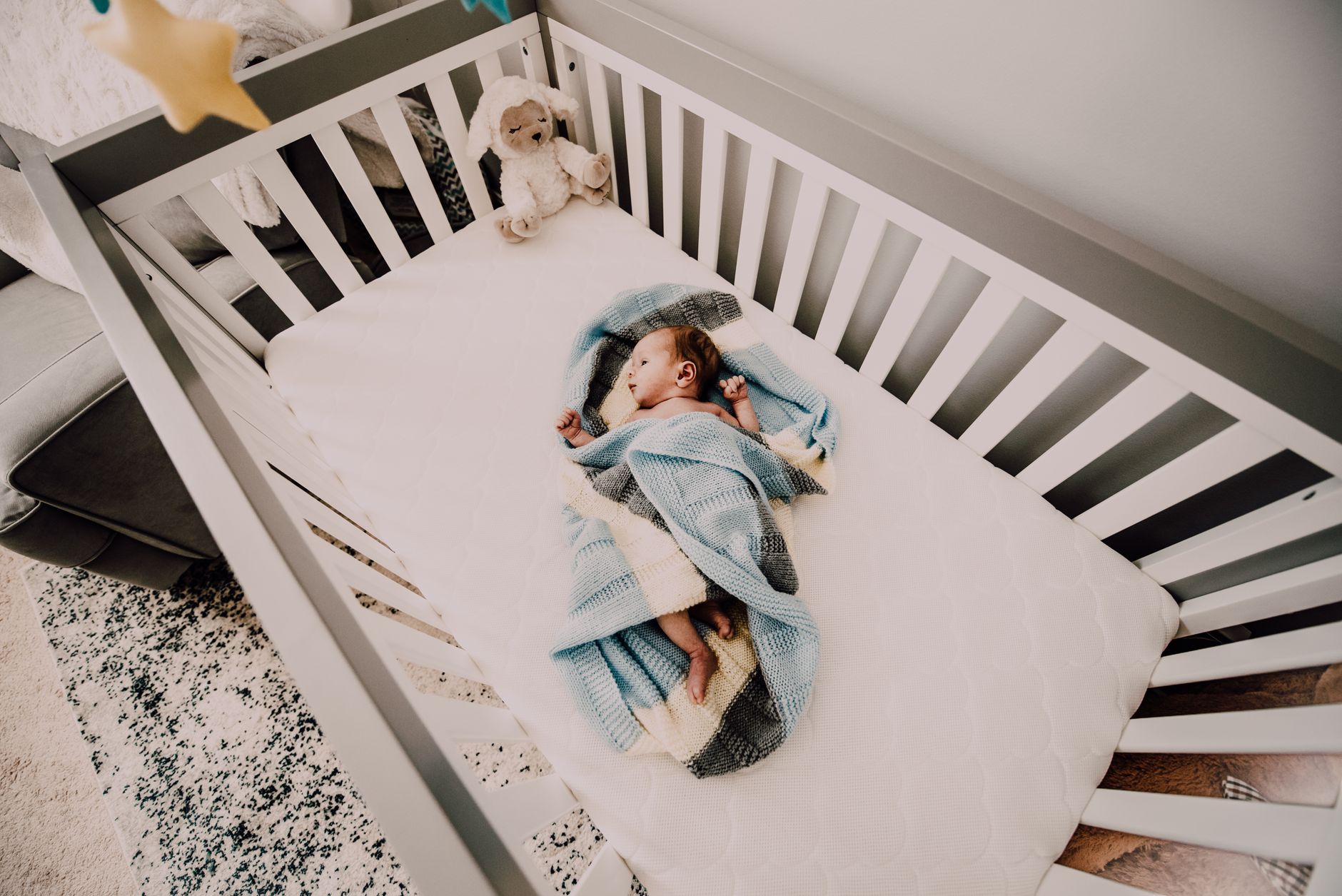
For newborns and infants under one year, the crib should remain a bare, firm sleep space. This means no bumpers, no loose bedding, no pillows, and no soft toys. While it might seem counterintuitive to keep the crib so minimalist, this "bare is best" approach is backed by extensive research showing a significant reduction in sleep-related infant deaths.
Why the 12-month mark? Before their first birthday, infants are still developing the motor skills needed to safely move objects away from their face if they obstruct breathing. They also have less developed airway control. A stuffed animal, even a small one, could inadvertently block a baby's nose and mouth, leading to suffocation. After 12 months, toddlers typically have better head and neck control, and are more capable of repositioning themselves or pushing away an object if it interferes with their breathing.
It's important to differentiate between general play and sleep. During supervised awake time, it's perfectly fine for your baby to interact with soft toys. They can cuddle, explore, and play with stuffed animals while you are actively watching. However, when it's time for sleep, those items should be removed from the crib until the 12-month milestone is reached. This applies to both naps and nighttime sleep.
Many parents wonder if there's any flexibility. Perhaps a small, flat lovey? Or what about a 10-month-old who seems quite capable? While individual babies develop at different rates, the AAP's guidelines are based on population-level safety data and are designed to protect the most vulnerable. Sticking to the 12-month minimum provides the safest margin. Even a 10-month-old, despite appearing coordinated, may not have the consistent ability to clear their airway in all sleep positions if an object is present.
Once your baby celebrates their first birthday, you can begin to consider introducing a comfort object. This doesn't mean every stuffed animal is instantly safe, but it opens the door to carefully selected items that can provide emotional reassurance. We'll delve into how to choose those items safely in a later section.
A bare crib is the safest sleep environment for infants under 12 months, free from any soft objects or loose bedding.
What Are the Risks of Stuffed Animals in a Baby's Crib?
While a soft toy might seem innocuous, introducing stuffed animals or other soft objects into an infant's sleep space carries significant risks, primarily related to Sudden Infant Death Syndrome (SIDS) and accidental suffocation. Understanding these hazards is key to appreciating the strict safe sleep guidelines.
Suffocation Hazards
The most immediate and critical risk is suffocation. A baby, especially an infant under 12 months, lacks the developed motor skills and strength to consistently turn their head or push away an object that obstructs their breathing. If a stuffed animal, pillow, or blanket covers a baby's nose and mouth, they may not be able to clear their airway. This risk is heightened if the baby rolls onto their stomach and their face becomes pressed against a soft object.
Airway Obstruction: Soft objects can conform to a baby's face, blocking their nose and mouth and preventing airflow.
Rebreathing Carbon Dioxide: If a baby's face is pressed into a soft surface, they can re-breathe their own exhaled carbon dioxide. This leads to a dangerous buildup of CO2 and a decrease in oxygen, which can be fatal.
Overheating: Large or heavy stuffed animals can also contribute to overheating, which is another risk factor for SIDS.
Increased SIDS Risk
SIDS is defined as the sudden, unexplained death of an infant younger than one year of age that remains unexplained after a thorough case investigation, including a complete autopsy, examination of the death scene, and review of the clinical history. While the exact cause of SIDS is not fully understood, research has identified several risk factors, and soft bedding or objects in the crib are among the most significant.
The AAP and other leading health organizations consistently recommend keeping the sleep environment free of soft objects specifically to mitigate SIDS risk. The presence of soft bedding, including blankets, pillows, and stuffed animals, has been strongly linked to an increased incidence of SIDS. These items can create a hazardous microenvironment around the baby's face, making breathing difficult and potentially disrupting normal sleep arousal mechanisms that would otherwise protect the infant.
Choking Hazards
Even if an item doesn't directly cause suffocation, parts of a stuffed animal can pose a choking hazard for older infants or toddlers. Small buttons for eyes, loose ribbons, detachable accessories, or beads used as stuffing can come off and be swallowed or inhaled, blocking the airway. While this risk is more pronounced once a child is past the 12-month mark and interacting more independently with objects, it's a factor to consider when selecting *any* toy for a young child.
Understanding these risks isn't meant to be alarming, but rather empowering. Knowing why these guidelines exist can help you feel more confident in creating a safe sleep space for your little one, even when you're yearning to give them that cute, cuddly companion.
How Do You Choose a Safe Stuffed Animal for Your Baby's Crib?
Once your baby is at least 12 months old, you can start thinking about introducing a comfort object. However, not all stuffed animals are created equal when it comes to safety. Choosing the right one is crucial to ensure it provides comfort without introducing new risks. Here's a comprehensive checklist to guide your selection:
Size and Weight
Small and Manageable: The stuffed animal should be small enough for your toddler to easily hold, carry, and move away from their face. Avoid oversized or heavy stuffed animals that could still pose a suffocation risk if they fall onto your child's face. A good rule of thumb is that it should be no larger than your child's head.
Lightweight: Ensure the toy is light enough that your toddler can maneuver it without effort.
Material and Construction
Breathable Fabrics: Look for materials like cotton or other natural, breathable fabrics that allow air to pass through easily. Avoid plush toys made of dense, heavy materials that could trap heat or impede airflow.
Washable: Babies and toddlers are messy! Choose a stuffed animal that is machine washable and can withstand frequent cleaning to maintain hygiene.
Durable Stitching: Inspect the stitching carefully. It should be strong and secure, with no loose threads or seams that could come undone and release stuffing.
Absence of Choking Hazards
This is perhaps the most critical factor for a toddler. Small parts can easily become detached and present a choking risk.
Embroidered Features: Opt for stuffed animals with embroidered eyes, noses, and mouths instead of plastic buttons, beads, or glued-on parts. These small, hard components can easily be bitten off or pulled loose.
No Loose Parts: Avoid toys with ribbons, bows, bells, small accessories (like clothing, hats, or jewelry), or anything else that could detach. If a part is smaller than a toilet paper roll tube, it's generally considered a choking hazard for young children.
Firmly Attached Components: If there are any sewn-on features, ensure they are extremely well-secured and cannot be pulled off by a determined toddler.
Toxicity and Allergens
Non-Toxic Materials: Ensure the stuffed animal is made from non-toxic, hypoallergenic materials. Look for labels indicating compliance with safety standards (e.g., CE mark in Europe, ASTM F963 in the US).
No Strong Scents: Avoid toys with strong chemical smells or added fragrances, which can be irritating or contain unknown compounds.
Lovey vs. Stuffed Animal Distinction
Sometimes, parents use the term "lovey" or "security blanket" interchangeably with "stuffed animal." While all fall under the "soft object" category for safety guidelines, a lovey often refers to a smaller, flatter, more fabric-based item, often with a small animal head or attached to a small blanket. These are generally considered safer *after 12 months* than a large, plush stuffed animal because their flatter design makes them less likely to obstruct breathing. However, the same rules about choking hazards and material breathability still apply.
When in doubt, always err on the side of caution. A simple, well-made, small fabric comfort object is often the safest choice for a newly-turned one-year-old.
For toddlers over 12 months, choose small, simple comfort objects with embroidered features and no loose parts.
Are There Benefits to a Baby Sleeping with a Comfort Object?
While safety is paramount, once your child reaches the recommended age of 12 months and you've selected a safe comfort object, these items can offer significant developmental and emotional benefits. For toddlers, a "lovey" or a special stuffed animal can become a powerful tool for self-soothing and emotional regulation.
Emotional Security and Comfort
A comfort object, often called a "transitional object," can serve as a consistent source of security for your toddler. As children grow and explore their independence, they often face new experiences that can be overwhelming or anxiety-inducing. A familiar stuffed animal or blanket can provide a tangible link to the safety and comfort of home and their parents, especially in new or challenging situations.
Separation Anxiety: A lovey can be particularly helpful during periods of separation anxiety, such as when starting daycare, during bedtime routines, or when parents leave the room. It offers a sense of continuity and familiarity.
New Environments: Taking a familiar comfort object to a new place (like a grandparent's house or on vacation) can help a toddler feel more secure and adjust more easily to unfamiliar surroundings.
Facilitating Self-Soothing
One of the most valuable benefits is the role comfort objects play in helping toddlers learn to self-soothe. Instead of relying solely on a parent for comfort, a child can turn to their lovey for reassurance. This is especially important for sleep.
Bedtime Routine: Incorporating a special stuffed animal into the bedtime routine can signal to your toddler that it's time to wind down. The presence of the lovey can make the transition to sleep smoother and help them fall asleep independently.
Night Wakings: If a toddler wakes up in the middle of the night, having their comfort object nearby can help them resettle themselves without needing parental intervention, fostering greater independence.
Emotional Development and Imagination
Comfort objects can also play a role in a child's broader emotional and imaginative development. They can become an extension of the child's inner world, serving as a confidant or a character in imaginative play.
Empathy and Nurturing: Toddlers often mimic parental behaviors by caring for their stuffed animals, feeding them, or putting them to bed. This helps them develop empathy and nurturing skills.
Role-Playing: Comfort objects can be central to imaginative play, helping children explore emotions, practice social scenarios, and develop their storytelling abilities.
It's important to remember that not all children will form a strong attachment to a comfort object, and that's perfectly normal. If your child doesn't show interest, there's no need to force it. The benefits are there for those who do, but a child can thrive emotionally and develop self-soothing skills through other means as well.
What Are Safe Alternatives to Stuffed Animals for Infant Sleep?
Before your baby reaches 12 months, the crib should remain bare to minimize the risk of SIDS and suffocation. However, this doesn't mean you can't offer comfort and security to your infant. There are several safe alternatives and strategies to help your baby feel safe and soothed during sleep without introducing soft objects into their sleep space.
Swaddles and Sleep Sacks
These are excellent tools for safe infant sleep:
Swaddles: For newborns and young infants, swaddling can mimic the snug feeling of the womb, helping to calm the startle reflex and promote longer sleep. Always ensure the swaddle is snug but not too tight, allows for hip movement, and that the baby is placed on their back. Discontinue swaddling once your baby shows signs of trying to roll over, usually between 2 and 4 months.
Sleep Sacks/Wearable Blankets: Once your baby outgrows swaddling or starts rolling, a sleep sack is a fantastic alternative. These are wearable blankets that zip up, keeping your baby warm without the risks associated with loose blankets. They come in various TOG (Thermal Overall Grade) ratings to suit different room temperatures. Sleep sacks provide comfort and warmth while keeping the crib free of loose items.
Pacifiers
The AAP recommends offering a pacifier at naptime and bedtime for infants once breastfeeding is well established (typically around 3-4 weeks old). Research indicates that pacifier use is associated with a reduced risk of SIDS. While the exact mechanism isn't fully understood, it's thought that pacifiers may help keep the airway open or alter arousal thresholds during sleep. If your baby takes a pacifier, it's a safe and recommended comfort item for sleep.
White Noise and Soothing Sounds
A consistent sleep environment can be incredibly comforting. White noise machines or apps can help mask household sounds, create a calming atmosphere, and remind your baby of the gentle sounds they heard in the womb. Choose a machine designed for infants and keep it at a safe decibel level (below 50 dB) and at least 7 feet away from the crib.
Consistent Routines
A predictable bedtime routine is a powerful source of comfort and security for infants. Even without a specific object, the familiarity of a routine can signal to your baby that it's time to wind down and prepare for sleep. This might include:
A warm bath
Gentle massage
Quiet reading or singing
Dimming the lights
Feeding (before putting them down drowsy but awake)
The predictability itself becomes a comfort object, creating a sense of safety and expectation.
Parental Presence and Comfort
While your baby shouldn't sleep with you in the same bed (co-sleeping is not recommended due to SIDS risk), room-sharing (having your baby sleep in a separate bassinet or crib in your room) is recommended by the AAP for at least the first six months, and ideally for the first year. Your presence in the room, even if not directly touching, can be a source of immense comfort. During waking hours, plenty of cuddles, skin-to-skin contact, and gentle rocking can fulfill your baby's need for physical closeness and security.
By focusing on these safe alternatives, you can provide your infant with a secure and comforting sleep environment that adheres to all recommended safety guidelines.
When Can Babies Sleep with Blankets or Other Comfort Items?
The guidelines for blankets and other soft comfort items closely mirror those for stuffed animals, with the primary recommendation being to wait until your baby is at least 12 months old. This applies to all types of loose bedding and soft objects in the crib.
Loose Blankets
Traditional loose blankets pose the same suffocation risks as stuffed animals for infants under 12 months. They can easily cover a baby's face, obstruct breathing, or become entangled. Even lightweight blankets can be dangerous. This is why sleep sacks (wearable blankets) are recommended as a safe alternative for warmth.
Once your child is over 12 months, and ideally closer to 18 months, you can consider introducing a small, lightweight blanket. However, many parents continue to use sleep sacks well into toddlerhood, as they often stay on better and are less likely to be kicked off. When you do introduce a blanket, ensure it's not too thick or heavy, and that your child can easily move it if it covers their face.
Pillows
Pillows are generally not recommended for children under the age of two. Similar to blankets and stuffed animals, pillows can pose a suffocation risk and contribute to an unsafe sleep environment for infants and young toddlers. Their soft, plush nature can make it difficult for a small child to lift their head or clear their airway if their face becomes pressed against it. Furthermore, pillows are not necessary for a baby's comfort or spinal alignment; a firm mattress is all they need.
The AAP specifically advises against the use of pillows for infants. Once your child is over two years old and sleeping in a bed (not a crib), you can consider introducing a small, flat pillow if they show interest. By this age, their head and neck control are much more developed, and they are better able to maneuver themselves safely.
Loveys and Security Blankets
As mentioned, "lovey" often refers to a small, often flat, fabric object, sometimes with a small animal head attached, designed to be a comfort item. These are generally considered safer than larger, plush stuffed animals *after* the 12-month mark, due to their flatter design and reduced bulk. However, the same age restriction applies: no loveys or security blankets in the crib before 12 months.
When choosing a lovey for a child over 12 months, make sure it adheres to all the safety guidelines for stuffed animals: small, lightweight, breathable material, no loose parts, no buttons, and durable construction. The purpose of a lovey is to provide emotional comfort, and it should be chosen with as much care as any other item in your child's sleep space.
Here's a quick reference table for introducing various comfort items:
Comfort Item
Recommended Introduction Age
Safety Considerations
Stuffed Animals (Plush Toys)
12 months and older
Small, lightweight, no choking hazards (embroidered features), breathable material, washable.
Loose Blankets
12 months and older (ideally 18 months+)
Small, lightweight, breathable. Sleep sacks are a safer alternative for warmth.
Pillows
2 years and older
Small, flat, firm. Not necessary for infants/young toddlers.
Loveys / Security Blankets
12 months and older
Small, flat, breathable fabric, no choking hazards (embroidered features), durable.
Pacifiers
3-4 weeks (after breastfeeding established)
Recommended by AAP to reduce SIDS risk. Ensure it's age-appropriate.
Sleep Sacks / Wearable Blankets
Newborn to toddlerhood (after swaddling)
Safe alternative to loose blankets. Choose appropriate TOG for room temperature.
Expert Recommendations for Introducing a Lovey or Stuffed Animal
Once your baby has safely crossed the 12-month threshold, and you've chosen a safe comfort object, the way you introduce it can make a difference in how well your toddler adapts to it. The goal is to integrate the lovey into their routine as a source of comfort, not as a sleep prop they become overly dependent on in an unhealthy way.
Timing the Introduction
After 12 Months: Reiterate, the absolute minimum age is 12 months. There's no rush; some children might not show interest until 18 months or even later.
During Awake Time First: Don't just put it in the crib at night. Let your toddler play with the stuffed animal during supervised awake time. This helps them bond with the object in a non-sleep context.
Associate with Comfort: Cuddle the lovey yourself while holding your baby, or keep it nearby during comforting activities like reading a book or feeding. This helps transfer your comforting presence to the object.
Integrating into the Sleep Routine
A consistent bedtime routine is the perfect place to introduce a comfort object.
Part of the Wind-Down: Make the lovey a natural part of your established bedtime routine. For example, "Time to pick out your sleepy friend!" before reading a book, or "Let's snuggle with Bunny as we sing our lullaby."
Place it Near Them: When you put your toddler down in their crib, place the lovey within their reach, but not directly over their face.
Consistency is Key: If you introduce a lovey, try to be consistent about its presence during sleep times. This helps your child associate it with sleep and comfort.
What to Expect
Not every child will immediately form an attachment. Some will, some won't, and some might attach to an unexpected item (like a specific receiving blanket or even a tag on an item of clothing). Be patient and observe your child's cues.
Initial Curiosity: Your toddler might just play with it for a bit, then ignore it. That's fine.
Growing Attachment: Over time, if the lovey consistently provides comfort, your child may start to seek it out, especially during stressful moments or when they're tired.
Managing the Lovey
Once a comfort object becomes important, you'll need a strategy to manage it.
"Backup" Lovey: Many parents find it helpful to have an identical backup lovey. This is invaluable if the original gets lost, damaged, or needs to be washed. Rotate them occasionally so they both get worn in equally.
Hygiene: Regularly wash the stuffed animal or lovey according to its care instructions. Toddlers often chew on their comfort objects or drag them through various environments.
Travel: If your child is very attached, the lovey will likely become a travel essential. Ensure it's packed and accessible for trips.
When to Reassess Safety
Even after 12 months, it's wise to periodically check the comfort object for wear and tear. A lovey that was safe at 12 months might develop loose stitching or small holes as it ages, creating new potential hazards. Check for:
Loose threads or stuffing coming out.
Frayed edges or small tears that could become larger.
Any signs of parts becoming detached.
If an item shows significant wear that compromises its safety, it’s best to replace it or repair it securely. One BumpBites reader shared, "My daughter's favorite bunny, 'Bun-Bun,' started losing an ear around 18 months. I was so worried, but having the backup meant I could sneak the original away for a quick, strong re-stitch without her even noticing!"
Introducing a comfort object can be a lovely step in your toddler's emotional development, providing a tangible source of reassurance as they grow more independent.
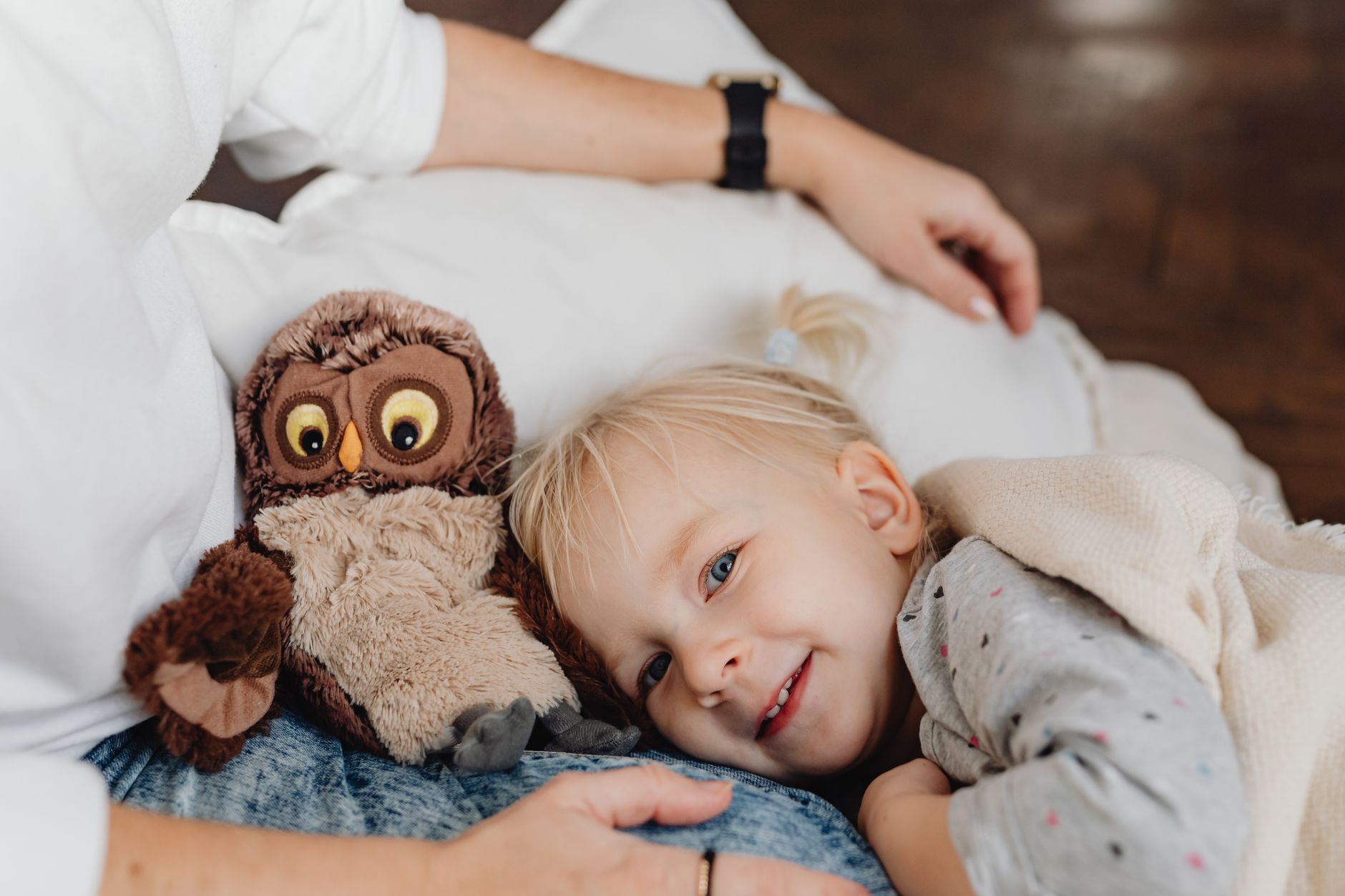
Toddlers can form strong, comforting bonds with their chosen lovey or stuffed animal, aiding in emotional development.
Myth vs. Fact
Myth: My baby is strong enough to push a stuffed animal away, so it's fine.
Fact: While your baby might seem strong and coordinated during awake time, their ability to consistently and effectively clear their airway while deeply asleep is not fully developed until well past their first birthday. The AAP guidelines of 12 months are based on extensive research on infant physiology and risk factors, not just observed awake behavior. It's always safest to follow the official recommendations.
Myth: A small, flat lovey is safe for my 6-month-old.
Fact: No soft objects, regardless of size or flatness, are recommended for infants under 12 months. Even a small lovey can pose a suffocation risk if it covers a baby's face, especially during sleep. The bare crib rule applies universally for the first year of life to minimize SIDS and suffocation hazards.
Myth: My baby needs a stuffed animal to feel secure and sleep well.
Fact: Infants under 12 months do not need a stuffed animal for security; they find comfort in parental presence (room-sharing), consistent routines, swaddles, sleep sacks, and pacifiers. While comfort objects can be beneficial for self-soothing in toddlers (12 months+), they are not a requirement for healthy infant sleep and should not be introduced prematurely.
Key Takeaways
The American Academy of Pediatrics (AAP) recommends waiting until your baby is at least 12 months old before introducing any soft objects, including stuffed animals, blankets, or loveys, into their crib.
Before 12 months, the crib should be bare: a firm mattress with a fitted sheet, no loose bedding, pillows, or soft toys, to reduce the risk of SIDS and suffocation.
For infants, safe alternatives for comfort include swaddles (until rolling), sleep sacks, pacifiers, white noise, and consistent bedtime routines.
When choosing a stuffed animal for a toddler (12 months+), prioritize small, lightweight items with embroidered features (no buttons/beads), durable stitching, and breathable, washable materials.
Comfort objects can offer emotional security, aid in self-soothing, and support emotional development in toddlers, but they are not essential for all children.
Regularly check comfort objects for wear and tear, and remove them if they become unsafe due to loose parts or damage.
Frequently Asked Questions
What age can a baby sleep with a comfort object?
According to the American Academy of Pediatrics (AAP), babies can safely sleep with a comfort object, such as a small stuffed animal or lovey, once they are at least 12 months old. This guideline is in place to minimize the risk of Sudden Infant Death Syndrome (SIDS) and accidental suffocation in infants.
Is it safe for a 6-month-old to sleep with a stuffed animal?
No, it is not safe for a 6-month-old to sleep with a stuffed animal. Infants under 12 months old should have a bare sleep environment, meaning no soft objects, loose bedding, or pillows in their crib. A 6-month-old does not yet have the motor skills or airway control to safely move an object away from their face if it obstructs their breathing.
Can a 1-year-old sleep with a stuffed animal?
Yes, once your baby reaches their first birthday (12 months old), it is generally considered safe to introduce a carefully chosen stuffed animal or comfort object into their crib. At this age, toddlers have better head and neck control and are more capable of repositioning themselves or pushing an object away if it interferes with their breathing.
What is the safest stuffed animal for a baby?
For babies over 12 months, the safest stuffed animal is small, lightweight, and made of breathable, washable material. It should have embroidered features (no buttons, beads, or plastic eyes) and no loose parts like ribbons or detachable accessories that could pose a choking hazard. A small, flat lovey is often a very safe choice.
When can babies sleep with a lovey?
Babies can sleep with a lovey (a small, often flat, security blanket or fabric toy) when they are at least 12 months old. Similar to stuffed animals, loveys should be kept out of the crib for infants under one year to prevent suffocation and reduce SIDS risk. Always ensure the lovey is small, breathable, and free of choking hazards.
What can a baby sleep with for comfort?
For infants under 12 months, safe comfort items for sleep include swaddles (until they show signs of rolling), sleep sacks (wearable blankets), and pacifiers. Room-sharing with parents (baby in their own crib) and a consistent bedtime routine also provide significant comfort and security without introducing unsafe objects into the crib.
When to See a Doctor or Specialist
While this article focuses on safe sleep practices, there are specific situations related to your baby's sleep or health where you should consult a healthcare provider:
Concerns about SIDS Risk Factors: If you have any specific concerns about your baby's individual SIDS risk factors, discuss these with your pediatrician.
Persistent Sleep Issues: If your baby is consistently having trouble sleeping, waking frequently, or if you have concerns about their breathing during sleep (e.g., snoring, pauses in breathing), consult your pediatrician.
Questions about Developmental Milestones: If you're unsure if your baby has reached the developmental milestones necessary for safely introducing certain items (like rolling over to discontinue swaddling), your pediatrician can provide guidance.
Allergic Reactions: If your child develops any skin rashes, sneezing, or other allergic reactions that you suspect might be related to a stuffed animal or its material, consult your doctor.
Remember, this article provides general information and is not a substitute for professional medical advice. Always consult your pediatrician or a qualified healthcare provider for personalized guidance regarding your baby's health and sleep safety.
Not sure about the label on When Can Baby Sleep With Stuffed Animal Safely products?
Snap the ingredients list and SafeFilter checks every ingredient for your stage — only 3 free scans this month, then you're locked until reset. Unlimited from $7/mo or $50/yr.
When Shubhra Mishra was expecting her first child in 2016, she was overwhelmed by conflicting food advice — one site said yes, another said never. By the time her second baby arrived in 2019, she realized millions of mothers face the same confusion.
That sparked a five-year journey through clinical nutrition papers, cultural diets, and expert conversations — all leading to BumpBites: a calm, compassionate space where science meets everyday motherhood.
Her long-term vision is to build a global community ensuring safe, supported, and free deliveriesfor every mother — because no woman should face pregnancy alone or uninformed. 🌿
🌍 Stand with mothers, shape safer guidance
Join a small circle of experts who review BumpBites articles so expecting parents everywhere can decide with confidence.