Quick take: Most babies should wait until they’re at least 12 months old before introducing a pillow, and even then only a small, firm, infant‑specific pillow that meets safety standards. Choose the right size, material, and firmness, watch for readiness cues, and always keep the sleep surface clear of loose items. If your child has reflux, flat‑head syndrome, or allergies, special pillow options exist, but the same safety rules apply.
It’s 3 a.m., the nursery is dark, and you’re staring at the tiny bundle in the crib, wondering whether that soft pillow you slipped in might keep them more comfortable. You’re not alone—many parents wrestle with the question, “when can baby sleep with pillow safely?” The answer isn’t one‑size‑fits‑all, but the research and pediatric guidelines give us a clear road map.
In this article we’ll walk through the age milestones, safety risks, ideal pillow types, signs of readiness, how to make the transition smooth, special considerations for reflux or flat‑head syndrome, and when it’s time to say goodbye to the pillow. By the end you’ll have a practical checklist, a handy comparison table, and the confidence to make a safe choice for your little one.
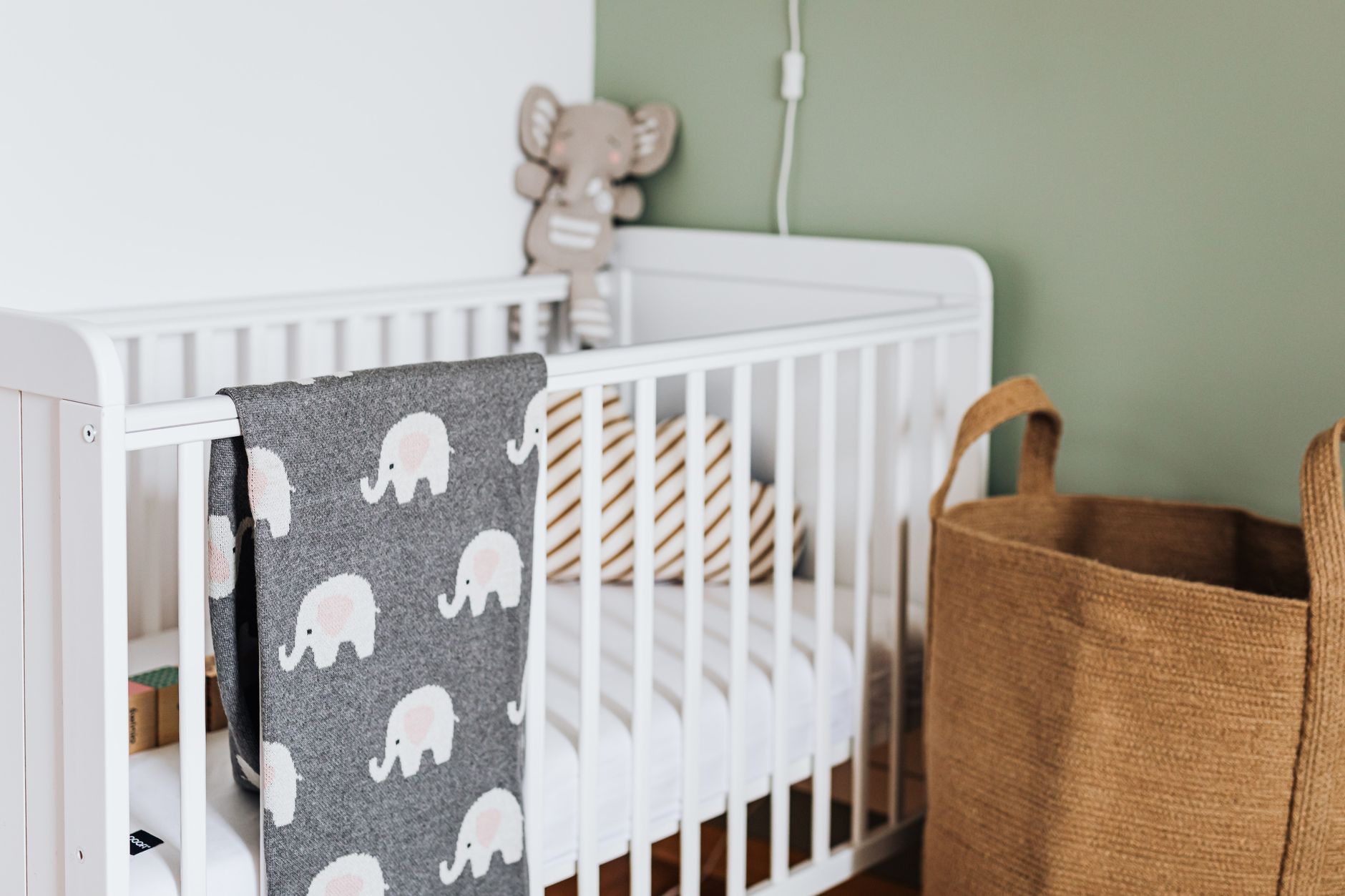
At what age can a baby safely use a pillow?
Most pediatric authorities—including the American Academy of Pediatrics (AAP) and the UK’s National Health Service (NHS)—recommend waiting until a child is at least 12 months old before introducing any pillow. The primary reason is the reduced risk of accidental suffocation and sudden infant death syndrome (SIDS) when the sleep surface is flat, firm, and free of soft objects.
Why the 12‑month mark? By then, most babies have developed enough head‑control and motor skills to roll over both ways, sit up unaided, and shift their weight without getting stuck. This ability dramatically lowers the chance that a pillow could become a breathing obstruction.
For babies who are still in the “tummy‑time” phase (usually 4‑6 months), a flat, firm mattress without any extra bedding remains the safest setup. If you’re eager to give your child extra comfort before the one‑year milestone, consider a sleep positioner that meets strict safety standards, but remember that the AAP still advises against any pillow‑like device for infants under 12 months.
Best pillow for a 6‑month‑old baby?
Technically, none. The safest option for a six‑month‑old is a plain, firm mattress with no pillow. Some parents use a rolled‑up towel for a very short period under a pediatrician’s guidance, but this is not a general recommendation. If a clinician suggests a pillow for a specific medical reason (e.g., severe reflux), it will be a custom‑made, ultra‑thin, breathable pillow used only under close supervision.
Baby pillow vs adult pillow safety
Adult pillows are far too soft, thick, and plush for tiny heads. They can compress, shift, and create gaps where a baby’s face can become trapped. Infant‑specific pillows are designed to be no more than 2‑3 inches thick and often have a firm, low‑profile core that maintains a flat surface. Always choose a pillow labeled “infant” or “toddler” and certified by the Consumer Product Safety Commission (CPSC) or the European CE mark.
When you reach the 12‑month milestone, the shift from a completely flat surface to a low‑profile pillow is subtle but meaningful. The added support can help a child who prefers a slight elevation for comfort, yet it still respects the safety parameters that protect against suffocation.
Is it safe for a newborn to sleep with a pillow?
The short answer: No. Newborns (0‑3 months) have limited neck strength and are at the highest risk for SIDS. The AAP’s Safe Sleep Guidelines explicitly state that the sleep environment should be a flat, firm surface without pillows, blankets, or plush toys.
Even “breathable” or “anti‑SIDS” pillows do not eliminate the danger. A newborn’s airway is tiny, and any soft surface can create a pocket of air that reduces oxygen flow. Research published by the CDC shows that the majority of infant sleep‑related deaths involve soft bedding or an unsafe sleep area.
If a newborn has a medical condition that seems to require elevation—such as severe gastroesophageal reflux (GER)—the pediatrician may recommend a slight incline using a wedge specifically approved for infants. This wedge is not a pillow; it is a rigid, non‑compressible device placed under the mattress, and it must be used under professional supervision.
Because newborns spend most of their time sleeping, maintaining a minimalist sleep environment—just a firm mattress and a fitted sheet—remains the gold standard for safety and for establishing healthy sleep habits.
What type of pillow is recommended for infants and toddlers?
When the time is right (typically 12 months or older), look for a pillow that meets the following criteria:
- Size: Small—approximately 12 × 12 inches (30 × 30 cm) for infants, growing to a toddler‑size pillow of 15 × 20 inches (38 × 51 cm) by age 2‑3.
- Firmness: Firm enough that it does not compress more than 1 inch under pressure. A “medium‑firm” rating is ideal.
- Material: Breathable fabrics such as cotton, bamboo, or hypoallergenic polyester blends. Natural fillings like buckwheat hulls or shredded memory foam with ventilation holes are also safe.
- Cover: Removable, washable, and free of loose embellishments. Look for labels like “OEKO‑Tex Standard 100” indicating no harmful chemicals.
- Certification: CPSC, CE, or JPMA (Japanese Pediatric Medical Association) safety approval.
Here’s a quick comparison of the most common infant‑friendly pillow options:
When choosing a pillow for a child with allergies, prioritize natural, hypoallergenic fibers and avoid synthetic down or feather fillings. A pillow with an anti‑mite cover can further reduce triggers.
How to choose a pillow for a baby with allergies
Look for “hypoallergenic” certifications, such as the Asthma and Allergy Foundation of America (AAFA) seal. Materials like organic cotton, bamboo, or wool are less likely to harbor dust mites. Wash the pillow cover weekly in hot water (≥130 °F/54 °C) to keep allergens at bay.
For families with severe eczema or asthma, a pillow that is both hypoallergenic and antimicrobial can provide extra peace of mind, but always double‑check that any antimicrobial treatment is free of harsh chemicals that could irritate sensitive skin.
How do I know if my baby is ready for a pillow and how to transition?
Readiness isn’t just about age; it’s also about developmental milestones and sleep patterns. Here are the key signs that suggest a child may be ready for a pillow:
- Consistently rolls over both ways during sleep.
- Sits up unaided and can push up on hands while lying on the back.
- Shows preference for a specific side of the head (possible early signs of positional plagiocephaly).
- Begins to express discomfort with a completely flat surface (e.g., frequent tossing).
If you notice these cues, you can begin a gradual transition:
- Start with a thin, flat pillow. Place the pillow directly under the mattress for a few nights to let your baby get used to the slight elevation.
- Add the pillow only for naps. Use it first during daytime naps where you can monitor the child closely.
- Observe for movement. Watch for any difficulty turning the head or signs of overheating.
- Gradually increase use. After a week of comfortable naps, introduce the pillow at night, keeping the rest of the sleep environment free of other soft items.
During the transition, keep the pillow in the center of the crib, away from the walls, and ensure the mattress remains firm. If your baby rolls onto the pillow, gently reposition them and watch for any signs of breathing difficulty.
Remember that a gradual approach not only protects safety but also gives your child time to adjust to the new tactile sensation, reducing the likelihood of nighttime fussiness.
Can a baby roll onto a pillow safely?
Once a child can roll both ways, rolling onto a pillow is generally safe as long as the pillow is firm, low‑profile, and the crib has no other soft items. However, if your baby has a medical condition that limits neck strength or if you notice them struggling to breathe after rolling, discontinue pillow use and consult your pediatrician.
Monitoring during the first few weeks is essential. A quick check every 20‑30 minutes can reassure you that the pillow remains a supportive surface rather than a hazard.
Pillow safety guidelines for babies with specific conditions (reflux, flat head syndrome, allergies)
Some infants have health concerns that make a pillow seem tempting, but each condition has its own set of recommendations.
Reflux (GERD)
Elevating the head can sometimes ease reflux symptoms, but the AAP warns against using a pillow for this purpose. Instead, use a physician‑approved infant wedge placed under the mattress, not under the baby. The wedge should raise the head‑of‑the‑mattress by no more than 10 degrees. If a pillow is deemed necessary, it must be a thin, firm, breathable pillow placed only after the infant is at least 12 months old.
For infants under 12 months with severe reflux, the safest strategy is to keep them upright after feeds and to follow feeding‑position guidelines from the American College of Gastroenterology (ACG).
Flat head syndrome (positional plagiocephaly)
For mild cases, pediatricians often recommend “tummy time” and alternating head positions. In more persistent cases, a specially designed infant head‑support pillow may be prescribed. These pillows have a gentle slope that encourages the baby to turn the head while still maintaining a safe, firm surface. They are typically used for short periods (30‑60 minutes) during supervised awake time, not overnight.
When a head‑support pillow is used, it should be removed before the child falls asleep to keep the sleep environment compliant with AAP guidelines.
Allergies
Choose pillows with hypoallergenic covers and natural fillings. Washable covers reduce dust‑mite buildup. Avoid down, feather, or synthetic fibers that can trigger allergic reactions.
For children with severe atopic dermatitis, a pillow made from organic cotton with an anti‑mite barrier can help reduce skin irritation while still offering a comfortable sleep surface.
What are the risks of using a pillow for a baby and how to prevent them?
Even with a perfectly chosen pillow, certain risks remain. Understanding them helps you stay vigilant.
- Suffocation: A soft or overly thick pillow can create a pocket that blocks airflow. Prevent this by using a firm, low‑profile pillow and keeping the crib free of other soft items.
- SIDS: The presence of any soft bedding is a known risk factor for sudden infant death syndrome. Follow the AAP’s “Back to Sleep” guidelines and ensure the pillow does not interfere with the baby’s ability to roll onto their side.
- Overheating: Some pillow materials retain heat. Choose breathable fabrics and monitor your child’s temperature.
- Allergic reactions: Dust mites, mold, or synthetic fillings can provoke allergies. Wash pillow covers weekly and replace pillows every 12‑18 months.
- Falls: As toddlers become more mobile, a pillow can become a stepping stone. Always position the pillow low in the crib and remove it once the child can climb out of the sleep space.
Preventive steps:
- Buy only pillows with recognized safety certifications.
- Inspect the pillow daily for tears, clumping, or loss of firmness.
- Maintain a clutter‑free crib: no blankets, stuffed animals, or extra pillows.
- Follow the “one‑item rule”—only a mattress, a fitted sheet, and a safe pillow.
- Transition gradually and keep a close eye on breathing and movement during the first few weeks.
By staying proactive, you can enjoy the comfort benefits of a pillow while keeping your child’s sleep environment within the safest parameters.
When should I stop using a pillow and switch to a toddler pillow?
Most children outgrow the need for an infant‑size pillow by age 2‑3 years. At this point, they typically have the motor skills to adjust their position and no longer benefit from the extra head support. Transition to a larger, toddler‑appropriate pillow (about 15 × 20 inches) that still maintains a firm core but offers a bit more surface area for comfort.
Key signs that it’s time to retire the infant pillow:
- The child consistently pushes the pillow away during sleep.
- They begin to climb out of the crib, using the pillow as a step.
- They complain of a “hard” head or neck after waking (often a sign they need a softer surface).
- They have reached 36 months of age, at which point a toddler pillow is safer and more comfortable.
When swapping pillows, keep the same safety practices: choose a firm, breathable pillow, avoid excess bedding, and continue to monitor for any signs of discomfort or breathing difficulty.
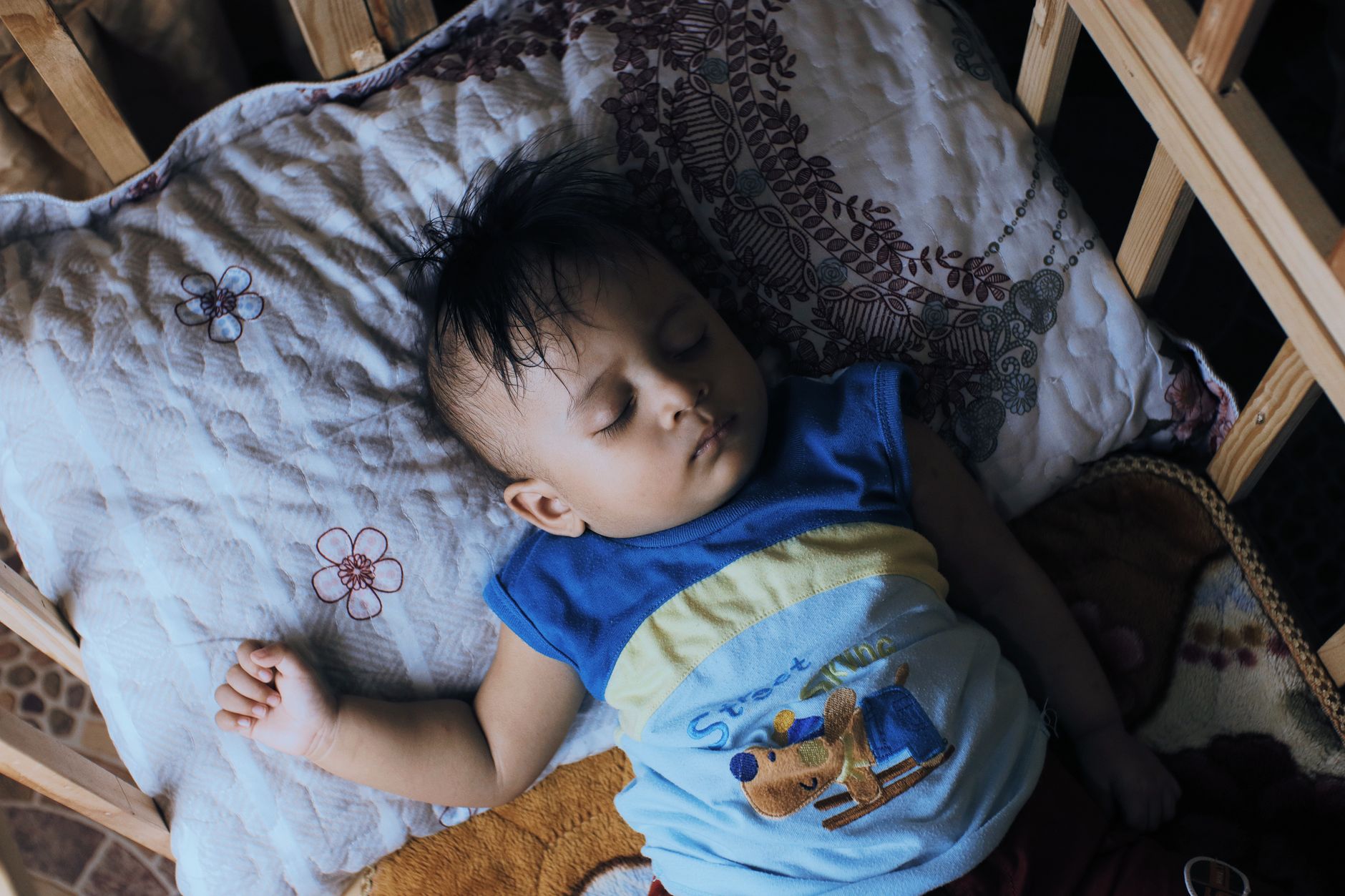
Pillow alternatives for infants and toddlers
If you’re hesitant to introduce a pillow but still want a bit of extra comfort, several safe alternatives exist. A rolled‑up towel or a thin, breathable blanket can provide a gentle elevation without the bulk of a pillow. The CDC advises that any such item be no thicker than ½ inch and placed only under the mattress, never directly under the baby’s head.
Another option is a specially designed infant sleep positioner that meets the AAP’s safety criteria. These devices often have a rigid, non‑compressible core that prevents the baby’s face from sinking while still offering a modest incline. Always verify that the product carries a CPSC or CE certification and that you follow the manufacturer’s age‑range guidelines.
For children with flat‑head concerns, a short daily session of supervised “tummy time” on a firm, flat surface can be more effective than a pillow. The American Academy of Pediatrics recommends at least 30 minutes of tummy time spread throughout the day to promote neck strength and prevent positional plagiocephaly.
How to clean and maintain baby pillows
Keeping a baby pillow clean is essential for both hygiene and longevity. Most infant pillows come with a removable, machine‑washable cover. Wash the cover weekly in hot water (≥130 °F/54 °C) to kill dust mites and eliminate allergens. If the pillow’s filling is washable, follow the manufacturer’s instructions—many buckwheat or foam pillows can be spot‑cleaned with a mild detergent.
After each wash, allow the pillow to dry completely before putting the cover back on. A damp pillow can become a breeding ground for mold, which can aggravate allergies and respiratory issues. Replace pillows every 12‑18 months, or sooner if you notice a loss of firmness, clumping of fill, or persistent odors.
Storing the pillow in a breathable container (like a cotton bag) when not in use can help maintain its shape and prevent dust accumulation. If you travel with your child, consider a compact, fold‑able pillow that meets safety standards and can be easily cleaned on the go.
Choosing the right pillow firmness: a quick guide
Firmness is the most critical safety factor. A pillow that compresses more than 1 inch under a gentle press can create a hollow where a baby’s face may sink. To test a pillow’s firmness at home, press your thumb into the center: you should feel resistance with only a slight indentation.
For infants (12‑24 months), a “firm” rating—often labeled as 3‑4 on a 5‑point scale—is ideal. As children progress to toddler age (24‑36 months), a “medium‑firm” pillow (4‑5 on the same scale) can provide a bit more cushioning without sacrificing safety. Always check the product label for firmness specifications and look for statements like “maintains shape after 24 hours of use.”
When in doubt, err on the side of firmness. A slightly firmer pillow is safer than a softer one, and you can add a thin, breathable mattress overlay if your child still feels uncomfortable.
Myth vs. fact
Myth: A pillow helps babies sleep longer and reduces night waking.
Fact: For infants under 12 months, a pillow offers no proven benefit and may increase the risk of suffocation. Sleep duration is more reliably improved by consistent bedtime routines and a safe sleep environment.
Myth: Any soft pillow is okay as long as you watch the baby.
Fact: Soft, plush pillows create gaps that can trap a baby’s face. Only firm, low‑profile pillows designed for infants meet safety standards.
Myth: Babies with reflux need a pillow to stay upright.
Fact: Elevation should be achieved with a physician‑approved mattress wedge, not a pillow. Using a pillow for reflux can increase the risk of SIDS.
Key takeaways
- Wait until your baby is at least 12 months old before introducing a pillow.
- Choose a small, firm, breathable pillow specifically labeled for infants or toddlers.
- Watch for readiness cues: rolling both ways, sitting up unaided, and expressing discomfort on a flat surface.
- Transition gradually, starting with supervised naps and always keeping the crib free of other soft items.
- Special conditions like reflux or flat‑head syndrome require physician‑guided alternatives, not standard pillows.
- Replace pillows every 12‑18 months and wash covers weekly to prevent allergies and dust‑mite buildup.
- Switch to a toddler‑size pillow by age 2‑3 years, and discontinue use if the child uses the pillow to climb out of the crib.
- Maintain pillow hygiene by washing covers weekly and inspecting the fill for clumping or loss of firmness.
Frequently asked questions
When can a baby start using a pillow?
Most experts, including the AAP, advise waiting until the child is at least 12 months old and can roll both ways. Some pediatricians may allow a thin, firm pillow after 9 months if the baby shows strong head control, but this should be done under professional guidance.
Is it safe for a baby to sleep with a pillow?
It is safe only after the baby reaches the age and developmental milestones that reduce suffocation risk, and only if the pillow meets strict safety criteria—firm, low‑profile, breathable, and infant‑specific.
What size pillow is appropriate for a baby?
Infant pillows are typically 12 × 12 inches (30 × 30 cm) and about 1‑2 inches thick. Toddler pillows grow to about 15 × 20 inches (38 × 51 cm) by age 2‑3 years.
Can a pillow cause suffocation in infants?
Yes. Soft, compressible pillows can create a pocket that blocks airflow, especially if the infant cannot roll away. This is why pediatric guidelines stress a firm, flat sleep surface without pillows for infants under 12 months.
How do I know if my baby is ready for a pillow?
Look for the ability to roll over both ways, sit up without support, and a preference for a slightly elevated surface. If your child meets these milestones, you can start a supervised transition with a thin infant pillow.
Are there specific pillow materials that are safer for babies?
Breathable, natural fabrics like cotton, bamboo, and organic wool are the safest. Fillings such as buckwheat hulls or shredded memory foam with ventilation holes are also acceptable, provided the pillow maintains firmness and is free of allergens.
Does a pillow help a baby sleep through the night?
There is no strong evidence that pillows improve sleep duration for infants. Consistent bedtime routines, a dark, cool room, and a safe sleep environment are far more effective for promoting longer, restful sleep.
What should I do if my baby seems uncomfortable on a pillow?
If your baby whines, tosses the pillow, or appears to struggle with breathing after rolling onto it, remove the pillow immediately and monitor for any signs of distress. Consult your pediatrician if discomfort persists or if you notice any breathing irregularities.
When to see a doctor
If you notice any of the following, contact your pediatrician right away:
- Persistent difficulty breathing or pauses in breathing while the pillow is in use.
- Frequent overheating, excessive sweating, or a fever that doesn’t resolve.
- Signs of allergic reaction—red, itchy rash, watery eyes, or sneezing that worsens after bedtime.
- Inability to remove the pillow yourself after rolling onto it.
- Any concern that your child’s head is being pressed into the pillow for long periods.
These symptoms may indicate that the pillow is not appropriate for your child’s current development or health condition. A pediatrician or pediatric sleep specialist can recommend alternative strategies or a customized pillow solution.
References
- American Academy of Pediatrics. “Safe Sleep Practices.” AAP Policy Statement, 2023.
- National Health Service (UK). “Safe sleeping for babies.” NHS Guidance, 2022.
- Centers for Disease Control and Prevention. “Sudden Unexpected Infant Death (SUID) and Safe Sleep.” CDC, 2023.
- Consumer Product Safety Commission. “Infant Sleep Safety.” CPSC Safety Standards, 2022.
- National Sleep Foundation. “Understanding Infant Sleep.” NSF Publication, 2021.
- Asthma and Allergy Foundation of America. “Allergy‑Safe Bedding for Children.” AAFA Guidelines, 2022.
- World Health Organization. “Infant and Young Child Feeding: Guidelines for Health Professionals.” WHO, 2021.
- American Association of Sleep Technologists. “Pediatric Sleep Positioners.” AAST Review, 2022.
- American College of Gastroenterology. “Management of Pediatric GERD.” ACG Clinical Practice Guidelines, 2023.
- American Academy of Dermatology. “Caring for Sensitive Skin in Infants.” AAD Position Statement, 2022.



