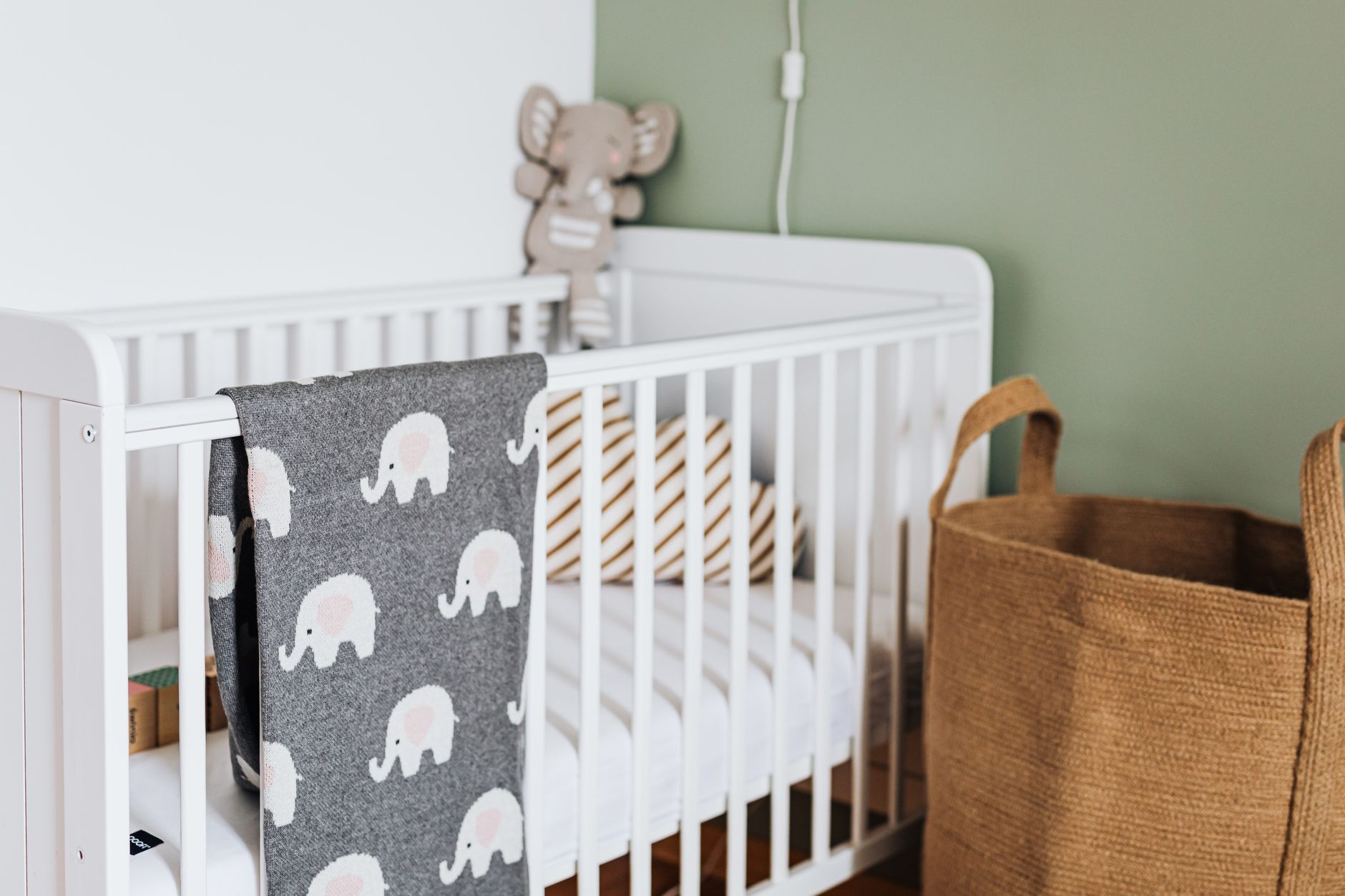
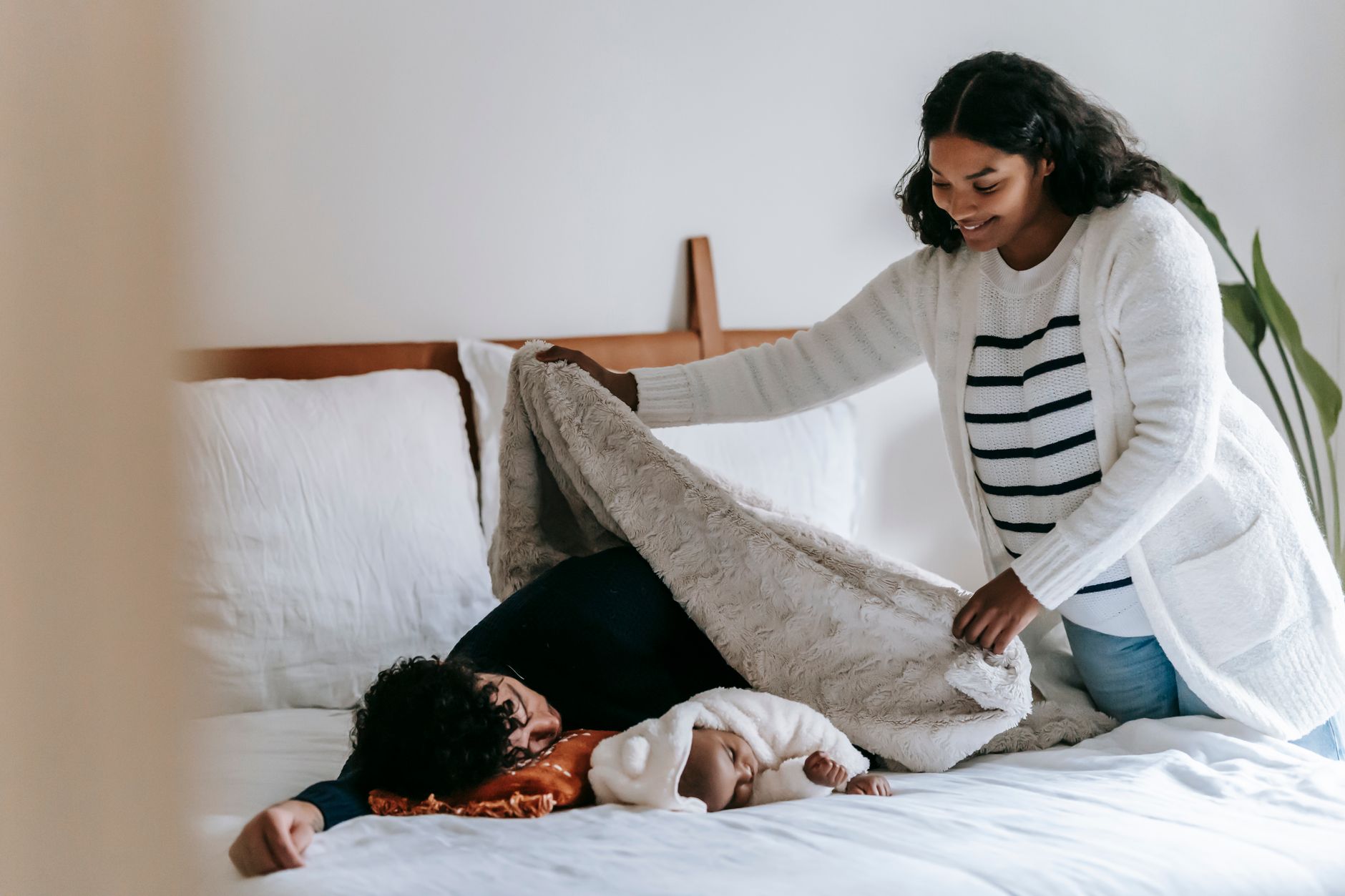
or newborns (0‑3 months), the answer is a firm “no.” Newborns lack the motor control to move a blanket away from their face, and their neck muscles are still developing. The AAP’s safe‑sleep policy specifically recommends a bare crib—no blankets, pillows, or stuffed animals.
Instead of a blanket, opt for a swaddle or a sleep sack made of soft, breathable fabric. These keep the baby warm without the risk of loose bedding. If you must add warmth in a chilly room, use a room‑temperature monitor and keep the ambient temperature between 20‑22 °C (68‑72 °F).
Many parents worry that a newborn will feel cold without a blanket. A well‑fitted sleep sack, combined with a room that stays within the recommended temperature range, provides a safe, cozy environment.
Recent guidance from the UK’s NHS echoes the AAP, emphasizing that any added layers should be part of a sleep sack rather than a loose blanket, especially in the first three months of life.
What type of blanket is safest for babies over 12 months?
Once your baby is past the rolling milestone, the safest blanket is one that is lightweight, breathable, and sized appropriately. Below is a quick comparison of the most common options.
For infants just over 12 months, a muslin cotton or bamboo blend is usually the best choice. These fabrics let air flow, reduce heat buildup, and are easy to wash.
Weighted blankets are only safe for toddlers older than 24 months and must be no heavier than 10 % of the child’s body weight. Even then, they should be used under supervision and not in a crib.
When selecting a blanket, consider the climate of your home. In milder regions, a single muslin layer may suffice year‑round, while colder climates might require layering a thin fleece over a muslin base.
How to transition from a sleep sack to a blanket for a baby
Transitioning can feel like a delicate dance, but a step‑by‑step approach eases both you and your child into the new routine.
Step 1: Confirm rolling readiness
Observe your baby for a full week. If they roll from back to front and front to back without assistance, they’re ready.
Step 2: Choose the right blanket
Select a small, breathable blanket (see the comparison table). A muslin square works well because you can fold it to the perfect size.
Step 3: Start with a “blanket‑only” nap
During daytime naps, place the blanket loosely over the chest and tuck the edges under the mattress. Keep the crib free of other bedding.
Step 4: Gradually add to nighttime sleep
After a week of successful naps, try the blanket at night. Continue to monitor temperature and movement.
Step 5: Keep a sleep sack handy
If the baby seems cold or restless, switch back to the sleep sack for that night. The goal is a flexible, safe routine.
Many parents find it helpful to keep a small blanket folded at the foot of the crib so it’s within reach but not covering the baby’s face. This visual cue reminds you to check the blanket’s position regularly.
Can a baby roll over with a blanket on and still be safe?
Even after a baby can roll, a blanket can become a hazard if it’s too large or gets tangled around the neck. The safest approach is to keep the blanket small and securely tucked.
Here are three safety tips for rolling babies:
- Size matters: A blanket larger than 30 × 40 cm can shift and cover the face.
- Secure the edges: Tuck the corners under the mattress, not under the baby.
- Check frequently: Every 2‑3 hours, glance to ensure the blanket isn’t covering the head.
If your baby tends to toss the blanket off or pulls it over their face, revert to a sleep sack until you’re confident they can self‑adjust.
Research from the FDA on infant sleep products stresses that any loose fabric that can become a choking or suffocation risk should be avoided in the first year of life, reinforcing the importance of proper tucking.
What are the safe sleep guidelines for blankets and infants?
The AAP’s safe‑sleep guidelines are the gold standard for infant bedding. They focus on three core principles: a firm sleep surface, a bare crib, and a safe sleep position (on the back).
When it comes to blankets, the guidelines can be summarized as:
- Age rule: No blankets for babies under 12 months unless the baby can roll both ways.
- Fit rule: Blankets must be no larger than 30 × 40 cm and should be tucked under the mattress.
- Material rule: Choose breathable fabrics like cotton or bamboo; avoid heavy fleece or wool that trap heat.
- Temperature rule: Keep the room between 20‑22 °C (68‑72 °F) and check the baby’s neck for sweat.
- Position rule: Always place the baby on their back; if they roll onto their stomach, gently roll them back.
Following these rules reduces the risk of Sudden Infant Death Syndrome (SIDS) and suffocation.
Both the AAP and the UK’s NHS stress that safe‑sleep practices apply regardless of cultural bedding traditions, so parents should adapt local customs to meet these safety standards.
How to choose a breathable blanket for a baby
Breathability is the key factor that prevents overheating. When shopping, look for these indicators:
- Fabric composition: 100 % cotton, bamboo, or a cotton‑bamboo blend.
- Thread count: A lower thread count (around 150‑200) usually means more airflow.
- Weave style: Muslin or open‑weave fabrics allow air to circulate.
- Weight: Light blankets (under 200 g) are less likely to trap heat.
For summer months, a thin muslin blanket can double as a swaddle during the day and a light cover at night. In cooler seasons, layering a muslin blanket over a slightly heavier cotton one provides warmth without sacrificing breathability.
When purchasing, check the manufacturer’s certification for Oeko‑Tex Standard 100, which confirms that the fabric is free from harmful chemicals—an important consideration for sensitive infant skin.
What are the risks of using blankets for babies under 6 months?
For infants younger than six months, blankets pose several documented risks:
- Suffocation: Loose blankets can cover the face, limiting airflow.
- Overheating: Babies under six months have an immature thermoregulation system and can’t easily signal when they’re too hot.
- SIDS increase: Studies from the CDC show a higher incidence of SIDS when soft bedding is present.
- Entanglement: Blankets can become tangled around the neck or limbs, restricting movement.
Because of these hazards, the AAP and the UK’s NHS both recommend a bare crib or a sleep sack for infants under six months.
In addition, the FDA’s Consumer Safety Guidance for Infant Products advises parents to avoid any loose fabric in the sleeping environment until the child can reliably move away from it.
Baby blanket safety guidelines by age
Below is a concise age‑by‑age breakdown to help you decide when to introduce a blanket.
These guidelines align with the American College of Obstetricians and Gynecologists (ACOG) recommendations for infant sleep safety, reinforcing that age‑based milestones are a reliable framework for blanket use.
Recommended sleep sack alternatives for infants
If you’re not ready for a blanket, several alternatives provide warmth while staying within safe‑sleep guidelines:
- Wearable blankets: Made from cotton or bamboo, they zip up and stay on the baby.
- Swaddle blankets: Only for newborns; must be snug around the torso and free around the hips.
- Sleep pods: Small, breathable enclosures that keep the baby’s head uncovered.
All these options eliminate the risk of loose bedding while still offering a cozy feel.
When selecting a sleep sack, look for a “TOG rating” that matches your room temperature. A TOG 1‑2 is ideal for most indoor environments, while a TOG 2‑3 may be needed in cooler climates.
Best breathable baby blankets for summer
Summer calls for extra airflow. The top three breathable blankets vetted by pediatricians are:
- Muslin cotton swaddle (e.g., Aden + Anais) – ultra‑light, double‑sided, easy to fold.
- Bamboo‑cotton blend (e.g., Burt’s Bees Baby) – naturally moisture‑wicking, soft on sensitive skin.
- Organic linen baby blanket (e.g., Little Green Sheep) – slightly heavier than muslin but still breathable.
These fabrics keep babies cool while still providing a gentle covering for those occasional chilly evenings.
For families that prefer eco‑friendly options, the linen blanket’s natural fibers also reduce the need for synthetic detergents, which can be harsh on delicate skin.
How to prevent overheating with baby blankets
Overheating is a leading cause of sleep‑related infant deaths. Follow these practical steps:
- Check the baby’s neck: If it feels sweaty or hot, remove the blanket.
- Use a room‑temperature monitor: Aim for 20‑22 °C (68‑72 °F).
- Dress appropriately: In a cool room, a one‑piece sleep suit may be enough; add a blanket only if needed.
- Layer, don’t bulk: Two thin blankets are safer than one thick one.
Remember, a baby’s head accounts for a large portion of heat loss. Keeping the head uncovered (no hats) helps regulate temperature.
The American Academy of Pediatrics notes that a baby’s core temperature should stay between 36.5 °C and 37.5 °C (97.7‑99.5 °F); frequent temperature checks can catch early signs of overheating.
SIDS risk and blankets for infants
Research from the CDC and the AAP consistently shows that soft bedding, including blankets, increases the risk of Sudden Infant Death Syndrome (SIDS) when used before the infant can roll over. The exact mechanism isn’t fully understood, but it’s believed that blankets can obstruct breathing or cause overheating.
Once the baby can consistently roll both ways, the risk diminishes, especially when you choose a breathable, correctly sized blanket and maintain a cool sleep environment. Nonetheless, always place the baby on their back for the first sleep period of the night, even after they start using a blanket.
International guidelines from the World Health Organization echo this, recommending that any added bedding be limited to a thin, breathable layer after the infant reaches developmental readiness.
When to stop using swaddles and start blankets
Swaddling is a wonderful tool for newborns, but it should be phased out as soon as the baby shows signs of attempting to roll. Typically, this occurs between 4‑6 months, though some babies may start earlier.
Transition steps:
- Begin offering a sleep sack during one sleep cycle per night.
- Gradually increase the number of nights with the sleep sack.
- When the baby consistently sleeps in the sack, introduce a small blanket for added comfort.
By the time your baby is 12 months old, most will be ready for a blanket if they meet the rolling criteria.
During this transition, it’s helpful to keep a “blanket‑only” night once a week to gauge how the baby reacts, ensuring the shift remains gentle and stress‑free.
Can I use a weighted blanket for a toddler?
Weighted blankets can provide calming deep‑pressure stimulation, but they are only safe for toddlers older than 24 months and must weigh no more than 10 % of the child’s body weight. A 12‑month‑old toddler should never use a weighted blanket.
Make sure the blanket has an even distribution of weight (glass beads are common) and that it has a breathable outer layer. Always supervise the child the first few times they use a weighted blanket.
The American Sleep Association advises parents to consult their pediatrician before introducing any weighted product, especially if the child has respiratory or sensory processing concerns.
Choosing a baby blanket for skin sensitivities or eczema
For babies with sensitive skin or eczema, the blanket material can make a big difference. Look for fabrics that are hypoallergenic, free from harsh dyes, and have a low pH. Organic cotton and bamboo are often recommended because they are naturally soft and less likely to irritate.
Wash the blanket before first use using a fragrance‑free, dye‑free detergent, and consider a second rinse cycle to remove any residual chemicals. A recent review by the National Eczema Association suggests that a breathable, moisture‑wicking blanket can actually help keep the skin cooler and reduce flare‑ups.
How to wash and maintain baby blankets safely
Proper cleaning extends the life of a blanket and keeps it hygienic. Most breathable blankets can be machine‑washed on a gentle cycle with warm water (30‑40 °C or 86‑104 °F). Use a mild, fragrance‑free detergent and avoid fabric softeners, which can leave residues that irritate infant skin.
After washing, tumble dry on low heat or air‑dry flat to prevent shrinkage. If you’re using a weighted blanket, check the manufacturer’s instructions for any removable inserts that may need separate washing.
Storing blankets in a breathable cotton bag rather than a sealed plastic container helps prevent mildew and keeps them fresh for the next use.
Traveling with a baby blanket: safety tips on the go
When you’re out and about, the safest option is a lightweight, easily foldable muslin blanket. It can double as a nursing cover, a stroller shade, or a burp cloth, reducing the number of items you need to carry.
In hotels or guest rooms, always inspect the sleeping surface for loose sheets or pillows that could become hazards. If you’re unsure about the crib’s safety, a portable sleep sack is a reliable backup.
For air travel, a compact blanket that fits into a diaper bag is ideal. Remember that airplane cabins can get chilly, so a breathable blanket can provide comfort without overheating.
Myth vs. fact
Myth: “Any soft blanket is fine as long as it’s cute.”
Fact: Only small, breathable blankets that are properly tucked are considered safe; oversized or plush blankets increase SIDS risk.
Myth: “If the baby is warm, they’re fine.”
Fact: Overheating is a silent risk. A baby’s neck should feel warm but not sweaty; check skin temperature regularly.
Myth: “Weighted blankets help newborns sleep better.”
Fact: Weighted blankets are not recommended for infants under 24 months due to suffocation and overheating hazards.
Key takeaways
- Introduce a blanket only after your baby can roll both ways, usually around 12 months.
- Choose a small (≤ 30 × 40 cm), breathable fabric such as muslin cotton or bamboo blend.
- Always tuck blanket edges under the mattress; never place loose bedding near the face.
- Maintain room temperature between 20‑22 °C (68‑72 °F) and check for signs of overheating.
- Continue using a sleep sack for infants under 12 months or if your baby cannot roll independently.
- Weighted blankets are only safe for toddlers older than 24 months and must be less than 10 % of body weight.
- For babies with eczema or skin sensitivities, opt for hypoallergenic, dye‑free fabrics and wash them before first use.
Frequently asked questions
When can I start using a blanket for my baby?
Most experts advise waiting until your baby can roll both ways—typically around 12 months. Until then, a sleep sack is the safest option.
Is it safe for a baby to sleep with a blanket?
Yes, if the baby is over 12 months, can roll independently, and the blanket is small, breathable, and tucked securely. For younger infants, blankets are not safe.
What are the signs that a blanket is too warm for a baby?
Check the baby’s neck and chest: if the skin feels hot or sweaty, the blanket may be too warm. Also watch for flushed cheeks, restless tossing, or a sudden increase in breathing rate.
How do I know if my baby is ready for a blanket?
Observe your baby for a full week. If they can roll from back to front and front to back without assistance, and they can push a blanket away, they’re ready.
Can a blanket cause SIDS in infants?
Using a blanket with infants under 12 months increases the risk of SIDS because loose bedding can obstruct breathing or cause overheating. Following safe‑sleep guidelines minimizes this risk.
What type of blanket is safest for a baby?
A small, breathable muslin cotton or bamboo‑cotton blend blanket is safest. Avoid heavy fleece, thick wool, or oversized blankets.
Should I use a weighted blanket for my toddler?
Only if your child is older than 24 months and the blanket weighs less than 10 % of their body weight. Otherwise, stick to a lightweight, breathable blanket.
How often should I wash my baby’s blanket?
Wash the blanket weekly or whenever it becomes soiled. Use a gentle, fragrance‑free detergent and avoid fabric softeners to keep the fibers soft and hypoallergenic.
Can I use a blanket if my baby has eczema?
Yes, choose a hypoallergenic, organic cotton or bamboo blanket with no dyes or harsh chemicals. Wash it before first use and monitor the skin for any irritation.
When to see a doctor / specialist
If you notice any of the following, contact your pediatrician right away:
- Persistent overheating despite adjusting room temperature.
- Signs of rash, irritation, or allergic reaction to the blanket material.
- Frequent waking with the blanket covering the face.
- Difficulty breathing, unusual limpness, or any sign of distress while sleeping.
- Any concerns about your baby’s developmental milestones, such as delayed rolling.
This article is for informational purposes only and does not replace personalized medical advice. Always discuss any concerns with your healthcare provider.
References
- American Academy of Pediatrics. “Safe Sleep for Babies.” AAP, 2023.
- Centers for Disease Control and Prevention. “Sudden Unexpected Infant Death and Safe Sleep.” CDC, 2022.
- National Institute of Child Health and Human Development. “Infant Sleep Safety.” NIH, 2023.
- Harvard T.H. Chan School of Public Health. “Choosing Breathable Fabrics for Babies.” 2022.
- World Health Organization. “Guidelines on Infant Sleep and SIDS Prevention.” WHO, 2021.
- British National Health Service. “Safe Sleep Advice for Parents.” NHS, 2023.
- American Sleep Association. “Weighted Blankets for Children – Safety Guidelines.” ASA, 2022.
- American College of Obstetricians and Gynecologists. “Infant Sleep Safety.” ACOG, 2022.
- Food and Drug Administration. “Consumer Safety Guidance for Infant Products.” FDA, 2021.
- National Eczema Association. “Best Fabrics for Sensitive Skin.” NEA, 2023.