Quick take: Most pediatric experts agree that babies should not be given any juice before 12 months of age. After the first birthday, a small amount—no more than 4 ounces (≈120 ml) per day—can be offered occasionally, preferably 100 % fruit juice diluted with water. Choose low‑acid, low‑sugar options, avoid juice drinks, and watch for signs of intolerance or tooth decay. If you notice persistent diaper rash, vomiting, or unusual fussiness, contact your pediatrician.
It’s the 3 a.m. moment you’re scrolling through parenting forums, heart racing because you’ve just opened a fresh bottle of apple juice for your little one. “Is this okay?” you wonder, remembering the pediatrician’s brief comment about limiting sugary drinks. You’re not alone—many parents feel the same mix of love and uncertainty when it comes to juice. Below, we break down exactly when can baby have juice safely and how to make the best choices for your child's health.
In this guide, you’ll find clear answers to the most common questions, from the appropriate age to start juice to how much is safe for a toddler. We’ll compare 100 % fruit juice with sugary juice drinks, discuss potential risks like tooth decay and diaper rash, and suggest practical ways to introduce juice—or better yet, whole fruit—into your baby’s diet. Finally, we’ll outline red‑flag symptoms that call for a pediatrician’s attention.
All recommendations follow guidance from the American Academy of Pediatrics (AAP), the Centers for Disease Control and Prevention (CDC), and other reputable health authorities. Let’s dive in, with confidence and peace of mind.
At what age can babies start drinking juice safely? (including 6‑month recommendations)
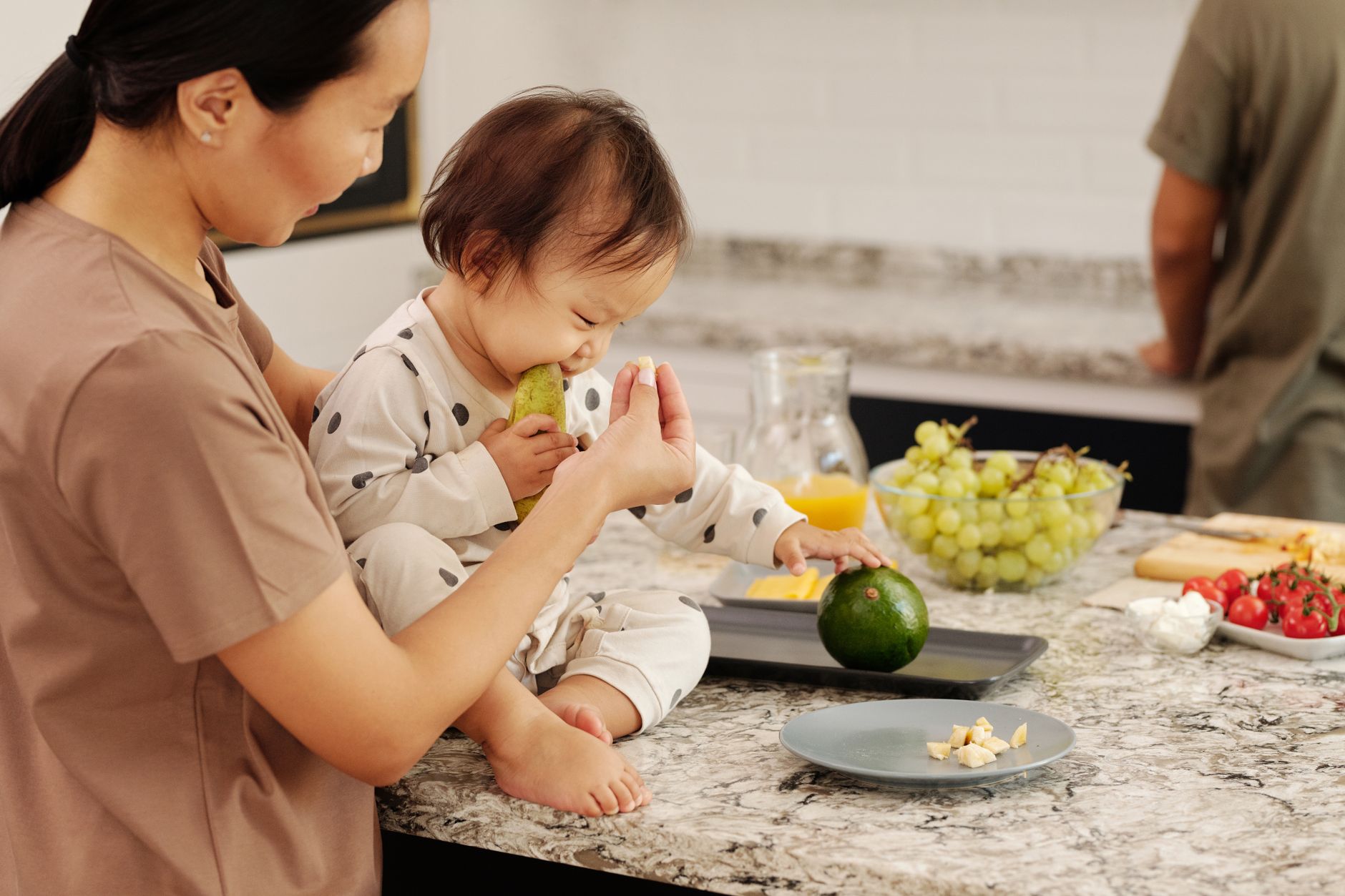
The short answer is: no juice before 12 months. The AAP’s 2022 nutrition guidelines state that infants under one year should receive all their fluids from breast milk, formula, or water (once solids are introduced). Introducing juice earlier offers no nutritional advantage and can displace essential nutrients.
For babies who are 6 months old and just beginning solids, the safest hydration options are:
- Breast milk or formula (the primary source of calories and nutrients).
- Plain water in a sippy cup, offered in small amounts (about 2–4 oz per day).
- Pureed fruits or vegetables, which provide natural sweetness without added sugars.
If you’re eager to offer a fruit‑flavored drink before the first birthday, consider a homemade “fruit water” made by steeping fresh fruit slices in water for a few hours, then straining. This provides flavor without the concentrated sugars found in commercial juice.
Many parents ask, “Can I give my 6‑month‑old a sip of juice?” The consensus from pediatric nutritionists is to wait until the child is at least 12 months old. This timing aligns with the development of the digestive system and the ability to handle the natural acids found in juice.
Why the 12‑month milestone matters
After 12 months, a child’s kidneys and gut are better equipped to process the fructose and acidity in juice. The risk of dehydration from excess sugar is lower, and the child can begin to enjoy a broader variety of flavors as part of a balanced diet. Moreover, the American Academy of Pediatrics notes that early exposure to sugary drinks can set a lifelong preference for sweetened beverages, which the CDC links to higher obesity rates later in childhood.
In addition, the United Kingdom’s NHS advises that introducing juice before 12 months can increase the chance of iron deficiency, as juice may replace iron‑rich foods like meat and fortified cereals. Waiting until the first birthday helps ensure a more nutrient‑dense diet during this critical growth window.
How much juice is safe for a 12‑month‑old baby and how often can a baby have juice per week?
For toddlers aged 12–24 months, the AAP recommends limiting juice to no more than 4 ounces (≈120 ml) per day. This quantity should be split into one serving, not multiple small sips throughout the day, to avoid prolonged exposure to sugar.
When planning a weekly schedule, think of juice as an occasional treat rather than a daily staple. A practical guideline is:
- Maximum 4 ounces per day, no more than 3 days per week.
- Offer juice with a meal, not between meals, to reduce the chance of tooth decay.
- Always serve juice in a small, open cup rather than a bottle to discourage prolonged sipping.
For example, a typical week might look like:
Remember, the goal is to keep juice as a supplemental flavor, not a primary source of hydration or nutrition. The American Heart Association also cautions that added sugars—including those naturally present in juice—should make up less than 5 % of daily calories for children, reinforcing the need for moderation.
Tips for measuring juice servings
Use a standard measuring cup rather than estimating by “a splash.” A 4‑ounce serving is about the size of a typical baby’s hand. If you’re diluting juice (recommended below), the total volume remains 4 ounces, but the sugar concentration is halved. The FDA’s Nutrition Facts label can help you verify the sugar content per ounce, ensuring you stay within the limit.
Is 100 % fruit juice better than juice drinks for infants, and does organic juice make a difference?
Yes—if you decide to offer juice after 12 months, choose 100 % fruit juice without added sugars, sweeteners, or artificial flavors. Juice drinks (often labeled “fruit cocktail” or “fruit‑flavored drink”) can contain as little as 10 % real juice and up to 90 % added sugars, corn syrup, or high‑fructose corn syrup.
Organic juice is marketed as “pesticide‑free,” but the nutritional profile—sugar and acid content—remains the same as conventional juice. The FDA does not require organic juice to have lower sugar. Therefore, the primary health distinction lies in the presence of added sugars, not organic certification.
Key differences:
- 100 % juice: No added sugars, provides vitamins (like vitamin C) and some minerals, but still high in natural sugars.
- Juice drinks: Often contain added sugars, lower vitamin content, and higher calorie density.
- Organic juice: Same sugar content as non‑organic 100 % juice; may have slightly higher antioxidant levels, but evidence of clinical benefit for infants is limited.
When reading labels, look for “100 % juice” as the first ingredient and check that there are no “added sugar” or “high‑fructose corn syrup” statements further down the list.
How to read a juice label
1. Verify the first ingredient is a specific fruit (e.g., “apple juice”).
2. Ensure there are no “added sugars,” “corn syrup,” or “fruit concentrate” listed after the juice.
3. Look for “no added salt” and “no artificial colors” if you’re concerned about sodium intake.
What are the risks of giving juice to babies under 1 year, including tooth decay, diarrhea, obesity, and iron absorption?
While juice can be a source of vitamin C, the potential drawbacks outweigh the benefits for infants under one year:
- Tooth decay: The natural acids and sugars in juice can erode enamel, especially when a baby sips over a prolonged period. Early childhood caries can develop as early as 18 months.
- Diarrhea: High fructose content can be poorly absorbed in a young gut, leading to loose stools or watery diarrhea.
Obesity: Excess calories from sugary drinks contribute to rapid weight gain. A 2021 CDC analysis linked daily juice consumption in toddlers to higher BMI percentiles.
- Iron absorption: Vitamin C in juice can improve iron absorption from plant‑based foods, but the high sugar content may also cause inflammation that interferes with iron metabolism. Studies from the Academy of Nutrition and Dietetics suggest that excessive juice can reduce overall iron status if it displaces iron‑rich foods.
These risks are why the AAP strongly advises against juice before 12 months. The NHS also warns that early juice exposure can predispose children to a preference for sweet drinks, making it harder to adopt healthier beverage habits later.
Managing the risk of tooth decay
Even after the first birthday, limit juice to mealtime, serve it in a cup (not a bottle), and rinse your child’s mouth with water afterward. Regular dental check‑ups starting at age one help catch early signs of decay. The American Dental Association recommends brushing with a fluoride‑containing toothpaste twice daily, even for toddlers.
Can juice cause diaper rash in babies and how can you prevent it?
Yes—juice’s natural acidity can exacerbate diaper rash, especially if the baby’s skin is already sensitive. The sugars also feed yeast, increasing the risk of a candida‑related rash.
Prevention tips:
- Limit juice to no more than 4 ounces per day and dilute it 1:1 with water.
- Change diapers promptly after a wet episode, especially if the baby has just had juice.
- Use a barrier cream containing zinc oxide after each diaper change.
- Consider a short “juice‑free” period (e.g., a week) if a rash appears and persists.
If the rash does not improve within 48 hours of these measures, seek advice from your pediatrician or a dermatologist.
When a diaper rash may signal a deeper issue
Persistent, painful, or spreading rash, especially with fever, could indicate a bacterial infection. In such cases, medical evaluation is essential.
How to introduce juice into a toddler’s diet safely, including dilution and serving tips?
When your child reaches 12 months, follow a step‑by‑step approach to make juice a safe, occasional treat:
- Choose 100 % juice with no added sugars.
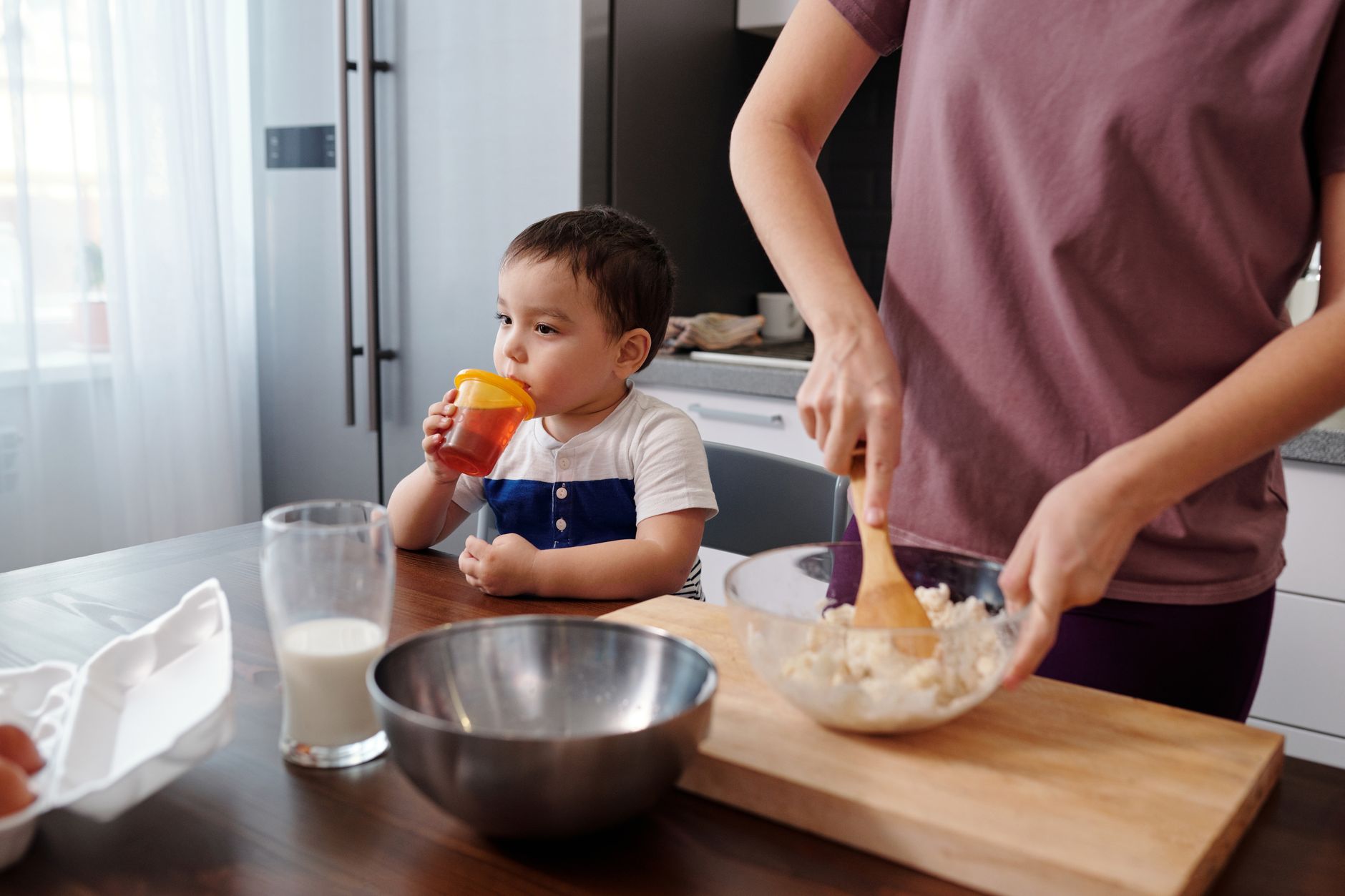
- Dilute the juice at a 1:1 ratio with filtered water. This cuts sugar concentration in half while preserving flavor.
- Serve in a small, open cup (no bottle) to limit sipping time.
- Offer with a meal rather than between meals.
- Observe for any signs of intolerance (see checklist below).
- Gradually transition to whole fruit pieces or purees as the preferred source of fruit.
For toddlers who are picky, you can freeze diluted juice in ice‑cube trays and let them chew on the frozen cubes. This offers a soothing treat while limiting total intake.
Sample dilution method
Mix ½ cup (4 oz) of 100 % apple juice with ½ cup of lukewarm filtered water. Stir gently and serve immediately. Store any leftovers in a sealed container in the refrigerator for up to 24 hours.
What types of juice are recommended for babies, and how to choose the best fruit juice for toddlers with allergies?
When selecting a juice, consider the following factors:
- Acidity: Lower‑acid juices (apple, pear) are gentler on the stomach and teeth.
- Allergen profile: While fruit allergies are rare, some children react to citrus (orange, grapefruit) or tropical fruits (pineapple, mango). If your child has a known food allergy, choose a juice derived from a safe fruit.
- Processing: Pasteurized juice is the safest option for infants; avoid raw, unpasteurized “cold‑pressed” varieties unless you have a reliable source.
For toddlers with a known fruit allergy, the safest approach is to use a juice made from a fruit they have previously tolerated, such as pear or apple. Always introduce a new juice in a single serving and watch for any reaction.
Signs your baby may be allergic to juice
Allergy symptoms can appear within minutes to a few hours after consumption and include:
- Hives or skin rash beyond the diaper area.
- Swelling of lips, tongue, or face.
- Vomiting or persistent diarrhea.
- Wheezing, coughing, or difficulty breathing.
- Sudden irritability or inconsolable crying.
If any of these signs occur, stop giving juice immediately and contact your pediatrician or an allergist.
Alternatives to juice for babies: hydration and nutrition without the sugar
Whole fruits and vegetables provide the same vitamins and minerals as juice, often with added fiber that supports digestion. Here are some nutritious, low‑sugar alternatives:
- Water: Plain water is the best drink after 6 months; offer it in a sippy cup.
- Pureed fruit: Blend ripe banana, mango, or berries with a little breast milk or formula for a naturally sweet snack.
- Unsweetened applesauce: Offers the flavor of apple without the concentrated sugars.
- Milk (breast milk, formula, or whole cow’s milk after 12 months): Provides calcium, vitamin D, and protein.
- Vegetable purees: Carrot or sweet potato purees can be mixed with fruit for a balanced taste.
These alternatives also help develop chewing skills and reduce the risk of tooth decay. The Academy of Nutrition and Dietetics notes that children who regularly eat whole fruit have lower overall sugar intake and better weight trajectories.
Transitioning from juice to whole fruit
Start by offering small, soft fruit pieces (e.g., ripe pear slices) alongside the diluted juice. Over a few weeks, gradually replace the juice serving with a fruit piece at each meal. This method encourages a preference for whole foods while still satisfying a sweet craving.
Symptoms checklist: recognizing juice intolerance or allergy
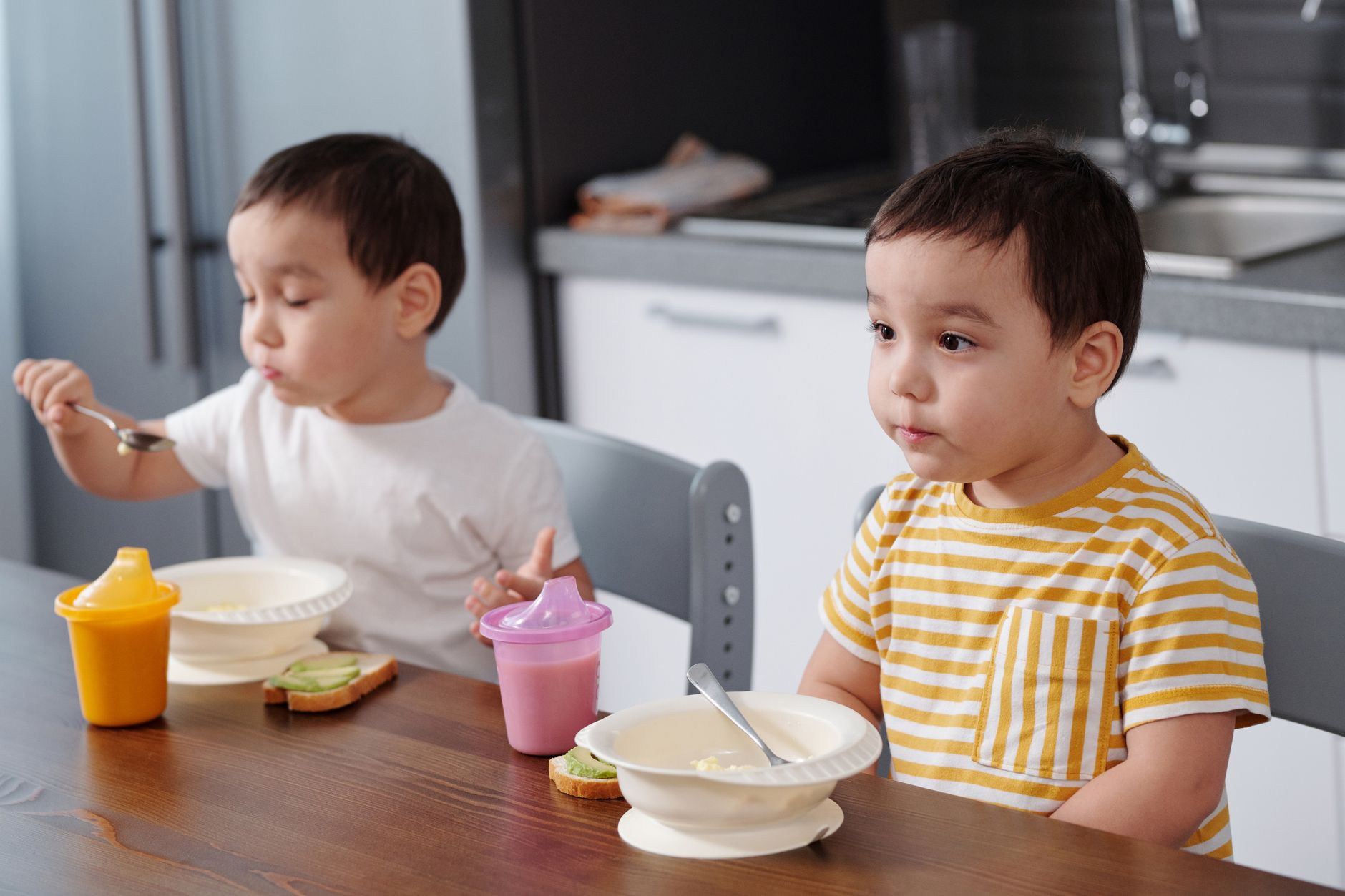
- Excessive gas or bloating within an hour of juice.
- Loose stools or diarrhea lasting more than 24 hours.
- Persistent diaper rash that worsens after juice consumption.
- Skin hives, swelling, or facial flushing.
- Vomiting, especially if accompanied by irritability.
- Signs of dehydration: dry mouth, fewer wet diapers, sunken fontanelle.
Treatment options comparison
Natural remedies with evidence: supporting digestion and oral health
While there is no “cure” for juice‑related issues, several evidence‑based practices can help mitigate problems:
- Probiotic‑rich foods: Yogurt or kefir (plain, unsweetened) can improve gut flora, reducing diarrhea risk. A 2020 systematic review in the Journal of Pediatric Gastroenterology found modest benefits for probiotic use in toddlers with mild GI upset.
- Chewing gum (for older toddlers): Sugar‑free gum after meals stimulates saliva flow, which neutralizes acids. Limited pediatric data suggest a reduction in plaque formation.
- Calcium‑rich snacks: Offering cheese or plain yogurt after juice can buffer oral acidity, protecting enamel.
- Rinsing with water: A simple water rinse after juice intake reduces residual sugar and acid on teeth, a practice endorsed by the American Dental Association (ADA).
How to store opened juice and keep it safe
Once you open a bottle or carton of 100 % juice, keep it refrigerated and sealed tightly. The FDA recommends consuming opened juice within 7 days to prevent bacterial growth. If the juice develops an off‑odor, strange color, or mold, discard it immediately.
For families that buy juice in bulk, consider transferring a portion into a smaller, airtight container that you can finish within a few days. This reduces the number of times the main container is opened, preserving freshness. Always label the container with the date opened—this simple habit can prevent accidental consumption of spoiled juice.
Juice in childcare settings: what parents should know
Many preschool programs allow a limited amount of juice as part of a balanced snack. However, policies vary. The NHS recommends that childcare providers follow the same ≤4 ounce daily limit and serve juice only at mealtimes.
When enrolling your child, ask the staff about their beverage guidelines. Request that juice be offered in a cup rather than a bottle, and verify that the brand used is 100 % juice without added sugars. If you prefer your child not have juice at all, you can provide a small water bottle or a homemade fruit‑infused water as an alternative.
Documenting your child’s juice intake at home can help you stay within the recommended limits and avoid exceeding the weekly allowance, especially if the childcare setting also provides juice.
Myth vs. fact
Myth: “Fruit juice provides the same nutrients as whole fruit without the fiber, so it’s just as healthy.”
Fact: Whole fruit contains fiber that slows sugar absorption, supports digestion, and promotes satiety. Juice lacks this fiber, leading to quicker spikes in blood sugar and a higher risk of tooth decay.
Myth: “Organic juice is automatically healthier for babies.”
Fact: Organic juice may have fewer pesticide residues, but it does not contain less sugar or fewer calories than conventional 100 % juice. The health impact is essentially the same.
Myth: “If my baby likes juice, they’re getting enough vitamins.”
Fact: While juice supplies vitamin C, most toddlers meet their vitamin needs through a varied diet of fruits, vegetables, and fortified foods. Overreliance on juice can displace these nutrient‑dense options.
Key takeaways
- Do not give any juice before your child’s first birthday.
- After 12 months, limit juice to 4 oz (≈120 ml) per day, no more than 3 days a week.
- Choose 100 % fruit juice without added sugars; organic labeling does not reduce sugar content.
- Dilute juice 1:1 with water and serve in a small cup at mealtime.
- Watch for signs of intolerance or allergy: rash, diarrhea, persistent diaper rash, or vomiting.
- Prefer whole fruit, water, and unsweetened purees as primary sources of fruit nutrition.
- Maintain dental hygiene by rinsing the mouth with water after juice and scheduling regular dental check‑ups.
Frequently asked questions
Can babies drink juice before 12 months?
According to the AAP, no. Babies under one year should receive fluids only from breast milk, formula, or water (once solids are introduced). Juice offers no added nutritional benefit and can increase the risk of diarrhea, tooth decay, and excess calorie intake.
How much juice is too much for a toddler?
More than 4 ounces (≈120 ml) per day, or daily consumption beyond three days a week, exceeds the recommended limits and raises the risk of obesity, dental caries, and gastrointestinal upset. If your toddler regularly exceeds this amount, consider cutting back and replacing juice with water or whole fruit.
What are the signs of juice intolerance in babies?
Watch for excessive gas, bloating, loose stools, persistent diaper rash, vomiting, or irritability shortly after juice consumption. These symptoms suggest the baby’s gut may not be handling the fructose or acidity well.
Is apple juice safe for infants?
Apple juice, like any other juice, should not be given to infants under 12 months. After the first birthday, a small amount of 100 % apple juice can be offered, preferably diluted with water, and limited to the recommended daily volume.
Does juice cause constipation in babies?
Juice is more likely to cause diarrhea than constipation due to its high fructose content. However, if a toddler consumes juice without enough water, the sugar can draw water into the colon, potentially leading to firmer stools. Balancing juice with adequate hydration helps prevent this.
Should I give my baby water before juice?
Yes. Once your baby is around 6 months old and begins solid foods, offering small amounts of plain water (2–4 oz per day) helps keep them hydrated and reduces the need for sugary drinks. Water should always be the primary non‑milk fluid before juice is introduced at 12 months.
Can I give my toddler juice if they have a diaper rash?
It’s best to pause juice while the rash is active. The acidity and sugars in juice can worsen diaper irritation. Offer water or diluted fruit‑infused water instead, and use a barrier cream with zinc oxide. Once the rash resolves, you can re‑introduce juice in the recommended limited amounts.
What if my child has a history of constipation—should I still offer juice?
For children prone to constipation, it’s usually safer to limit juice and focus on high‑fiber whole fruits, such as pears, plums, and berries, along with plenty of water. If you do offer juice, keep it diluted and ensure your child drinks additional water throughout the day.
When to see a doctor / specialist
If you notice any of the following red‑flag symptoms after your child consumes juice, contact your pediatrician promptly:
- Persistent or worsening diaper rash despite standard care.
- Severe diarrhea lasting more than 24 hours or accompanied by dehydration signs (dry mouth, few wet diapers, sunken fontanelle).
- Signs of an allergic reaction: hives, swelling, vomiting, or breathing difficulty.
- Unexplained weight gain or rapid BMI increase.
- Tooth decay observed by a dentist or a noticeable change in tooth color.
These symptoms may warrant evaluation by a pediatrician, a pediatric dentist, or an allergist, depending on the presentation. Remember, this article provides general information and is not a substitute for personalized medical advice.
References
- American Academy of Pediatrics. “The Use and Misuse of Fruit Juice in Children.” Pediatrics, 2022.
- Centers for Disease Control and Prevention. “Childhood Obesity Facts.” CDC, 2021.
- American Dental Association. “Nutrition and Oral Health.” ADA, 2020.
- Academy of Nutrition and Dietetics. “Fruit Juice: Recommendations for Parents.” EatRight.org, 2023.
- World Health Organization. “Guidelines on Sugar Intake for Children.” WHO, 2021.
- Journal of Pediatric Gastroenterology. “Probiotic Use in Toddlers with Mild Diarrhea.” 2020.
- Harvard T.H. Chan School of Public Health. “Fruit Juice and Health.” Harvard Health Publishing, 2022.
- National Institute of Dental and Craniofacial Research. “Early Childhood Caries.” NIH, 2022.
- American College of Obstetricians and Gynecologists. “Nutrition During the First Year.” ACOG Committee Opinion, 2021.
- National Health Service (UK). “Fruit juice and young children.” NHS, 2022.
- Food and Drug Administration. “Guidance for Industry: Juice Safety and Labeling.” FDA, 2020.



