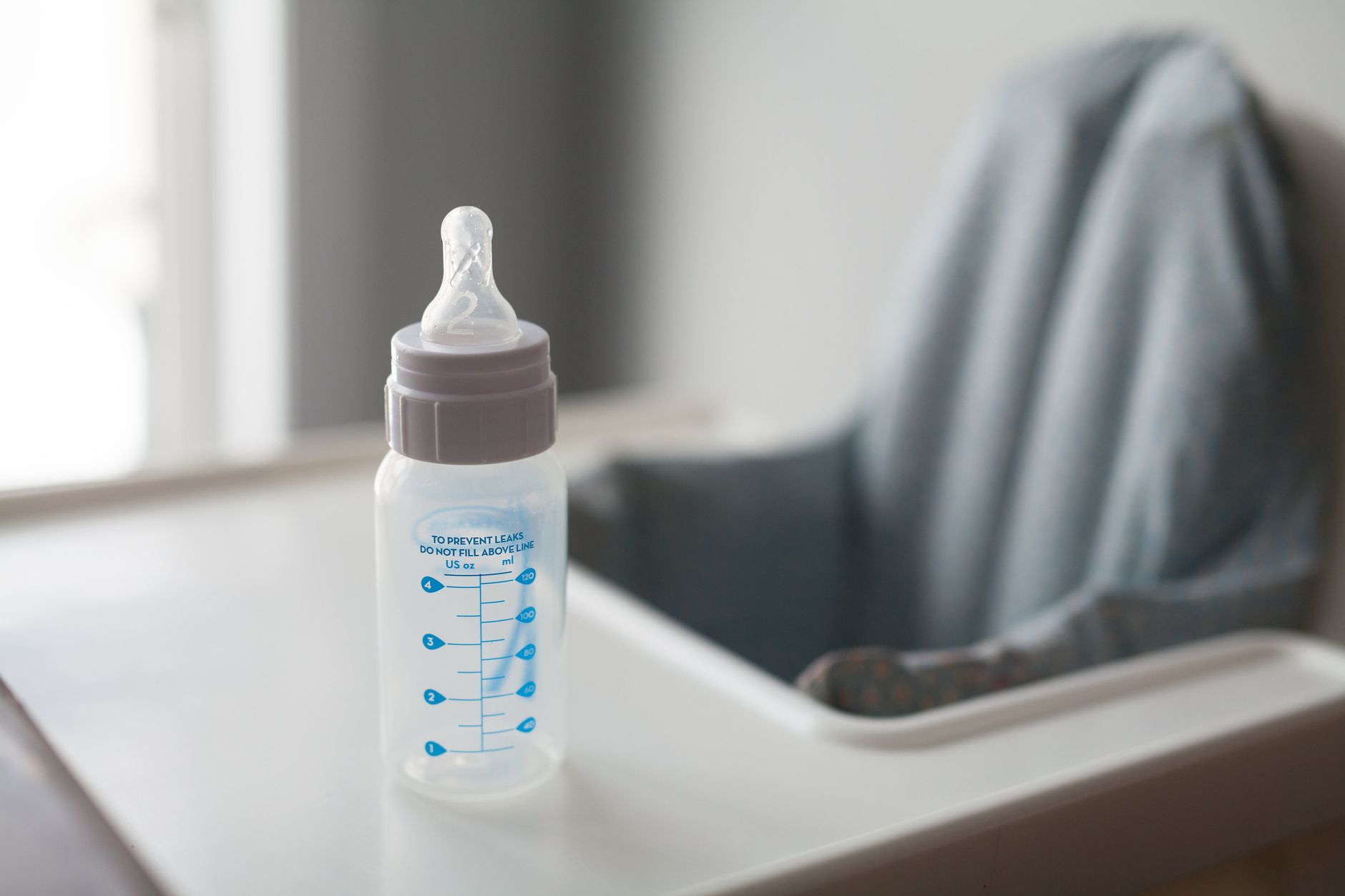
For a six‑month‑old, the recommended water intake is modest. The CDC suggests 1–2 ounces (30–60 ml) per day in addition to breastmilk or formula. This amount can be split across meals—offering a few sips after each feeding.
Here’s a quick reference:
Keep in mind that every baby is different. If your child is eating more solids, you may gradually increase water, but always watch for signs of over‑hydration such as frequent spitting up or unusually sleepy behavior.
If your baby is exclusively breastfed, the additional water may be unnecessary unless you live in a hot climate; in that case, a few extra sips can help maintain hydration without affecting calorie intake.
Is it safe to give water to a newborn before breastmilk?
No. Newborns (0–4 weeks) should receive only breastmilk or infant formula. The WHO’s “Early Initiation of Breastfeeding” guidelines emphasize that water offers no nutritional benefit and can interfere with the infant’s ability to absorb the nutrients in milk.
Giving water too early can also increase the risk of water intoxication—a rare but serious condition where excess water dilutes sodium levels, leading to seizures or coma. Because newborn kidneys can’t excrete large amounts of water efficiently, even a few ounces can be dangerous.
If you’re concerned about your baby’s hydration—for example, if they’re feverish or have a diaper rash—talk to a pediatrician. They may recommend a small amount of oral rehydration solution (ORS) rather than plain water, as ORS contains the right balance of electrolytes for infants.
Signs baby is dehydrated and needs water
Dehydration can sneak up on a baby, especially when they’re sick or on a hot day. Here’s a quick checklist to help you spot it early:
- Fewer than six wet diapers in 24 hours.
- Dark, concentrated urine (smell like ammonia).
- Dry mouth or tongue.
- Sunken fontanelle (soft spot on the head).
- Listlessness or unusually irritable behavior.
- Skin that stays “tented” when gently pinched.
If you notice two or more of these signs, offer a small amount of water (or breastmilk/formula if the baby is under six months) and contact your pediatrician promptly. Early intervention prevents more serious complications.
Mild dehydration can often be corrected by offering a breastfeed or formula first, followed by a small amount of water, especially if the baby has been ill or is experiencing a fever.
Can giving water too early cause water intoxication in infants?
Yes. Water intoxication, medically known as hyponatremia, occurs when excess water dilutes the sodium in a baby’s bloodstream. Symptoms can include:
- Seizures or convulsions.
- Vomiting and lethargy.
- Low body temperature.
- Rapid breathing.
The AAP warns that even a few ounces of water given to a newborn can trigger this condition because their kidneys can only excrete about 0.5 oz (15 ml) per hour. If you suspect water intoxication, seek emergency care immediately. Prompt treatment with careful electrolyte replacement is essential.
Because the infant’s blood‑brain barrier is still developing, rapid shifts in sodium levels from excess water can cause swelling of brain tissue, underscoring why early water exposure must be avoided.
Best practices for introducing water to a baby’s diet
When your baby reaches the six‑month milestone, follow these steps to make water a healthy habit:
- Start with a cup. Offer a soft‑spout sippy cup or a small open cup. This encourages proper sipping technique and reduces “nipple‑confusion.”
- Give it with meals. Offer a few sips after solids, not before, so the baby still gets enough calories from food.
- Limit to 2 ounces at a time. Small, frequent sips are easier on tiny kidneys.
- Choose safe water. Boiled and cooled tap water, filtered water, or approved bottled water are all suitable (see the next section).
- Avoid flavored drinks. Juice, sweetened water, or sports drinks add sugar and unnecessary calories.
- Watch the diaper count. Aim for at least six wet diapers a day as a sign of adequate hydration.
These practices keep your baby’s fluid intake balanced while encouraging independence with a cup. Over time, the cup becomes a normal part of mealtime routine, easing the eventual transition to regular drinking vessels.
Introducing water during meals also supports the development of oral‑motor skills, as the sucking and swallowing actions differ from those used for milk, laying groundwork for later self‑feeding.
After 12 months, many families begin weaning their child off formula. Here’s a safe roadmap:
- Gradual reduction. Replace one daily formula feeding with a cup of whole milk (or fortified plant‑based milk) and a few ounces of water.
- Maintain calorie intake. Ensure the child still receives 16–24 oz of milk daily to meet calcium and vitamin D needs.
- Offer water between meals. A toddler typically needs 4–8 oz (120–240 ml) of water daily, split across morning and afternoon snack times.
- Model behavior. Drink water yourself; toddlers love to imitate.
- Monitor for constipation. If stools become hard, increase water and fiber (soft fruits, veggies).
Transitioning at a relaxed pace reduces the risk of over‑hydration while ensuring the child’s nutrition remains balanced. Keep a daily log of milk and water intake for the first few weeks; this helps you catch any unexpected drops in calories early.
During the transition, keep a log of the child’s total fluid intake; this helps ensure they’re not over‑ or under‑hydrated while you adjust the formula‑to‑milk ratio.
What types of water are safe for babies?
Not all water is created equal. Here’s a quick comparison of the most common options:
For most families, boiled or filtered tap water is the simplest, most cost‑effective choice. If you have a well or live in an area with known water quality issues, have your water tested or stick to bottled water that meets FDA standards. The FDA requires bottled water sold in the U.S. to meet the same safety criteria as municipal water, but it does not regulate mineral content, so checking the label is still wise.
For families using well water, a certified home filtration system that removes lead and nitrates is advisable before offering the water to a baby.
When can a baby drink tap water vs bottled water?
Tap water is safe for babies in many countries, including the United States and the United Kingdom, provided it meets local drinking‑water standards. The CDC and NHS both recommend boiling tap water for infants under six months, then allowing it to cool before offering.
In regions where tap water contains high levels of fluoride, lead, or nitrates, bottled water (or filtered tap water) may be preferable. Always check local water quality reports or consult your pediatrician if you’re unsure. The American Academy of Pediatrics (AAP) also advises parents to be cautious about fluoride levels for children under six months, as excessive fluoride can affect developing teeth.
How many ounces of water can a 9‑month‑old have per day?
By nine months, babies typically consume 4–6 ounces (120–180 ml) of water daily, alongside breastmilk or formula. This amount can be divided into two to three short drinking sessions, often after meals.
If your baby is eating more solids—soft fruits, vegetables, and cereals—you may see the water intake rise toward the upper end of that range. Keep an eye on diaper output: six or more wet diapers usually indicate adequate hydration.
Babies who are more active or who are in warmer environments may naturally gravitate toward the higher end of the 4–6 oz range, but the diaper count remains the most reliable hydration gauge.
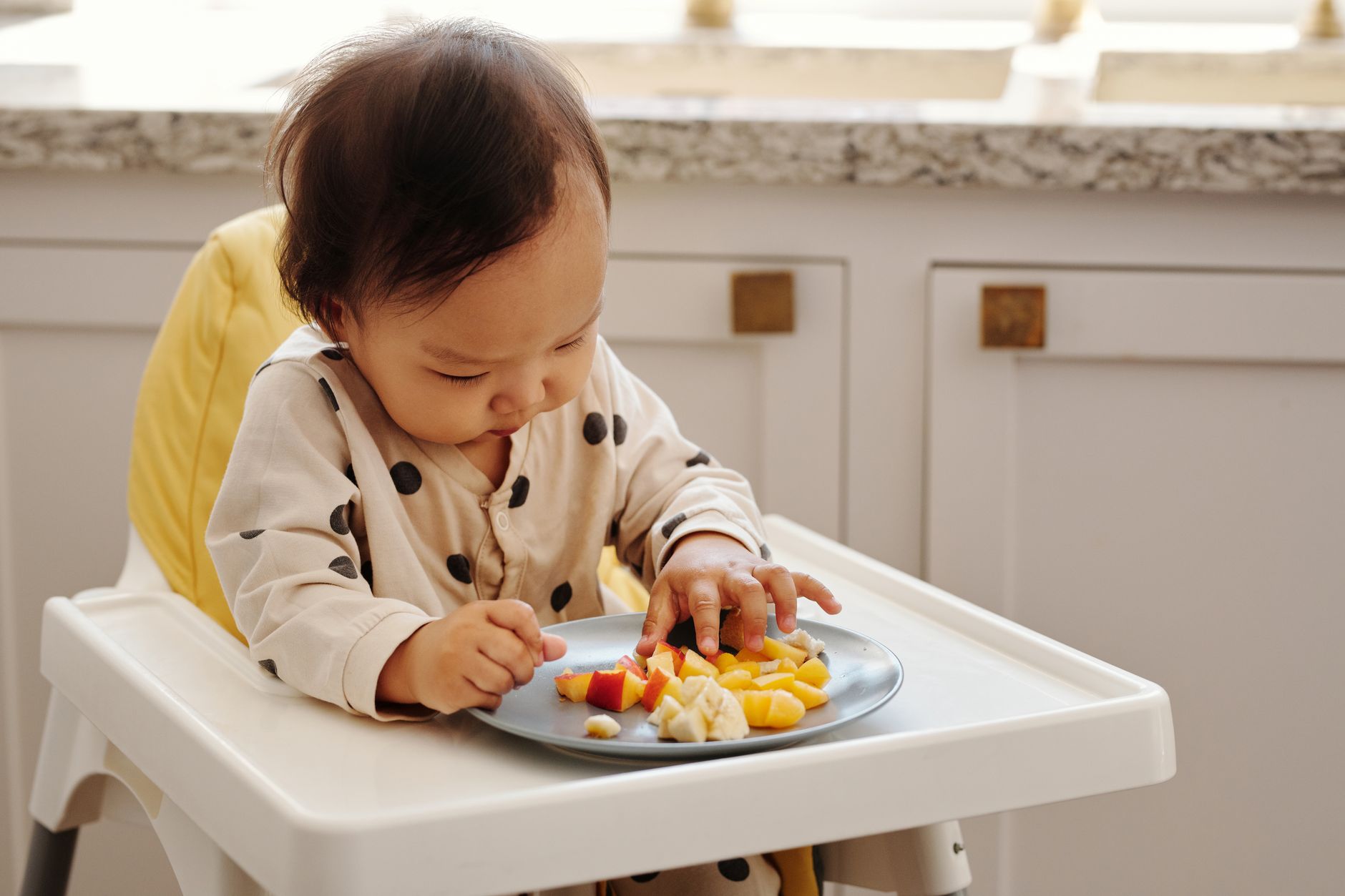
Effects of giving water to a baby before 6 months
Providing water before six months can have several negative effects:
- Reduced calorie intake. Water can fill a tiny stomach, leaving less room for nutrient‑dense breastmilk or formula.
- Electrolyte imbalance. Excess water dilutes sodium, increasing the risk of hyponatremia.
- Kidney strain. Immature kidneys struggle to excrete large fluid volumes, potentially leading to swelling (edema).
- Increased infection risk. Unboiled water may carry bacteria or parasites.
These risks are why major health organizations advise against water before six months, unless medically indicated (e.g., certain kidney disorders). When a medical condition does require supplemental fluids, a pediatrician will prescribe an oral rehydration solution with the correct electrolyte balance.
Tips for encouraging babies to drink water
Even after six months, some babies are reluctant to sip. Try these gentle strategies:
- Use a colorful cup. Babies are drawn to bright colors; a cup with a fun pattern can spark curiosity.
- Model sipping. Take a sip yourself and smile—babies love mimicry.
- Offer water with favorite foods. Pair a sip with a piece of soft fruit such as banana or ripe pear.
- Make it a routine. Consistency (e.g., water after every snack) builds habit.
- Keep it cool. Slightly chilled water (not ice‑cold) can be more refreshing.
Patience is key. If your baby refuses, try again in a few minutes rather than forcing a drink. Over time, the cup becomes a familiar part of their daily rhythm.
Sometimes offering water in a chilled, stainless‑steel cup can be more appealing than plastic, and the gentle clink can intrigue a curious infant.
Water safety guidelines for infants with reflux
Infants with gastroesophageal reflux disease (GERD) often tolerate smaller, more frequent fluid amounts. For these babies:
- Offer 1‑oz (30 ml) sips of water after each solid feeding.
- Keep the baby upright for 20–30 minutes post‑feeding to reduce spit‑up.
- Use a slow‑flow cup that limits the flow rate.
- Consult a pediatric gastroenterologist before increasing water volume.
These precautions help prevent excessive stomach distention, which can worsen reflux symptoms. If reflux remains problematic despite these measures, a specialist may suggest medication or positioning strategies.
If reflux symptoms persist despite these adjustments, discuss the possibility of a thickened feed with your pediatrician, as thicker liquids can sometimes reduce the frequency of spit‑up.
Difference between water and juice for babies
While both are liquids, water and juice differ dramatically in nutrient profile and impact on health:
- Calories. Water provides zero calories; 100 ml of 100 % apple juice contains about 45 calories.
- Sugar. Juice contains natural sugars that can contribute to tooth decay and excess calorie intake.
- Nutrients. Juice offers some vitamins (e.g., vitamin C) but lacks the hydration efficiency of water.
- Dental health. The AAP advises against juice for infants under 12 months because of enamel erosion risk.
For hydration, water remains the safest, simplest choice.
How to know if baby is getting enough fluids
Beyond diaper counts, watch for these signs of adequate hydration:
- Moist, pink lips and a supple mouth.
- Clear or pale yellow urine.
- Normal, active behavior and regular sleep patterns.
- Steady weight gain on growth charts.
If any of these indicators are missing, consider offering a small extra sip of water or checking with your pediatrician. Consistent monitoring helps catch subtle dehydration before it becomes clinically significant.
Water needs for babies who are sick or have a fever
Illness often increases fluid loss through fever, vomiting, or diarrhea. Even babies under six months may need a tiny amount of extra fluid, but the safest option is an oral rehydration solution (ORS) that contains the right balance of sodium, potassium, and glucose. The WHO’s ORS formula is specifically designed for infants and is recommended by the AAP for mild to moderate dehydration.
For babies six months and older who can tolerate plain water, offer 1‑2 ounces (30‑60 ml) of water after each feeding, in addition to their regular milk feeds. A simple “water‑first” approach helps prevent dehydration without displacing essential calories. If the baby continues to have fewer than four wet diapers per day, or if vomiting persists for more than 24 hours, contact your pediatrician promptly.
Choosing the right cup or bottle for your baby’s first water
The transition from bottle to cup is a milestone. Selecting the right vessel can make water drinking a positive experience:
- Soft‑spout sippy cups. These have a flexible silicone spout that mimics a breast or bottle nipple but encourages a more mature sucking pattern. Look for BPA‑free models with a vent to prevent vacuum buildup.
- Open‑top cups. Small, open cups (about 2‑3 oz capacity) help babies practice “pouch” feeding and develop oral‑motor skills. They’re ideal for babies who have mastered the sippy cup.
- Straw cups. Most pediatricians suggest waiting until 9‑12 months before introducing straw cups, as they require more coordination.
- Material safety. Choose cups made of silicone or polypropylene—both are considered safe for infants. Avoid polycarbonate cups, which may contain BPA.
When you first introduce the cup, demonstrate how to tilt it gently. Offer water in a calm environment, and praise the baby for any attempt, even if the cup ends up on the floor. Consistency and a relaxed attitude help the baby view water as a fun, normal part of daily routine.
How to store water safely for your baby
Keep water in a clean, food‑grade container with a tight‑fitting lid. Refrigerate it if you plan to use it within 24 hours; the CDC advises discarding any water left out at room temperature for longer than that to prevent bacterial growth.
If you need to warm water for a younger infant, gently heat it on the stove or in a microwave‑safe bottle, then test the temperature on your wrist before offering. Never reheat water that has already been warmed and cooled, as repeated temperature changes can encourage contamination.
Hydration tips while traveling with an infant
Pack a small insulated bottle or a BPA‑free sippy cup with pre‑measured boiled or filtered water. A portable, collapsible water container can be handy for road trips, and a few ice cubes help keep the water cool without needing a refrigerator.
During flights, ask flight attendants for bottled water that meets FDA standards, and offer it in a cup rather than a bottle to reduce the risk of ear‑pressure discomfort. Always keep an eye on diaper output; a quick bathroom check after a long ride can signal whether your baby is staying properly hydrated.
Myth vs. fact
Myth: Babies need water to stay hydrated in hot weather.
Fact: Breastmilk or formula alone provides sufficient hydration for infants under six months, even in warm climates. Offer more frequent feeds instead of water.
Myth: All bottled water is safe for babies.
Fact: Some bottled waters contain high mineral levels or added fluoride. Choose brands labeled “purified” or “spring” and check for BPA‑free packaging.
Myth: Giving a baby a sip of water will prevent constipation.
Fact: While water can help, constipation is usually addressed by increasing fiber from fruits, vegetables, and appropriate fluids, not by giving water before six months.
Key takeaways
- Most babies start drinking water safely at around six months, once solids are introduced.
- Limit intake to 1–2 oz per day for 6‑month‑olds, increasing gradually as solids increase.
- Boiled or filtered tap water is usually the best choice; bottled water is fine if it meets safety standards.
- Watch for dehydration signs (few wet diapers, dry mouth) and over‑hydration signs (spitting up, lethargy).
- Never give plain water to newborns; it can cause dangerous water intoxication.
- Transition to water after 12 months by gradually replacing formula feeds with a cup of water and whole milk.
- When illness or fever strikes, consider oral rehydration solutions and keep water intake modest but consistent.
Frequently asked questions
Can a newborn drink water?
No. Newborns (0‑4 weeks) should receive only breastmilk or infant formula. Water offers no nutritional benefit and can lead to hyponatremia, a serious electrolyte imbalance.
How much water should a 6‑month‑old baby have each day?
About 1–2 ounces (30–60 ml) spread over the day, typically offered after meals in a sippy cup. This complements, not replaces, breastmilk or formula.
What are the signs of water intoxication in infants?
Early signs include irritability, lethargy, vomiting, and a low‑grade fever. Severe cases may present with seizures or a sunken fontanelle. If suspected, seek emergency care immediately.
When is it safe to introduce water to a baby’s diet?
When your baby reaches six months and begins eating solids. Offer a few sips of water after meals, using a cup rather than a bottle.
Is it okay to give a baby tap water?
Yes, if the tap water meets local safety standards. Boil it for one minute and let it cool before offering to infants under six months; after six months, cooled boiled or filtered water is fine.
Can giving water too early affect a baby’s nutrition?
Yes. Early water can displace calories from breastmilk or formula, leading to inadequate growth and potential electrolyte imbalances.
How do I know if my baby is getting enough fluids?
Look for at least six wet diapers per day, clear or pale yellow urine, moist lips, and steady weight gain. If you’re unsure, ask your pediatrician.
Can I give my baby coconut water?
Coconut water contains natural sugars and electrolytes, but it also has a higher sodium content than plain water and is not recommended for infants under six months. After six months, a small amount (no more than 2 oz) can be offered occasionally, but it should not replace breastmilk or formula.
Is it safe to use a straw cup for a 6‑month‑old?
Most pediatric experts suggest waiting until 9‑12 months before introducing a straw cup, as it requires more oral‑motor coordination. Using a straw cup too early can lead to frustration and may increase the risk of choking.
Can I give my baby flavored water?
Flavored water often contains added sugars or artificial sweeteners, which aren’t needed for infants. The AAP recommends plain water only; if you want a hint of flavor, a splash of 100 % fruit juice (no more than 1 tsp) can be mixed, but it should remain an occasional treat.
What should I do if my baby refuses water?
Stay calm and try again later. Offer water in a different cup, at a slightly cooler temperature, or paired with a favorite soft fruit. Consistency without pressure usually wins the day.
When to see a doctor
Contact your pediatrician right away if you notice any of the following red‑flag symptoms:
- Fewer than four wet diapers in 24 hours.
- Persistent vomiting or diarrhea lasting more than 24 hours.
- Sunken fontanelle or unusually low body temperature.
- Signs of water intoxication: seizures, extreme sleepiness, or rapid breathing.
- Any sudden change in feeding patterns or weight loss.
This article is for informational purposes only and does not replace personalized medical advice. Always discuss your baby’s hydration needs with a qualified health professional.
References
- American Academy of Pediatrics. “Breastfeeding and the Use of Human Milk.” AAP Policy Statement, 2022.
<