Quick take: When building your registry, focus on safety‑critical items and everyday basics. Skip non‑essential gear like a baby bathtub, high‑chair, or extra nursery furniture if you’re short on space or budget. You can often substitute with simple, affordable alternatives and add later‑stage products once you know what truly works for you and your baby.
Imagine it’s 2 a.m. and you’re scrolling through endless baby‑gear lists, wondering why every site insists you need a swing, a bathtub, and a diaper bag. Your partner is snoring, the nursery is still a blank wall, and your wallet feels the pinch of a growing family. You’re not alone—many first‑time parents feel overwhelmed by the “must‑have” hype.
We’ve talked to dozens of new parents who later told us they “regretted buying a high‑chair before the baby even arrived” or “kept three identical onesies they never used.” The good news? You can create a functional, budget‑friendly registry by learning what to skip on baby registry and focusing on the items that truly matter.
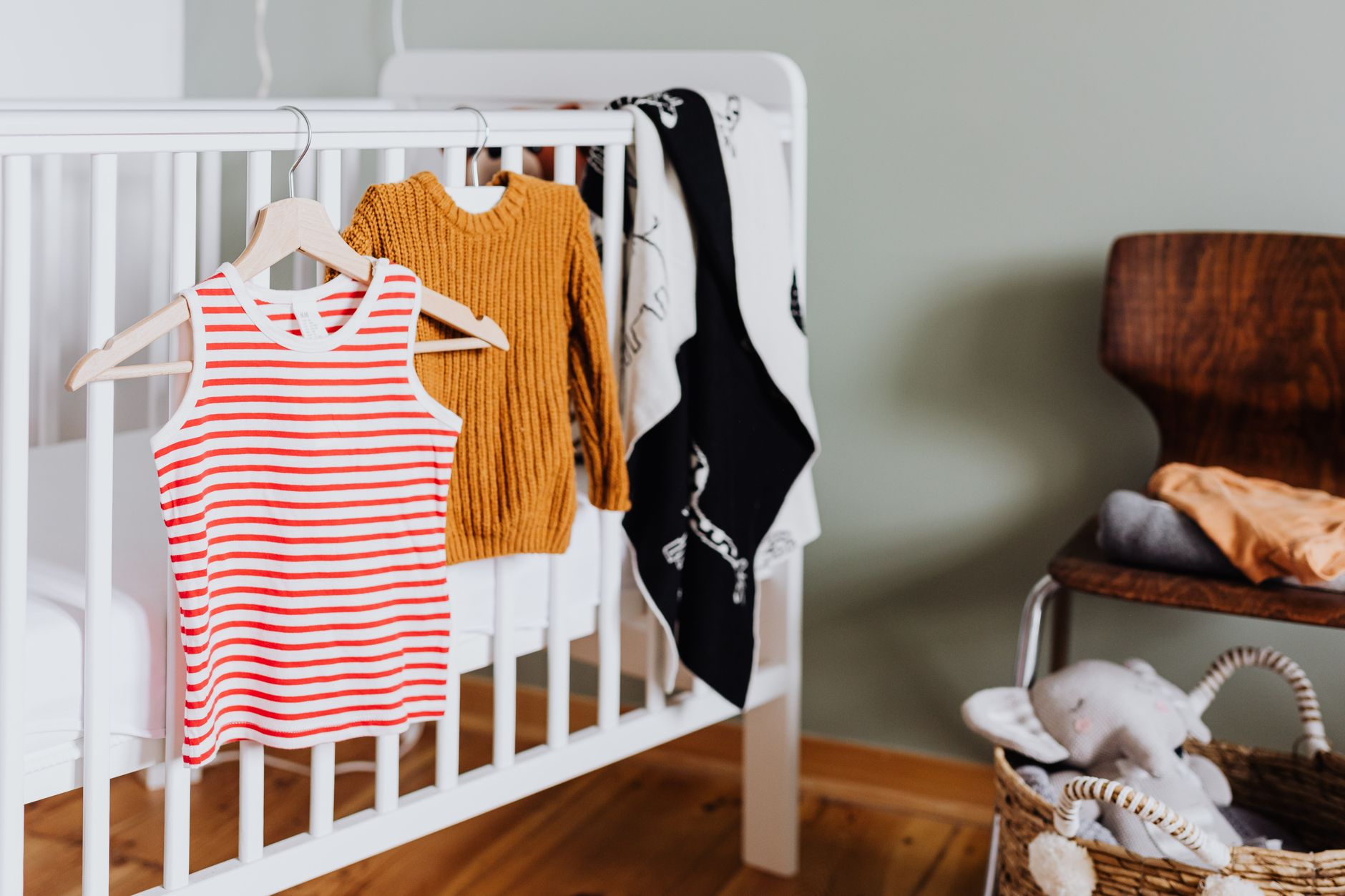
What baby items are unnecessary for a newborn registry?
Newborns spend most of their time sleeping, feeding, and having diaper changes. Anything that doesn’t support those core activities is usually optional. Commonly duplicated items—multiple bottles, extra sets of burp cloths, or a full set of swaddling blankets—can be pared down without compromising care.
Consider the rule of three: keep three of any consumable (e.g., diapers, wipes) and three of any reusable item (e.g., onesies). Anything beyond that is likely excess. If you’re unsure, ask yourself whether you’d use the product daily for the first three months. If the answer is “no,” it’s safe to skip.
How to spot duplicate or overly abundant items
- Check your existing baby supplies from previous children or gifts.
- Read product reviews for durability—high‑quality items often last longer, reducing the need for multiples.
- Ask your partner or support network what they actually use.
Should I skip a baby bathtub on my registry and why?
A baby bathtub may look adorable, but most newborns are comfortable being bathed in the sink, a clean kitchen basin, or even the parent’s bathtub with a supportive sling. The American Academy of Pediatrics (AAP) notes that a warm, safe water environment is more important than the specific tub shape.
Skipping the bathtub saves space and money—most tubs cost between $30‑$80. If you choose a sink bath, you’ll need a non‑slip mat ($10‑$15) and a gentle hand‑held sprayer or cup. Those items are cheaper, easier to store, and work just as well.
When a bathtub might be worth keeping
If you plan to do frequent baths after the newborn stage (e.g., for a baby with skin conditions that benefit from regular soaking) or have limited sink space, a small tub can be convenient. In that case, look for a fold‑away model that doubles as a storage basket.
Best baby products to avoid buying before the baby arrives
Many expectant parents feel the urge to buy everything “just in case.” However, a few products are best purchased after you’ve lived with your newborn for a few weeks. These include:
- Baby swings and bouncers: Babies often outgrow them quickly, and they’re noisy for many families.
- Advanced monitors (video or Wi‑Fi): If you’re home most of the time, a simple sound monitor suffices.
- Specialty feeding gear: Bottle‑feeding accessories like formula dispensers are unnecessary for breast‑feeding families.
- Large diaper pails: A small, odor‑tight container works for the first few months.
Waiting to purchase these items lets you assess real needs and avoid “buyer’s remorse.” You’ll also free up budget for higher‑quality essentials, such as a safe crib or a reliable car seat.
Is a diaper bag essential or can it be skipped on a registry?
While a diaper bag feels like a must‑have, many parents discover that a well‑organized tote or backpack works just as well. The key is having enough compartments for diapers, wipes, a change of clothes, and a bottle.
For a minimalist approach, choose a sturdy canvas tote ($20‑$35) that doubles as a grocery bag. Add a few internal zip‑lock pouches for organization, and you’ve got a flexible, low‑cost alternative. If you travel often or need hands‑free carrying, a specialized diaper bag with insulated bottle pockets may be worth the extra $30‑$80.
Factors to consider before adding a diaper bag to your list
- Frequency of outings in the first three months.
- Existing bags that could be repurposed.
- Personal style preference—some parents value a dedicated bag for quick diaper changes.
Baby clothes you don’t need to register for newborns
Newborns grow fast—often 1–2 size increments per month. Over‑stocking on “newborn” size clothing leads to items that sit untouched in drawers. Instead, focus on a small core of versatile pieces: a few onesies, a sleeper, and a hat.
Opt for size 0‑3 (newborn to 3 months) and include a few size 4‑6 items for the next growth spurt. Choose soft, breathable fabrics like organic cotton; they’re gentle on sensitive skin and easy to wash. Seasonal items (e.g., swaddles for winter) can be added later if needed.
How many outfits are truly enough?
A practical baseline is 5–7 outfits for the first month, plus 2 extra onesies for quick changes. This amount accounts for spit‑ups, diaper leaks, and laundry cycles without overwhelming your closet.
Should I skip a high‑chair on my baby registry and wait?
High‑chairs are designed for solid‑food feeding, which typically starts around 4‑6 months. Registering for one too early means you’ll have a large, expensive piece (often $150‑$300) sitting unused for months.
While waiting, a simple booster seat or a sturdy kitchen chair with a seat belt can serve the same purpose. Many parents find a convertible high‑chair that folds flat and can double as a toddler chair later, saving space and money.
When a high‑chair might be essential
If you’re planning a home‑cooking routine and want a dedicated, safe place for the baby at the table from day one, a high‑chair could be justified. Look for models with a five‑point harness and a removable tray for easy cleaning.
Unnecessary nursery furniture to leave off a baby registry
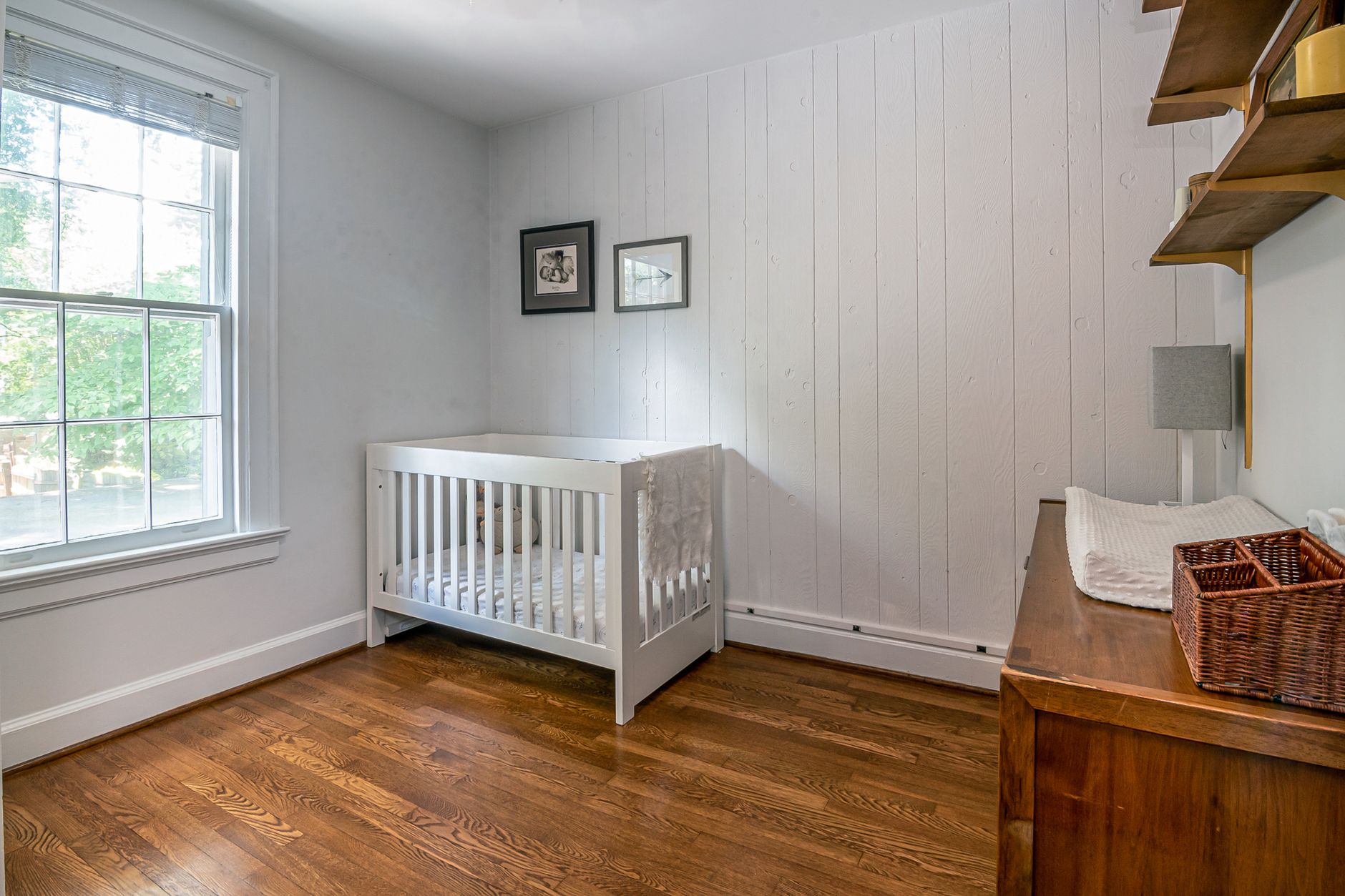
Beyond the crib, many nurseries are filled with decorative and redundant pieces—extra dressers, rocking chairs, and vanity tables. Unless you have a specific need (e.g., a dedicated nursing chair), these items add cost and take up valuable floor space.
For small apartments, a multi‑functional dresser that doubles as a changing table is a smarter choice. It typically costs $120‑$250 and eliminates the need for a separate changing table, which can be another $80‑$150.
How to evaluate your nursery space
- Measure the room’s dimensions and leave at least 2 feet of clearance around the crib for safe access.
- Prioritize items that serve more than one function.
- Consider wall‑mounted organizers instead of floor‑standing furniture.
Minimalist baby registry ideas for small spaces
If you live in a studio or a modest‑sized apartment, keeping the registry lean is both practical and stress‑relieving. Focus on three categories:
- Safety first: Crib, car seat, and a basic monitor.
- Core comfort: A few swaddles, a soft blanket, and a couple of sleepers.
- Multi‑use gear: A convertible diaper bag, a folding high‑chair, and a storage basket that can become a toy bin.
These items typically total $800‑$1,200, a fraction of the $2,000‑$3,000 many full‑registry lists suggest. You’ll still have room for future additions, like a swing or a larger wardrobe, once you know what truly fits your lifestyle.
Budget‑friendly baby registry tips for first‑time parents
Creating a registry doesn’t have to drain your savings. Here are three proven strategies:
- Group gifts: Ask friends to combine funds for larger items like a stroller.
- Buy secondhand wisely: Certified pre‑owned gear (e.g., car seats) can be safe if you verify the model’s recall status through the Consumer Product Safety Commission (CPSC).
- Use cash‑back apps: Some retailers offer rebates on baby essentials, stretching your dollar further.
By focusing on essentials and leveraging community support, you can keep the total cost under $1,000 while still covering all safety‑critical items.
Myth vs. fact
Myth: You need a baby bathtub for every newborn.
Fact: A clean sink or adult bathtub with a supportive sling works just as well and costs less.
Myth: A high‑chair is a newborn must‑have.
Fact: Most babies don’t start solid foods until 4‑6 months, so a high‑chair can be delayed.
Myth: A diaper bag is essential from day one.
Fact: A simple tote or backpack can serve the same purpose and is often more affordable.
Key takeaways
- Prioritize safety‑critical items: crib, car seat, and basic monitor.
- Skip non‑essential gear like baby bathtubs, swings, and early high‑chairs.
- Use the “rule of three” for consumables and reusable items.
- Choose multi‑use furniture to maximize space in small nurseries.
- Leverage group gifting and reputable secondhand options to stay within budget.
Frequently asked questions
What are the most overrated items on a baby registry?
Items such as baby swings, elaborate diaper bags, and multiple sets of clothing often sit unused. Most newborns thrive with a safe crib, a reliable car seat, and a handful of basic outfits.
Can I skip a crib on my baby registry and use a bassinet instead?
Yes. A bassinet is safe for infants up to 4‑6 months and can be a space‑saving alternative. Just ensure it meets the safety standards set by the CPSC and the AAP.
Do I really need a baby monitor if I’m home most of the time?
If you’re in the same room, a simple sound monitor is optional. However, a basic audio monitor can be helpful for quick check‑ins without disturbing the baby’s sleep.
Is a diaper pail necessary or can I use regular trash bags?
Regular trash bags work fine for most families. A small, odor‑tight container can be a convenient, low‑cost option if you’re sensitive to smells.
Should I register for a baby swing if I have limited space?
Consider postponing a swing. Many parents find a bouncer or floor mat sufficient for soothing, and these take up far less room.
What baby clothes should I avoid buying in a registry?
Avoid large quantities of newborn‑size outfits and seasonal items you won’t need immediately. Focus on a few neutral onesies and sleepers that can be layered.
When to see a doctor or specialist
If you have concerns about the safety of a particular product—such as a crib that doesn’t meet current CPSC standards—or if your baby shows signs of discomfort (e.g., persistent crying that might be linked to an unsafe sleep surface), contact your pediatrician promptly. For questions about car seat installation, reach out to a certified Child Passenger Safety Technician (CPST) through local hospitals or fire stations.
This article is for informational purposes only and does not replace personalized medical advice. Always discuss gear safety with your healthcare provider.
References
- American Academy of Pediatrics. “Safe Sleep Guidelines.” 2023.
- Consumer Product Safety Commission. “Infant Product Safety.” Updated 2024.
- Centers for Disease Control and Prevention. “Child Passenger Safety.” 2024.
- National Parenting Center. “Budget‑Friendly Baby Registry Tips.” 2022.
- Harvard T.H. Chan School of Public Health. “Assessing Baby Gear Quality.” 2023.
- U.S. Food and Drug Administration. “Infant Product Recalls.” 2024.



