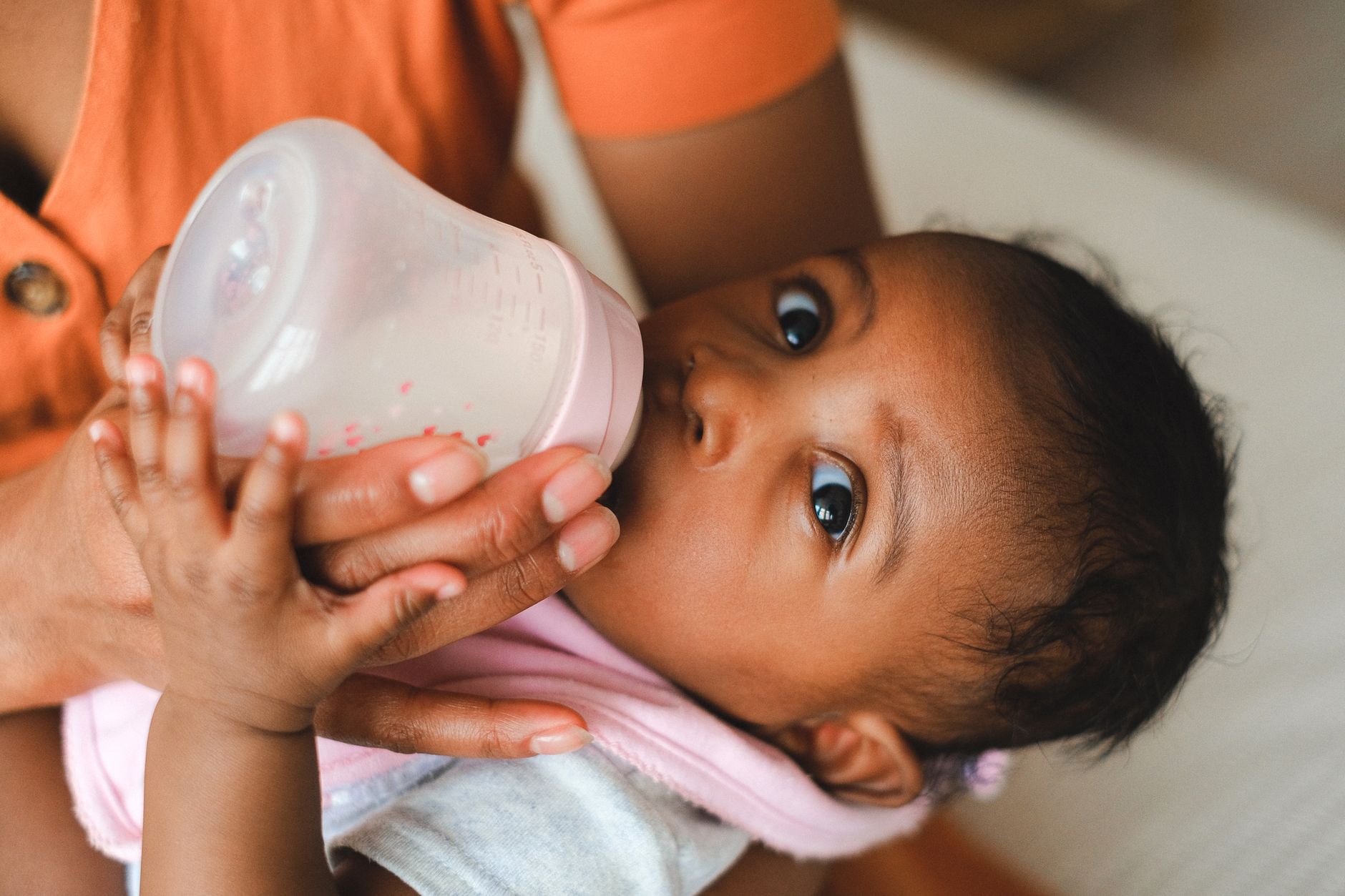
Understanding the safe dose is the first line of defense. The American Academy of Pediatrics (AAP) recommends a maximum of 15 mg per kilogram of body weight per dose, not to exceed five doses in 24 hours. For most infants, that translates to roughly 80 mg (one infant‑strength dropper) every 4–6 hours.
Tylenol dosage chart for infants (AAP guidance)
If a dose exceeds these limits, the risk of toxicity rises sharply. A single dose of 150 mg for a 3‑kg infant (five times the recommended amount) can cause liver injury. The exact threshold for serious harm varies, but any amount above the recommended dose warrants immediate medical evaluation.
What counts as “dangerous”?
Clinicians often use the term “potentially toxic dose” as > 150 mg/kg total ingestion. For a 3‑kg baby, that would be roughly 450 mg—about six infant‑strength doses. However, because infants metabolize acetaminophen slowly, even lower amounts can be problematic, especially if the baby has underlying liver disease or is premature. The National Health Service (NHS) in the UK echoes this caution, noting that any dose exceeding the recommended range should trigger a call to poison control.
In practice, the safest approach is to treat any uncertainty as an emergency. Even if you think the dose might be borderline, a quick call to poison control can provide reassurance and a clear plan.
What to do if baby took too much Tylenol at home?
Time is of the essence. Here’s a step‑by‑step plan you can follow while staying as calm as possible.
- Stay calm and assess. Look for the bottle, note the concentration (infant vs. children’s strength), and estimate how much was taken.
- Call the poison control center. In the U.S., dial 1‑800‑222‑1222. In the U.K., call 111. Provide the baby’s age, weight, and estimated dose.
- Do not induce vomiting. Vomiting can cause aspiration and does not remove acetaminophen from the bloodstream.
- Offer a small amount of water only if the baby is alert. This can help dilute the stomach, but do not force fluids.
- Prepare for transport. If the poison center advises, go to the nearest emergency department (ED) or call 911.
While you wait for help, keep the baby in a safe, comfortable position—preferably on their back, with a loose blanket if they feel cold. Monitor breathing and color; if the baby becomes unusually limp or stops breathing, begin CPR if you’re trained and call emergency services immediately.
Never try “home remedies” like activated charcoal or herbal extracts unless instructed by a medical professional. These can be ineffective or even harmful in infants.
When to call emergency services for baby Tylenol overdose?
Calling 911 (or your local emergency number) is appropriate if you notice any of the following red‑flag symptoms, or if the estimated dose is clearly above the safe limit.
- Severe vomiting that persists for more than an hour
- Unresponsiveness, difficulty waking, or profound lethargy
- Signs of liver failure: jaundice, dark urine, or abdominal swelling
- Seizures or abnormal movements
- Breathing difficulties or bluish lips
If you’re unsure, err on the side of caution and call. Emergency responders can start treatment en route, which is critical for preventing liver damage. When you call, have the following information ready: baby’s exact weight, the type and concentration of the medication, the estimated amount ingested, and the time of ingestion. This helps the poison control specialist give precise guidance.
Even if the baby appears fine, many poison‑control specialists will still advise a brief observation period, because early toxicity can be silent.
How is Tylenol overdose treated in infants?
Medical management focuses on preventing liver injury, supporting vital functions, and removing any remaining drug from the system.
Treatment options comparison
The antidote, N‑acetylcysteine (NAC), is most effective when administered early. It works by restoring glutathione, a molecule that helps detoxify acetaminophen metabolites. In the ED, doctors will draw blood to check liver enzymes (ALT, AST) and determine the need for NAC.
What is the antidote for Tylenol overdose?
N‑acetylcysteine is the universally recommended antidote by the FDA and the American College of Emergency Physicians. It can be given orally or intravenously, but IV is preferred for infants because it ensures accurate dosing.
Hospital treatment for baby acetaminophen overdose
At the hospital, the team will:
- Insert an IV line for fluids and NAC
- Monitor vital signs and liver function every 4–6 hours
- Perform a urine test for acetaminophen metabolites
- Provide supportive care (temperature control, nutrition)
Most infants who receive NAC within the first 8 hours recover without lasting liver damage. However, delayed treatment can lead to acute liver failure, which may require intensive care or, in rare cases, transplantation.
After stabilization, the pediatric team will discuss discharge criteria, which typically include normalizing liver enzymes and stable vital signs.
Can Tylenol overdose cause liver damage in babies?
Yes. The liver is the primary organ that processes acetaminophen, and an overload can saturate normal pathways, leading to the formation of a toxic metabolite (NAPQI). In newborns, the ability to neutralize NAPQI is limited, so toxicity can develop quickly.
According to the National Institutes of Health (NIH), acetaminophen toxicity is the leading cause of acute liver failure in the United States. In infants, the threshold for injury is lower, and even a single excessive dose can cause elevated liver enzymes, jaundice, and, in severe cases, hepatic encephalopathy.
Early administration of N‑acetylcysteine dramatically reduces the risk of permanent liver damage. The key is prompt recognition and treatment—delays beyond 10 hours increase the chance of irreversible injury.
How long does it take for Tylenol overdose symptoms to appear in a baby?
Symptoms typically follow a predictable timeline:
- 0–4 hours: Often no obvious signs; the baby may seem normal.
- 4–24 hours: Early nausea, vomiting, and irritability appear.
- 24–72 hours: Liver‑related signs such as jaundice, dark urine, and abdominal pain develop.
- 72+ hours: In severe cases, liver failure can progress, leading to coagulopathy and encephalopathy.
Because the early window can be silent, it’s crucial to act based on the dose taken, not just visible symptoms. If you suspect an overdose, call poison control even if your baby looks fine.
Most hospitals keep babies under observation for at least 24 hours after NAC administration to ensure liver enzymes trend downward.
What over‑the‑counter meds are safe for babies with fever?
When a baby has a fever, the safest OTC options are:
- Infant‑strength acetaminophen (Tylenol) – Follow the AAP dosage chart precisely.
- Infant ibuprofen (Advil, Motrin) – Approved for babies 6 months and older; dose 10 mg/kg every 6–8 hours.
Never combine acetaminophen and ibuprofen without a healthcare provider’s guidance, as double‑dosing can increase toxicity risk. Avoid aspirin entirely in children under 19 years due to the risk of Reye’s syndrome, a serious condition that affects the brain and liver.
If you need to alternate fever reducers, space each dose at least three hours apart and keep a detailed log of what you gave and when. This helps prevent accidental stacking.
Additional concerns you might have
Difference between Tylenol and infant pain reliever
“Tylenol” is a brand name for acetaminophen. Infant pain relievers may be generic acetaminophen or a combination product. Always read the label: concentration (usually 160 mg/5 mL for infants) and dosing instructions differ from the children’s formulation (325 mg/5 mL). Mixing the two can quickly lead to overdose.
Home remedies for accidental Tylenol ingestion
There are no proven home remedies that reverse acetaminophen toxicity. Activated charcoal is sometimes used in hospitals, but it is not recommended for infants at home without medical supervision. The safest “home” step is to call poison control immediately.
How to document the overdose for medical staff
When you arrive at the emergency department, bring a written note that includes:
- Exact product name, strength, and concentration
- Estimated amount ingested (in milliliters or drops)
- Time of ingestion
- Baby’s weight and age
- Any symptoms observed so far
Having this information ready speeds up lab testing and the decision to start N‑acetylcysteine. It also reduces the chance of miscommunication, which can be critical in time‑sensitive situations.
Tips for preventing future medication errors
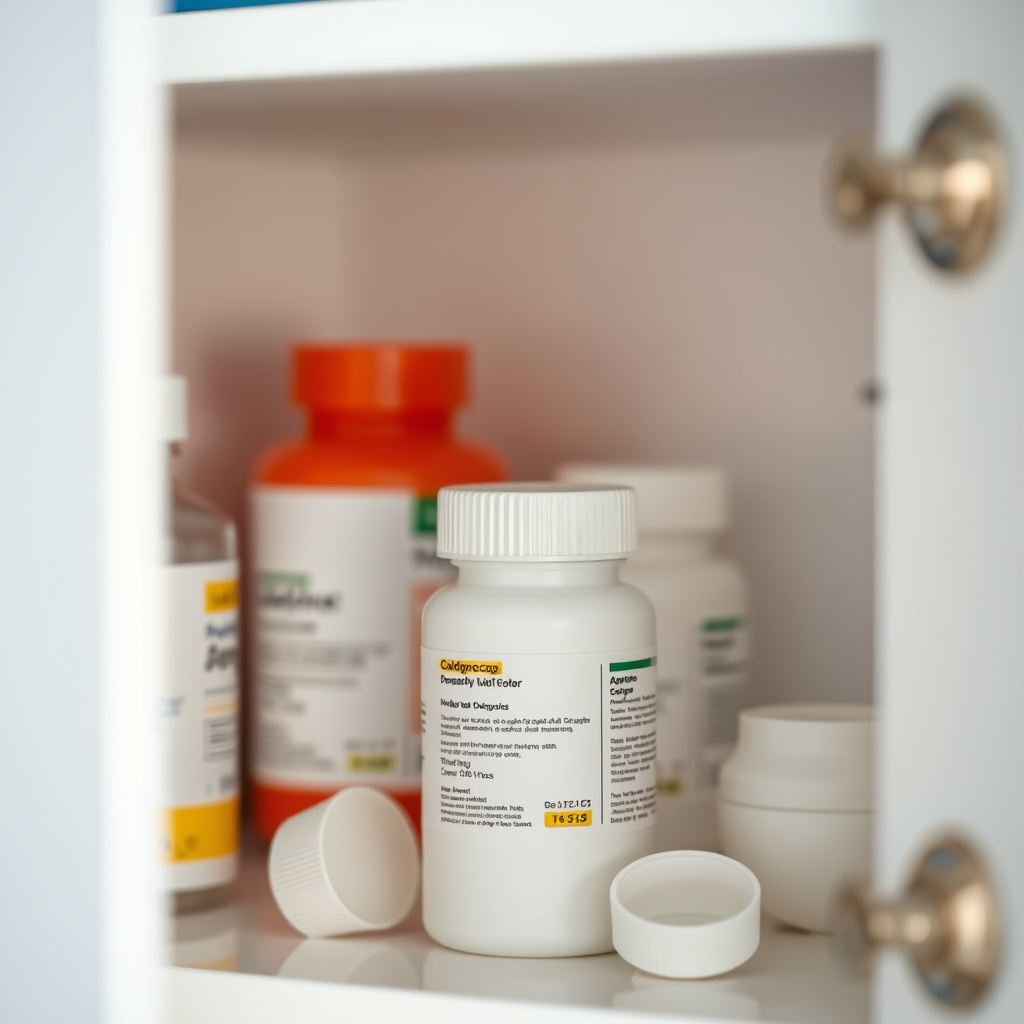
- Store all medicines in a high, locked cabinet, out of sight.
- Use the supplied dropper or syringe for every dose—never eyeball the amount.
- Label each bottle with the child’s name and dose.
- Keep a written log of each medication administered, including date, time, and amount.
- Never give adult or children’s strength Tylenol to an infant.
Signs of acetaminophen poisoning in infants
Beyond the early symptoms listed above, watch for:
- Rapid breathing or shortness of breath
- Swelling of the abdomen
- Unexplained fever
- Bleeding gums or nosebleeds
These signs indicate that the liver is struggling to process the toxin and require urgent medical attention.
Is activated charcoal used for Tylenol poisoning in infants?
Activated charcoal can bind acetaminophen if given within 1–2 hours of ingestion, but its use in infants is controversial because of the risk of aspiration and limited evidence of benefit. Most pediatric toxicology guidelines (American Association of Poison Control Centers) recommend NAC as the primary antidote and reserve charcoal for specific cases under strict supervision.
What to expect during a pediatric toxicology consultation
After initial stabilization, a pediatric toxicologist will review the exposure details, order liver function tests (ALT, AST, bilirubin), and assess the need for NAC. They may also monitor coagulation parameters (PT/INR) to gauge liver synthetic function. The consultation typically lasts 30–60 minutes, during which the specialist explains the treatment plan, possible side effects of NAC (such as rash or nausea), and the expected timeline for recovery.
Can a baby recover fully after a Tylenol overdose?
Yes, many infants make a complete recovery when treated promptly with N‑acetylcysteine and supportive care. Long‑term outcomes are excellent if liver function normalizes within a few days. Delayed treatment, however, can lead to chronic liver issues or, in rare cases, fatal outcomes.
Understanding N‑acetylcysteine: how the antidote works
N‑acetylcysteine (NAC) is a precursor to glutathione, the molecule that detoxifies the harmful metabolite NAPQI produced when acetaminophen is broken down. By replenishing glutathione stores, NAC prevents NAPQI from binding to liver cells and causing damage.
In infants, NAC is usually given intravenously because the oral route can be unreliable due to variable absorption. The IV protocol involves a loading dose followed by a maintenance infusion over 20‑hours, adjusted for the baby’s weight. Side effects are generally mild—most commonly a temporary rash or nausea—but the benefits far outweigh the risks when liver injury is possible.

Follow‑up care and monitoring after a Tylenol overdose
After discharge, your pediatrician will schedule follow‑up blood work to ensure liver enzymes have returned to normal. This typically occurs 48‑72 hours after the initial event, but the exact timing depends on the severity of the overdose and the infant’s response to treatment.
During the follow‑up visit, the doctor will also review any lingering symptoms, discuss medication‑storage practices, and may refer you to a pediatric hepatologist if there are concerns about ongoing liver health. Keep a log of any new symptoms—especially yellowing of the skin or changes in urine color—and contact your provider promptly if they arise.
Myth vs. fact
Myth: A tiny amount of Tylenol is “harmless” for a baby.
Fact: Even a single dose that exceeds the recommended 15 mg/kg can cause liver toxicity. Always measure precisely.
Myth: Home remedies like honey or lemon juice can neutralize an overdose.
Fact: No food or drink can counteract acetaminophen toxicity; only medical treatment with N‑acetylcysteine can prevent liver damage.
Myth: If the baby looks fine, there’s no problem.
Fact: Early symptoms may be absent; the dose taken dictates the need for urgent care.
Key takeaways
- Never exceed 15 mg/kg per dose of acetaminophen for infants.
- Early signs include vomiting, lethargy, and pale skin; watch for jaundice.
- Call poison control or 911 immediately if you suspect an overdose.
- N‑acetylcysteine is the proven antidote; timing is critical.
- Store all medications out of reach and use the supplied dropper for every dose.
- Most infants recover fully with prompt treatment.
- Schedule follow‑up labs to confirm liver recovery and discuss prevention strategies.
Frequently asked questions
What are the early signs of Tylenol overdose in a baby?
Early signs typically appear within 4–24 hours and include vomiting, unexplained fussiness, lethargy, and pale or yellowish skin. Because infants can’t describe pain, any sudden change in behavior after a medication exposure warrants a call to poison control.
How much Tylenol can a baby safely take?
According to the American Academy of Pediatrics, the safe dose is 15 mg per kilogram of body weight per dose, not exceeding five doses in a 24‑hour period. For a 3‑kg newborn, that’s about 45 mg (≈ 1.1 mL of infant‑strength liquid) per dose.
Should I give my baby water after a Tylenol overdose?
If the baby is alert and able to swallow, a small sip of water may help dilute the stomach contents, but do not force fluids. The most important action is to call poison control or emergency services right away.
When should I call 911 for a baby who took Tylenol?
Call 911 if the baby shows severe vomiting, appears unresponsive or unusually sleepy, has jaundice, dark urine, abdominal swelling, or any seizure activity. Also call if the estimated dose is clearly above the recommended limit.
Is activated charcoal used for Tylenol poisoning in infants?
Activated charcoal is rarely used in infants because the benefit is uncertain and the risk of aspiration is higher. The standard treatment is N‑acetylcysteine, which directly protects the liver.
Can a baby recover fully after a Tylenol overdose?
Yes, most babies recover fully when treated promptly with the antidote N‑acetylcysteine and supportive care. Delayed treatment can increase the risk of lasting liver damage.
Can I give my baby ibuprofen if they already took Tylenol?
Do not give ibuprofen unless a healthcare provider specifically advises it. Combining or alternating fever reducers without guidance can lead to accidental double‑dosing, increasing the risk of toxicity. If your baby has already taken Tylenol, focus on monitoring for symptoms and contacting poison control.
What should I do if an older sibling also took Tylenol accidentally?
Treat each child based on their weight and the amount ingested. Call poison control for each child, provide the specific dose and age, and follow the same steps—do not assume the older child is safe because they are bigger. Different ages have different safe dosage thresholds.
Can a baby develop delayed liver injury after a Tylenol overdose?
Delayed liver injury is uncommon if NAC is given promptly, but in rare cases liver enzymes can rise again after 48‑72 hours. Ongoing monitoring with repeat blood tests is the best way to catch any late changes.
Is there a difference between infant‑strength and children‑strength Tylenol?
Yes. Infant‑strength Tylenol typically contains 160 mg of acetaminophen per 5 mL, while children’s strength contains 325 mg per 5 mL. Using the wrong concentration can quickly lead to an overdose, so always double‑check the label before dosing.
When to see a doctor or specialist
If you notice any of the following red‑flag symptoms, seek immediate medical care from a pediatrician, emergency physician, or pediatric gastroenterologist:
- Persistent vomiting or inability to keep fluids down
- Unexplained lethargy or difficulty waking
- Yellowing of the skin or eyes (jaundice)
- Dark, concentrated urine or reduced urine output
- Abdominal swelling or pain
- Bleeding gums, nosebleeds, or easy bruising
These signs may indicate liver injury that requires urgent evaluation, blood tests, and possibly N‑acetylcysteine therapy. This article is for informational purposes only and does not replace personalized medical advice. Always consult your health care provider for decisions about your baby’s health.
References
- American Academy of Pediatrics. “Acetaminophen Dosing for Infants.” AAP Clinical Report, 2023.
- U.S. Food and Drug Administration (FDA). “Acetaminophen (Tylenol) Safety Information.” FDA.gov, 2022.
- American Association of Poison Control Centers (AAPCC). “Management of Acetaminophen Poisoning.” National Poison Data System, 2023.
- National Institutes of Health (NIH). “Acetaminophen Toxicity.” MedlinePlus, 2024.
- Centers for Disease Control and Prevention (CDC). “Acetaminophen Overdose Prevention.” CDC.gov, 2023.
- Mayo Clinic. “Acetaminophen overdose.” MayoClinic.org, 2023.
- British National Formulary for Children (BNFC). “Acetaminophen dosing guidelines.” 2022.
- American College of Emergency Physicians. “N‑acetylcysteine Use in Pediatric Acetaminophen Toxicity.” ACEP Clinical Policy, 2022.
- American College of Obstetricians and Gynecologists (ACOG). “Medication Safety in Infancy.” ACOG Committee Opinion, 2021.
- National Health Service (NHS). “Acetaminophen (Paracetamol) poisoning.” NHS.uk, 2023.
- American Academy of Pediatrics. “Safe Medication Practices for Parents.” AAP Parenting Resources, 2022.
- World Health Organization (WHO). “Guidelines for the Management of Acute Poisoning.” WHO Technical Report Series, 2021.