Quick take: The moment you read “positive” on a pregnancy test, pause, breathe, and then confirm with a clinician. Schedule your first prenatal visit, start a prenatal‑friendly diet, and share the news with your support network. Early weeks are about safe steps, reliable information, and building a care team that will guide you through the next nine months.
Seeing those two pink lines can feel like the world suddenly shifts. One night, Maya stared at the tiny test in the dim bathroom light, heart racing, wondering if she was ready for the life‑changing journey ahead. If you’re reading this, you probably share that same mix of excitement and uncertainty. You’re not alone—many women ask, “what to do first when you find out you are pregnant?” The answer is a series of thoughtful, evidence‑based steps that protect your health, support your emotional wellbeing, and set a solid foundation for the months to come.
In this guide we’ll walk through the immediate actions, the essential first‑trimester checklist, what to expect at your initial prenatal appointment, how to calculate your due date, nutrition basics, and how to involve your partner and insurance. You’ll also find practical tips for staying healthy, myth‑busting facts, a concise symptom checklist, and a clear plan for when to call a healthcare professional. Let’s turn that moment of surprise into confident, informed action.
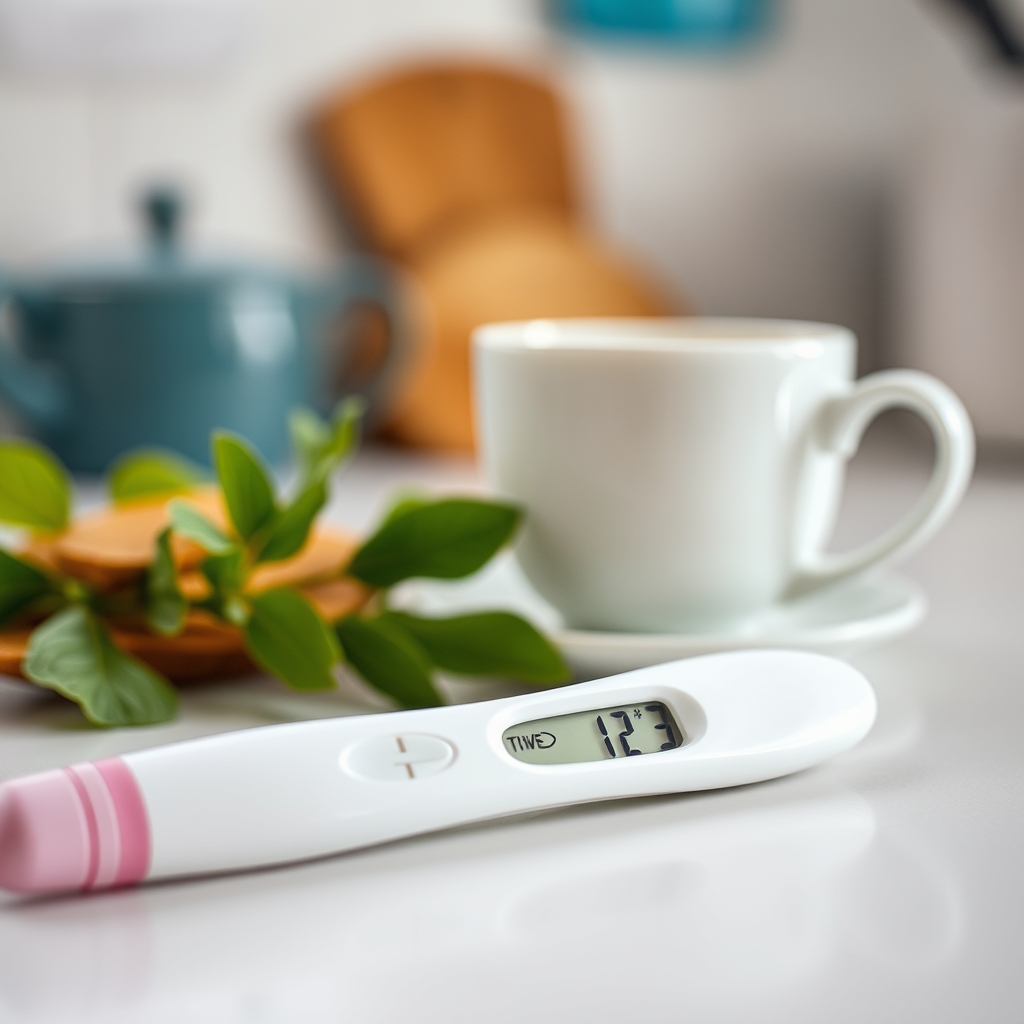
First things first: confirm the result. A home test is highly accurate, but a blood test from your provider will give you a precise hCG level and start your official medical record. Call your OB‑GYN, midwife, or family physician within a week to schedule that confirmation appointment.
Confirm the pregnancy with a doctor
During the visit, the clinician will perform a urine or blood hCG test and often a transvaginal ultrasound if you’re under 8 weeks. This not only confirms the pregnancy but also checks for viability and estimates gestational age. The American College of Obstetricians and Gynecologists (ACOG) recommends a first‑trimester ultrasound for anyone with uncertain dates or risk factors.
Tell your partner—and manage the news
Sharing the news can feel daunting. Many women find it helpful to choose a calm setting, speak from the heart, and give space for questions. If you’re worried about the reaction, consider drafting a short script or writing a note first. One reader described how a simple “I have something special to share” opened a supportive conversation.
When twins surprise you
If your ultrasound shows twins, the early steps are similar but you’ll need more frequent monitoring. A twin pregnancy is considered higher risk, so expect additional ultrasounds and possibly a referral to a maternal‑fetal medicine specialist. The Mayo Clinic advises that early prenatal vitamins with extra folic acid (400‑800 µg) become even more important.
Many couples love to share the milestone online. Keep it simple: a photo of the test, a favorite quote, or a tiny baby shoe can convey excitement without over‑exposure. Remember, privacy is a personal choice—post only if you feel comfortable.
Start a prenatal vitamin
Begin a prenatal vitamin with at least 400 µg of folic acid as soon as you confirm pregnancy. This supports neural‑tube development and reduces certain birth defects, according to the CDC.
Build a support network
Identify at least three people you can turn to for emotional or practical help—whether it’s a partner, friend, parent, or community group. Early support reduces stress, which the National Institute of Mental Health (NIMH) links to healthier pregnancy outcomes.

First trimester pregnancy checklist
The first 12 weeks are a whirlwind of hormonal shifts, rapid fetal development, and new self‑care habits. Use this checklist to stay organized and ensure you’re covering the essentials.
- Medical confirmation: Blood hCG test and ultrasound.
- Prenatal vitamins: Daily with 400 µg folic acid (or 800 µg if twins).
- First prenatal appointment: Schedule within 8 weeks.
- Nutrition: Focus on whole foods, iron, calcium, and folate.
- Exercise: Moderate activity (e.g., walking, prenatal yoga) if cleared.
- Hydration: Aim for 2–3 L of water daily.
- Sleep hygiene: 7–9 hours, elevate legs if swelling.
- Stress management: Daily breathing or mindfulness practice.
- Safety checks: Review medications with pharmacist or provider.
First trimester pregnancy symptoms and what to do
Common symptoms include nausea, breast tenderness, fatigue, and frequent urination. For nausea, try small, bland meals, ginger tea, or vitamin B6 supplements (under provider guidance). Breast tenderness can be eased with a supportive bra. Fatigue is normal; prioritize rest and short naps when possible.
How to stay healthy during early pregnancy
Follow the “ABCs” of early prenatal health: Avoid harmful substances (alcohol, tobacco, certain meds); Balance nutrition with a variety of fruits, vegetables, lean proteins, and whole grains; and Care for mental wellbeing by staying connected and seeking counseling if anxiety spikes.
When to see a doctor
If you experience severe abdominal pain, heavy bleeding, fever over 100.4 °F (38 °C), or sudden swelling of hands/face, call your provider or go to the emergency department immediately. These could signal a miscarriage, ectopic pregnancy, or preeclampsia.
What to expect at your first prenatal appointment
Your first prenatal visit is both a medical exam and a chance to build trust with your care team. Knowing what will happen can ease nerves.
Typical components of the visit
- Medical history review: Past pregnancies, chronic conditions, family health.
- Physical exam: Blood pressure, weight, pelvic exam.
- Blood work: CBC, blood type, Rh factor, rubella immunity, HIV, hepatitis B, and baseline hCG.
- Urine test: Protein, glucose, infection.
- Ultrasound: Confirmation of gestational age and fetal heartbeat (if available).
- Discussion of lifestyle: Nutrition, exercise, medications, and any needed supplements.
Choosing a prenatal care provider
Providers differ in training, philosophy, and scope of practice. Below is a quick comparison to help you decide.
Questions to ask your provider
- What is your philosophy on birth plans and interventions?
- How often will I have appointments, and what will each visit include?
- What resources do you recommend for nutrition and mental health?
- How do you handle emergencies or after‑hours concerns?
How to calculate your due date after a positive pregnancy test
Estimating your due date helps you plan appointments, tests, and maternity leave. The most common method is Naegele’s Rule: add 280 days (40 weeks) to the first day of your last menstrual period (LMP). If you’re unsure of your LMP, an early ultrasound provides a more accurate gestational age.
Step‑by‑step due‑date calculator
- Identify the first day of your last menstrual period.
- Add 1 year.
- Subtract 3 months.
- Add 7 days.
- The result is your estimated due date.
For example, if your LMP was March 15, 2026, your due date would be December 22, 2026. The CDC notes that about 60 % of women deliver within a week of this calculated date.
When the due date may shift
Irregular cycles, late ovulation, or a twin pregnancy can alter the calculation. Your provider may adjust the date after the first ultrasound, which measures the crown‑rump length—a reliable marker of gestational age.
What foods to avoid when you first find out you are pregnant
Early pregnancy is a critical window for fetal development, and certain foods can pose risks. Below is a concise guide to keep your plate safe.
- Unpasteurized dairy and soft cheeses: Risk of Listeria. Choose pasteurized milk, cheddar, and hard cheeses.
- Raw or undercooked seafood: Avoid sushi, sashimi, and raw oysters; opt for fully cooked fish (limit to 2‑3 servings per week of low‑mercury varieties).
- Deli meats and hot dogs: Heat to steaming before eating to kill potential bacteria.
- High‑mercury fish: Skip shark, swordfish, king mackerel, and tilefish.
- Alcohol and caffeine: Alcohol is contraindicated; limit caffeine to <200 mg per day (about one 12‑oz coffee).
- Unwashed produce: Rinse all fruits and vegetables thoroughly to remove parasites.
Nutrition tips for early pregnancy
Focus on folate‑rich foods (leafy greens, beans, fortified cereals), iron (lean red meat, lentils), calcium (dairy or fortified plant milks), and omega‑3s (salmon, walnuts). The Academy of Nutrition and Dietetics emphasizes a balanced plate—½ vegetables and fruits, ¼ lean protein, ¼ whole grains.
How to tell your partner you are pregnant
Delivering the news can feel like a high‑stakes moment, but a calm, honest approach often yields the best response. Here’s a simple framework you can adapt.
Three‑step conversation plan
- Set the scene: Choose a private, relaxed environment—perhaps after dinner or during a walk.
- Share the news: Use a clear, simple statement: “I took a test, and it’s positive. We’re going to have a baby.”
- Invite feelings: Pause and let your partner react. Offer reassurance that you’ll navigate this together.
Handling different reactions
Some partners may feel joy, shock, or anxiety. Acknowledge any emotions and suggest a joint appointment with a provider. If you anticipate a strong emotional response, consider having a supportive friend nearby or scheduling a follow‑up conversation after the initial surprise.
What insurance options are available for pregnant women
Insurance coverage can feel confusing, especially when you’re focused on your health. Here’s a snapshot of the main avenues in the United States and United Kingdom.
Steps to maximize coverage
- Confirm that your provider accepts your plan’s network.
- Ask about pre‑authorization for labs and ultrasounds.
- Check if your plan includes a prenatal vitamin discount.
- Explore supplemental policies for doula or childbirth classes.
What are the first signs of pregnancy to look out for after a positive test
Even after a positive test, many women notice early cues that confirm their new reality. Recognizing these signs can help you understand what’s normal and when to seek care.
- Missed period: The most common early indicator.
- Breast changes: Tenderness, darkening of areolas.
- Nausea or “morning sickness”: Often starts 4‑6 weeks after conception.
- Fatigue: Hormonal shifts cause increased sleepiness.
- Frequent urination: Growing uterus presses on the bladder.
- Light spotting: Known as implantation bleeding, usually pink‑ish.
When these signs signal a problem
If you experience severe cramping, heavy bleeding (soaking a pad in an hour), or a sudden loss of pregnancy symptoms after a week of feeling well, contact your provider promptly. These could indicate a miscarriage or ectopic pregnancy.
Myth vs. fact
Myth: You must avoid all caffeine in pregnancy.
Fact: Up to 200 mg of caffeine per day (about one 12‑oz coffee) is considered safe by the FDA.
Myth: “Eating for two” means doubling your calories.
Fact: In the first trimester, you only need an extra 300 kcal per day; excessive weight gain can increase gestational diabetes risk.
Myth: You can’t exercise once you’re pregnant.
Fact: Moderate, low‑impact exercise (e.g., walking, prenatal yoga) is encouraged by ACOG and can reduce back pain and improve mood.
Key takeaways
- Confirm the pregnancy with a healthcare professional within the first week.
- Start a prenatal vitamin with at least 400 µg folic acid right away.
- Schedule your first prenatal appointment by 8 weeks gestation.
- Follow a safe diet: avoid unpasteurized dairy, raw fish, high‑mercury seafood, and excessive caffeine.
- Communicate the news to your partner and build a supportive network.
- Understand your insurance coverage and explore both public and private options.
- Track early symptoms, and seek urgent care for heavy bleeding, severe pain, or fever.
Frequently asked questions
What are the first signs of pregnancy?
Common early signs include a missed period, breast tenderness, mild nausea, fatigue, frequent urination, and light spotting. While these symptoms are typical, any severe pain or heavy bleeding should prompt an immediate call to your provider.
How soon can I take a pregnancy test?
Most home tests detect hCG reliably about 10 days after ovulation, usually after a missed period. For the most accurate result, test first‑morning urine and follow the manufacturer’s instructions.
What should I eat during my first trimester?
Emphasize folate‑rich vegetables, lean proteins, whole grains, calcium‑rich dairy or fortified alternatives, and omega‑3 sources like low‑mercury fish. Avoid unpasteurized dairy, raw seafood, high‑mercury fish, deli meats unless heated, and limit caffeine to under 200 mg per day.
Can I exercise during early pregnancy?
Yes—moderate activities such as brisk walking, swimming, and prenatal yoga are safe for most women, provided your provider clears you. Avoid high‑impact sports, contact sports, and activities with a high risk of falling.
How often should I see my doctor during pregnancy?
Typical prenatal visit schedule: every 4 weeks until 28 weeks, every 2 weeks until 36 weeks, then weekly until delivery. Additional visits may be needed for high‑risk conditions or specific concerns.
What are the most common pregnancy complications?
Gestational diabetes, preeclampsia, and preterm labor are among the most frequent complications. Regular screening (glucose tolerance test, blood pressure checks, and fetal growth ultrasounds) helps detect these early.
When should I call my doctor right away?
Seek immediate care if you experience severe abdominal pain, heavy vaginal bleeding, fever over 100.4 °F (38 °C), sudden swelling of hands or face, or a sudden loss of pregnancy symptoms after a week of feeling well.
When to see a doctor / specialist
If you notice any of the red‑flag symptoms listed above—especially heavy bleeding, intense cramping, or fever—contact your OB‑GYN, midwife, or go to the nearest emergency department right away. For ongoing concerns such as persistent nausea, mental‑health struggles, or questions about nutrition, schedule a follow‑up appointment with your prenatal care provider. Remember, this article is for informational purposes only and does not replace personalized medical advice.
References
- American College of Obstetricians and Gynecologists. “Routine Prenatal Care.” ACOG Practice Bulletin No. 171, 2022.
- Centers for Disease Control and Prevention. “Folic Acid.” CDC, 2023.
- National Institute of Mental Health. “Perinatal Depression.” NIMH, 2023.
- Mayo Clinic. “Prenatal vitamins: What you need to know.” Mayo Clinic, 2024.
- Academy of Nutrition and Dietetics. “Nutrition for Pregnancy.” Eatright.org, 2023.
- U.S. Department of Health and Human Services. “Medicaid and Pregnancy.” HHS, 2022.
- National Health Service (UK). “Pregnancy guide.” NHS.uk, 2024.
- American Heart Association. “Physical Activity Guidelines for Pregnant Women.” AHA, 2022.
- World Health Organization. “Maternal health.” WHO, 2023.



