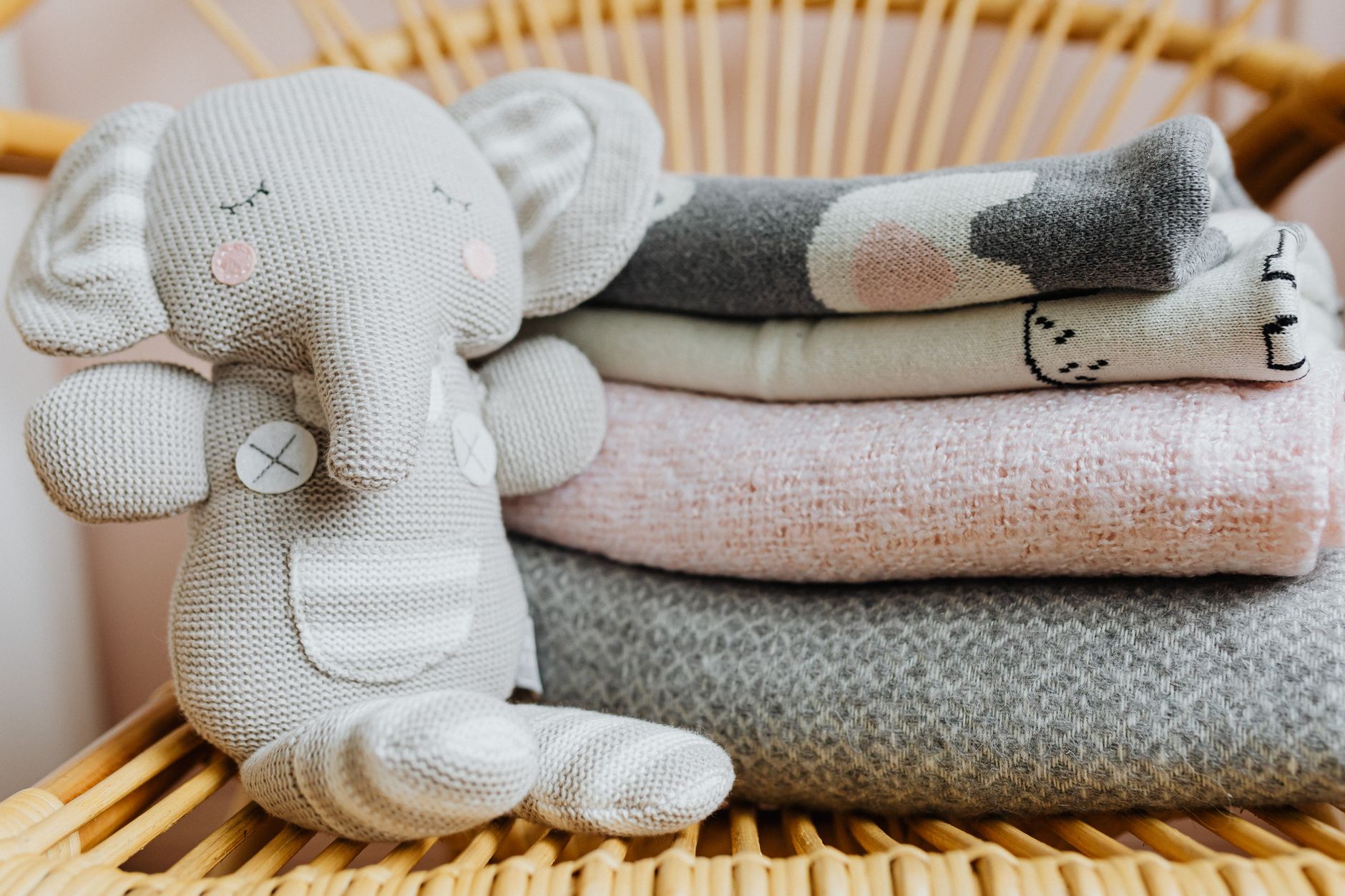
Even though the baby isn’t here yet, the third trimester is the perfect time to gather the core essentials. Here’s a deeper dive into each category, with tips for choosing safe, high‑quality products.
Clothing that grows with your newborn
Newborns outgrow their first outfits quickly, so prioritize soft, breathable fabrics like organic cotton. Look for snap‑front onesies that make diaper changes faster, and avoid clothing with loose strings or decorations that could pose a choking hazard.
Diapering basics
Whether you choose disposable or cloth diapers, you’ll need a good supply of newborn‑size diapers. A pack of 80–100 diapers typically lasts about a week. Pair them with fragrance‑free wipes and a gentle barrier cream to protect delicate skin.
Feeding gear
If you plan to breastfeed, a hospital‑grade breast pump is a worthwhile investment—it can be a lifesaver when returning to work. For bottle‑feeding, select BPA‑free bottles and nipples that mimic the flow of a breast. The CDC recommends sterilizing bottles after each use during the first month.2
Safe sleep setup
The AAP’s Safe Sleep guidelines state that infants should sleep on a firm, flat surface without pillows, blankets, or toys. A convertible crib that meets the Consumer Product Safety Commission (CPSC) standards is ideal, as it can transform into a toddler bed later.
Travel safety
Every hospital discharge requires a properly installed infant car seat. Many hospitals will inspect the seat before you leave, so practice installation early. A lightweight stroller or carrier can be added later, but the car seat is non‑negotiable.
Below is a quick comparison of common sleep and travel gear options to help you decide which fits your budget and lifestyle.
What to prepare for baby arrival in the third trimester
Beyond the items you’ll bring home, preparing the physical space and your own routines is crucial. This section covers the practical steps that make the transition smoother.
Setting up the nursery
Pick a quiet corner of the house, preferably on the same floor as the master bedroom for nighttime feeds. A simple layout with a crib, a changing station, and a rocking chair offers everything you need within arm’s reach. Add a dimmable nightlight and a white‑noise machine to create a soothing environment.
Stocking the diaper changing area
Keep a fully stocked diaper bag near the crib and a larger changing tote for outings. Include diapers, wipes, a small blanket, diaper rash cream, and hand sanitizer. The AAP suggests a dedicated changing pad that can be easily cleaned with a disinfectant wipe.3
Preparing siblings
If you have older children, involve them in the preparation process. Let them pick out a small gift for the baby or help set up the nursery. This inclusion reduces jealousy and builds excitement.
Planning for postpartum support
Arrange for a postpartum doula, family member, or friend to assist with meals, light housework, and infant care for the first two weeks. Studies published in the Journal of Perinatal Education show that structured support reduces postpartum depression risk by up to 30 %.4

Now that you know what to buy and how to prepare, here’s a day‑by‑day shopping list that spreads the cost and prevents overwhelm. You can adjust the timeline based on your due date and personal budget.
8–10 weeks before due date
- Choose and purchase the crib or bassinet.
- Buy the infant car seat and install it (practice with a friend’s car if needed).
- Start a baby registry—focus on big‑ticket items first.
6–8 weeks before due date
- Order clothing basics (onesies, sleepers, hats).
- Purchase a breast pump or bottle‑feeding supplies.
- Gather nursery decor (wall art, curtains) that won’t be needed immediately.
4–6 weeks before due date
- Buy diapering supplies (diapers, wipes, cream).
- Pick up a baby bathtub and gentle cleanser.
- Set up the changing station with a pad and storage bins.
2–4 weeks before due date
- Finalize the stroller or carrier.
- Purchase a baby monitor and nightlight.
- Pack your hospital bag (see FAQ below).
1–2 weeks before due date
- Do a final safety check—outlet covers, cabinet locks.
- Wash all newborn clothing before use.
- Arrange the final layout of the nursery and test the crib mattress firmness.
Following this timeline spreads out expenses and gives you time to research each product. The CDC recommends washing all newborn clothing in a gentle, fragrance‑free detergent before the first use to reduce skin irritation.5
Must‑have items for newborn baby
Even if you’ve already created a checklist, there are a few “must‑have” items that many parents overlook until they need them urgently.
Baby nail clippers or scissors
Newborn nails grow quickly and can be surprisingly sharp. A small, rounded‑tip nail clipper designed for infants prevents accidental scratches.
Thermometer
Digital rectal thermometers are the most accurate for infants under three months, though ear thermometers are acceptable for quick checks after the first month. Keep one in the nursery and another in your diaper bag.
Nasal aspirator
Congestion is common in newborns. A soft‑tip aspirator helps clear nasal passages, making feeding easier. The AAP advises using a bulb aspirator no larger than 2 mm for newborns.6
White‑noise machine
Consistent background sound can soothe a newborn and improve sleep duration. Look for machines with volume control and a timer.
Soft, washable blankets
Two or three lightweight blankets are enough for swaddling and burp‑time. Avoid heavy blankets that could overheat the baby.

What to buy for baby before birth: final touches
In the final days before delivery, focus on items that enhance comfort and safety rather than adding more “nice‑to‑have” gear.
Hospital‑ready bag
Pack a bag with your ID, insurance card, a change of loose‑fitting clothing, maternity bras, and a nursing pillow. Include toiletries, a phone charger, and snacks for your support person.
Night‑time feeding supplies
Place bottles, a water bottle, and a small nightlight on a bedside table. Having everything within reach reduces the need to get up in the dark.
Post‑partum recovery items
Stock up on perineal spray, witch hazel pads, and a comfortable postpartum girdle if you plan to use one. These items aid healing and improve comfort during the first weeks.
Cleaning and sanitizing basics
Keep a bottle‑brush, sterilizer (or a microwave‑safe sterilizing bag), and a few spare laundry detergent pods handy. Regular cleaning of bottles and pacifiers helps prevent bacterial growth.
Creating a third‑trimester baby registry that works for you
Registries are more than wish lists; they’re tools for budgeting, gift‑tracking, and ensuring you receive items that truly fit your space and lifestyle.
Most major retailers—Amazon, Target, and Buy Buy Baby—offer free registries that sync across stores. Look for platforms that allow you to add items from multiple brands, and that provide a “cash fund” option for contributions toward larger purchases like a crib.
Prioritize big‑ticket items first
Start with the crib, car seat, stroller, and breast pump. These are the most expensive and often have the longest shipping times. Mark them as “priority” so friends and family know what to buy.
Include a range of price points
Even within essential categories, there are budget‑friendly and premium options. Adding a mix lets your loved ones choose a gift that fits their budget while still being useful.
Update the registry as you go
As you receive gifts, cross‑check them against your checklist. If you get a stroller, you may be able to remove a carrier from the list, freeing up space for other items.
Take advantage of completion discounts
Many retailers offer a 10–20 % discount on remaining items after your baby’s arrival. This can significantly reduce the total cost of your baby gear.
Budgeting for baby: estimating costs and planning expenses
Having a clear budget helps prevent financial stress during a time that’s already emotionally charged. Below is a rough breakdown of typical first‑year expenses in the United States, based on data from the USDA and the Consumer Financial Protection Bureau (CFPB).
To keep costs manageable, consider buying gently used items from reputable sources (e.g., local parenting groups) for non‑personalized gear like cribs and high‑chairs. Always verify that used items meet current safety standards—check the CPSC website for recalls before purchasing.
Safety and comfort: preparing your home for a newborn
Beyond the baby‑specific items, the home environment must be safe and soothing. Here are the top steps to child‑proof your space before the baby arrives.
Electrical safety
Install outlet covers on all unused sockets within the baby’s reach. The CPSC recommends using sliding‑cover plates that close automatically when the plug is removed.
Furniture anchoring
Secure bookshelves, dressers, and TV stands to the wall with brackets. This prevents tip‑over injuries as the baby learns to pull up and crawl.
Temperature control
Keep the nursery at a comfortable 68–72 °F (20–22 °C). Use a programmable thermostat and avoid placing the crib near windows or direct heat sources.
Air quality
Consider a HEPA filter if you have pets or live in a high‑pollution area. The AAP advises against using scented candles or strong cleaning products around newborns.
Emergency preparedness
Store a small first‑aid kit in the nursery, including sterile pads, adhesive bandages, and a pediatric‑dose infant acetaminophen (follow label instructions). Know the nearest emergency department’s location and have a list of emergency contacts ready.
Myth vs. fact
Myth: You need a full‑size crib and a separate bassinet.
Fact: A convertible crib can serve as both a crib and a bassinet, saving space and money. Many parents choose one versatile piece that meets safety standards.
Myth: Newborns need a lot of clothing because they “lose heat quickly.”
Fact: Babies regulate temperature well when dressed in one‑piece sleepers and a soft blanket. Over‑dressing can lead to overheating, which is linked to sudden infant death syndrome (SIDS).7
Myth: All baby products on the market are safe.
Fact: Only items that meet CPSC safety guidelines are considered safe. Always check for recall notices on the CPSC website before purchasing or using a product.
Key takeaways
- Start with a core checklist that covers clothing, diapering, feeding, sleep, travel, and safety.
- Build a baby registry focused on big‑ticket items first, then add accessories.
- Spread purchases over the third trimester to manage cash flow and avoid last‑minute stress.
- Prioritize safety—choose gear that meets CPSC standards and follow AAP sleep guidelines.
- Budget realistically by tracking costs and using completion discounts or gently used items.
- Prepare your home with basic child‑proofing steps: outlet covers, anchored furniture, and a comfortable temperature.
Frequently asked questions
What are the most essential items to buy for a newborn baby?
The essentials include a safe crib or bassinet, an infant car seat, a few outfits (onesies, sleepers, hats), diapers, wipes, a basic diapering cream, a baby bathtub, gentle cleanser, a thermometer, and a baby monitor. These items cover the baby’s immediate needs for sleep, feeding, hygiene, and safety.1
How do I prepare my home for a new baby?
Begin by child‑proofing high‑traffic areas: install outlet covers, anchor heavy furniture, and keep cords out of reach. Set up a nursery with a firm mattress, fitted sheets, a changing station, and a nightlight. Keep a first‑aid kit and a baby monitor nearby. Finally, create a calming atmosphere with a white‑noise machine and maintain a comfortable room temperature.
What should I pack in my hospital bag for delivery?
Pack your ID, insurance card, a loose‑fitting nightgown, maternity bras, comfortable socks, toiletries, a phone charger, snacks, and a small pillow. For the baby, bring a going‑home outfit, a blanket, and a car seat already installed in your vehicle. Don’t forget any birth plan documents or a list of medications you’re taking.
What are the best baby products for a first‑time mom?
First‑time moms benefit from multifunctional gear: a convertible crib, an infant car seat that fits both forward‑ and rear‑facing, a reliable breast pump (if breastfeeding), and a simple, easy‑to‑clean stroller. Look for products with strong safety ratings and clear user instructions. Reading reviews from other parents can also guide your choices.
How much does it cost to have a baby?
In the United States, the average first‑year cost ranges from $4,750 to $9,100, depending on brand choices and whether you purchase new or gently used items. This includes clothing, diapers, feeding supplies, nursery furniture, safety gear, and medical expenses. Planning a budget and using registry completion discounts can help keep costs within your target range.
What are the must‑have items for a baby nursery?
A safe crib or bassinet, a firm mattress, fitted sheets, a changing table or pad, a nightlight, a white‑noise machine, storage bins for clothing and diapers, and a baby monitor are the core components. Optional décor like wall art or a mobile adds a personal touch but isn’t required for the baby’s health and safety.
When should I start using a baby monitor?
Many parents set up the monitor as soon as the baby arrives home from the hospital. The AAP advises using a monitor with a secure, encrypted signal and keeping it out of the baby’s reach to prevent accidental tampering.
When to see a doctor or specialist
If you notice any of the following red‑flag signs, contact your OB‑GYN or pediatrician promptly: persistent high fever (≥ 100.4 °F/38 °C) in a newborn, difficulty breathing, a bluish tint around the lips, unexplained vomiting, or a sudden change in feeding patterns. These symptoms may indicate infection, respiratory distress, or other serious conditions that require immediate medical attention.
Additionally, if you experience postpartum complications such as excessive bleeding, severe abdominal pain, or signs of postpartum depression (persistent sadness, loss of interest, or thoughts of harming yourself), reach out to your OB‑GYN or a mental‑health professional right away. Early intervention supports both your health and your baby’s well‑being.
References
- American Academy of Pediatrics. “Safe Sleep and SIDS Prevention.” AAP, 2023.
- Centers for Disease Control and Prevention. “Infant Feeding Guidelines.” CDC, 2022.
- American Academy of Pediatrics. “Diaper Changing Safety.” AAP, 2023.
- Journal of Perinatal Education. “Impact of Postpartum Support on Maternal Mental Health.” 2021.
- Centers for Disease Control and Prevention. “Washing Newborn Clothing.” CDC, 2022.
- American Academy of Pediatrics. “Nasal Aspirator Use in Infants.” AAP, 2023.
- American Academy of Pediatrics. “Thermal Regulation and SIDS Risk.” AAP, 2022.
- U.S. Department of Agriculture. “Cost of Raising a Child.” USDA, 2022.
- Consumer Financial Protection Bureau. “Budgeting for Baby Expenses.” CFPB, 2023.
- Consumer Product Safety Commission. “Infant Product Safety Standards.” CPSC, 2023.