Quick take: Start buying the basics—crib, car seat, and a newborn‑size wardrobe—around week 20, then add diapers, feeding gear, and nursery pieces over the next 8‑10 weeks. Budget $2,000‑$3,500 for essential items, and focus on safety certifications (CPSC, JPMA) before style.
It was a rainy Thursday afternoon when Maya, a first‑time mom‑to‑be, found herself in the baby aisle, clutching a tiny onesie and staring at a wall of cribs. Her heart raced: “Do I really need this now?” She felt the familiar mix of excitement and overwhelm that many expectant parents experience. The good news is that you don’t have to buy everything at once. By breaking down what to buy for baby second trimester into clear categories, you can prioritize safety, comfort, and budget without the late‑night stress.
In this guide we’ll walk you through every essential item, from the right clothing sizes to the best diaper brands, and show you how to spread purchases across the second trimester so you’re prepared but not over‑stocked. You’ll get a printable checklist, budgeting tables, safety tips, and even a few myth‑busting facts. By the end, you’ll know exactly when to add each piece to your cart, how much to expect to spend, and which products meet the highest safety standards.
Essential baby items to buy in the second trimester
While the second trimester (weeks 13‑27) feels like the sweet spot for shopping, it’s still early enough to secure the biggest pieces—crib, car seat, and stroller—before they sell out. Here’s a prioritized list that aligns with typical delivery dates (around 39‑40 weeks):
- Crib or bassinet – order by week 20; many manufacturers take 4‑6 weeks to ship.
- Infant‑size car seat – purchase by week 22; you’ll need it for the hospital ride.
- Stroller compatible with car seat – buy by week 24; you’ll have time to test the fold.
- Newborn clothing – start week 20, focusing on sizes 0‑3 months.
- Diapers and wipes – stock up by week 26; you’ll know your baby’s size after birth.
- Feeding supplies – bottles, breast pump, and sterilizer by week 28.
- Nursery furniture – dresser, changing table, and nightlight by week 30.
Buying in this order helps you avoid last‑minute scrambles, gives you time to read reviews, and spreads the cost over several months. Many expectant mothers also find that a “baby shower” gift registry can cover many of these items, easing the financial load.
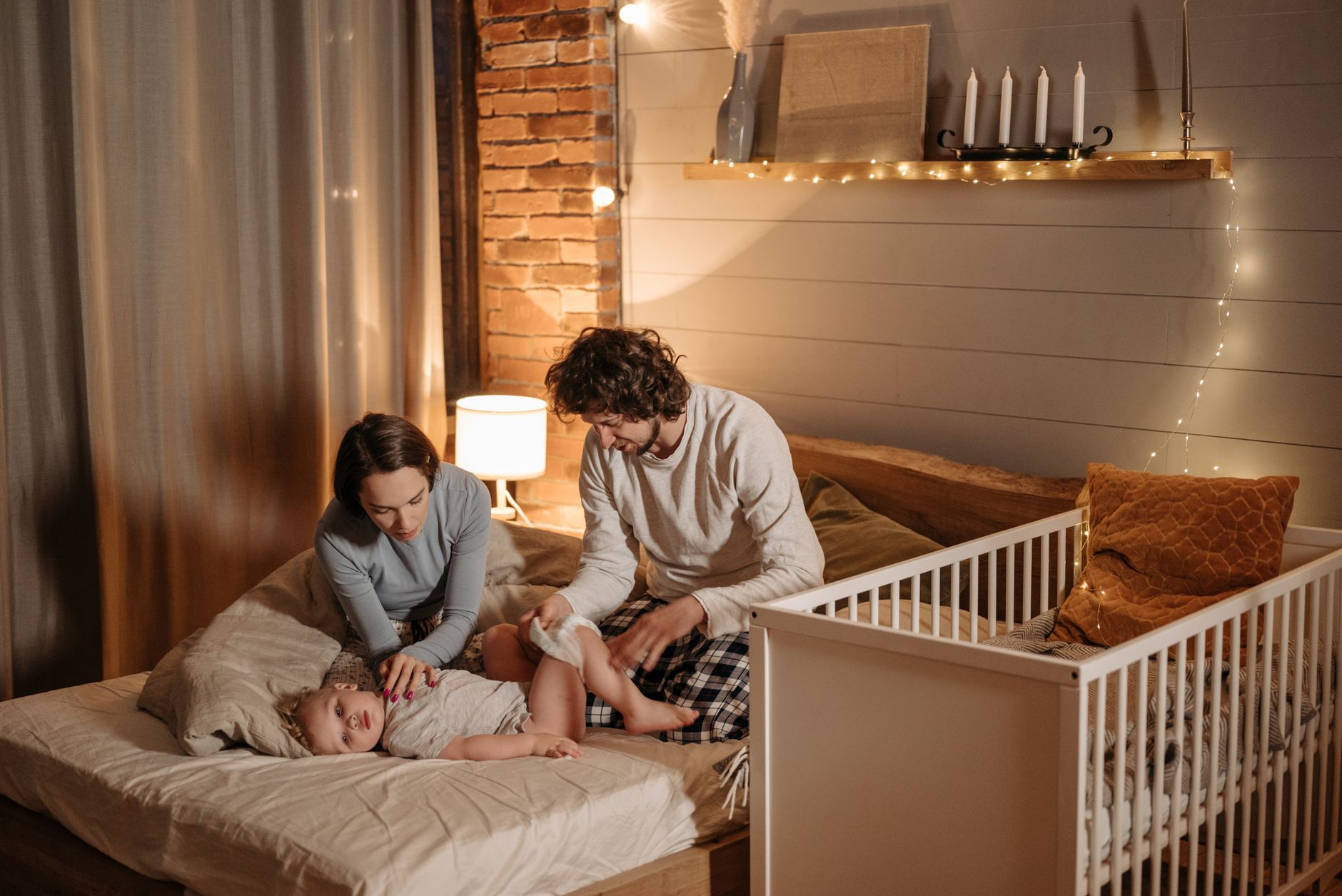
When to start buying a crib for baby
Most pediatricians and the American Academy of Pediatrics (AAP) recommend having the crib ready before you’re 3 months from your due date. This timeline ensures the crib passes any safety recalls and gives you a chance to set up the mattress at the correct firmness. Look for JPMA‑certified frames, no drop‑sides, and a mattress that fits snugly.
Second trimester baby shower gift ideas
If you’re creating a registry, include a mix of practical and pampering items: a convertible crib that grows into a toddler bed, a breathable muslin blanket, a high‑quality diaper bag, and a hands‑free breast pump. These gifts align perfectly with the “what to buy for baby second trimester” roadmap and will be used long after the initial weeks.
Newborn wardrobes often cause the biggest surprise—babies grow faster than you think! Most retailers label sizes as “0‑3 months,” “3‑6 months,” and “6‑12 months.” For a second‑trimester shopper, focus on the smallest two sizes, because the majority of infants wear the 0‑3 month size for the first 6‑8 weeks.
Here’s a quick size guide:
- 0‑3 months (approx. 5‑7 lb, 18‑21 inches)
- 3‑6 months (approx. 7‑10 lb, 21‑24 inches)
- 6‑12 months (approx. 10‑14 lb, 24‑27 inches)
Choose soft, breathable fabrics like organic cotton or bamboo. If you’re debating organic versus non‑organic, remember that the difference is mainly in pesticide exposure and fabric feel. Both are safe, but organic fabrics provide an extra layer of reassurance for sensitive newborn skin.
Organic vs non‑organic baby clothes second trimester
Organic cotton meets GOTS (Global Organic Textile Standard) criteria, meaning it’s grown without synthetic pesticides and processed without harmful chemicals. Non‑organic cotton is still safe, but may retain trace chemicals. If your budget allows, prioritize a few key pieces—sleepers, swaddles, and hats—in organic fabrics for direct skin contact.
Best diaper brands for newborns recommended in second trimester
Diapers are a recurring expense, so choosing a brand that balances absorbency, skin‑friendliness, and cost can save you both money and worry. Below is a comparison of three widely‑trusted brands based on the American Academy of Pediatrics (AAP) guidelines for diaper rash prevention.
All three brands meet the AAP’s recommendation to change diapers every 2‑3 hours and to use a barrier cream if redness appears. Many parents start with a small pack of each brand during the second trimester to see which works best for their baby’s skin.
How many diapers will I need in the first month?
Newborns typically use 10‑12 diapers per day. That’s roughly 300‑360 diapers in the first month. Buying a bulk pack (often 200‑400 diapers) during the second trimester can reduce per‑diaper cost by up to 15 %.
How much should I budget for baby supplies in the second trimester
Budgeting early prevents surprise expenses and lets you allocate funds to the items that matter most. Below is a sample budget based on average U.S. prices from the Consumer Product Safety Commission (CPSC) and the National Retail Federation (NRF).
Overall, a realistic total ranges from $1,150 to $3,350, depending on brand choices and how many “premium” items you select. Remember to factor in sales tax, shipping, and any registry discounts.
Budgeting for baby essentials second trimester
Break the budget into three phases: Phase 1 (weeks 13‑20) covers big‑ticket items (crib, car seat); Phase 2 (weeks 21‑24) adds stroller and basic clothing; Phase 3 (weeks 25‑27) rounds out diapers, wipes, and feeding gear. This staggered approach spreads out cash flow and lets you reassess priorities after each purchase.
Second trimester baby gear checklist for first‑time parents
Having a printable checklist can reduce the feeling of “I forgot something.” Below is a concise list, organized by category, that aligns with the typical delivery timeline.
- Sleep: Crib or bassinet, firm mattress, waterproof mattress cover, two fitted sheets.
- Travel: Infant car seat, stroller (or travel system), diaper bag, portable changing pad.
- Feeding: Breast pump (if nursing), bottle set (4‑8 oz), sterilizer, burp cloths, nursing pillow.
- Clothing: 5‑7 onesies (0‑3 months), 2‑3 sleep sacks, 2 hats, 5 pairs of socks.
- Diapering: Diapers (300‑400 for first 3 months), wipes, diaper rash cream, diaper pail.
- Bath & hygiene: Infant bathtub, soft washcloths, mild baby soap, nail clippers.
- Safety: Outlet covers, cabinet locks, baby monitor, nightlight.
Print this list and tick items off as you add them to your cart. If you’re using a baby registry, you can share the checklist with friends and family to ensure you receive the items you truly need.
What to expect when buying baby gear in second trimester
Expect a mix of excitement and logistical hiccups. Delivery windows may be delayed during peak baby‑shower season (spring and summer), so order earlier if possible. Also, many retailers offer free returns within 30 days—use this to swap sizes or colors that don’t match your nursery theme.
Safe baby products to buy in the second trimester
Safety is non‑negotiable. Look for the following certifications on every product you consider:
- CPSC (Consumer Product Safety Commission) compliance – required for all infant gear sold in the U.S.
- JPMA (Juvenile Products Manufacturers Association) seal – indicates the product meets rigorous testing for durability and toxicity.
- ASTM (American Society for Testing and Materials) standards – especially important for cribs, car seats, and toys.
If a product lacks these markings, read reviews closely for any safety concerns and consider an alternative. For example, many “budget” cribs tout “no‑paint” claims but may still use low‑quality hardware that fails ASTM F1169 stability tests.
When should I start buying baby clothes?
Most experts suggest buying the first batch of clothing between weeks 20‑24. This timing lets you take advantage of mid‑trimester sales and gives you enough space in your closet for the newborn’s tiny outfits without crowding your current wardrobe.
What nursery furniture is needed in the second trimester
The nursery is often the first room you envision for your baby, but it doesn’t have to be a fully‑furnished showroom. Focus on the essentials that meet safety guidelines:
- Crib or bassinet – JPMA‑certified, no drop sides, fixed slats no more than 2 ¼ inches apart.
- Changing table or dresser – sturdy, with a non‑slip base; consider a dresser with a changing pad on top to save space.
- Nightlight – soft glow for nighttime feeds, preferably with a battery backup.
- Glider or rocking chair – optional but helpful for soothing; ensure it has a stable base and no sharp edges.
When buying a crib, remember the “ready‑by‑birth” rule: it should be assembled and the mattress fitted at least one week before delivery. This gives you time to check for any missing screws or wobble.
Second trimester checklist for baby items
Combine the gear checklist with a timeline:
- Weeks 13‑16: Research and order crib and car seat.
- Weeks 17‑20: Purchase stroller, basic clothing, and a few diaper packs.
- Weeks 21‑24: Add feeding supplies (bottle, pump) and safety items.
- Weeks 25‑27: Finalize nursery furniture, add extra diapers, and set up the bassinet.
Must‑have feeding supplies to purchase in the second trimester
Whether you plan to breastfeed, bottle‑feed, or do a combination, having the right equipment on hand removes a major source of stress after birth.
- Breast pump – electric, hospital‑grade models (e.g., Medela Symphony) are recommended for efficiency. Check if your insurance covers part of the cost.
- Bottles – start with 4‑8 oz anti‑colic bottles; glass or BPA‑free plastic are both safe.
- Sterilizer – electric steam sterilizer can sanitize bottles, nipples, and pacifiers in 5‑7 minutes.
- Nursing pillow – helps position the baby for latch and reduces back strain.
- Burp cloths – absorbent and easy to wash; aim for at least 6‑8.
Many hospitals provide a starter bottle set, but having a spare at home is wise. If you’re unsure about which pump to choose, read the “How to choose a stroller for newborn in second trimester” article for guidance on matching stroller frames with car seats—it follows a similar decision‑making process.
How to choose a stroller for newborn in second trimester
Look for a stroller that offers a fully reclined position, a five‑point harness, and a compatible infant car seat. A travel system (car seat + stroller) often provides the best value, as you won’t need a separate carrier. Verify that the stroller meets ASTM F833 standards for structural integrity.
Myth vs. fact
Myth: You need to buy a full set of newborn clothes before the baby arrives.
Fact: Babies outgrow newborn sizes within weeks; 5‑7 basic pieces are sufficient for the first month.
Myth: All cribs are equally safe.
Fact: Only cribs with JPMA or CPSC certification guarantee compliance with safety slat spacing and hardware strength.
Myth: You must buy organic diapers to protect your baby’s skin.
Fact: Both organic and non‑organic diapers can be safe; the most important factor is changing frequently and using a barrier cream if irritation occurs.
Key takeaways
- Start with the biggest items—crib, car seat, stroller—by week 20 to avoid stock shortages.
- Buy newborn‑size clothing (0‑3 months) in soft, breathable fabrics; 5‑7 pieces are enough.
- Plan for 300‑360 diapers in the first month; a bulk pack saves money.
- Allocate $1,150‑$3,350 for essential second‑trimester purchases, adjusting for brand preferences.
- Prioritize products with CPSC, JPMA, or ASTM safety certifications.
- Use a phased timeline to spread out costs and reduce overwhelm.
Frequently asked questions
When should I start buying baby clothes?
Most pediatric experts advise purchasing newborn clothing between weeks 20‑24. This timing aligns with typical sales cycles and gives you enough lead time to receive the items before the baby’s arrival.
Do I need a crib before the baby is born?
Yes, a safe crib should be assembled and the mattress fitted at least one week before delivery. This ensures you have a secure sleep space ready for the hospital discharge.
How many diapers will I need in the first month?
Newborns generally use 10‑12 diapers per day, which translates to roughly 300‑360 diapers in the first month. Buying a bulk pack (200‑400 diapers) during the second trimester helps you stay within budget.
What are the safest baby products for a newborn?
Look for CPSC compliance, JPMA certification, and ASTM standards. Items such as cribs, car seats, strollers, and pacifiers that carry these marks have passed rigorous safety testing.
How much does a newborn’s first year cost?
According to a 2023 USDA report, the average cost of baby supplies (excluding housing) is $12,000‑$14,000 in the U.S. Your second‑trimester purchases typically represent 10‑15 % of that total.
Can I buy a stroller during the second trimester?
Absolutely. Purchasing a stroller between weeks 22‑26 gives you enough time to test the fold, ensure it’s compatible with your infant car seat, and register for any warranty coverage.
When to see a doctor or specialist
If you notice any of the following, schedule a visit with your OB/GYN or pediatrician promptly:
- Unexpected skin reactions after using a new product (e.g., rash from diaper or clothing).
- Difficulty assembling a car seat or crib despite following the manual.
- Any concern about product safety certifications (e.g., missing JPMA label).
- Persistent feeding difficulties that may require lactation consulting.
This article is for informational purposes only and does not replace personalized medical advice. Always discuss product choices with your healthcare provider if you have specific health concerns.
References
- American Academy of Pediatrics. “Safe Sleep for Babies.” 2023.
- Consumer Product Safety Commission. “Infant Product Safety Guidelines.” 2022.
- Juvenile Products Manufacturers Association. “JPMA Certification Standards.” 2023.
- American College of Obstetricians and Gynecologists. “Prenatal Care Timeline.” 2023.
- National Retail Federation. “Baby Registry Trends.” 2023.
- U.S. Department of Agriculture. “Expenditures on Children by Families, 2023.”
- Harvard T.H. Chan School of Public Health. “Organic vs Conventional Cotton.” 2022.
- American Psychological Association. “Managing Parenting Stress.” 2024.
- World Health Organization. “Infant Feeding Guidelines.” 2023.
- American Medical Association. “ASTM Standards for Infant Products.” 2022.



