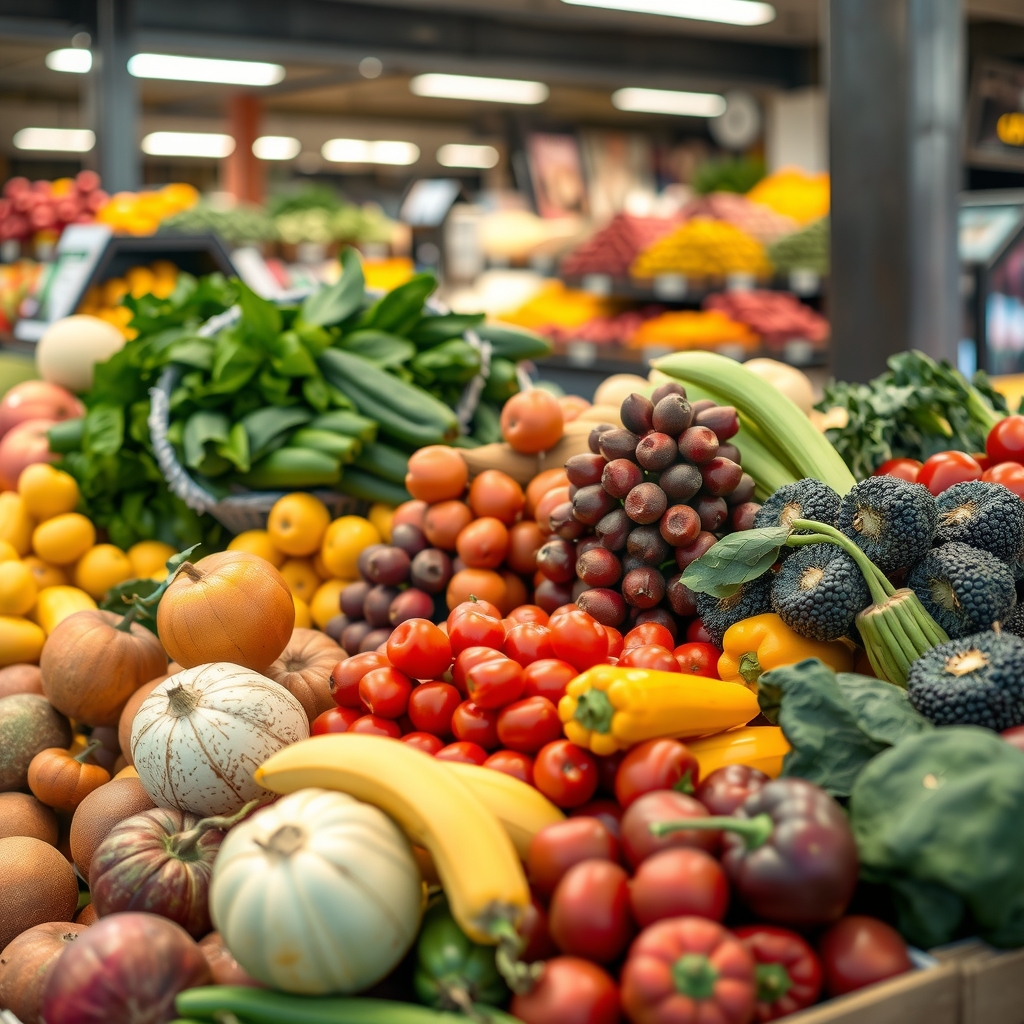
One of the cornerstones of the Weight Watchers program is the concept of ZeroPoint foods. These are foods you don't have to track, meaning they don't count toward your daily PersonalPoints Budget. Your specific list of ZeroPoint foods is customized to you, but typically includes nutrient-dense categories like fruits, non-starchy vegetables, and lean proteins. These foods are chosen because they are generally high in fiber, water, and protein, which help keep you feeling full and satisfied without adding many calories. Stocking your kitchen with these items is a fantastic way to build the foundation of your Weight Watchers grocery shopping list.
Common ZeroPoint Food Categories (Your Personal List May Vary)
- Fruits: Most fresh and frozen fruits (without added sugar) are ZeroPoint for many members. Think apples, bananas, berries, oranges, grapes, melon, and peaches. They're naturally sweet and packed with vitamins and fiber.
- Non-Starchy Vegetables: An absolute staple for everyone. Broccoli, spinach, lettuce, carrots, bell peppers, zucchini, cucumbers, tomatoes, mushrooms, onions, and green beans fall into this category. They add volume, nutrients, and crunch to any meal.
- Lean Proteins: Depending on your personalized plan, some lean proteins may be ZeroPoint. This often includes chicken breast (skinless), turkey breast (skinless), fish (cod, tuna, tilapia), eggs, and shellfish. These are crucial for satiety and muscle maintenance.
- Legumes (Beans & Lentils): For many, beans (black beans, kidney beans, chickpeas) and lentils are ZeroPoint. They're excellent sources of plant-based protein and fiber, making them incredibly filling and versatile.
- Plain Non-Fat Greek Yogurt: Often a ZeroPoint food, plain non-fat Greek yogurt is a powerhouse of protein and probiotics. It's great for breakfast, snacks, or as a base for sauces.
- Corn & Popcorn (Plain, Air-Popped): Surprisingly, for some plans, corn and plain, air-popped popcorn can be ZeroPoint. Check your personalized plan!
- Potatoes & Whole Wheat Pasta: For specific plans, these starchy options may also be ZeroPoint. This is a big win for those who love these staples, offering great flexibility.
When you're at the grocery store, prioritize these ZeroPoint items. They allow you to build substantial, satisfying meals without dipping into your PersonalPoints budget, giving you more flexibility for other foods you enjoy. Always double-check your WW app for your specific ZeroPoint list, as it's tailored just for you.
What Are the Best Low-Point Grocery Items for Your Weight Watchers Diet?
Beyond ZeroPoint foods, your Weight Watchers Points diet grocery shopping list should include plenty of low-point options that add flavor, variety, and essential nutrients. These are the foods that have a PersonalPoints value but are still very efficient, meaning you get a lot of nutritional bang for your points. Focusing on these items allows you to build well-rounded meals and enjoy a wider range of foods without quickly exceeding your daily budget.
Top Low-Point Grocery Categories and Examples
1. Lean Proteins (Beyond ZeroPoint):
- Ground Turkey/Chicken: Opt for 93% lean or higher. Versatile for meatballs, chili, or stir-fries.
- Lean Beef: Sirloin, round steak, or extra-lean ground beef (95% or higher) can be good choices in moderation.
- Pork Tenderloin: A very lean cut that's flavorful and relatively low in points.
- Canned Tuna/Salmon (in water): Quick, easy protein for salads or sandwiches.
- Plant-Based Proteins: Tofu, tempeh, and edamame are excellent low-point sources of protein, especially for vegetarians.
2. Whole Grains & Complex Carbohydrates:
- Oats: Rolled oats or steel-cut oats for a filling breakfast.
- Brown Rice/Quinoa: Healthy sides that provide sustained energy. Look for quick-cooking varieties for convenience.
- Whole Wheat Pasta/Bread: Offers more fiber than refined versions. Portion control is key here.
- Sweet Potatoes: A fantastic source of vitamins and fiber, with a modest point value.
- Whole-Grain Tortillas/Wraps: Great for quick lunches or snacks.
3. Dairy & Dairy Alternatives:
- Skim Milk/Unsweetened Almond Milk: Low in points and good for beverages, cereal, or cooking.
- Cottage Cheese (low-fat): High in protein, great for snacks or light meals.
- Light Cheese Sticks/Wedges: Satisfying and portion-controlled options for cheese lovers.
- Light Cream Cheese/Sour Cream: Use in moderation to add flavor without many points.
4. Healthy Fats (in moderation):
- Avocado: While higher in points, a small portion provides healthy fats and satiety.
- Nuts & Seeds: Almonds, walnuts, chia seeds, flax seeds are nutrient-dense but point-dense, so measure carefully.
- Olive Oil/Avocado Oil: Essential for cooking; measure precisely as points add up quickly.
5. Condiments & Flavor Boosters:
- Mustard, Vinegar, Herbs & Spices: Most are zero or very low points and add huge flavor.
- Light Dressings/Vinaigrettes: Look for options with lower sugar and fat content.
- Salsa: Often very low in points and a great topping.
- Hot Sauce: Adds flavor and heat with minimal points.
When selecting low-point items, always check the nutrition label for serving sizes and PersonalPoints values using your WW app. This helps you make informed decisions and ensures you stay within your budget. Many women find that a diverse mix of ZeroPoint and low-point foods keeps their meals interesting and satisfying, making the program feel less like a diet and more like a sustainable lifestyle. For more specific guidance on food choices, consider our comprehensive Weight Watchers Points Diet: Benefits, Side Effects, & 2026 Guide.
How Can You Build a Weight Watchers Grocery List on a Budget?
Eating well and following a program like Weight Watchers doesn't have to break the bank. With a little planning and smart shopping strategies, you can easily build a Weight Watchers Points diet grocery shopping list that's both healthy and budget-friendly. Many women worry that healthy eating is inherently expensive, but often, it's processed foods and eating out that drain the wallet. Focusing on whole, unprocessed foods can actually save you money.
1. Plan Your Meals First: This is the golden rule for saving money. Before you even write your list, decide what meals and snacks you'll have for the week. This prevents impulse buys and ensures you only purchase what you need. Think about recipes that use similar ingredients to minimize waste.
2. Shop Your Pantry First: Take inventory of what you already have at home. This helps you avoid buying duplicates and inspires meals based on existing ingredients. You might be surprised by what you can create with pantry staples.
3. Prioritize ZeroPoint Foods: Since many fruits, vegetables, and lean proteins are ZeroPoint, they form the foundation of your healthy diet and can often be very affordable, especially when bought strategically.
4. Buy Seasonal Produce: Fruits and vegetables are typically cheaper and fresher when they are in season. For example, berries in summer, apples in fall, and root vegetables in winter. Check local farmers' markets for good deals on seasonal produce.
5. Embrace Frozen Fruits and Vegetables: Frozen produce is often picked at its peak ripeness and flash-frozen, locking in nutrients. It's usually cheaper than fresh (especially out of season), lasts longer, and reduces food waste. Stock up on frozen berries for smoothies or frozen mixed veggies for quick stir-fries.
6. Opt for Store Brands and Generic Products: Many store-brand items are just as good as their name-brand counterparts but cost significantly less. This applies to staples like canned goods, pasta, rice, and even some dairy products.
7. Purchase Proteins Wisely:
- Buy in Bulk (when appropriate): If you have freezer space, buying larger packs of chicken breast, ground turkey, or fish when they're on sale can save money. Portion them out and freeze for later.
- Consider Less Expensive Cuts: Thighs (skinless, boneless) can be more budget-friendly than breasts.
- Plant-Based Proteins: Dried beans and lentils are incredibly cheap, versatile, and ZeroPoint for many. Canned versions are also affordable.
8. Cook from Scratch: Pre-made meals, sauces, and snacks often carry a premium. Cooking more at home gives you control over ingredients, points, and cost. A simple homemade soup or chili can be much cheaper than a store-bought alternative.
9. Check Unit Prices: When comparing similar products, look at the unit price (price per ounce, pound, etc.) to determine the best value, not just the total price. A larger package might be cheaper per unit, even if the upfront cost is higher.
10. Use Coupons and Sales Flyers: Before heading to the store, check weekly flyers or digital coupons for sales on items you need. Don't buy something just because it's on sale, but take advantage of discounts on your planned purchases. This strategy can also be useful for other dietary needs, such as when building an ADHD diet grocery shopping list, where specific ingredients might be pricier.
By implementing these strategies, you'll find that following Weight Watchers can be very affordable, allowing you to focus on your health goals without financial stress. It’s all about being mindful and making smart choices before you even step foot in the store.
How to Create a Weight Watchers Grocery List for Meal Prep and Planning
Meal prepping is a game-changer for anyone on the Weight Watchers Points program. It eliminates guesswork, saves time during busy weekdays, and helps you stay within your PersonalPoints budget by having healthy, pre-portioned meals and snacks ready to go. Creating a dedicated Weight Watchers Points diet grocery shopping list for meal prep is key to success.
Steps to an Effective Meal Prep Grocery List
- Choose Your Recipes: Start by selecting 2-3 breakfast options, 3-4 lunch/dinner options, and a few snack ideas for the week. Look for recipes that are easy to double or that share common ingredients to minimize waste. The WW app is a fantastic resource for meal-prep friendly recipes.
- Calculate Points: Input your chosen recipes into your WW app to determine the PersonalPoints value per serving. This helps you ensure they fit comfortably into your daily budget.
- List All Ingredients: Go through each recipe and list every single ingredient you'll need, along with the quantity.
- Check Your Pantry: Cross-reference your ingredient list with what you already have on hand to avoid buying duplicates.
- Organize by Grocery Store Section: Group your remaining items by category (produce, dairy, meat, pantry, frozen) to make your shopping trip efficient.
Weight Watchers Pantry Staples List
Having a well-stocked pantry is crucial for efficient meal prep. These are items you'll use regularly and can buy in bulk or keep on hand:
- Grains: Brown rice, quinoa, whole wheat pasta, oats (rolled or steel-cut), whole wheat bread/tortillas.
- Legumes: Canned (rinsed) or dried black beans, kidney beans, chickpeas, lentils.
- Canned Goods: Diced tomatoes, tomato paste, low-sodium broth/stock, canned tuna/salmon (in water), corn.
- Oils & Vinegars: Olive oil, avocado oil, apple cider vinegar, balsamic vinegar.
- Spices & Herbs: A variety of dried herbs (oregano, basil, thyme) and spices (cumin, chili powder, garlic powder, onion powder, paprika, salt, pepper).
- Condiments: Mustard, sugar-free ketchup, salsa, light soy sauce, hot sauce.
- Sweeteners: Stevia, erythritol, or other low-point sweeteners if desired.
- Snack Bases: Air-popped popcorn kernels, rice cakes, sugar-free gelatin.
Sample 7-Day Weight Watchers Meal Plan & Corresponding Grocery Needs
This sample plan focuses on a mix of ZeroPoint and low-point foods. Your specific points will vary based on your plan and exact brands.
This table is a starting point; adjust quantities and ingredients based on your personal preferences and WW PersonalPoints budget. By planning your meals and creating a detailed grocery list, you'll be well-equipped to make healthy choices all week long.
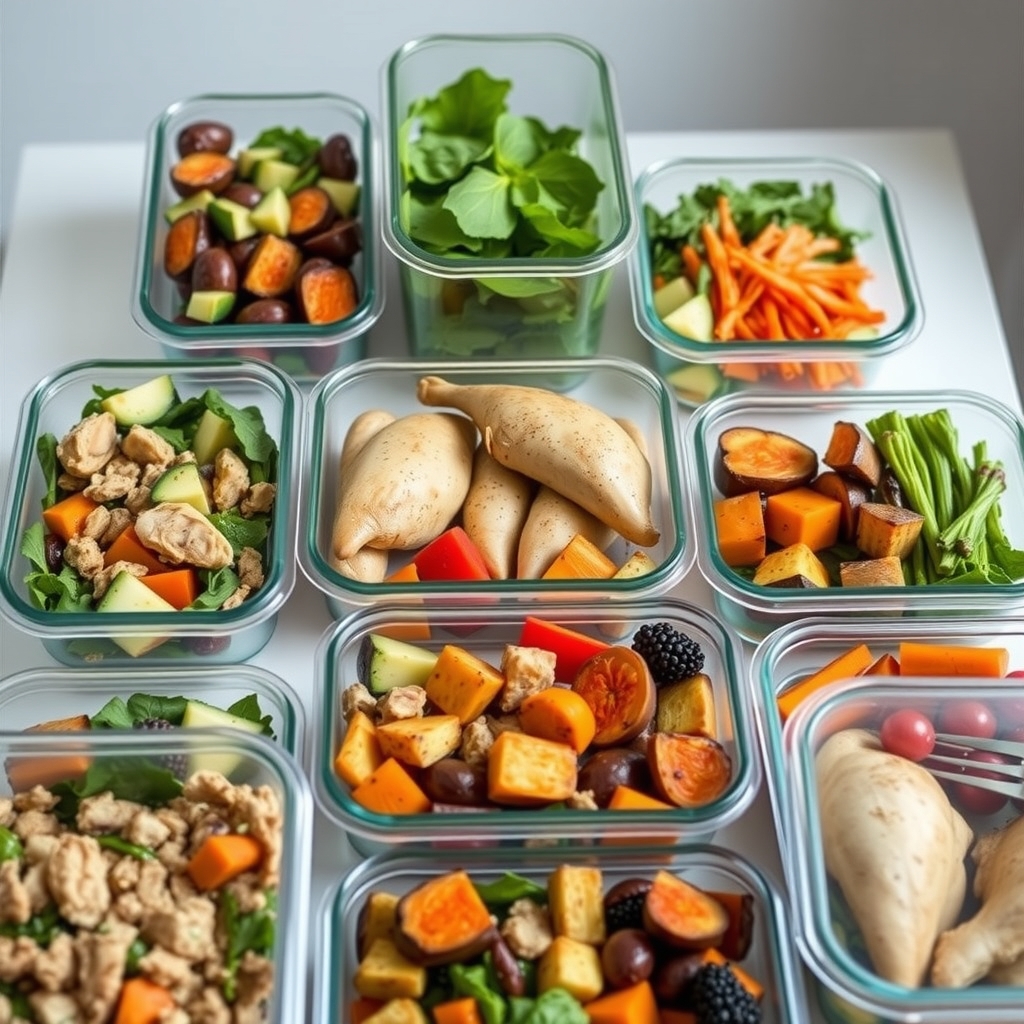
Snacks can be a lifesaver when hunger strikes between meals, but they can also be a significant source of hidden points if you're not careful. The key to successful snacking on Weight Watchers is choosing options that are satisfying, nutrient-dense, and low in PersonalPoints. By including these on your Weight Watchers Points diet grocery shopping list, you'll always have healthy choices readily available.
Go-To Healthy Weight Watchers Snack Ideas
ZeroPoint Snacking Powerhouses:
- Fresh Fruits: Apples, bananas, oranges, berries, melon, grapes, peaches. Grab-and-go convenience with natural sweetness and fiber.
- Raw Vegetables: Carrot sticks, celery sticks, cucumber slices, bell pepper strips, cherry tomatoes. Perfect for crunch and hydration.
- Hard-Boiled Eggs: A fantastic source of protein that keeps you full for a long time. Boil a batch at the start of the week for easy access.
- Plain Non-Fat Greek Yogurt: High in protein, this can be eaten plain or topped with ZeroPoint fruits.
- Air-Popped Popcorn (Plain): A surprisingly satisfying, high-volume snack with very few or zero points for a plain serving.
- Broth-Based Soups: Look for low-sodium vegetable or chicken broth. Adding ZeroPoint veggies makes it a filling, warm snack.
Low-Point Snack Champions (Measure Carefully!):
- Rice Cakes: A light, crunchy base for other toppings. Look for plain or lightly salted varieties.
- Hummus: Pair with ZeroPoint veggies for a satisfying dip. Measure your portion carefully, as points can add up.
- Light String Cheese/Cheese Wedges: Individual portions help with point control and offer a good protein boost.
- Nuts & Seeds: Almonds, walnuts, pistachios, pumpkin seeds. Very healthy, but point-dense, so stick to a small, measured serving.
- Guacamole: Like hummus, a small portion with veggies can be very satisfying. Opt for pre-portioned mini cups if available.
- Whole Wheat Crackers: Choose high-fiber options and pair with a ZeroPoint protein or veggie.
- Deli Meat (Lean): Turkey or chicken breast slices can be rolled up with a veggie stick for a quick protein snack.
- Sugar-Free Gelatin/Pudding: For when you need something sweet without the high point cost.
- Cottage Cheese (low-fat): Another great protein-packed option, delicious with a sprinkle of pepper or ZeroPoint fruit.
Tips for Smart Snacking
- Combine Protein and Fiber: This combination is the most effective for satiety. Think apple slices with a tablespoon of peanut butter (measure!), or Greek yogurt with berries.
- Portion Control is Key: Even healthy snacks can contribute to excess points if you overeat. Pre-portion nuts, crackers, or hummus into small containers or bags.
- Stay Hydrated: Sometimes thirst is mistaken for hunger. Drink a glass of water before reaching for a snack.
- Listen to Your Body: Are you truly hungry, or are you bored, stressed, or craving something specific? Practice mindful eating to distinguish true hunger from other triggers.
By including a variety of these healthy snack options on your grocery list, you’ll be prepared for any hunger pangs, helping you stick to your Weight Watchers plan throughout the day. This proactive approach to snacking is a powerful tool in your wellness journey.
What Foods Should You Limit or Avoid on the Weight Watchers Points Program?
While Weight Watchers emphasizes flexibility and doesn't explicitly forbid any food, the program's point system naturally guides you away from certain items that offer little nutritional value for a high PersonalPoints cost. These are typically foods high in added sugars, unhealthy fats, and refined carbohydrates. Understanding what foods to limit or avoid on Weight Watchers helps you make more point-efficient choices and achieve your health goals faster.
Foods to Be Mindful Of or Limit on Your Grocery List
1. Sugary Beverages:
- Soda/Sweetened Teas: These often contain a lot of added sugar and calories with no nutritional benefit, leading to high point values.
- Fruit Juices (not 100% juice): Many fruit "drinks" are primarily sugar water. Even 100% fruit juice, while natural, is dense in sugar (and points) compared to eating the whole fruit, which provides fiber.
- Sweetened Coffee Drinks: Lattes, frappuccinos, and other specialty coffee drinks can be surprisingly high in points due to syrups, whipped cream, and whole milk.
2. Processed Snacks & Desserts:
- Candy, Cookies, Cakes, Pastries: These are typically loaded with added sugar and unhealthy fats, making them very high in points for a small portion.
- Chips & Crackers (highly processed): Many varieties are high in sodium, unhealthy fats, and refined carbs, offering little satiety for their point value.
- Deep-Fried Foods: French fries, fried chicken, onion rings – the frying process adds a significant amount of points due to absorbed oil.
3. Refined Grains:
- White Bread, White Pasta, White Rice: While not "avoid" foods, they offer less fiber and protein than their whole-grain counterparts, meaning they often have a higher point value for less satiety. Choose whole-grain versions whenever possible.
4. High-Fat Meats & Processed Meats:
- Fatty Cuts of Red Meat: Ribeye, pork belly, and heavily marbled beef can be very high in saturated fat and points.
- Processed Meats: Hot dogs, bacon, sausages, and some deli meats are often high in sodium, saturated fat, and artificial ingredients, leading to higher point values.
5. Creamy/Sugary Sauces & Dressings:
- Full-Fat Mayonnaise, Creamy Dressings: These can quickly add a lot of points to an otherwise healthy meal. Opt for lighter versions, vinaigrettes, or use ZeroPoint options like salsa and mustard.
- Sweetened Condiments: Barbecue sauce, some ketchups, and sweet chili sauces can be surprisingly high in sugar and points. Check labels carefully.
Common Mistakes to Avoid on Your Weight Watchers Grocery List
- "ZeroPoint Food Free-for-All": While ZeroPoint foods don't count towards your budget, they still contain calories. Eating them in truly excessive amounts can still hinder progress. Use them to feel full, not to overeat.
- Forgetting to Track Small Bites: A nibble here, a taste there – these small, untracked points can add up quickly over the day or week.
- Assuming "Healthy" Means Low Points: Foods like nuts, avocados, and olive oil are incredibly healthy but are calorie-dense and have significant point values. Measure these carefully!
- Not Reading Labels: Don't just grab a product because it looks healthy. Always check the nutrition label for serving size, calories, fat, sugar, fiber, and protein to accurately calculate points (or use your app's scanner).
- Over-Reliance on Processed "Diet" Foods: Some products marketed as "diet" or "low-calorie" might still have hidden sugars, artificial ingredients, or just not be very satisfying, leading you to eat more. Focus on whole, unprocessed foods primarily.
By being mindful of these categories and avoiding common pitfalls, you can optimize your Weight Watchers Points diet grocery shopping list to support sustainable weight management and overall health.
Creating a Weight Watchers Grocery List for Pregnancy: Safe & Healthy Choices
If you're pregnant and considering or currently following the Weight Watchers program, it's crucial to approach your Weight Watchers Points diet grocery shopping list with extra care. Pregnancy brings unique nutritional needs, and your primary focus should always be on the health and development of your baby, as well as your own well-being. The Academy of Nutrition and Dietetics emphasizes that pregnant individuals need increased calories and nutrients to support a healthy pregnancy. Therefore, it is absolutely essential to consult with your doctor or a registered dietitian before starting or continuing any weight management program, including Weight Watchers, during pregnancy.
Specific Considerations for Pregnant Individuals on WW
1. Prioritize Nutrient Density: Your grocery list should heavily feature nutrient-dense foods to ensure you and your baby get all necessary vitamins and minerals. This means plenty of ZeroPoint and low-point options that are rich in:
- Folate: Leafy greens (spinach, kale), broccoli, asparagus, fortified cereals, beans, and lentils.
- Iron: Lean red meat, poultry, fish (low-mercury options), fortified cereals, beans, lentils, spinach.
- Calcium: Dairy products (milk, yogurt, cheese), fortified plant-based milks, leafy greens.
- Vitamin D: Fatty fish (salmon), fortified milk, eggs.
- Omega-3 Fatty Acids: Fatty fish (salmon, sardines, trout), chia seeds, flax seeds.
- Protein: Lean meats, poultry, fish, eggs, dairy, beans, lentils, tofu.
2. Increased Caloric Needs: Pregnant individuals typically require an additional 300-500 calories per day in the second and third trimesters. Your PersonalPoints budget may need to be adjusted upwards significantly to accommodate these needs. Work with your healthcare provider to determine your appropriate caloric and point intake.
3. Food Safety is Paramount: Certain foods pose risks during pregnancy and should be avoided or consumed with caution. Ensure your grocery list excludes these items:
- Raw or Undercooked Meats/Poultry/Seafood: Cook all meats thoroughly to prevent bacterial infections.
- High-Mercury Fish: Avoid swordfish, shark, king mackerel, and tilefish. Limit albacore tuna to 6 ounces per week. Opt for low-mercury fish like salmon, cod, shrimp, and light canned tuna.
- Unpasteurized Dairy Products: Avoid soft cheeses (Brie, feta, blue cheese, queso fresco) unless specifically labeled as made with pasteurized milk.
- Raw Eggs: Be cautious with homemade mayonnaise, Caesar dressing, or unbaked cookie dough.
- Unwashed Produce: Wash all fruits and vegetables thoroughly to remove potential contaminants.
- Deli Meats: Unless heated until steaming hot, avoid deli meats due to listeria risk.
4. Listen to Your Body: Pregnancy can bring cravings, aversions, and morning sickness. Be flexible with your food choices and prioritize foods you can tolerate and that provide essential nutrients. Don't restrict yourself if a healthy, point-efficient option just isn't appealing.
Sample Grocery Additions for Pregnancy-Friendly WW
- Fortified Cereals: For extra folate and iron.
- Prenatal Vitamins: While not a food, ensure you have your doctor-prescribed prenatal vitamins.
- More Dairy: Milk, fortified yogurt, and hard cheeses (pasteurized) for calcium.
- Healthy Fats: Avocados, nuts, seeds – these are calorie-dense and nutrient-rich, helping meet increased caloric needs.
- Iron-Rich Snacks: Dried apricots (in moderation due to points), spinach added to smoothies.
- Fiber-Rich Options: Whole grains, fruits, vegetables, and legumes to help with common pregnancy constipation.
Remember, Weight Watchers can be adapted for pregnancy, but it must be done under the guidance of a healthcare professional. Your goal is to gain a healthy amount of weight for your pregnancy, not to lose weight. Your provider can help you tailor the program to ensure you and your baby thrive.
Your Printable Weight Watchers Grocery List Template for 2026
Having a structured grocery list is the ultimate tool for efficient shopping, staying on budget, and sticking to your Weight Watchers plan. This comprehensive template incorporates ZeroPoint foods, low-point essentials, and pantry staples, categorized for easy navigation through the store. We'll also cover how to read food labels to make smart point choices.
How to Read Food Labels for Weight Watchers Points
Understanding food labels is critical for accurately tracking your PersonalPoints. Your WW app has a scanner that can often do this for you, but it's good to know how to interpret labels manually:
- Serving Size: Always check this first! All the nutritional information on the label is based on this serving size. If you eat more or less, you need to adjust your points accordingly.
- Calories: While not the sole factor for WW points, it's a major component.
- Saturated Fat: Higher amounts increase point values.
- Total Sugars (especially Added Sugars): High sugar content will also increase points.
- Fiber: Foods higher in fiber tend to have lower point values, as fiber helps with satiety.
- Protein: Foods higher in protein tend to have lower point values, as protein is very filling.
The WW PersonalPoints algorithm takes these factors into account. Generally, foods with more protein and fiber and less saturated fat and added sugar will have fewer points. Use your WW app's calculator or scanner whenever possible for the most accurate point value.
Use this template as a starting point. Add specific items based on your weekly meal plan, ZeroPoint foods list, and family preferences. Remember to check quantities needed for your recipes.
Produce (Fresh & Frozen)
- Fruits (mostly 0 P):
- Apples, Bananas, Oranges, Grapes
- Berries (strawberries, blueberries, raspberries)
- Melon (cantaloupe, honeydew)
- Peaches, Pears
- Lemons, Limes
- Frozen berries (for smoothies)
- Frozen mango/pineapple
- Non-Starchy Vegetables (mostly 0 P):
- Leafy Greens (spinach, kale, lettuce, mixed greens)
- Broccoli, Cauliflower
- Bell Peppers (all colors)
- Carrots, Celery
- Cucumbers, Zucchini
- Tomatoes (cherry, Roma, beefsteak)
- Mushrooms, Onions, Garlic
- Green Beans, Asparagus
- Frozen mixed vegetables
- Frozen broccoli florets
- Frozen spinach
- Starchy Vegetables (low-P to moderate-P):
- Sweet Potatoes, White Potatoes (check your 0-point list)
- Corn (fresh or frozen, check your 0-point list)
Meat, Poultry, & Seafood
- Chicken:
- Boneless, skinless chicken breast (0 P for many)
- Ground chicken (93% or leaner)
- Turkey:
- Boneless, skinless turkey breast (0 P for many)
- Ground turkey (93% or leaner)
- Deli turkey slices (low P)
- Fish & Seafood:
- Salmon fillets (0 P for some)
- Cod, Tilapia, Haddock (0 P for some)
- Shrimp (0 P for some)
- Canned tuna in water (0 P for some)
- Canned salmon in water (0 P for some)
- Beef/Pork (lean cuts, moderate P):
- Lean ground beef (95% or leaner)
- Pork tenderloin
- Sirloin steak
Dairy & Dairy Alternatives
- Eggs (0 P for many)
- Plain non-fat Greek yogurt (0 P for many)
- Skim milk (low P)
- Unsweetened almond/soy/oat milk (low P)
- Low-fat cottage cheese (low P)
- Light string cheese/cheese wedges (low P)
- Light cream cheese/sour cream (moderate P, use sparingly)
Grains & Breads (low-P to moderate-P)
- Oats (rolled or steel-cut)
- Whole wheat bread/rolls
- Whole wheat tortillas/wraps (light versions)
- Brown rice, Quinoa
- Whole wheat pasta
- Air-popped popcorn kernels (0 P for plain)
- Rice cakes (plain)
Pantry Staples & Canned Goods
- Legumes (0 P for many):
- Canned black beans, kidney beans, chickpeas (rinsed)
- Dried lentils, split peas
- Canned Vegetables (0 P):
- Diced tomatoes, crushed tomatoes, tomato paste
- Low-sodium vegetable/chicken broth
- Oils & Vinegars (moderate-P, measure carefully):
- Olive oil, Avocado oil
- Balsamic vinegar, Apple cider vinegar
- Spices & Herbs (0 P):
- Salt, Black pepper
- Garlic powder, Onion powder
- Chili powder, Cumin, Paprika
- Dried oregano, Basil, Thyme
- Other preferred spices
- Condiments & Sauces (low-P to moderate-P):
- Salsa (0 P for many)
- Mustard (0 P)
- Hot sauce (0 P)
- Light soy sauce/Tamari (low P)
- Sugar-free ketchup (low P)
- Light salad dressings/vinaigrettes
- Zero sugar/low sugar marinades
- Nuts & Seeds (moderate-P, measure carefully):
- Almonds, Walnuts, Chia seeds, Flax seeds
- Peanut butter, Almond butter (natural, no added sugar)
- Sweeteners:
- Stevia, Erythritol, Monk fruit (0 P)
Frozen Foods
- Frozen fruits (berries, mango, pineapple)
- Frozen vegetables (mixed veggies, broccoli, spinach)
- Frozen chicken breast/fish fillets
- Frozen edamame (0 P for some)
Beverages
- Water (tap or filtered)
- Sparkling water (plain or naturally flavored, 0 P)
- Unsweetened tea/coffee (0 P)
This detailed list helps you cover all your bases, whether you're a beginner or a seasoned Weight Watchers member. You can print it out, or better yet, use a digital version on your phone to tick off items as you shop.
Myth vs. Fact
There are many misconceptions about Weight Watchers and dieting in general. Let's clear up a few common ones related to your grocery choices.
Myth: ZeroPoint foods mean you can eat unlimited amounts and still lose weight.
Fact: While ZeroPoint foods don't count towards your daily PersonalPoints budget, they still contain calories. The program encourages you to eat them until you're satisfied, not stuffed. They are designed to be the foundation of your diet, providing nutrients and satiety, making it easier to naturally stay within a healthy calorie range. However, even with ZeroPoint foods, mindful eating and listening to your body's hunger cues are essential for successful weight management.
Myth: You have to buy special Weight Watchers branded foods to succeed on the program.
Fact: Absolutely not! While WW does offer some branded products, you can build a perfectly successful and delicious menu using regular groceries from any supermarket. The program teaches you how to make smart choices with everyday foods, focusing on whole, unprocessed ingredients. Your grocery list should prioritize fresh produce, lean proteins, and whole grains, not specialty diet items. Many women find that an AIP elimination diet grocery shopping list or Atkins diet grocery list, while different, also emphasize whole foods readily available in any store.
Myth: The Weight Watchers program is too restrictive and you'll always feel hungry.
Fact: The PersonalPoints system is designed for flexibility. By prioritizing ZeroPoint foods and nutrient-dense, low-point options, you can eat satisfying portions and feel full without deprivation. The program's emphasis on protein and fiber helps manage hunger. The ability to choose your own foods and customize your plan means it’s about making sustainable changes, not feeling restricted. Many members report feeling more satisfied than on other diets because they learn to make choices that truly nourish them.
Key Takeaways
- Prioritize ZeroPoint foods (fruits, non-starchy vegetables, lean proteins, eggs, plain Greek yogurt) as the foundation of your Weight Watchers Points diet grocery shopping list.
- Incorporate low-point, nutrient-dense items like whole grains, healthy fats (in moderation), and lean meats to build balanced meals.
- Plan your meals and snacks in advance to create an efficient shopping list, avoid impulse buys, and stay within your PersonalPoints budget.
- Shop smart by buying seasonal produce, utilizing frozen options, choosing store brands, and cooking from scratch to save money.
- Be mindful of high-point foods such as sugary drinks, processed snacks, high-fat meats, and creamy sauces, and limit their consumption.
- If pregnant, consult your doctor before following Weight Watchers, focusing on nutrient-dense, safe foods and adjusting your points budget to support a healthy pregnancy.
- Always read food labels carefully to understand serving sizes and accurately calculate PersonalPoints.
Frequently Asked Questions
What foods are 0 points on Weight Watchers?
Your specific ZeroPoint foods are personalized to you, but commonly include most fresh fruits, non-starchy vegetables (like broccoli, spinach, bell peppers), lean proteins such as chicken breast, turkey breast, fish, eggs, and often beans, lentils, and plain non-fat Greek yogurt. These foods are selected for being nutrient-dense, high in fiber and protein, and low in saturated fat and added sugar, helping you feel full and satisfied without dipping into your daily PersonalPoints budget.
What is the best food to buy on Weight Watchers?
The "best" foods to buy on Weight Watchers are those that align with your personalized ZeroPoint list and are nutrient-dense while being low in points. This typically includes a wide variety of fresh and frozen fruits and vegetables, lean proteins (chicken, turkey, fish, eggs, plant-based options), whole grains like oats and brown rice, and healthy dairy choices such as plain non-fat Greek yogurt. These foods provide maximum nutrition and satiety for minimal PersonalPoints.
Can you do Weight Watchers while pregnant?
While Weight Watchers can be adapted for pregnancy, it is absolutely essential to consult with your doctor or a registered dietitian before starting or continuing the program. Pregnancy requires increased caloric and nutrient needs to support the baby's development, and weight loss is generally not recommended. Your healthcare provider can help you adjust your PersonalPoints budget and food choices to ensure a healthy pregnancy while safely using the program's framework for healthy eating habits.
What is the cheapest way to do Weight Watchers?
The cheapest way to follow Weight Watchers is to prioritize cooking from scratch using budget-friendly ingredients. Focus on seasonal and frozen fruits and vegetables, buy store-brand pantry staples, purchase lean proteins in bulk when on sale, and incorporate affordable ZeroPoint foods like dried beans and lentils. Meal planning, checking weekly flyers for sales, and avoiding pre-packaged "diet" foods or excessive eating out will also significantly reduce costs.
What snacks are good for Weight Watchers?
Good Weight Watchers snacks are typically high in protein and fiber to promote satiety, and low in PersonalPoints. Excellent options include fresh fruits (apples, berries, bananas), raw vegetables (carrots, celery, bell peppers), hard-boiled eggs, plain non-fat Greek yogurt, air-popped popcorn, and small, measured portions of nuts or hummus with veggies. The key is to choose satisfying, nutrient-dense options that fit within your daily points budget.
How do I make a grocery list for Weight Watchers?
To make a Weight Watchers grocery list, start by planning your meals and snacks for the week, identifying the recipes you'll use. Next, list all necessary ingredients, cross-referencing with your personalized ZeroPoint foods list and checking what you already have in your pantry. Group items by grocery store section (produce, dairy, meat, pantry) for efficiency. Finally, use your WW app to check the PersonalPoints values of any items you're unsure about, ensuring they align with your daily budget.
When to See a Doctor or Specialist
While the information in this article is designed to be helpful and informative for managing your Weight Watchers Points diet grocery shopping list, it is not a substitute for personalized medical advice. It's important to consult with a healthcare professional for guidance tailored to your individual health needs.
You should see your doctor or a registered dietitian if:
- You are pregnant, breastfeeding, or planning to conceive and want to follow Weight Watchers.
- You have any underlying health conditions such as diabetes, heart disease, kidney disease, or an eating disorder.
- You are taking medications that might be affected by dietary changes.
- You are experiencing persistent concerns about your diet, weight, or overall health.
- You feel that Weight Watchers or any other dietary program is negatively impacting your mental or physical well-being.
A registered dietitian or nutritionist can provide personalized guidance, help you create a meal plan that meets your specific nutritional needs, and ensure your approach to Weight Watchers is safe and effective for your unique health profile. Always prioritize open communication with your healthcare team.
References
- WeightWatchers. The WW Program. Available at: www.weightwatchers.com
- Academy of Nutrition and Dietetics. Eating Right During Pregnancy. Available at: www.eatright.org
- Centers for Disease Control and Prevention (CDC). Healthy Eating for a Healthy Weight. Available at: www.cdc.gov
- U.S. Food and Drug Administration (FDA). How to Understand and Use the Nutrition Facts Label. Available at: www.fda.gov
- Mayo Clinic. Healthy diet: Do you eat enough protein? Available at: www.mayoclinic.org





