First, let’s clarify: the AIP elimination diet has two phases. The first is the strict elimination phase (usually 30–90 days), where you cut out all the trigger foods. The second is the reintroduction phase, where you slowly add foods back to identify your personal triggers. For now, focus on the elimination phase—this is your grocery list’s foundation.
Here’s the rule of thumb: stick to whole, unprocessed foods. Think of it like your body’s way of hitting “refresh” on its immune system. The AIP elimination diet grocery shopping list for beginners prioritizes these categories:
- Proteins: Grass-fed beef, lamb, bison, wild-caught fish (salmon, sardines, mackerel), pasture-raised poultry, and organ meats (liver, heart). Pro tip: If grass-fed beef feels pricey, try bison—it’s often cheaper and just as nutrient-dense.
- Fats: Coconut oil, extra virgin olive oil, avocado oil, ghee (clarified butter), and animal fats like tallow or lard. Note: Coconut oil is high in saturated fat—use it for cooking, not daily consumption.
- Carbohydrates: Non-starchy vegetables (spinach, zucchini, asparagus, broccoli) and starchy veggies in moderation (sweet potato, plantain, cassava). Why starchy veggies? They provide fiber and energy without triggering inflammation.
- Fruits: Berries (blueberries, raspberries), melons (cantaloupe, honeydew), and apples (peeled). Avoid citrus, tomatoes, and nightshades. Seasonal swap: Frozen berries work year-round and are just as nutritious.
- Herbs and spices: Turmeric, ginger, rosemary, basil, and cinnamon (check for additives). Spice hack: Grow your own herbs like basil or cilantro—it’s cheaper and fresher.
- Bone broth: Homemade or high-quality store-bought (look for no added salt or flavors). Budget tip: Make your own broth from chicken or beef bones—it’s a game-changer for gut health.
**Pro tip:** If you’re new to AIP, start with one or two new meals per week to avoid overwhelm. For example, swap your usual dinner for a sheet-pan salmon and roasted veggies. Gradually introduce bone broth into soups or sauces. Small changes build confidence—and fewer grocery cart meltdowns.
For a deeper dive into what’s safe (and what’s not), check out our AIP elimination diet food list for beginners. It’s your cheat sheet for the elimination phase.
---
Best AIP elimination diet grocery list for pregnancy
If you’re pregnant and considering AIP, consult your healthcare provider first. While AIP can help manage autoimmune symptoms during pregnancy, some nutrients (like iron from organ meats) need careful monitoring. That said, if your doctor approves, here’s how to adapt the AIP grocery list for pregnancy:
- Prioritize folate-rich foods: Leafy greens (kale, spinach), avocados, and asparagus. These support fetal development without the nightshades.
- Choose fatty fish: Wild-caught salmon and sardines are packed with omega-3s for baby’s brain development. Aim for 2–3 servings per week.
- Stock up on bone broth: It’s a gentle source of collagen and minerals like calcium and magnesium—great for pregnancy cravings and joint support.
- Avoid raw sprouts: While they’re AIP-approved, they carry a higher risk of foodborne illness during pregnancy.
- Snack on berries and coconut: Blueberries and raspberries are rich in antioxidants, while unsweetened coconut flakes or coconut milk add healthy fats.
- Add collagen-rich foods: Bone broth and gelatin (from grass-fed sources) support skin elasticity and gut health during pregnancy.
**Representative story:** Sarah, a first-time mom with Hashimoto’s, started AIP at 20 weeks to reduce her fatigue. She swapped her usual gluten-free muffins for coconut flour pancakes (made with coconut milk and eggs—yes, eggs are allowed on AIP!) and noticed her morning sickness eased. “I felt like I could actually digest my food again,” she said. “The key was planning ahead—prepping veggie sticks and hard-boiled eggs for snacks.”
For more pregnancy-safe swaps, compare AIP to the dairy-free diet (which also excludes dairy but isn’t as restrictive). The AIP list is stricter, but the principles of whole foods apply.
---
AIP elimination diet grocery list for kids 2026
Feeding kids on AIP can feel like a puzzle—especially if they’re picky eaters. The good news? Many AIP foods are kid-friendly! Focus on:
- Finger foods: Sliced bell peppers (yes, bell peppers are AIP!), cucumber sticks, and cherry tomatoes (if tolerated). Fun twist: Use cookie cutters to make veggie faces (zucchini, carrots) or arrange meatballs into fun patterns on their plate.
- Protein-packed snacks: Hard-boiled eggs, turkey or chicken rolls (use AIP-compliant bread alternatives like coconut flour wraps), and cheese-free “mac and cheese” made with cashew-free coconut milk.
- Sweet treats: Baked apples with cinnamon, berry smoothies (blended with coconut milk), or AIP-compliant chocolate made with cocoa powder and coconut oil.
- Hidden veggies: Blend spinach into smoothies or grate zucchini into muffins. Kids won’t notice the extra nutrients!
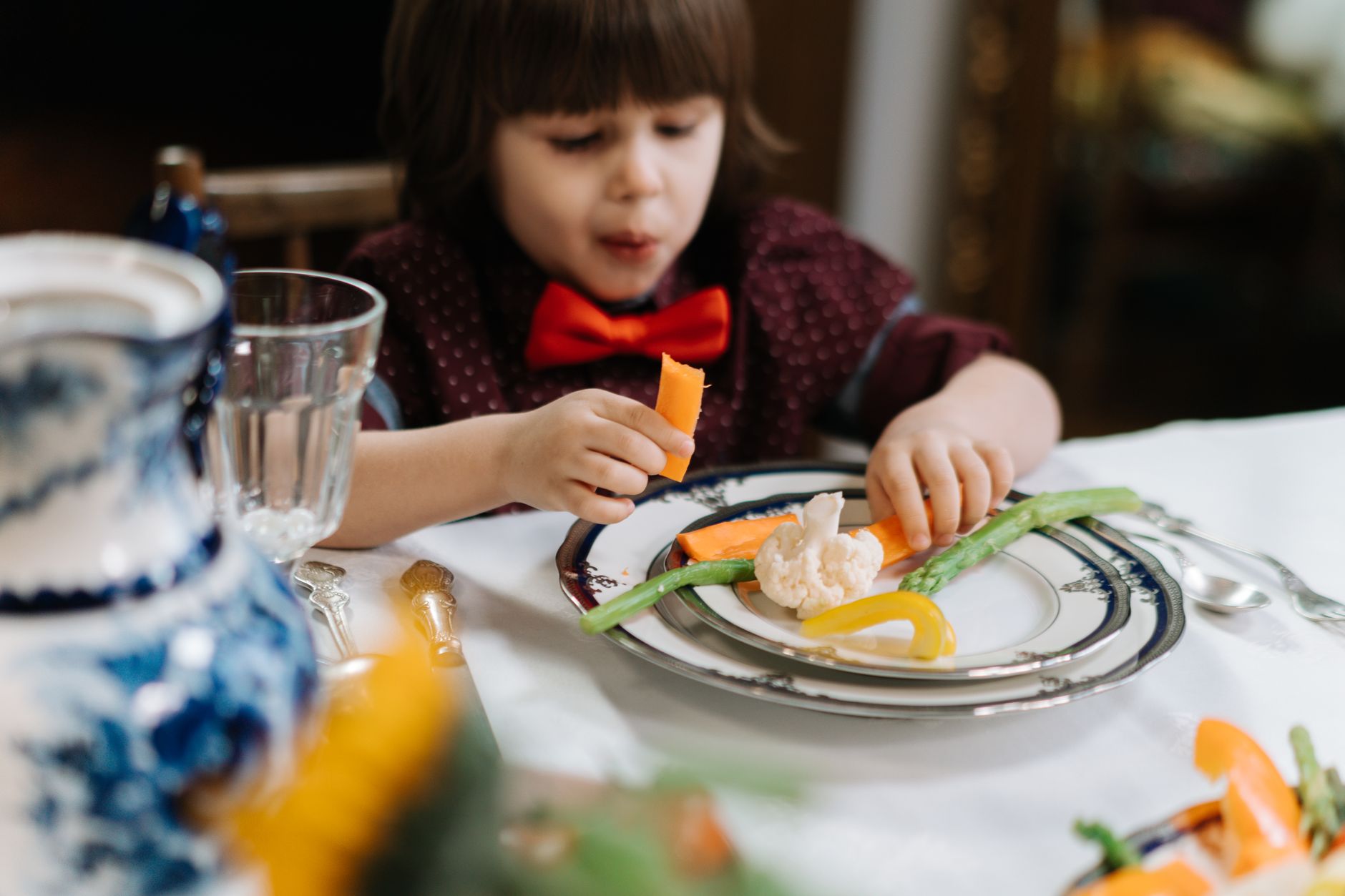
**Common pitfall:** Assuming kids will love coconut. Start with small amounts—some kids are sensitive to coconut’s strong flavor. If your child refuses a food, don’t force it. Try again in a few days with a different prep method (e.g., roasted vs. raw).
For picky eaters, the Lion Diet (a gentler elimination diet) might be a smoother transition. It removes only dairy, eggs, and gluten—easier to navigate for families.
---
New: AIP elimination diet grocery list for gut healing
If your goal is gut healing (whether you have IBS, SIBO, or just chronic bloating), AIP can be a powerful tool. The diet removes common irritants while focusing on foods that support gut lining repair. Here’s how to tailor your list:
- Prioritize collagen-rich foods: Bone broth, gelatin (from grass-fed sources), and organ meats like liver are packed with amino acids that repair the gut lining.
- Add fermented foods (indirectly): While AIP doesn’t include traditional fermented foods like sauerkraut, you can still support gut health with bone broth and coconut kefir (if tolerated).
- Include anti-inflammatory spices: Turmeric, ginger, and rosemary have been shown to reduce gut inflammation. Add them to meals regularly.
- Focus on soluble fiber: Non-starchy veggies like carrots, beets, and sweet potatoes provide fiber that feeds your gut bacteria without causing bloating.
- Hydrate with gut-soothing drinks: Herbal teas like chamomile or licorice root can calm digestive upset. Avoid caffeine and alcohol, which irritate the gut lining.
**Representative story:** Alex, who struggled with IBS for years, started AIP after a gut-healing protocol recommended by her naturopath. She noticed her bloating decreased within a week of eliminating nightshades and dairy. “I thought I’d never eat again without my usual foods, but once I got creative, it was worth it,” she said. “Now I feel like my stomach finally has a break.”
---
New: AIP elimination diet grocery list for thyroid health
If you have Hashimoto’s or hypothyroidism, AIP can help reduce inflammation and support thyroid function. Here’s how to adapt your grocery list:
- Add selenium-rich foods: Brazil nuts (if reintroducing later) and wild-caught fish like salmon are excellent sources of selenium, which supports thyroid hormone production.
- Prioritize zinc-rich foods: Grass-fed beef, lamb, and oysters (if reintroducing) help regulate immune function and thyroid hormones.
- Include iodine sources (in moderation): Seaweed (if tolerated) and wild-caught fish provide iodine, which is crucial for thyroid function. Caution: Avoid excessive iodine, as it can worsen Hashimoto’s in some cases.
- Focus on vitamin D-rich foods: Wild-caught fatty fish like salmon and mackerel are packed with vitamin D, which supports immune function and thyroid health.
- Add adaptogenic herbs: Turmeric, ashwagandha (if reintroducing), and ginger can help balance stress hormones, which often flare up with thyroid issues.
**Pro tip:** If you’re reintroducing nuts later, start with small amounts of Brazil nuts—just 1–2 per day—to avoid overloading on selenium.
---
Here’s your downloadable template—but first, let’s break down how to organize your list for efficiency. Use these categories to save time:
- Proteins: Grass-fed beef, lamb, wild-caught fish, pasture-raised chicken, eggs (if reintroducing later), and bone broth.
- Fats and Oils: Coconut oil, extra virgin olive oil, avocado oil, ghee, and tallow.
- Non-Starchy Vegetables: Spinach, kale, zucchini, asparagus, broccoli, Brussels sprouts, and green beans.
- Starchy Vegetables (in moderation): Sweet potato, plantain, and cassava.
- Fruits: Berries, melons, and apples (peeled).
- Herbs and Spices: Turmeric, ginger, rosemary, basil, and cinnamon (check labels for additives).
- Snacks and Pantry Staples: Coconut flour, arrowroot powder, coconut aminos, and AIP-compliant chocolate.
- New Additions for Gut Health: Bone broth (homemade or high-quality), gelatin (grass-fed), and coconut kefir (if tolerated).
**Pro tip:** Use a digital checklist app like Google Keep or a simple notebook to track what you’ve bought. Check off items as you go to avoid buying duplicates.
Below is a printable-friendly version of this list. Copy and paste into a Word doc or print it out to take with you:
AIP Elimination Diet Grocery Shopping List
Proteins:
- Grass-fed beef (ribs, ground, stew meat)
- Lamb chops or ground lamb
- Wild-caught salmon or sardines
- Pasture-raised chicken or turkey
- Eggs (if reintroducing later)
- Bone broth (homemade or high-quality store-bought)
- Organ meats (liver, heart)
Fats and Oils:
- Coconut oil
- Extra virgin olive oil
- Avocado oil
- Ghee or clarified butter
- Tallow or lard
- Coconut butter (for snacks)
Non-Starchy Vegetables:
- Spinach or kale
- Zucchini
- Asparagus
- Broccoli
- Brussels sprouts
- Green beans
- Cauliflower
- Celery
- Cucumber
- Carrots (for gut healing)
Starchy Vegetables:
- Sweet potato
- Plantain
- Cassava
Fruits:
- Blueberries
- Raspberries
- Cantaloupe or honeydew
- Apples (peeled)
- Frozen berries (for year-round convenience)
Herbs and Spices:
- Turmeric
- Ginger
- Rosemary
- Basil
- Cinnamon
- Sea salt (no iodine additives)
- Licorice root (for gut soothing)
Snacks and Pantry:
- Coconut flour
- Arrowroot powder
- Coconut aminos
- AIP-compliant chocolate
- Coconut milk (full-fat, no additives)
- Coconut kefir (if tolerated)
- Gelatin (grass-fed)
**Download your free printable version** here: [Insert download link placeholder]. Pro tip: Laminate it or store it in your phone’s notes for easy access!
---
AIP elimination diet grocery list for weight loss 2026
Yes, AIP can support weight loss—if done right. The key is focusing on protein and fiber to keep you full while avoiding blood sugar crashes. Here’s how to tweak your list for fat loss:
- Prioritize protein: Aim for 30–40g of protein per meal. Grilled chicken, salmon, and beef are your best friends.
- Load up on non-starchy veggies: These are low-calorie but high in volume. Try zucchini noodles or spiralized veggies as a pasta substitute.
- Use healthy fats strategically: Add avocado to meals or drizzle olive oil over roasted veggies. Avoid excess coconut oil—it’s calorie-dense.
- Snack smart: Hard-boiled eggs, turkey jerky (check for no additives), or berries with coconut cream.
- Avoid liquid calories: Skip coconut milk in coffee (opt for coconut cream instead) and avoid sugary “AIP-friendly” snacks.
- New tip for weight loss: Add intermittent fasting (e.g., 16:8) to amplify fat loss while on AIP. Start with 12-hour windows and adjust as needed.
**Myth:** “AIP is just a fad diet for weight loss.”
Fact: AIP is a temporary elimination diet designed to identify triggers. While it can support weight loss, the goal is to heal your gut and reduce inflammation—not just drop pounds. If weight loss is your primary focus, pair AIP with strength training and mindful eating habits.
For a comparison, the Mediterranean diet also emphasizes whole foods but includes dairy and grains—making it easier to maintain long-term. AIP is stricter but can be a powerful reset.
---
AIP elimination diet grocery list with meal plan 2026
Here’s a 7-day meal plan to pair with your grocery list. Each day includes breakfast, lunch, dinner, and two snacks. Adjust portions based on your hunger cues!
**Pro tip:** Batch-cook proteins like chicken, beef, and fish to save time. Store in meal-prep containers for easy grab-and-go meals. New tip: Use leftovers creatively—turn roasted veggies into frittatas or add them to soups for extra nutrients.
---
AIP elimination diet grocery list for autoimmune disease
If you’re managing an autoimmune disease like rheumatoid arthritis, Hashimoto’s, or lupus, AIP can help reduce inflammation and identify triggers. Here’s how to tailor your list:
- Prioritize anti-inflammatory foods: Fatty fish (salmon, sardines), turmeric, ginger, and leafy greens are your allies.
- Add collagen-rich foods: Bone broth, organ meats (like liver), and gelatin (from grass-fed sources) support gut healing.
- Watch your omega-6 to omega-3 ratio: Limit coconut oil (high in saturated fat) and focus on wild-caught fish for healthy fats.
- Stay hydrated: Herbal teas (ginger, chamomile) and water with electrolytes (like coconut water) help flush toxins.
- New focus for autoimmune health: Include adaptogenic mushrooms (like reishi or chaga) in your diet if tolerated. These can help modulate immune responses.
**Representative story:** Emma, who has lupus, noticed her joint pain flare up after eating nightshades. She swapped her usual bell peppers for cucumber and zucchini, and her symptoms improved within two weeks. “I thought AIP was too restrictive, but once I got the hang of it, I felt like my body was finally listening to me,” she said.
For a deeper dive into how AIP compares to other autoimmune-friendly diets, check out our dairy-free diet guide. While both exclude dairy, AIP is far more restrictive—making it a powerful tool for identifying hidden triggers.
---
AIP elimination diet grocery list for eczema
Eczema flare-ups can be triggered by food sensitivities, gut issues, or inflammation. AIP can help by reducing these triggers. Focus on:
- Skin-soothing foods: Fatty fish (rich in omega-3s), coconut oil (moisturizing), and bone broth (supports gut lining).
- Avoid nightshades: Tomatoes, potatoes, and peppers can worsen eczema for some people.
- Probiotics (indirectly): While AIP doesn’t include fermented foods like sauerkraut, gut health still matters. Bone broth and collagen support a healthy microbiome.
- Topical coconut oil: Use it internally (cooking) and externally to soothe dry skin.
- New tip for eczema: Add zinc-rich foods like grass-fed beef and pumpkin seeds (if reintroducing) to support skin repair.
**Common pitfall:** Assuming all coconut products are safe. Stick to coconut oil, coconut aminos, and unsweetened coconut milk. Avoid coconut flour if it causes digestive upset.
---
AIP elimination diet grocery list for gluten free
If you’re already gluten-free, AIP takes it further by removing all grains, seeds, and legumes. Here’s how to adapt:
- Replace grains with starchy veggies: Sweet potato, plantain, and cassava are your new carbs.
- Use coconut flour for baking: It’s gluten-free and AIP-compliant (but avoid cross-contamination with nuts/seeds).
- Check labels for hidden gluten: Even gluten-free products can have additives like maltodextrin (derived from corn, which is technically a grain).
- New tip for gluten-free AIP: Try tapioca starch as a thickening agent in soups or sauces—it’s gluten-free and AIP-compliant.
For a side-by-side comparison, the flexitarian diet allows grains and legumes—making it easier to maintain long-term. AIP is stricter but can be a powerful reset.
---
AIP elimination diet grocery list for dairy free
AIP is inherently dairy-free, but some people still struggle with hidden dairy in sauces, broths, or processed meats. Here’s how to navigate it:
- Check labels for casein and whey: Even “gluten-free” products can contain dairy. Look for certified dairy-free labels.
- Use coconut milk instead of dairy: Full-fat coconut milk is a great substitute for cream or milk in soups and sauces.
- Avoid processed meats with fillers: Some deli meats contain casein or whey as binders. Stick to fresh, unprocessed meats.
- New tip for dairy-free AIP: Try almond-free coconut cream (some brands use almond milk as a base—check labels carefully).
For more dairy-free swaps, our dairy-free grocery guide covers alternatives like almond milk (though almonds aren’t AIP-approved).
---
AIP elimination diet grocery list for budget
Let’s be real: AIP can feel expensive. But with smart shopping, you can keep costs down. Here’s how:
- Buy in bulk: Grass-fed beef, coconut oil, and spices are cheaper in larger quantities. Store in airtight containers.
- Choose frozen fish: Frozen wild-caught salmon or sardines are often cheaper than fresh and last longer.
- Grow your own herbs: Basil, rosemary, and cilantro grow easily in pots. Even a small windowsill garden saves money.
- Make bone broth at home: Use chicken or beef bones, apple cider vinegar, and water. Simmer for 12+ hours—it’s cheaper than store-bought.
- Shop seasonal produce: Berries and melons are cheaper (and tastier) in season. Frozen veggies are a budget-friendly backup.
- Avoid pre-cut or pre-packaged foods: Whole veggies and meats are always cheaper than prepped versions.
- New budget tip: Use dried herbs instead of fresh when possible—they’re often cheaper and last longer.

**Representative story:** Jake, a single dad on a budget, started AIP to manage his psoriasis. He bought grass-fed ground beef in bulk, froze it in portions, and used frozen veggies for stir-fries. “I spent about $80 a week at first, but after a month, I cut it to $50 by planning meals around sales,” he said. “Now I feel better—and my wallet does too.”
---
AIP elimination diet grocery list for seasonal produce
Seasonal produce is fresher, cheaper, and often more nutrient-dense. Here’s what to prioritize by season:
- Spring:
- Asparagus
- Spinach
- Radishes
- Green beans
- Peas
- Summer:
- Zucchini
- Cucumber
- Bell peppers (if tolerated)
- Tomatoes (if reintroducing later)
- Berries
- Fall:
- Brussels sprouts
- Sweet potato
- Carrots
- Pumpkin
- Kale
- Winter:
- Broccoli
- Cauliflower
- Fennel
- Leeks




