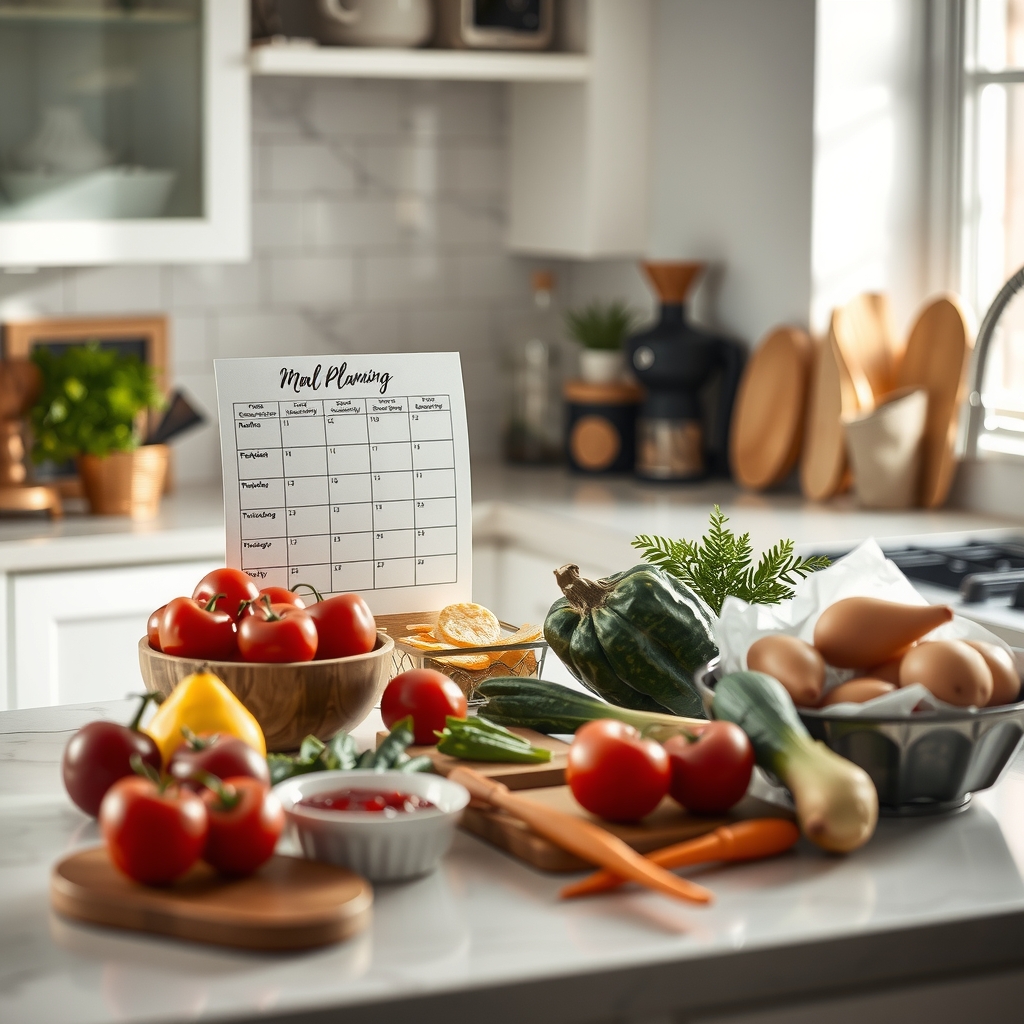
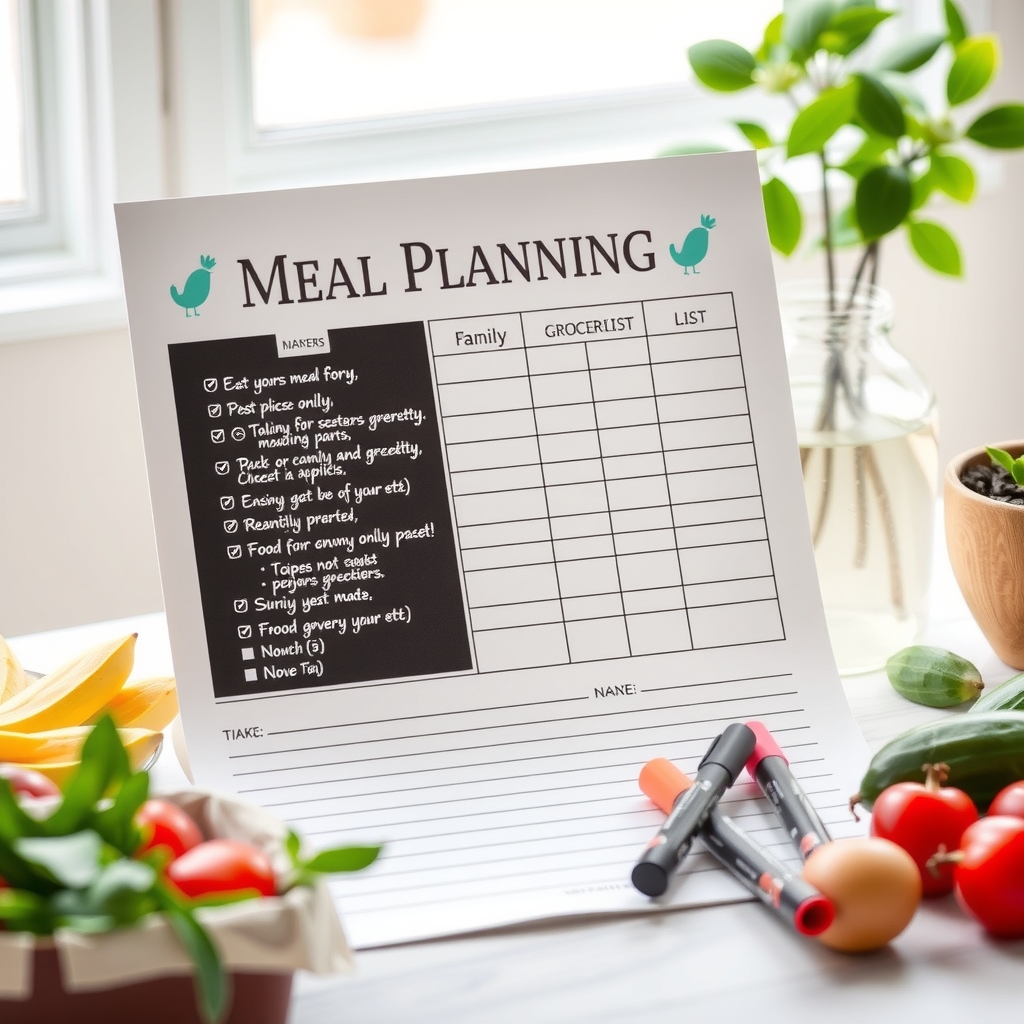
Discover a simple weekly meal planning template to save time and reduce stress. Perfect for busy moms, this guide helps streamline grocery shopping and meal prep effortlessly.
By Shubhra Mishra — a mom of two who turned her own confusion during pregnancy into BumpBites, a global mission to make food choices clear, safe, and stress-free for every expecting mother. 💛
Check whether any food is safe during pregnancy with the BumpBites Food Safety Checker.
Quick take: Weekly meal planning isn’t about perfection—it’s about reclaiming your evenings and your sanity. If you’ve ever stood in front of the fridge at 5:30 p.m., stomach growling, kids whining, and zero ideas, this template is for you. We’ll walk you through a step-by-step system that works for real moms—budget-friendly, kid-approved, and flexible enough to handle picky eaters, pregnancy cravings, or postpartum exhaustion. You’ll leave with a free printable template, a grocery list that actually saves money, and a plan that takes less than 30 minutes a week to maintain.
You’re scrolling through Instagram at 11 p.m., phone light casting shadows on the pile of laundry you meant to fold. The reel shows a mom in a crisp white apron, pulling three perfectly portioned meals from the fridge, kids cheerfully setting the table, husband beaming. The caption: “Meal prep Sunday—30 minutes and DONE for the week!”
You sigh. Your reality? Last night’s takeout containers still on the counter. A half-eaten bag of baby carrots wilting in the crisper. And a grocery list scribbled on the back of a pediatrician’s appointment reminder that you lost somewhere between the car seat and the diaper bag.
Here’s the truth: meal planning isn’t about becoming that Instagram mom. It’s about the quiet victory of knowing what’s for dinner before the 3 p.m. slump hits. It’s about the $120 you didn’t spend on last-minute takeout this month. It’s about the way your shoulders relax when you open the fridge and see a stack of containers labeled “Tuesday—chicken and sweet potatoes” instead of a black hole of expired yogurt and mystery leftovers.
This guide is for the mom who’s tired of the dinner-time scramble. Whether you’re pregnant, postpartum, juggling work and kids, or flying solo with little ones, we’ll give you a weekly meal planning template that’s realistic, flexible, and actually saves time. No gimmicks. No guilt. Just a system that works for real life.
Let’s start with the elephant in the room: meal planning is hard. Not because it’s complicated, but because life is already full. Between school drop-offs, work deadlines, pediatrician appointments, and the never-ending cycle of laundry, adding one more task to your plate can feel like trying to fit a watermelon into a lunchbox.
One reader, Sarah, put it this way: “I tried meal planning three times. Each time, I’d spend an hour on Sunday writing out a beautiful plan, buy all the groceries, and then by Wednesday, something would throw it off—a sick kid, a last-minute meeting, or just sheer exhaustion. I’d end up ordering pizza and feeling like a failure.”
Here’s what Sarah didn’t know: meal planning isn’t about sticking to the plan 100% of the time. It’s about having a plan so that when life throws a curveball, you’re not starting from scratch. It’s about reducing the mental load of “what’s for dinner?” so you can spend your energy on what really matters—like that extra 10 minutes of snuggles before bedtime.
And the benefits? They’re real:
Saves money: The average family throws away 25% of the food they buy (USDA). Meal planning cuts waste by ensuring you only buy what you’ll actually use. One mom we talked to saved $300 a month just by planning her meals and sticking to a grocery list.
Saves time: No more last-minute grocery runs or standing in front of the fridge at 5 p.m., paralyzed by indecision. With a plan, you know exactly what’s for dinner—and you’ve already got the ingredients.
Reduces stress: The mental load of feeding a family is real. A 2023 study in Journal of Family Psychology found that mothers who meal planned reported lower levels of daily stress and higher satisfaction with family routines.
Healthier choices: When you’re hungry and pressed for time, it’s easy to default to processed foods or takeout. Meal planning lets you prioritize balanced, nutrient-dense meals—especially important during pregnancy and postpartum, when your body needs extra support.
More family time: When dinner is already planned, you’re not spending precious evening hours cooking. Instead, you can sit down together, even if it’s just for 15 minutes.
But here’s the key: meal planning only works if it works for you. That means tailoring it to your schedule, your budget, your dietary needs, and your family’s preferences. There’s no one-size-fits-all template—just a system you can adapt to fit your life.
How to Create a Weekly Meal Plan for Busy Moms on a Budget
You don’t need a fancy app or a culinary degree to create a weekly meal plan. You just need a system that’s simple, flexible, and realistic. Here’s how to do it in six steps—without spending hours on Pinterest.
Step 1: Start with Your Schedule
Before you even think about recipes, look at your week. Are there nights when you’re running from soccer practice to piano lessons? Days when your partner works late? Mornings when you’re barely functional (hello, first trimester exhaustion)?
Grab a calendar—digital or paper—and jot down:
Which nights you’ll have time to cook (even if it’s just 20 minutes).
Which nights you’ll need something quick (like a 10-minute meal or leftovers).
Which nights you might order takeout or rely on a backup plan (like frozen meals or a slow cooker meal you prepped earlier).
Example:
Day
Schedule
Meal Plan Strategy
Monday
Work late, kids’ soccer practice
Slow cooker meal or leftovers
Tuesday
Early dinner, no activities
Homemade meal (30–45 mins)
Wednesday
Pediatrician appointment, errands
Quick meal (10–15 mins) or takeout
Thursday
Date night (partner cooks)
Partner’s choice or leftovers
Friday
Tired, no energy
Frozen meal or simple pasta
Saturday
Family time, no rush
New recipe or family favorite
Sunday
Meal prep day
Batch cooking or prep ingredients
This step alone will save you from the “I don’t have time to cook” spiral. When you know which nights are busy, you can plan accordingly—no guilt, no last-minute panic.
Step 2: Take Inventory of What You Already Have
Before you head to the grocery store, raid your fridge, freezer, and pantry. What’s already there? What needs to be used up?
It gives you a starting point for meals. For example, if you have ground beef and pasta, you can plan spaghetti or stuffed peppers. If you have frozen spinach and cheese, you can make a frittata.
Pro tip: Keep a running list on your fridge or phone of what’s in your freezer. It’s easy to forget about that pack of chicken breasts or bag of mixed veggies when they’re buried under ice cream and frozen pizza.
Step 3: Choose Your Meals (Keep It Simple)
Now comes the fun part: picking meals. But here’s the secret—you don’t need to reinvent the wheel every week. Most families rotate the same 10–15 meals. The key is to have a mix of:
Quick meals: 10–15 minutes (e.g., scrambled eggs with toast, grilled cheese and soup, yogurt parfaits with granola).
Standard meals: 30–45 minutes (e.g., stir-fry, sheet-pan dinners, pasta with veggies).
Leftovers or “fend-for-yourself” nights: When you’re too tired to cook, let everyone assemble their own sandwiches, salads, or cereal.
For inspiration, here’s a list of easy weekly family meal plan ideas that work for busy moms:
Breakfasts: Overnight oats, smoothie packs (pre-portioned in freezer bags), scrambled eggs with toast, yogurt with granola and fruit, avocado toast with hard-boiled eggs.
Lunches: Mason jar salads, wraps with hummus and veggies, leftovers from dinner, quesadillas with black beans and cheese, tuna salad with crackers.
Dinners:
Sheet-pan meals: chicken and veggies, sausage and potatoes, salmon and asparagus.
One-pot meals: pasta with marinara and ground turkey, stir-fry with rice, chili with cornbread.
10-minute meals: scrambled eggs with toast, grilled cheese and tomato soup, quesadillas with salsa, peanut butter and banana sandwiches.
Pro tip: Assign themes to nights to simplify planning. For example:
Monday: Meatless Monday (beans, lentils, tofu, or eggs)
Tuesday: Taco Tuesday (tacos, burritos, or taco salad)
Wednesday: Pasta night
Thursday: Slow cooker night
Friday: Breakfast for dinner (pancakes, eggs, bacon)
Saturday: Family favorite (let everyone pick a meal)
Sunday: Leftovers or “fend-for-yourself” night
Step 4: Make a Grocery List (And Stick to It)
Now that you have your meals, make a grocery list based on what you don’t already have. Here’s how to do it efficiently:
Group items by category: Produce, dairy, meat, pantry, frozen, etc. This saves time in the store (and prevents backtracking).
Check for sales: Flip through your store’s weekly ad or check their app. If ground beef is on sale, plan a meal around it.
Buy in bulk (when it makes sense): Staples like rice, pasta, oats, and canned goods are cheaper in bulk. But don’t buy perishables (like fresh berries) in bulk unless you’ll use them quickly.
Stick to the list: Impulse buys add up. If it’s not on the list, don’t put it in the cart.
Here’s a sample grocery list for a week of meals (assuming you already have basics like salt, pepper, and oil):
Pro tip: If you’re pregnant or postpartum, prioritize nutrient-dense foods like leafy greens, lean proteins, whole grains, and healthy fats. These support your energy levels, milk supply (if breastfeeding), and recovery.
Step 5: Prep Ahead (Even Just a Little)
Meal prep doesn’t have to mean spending all Sunday cooking. Even 30 minutes of prep can save you hours during the week. Here’s how to do it efficiently:
Wash and chop veggies: Store in airtight containers so they’re ready for snacks, salads, or stir-fries.
Cook grains in bulk: Rice, quinoa, or pasta can be used in multiple meals.
Pre-portion snacks: Divide nuts, cheese, or hummus into small containers for easy grab-and-go options.
Make freezer meals: Double a recipe and freeze half for a future busy night.
Prep slow cooker meals: Chop ingredients the night before and store in the fridge. In the morning, dump everything in the slow cooker and turn it on.
Pro tip: If you’re postpartum, focus on easy, nourishing meals that require minimal effort. Think overnight oats, smoothie packs, or slow cooker meals that you can eat one-handed while holding a baby.
Step 6: Stay Flexible (Because Life Happens)
Here’s the most important step: give yourself permission to deviate from the plan. Some weeks, you’ll stick to it perfectly. Other weeks, you’ll order takeout three times. And that’s okay.
One mom we talked to, Jessica, shared her “50% rule”: “If I can stick to the plan 50% of the time, I consider it a win. The other 50%? That’s for leftovers, takeout, or cereal for dinner. Meal planning isn’t about being perfect—it’s about having a plan so that when life gets crazy, I’m not starting from scratch.”
Tips for staying flexible:
Build in buffer nights: Plan for one or two nights a week where you’ll rely on leftovers, takeout, or a simple backup meal (like frozen pizza or scrambled eggs).
Keep a “emergency meal” stash: Stock your pantry with a few go-to meals that don’t require fresh ingredients, like canned soup, pasta with jarred sauce, or frozen meals.
Swap meals as needed: If you’re too tired to make Tuesday’s planned meal, swap it with Wednesday’s. No big deal.
Involve your family: Let your partner or kids pick a meal or two each week. They’re more likely to eat it if they helped plan it.
What Are the Best Meal Planning Apps and Templates for Families?
You don’t need an app to meal plan, but if you’re tech-savvy, they can save time and make the process more fun. Here are the best meal planning apps and templates for families, along with free printable options for moms who prefer pen and paper.
Best Meal Planning Apps
App
Best For
Key Features
Cost
Mealime
Busy families, picky eaters, dietary restrictions
Customizable meal plans based on dietary needs (vegetarian, gluten-free, etc.)
Grocery list generator
Step-by-step recipes with photos
Kid-friendly meal options
Free (basic); $5.99/month (premium)
Paprika
Moms who love to cook, recipe collectors
Save recipes from any website
Create meal plans and grocery lists
Scale recipes up or down
Sync across devices
$4.99 (one-time purchase)
Plan to Eat
Families who want a simple, no-frills planner
Drag-and-drop meal planning
Grocery list generator
Recipe import from websites
Share plans with family members
$4.95/month or $39/year
Yummly
Moms who want recipe inspiration
Personalized recipe recommendations
Grocery list generator
Meal planning feature
Smart shopping list (organizes by store section)
Free (basic); $4.99/month (premium)
Cozi
Families who want a shared calendar + meal planner
Shared family calendar
Meal planning and grocery lists
To-do lists and reminders
Syncs with Google Calendar
Free (basic); $29.99/year (premium)
Free Printable Meal Planners for Moms
If you prefer pen and paper, here are some of the best free printable weekly meal planner templates:
BumpBites Free Meal Planning Template:Download here (includes a meal planner, grocery list, and prep checklist).
The Kitchn’s Meal Planner: Simple and clean, with space for breakfast, lunch, dinner, and snacks. Download here.
Clean Eating’s Meal Planner: Includes a grocery list and space for notes. Download here.
Eatwell101’s Editable Meal Planner: Type directly into the PDF before printing. Download here.
Scattered Squirrel’s Meal Planner: Colorful and fun, with space for a weekly overview. Download here.
How to Choose the Right Template for You
Not all templates are created equal. Here’s how to pick one that works for your family:
For busy moms: Look for a template with a simple layout and space for quick meals. The BumpBites template includes a “backup meal” section for nights when you’re too tired to cook.
For picky eaters: Choose a template with space to note preferences or allergies. The Mealime app lets you exclude ingredients your family doesn’t like.
For budget-conscious moms: Pick a template with a grocery list section and space to note sales or coupons. The Kitchn’s template includes a “use it up” section for leftovers.
For pregnant or postpartum moms: Look for a template with space for snacks and nutrient-dense meals. The Clean Eating template includes a “notes” section for tracking cravings or aversions.
For tech-savvy moms: Try an app like Paprika or Plan to Eat, which syncs across devices and generates grocery lists automatically.
Quick and Healthy Weekly Meal Ideas for Pregnant Women and New Moms
Pregnancy and postpartum come with unique nutritional needs. During pregnancy, your body needs extra folate, iron, calcium, and protein to support your baby’s growth. Postpartum, you need nutrient-dense foods to recover, replenish your energy, and support breastfeeding (if you choose to).
But here’s the catch: you’re also exhausted, possibly nauseous (hello, first trimester), and maybe dealing with a newborn who won’t put down. The last thing you want to do is spend hours in the kitchen.
One reader, Maria, shared: “I was so tired postpartum that I lived on cereal and takeout for the first month. Then my midwife gently suggested I try to eat more balanced meals. I felt guilty, but I also felt like I couldn’t even boil water. That’s when I realized I needed quick, healthy meals that required zero brainpower.”
Here’s a list of healthy weekly meal ideas for pregnant women and new moms—nutrient-dense, easy to prepare, and gentle on your energy levels.
Pregnancy-Friendly Meals
During pregnancy, focus on foods that are rich in:
Protein: Eggs, chicken, fish (low-mercury options like salmon), beans, tofu.
Fiber: Whole grains, fruits, vegetables (to help with constipation).
Here are some easy meal ideas:
Breakfasts:
Overnight oats with chia seeds, almond butter, and berries.
Scrambled eggs with spinach and whole wheat toast.
Greek yogurt with granola and sliced banana.
Smoothie with spinach, frozen mango, Greek yogurt, and flaxseed.
Avocado toast with a poached egg and cherry tomatoes.
Lunches:
Quinoa salad with chickpeas, cucumber, feta, and lemon dressing.
Whole wheat wrap with turkey, avocado, and hummus.
Lentil soup with a side of whole grain bread.
Mason jar salad with layers of greens, quinoa, veggies, and grilled chicken.
Sweet potato and black bean bowl with avocado and salsa.
Dinners:
Baked salmon with roasted sweet potatoes and steamed broccoli.
Chicken stir-fry with brown rice and mixed vegetables.
Whole wheat pasta with marinara sauce, ground turkey, and spinach.
Vegetable and bean chili with a side of cornbread.
Stuffed bell peppers with ground beef, rice, and tomatoes.
Snacks:
Apple slices with almond butter.
Carrot sticks with hummus.
Hard-boiled eggs with a sprinkle of salt.
Trail mix with nuts, seeds, and dried fruit.
Cheese and whole grain crackers.
Postpartum-Friendly Meals
Postpartum, your body needs extra calories (especially if you’re breastfeeding), protein, iron, and healthy fats to recover and support milk production. Focus on:
Easy-to-digest foods: Soups, stews, and soft foods if you’re recovering from a C-section or dealing with hemorrhoids.
Hydrating foods: Fruits and vegetables with high water content (cucumber, watermelon, oranges).
One-handed meals: Foods you can eat while holding a baby (overnight oats, smoothies, wraps, hard-boiled eggs).
Freezer-friendly meals: Double recipes and freeze half for busy days.
Here are some easy meal ideas:
Breakfasts:
Overnight oats with peanut butter, banana, and flaxseed.
Smoothie with spinach, frozen berries, Greek yogurt, and almond milk.
Avocado toast with a fried egg and everything bagel seasoning.
Greek yogurt with granola and honey.
Scrambled eggs with sautéed spinach and whole wheat toast.
Lunches:
Turkey and cheese wrap with hummus and baby carrots.
Lentil soup with a side of whole grain bread.
Quinoa bowl with roasted vegetables, chickpeas, and tahini dressing.
Tuna salad with whole grain crackers and cucumber slices.
Grilled cheese with tomato soup (add a handful of spinach to the soup).
Dinners:
Slow cooker pulled chicken with sweet potatoes and green beans.
Sheet-pan salmon with roasted vegetables and quinoa.
Whole wheat pasta with pesto, grilled chicken, and cherry tomatoes.
Vegetable and bean chili with a side of cornbread.
Stuffed sweet potatoes with black beans, cheese, and avocado.
Snacks:
Hard-boiled eggs with a sprinkle of salt.
Apple slices with almond butter.
Greek yogurt with granola and berries.
Hummus with whole wheat pita and veggie sticks.
Trail mix with nuts, seeds, and dried fruit.
Meal Prep Delivery for Postpartum Moms
If cooking feels impossible postpartum, consider a healthy postpartum meal prep delivery service. These services deliver pre-made meals or meal kits to your door, so you can focus on recovery and bonding with your baby.
Here are some of the best options:
Freshly: Pre-made, heat-and-eat meals with a focus on balanced nutrition. Meals are gluten-free and free from artificial ingredients. Website.
Factor: Keto-friendly, pre-made meals designed by dietitians. Great for moms looking to prioritize protein and healthy fats. Website.
HelloFresh: Meal kits with pre-portioned ingredients and easy-to-follow recipes. Great for moms who want to cook but don’t want to plan or shop. Website.
Daily Harvest: Frozen, plant-based meals and smoothies made with whole ingredients. Great for quick, nutrient-dense options. Website.
Local meal trains: Many communities have local services or volunteers who organize meal trains for new moms. Ask your OB/GYN, midwife, or local mom groups for recommendations.
Meal Planning for Gestational Diabetes
If you’ve been diagnosed with gestational diabetes, meal planning becomes even more important. The goal is to keep your blood sugar stable by eating balanced meals with a mix of carbohydrates, protein, and healthy fats. Here’s how to adjust your meal plan:
Pair carbs with protein and fat: This slows down digestion and prevents blood sugar spikes. For example, pair an apple with almond butter or whole wheat toast with avocado and eggs.
Space out carbs: Aim for 30–45 grams of carbs per meal and 15–30 grams per snack. Spread them out throughout the day to avoid spikes.
Limit sugary foods and drinks: Avoid soda, juice, candy, and desserts. Opt for naturally sweet foods like fruit instead.
Monitor portion sizes: Use measuring cups or a food scale to ensure you’re eating the right portions.
Here’s a sample meal plan for gestational diabetes:
Meal
Example
Carbs (grams)
Breakfast
Scrambled eggs with spinach and whole wheat toast (1 slice)
Not sure about the label on Weekly Meal Planning Template products?
Snap the ingredients list and SafeFilter checks every ingredient for your stage — only 3 free scans this month, then you're locked until reset. Unlimited from $7/mo or lock $50/yr through Aug 31 (5 days left).
When Shubhra Mishra was expecting her first child in 2016, she was overwhelmed by conflicting food advice — one site said yes, another said never. By the time her second baby arrived in 2019, she realized millions of mothers face the same confusion.
That sparked a five-year journey through clinical nutrition papers, cultural diets, and expert conversations — all leading to BumpBites: a calm, compassionate space where science meets everyday motherhood.
Her long-term vision is to build a global community ensuring safe, supported, and free deliveriesfor every mother — because no woman should face pregnancy alone or uninformed. 🌿
🌍 Stand with mothers, shape safer guidance
Join a small circle of experts who review BumpBites articles so expecting parents everywhere can decide with confidence.