Quick take: Yes, you can start wearing pre pregnancy clothes again, but give your body time to heal, check fit and comfort, and choose stretchy, breathable fabrics. Adjust sizes, use simple alterations, and style pieces to flatter your postpartum shape for confidence and practicality.
When you catch a glimpse of your favorite dress tucked away in the closet, a rush of nostalgia—and a tiny spark of anxiety—can hit you. You wonder if the fabric will still hug you the way it did before pregnancy, or if your new curves will turn that cherished piece into a wardrobe nightmare. You’re not alone. Many new moms wrestle with the question of wearing pre pregnancy clothes again while balancing newborn duties and changing bodies.
Bottom line: it’s absolutely possible to revive your pre‑pregnancy wardrobe, but it takes a thoughtful approach. This guide walks you through the physical changes you might notice, how to assess fit, safety tips for tighter garments, smart alteration ideas, fabric choices, and styling tricks that make your old favorites feel fresh and flattering. By the end, you’ll have a clear plan for transitioning back to the clothes you love—without sacrificing comfort or confidence.
We’ll answer the most common questions that show up in Google’s “people also ask” box, share practical wardrobe makeover ideas, and give you a safety checklist for when tighter clothing might be a concern. Let’s get started.
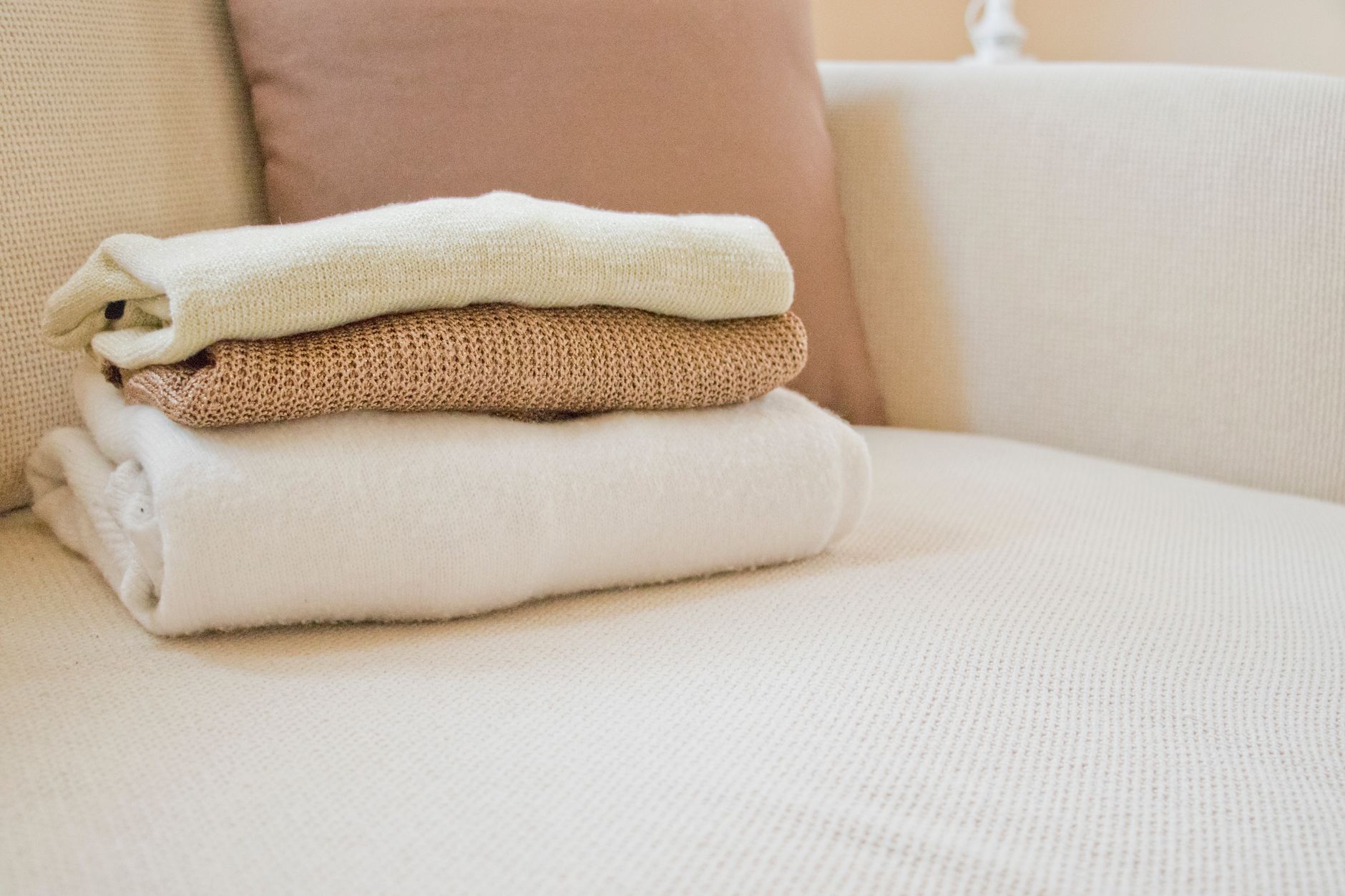
How to fit into pre pregnancy clothes after having a baby
First, give yourself permission to test the fit. Your body after birth isn’t a carbon copy of the one that existed six months ago. The uterus, abdominal muscles, and pelvic floor have all been stretched, and hormonal shifts may cause fluid retention or subtle swelling for weeks.
Step 1: Take a gentle “fit check”
Pick a piece you love—a pair of jeans, a blouse, or a simple t‑shirt. Slip it on while standing in front of a full‑length mirror. Does the fabric feel snug in the waist? Is there pulling at the hips? Does it press against any tender scar tissue? If you notice any pinching, you likely need a size up or a minor alteration.
Step 2: Measure your post‑birth body
Grab a flexible measuring tape and record three key numbers: waist (around the narrowest point), hips (widest part), and bust (under the arms). Compare these to the size chart of the brand you’re trying. Most brands list a “post‑pregnancy” range as a guideline. If you fall between sizes, choose the larger for comfort.
Step 3: Try the “one‑hour rule”
Wear the chosen piece for about an hour while you’re at home. Move around, sit, and even do a few baby lifts. If you feel any restriction in breathing or circulation, set the garment aside. A short‑term test helps you spot problems before you head out the door.
Most women find that a size up in the waist and hips, paired with a size down in the bust (if you’ve lost weight), works well for many pre‑pregnancy items. The key is listening to your body and remembering that comfort is non‑negotiable.
What size should I buy when wearing pre pregnancy clothes again
Post‑birth sizing isn’t a one‑size‑fits‑all answer, but there are reliable strategies. The “post‑partum size ladder” suggests moving up one to two sizes in the lower body (waist/hip) and staying in the same size for tops—unless you’ve experienced significant weight loss.
Guideline table for common size adjustments
If you’re unsure, start with the larger size and have a trusted friend or tailor evaluate the fit. Remember, many retailers now offer “post‑partum friendly” returns, so you can try on at home without pressure.
Can I wear my pre pregnancy wardrobe while breastfeeding
Breastfeeding adds a unique layer of consideration. While many pre‑pregnancy tops can accommodate nursing with a simple tweak, a few styles might need more planning.
Easy nursing hacks for pre‑pregnancy pieces
- Layer with a nursing-friendly cardigan. Slip a button‑up or zip‑front layer over a blouse, then unbutton or unzip when you need access.
- Use magnetic or snap closures. Small magnetic clasps can be sewn onto the side seams of a dress, turning a pull‑over into a discreet nursing top.
- Opt for stretchy fabrics. Materials like jersey, ponte, or a cotton‑spandex blend naturally stretch over a changing breast.
If a garment feels too tight around the bust, it can compress milk ducts and increase the risk of clogged ducts or mastitis. In those cases, it’s safer to choose a nursing‑specific piece or alter the original garment with a professional.
Tips for styling pre pregnancy clothes for a postpartum body
Styling is where creativity meets confidence. The goal is to highlight the parts of your body you love while balancing comfort.
Embrace the “high‑waist” trend
High‑waisted jeans, skirts, and leggings provide gentle compression and help smooth the tummy area. Pair them with a flowing tunic or a cropped sweater to create a balanced silhouette.
Use layers to mask and accentuate
Lightweight kimono jackets, open cardigans, or longline vests can add length and draw the eye away from the midsection. A belted waistline over a loose blouse can define curves without squeezing.
Play with patterns and color
Vertical stripes, subtle prints, and darker shades can be slimming, while bright colors on the upper body bring focus upward. Experiment with color‑blocking—dark bottoms, bright tops—to create visual balance.
Accessorize for confidence
A statement necklace, bold earrings, or a chunky scarf can shift attention and make an outfit feel fresh, even if the base pieces are from your pre‑pregnancy stash.
Best fabrics for wearing pre pregnancy clothes again after pregnancy
Fabric choice is a silent hero for postpartum comfort. Some materials breathe better, stretch more, and are kinder to sensitive skin.
Fabric comparison table
For nursing or frequent breastfeeding, fabrics with a high stretch (jersey, modal, bamboo) make it easier to pull a top over the breast without pulling. Natural fibers like cotton and bamboo also reduce irritation and are hypoallergenic—important if you’re dealing with postpartum skin sensitivities.
How to alter pre pregnancy clothes for postpartum fit
Alterations can breathe new life into cherished pieces, and many adjustments are simple enough to do at home.
Common alteration ideas
- Take in the waist. A professional tailor can let out 1–2 inches at the back seam to accommodate a softer belly.
- Insert side gussets. Adding a small triangular piece of fabric to the side seams of pants or skirts adds stretch without sacrificing style.
- Replace buttons with snaps. For nursing tops, swapping a button for a snap allows quick access.
- Adjust hem length. Shortening a dress or skirt can prevent tripping over a stroller while still feeling feminine.
If you’re handy with a sewing kit, a basic “let‑out” seam can be done in under an hour. For more complex changes—like adding a hidden zip for nursing—partner with a local tailor who understands postpartum needs.
Is it safe to wear tight pre pregnancy clothes after delivery
Safety is a top priority. Tight clothing that compresses the abdomen can interfere with the healing of the uterus, pelvic floor, and incisions (if you had a C‑section).
Potential risks of overly tight garments
- Delayed uterine involution. Compression can slow the shrinking of the uterus back to its pre‑pregnancy size.
- Reduced circulation. Tight waistbands may impede blood flow, increasing swelling or varicose vein risk.
- Breastfeeding complications. Excess pressure on the breast can lead to clogged ducts or mastitis.
- Pelvic floor strain. Overly snug skirts or leggings may put pressure on the pelvic floor, affecting bladder control.
Guidelines from the American College of Obstetricians and Gynecologists (ACOG) recommend avoiding waistbands that are tighter than a comfortable “one‑finger” space. If a garment feels restrictive, give yourself a few weeks before re‑trying it, or opt for a looser style.
Postpartum wardrobe makeover ideas
Sometimes the easiest path is to curate a fresh capsule collection that blends old favorites with a few new, versatile pieces.
Step‑by‑step makeover plan
- Audit your closet. Pull out every item that no longer fits, feels uncomfortable, or is out of style. Keep only items that pass the “fit check” or can be easily altered.
- Identify core pieces. Choose 5‑7 staples—high‑waisted jeans, a soft knit top, a versatile cardigan, a simple dress, and a pair of supportive leggings.
- Invest in stretchy basics. Modern fabrics like ponte or bamboo‑blended tees offer comfort and can be dressed up or down.
- Add a statement item. A bold scarf, a printed skirt, or a sleek blazer can instantly refresh older pieces.
- Organize by occasion. Create sections for “quick‑grab,” “work‑ready,” and “date‑night” to streamline morning decisions.
Even if you keep most of your pre‑pregnancy wardrobe, this systematic approach helps you see what truly works and where you might need a new addition.
Comfortable postpartum clothing options
Comfort doesn’t have to mean “athleisure only.” Many brands now design postpartum‑friendly collections that blend style with ease.
Key features to look for
- Four‑way stretch. Allows movement in every direction without sagging.
- Adjustable waistbands. Elastic or drawstring options accommodate a changing midsection.
- Seamless or flat‑lock stitching. Reduces chafing around sensitive areas.
- Nursing access. Hidden snaps, zip fronts, or “easy‑pull” designs for breastfeeding moms.
Brands such as Seraphine, Hatch, and Motherhood Maternity have lines that meet these criteria. Pair a postpartum‑friendly tee with a pair of your favorite pre‑pregnancy high‑waisted jeans, and you’ve got a comfortable, stylish look that feels brand‑new.
Myth vs. fact
Myth: You must wait at least six months before wearing any pre‑pregnancy clothes.
Fact: While healing time varies, many women can comfortably wear pre‑pregnancy items within weeks, provided the garments fit well and aren’t overly restrictive.
Myth: Tight clothing will magically tighten a postpartum belly.
Fact: Compression garments designed for postpartum support are safe, but regular tight clothes can hinder healing and should be avoided.
Myth: All pre‑pregnancy dresses are automatically nursing‑friendly.
Fact: Only garments with stretch, a loose neckline, or built‑in nursing features work well for breastfeeding; otherwise, modest modifications are needed.
Key takeaways
- Give your body a few weeks of gentle healing before trying on tighter pre‑pregnancy pieces.
- Measure waist, hips, and bust to determine if you need a size up or a simple alteration.
- Choose breathable, stretchy fabrics like cotton‑spandex, bamboo, or modal for comfort and nursing ease.
- Simple alterations—letting out seams, adding gussets, swapping buttons for snaps—can revitalize old favorites.
- Style with high‑waisted bottoms, layered tops, and accessories to create flattering silhouettes.
- If a garment feels restrictive, follow ACOG’s “one‑finger” rule and opt for looser alternatives.
Frequently asked questions
Can I wear my pre‑pregnancy jeans after having a baby?
Yes, many women can wear their old jeans once they’ve healed and if the fit feels comfortable. Choose a size up or look for stretch denim. Try the one‑hour test at home to ensure there’s no pinching around the hips or waist. If you notice tightness, consider a simple alteration or a pair with added elastane.
Do pre‑pregnancy clothes fit after postpartum weight loss?
Postpartum weight loss can happen gradually, and some pre‑pregnancy items may become a better fit over time. However, the shape of your body—especially the waistline and hips—may have changed. Re‑measure and try on key pieces periodically. A size that fit before pregnancy might be too loose in the bust but perfect for the hips.
Is it okay to wear tight clothing after delivery?
Only if the garment is specifically designed for postpartum support and does not compress the abdomen, breasts, or pelvic area. Regular tight clothing can impede circulation, delay uterine involution, and increase the risk of clogged milk ducts. Follow ACOG’s recommendation of a comfortable “one‑finger” gap around the waist.
How long should I wait before wearing pre‑pregnancy clothes again?
Most providers suggest waiting 2–4 weeks after a vaginal delivery and 4–6 weeks after a C‑section before trying on regular clothing, especially tighter pieces. Listen to your body: if you feel any pain, swelling, or discomfort, give yourself extra time before revisiting the closet.
What are the best fabrics for postpartum wear?
Breathable, stretchy fabrics such as organic cotton, bamboo viscose, jersey (cotton‑spandex), and modal are top choices. They provide comfort, reduce skin irritation, and adapt well to nursing. Avoid heavy polyester blends that trap heat and can irritate sensitive skin.
Should I buy new clothes or alter my old ones after pregnancy?
Both options have merit. If you love a piece and it’s still in good condition, a simple alteration—like letting out the waist or adding a gusset—can be cost‑effective. For items that no longer fit or lack stretch, investing in new postpartum‑friendly basics may be wiser. Consider your budget, time, and emotional attachment when deciding.
How can I transition from maternity to regular clothes smoothly?
Start by mixing one maternity piece with regular items—a maternity‑fit top paired with high‑waisted jeans, for example. Gradually increase the ratio of regular clothing as your body settles. Use layering and accessories to bridge any gaps in fit, and prioritize stretchy fabrics that accommodate your new shape.
When to see a doctor / specialist
If you experience any of the following, contact your OB‑GYN or a qualified health professional promptly:
- Severe abdominal pain, especially if it worsens with movement.
- Persistent swelling, redness, or warmth in the lower abdomen that could indicate infection.
- Signs of blood clots, such as sudden calf pain, swelling, or shortness of breath.
- Difficulty breathing or chest pain while wearing tighter clothing.
- Any unusual discharge or fever after a C‑section.
These symptoms are unrelated to fashion choices but can be exacerbated by overly restrictive garments. Your provider can assess whether any clothing is contributing to discomfort and advise safe alternatives.
References
- American College of Obstetricians and Gynecologists (ACOG). “Postpartum Care.” 2023 clinical guidance.
- National Institute of Child Health and Human Development (NICHD). “Postpartum Recovery.” 2022.
- Academy of Nutrition and Dietetics. “Nutrition for Postpartum Women.” 2021.
- World Health Organization (WHO). “Postnatal Care.” 2020.
- American Academy of Dermatology (AAD). “Skin Care After Pregnancy.” 2022.



