Quick take: ✅ A wake windows chart by age maps the ideal awake periods between naps for babies from newborn to toddler. Keep each window short at first—about 45‑60 minutes for a 2‑month‑old—and gradually lengthen as your child grows. Watch for signs of overtiredness (rubbed eyes, fussiness) and adjust the schedule before the baby becomes cranky. Use the chart as a flexible guide, not a strict rule, and pair it with your baby’s feeding and cue patterns for smoother days.
Seeing your newborn stare blankly at the ceiling or noticing a 6‑month‑old suddenly “zoning out” can feel like a mystery. You’re not alone—most parents wonder how long a baby should stay awake before the next nap. The good news is that wake windows follow predictable age‑based ranges, yet they’re also highly individual. In this guide we’ll walk through the latest 2026 wake windows chart, explain how to read your baby’s cues, and give you practical tools—from printable charts to app suggestions—to build a routine that works for your family.
We’ll cover everything from newborns to toddlers, including special considerations for premature infants, twins, and children with developmental differences. You’ll also find a myth‑busting section, a quick‑reference key‑take list, and answers to the most common questions parents ask about wake windows. Remember, this information is educational; always check with your pediatrician or a sleep specialist if you have concerns about your child’s sleep health.
What are appropriate wake windows for a 2‑month‑old baby?
When you’re holding a sleepy 2‑month‑old and notice their eyelids fluttering, you’re seeing the first cue that a wake window is ending. At this age, most infants thrive on 45‑60 minutes of alert time between naps. Anything longer risks overtiredness, which can make it harder for them to settle back to sleep.
Why does this matter? Short, predictable wake windows help stabilize the infant’s internal clock, leading to more consistent naps and longer nighttime sleep. For a 2‑month‑old, the typical daily pattern looks like:
- Wake → 45‑60 min → Nap 1
- Wake → 45‑60 min → Nap 2
- Wake → 45‑60 min → Nap 3
- Evening sleep routine
Because newborns have tiny stomachs, you’ll also be coordinating feedings every 2‑3 hours. The key is to keep the awake period short enough that the baby is still “ready to eat” but long enough to feel a mild, gentle fatigue that cues the next nap.
Most pediatric sleep experts, including the American Academy of Pediatrics (AAP), note that a 2‑month‑old’s circadian rhythm is still in its infancy. The short wake window supports the development of the suprachiasmatic nucleus—the brain’s master clock—by providing regular, low‑stress intervals of activity and rest. When you respect these early windows, you’re actually laying the groundwork for healthier sleep patterns later on.
Ideal wake window length for a 6‑month‑old infant
By six months, most babies can stay alert for 1.5‑2 hours. Their nervous system matures, and they’re beginning to explore toys and tummy time, which naturally extends their interest span.
How many wake windows should a 9‑month‑old have per day?
A typical 9‑month‑old enjoys 3‑4 wake windows between morning and evening naps, each lasting about 2‑2.5 hours. This totals roughly 6‑8 hours of awake time, leaving enough room for a solid nighttime stretch.
How to adjust wake windows as my baby grows from 0 to 12 months
B
abies don’t follow a linear timetable. Growth spurts, teething, and sleep regressions all influence how long they can stay awake. The best approach is to observe and then adjust:
- Newborn (0‑2 months): 30‑45 min wake windows.
- 2‑4 months: 45‑60 min.
- 4‑6 months: 60‑90 min.
- 6‑9 months: 90‑120 min.
- 9‑12 months: 120‑150 min.
These ranges are a starting point. If your baby shows signs of overtiredness before the upper limit, trim the window by 10‑15 minutes. Conversely, if they’re alert and happy at the upper end, you can gently stretch the window by a few minutes each week.
Research from the National Sleep Foundation (2022) emphasizes that flexibility is more important than strict adherence. Parents who adjust based on real‑time cues tend to report higher satisfaction and fewer night wakings. Tip: Keep a simple log for a week; patterns will emerge that tell you whether you’re consistently on target or need to tweak the timing.
Tips for extending wake windows in older babies
Gradual extension works best. Add 5‑10 minutes every 2‑3 days while monitoring cues. Offer stimulating activities—soft books, music, or a short tummy‑time session—to keep them engaged without overstimulating.
Sleep regression and wake windows age 4 months
At around four months, many infants hit a regression where nap lengths shorten and night wakings increase. During this phase, keep wake windows on the shorter side (≈ 60‑75 min) to prevent overtiredness, which can worsen the regression.
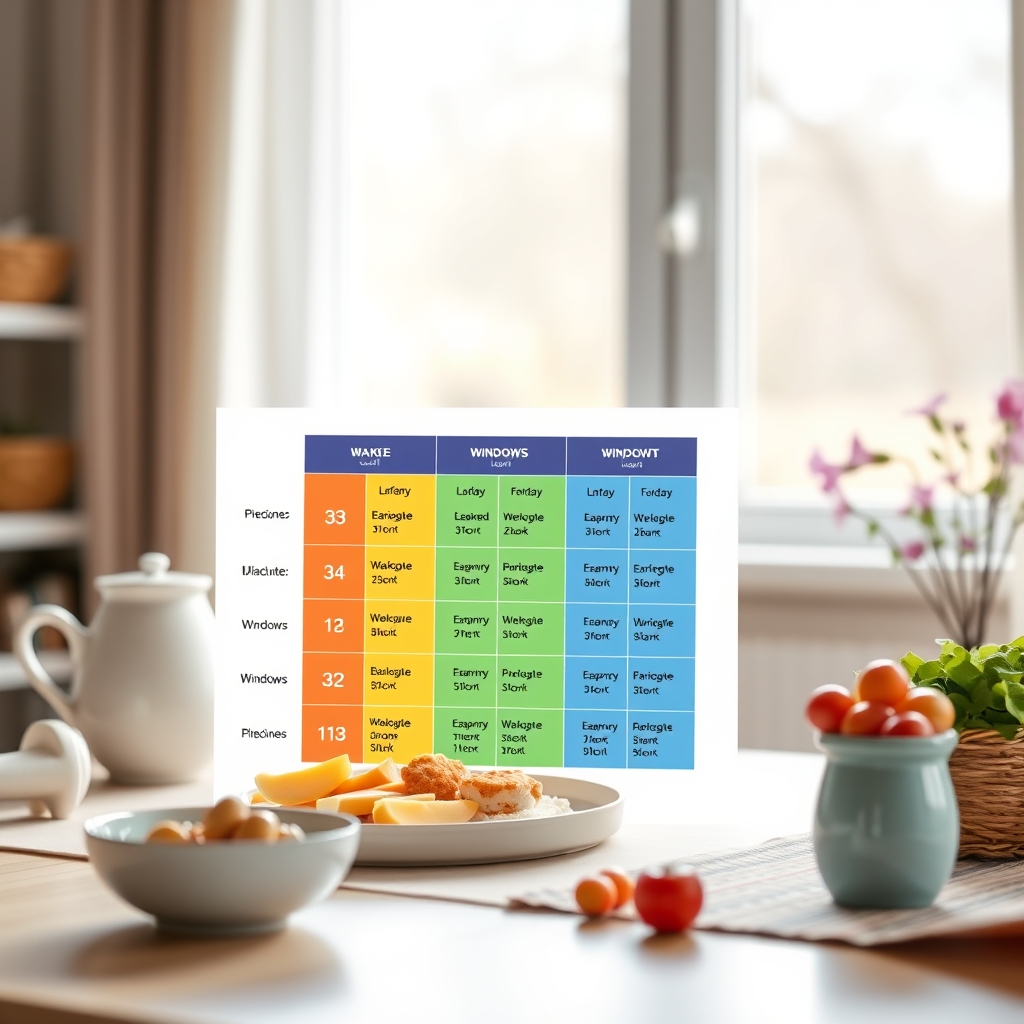
Wake windows chart by age 2026: newborn to toddler
Below is the most up‑to‑date wake windows chart by age for 2026, covering newborns through toddlers. Use it as a flexible framework—your baby may need slightly more or less time depending on temperament and health.
For a printable version, you can download the wake windows chart by age PDF download 2026. Keep it on the fridge or in your baby planner for quick reference.
How to interpret the chart for mixed‑age siblings
If you have children close in age, use the chart as a baseline for each child, then fine‑tune based on individual cues. Even a few weeks’ difference can shift the optimal wake window by 10‑15 minutes. The chart’s “Adjustment tip” column offers quick reminders for each age bracket.
Signs my baby is overtired during wake windows
Overtiredness looks like a “red‑flag” that you’ve pushed the wake window too far. Common cues include:
- Rubbing eyes or pulling at ears
- Frequent yawning
- Sudden “floppy” limbs
- Increased fussiness or crying that doesn’t settle
- Turning head away from interaction
- Decreased interest in toys
When you notice two or more of these signs, it’s time to start the next nap—even if you’re in the middle of a play session. Ignoring overtiredness can lead to longer, more fragmented sleep and a crankier baby.
The NHS parenting guide (2023) highlights that overtired infants release higher levels of cortisol, a stress hormone that interferes with the ability to fall asleep quickly. Recognizing these cues early can keep cortisol spikes low and protect brain development.
What are the signs of overtiredness in infants?
Besides the cues above, an overtired infant may also have a “spinning” gaze, where they stare into space. This is a classic sign that the brain is trying to shut down, but the body’s stress hormones are still high.
How do I know if my baby’s wake windows are too long?
If you consistently see overtired cues before the end of the suggested window, reduce the length by 10‑15 minutes for a few days and observe any improvement.
How to create a daily schedule using a wake windows chart
Turning a chart into a real‑world routine is easier when you anchor wake windows to predictable daily events: feeding, diaper changes, and light exposure.
- Start with the first feed: Note the time you feed your newborn; that marks the beginning of the first wake window.
- Set a timer: Use a gentle kitchen timer or phone alarm set to the upper limit of the recommended window.
- Include a “transition activity”: Five minutes before the timer goes off, dim lights, lower volume, and begin a calming routine (rocking, soft singing).
- Log the nap: Write the start and end times in a simple notebook or app. Over a week, patterns will emerge.
- Adjust for feeds: If a feeding occurs mid‑window, you may need to shorten the wake period by 10 minutes.
- End the day with a bedtime routine: Consistency (bath, story, dim lights) signals the final, longer sleep stretch.
For twins, a wake windows chart for twins by age can be printed side‑by‑side, helping you keep both babies on a coordinated timeline while still allowing for individual cues.
Integrating nap timing with daylight
Natural light exposure in the morning helps set the circadian rhythm, while dimming lights in the evening supports melatonin release. When you align wake windows with daylight cues—especially the first two windows of the day—you’ll often see smoother transitions to sleep.
Difference between wake windows and nap schedules for infants
It’s easy to conflate “wake windows” with “nap schedules,” but they serve distinct purposes. A wake window is the **duration of alertness** between naps, while a nap schedule outlines **when** those naps happen during the day.
Think of wake windows as the “engine” that tells you when the baby needs a break, and the nap schedule as the “road map” that shows you where those breaks fall on the clock.
When a baby’s wake window lengthens naturally, the nap schedule shifts later. Conversely, if you force a nap too early, you may interrupt a natural wake window, leading to a restless nap.
Wake windows vs feeding schedule for newborns
Newborns often feed every 2‑3 hours, which aligns closely with short wake windows. The rule of thumb: feed, then allow 30‑45 minutes of awake time before the next nap. As the baby grows, feeds become less frequent, and wake windows expand accordingly.
Best wake windows for premature babies by age
Premature infants (< 37 weeks gestation) have less mature sleep‑wake cycles. Their chronological age isn’t the best guide; instead, use “adjusted age” (weeks since due date) to set wake windows.
General guidelines:
- Adjusted age 0‑2 months: 30‑45 min wake windows.
- Adjusted age 2‑4 months: 45‑60 min.
- Adjusted age 4‑6 months: 60‑90 min.
Premature babies also benefit from a calmer environment—low light, minimal noise, and consistent temperature—to prevent overstimulation. The American Academy of Pediatrics recommends a “quiet, dim” sleep space for infants under 6 months, which aligns well with shorter wake windows.
Wake windows chart for twins by age
When caring for twins, each infant may have slightly different cues. Use the same age‑based ranges but track each baby’s individual signs of sleepiness. A side‑by‑side chart helps you compare and adjust in real time.
Wake windows and feeding patterns: syncing nutrition with alertness
Feeding and wake windows are tightly linked because a baby’s stomach capacity dictates how long they can stay content between meals. In the first three months, most infants need a feed every 2‑3 hours, which naturally creates 30‑45 minute wake windows.
As solids are introduced (around 6 months), the interval between feeds can stretch to 3‑4 hours. This longer gap supports extended wake windows of up to 2 hours. The NHS infant nutrition guide (2024) advises watching for “hunger cues” rather than the clock, ensuring that a longer window doesn’t lead to a hungry, irritable baby.
For babies with reflux or gastroesophageal concerns, the FDA’s infant formula labeling recommends smaller, more frequent feeds. In those cases, keep wake windows on the shorter side and monitor for spit‑up or discomfort.
Introducing solids and adjusting wake windows
When you start offering iron‑rich cereals or pureed veggies, you’ll notice the baby can stay awake a bit longer after a full tummy. Use this as an opportunity to gently extend the window by 5‑10 minutes, but always keep an eye on the classic overtiredness signs.
Using technology: apps and trackers for wake windows
Many parents find digital tools helpful for tracking wake windows, feeds, and diaper changes. Popular apps such as “Baby Tracker” and “Glow Baby” let you log each event with a single tap. Over time, the app generates a visual timeline that highlights patterns you might miss in a paper notebook.
When choosing an app, look for one that:
- Allows custom wake‑window ranges (so you can adjust as your baby grows).
- Syncs across devices for partners or caregivers.
- Offers a “sleep pressure” indicator—a visual cue that suggests it’s time for a nap based on accumulated awake minutes.
Privacy matters. The FDA’s guidance on mobile health apps (2023) recommends selecting tools that are “transparent about data use” and have no hidden in‑app purchases that could affect the tracking experience.
Paper vs. digital tracking: what works best?
Some families prefer a simple notebook or whiteboard in the nursery because it’s instantly visible. Others love the analytics a digital tracker provides. The best choice is the one you’ll actually use consistently—consistency is the secret sauce for successful wake‑window management.
Wake windows for toddlers with special needs
Children on the autism spectrum, those with ADHD, or toddlers with sensory processing differences often have atypical sleep‑wake patterns. While the basic age‑based ranges still apply, flexibility becomes even more critical.
For autistic toddlers, shorter, more frequent wake windows (≈ 90‑120 minutes) can help reduce sensory overload that might otherwise trigger meltdowns. The National Institute of Mental Health (NIMH) notes that predictable routines, including consistent wake windows, are associated with better daytime behavior in this group.
For toddlers with ADHD, extending wake windows gradually while maintaining a calm, low‑stimulus environment can improve focus during playtime. A pediatrician or developmental‑behavioral specialist can help tailor the schedule to the child’s unique needs.
Creating a calming environment for special‑needs toddlers
Soft lighting, white‑noise machines, and a limited number of toys per wake window can keep overstimulation at bay. Pair these environmental tweaks with visual schedules—simple picture cards that show “awake → snack → nap”—to give the child a clear, reassuring structure.
Myth vs. fact
Myth: All babies need the same exact wake window length.
Fact: Wake windows are ranges. Each child’s temperament, health status, and feeding pattern influence the ideal length.
Myth: Longer wake windows always mean a better night’s sleep.
Fact: Over‑extending a window can cause overtiredness, which actually fragments nighttime sleep.
Myth: You can ignore wake windows if you have a strict bedtime routine.
Fact: Consistent wake windows support the body’s internal clock, making bedtime routines more effective.
Key takeaways
- Wake windows are the periods of alertness between naps; they start at 30‑45 minutes for newborns and can reach 180‑210 minutes by toddlerhood.
- Use the wake windows chart by age 2026 as a flexible guide—adjust based on your baby’s cues.
- Overtiredness signs (eye‑rubbing, yawning, fussiness) mean it’s time to nap.
- Premature infants follow adjusted‑age windows, often shorter than full‑term peers.
- Integrate wake windows with feeding and bedtime routines for smoother days.
- If your baby repeatedly shows overtiredness despite adjustments, consult a pediatric sleep specialist.
Frequently asked questions
What is a wake window for a baby?
A wake window is the span of time a baby stays awake and alert between two sleep periods. It helps parents plan naps, feeds, and playtime.
How long should a newborn's wake window be?
Newborns typically need 30‑45 minutes of awake time before the next nap. This short window matches their tiny stomach capacity and developing nervous system.
When should I start increasing my baby's wake windows?
Most infants naturally start extending their wake windows around 4‑6 months. If you notice fewer yawns and longer periods of calm alertness, you can gently add 5‑10 minutes to the window.
What are the signs of overtiredness in infants?
Key signs include eye‑rubbing, yawning, a “floppy” posture, sudden fussiness, turning away from interaction, and a glazed stare. Spotting two of these cues signals it’s time for a nap.
Can wake windows affect a baby's nap schedule?
Yes. Properly timed wake windows create natural sleep pressure, making naps easier to initiate and maintain. Misaligned windows can lead to short, restless naps.
How do I know if my baby's wake windows are too long?
If you see overtired cues before the suggested upper limit, trim the window by 10‑15 minutes and observe for improvement over a few days.
Is there a printable version of the wake windows chart?
Yes—download the wake windows chart by age pdf download 2026 for a handy reference you can keep on the refrigerator or in a baby journal.
Can I use wake windows for a baby who is already on solid foods?
Absolutely. Once solids are introduced (usually around 6 months), you can safely extend the wake window to 1.5‑2 hours, as long as you continue to monitor hunger cues and maintain a balanced feeding schedule.
How do wake windows change during a growth spurt?
During a growth spurt, babies often need extra calories and may become sleepy sooner. It’s common to shorten wake windows by 10‑15 minutes for a week or two, then resume the usual pattern as the spurt settles.
Can I use wake windows when my baby naps in a stroller?
Yes. Treat stroller naps like any other nap: note the start time, watch for overtired cues, and aim for the same wake‑window length as you would at home. Just be sure the stroller is positioned safely and the environment is not overly stimulating.
When to see a doctor or specialist
Most babies will fine‑tune their wake windows at home, but you should reach out if you notice any of the following red‑flags:
- Consistent difficulty falling asleep despite appropriate wake windows.
- Frequent night waking (more than three times per night) that persists beyond two weeks.
- Very irregular sleep patterns (e.g., > 4 naps a day at 9 months).
- Any signs of apnea, gasping, or prolonged pauses in breathing.
- Developmental concerns such as delayed motor milestones alongside sleep issues.
- Persistent overtiredness that does not improve after adjusting windows.
If any of these arise, schedule an appointment with your pediatrician. For persistent sleep‑wake cycle problems, a referral to a pediatric sleep specialist or a developmental‑behavioral pediatrician is appropriate. In the United Kingdom, the NHS recommends contacting a community health nurse if you suspect a sleep disorder in a child under two years old.
References
- American Academy of Pediatrics. “Sleep Guidelines for Infants and Young Children.” 2023.
- National Sleep Foundation. “Infant and Toddler Sleep Recommendations.” 2022.
- Harvard T.H. Chan School of Public Health. “Understanding Infant Sleep Patterns.” 2024.
- American Academy of Pediatrics. “Premature Infant Care and Sleep.” 2023.
- National Institutes of Health. “Child Development and Sleep.” 2022.
- National Health Service (NHS). “Feeding and Sleep for Babies.” 2024.
- Food and Drug Administration (FDA). “Guidance for Mobile Health Applications.” 2023.
- National Institute of Mental Health (NIMH). “Sleep and Autism Spectrum Disorders.” 2023.
- American College of Obstetricians and Gynecologists (ACOG). “Sleep Health During Early Childhood.” 2022.



