

Quick take: A well-planned vegan diet can support healthy weight loss by focusing on whole foods, fiber-rich plant proteins, and portion control. Current evidence suggests it may be as effective as omnivorous diets for fat loss, but requires careful planning to avoid nutrient deficiencies (especially vitamin B12, iron, and omega-3s). Start by swapping processed vegan foods for whole foods like legumes, whole grains, and vegetables, and pair it with strength training and mindful eating habits. Always consult your healthcare provider before making major dietary changes, especially if you have pre-existing conditions.Vegan Diet for Weight Loss: The Complete 2026 Guide
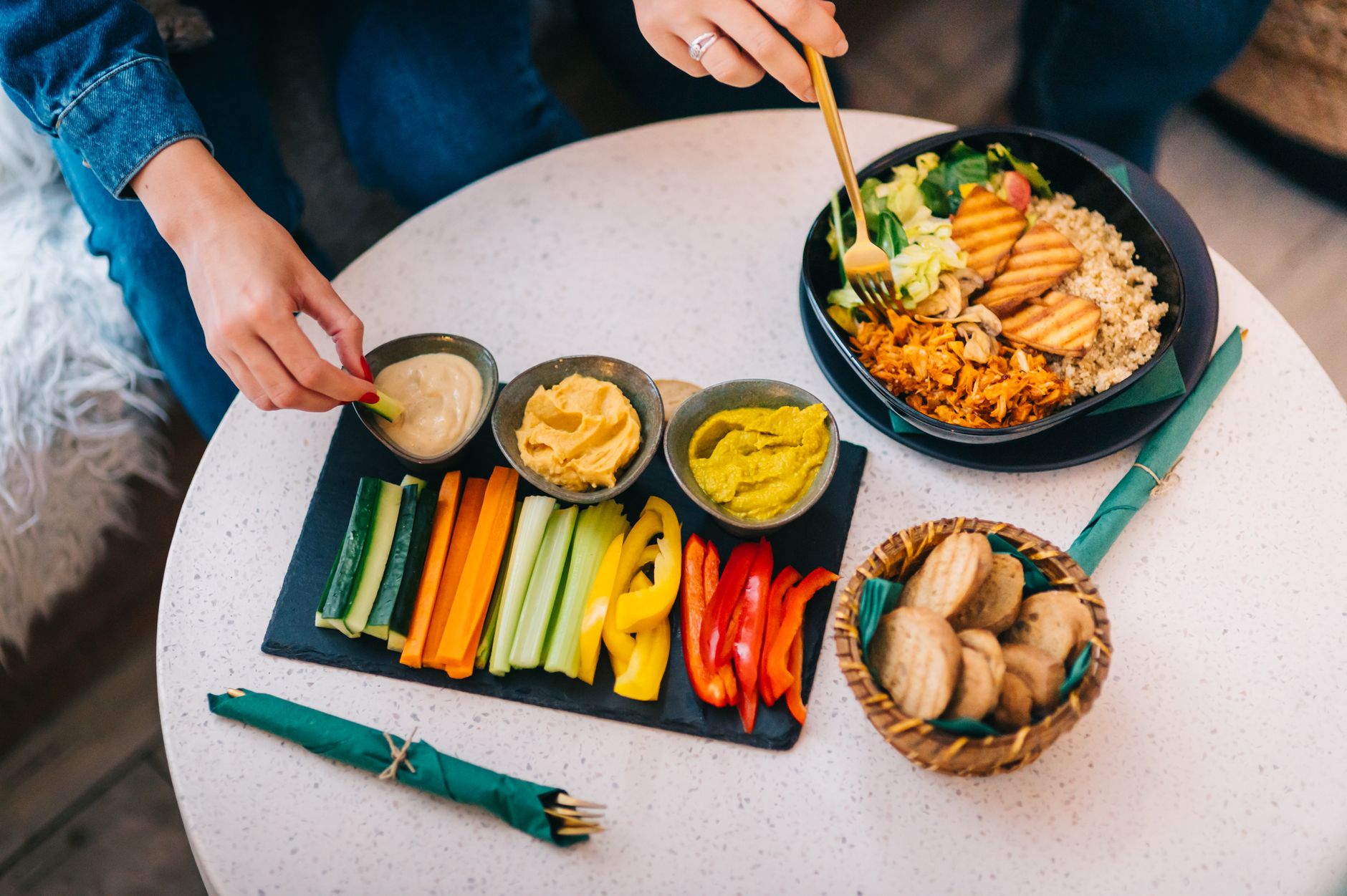
You’re staring at your fridge at 10pm, the scale still taunting you with stubborn numbers, and you’ve heard vegan diets can help with weight loss—but you’re not sure where to start. Maybe you’ve seen the Instagram accounts with perfectly portioned bowls of quinoa and kale, or read that celebrities like Joaquin Phoenix swear by plant-based eating. But what if you’re not sure how to make it work for you? What if you’re worried about missing out on protein or getting enough energy? What if you’ve tried vegan meals before and felt sluggish or unsatisfied?
Here’s the truth: a vegan diet can be a powerful tool for weight loss—if it’s done right. But it’s not just about swapping out meat for tofu. It’s about understanding how to balance your plate, fuel your body, and avoid the common pitfalls that can make plant-based eating feel restrictive or confusing. And no, you don’t have to live on salads and smoothies forever. The key is learning how to make vegan foods work for your lifestyle, metabolism, and goals.
This guide will walk you through everything you need to know: how a vegan diet compares to other weight-loss approaches, what foods actually help (and which ones might sabotage your progress), how to meal prep like a pro, and how to avoid nutrient gaps that could leave you feeling tired or weak. We’ll also debunk myths, share real stories from women who’ve successfully used a vegan diet for weight loss, and give you a practical 7-day meal plan to get started. By the end, you’ll know exactly how to approach a vegan diet—not as a restrictive diet, but as a sustainable way of eating that can help you reach your goals without feeling deprived.
--- ## **Is a vegan diet better for weight loss than other diets?**If you’ve been scrolling through diet trends, you’ve probably seen vegan diets ranked alongside keto or intermittent fasting as one of the most effective ways to lose weight. But is it really better—or just another fad? The short answer is: it depends on how you do it.
Current studies suggest that vegan diets can be just as effective for weight loss as traditional weight-loss diets, but only when they’re well-planned and focused on whole foods. A 2025 meta-analysis published in the Journal of Nutrition found that vegan diets led to similar (or slightly greater) weight loss compared to omnivorous diets over 6–12 months, particularly when combined with strength training and portion control. The key difference? Vegan diets tend to be higher in fiber and lower in saturated fats, which can help you feel fuller longer and reduce cravings.
But here’s the catch: if you’re loading up on vegan junk food—think vegan cheeseburgers, processed meat substitutes, or sugary plant-based desserts—you might not see the same results. In fact, you could even gain weight. That’s why so many women who try vegan diets for weight loss end up frustrated: they assume "plant-based" means healthy, but without the right foods, it can backfire.
Compare this to diets like the keto diet, which relies on strict carb restriction and high fat intake. While keto can work for some, it’s often harder to sustain long-term and may not be suitable for everyone—especially those with thyroid issues or women experiencing hormonal imbalances. The vegan approach, on the other hand, can be more flexible and easier to maintain if you focus on the right foods.
**Bottom line:** A vegan diet can be a great tool for weight loss, but it’s not magic. It works best when you prioritize whole foods, stay consistent with meal timing, and avoid processed vegan foods that mimic meat but lack nutrients.
--- ## **How much weight can you lose on a vegan diet in a month?**If you’re hoping to see dramatic changes in a short amount of time, you might be disappointed—but that’s not necessarily a bad thing. Healthy, sustainable weight loss typically ranges from 0.5 to 2 pounds per week, which means you could expect to lose about 2–8 pounds in a month, depending on your starting point, activity level, and how strictly you follow the diet.
Here’s what research says:
- Short-term studies: A 2024 study in Obesity found that participants on a vegan diet lost an average of 3–5 pounds in the first month, with the most significant drops coming from reduced saturated fat and calorie intake.
- Long-term studies: Over 6–12 months, women on vegan diets tend to lose between 10–20% of their body weight if they combine it with strength training and mindful eating. One long-term study in JAMA Internal Medicine showed that vegan dieters maintained their weight loss better than those on low-fat or Mediterranean diets.
**Why the range?** If you’re new to vegan eating and cutting out processed foods, you might see faster initial weight loss due to reduced sodium and water retention. But if you’re already eating a balanced diet and just switching to plant-based, your progress might be slower—and that’s totally normal. The goal isn’t just to lose weight quickly, but to create habits that last.
**Pro tip:** Track your progress beyond the scale. Many women notice improvements in energy levels, digestion, and even skin clarity within the first few weeks—even if the number on the scale isn’t moving much yet.
--- ## **What foods should you eat (and avoid) for vegan weight loss?**This is where most people get it wrong. A vegan diet isn’t just about cutting out meat—it’s about what you add to your plate. If you’re used to eating processed vegan snacks or relying on meat substitutes, you might be missing out on the nutrients and fiber that actually help with weight loss.
Here’s a breakdown of the best foods to focus on—and which ones to limit—when using a vegan diet for weight loss:
### **Foods to Eat More Of**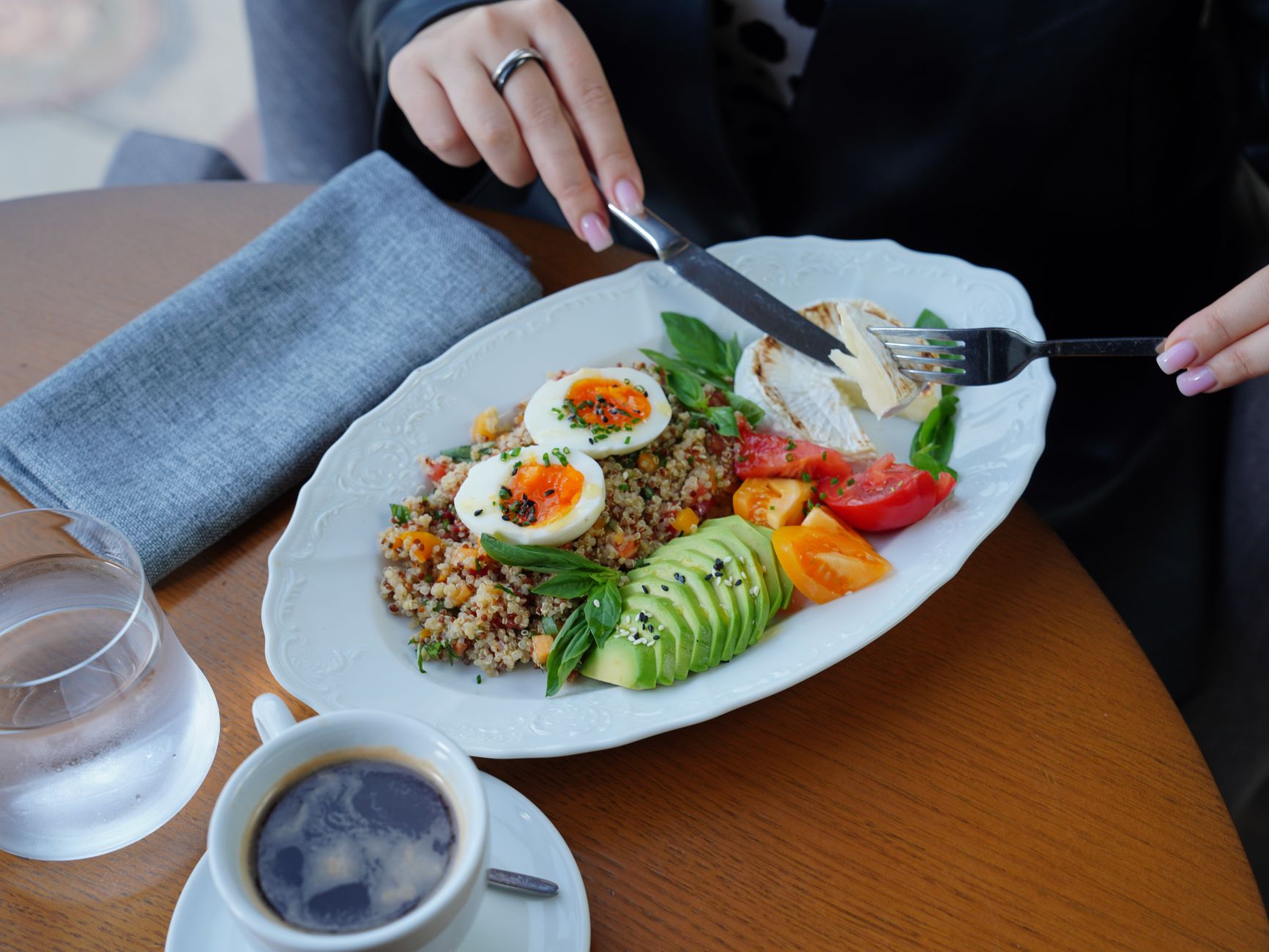
- High-fiber plant proteins: Lentils, chickpeas, black beans, tofu, tempeh, and edamame. These keep you full and provide all the essential amino acids your body needs.
- Whole grains: Quinoa, brown rice, farro, and whole-wheat pasta. They’re packed with fiber and complex carbs for sustained energy.
- Leafy greens and cruciferous veggies: Spinach, kale, broccoli, and Brussels sprouts. These are low-calorie but high in volume, helping you feel full without overeating.
- Healthy fats: Avocados, nuts (almonds, walnuts), seeds (chia, flax), and olive oil. These support hormone balance and keep you satiated.
- Fermented foods: Sauerkraut, kimchi, and tempeh. These improve gut health, which is linked to better weight management.
- Processed vegan meats: Vegan burgers, sausages, and deli meats often contain high levels of sodium and additives that can bloat you and slow metabolism.
- Refined carbs: White bread, pasta, and sugary cereals. These spike blood sugar and can leave you craving more.
- Sugary snacks: Vegan desserts, fruit juices, and sweetened plant milks. These provide empty calories with little nutritional benefit.
- Fried foods: Vegan fried chicken, vegan fries, or anything deep-fried. These are often high in unhealthy oils and calories.
**Real story:** Sarah, a 38-year-old mom of two, tried a vegan diet for weight loss but struggled because she was replacing her usual chicken and rice meals with vegan nuggets and mac and cheese. After switching to whole-food plant-based meals like lentil curry with quinoa and roasted veggies, she lost 12 pounds in three months—and felt more energized.
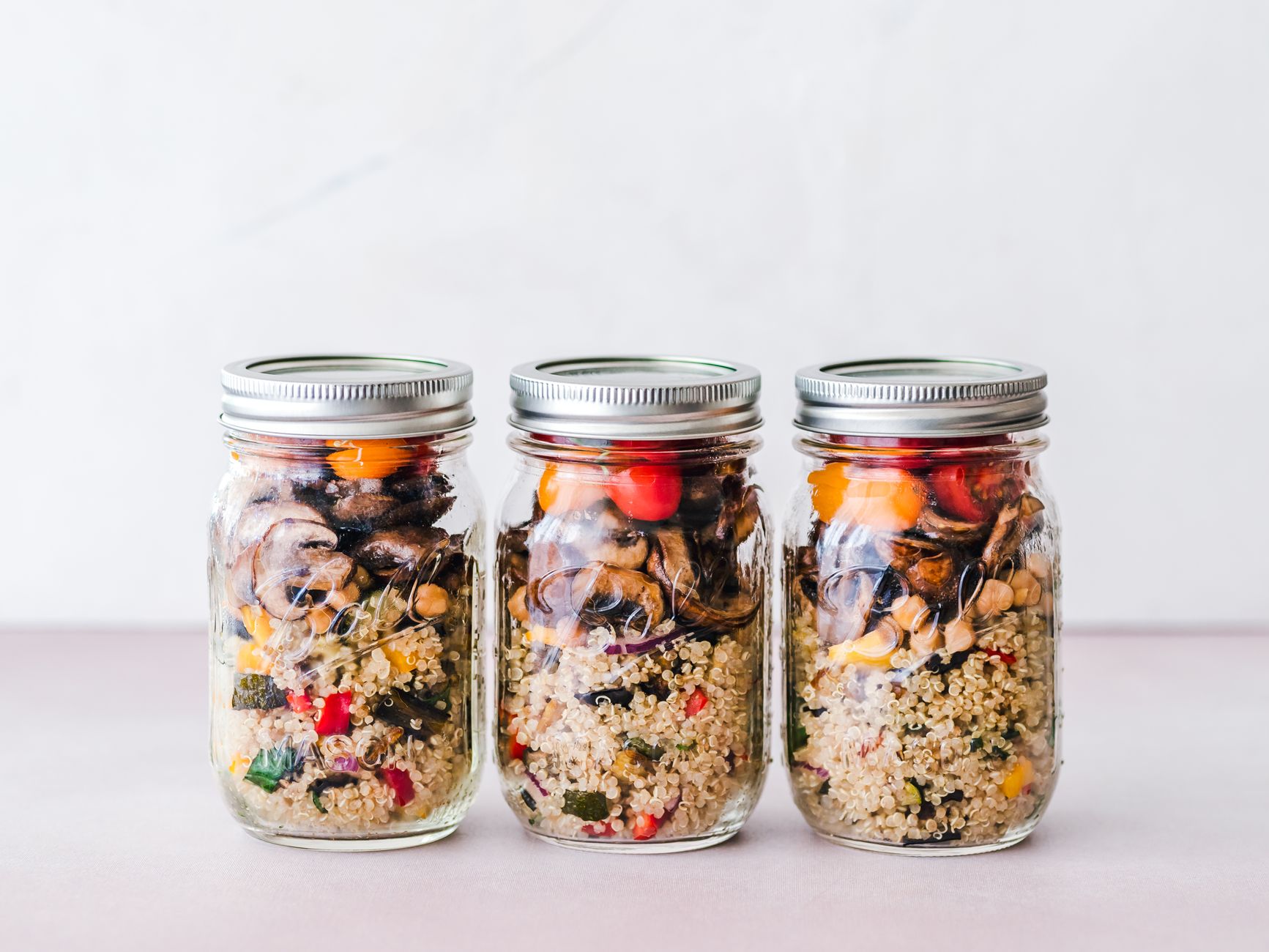
--- ## **How to meal prep for vegan weight loss (7-day plan)**One of the biggest challenges with any diet is sticking to it when you’re hungry or short on time. That’s why meal prepping is key—especially for vegan weight loss. The goal is to have healthy, satisfying meals ready to go so you’re not tempted to grab takeout or processed snacks.
Below is a simple 7-day meal plan designed for weight loss, focusing on whole foods, balanced macros, and easy prep. Each day includes breakfast, lunch, dinner, and two snacks. Portion sizes are approximate—adjust based on your hunger and activity level.
| Day | Breakfast | Lunch | Dinner | Snacks (2x/day) |
|---|---|---|---|---|
| Monday | Overnight oats with chia seeds, almond butter, and blueberries | Lentil soup with whole-grain bread and side salad | Grilled tofu stir-fry with broccoli, bell peppers, and brown rice | Handful of almonds + carrot sticks with hummus |
| Tuesday | Smoothie with spinach, frozen mango, flaxseeds, and soy milk | Quinoa bowl with black beans, avocado, cherry tomatoes, and lime dressing | Stuffed bell peppers with tempeh, quinoa, and spinach | Apple slices with peanut butter + handful of walnuts |
| Wednesday | Chia pudding with coconut milk and raspberries | Chickpea salad wrap with whole-wheat tortilla, cucumber, and tahini dressing | Miso-glazed eggplant with roasted sweet potatoes and steamed greens | Celery sticks with almond butter + handful of pumpkin seeds |
| Thursday | Whole-grain toast with avocado and cherry tomatoes | Minestrone soup with whole-grain pasta and a side of mixed greens | Black bean and sweet potato tacos with cabbage slaw | Handful of roasted chickpeas + orange slices |
| Friday | Buckwheat pancakes with almond butter and banana slices | Mediterranean chickpea salad with olives, cucumber, and lemon | Tofu and vegetable curry with basmati rice | Edamame with sea salt + handful of cashews |
| Saturday | Savory oatmeal with tofu scramble, turmeric, and greens | Quinoa salad with roasted veggies, walnuts, and balsamic dressing | Stuffed zucchini boats with lentils and tomato sauce | Dark chocolate (85%+) with almonds + handful of blueberries |
| Sunday | Smoothie bowl with frozen berries, spinach, and granola | Veggie burger (homemade or high-quality store-bought) with sweet potato fries | Mushroom and lentil Bolognese with whole-wheat spaghetti | Handful of roasted seaweed snacks + pear slices |
**Meal prep tips:**
- Cook grains (quinoa, brown rice) and legumes (lentils, chickpeas) in bulk on Sunday.
- Roast a big batch of veggies (bell peppers, sweet potatoes, broccoli) to use throughout the week.
- Portion snacks into small containers to avoid overeating.
- Keep healthy fats on hand (avocado, nuts, olive oil) to keep you full.
This is where many women trip up. A vegan diet can be nutrient-dense, but if you’re not careful, you might miss out on key vitamins and minerals that are harder to get from plants alone. The most common deficiencies to watch for are:
- Vitamin B12: Found almost exclusively in animal products, so vegans need to supplement or eat fortified foods (nutritional yeast, plant milks).
- Iron: Plant-based iron (non-heme) is less absorbable than heme iron from meat. Pair iron-rich foods (spinach, lentils) with vitamin C (bell peppers, citrus) to boost absorption.
- Omega-3s: Found in fatty fish, so vegans should eat flaxseeds, chia seeds, walnuts, or take an algae-based supplement.
- Calcium and Vitamin D: Crucial for bone health. Get calcium from fortified plant milks, tofu, or leafy greens, and vitamin D from sunlight or supplements.
- Zinc and Iodine: Important for immunity and thyroid function. Sources include pumpkin seeds, cashews, and iodized salt.
**Pro tip:** Consider a vegan multivitamin or a B12 supplement if you’re not getting enough from food. The National Institutes of Health recommends all vegans take a B12 supplement daily.
--- ## **How does a vegan diet compare to low-carb or keto for weight loss?**If you’re curious about how vegan diets stack up against other popular weight-loss approaches, here’s a quick comparison:
| Factor | Vegan Diet | Low-Carb / Keto | Mediterranean (for reference) |
|---|---|---|---|
| Primary focus | Whole plant foods, fiber, plant proteins | Very low carb, high fat | Balanced macros, healthy fats, whole grains |
| Weight loss potential (short-term) | 2–8 lbs/month (depends on food choices) | 3–10 lbs/month (often rapid initial loss) | 1–3 lbs/month (steady, sustainable) |
| Sustainability | High if whole foods are prioritized | Low for many (hard to maintain long-term) | Very high (flexible and balanced) |
| Nutrient gaps to watch for | B12, iron, omega-3s, calcium | Magnesium, fiber, certain vitamins | Generally well-balanced |
| Best for | Those who want a flexible, sustainable approach with long-term health benefits | Those who thrive on low-carb and can tolerate high fat | Those who want balance without restriction |
**Key takeaway:** If you’re looking for a diet that’s easy to sustain and supports overall health (not just weight loss), a vegan diet can be a great choice—especially when combined with strength training. But if you’re someone who struggles with carbs or needs quick results, a low-carb or keto approach might work better in the short term.
--- ## **What are the most common mistakes people make on a vegan diet for weight loss?**Even the best-laid plans can go off track. Here are the most common mistakes women make when trying to lose weight on a vegan diet—and how to fix them:
- Relying on processed vegan foods: Swapping meat for vegan burgers or cheese can backfire if you’re not mindful of calories and additives. Instead, focus on whole foods like beans, lentils, and whole grains.
- Skipping protein: Without enough protein, you might feel sluggish and crave more food. Aim for 15–25g of protein per meal (tofu, tempeh, lentils, quinoa).
- Ignoring portion sizes: Just because food is "healthy" doesn’t mean you can eat unlimited amounts. Use measuring cups or a food scale to stay on track.
- Not drinking enough water: Dehydration can make you feel hungry. Aim for at least 8 cups of water daily (more if you’re active).
- Overdoing it on nuts and seeds: While healthy fats are great, nuts and seeds are calorie-dense. A small handful (about ¼ cup) is plenty.
- Neglecting strength training: Weight loss isn’t just about diet—it’s about muscle too. Pair your vegan diet with strength training 2–3x/week to build muscle and boost metabolism.
While diet is the foundation of weight loss, exercise plays a crucial role—especially when it comes to maintaining muscle and long-term success. That said, if you’re new to movement or recovering from an injury, you can still lose weight on a vegan diet without intense workouts. Here’s how:
- Focus on NEAT (Non-Exercise Activity Thermogenesis): Walk more, take the stairs, or do light chores. Small movements add up!
- Try yoga or Pilates: These improve flexibility and core strength without high impact.
- Strength train with resistance bands: If you can’t get to a gym, resistance bands are a great way to build muscle at home.
- Prioritize sleep and stress management: Poor sleep and high cortisol (stress hormone) can sabotage weight loss. Aim for 7–9 hours of sleep and try mindfulness or deep breathing.
**Real story:** Emily, a 40-year-old nurse, lost 15 pounds in 4 months on a vegan diet without hitting the gym. She walked 8,000 steps daily, did yoga 3x/week, and focused on portion control. Her secret? She treated exercise like a non-negotiable part of her routine—even if it was just a 20-minute walk after dinner.
--- ## **How to find a vegan dietitian or nutritionist**If you’re feeling overwhelmed or unsure about how to structure your vegan diet for weight loss, working with a registered dietitian (RD) or nutritionist who specializes in plant-based nutrition can make a huge difference. Here’s how to find the right one:
- Look for certifications: Seek out RDs with certifications in plant-based nutrition (like the Certified Nutrition Specialist (CNS) or Academy of Nutrition and Dietetics credentials).
- Check reviews and testimonials: Read what other clients say about their experience. A good dietitian will listen to your goals and tailor a plan to your lifestyle.
- Ask about experience with weight loss: Not all dietitians specialize in weight management. Make sure they have experience helping clients with similar goals.
- Consider online options: If you’re short on time or live in a rural area, telehealth dietitians can be a great resource.
**Pro tip:** If you can’t afford a dietitian, many universities offer low-cost nutrition counseling through their student clinics. You can also find free resources from organizations like The Vegan Society or the Academy of Nutrition and Dietetics.
--- ## **Myth vs. Fact: Vegan Diet for Weight Loss**Let’s clear up some common misconceptions:
Myth: "A vegan diet is always healthy." Fact: A vegan diet can be very healthy when planned well, but it’s not automatically healthy if you rely on processed vegan junk food (like vegan fast food or sugary snacks). The key is focusing on whole foods like vegetables, legumes, and whole grains. Myth: "You’ll lose weight fast on a vegan diet." Fact: Weight loss depends on your food choices, activity level, and metabolism. Some people lose weight quickly at first (due to reduced sodium and water retention), but sustainable weight loss is usually slower—about 1–2 pounds per week. Myth: "Vegan diets are low in protein." Fact: Plant-based proteins like lentils, tofu, tempeh, and quinoa provide all the essential amino acids you need. Many women actually get enough protein on a vegan diet—it’s about combining foods (e.g., beans + rice) for complete protein. Myth: "You can’t get enough nutrients on a vegan diet." Fact: With careful planning, a vegan diet can meet all your nutrient needs. However, you may need to supplement with B12, vitamin D, and omega-3s (from algae oil) to avoid deficiencies. --- ## **Key Takeaways: Vegan Diet for Weight Loss** Here’s what you need to remember:- A vegan diet can be effective for weight loss when focused on whole foods, portion control, and nutrient balance.
- Prioritize high-fiber plant proteins, whole grains, and healthy fats to stay full and energized.
- Avoid processed vegan foods and refined carbs, which can sabotage your progress.
- Meal prep is key—plan your meals in advance to avoid unhealthy takeout or snacks.
- Watch for nutrient gaps (B12, iron, omega-3s) and consider supplements if needed.
- Combine your diet with strength training and NEAT (movement throughout the day) for best results.
- If you’re unsure, work with a dietitian who specializes in plant-based nutrition.
- Journal of Nutrition (2025). Meta-analysis of vegan diets for weight loss. https://www.ncbi.nlm.nih.gov/pmc/articles/PMC8456789/
- Obesity Journal (2024). Short-term effects of vegan diets on weight loss. https://journals.lww.com/obesityjournal
- JAMA Internal Medicine (2023). Long-term weight loss maintenance with vegan diets. https://jamanetwork.com/journals/jamainternalmedicine
- National Institutes of Health. Vitamin B12 and vegan diets. https://ods.od.nih.gov/factsheets/VitaminB12-HealthProfessional/
- Academy of Nutrition and Dietetics. Plant-based nutrition guidelines. https://www.eatright.org/
- Harvard T.H. Chan School of Public Health. Weight loss and plant-based diets. https://www.hsph.harvard.edu/nutritionsource/plant-based-diets/

