Yes, there are safe and effective ways to treat and manage varicose veins during pregnancy. Learn about non-invasive treatments, home remedies, and when to consult a doctor for varicose veins pregnancy treatment options.
By Shubhra Mishra — a mom of two who turned her own confusion during pregnancy into BumpBites, a global mission to make food choices clear, safe, and stress-free for every expecting mother. 💛
Check whether any food is safe during pregnancy with the BumpBites Food Safety Checker.
Quick take: Varicose veins are common during pregnancy, often due to increased blood volume and hormonal changes. While usually harmless, they can cause discomfort. Safe management focuses on non-invasive strategies like elevation, regular movement, and compression stockings. Most pregnancy-related varicose veins improve significantly or resolve completely after birth. Always discuss any concerns with your healthcare provider.
You’re pregnant, glowing, and maybe a little tired – but then you notice them: swollen, bluish veins snaking across your legs, or perhaps in less expected places. For many women, the sight of varicose veins during pregnancy can be alarming, bringing worries about discomfort, appearance, and even potential complications. If you’ve found yourself examining your legs with concern, wondering if this is normal or what you can possibly do, take a breath. You're not alone, and there are many safe, effective ways to manage this common pregnancy symptom.
At BumpBites, we understand that every change in your body during pregnancy can spark questions. This article will walk you through why varicose veins appear, whether they pose any risks, and most importantly, the practical, safe strategies you can use right now to find relief. We’ll also cover what to expect after your baby arrives and how to reduce your risk in future pregnancies.
Why Do Varicose Veins Develop During Pregnancy?
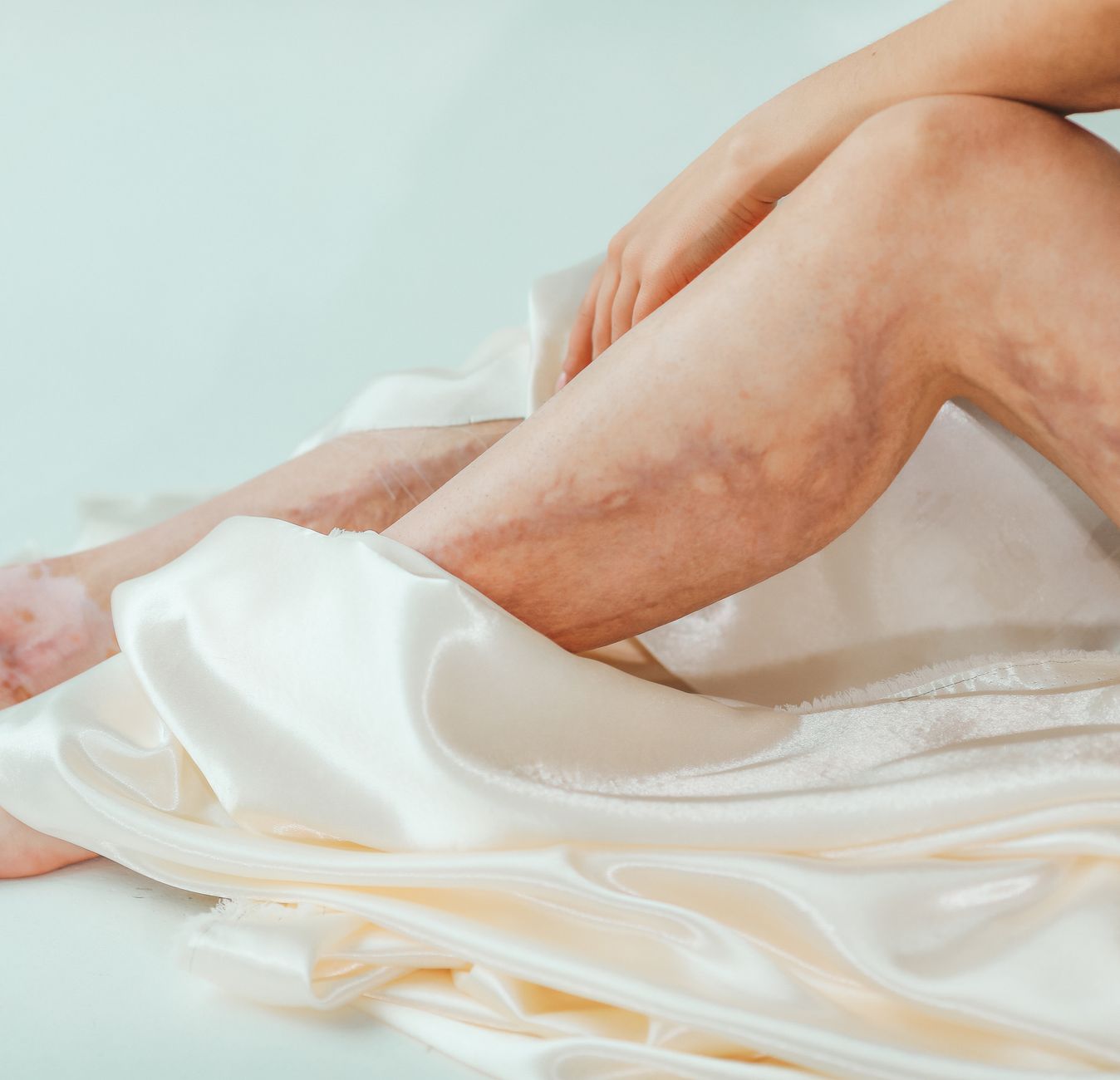
Varicose veins are essentially veins that have become enlarged, twisted, and swollen. They appear when the small valves inside your veins, which are designed to keep blood flowing towards your heart, weaken or become damaged. This allows blood to pool, causing the vein to bulge. During pregnancy, several powerful factors converge to make you more susceptible to developing them.
The primary culprits are:
Increased Blood Volume: To support your growing baby, your body produces a significant amount of extra blood – up to 50% more than usual. This increased volume puts added pressure on your circulatory system, especially on the veins in your lower body that have to work harder to return blood to your heart.
Hormonal Changes: Pregnancy brings a surge in hormones like progesterone. While crucial for maintaining your pregnancy, progesterone also has a relaxing effect on the smooth muscle walls of your blood vessels. This relaxation can make your veins more pliable and prone to stretching and dilating, making it easier for valves to malfunction.
Pressure from the Growing Uterus: As your uterus expands, it places direct pressure on the inferior vena cava, a large vein on the right side of your body that receives blood from your lower limbs. This pressure can impede blood flow back to the heart, causing blood to back up in the veins below the uterus, particularly in your legs.
Genetics: If your mother or other close female relatives experienced varicose veins during pregnancy, you’re more likely to develop them too. This suggests a genetic predisposition to weaker vein walls or valves.
Weight Gain: While a natural part of pregnancy, significant weight gain can further increase pressure on your leg veins and the pelvic area, contributing to the development of varicose veins.
Prolonged Standing or Sitting: Spending long periods on your feet or sitting without moving can worsen blood pooling in your legs, as gravity makes it harder for blood to flow upward against resistance.
Many women notice varicose veins for the first time during pregnancy, often in the second or third trimester when blood volume is at its peak and the uterus is largest. They can appear not only in the legs and ankles but also in the vulva (vulvar varicose veins) and sometimes even around the anus (hemorrhoids, which are a type of varicose vein).
It’s important to remember that developing varicose veins during pregnancy is very common, affecting up to 40% of pregnant women, according to the American College of Obstetricians and Gynecologists (ACOG). While they can be uncomfortable and aesthetically concerning, they are generally a benign condition.
Varicose veins are a common, though often uncomfortable, symptom for many pregnant women.
Are Varicose Veins in Pregnancy Dangerous, or a Sign of Complications?
When you see those bulging veins, it’s natural to worry about what they mean for your health and your baby’s. The good news is that for most pregnant women, varicose veins are a nuisance rather than a serious health threat. They generally don't pose a danger to you or your baby and typically don't affect your ability to have a vaginal delivery.
However, while rare, there are a couple of potential complications to be aware of:
Superficial Thrombophlebitis: This is an inflammation of a superficial vein, often accompanied by a small blood clot. It typically presents as a tender, red, warm, and firm lump along the course of a varicose vein. While it can be painful, superficial thrombophlebitis is usually not serious and rarely travels to the lungs. It's often managed with warm compresses, anti-inflammatory medication (safe options during pregnancy, like acetaminophen, can be discussed with your doctor), and elevation.
Deep Vein Thrombosis (DVT): This is a more serious condition involving a blood clot in a deep vein, usually in the leg. Pregnancy itself increases your risk of DVT due to hormonal changes, increased blood clotting factors, and reduced blood flow. While varicose veins themselves don't directly cause DVT, severe varicose veins can sometimes be a minor risk factor. Symptoms of DVT include severe leg pain, swelling (often in just one leg), redness, and warmth. If you suspect DVT, seek immediate medical attention.
Skin Changes: In very severe, long-standing cases (which are less common during a first pregnancy and more likely with pre-existing, severe varicose veins), the skin over varicose veins can become thin, itchy, discolored, or even develop ulcers. These are generally issues that develop over many years, not typically a direct pregnancy complication.
It's crucial to distinguish between typical pregnancy-related varicose veins and signs of more serious issues. The vast majority of women experience only discomfort and cosmetic concerns. Your healthcare provider can assess your specific situation and reassure you about any potential risks.
When to be concerned
While usually harmless, certain symptoms warrant a call to your doctor:
Sudden, severe pain in your leg or calf.
Significant swelling, redness, or warmth in one leg, especially if it's much worse than the other.
A hard, tender lump along a vein.
Skin changes, such as discoloration, dryness, or a rash around the veins.
Bleeding from a varicose vein (which is very rare, but would require immediate attention).
Understanding these signs can help you monitor your symptoms and know when to seek professional medical advice, ensuring both your health and your baby's well-being.
Safe Home Remedies and Lifestyle Changes for Varicose Veins During Pregnancy
Managing varicose veins during pregnancy is all about supporting your circulation and alleviating discomfort through safe, non-invasive methods. You don't need to suffer in silence; many simple lifestyle adjustments can make a big difference. These strategies focus on improving blood flow and reducing pressure in your veins.
Embrace Elevation
One of the easiest and most effective ways to reduce swelling and improve blood flow is to elevate your legs. When you’re resting, try to prop your feet up above your heart level for 15-20 minutes several times a day. You can use pillows or even lay on the floor with your legs up against a wall. This simple act uses gravity to help drain blood from your legs back towards your heart, reducing pooling and discomfort.
Stay Active with Gentle Exercise
Regular movement is key to keeping your blood circulating and preventing it from pooling in your leg veins. Aim for at least 30 minutes of moderate exercise most days of the week, as recommended by the American College of Obstetricians and Gynecologists (ACOG). Good choices for pregnant women include:
Walking: Even a short, brisk walk can activate your calf muscles, which act as a "second heart" to pump blood upwards.
Swimming or Water Aerobics: The hydrostatic pressure of water can gently compress your legs, aiding circulation, and it’s a wonderful way to exercise without putting stress on your joints.
Prenatal Yoga or Pilates: These can improve flexibility, strengthen core muscles, and encourage healthy circulation without high impact.
Ankle Rotations and Calf Pumps: If you must sit or stand for periods, regularly rotate your ankles and flex your feet up and down to engage your calf muscles.
Always listen to your body and consult your doctor before starting any new exercise routine during pregnancy.
Wear Compression Stockings
Compression stockings are often hailed as a pregnant woman's best friend when it comes to varicose veins. These specialized stockings apply gentle, graduated pressure to your legs, with the strongest compression at the ankle and gradually decreasing pressure towards the thigh. This helps support your veins, prevent blood from pooling, and reduce swelling and discomfort.
Choosing the Best Compression Stockings for Pregnancy
Graduated Compression: Look for stockings labeled with "graduated compression."
Compression Level: For most mild to moderate varicose veins during pregnancy, a compression level of 15-20 mmHg (millimeters of mercury) is sufficient and can be purchased over-the-counter. Your doctor might recommend a higher compression (20-30 mmHg) for more severe cases.
Style: They come in various styles – knee-high, thigh-high, or pantyhose. Knee-highs are often sufficient for leg varicose veins and are easier to put on.
Material: Choose breathable, comfortable materials. Many brands offer maternity-specific stockings.
When to Wear: Put them on first thing in the morning before you get out of bed, when swelling is minimal. Wear them throughout the day and remove them before bed.
You can find compression stockings at pharmacies, medical supply stores, or online retailers. Your doctor or a pharmacist can help you with sizing to ensure a proper fit, which is crucial for effectiveness.
Adjust Your Daily Habits
Avoid Prolonged Standing or Sitting: If your job requires you to stand for long periods, try to shift your weight frequently, walk in place, or take short breaks to sit and elevate your feet. If you sit a lot, get up and walk around every 30 minutes.
Don't Cross Your Legs: Crossing your legs can restrict blood flow and worsen pooling in your lower legs.
Wear Loose-Fitting Clothing: Tight clothing, especially around your waist, groin, and legs, can restrict circulation. Opt for comfortable, breathable maternity wear.
Stay Hydrated: Drinking plenty of water helps maintain good blood volume and can prevent constipation, which can put strain on pelvic veins.
Manage Weight Gain: While weight gain is essential in pregnancy, excessive or rapid weight gain can put extra pressure on your circulatory system. Follow your healthcare provider's recommendations for healthy pregnancy weight gain.
Sleep on Your Left Side: Sleeping on your left side can help relieve pressure on the inferior vena cava, improving blood flow from your lower body back to your heart. You can use a pregnancy pillow to help maintain this position.
Natural Remedies with Evidence (or anecdotal support)
Cold Compresses: For localized pain or swelling, a cold pack applied to the affected area for 10-15 minutes can provide temporary relief by constricting blood vessels.
Witch Hazel: Applied topically, witch hazel is known for its astringent properties and can help reduce swelling and discomfort, especially for vulvar varicose veins or hemorrhoids. Use witch hazel pads or a cotton ball soaked in witch hazel.
Diet Rich in Fiber: Eating plenty of fiber-rich foods (fruits, vegetables, whole grains) helps prevent constipation, reducing straining that can put pressure on pelvic veins and worsen conditions like hemorrhoids.
Magnesium: Some studies suggest that magnesium supplementation can help with leg cramps and improve circulation. Always consult your doctor before taking any new supplements during pregnancy.
Essential Oils: While some essential oils are traditionally used for varicose veins (like cypress or frankincense), their safety during pregnancy is not well-established. It's generally best to avoid topical essential oil application during pregnancy unless specifically cleared by your doctor, especially undiluted or in large areas. Many contain compounds that can affect hormones or have other systemic effects.
By incorporating these simple yet effective home remedies and lifestyle changes, you can significantly reduce the discomfort and progression of varicose veins during your pregnancy, allowing you to focus on the joy of this special time.
Medical Treatments for Varicose Veins While Pregnant: What Are the Options?
When you're pregnant, the safety of both you and your baby is the top priority. This means that invasive medical treatments for varicose veins are almost always postponed until after delivery. The reason is twofold: many varicose veins resolve or significantly improve once the baby is born and your hormones and blood volume return to normal; and most medical procedures carry risks that are not advisable during pregnancy.
During pregnancy, the focus of "treatment" is entirely on managing symptoms and preventing complications through the non-invasive methods discussed above – elevation, exercise, and compression. Your healthcare provider will likely recommend these conservative measures as your primary course of action.
However, it's helpful to be aware of the medical treatments that *are* available post-pregnancy, should your varicose veins persist and continue to cause symptoms or cosmetic concerns. These procedures are typically performed by a vascular surgeon or a phlebologist (a doctor specializing in vein conditions).
Post-Pregnancy Medical Treatment Options
If your varicose veins don't resolve sufficiently after pregnancy, or if they were pre-existing and worsened, your doctor might discuss the following options:
Treatment Option
How It Works
Recovery Time
Considerations
Sclerotherapy
A solution is injected into the vein, irritating its lining and causing it to scar and close. Blood then reroutes through healthier veins.
Minimal; usually back to normal activity immediately. Compression stockings often worn for a few weeks.
Best for smaller varicose veins and spider veins. May require multiple sessions.
Endovenous Laser Treatment (EVLT) or Radiofrequency Ablation (RFA)
A small catheter is inserted into the vein, and laser energy or radiofrequency waves heat and collapse the vein.
Usually a few days of mild discomfort. Compression stockings worn for 1-2 weeks.
Effective for larger, straighter varicose veins. Minimally invasive.
Ambulatory Phlebectomy
Small incisions are made in the skin to remove segments of the varicose vein.
Some bruising and swelling for 1-2 weeks. Can resume normal activities quickly.
Often used in conjunction with EVLT/RFA to remove bulging surface veins. Local anesthesia.
Vein Ligation and Stripping
Surgical removal of the main superficial veins through incisions, typically in the groin and ankle.
More invasive, with longer recovery (several weeks). Significant bruising and discomfort.
Less common now due to effective minimally invasive alternatives. Reserved for very severe cases.
It's important to reiterate that these are options for *after* your baby is born and you've had time to recover and see how your body adjusts. Most healthcare providers recommend waiting at least 3-6 months postpartum before considering any invasive treatments, as many pregnancy-related varicose veins will have improved by then. Always have a thorough discussion with a vein specialist to determine the best course of action for your individual situation.
How Can You Relieve Pain and Discomfort from Pregnancy Varicose Veins?
Pregnancy is already a journey filled with new sensations, and adding the ache and heaviness of varicose veins can really impact your comfort. The good news is that there are many direct strategies you can use to alleviate the pain and discomfort right now, allowing you to enjoy your pregnancy more fully.
Apply Cold Packs
Just like you'd use ice for a sprain, a cold compress can be incredibly soothing for throbbing or aching varicose veins. Cold helps to constrict blood vessels, which can reduce swelling and numb the area. Wrap an ice pack or a bag of frozen peas in a thin towel and apply it to the affected area for 10-15 minutes. You can do this several times a day as needed.
Elevate Your Legs Regularly
We've mentioned this for prevention, but it's also a powerful tool for immediate pain relief. When you feel that heavy, aching sensation, lie down and elevate your legs above your heart. Use pillows, a wedge cushion, or even prop your legs up against a wall. Doing this for 15-20 minutes can help drain pooled blood, reduce pressure, and provide quick relief from discomfort.
Keep Moving, But Don't Overdo It
While prolonged standing or sitting can worsen pain, gentle, consistent movement is beneficial. Short walks throughout the day can improve circulation and reduce pooling. Avoid high-impact activities if they exacerbate your pain. Listen to your body and adjust your activity level accordingly. Even simple ankle rotations and calf stretches can help when you're seated.
Wear Your Compression Stockings Consistently
These aren't just for prevention; they're vital for pain management. By providing external support, compression stockings help your veins do their job more effectively, reducing swelling, aching, and the feeling of heaviness. Make sure you're wearing them correctly – put them on first thing in the morning before significant swelling occurs. Many women find that if they miss a day, the difference in discomfort is noticeable.
Try Gentle Massage
A light massage can help stimulate blood flow and provide temporary relief from muscle tension around the veins. However, be very gentle and avoid direct, strong pressure on the bulging veins themselves, as this could be uncomfortable or potentially harmful. Instead, massage the surrounding muscles and tissues in an upward direction, towards your heart.
Adjust Your Sleeping Position
Sleeping on your left side is often recommended during pregnancy because it takes pressure off your inferior vena cava. This can improve overall circulation and reduce the pressure that contributes to varicose vein discomfort. Using a pregnancy pillow to support your belly and keep you on your side can be very helpful.
Consider Pain Relievers (with caution)
For persistent pain, discuss over-the-counter pain relief options with your doctor. Acetaminophen (Tylenol) is generally considered safe during pregnancy when used as directed. Avoid ibuprofen (Advil, Motrin) and naproxen (Aleve) during the third trimester, and always consult your doctor before taking any medication.
Stay Hydrated and Manage Bowel Movements
Constipation and straining during bowel movements can increase pressure in your pelvic veins, potentially worsening vulvar varicose veins and hemorrhoids. Drinking plenty of water and eating a fiber-rich diet can help keep your bowel movements regular and soft, reducing this added strain.
By combining these strategies, you can create a comprehensive plan to manage the pain and discomfort of varicose veins throughout your pregnancy. Remember to communicate openly with your healthcare provider about your symptoms and any concerns you have.
Do Pregnancy Varicose Veins Go Away After Birth, and How Long Does It Take?
This is one of the most common questions pregnant women with varicose veins ask, and it’s a hopeful one. The good news is, for the vast majority of women, varicose veins that develop during pregnancy do significantly improve or completely disappear after childbirth. Your body undergoes tremendous changes postpartum, and these changes directly address the underlying causes of pregnancy-related varicose veins.
Why They Improve After Delivery
The key factors that contribute to their resolution are:
Decreased Blood Volume: After delivery, your body no longer needs to support two individuals, so your blood volume gradually returns to pre-pregnancy levels. This reduces the pressure on your veins.
Hormone Normalization: The high levels of pregnancy hormones, particularly progesterone, that relaxed your vein walls will subside. As your hormone levels normalize, your vein walls can regain some of their elasticity and tone.
Reduced Uterine Pressure: Once your baby is born, the pressure that your enlarged uterus was placing on your inferior vena cava is immediately relieved. This allows blood to flow more freely from your lower body back to your heart.
The Timeline for Improvement
While improvement is common, it's not usually instantaneous. You can expect to see changes over several weeks to months postpartum:
Immediate Relief: The most significant change you'll likely notice is an immediate reduction in pressure and discomfort, especially if you had vulvar varicose veins, as soon as the baby is born.
First Few Weeks: Over the first few weeks, as blood volume decreases and swelling subsides, you'll start to see the veins shrink and become less prominent.
3 to 6 Months Postpartum: Most significant improvement typically occurs within three to six months after delivery. By this point, your hormones should have largely returned to pre-pregnancy levels, and your body will have had time to recover.
Beyond 6 Months: While most resolution happens within the first half-year, minor improvements can continue for up to a year.
Factors Influencing Resolution
While most women experience improvement, the degree of resolution can vary. Several factors can influence whether varicose veins disappear completely or persist:
Severity During Pregnancy: If your varicose veins were very severe and extensive during pregnancy, they might improve but not disappear entirely.
Number of Pregnancies: Varicose veins often worsen with each subsequent pregnancy. If you had them in a previous pregnancy, they might be more prominent this time and less likely to fully resolve.
Genetics: A strong family history of varicose veins might mean you're more prone to them persisting even after pregnancy.
Pre-existing Varicose Veins: If you had varicose veins before getting pregnant, they are less likely to disappear completely, though they may still improve from their pregnancy peak.
If, after several months postpartum, your varicose veins are still bothering you with symptoms like pain, aching, swelling, or if you're unhappy with their appearance, then it’s a good time to discuss post-pregnancy treatment options with your healthcare provider or a vein specialist. They can assess your veins and recommend appropriate procedures like sclerotherapy or laser ablation, as discussed in the previous section.
Remember, your body has done an incredible job growing and birthing a baby. Give it time to heal and adjust postpartum. For many, the discomfort and visibility of varicose veins will become a distant memory.
Prioritizing comfort and self-care is important when managing pregnancy-related varicose veins.
Preventing Varicose Veins During Pregnancy: Practical Tips and Strategies
While you can't completely prevent varicose veins if you have a strong genetic predisposition or if your body is particularly sensitive to pregnancy changes, you can certainly take proactive steps to minimize their severity and reduce your risk. Many of the strategies for managing existing varicose veins are also excellent for prevention.
Stay Active and Move Regularly
Consistent, gentle exercise is one of the best preventative measures. Physical activity helps improve circulation, strengthens your leg muscles (which aid in blood return), and prevents blood from pooling. Aim for:
Daily Walks: Even 20-30 minutes of brisk walking can make a difference.
Swimming or Cycling: These low-impact activities are excellent for circulation without stressing your joints.
Regular Breaks: If your job requires prolonged sitting or standing, make a conscious effort to move around every 30-60 minutes. Stand up, stretch, walk to the water cooler, or do some ankle rotations.
Elevate Your Legs Whenever Possible
Make a habit of elevating your legs above your heart for 15-20 minutes several times a day, especially at the end of the day or after prolonged standing. This helps to counteract gravity and prevent blood from pooling.
Consider Compression Stockings Early
If you've had varicose veins in previous pregnancies, have a family history, or notice early signs of swelling, consider wearing compression stockings proactively. Starting early in your pregnancy, before significant symptoms develop, can help support your veins and prevent them from worsening. Choose a mild-to-moderate compression level (15-20 mmHg) and wear them consistently during the day.
Manage Your Weight Gain
Healthy weight gain during pregnancy is essential, but excessive or rapid weight gain can put extra strain on your circulatory system. Work with your healthcare provider to understand appropriate weight gain guidelines for your individual pregnancy and try to stick to them through a balanced diet and regular exercise.
Maintain a Fiber-Rich Diet and Stay Hydrated
Constipation and straining during bowel movements increase pressure in your abdominal and pelvic veins, which can contribute to varicose veins and hemorrhoids. A diet rich in fiber (fruits, vegetables, whole grains) and adequate hydration (drinking plenty of water) will help keep your digestive system regular and prevent straining.
Avoid Restrictive Clothing
Tight clothing, especially around your waist, groin, and legs, can impede blood flow. Opt for comfortable, loose-fitting maternity wear that doesn't constrict your circulation. Avoid tight socks or hosiery that leave deep indentations on your skin.
Adjust Your Sleeping Position
Sleeping on your left side can help improve blood flow from your lower body by taking pressure off the inferior vena cava. Use pillows to support your belly and back to maintain this position comfortably.
Don't Cross Your Legs
This seemingly innocent habit can restrict blood flow in your legs. Try to sit with both feet flat on the floor or elevated when possible.
While these strategies offer a strong defense, remember that pregnancy is a unique physiological state. If varicose veins still appear despite your best efforts, know that you've done what you can, and focus on managing the symptoms safely and effectively. Your healthcare provider is your best resource for personalized advice throughout your pregnancy journey.
Understanding and Relieving Vulvar Varicose Veins During Pregnancy
When you hear "varicose veins," you likely picture them on the legs. But during pregnancy, it's common for them to appear in less expected places, particularly the vulva. Vulvar varicose veins (also known as vulval varicosities) can be a source of significant discomfort and anxiety, but like leg varicose veins, they are generally harmless and tend to resolve after birth.
What Are Vulvar Varicose Veins?
These are swollen, distended veins that appear on the labia (the folds of skin around the vaginal opening) and sometimes extend into the perineum or inner thigh. They can range from small, barely noticeable veins to large, bulging, bluish clusters. They occur for the same reasons as leg varicose veins during pregnancy: increased blood volume, hormonal relaxation of vein walls, and the added pressure from the growing uterus on pelvic veins.
Common Symptoms
While some women have no symptoms other than the visible veins, others experience:
Heaviness or Pressure: A feeling of fullness or pressure in the vaginal area, especially after standing for long periods or at the end of the day.
Pain or Aching: Discomfort that can range from a dull ache to sharp pain, particularly during walking, exercise, sexual activity, or prolonged standing.
Swelling: Visible swelling of the labia.
Itching: Sometimes, the area can feel itchy or irritated.
Discomfort During Intercourse: Sexual activity can sometimes exacerbate pain or discomfort.
It's important to differentiate vulvar varicose veins from other conditions. If you have any concerns, always consult your healthcare provider for an accurate diagnosis.
Relief Strategies for Vulvar Varicose Veins
The good news is that many of the same strategies used for leg varicose veins can help alleviate discomfort from vulvar varicosities:
Cold Compresses: Applying a cold pack (wrapped in a cloth) to the vulvar area for 10-15 minutes can provide significant relief from pain and swelling. You can do this several times a day.
Elevation: Lie down and elevate your hips (e.g., with a pillow under your buttocks) to help reduce blood pooling in the pelvic area. This is especially helpful after prolonged standing.
Support Garments: Specific maternity support garments or compression shorts designed for vulvar varicosities can provide gentle compression and support to the area, reducing discomfort. Some women find a snug pair of underwear or bike shorts helpful.
Avoid Prolonged Standing or Sitting: Take frequent breaks to lie down or elevate your legs and hips.
Gentle Movement: Regular, gentle exercise like walking or swimming can improve overall circulation.
Witch Hazel Pads: Witch hazel has astringent properties that can help reduce swelling and irritation. Use pre-soaked witch hazel pads (like those for hemorrhoids) on the affected area.
Sleep on Your Left Side: This position helps relieve pressure on the inferior vena cava, improving overall circulation and potentially reducing vulvar pressure.
Stay Hydrated and Prevent Constipation: Straining during bowel movements can worsen vulvar varicose veins. Drink plenty of water and eat a high-fiber diet to keep stools soft.
Vulvar Varicose Veins and Delivery
One common concern is whether vulvar varicose veins will affect vaginal delivery. In most cases, they do not. While they might appear alarming, they typically don't cause complications during labor and delivery. They are usually quite resilient and unlikely to rupture with the pressure of childbirth. Your healthcare provider will be aware of their presence and will guide you through delivery safely.
Like leg varicose veins, vulvar varicose veins almost always improve significantly or disappear completely within a few weeks to months after delivery as your hormones and blood volume return to normal. If they persist and cause significant issues postpartum, there are medical treatments available, though these are rarely needed for vulvar varicosities.
Myth vs. Fact
Myth: Varicose veins mean you have to have a C-section.
Fact: For the vast majority of women, varicose veins, even vulvar ones, do not prevent a vaginal delivery. The veins are usually quite resilient and rarely pose a risk of rupture during childbirth. Your doctor will monitor them.
Myth: There's nothing you can do about varicose veins during pregnancy.
Fact: While invasive treatments are postponed, there are many safe and effective home remedies and lifestyle changes that can significantly reduce discomfort and prevent worsening, such as compression stockings, elevation, and regular movement.
Myth: Varicose veins will definitely get worse with every pregnancy.
Fact: While it's true that varicose veins often become more noticeable or severe with subsequent pregnancies, it's not a guarantee. Proactive measures like consistent compression and lifestyle changes can still help minimize their impact in future pregnancies.
Key Takeaways
Varicose veins are very common during pregnancy, affecting up to 40% of women, due to increased blood volume, hormonal changes, and uterine pressure.
They are generally harmless and pose little to no risk to you or your baby, and typically do not impact delivery.
Non-invasive strategies like elevating your legs, regular gentle exercise, and wearing compression stockings are the safest and most effective "treatments" during pregnancy.
Cold compresses, witch hazel, and avoiding prolonged standing/sitting can help relieve pain and discomfort.
Most pregnancy-related varicose veins improve significantly or resolve completely within 3-6 months after birth.
Vulvar varicose veins are also common and respond to similar relief strategies, and usually do not complicate vaginal delivery.
Preventative measures, such as staying active, managing weight gain, and using compression, can help reduce the risk or severity in future pregnancies.
Frequently Asked Questions
Do varicose veins go away after pregnancy?
Yes, for the vast majority of women, varicose veins that develop during pregnancy significantly improve or completely disappear within three to six months after childbirth. This is due to the reduction in blood volume, normalization of hormone levels, and relief of uterine pressure on your veins.
What helps varicose veins during pregnancy?
The most effective strategies include elevating your legs above your heart, wearing graduated compression stockings, engaging in regular gentle exercise like walking or swimming, avoiding prolonged standing or sitting, and applying cold compresses for discomfort. Staying hydrated and eating a fiber-rich diet also help.
Are varicose veins in pregnancy normal?
Yes, varicose veins are very normal during pregnancy. They affect a significant number of pregnant women, often appearing in the second or third trimester. While they can be uncomfortable, they are typically a benign condition and a common physiological change of pregnancy.
When should I worry about varicose veins during pregnancy?
You should contact your doctor if you experience sudden, severe leg pain, significant swelling, redness, or warmth in one leg (which could indicate a deep vein thrombosis), a hard, tender lump along a vein (suggesting superficial thrombophlebitis), or any skin changes like discoloration or bleeding from a vein.
Can varicose veins affect delivery?
In most cases, no. Varicose veins, even those in the vulvar area, typically do not affect your ability to have a vaginal delivery. They are quite resilient and rarely rupture during childbirth. Your healthcare provider will monitor them and guide you through labor safely.
How do you treat varicose veins during pregnancy naturally?
Natural approaches focus on lifestyle modifications: elevating your legs, staying active with gentle exercises (like walking or swimming), wearing compression stockings, applying cold compresses, and avoiding prolonged standing or sitting. A fiber-rich diet and adequate hydration also support vein health by preventing constipation.
When to See a Doctor or Specialist
While pregnancy-related varicose veins are generally harmless, it's always wise to consult your healthcare provider if you have any concerns. Call your OB/GYN or midwife if you:
Experience sudden, severe pain in your leg or calf.
Notice significant swelling, redness, or warmth in one leg, especially if it's much worse than the other.
Feel a hard, tender lump along the course of a varicose vein.
Observe any skin changes around the veins, such as discoloration, dryness, a rash, or an open sore.
Have bleeding from a varicose vein.
Are experiencing significant discomfort that isn't relieved by home remedies.
Have questions about the best type of compression stocking or safe exercises for your situation.
Your healthcare provider can rule out more serious conditions and offer personalized advice for managing your symptoms safely throughout your pregnancy. Remember, this article is for informational purposes only and is not a substitute for professional medical advice, diagnosis, or treatment.
References
American College of Obstetricians and Gynecologists (ACOG). (2020). Exercise During Pregnancy. Retrieved from ACOG.
Not sure about the label on Varicose Veins Pregnancy Treatment products?
Snap the ingredients list and SafeFilter checks every ingredient for your stage — only 3 free scans this month, then you're locked until reset. Unlimited from $7/mo or lock $50/yr through Aug 31 (5 days left).
When Shubhra Mishra was expecting her first child in 2016, she was overwhelmed by conflicting food advice — one site said yes, another said never. By the time her second baby arrived in 2019, she realized millions of mothers face the same confusion.
That sparked a five-year journey through clinical nutrition papers, cultural diets, and expert conversations — all leading to BumpBites: a calm, compassionate space where science meets everyday motherhood.
Her long-term vision is to build a global community ensuring safe, supported, and free deliveriesfor every mother — because no woman should face pregnancy alone or uninformed. 🌿
🌍 Stand with mothers, shape safer guidance
Join a small circle of experts who review BumpBites articles so expecting parents everywhere can decide with confidence.