Upper right abdominal pain during pregnancy can be caused by several factors, including stretching ligaments and pressure on organs, upper right abdominal pain pregnancy is a common concern
By Shubhra Mishra — a mom of two who turned her own confusion during pregnancy into BumpBites, a global mission to make food choices clear, safe, and stress-free for every expecting mother. 💛
Check whether any food is safe during pregnancy with the BumpBites Food Safety Checker.
Quick take: Upper right abdominal pain in pregnancy can be normal‑stretching discomfort, but it can also signal gallbladder disease, liver issues, or, in rare cases, an ectopic pregnancy. If the pain is sudden, severe, or paired with fever, jaundice, vomiting, or bleeding, call your provider right away. Mild, intermittent aches are often eased with diet tweaks, hydration, and gentle movement.
It’s 2 a.m., you’re curled up on the couch, and a dull ache in the upper right part of your belly has you scrolling through articles, wondering if it’s “just pregnancy” or something that needs urgent care. You’re not alone—many expectant parents grapple with this exact question, especially when the pain shows up early or lingers after meals.
Below we break down what “upper right abdominal pain during pregnancy” really means, why it matters at different stages, and how to tell a harmless stretch from a warning sign. We’ll walk through common causes, safe relief strategies, when to seek medical help, and what your doctor might order. By the end, you’ll have a clear plan and the confidence to manage the discomfort without unnecessary worry.
Whether you’re in the first weeks, the third trimester, or somewhere in between, the information here is grounded in guidance from ACOG, the NHS, and the CDC, and it reflects the experiences of many moms who have navigated the same symptom.
What causes upper right abdominal pain during the first trimester of pregnancy?
The first trimester is a time of rapid hormonal shifts and organ remodeling. While many women experience general abdominal soreness as the uterus expands, pain localized to the upper right side often points to a specific cause.
Hormonal relaxation of smooth muscle. Progesterone loosens the sphincters of the gallbladder and bile ducts, making gallstones more likely to form or become symptomatic.
Growing uterus pressing on nearby organs. As the uterus rises, it can push the liver upward, stretching the capsule that covers the liver (Glisson’s capsule) and creating a dull ache.
Digestive changes. Slower gastric emptying leads to bloating and gas, which can concentrate in the upper right quadrant.
Early ectopic pregnancy. Although rare, an ectopic implantation in the fallopian tube can cause referred pain that mimics upper right discomfort.
Most first‑trimester upper‑right pain is mild, intermittent, and improves with rest. However, if the pain is sharp, worsening, or accompanied by fever, vomiting, or shoulder pain, it may signal a more serious issue that warrants prompt evaluation.
In addition to the causes listed above, some women notice that a sudden increase in fluid intake or a high‑fat snack can trigger a brief flare‑up. This is usually a result of the gallbladder contracting in response to bile‑rich foods—a reminder that even small dietary choices can influence how your abdomen feels during early pregnancy.
Many expectant mothers notice a subtle ache in the upper right early on, often after a big meal or a night of restless sleep.
Can upper right abdominal pain be a sign of ectopic pregnancy?
Ectopic pregnancy occurs when a fertilized egg implants outside the uterine cavity, most commonly in the fallopian tube. While the classic presentation is lower abdominal pain, about 5‑10 % of ectopic pregnancies present with pain that radiates to the upper abdomen, especially if the implant is high on the tube or if there is internal bleeding irritating the diaphragm.
Red‑flag symptoms that suggest an ectopic pregnancy include:
Sudden, severe abdominal or shoulder pain.
Spotting or vaginal bleeding that is heavier than a normal period.
Dizziness, faintness, or a rapid heartbeat.
Shoulder tip pain (Kehr’s sign) caused by blood irritating the diaphragm.
If you experience any of these alongside upper‑right pain, contact your provider immediately or go to the nearest emergency department. Early detection is critical; most ectopic pregnancies are managed with medication (methotrexate) or surgery, and timely care greatly improves outcomes.
Because ectopic pregnancy is a medical emergency, providers often order a quantitative β‑hCG test and a transvaginal ultrasound to confirm location. Even if the pain seems mild, the combination of any vaginal bleeding with upper‑right discomfort should trigger that rapid work‑up.
Why do I get upper right abdominal pain and nausea while pregnant?
Nausea and upper‑right discomfort often travel together, especially in the first and second trimesters. The link is usually rooted in the digestive system:
Gallbladder irritation. Hormonal changes can cause bile to become thicker, leading to gallstone formation. A stone lodged in the cystic duct produces a sharp, colicky pain that can be accompanied by nausea and vomiting.
Delayed gastric emptying. Progesterone slows the stomach’s ability to move food forward, increasing the chance of reflux and indigestion, which can manifest as upper‑right pressure.
Acid reflux. The growing uterus pushes the stomach upward, allowing acid to escape into the esophagus and sometimes causing a burning sensation that radiates toward the right side.
Most of these issues are manageable with dietary adjustments and safe over‑the‑counter remedies, but persistent nausea, especially if you cannot keep fluids down, should be discussed with your care team to avoid dehydration.
For many pregnant people, the nausea tends to improve after the first trimester as progesterone levels plateau. However, if nausea persists into the second or third trimester, it may indicate an underlying gallbladder issue that warrants imaging.
How can I safely relieve upper right abdominal pain in pregnancy?
When the pain is mild and not linked to an emergency, lifestyle tweaks often bring relief. Below are evidence‑based strategies approved by ACOG and the NHS.
Diet recommendations
Eat small, frequent meals (5‑6 per day) to keep bile flowing.
Choose low‑fat, high‑fiber foods—think whole grains, legumes, and fresh fruits.
Avoid fried, greasy, or heavily spiced dishes that can trigger gallbladder contraction.
Stay hydrated; aim for at least 8‑10 cups of water daily.
Gentle movement
Light activity such as walking for 20‑30 minutes a day helps stimulate digestion and reduces gas buildup. Prenatal yoga poses like “Cat‑Cow” gently massage the liver area and can ease tension.
Heat therapy
Applying a warm (not hot) compress to the upper right abdomen for 15 minutes can relax muscles and lessen discomfort. Use a microwavable heat pack or a warm towel, and never place heat directly on the skin for more than 20 minutes.
Safe medications
Acetaminophen (paracetamol) is considered safe throughout pregnancy for occasional pain relief. Avoid NSAIDs such as ibuprofen or naproxen after 20 weeks gestation because they can affect fetal kidney development and reduce amniotic fluid. Always check with your provider before starting any medication.
Addressing constipation
Constipation can cause referred pain in the upper right quadrant. Incorporate soluble fiber (e.g., oatmeal, psyllium) and a daily probiotic. If needed, a physician‑approved stool softener like docusate sodium can be used.
When gallstones are suspected
If you have a history of gallstones or a family predisposition, your doctor may order an abdominal ultrasound. Treatment options range from watchful waiting to, in severe cases, a laparoscopic cholecystectomy performed in the second trimester, which is considered the safest window for surgery.
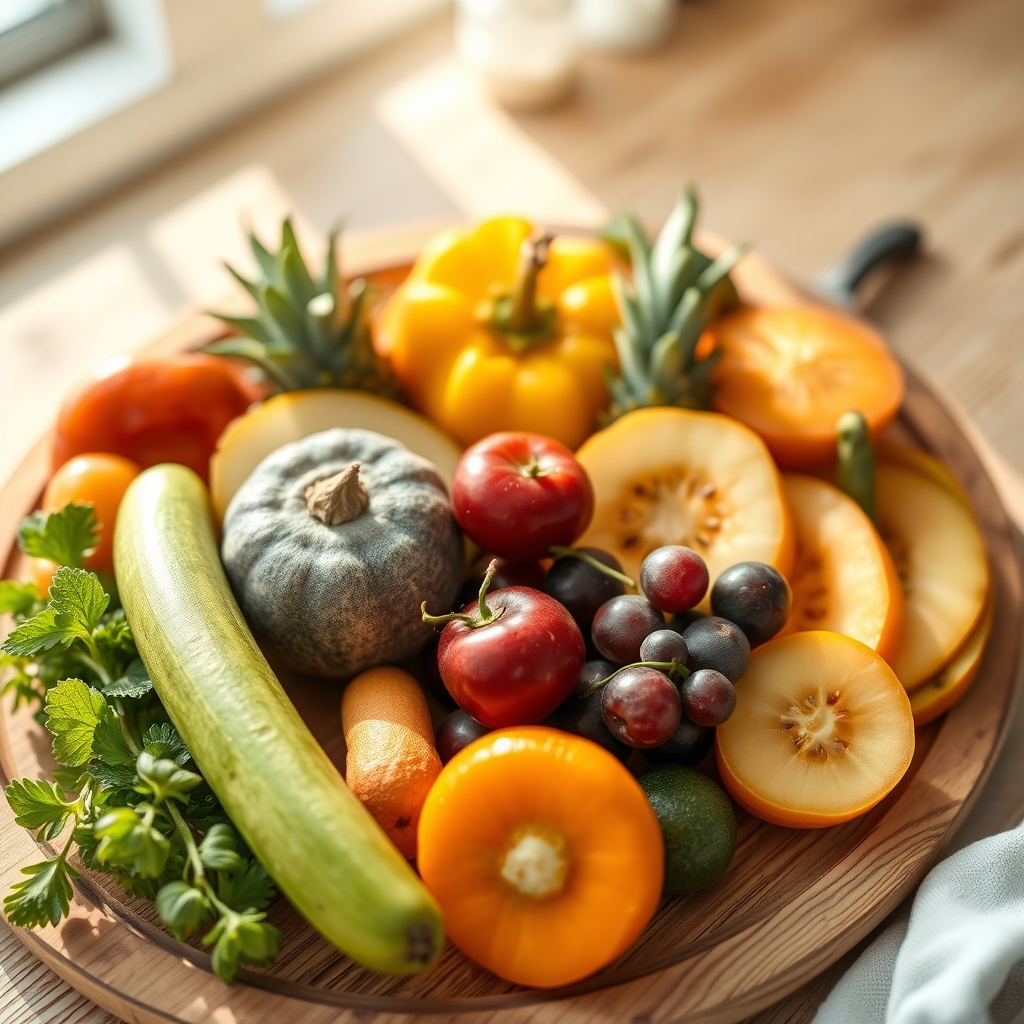
Choosing fresh, low‑fat foods can keep your gallbladder calm and reduce upper‑right discomfort.
Why does upper right abdominal pain happen after eating during pregnancy?
Post‑meal pain is often a sign that the gallbladder or liver is being stressed. Fatty meals stimulate the gallbladder to contract, and if a stone is present, that contraction can cause a sudden, sharp ache. Additionally, a large, high‑fat dinner can increase bile production, leading to temporary bile‑duct irritation.
To minimize post‑meal pain:
Limit fat to less than 30 % of total calories per meal.
Include a source of protein that is lean (chicken, fish, tofu) and pair it with fiber‑rich carbs (whole‑grain bread, quinoa).
Finish meals with a small piece of fruit or a glass of water to aid digestion.
Avoid lying down flat for at least an hour after eating; a gentle upright position helps gravity move food through the stomach.
If pain persists despite these changes, an ultrasound can determine whether gallstones or biliary sludge are the culprits.
When should I call a doctor for upper right abdominal pain in pregnancy?
Knowing the difference between “watch‑and‑wait” and “call‑now” can reduce anxiety and protect your health. Contact your obstetrician, midwife, or go to the emergency department if you notice any of the following:
Symptom
Why it matters
Sudden, severe pain (sharp, stabbing)
Possible gallbladder attack, liver complication, or ectopic pregnancy
Fever ≥ 100.4 °F (38 °C)
Infection such as cholecystitis or hepatitis
Yellowing of skin or eyes (jaundice)
Elevated bilirubin indicating liver or bile duct blockage
Vomiting blood or material that looks like coffee grounds
Upper GI bleed, requires urgent care
Persistent nausea preventing fluid intake
Risk of dehydration and electrolyte imbalance
Bleeding or spotting with pain
Potential ectopic pregnancy or miscarriage
Shoulder pain or shortness of breath
Referred pain from diaphragmatic irritation or internal bleeding
For any pain that lasts longer than a few hours, worsens, or is accompanied by the above signs, a prompt call or visit is warranted. Even if you’re unsure, a quick phone triage with your provider can provide peace of mind.
Could upper right abdominal pain be related to liver issues in pregnancy?
The liver plays a central role in metabolism and hormone processing during pregnancy. While most liver‑related pain is mild, certain conditions require close monitoring.
Intrahepatic cholestasis of pregnancy (ICP)
ICP typically appears in the second or third trimester and is characterized by intense itching and a mild right‑upper‑quadrant discomfort. Blood tests reveal elevated bile acids, and the condition increases the risk of preterm birth. Treatment often involves ursodeoxycholic acid, a medication deemed safe in pregnancy.
HELLP syndrome
HELLP (Hemolysis, Elevated Liver enzymes, Low Platelet count) is a severe form of pre‑eclampsia. Upper‑right pain can be a key symptom, accompanied by high blood pressure, swelling, and nausea. This is a medical emergency that requires immediate hospitalization.
Viral hepatitis
Hepatitis A, B, or C infections can cause upper‑right pain, fever, and jaundice. Pregnant people with hepatitis should be under specialist care to manage both maternal health and fetal risk.
If you have a history of liver disease, your obstetric team will likely schedule more frequent liver function tests and ultrasounds to monitor any changes.
Upper right abdominal pain in the third trimester: what changes?
By the third trimester, the uterus has risen into the chest cavity, pushing the liver upward and sometimes compressing the gallbladder. The shift can intensify previously mild discomfort or generate new sensations.
Increased pressure on the liver. The enlarged uterus stretches the liver capsule, leading to a dull ache that may be mistaken for indigestion.
Gallstone risk peaks. Bile stasis is most pronounced later in pregnancy, making gallstone attacks more common.
Pre‑eclampsia screening. Routine blood pressure checks and urine protein tests help catch early signs that can manifest as upper‑right pain.
Management remains similar—focus on low‑fat meals, stay hydrated, and keep moving—but doctors may be more proactive with ultrasounds if pain is persistent. In some cases, a second‑trimester cholecystectomy (if needed) is preferred over waiting until after delivery, as surgery later in pregnancy carries higher risk of preterm labor.
Additional considerations: gallstones, preeclampsia, diet, and constipation
Upper right abdominal pain and gallstones
Gallstones affect roughly 10‑15 % of pregnant people, and symptoms include sudden, intense pain after fatty meals, nausea, and sometimes fever. An abdominal ultrasound is the first‑line diagnostic tool. If a stone blocks the common bile duct, endoscopic retrograde cholangiopancreatography (ERCP) may be performed safely in the second trimester.
Upper right abdominal pain and preeclampsia
While preeclampsia is classically linked to hypertension and swelling, the “HELLP” variant often presents with right‑upper‑quadrant pain. Blood pressure readings ≥ 140/90 mmHg after 20 weeks, coupled with liver enzyme elevation, signal the need for urgent evaluation.
Diet recommendations to reduce discomfort
Limit saturated fats and avoid fried foods.
Incorporate omega‑3 rich fish (cooked, low‑mercury) to support liver health.
Eat antioxidant‑rich foods like berries, leafy greens, and citrus to aid liver detoxification.
Choose whole‑grain carbs that keep blood sugar stable and reduce gallbladder strain.
Upper right abdominal pain versus non‑pregnant baseline
In non‑pregnant adults, upper‑right pain often points directly to gallbladder disease or liver pathology. Pregnancy adds hormonal and mechanical layers, meaning the same pain can be milder or have a different trigger. Therefore, a symptom that would be alarming in a non‑pregnant person may be “normal” in pregnancy, but the converse is also true—pregnancy can mask serious conditions, making vigilance essential.
Treatment options
For mild, non‑emergent pain, the first line is lifestyle modification and acetaminophen. If an ultrasound confirms gallstones, options include:
Conservative management (diet, observation) if stones are small and asymptomatic.
Endoscopic removal (ERCP) if a stone blocks the bile duct.
Laparoscopic cholecystectomy, typically scheduled in the second trimester.
For liver‑related issues, treatment follows the specific diagnosis: ursodeoxycholic acid for ICP, antihypertensives (e.g., labetalol) for preeclampsia, or antiviral therapy for hepatitis under specialist guidance.
From our medical team: Upper‑right abdominal pain can feel alarming, but most cases are manageable with simple dietary tweaks and safe over‑the‑counter pain relief. If you notice any red‑flag signs—especially fever, jaundice, or sudden severe pain—don’t wait. Contact your provider promptly; early assessment protects both you and your baby.
Is upper right abdominal pain safe in the second trimester?
The second trimester is often called the “golden window” because many early‑pregnancy symptoms, such as nausea, have eased and the risk of miscarriage drops. However, the hormonal environment that relaxes smooth muscle continues to affect the gallbladder and bile ducts, so new or worsening upper‑right pain can still arise.
Most second‑trimester discomfort is still linked to gallbladder irritation or the mechanical pressure of a growing uterus. If the pain is intermittent, mild, and improves after a change in position, it is usually benign. Persistent, sharp pain that wakes you at night, especially after a fatty meal, should be evaluated with an ultrasound to rule out gallstones or biliary sludge.
Because the second trimester also marks the time when many providers feel comfortable performing necessary imaging or even surgery, early detection of a gallbladder problem can lead to a safe, scheduled laparoscopic cholecystectomy if needed. This proactive approach often avoids emergency surgery later in pregnancy.
Choosing a balanced, low‑fat meal in the second trimester can keep the gallbladder calm and reduce upper‑right aches.
Can certain supplements cause upper right abdominal pain in pregnancy?
While prenatal vitamins are essential for fetal development, a few ingredients can occasionally irritate the upper abdomen. Iron supplements, for example, are notorious for causing constipation and stomach upset, which may radiate to the right side when the colon becomes backed up.
Vitamin C in high doses (over 2,000 mg per day) can increase stomach acidity, potentially worsening reflux that feels like upper‑right pressure. Omega‑3 fish oil capsules, though beneficial for fetal brain development, sometimes cause mild indigestion if taken on an empty stomach.
If you suspect a supplement is contributing to your discomfort, try taking it with a snack, splitting the dose, or switching to a different formulation (e.g., a chewable vitamin). Always discuss any changes with your obstetrician, as they can recommend a brand that balances nutrient needs with gastrointestinal tolerance.
How does posture affect upper right abdominal pain during pregnancy?
Posture plays a surprisingly big role in how abdominal discomfort is perceived. As the uterus expands, slouching or leaning forward can compress the liver and gallbladder, intensifying any existing ache. Conversely, an upright posture with shoulders back opens the diaphragm and reduces pressure on the upper abdomen.
Simple posture adjustments—such as using a lumbar support pillow while seated, standing with weight evenly distributed on both feet, and avoiding prolonged periods of lying flat—can alleviate daily discomfort. Prenatal physical therapists often teach “neutral spine” techniques that keep the pelvis in alignment, which many women report reduces both lower‑back and upper‑right pain.
If you notice that pain spikes after long periods of screen time or reading in bed, try a short walk or a gentle stretch every 30 minutes. These micro‑breaks help keep blood flow moving and prevent the organs from being pressed together for too long.
Myth vs. fact
Myth: Any belly ache during pregnancy means something is wrong.
Fact: Mild, intermittent discomfort is common as the uterus expands and hormones relax muscles. Only pain that is severe, sudden, or paired with concerning symptoms warrants urgent care.
Myth: You should avoid all pain medication for fear of harming the baby.
Fact: Acetaminophen is considered safe throughout pregnancy when used at the recommended dose. NSAIDs are avoided after 20 weeks, but short‑term use earlier in pregnancy may be okay under medical guidance.
Fact: Many gallstones remain silent. If they cause pain, doctors first try dietary changes and, if needed, minimally invasive procedures—surgery is reserved for persistent or complicated cases.
Key takeaways
Most upper‑right abdominal pain in early pregnancy is mild and linked to hormonal changes.
Sudden, severe pain, fever, jaundice, or bleeding should prompt an immediate call to your provider.
Low‑fat, high‑fiber meals, hydration, and gentle movement are the safest first‑line relief strategies.
Acetaminophen is the preferred pain reliever; avoid NSAIDs after 20 weeks unless advised otherwise.
Gallstones, liver issues, and, rarely, ectopic pregnancy can cause upper‑right pain—ultrasound is the key diagnostic tool.
Regular prenatal check‑ups help monitor for pre‑eclampsia and other liver‑related complications.
Consider posture, supplement type, and second‑trimester timing when evaluating new or worsening pain.
Frequently asked questions
Can upper right abdominal pain be a sign of a serious problem during pregnancy?
Yes—if the pain is sudden, intense, or comes with fever, jaundice, vomiting blood, or bleeding, it could indicate gallbladder disease, liver trouble, or an ectopic pregnancy and requires prompt medical attention.
What are the common causes of upper right abdominal pain in the first trimester?
Typical causes include hormonal relaxation of the gallbladder, early gallstone formation, digestive slowdown leading to gas, and, rarely, an ectopic pregnancy that radiates pain to the upper abdomen.
Is it safe to take pain relievers for upper right abdominal pain while pregnant?
Acetaminophen (paracetamol) is considered safe throughout pregnancy when used as directed. NSAIDs such as ibuprofen should be avoided after 20 weeks unless your provider specifically recommends them.
When should I contact my doctor about upper right abdominal pain in pregnancy?
Reach out if you experience sharp or worsening pain, fever, jaundice, vomiting blood, significant nausea that prevents hydration, or any vaginal bleeding alongside the discomfort.
Can gallbladder issues cause upper right abdominal pain during pregnancy?
Yes—gallstones or biliary sludge can trigger colicky pain, especially after fatty meals. An abdominal ultrasound can confirm the diagnosis, and treatment ranges from dietary management to, in some cases, surgery.
How does upper right abdominal pain differ from normal pregnancy discomfort?
Normal pregnancy aches are usually dull, mild, and improve with rest or position changes. Pain that is sharp, persistent, or accompanied by systemic signs (fever, jaundice, bleeding) is not typical and should be evaluated.
Do prenatal vitamins ever cause upper right abdominal pain?
High‑dose iron or vitamin C can irritate the stomach and lead to reflux that feels like upper‑right pressure. Taking supplements with food, splitting doses, or switching to a gentler formulation often helps.
Can changing my posture really reduce upper right pain?
Yes—maintaining an upright, neutral spine reduces pressure on the liver and gallbladder. Simple adjustments like lumbar pillows, standing breaks, and avoiding prolonged lying flat can make a noticeable difference.
When to call your doctor
If you notice any of the following, seek medical care right away: sudden sharp pain, fever, yellow skin or eyes, vomiting blood, heavy bleeding, severe nausea preventing fluid intake, shoulder pain, or a rapid heartbeat. These signs may point to an urgent condition and need professional assessment.
This article provides general information and is not a substitute for personalized medical advice. Always discuss your symptoms and treatment options with your healthcare provider.
References
American College of Obstetricians and Gynecologists (ACOG). “Management of Gallbladder Disease in Pregnancy.” Clinical Guidance, 2023.
National Health Service (NHS). “Upper‑Right Quadrant Pain in Pregnancy.” Patient Information, 2022.
Centers for Disease Control and Prevention (CDC). “Pregnancy‑Related Liver Disorders.” Health Topics, 2023.
World Health Organization (WHO). “Intrahepatic Cholestasis of Pregnancy.” Technical Guidelines, 2021.
Society for Maternal‑Fetal Medicine (SMFM). “HELLP Syndrome: Diagnosis and Management.” Clinical Consensus, 2022.
Mayo Clinic. “Gallstones and Pregnancy.” Patient Care Articles, 2023.
Royal College of Obstetricians and Gynaecologists (RCOG). “Ectopic Pregnancy.” Green‑Top Guidelines, 2022.
U.S. Food and Drug Administration (FDA). “Acetaminophen Use in Pregnancy.” Drug Safety Updates, 2022.
National Institute for Health and Care Excellence (NICE). “Management of Constipation in Pregnancy.” Clinical Guideline, 2021.
American College of Obstetricians and Gynecologists (ACOG). “Prenatal Vitamin Recommendations.” Committee Opinion, 2022.
National Health Service (NHS). “Posture and Pregnancy Discomfort.” Lifestyle Advice, 2023.
Not sure about the label on Upper Right Abdominal Pain Pregnancy products?
Snap the ingredients list and SafeFilter checks every ingredient for your stage — only 3 free scans this month, then you're locked until reset. Unlimited from $7/mo or lock $50/yr through Aug 31 (5 days left).
When Shubhra Mishra was expecting her first child in 2016, she was overwhelmed by conflicting food advice — one site said yes, another said never. By the time her second baby arrived in 2019, she realized millions of mothers face the same confusion.
That sparked a five-year journey through clinical nutrition papers, cultural diets, and expert conversations — all leading to BumpBites: a calm, compassionate space where science meets everyday motherhood.
Her long-term vision is to build a global community ensuring safe, supported, and free deliveriesfor every mother — because no woman should face pregnancy alone or uninformed. 🌿
🌍 Stand with mothers, shape safer guidance
Join a small circle of experts who review BumpBites articles so expecting parents everywhere can decide with confidence.