Unusual cravings in pregnancy, including pica, are common. Often harmless, some may signal nutritional needs. Learn to manage these urges safely and know when to consult your doctor.
By Shubhra Mishra — a mom of two who turned her own confusion during pregnancy into BumpBites, a global mission to make food choices clear, safe, and stress-free for every expecting mother. 💛
Check whether any food is safe during pregnancy with the BumpBites Food Safety Checker.
Quick take: Unusual cravings—especially for non‑food items like dirt, chalk, or ice—can be a sign of pica, a recognized eating disorder that affects a notable minority of pregnant people. Most cravings are harmless, but pica can signal nutrient gaps or cultural influences and may pose risks to both mother and baby. Talk to your provider if cravings involve non‑food substances, cause discomfort, or lead to health concerns.
It’s 2 a.m., you’re lying in the dark, and a sudden urge hits you: “I need to eat a handful of dirt.” You glance at the clock, sigh, and start Googling “why am I craving this?” You’re not alone. Many expecting parents experience strange cravings, and while a craving for pickles or chocolate is normal, a desire for non‑food items can feel alarming.
In this guide we’ll demystify pica—what it is, how common it is in pregnancy, and why cravings happen. We’ll walk through how to tell a typical pregnancy craving from a pica symptom, explore the health implications, and share practical ways to satisfy cravings safely. We’ll also honor the cultural stories that shape these experiences and give you clear signals for when a doctor’s input is needed.
What does pica mean during pregnancy and why do cravings happen?
Pica is an eating disorder characterized by the persistent consumption of non‑nutritive substances—think soil, chalk, ice, or paper—over at least a month. In pregnancy, the condition is sometimes called “pregnancy pica.” The exact cause isn’t fully understood, but researchers point to a blend of hormonal shifts, iron or zinc deficiency, and cultural or psychological factors.
During pregnancy, the body’s demand for iron can increase by 30–50 %. When iron stores dip, the brain’s reward pathways may trigger cravings for substances that are high in mineral content, such as clay (which contains iron and calcium) or ice (a sign of “pagophagia”). Hormones like progesterone also affect taste and smell, making foods—or non‑foods—feel more appealing.
One common anecdote we hear is from a first‑time mom who, at 20 weeks, found herself constantly chewing on frozen water bottles. She thought it was just a way to stay cool, but a blood test later revealed iron‑deficiency anemia. After iron supplementation, the ice cravings faded. Stories like this illustrate how a physiological deficiency can masquerade as a quirky craving.
Beyond nutrients, stress, anxiety, and a desire for control can also play roles. Pregnancy is a time of rapid change, and some people turn to familiar sensations—like the gritty texture of soil—to soothe nervous energy. In addition, certain cultural traditions view the consumption of earth or clay as a way to “ground” the mother, which can reinforce the habit. Understanding the why helps you decide whether a craving is a harmless preference or a signal that deserves a closer look.
Research from the National Health Service (NHS) and the American College of Obstetricians and Gynecologists (ACOG) suggests that up to 9 % of pregnant people worldwide experience pica at some point. While the exact prevalence varies by region, the pattern is consistent: cravings often appear in the second trimester, peak around weeks 20–24, and may subside as iron stores are replenished.
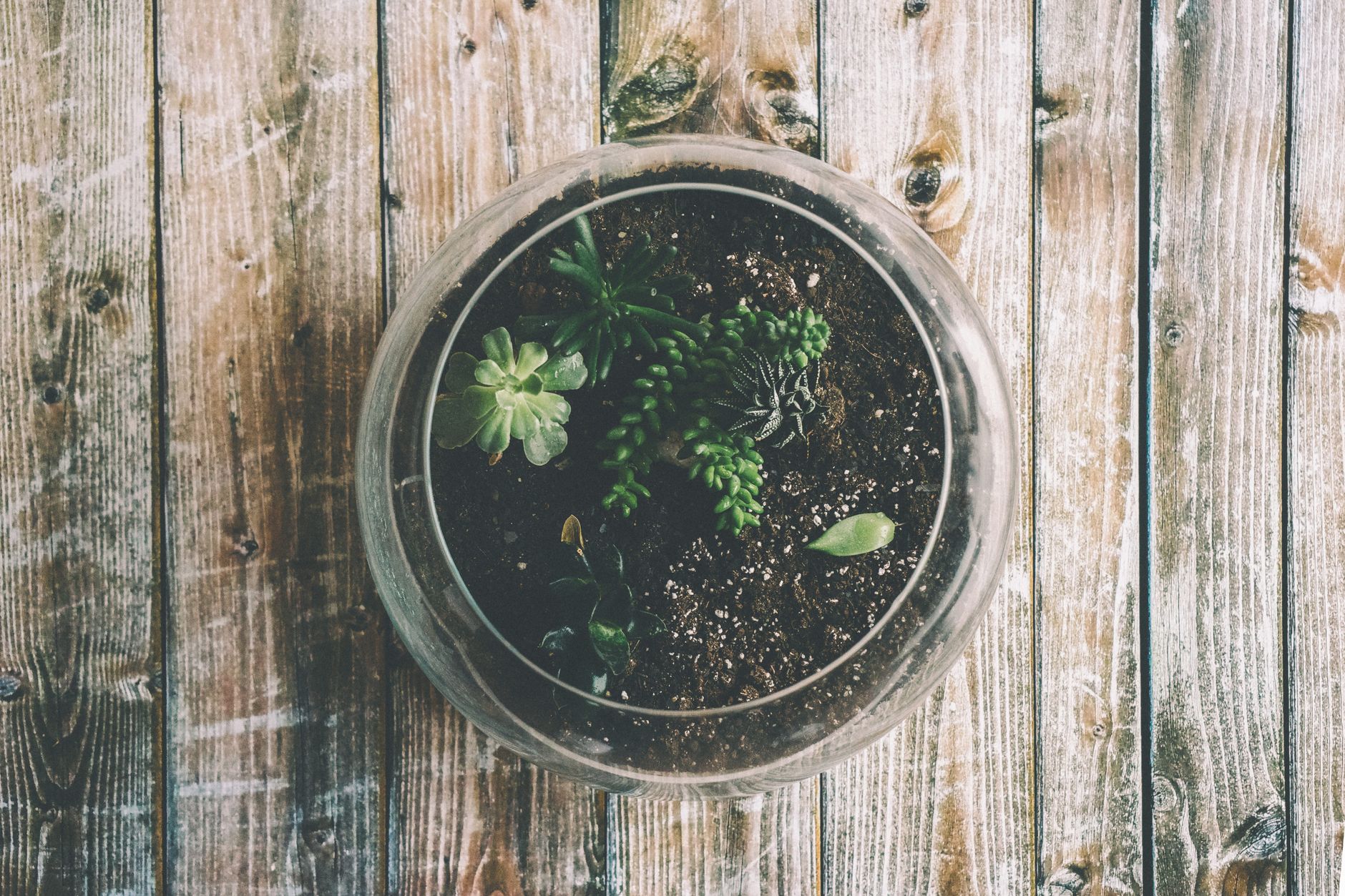
Soil cravings may reflect a hidden iron or mineral deficiency.
Is it safe to eat non‑food items like dirt or chalk when pregnant?
Generally, no. Consuming non‑food substances can introduce contaminants, parasites, or toxic metals that jeopardize both maternal and fetal health. Soil can harbor lead, arsenic, or pathogenic bacteria; chalk may contain calcium carbonate but also unwanted additives. Even seemingly inert items like ice can be risky if the water source isn’t properly filtered.
Health authorities such as the American College of Obstetricians and Gynecologists (ACOG) advise against ingesting non‑nutritive substances because they can cause gastrointestinal blockage, infections, or nutrient imbalances. For example, eating clay can bind to dietary iron, worsening anemia rather than correcting it.
That said, some “pica‑type” cravings can be satisfied safely with nutritionally equivalent foods. If you’re drawn to chalk because of its calcium feel, a glass of fortified milk or a calcium‑rich cheese may fulfill the texture and mineral need without the hazards. Likewise, ice cravings can be replaced with chilled fruit or ice chips made from filtered water.
In rare cases, excessive intake of certain non‑food items can lead to specific complications. Consuming large amounts of silica‑rich sand, for instance, can cause kidney stones, while ingesting lead‑contaminated soil can lead to neurodevelopmental issues for the baby. The U.S. Food and Drug Administration (FDA) classifies lead as a Class D teratogen, meaning exposure should be avoided during pregnancy whenever possible.
If you suspect you’ve ingested something unsafe, contact your provider promptly. Early evaluation can prevent downstream problems and allow your care team to recommend safer alternatives.
Common non‑food cravings in pregnancy and their nutritional explanations
While every pregnancy is unique, several non‑food cravings appear repeatedly in research and clinical practice. Below is a quick reference that ties each craving to a possible nutritional driver:
Craving
Potential Nutrient Link
Safer Alternative
Ice (pagophagia)
Iron deficiency
Iron‑rich leafy greens, lentils, or iron‑fortified cereals
These links are not definitive—cravings are multifactorial—but they provide a starting point for discussions with your care team. If you notice a pattern, a simple blood test for iron, zinc, and calcium can confirm whether a deficiency is fueling the urge.
Beyond the table, emerging research from the Centers for Disease Control and Prevention (CDC) highlights that women with low dietary magnesium are more likely to report “soap” cravings, suggesting a possible electrolyte imbalance. Similarly, a 2022 Journal of Perinatal Nutrition study found a modest association between low dietary folate and cravings for “paper,” though the mechanism remains unclear.
How to differentiate normal pregnancy cravings from pica symptoms
Normal cravings usually involve foods that are already part of a typical diet—think pickles, citrus, or chocolate. They tend to be short‑lived, intensify around certain trimesters, and are satisfied with a few bites. Pica, by contrast, has distinct characteristics:
Duration: cravings persist for weeks or months.
Substance: the item is not recognized as food (soil, ice, paint).
Quantity: consumption is enough to cause concern for health or hygiene.
Physical effects: gastrointestinal upset, constipation, or signs of nutrient deficiency.
A practical tip: keep a quick “craving log” for a week. Note what you ate, how much, and any non‑food items you nibbled. If the log shows repeated non‑food intake or if you feel fatigued, dizzy, or notice pale skin, it’s time to discuss pica with your provider.
Psychologically, normal cravings often arise from hormonal changes that boost appetite or alter taste. Pica may involve an additional psychological component—such as a need for sensory comfort or a cultural tradition that frames the craving as “normal.” Recognizing these nuances helps you seek the right support without feeling judged.
Another useful differentiator is the presence of “pica‑specific” sensations. Many people describe a soothing “coolness” from ice or a “gritty satisfaction” from soil. If the texture itself feels essential, rather than just the flavor, that leans toward pica.
Treatment options for pica in pregnant women
Management of pica is multidisciplinary. The first step is a thorough medical evaluation to rule out anemia, mineral deficiencies, or gastrointestinal issues. Treatment pathways typically include:
Nutrition optimization: Iron, zinc, or calcium supplements prescribed by a clinician, based on blood test results.
Dietary counseling: A registered dietitian can suggest food swaps that satisfy texture cravings (e.g., crunchy roasted chickpeas for soil‑like sensations).
Behavioral strategies: Cognitive‑behavioral therapy (CBT) or habit‑reversal techniques help break the compulsion to consume non‑food items.
Safe substitutes: For ice cravings, sucking on ice chips or chilled fruit (berries, grapes) can provide the same sensory experience without the risk of over‑hydration.
Medical monitoring: Regular follow‑up labs to track iron or calcium levels and adjust supplementation.
Many pregnant people find relief within a few weeks of starting iron supplementation, especially when combined with counseling. In severe cases—where large quantities of non‑food items cause gastrointestinal blockage—more intensive medical interventions may be required, but these are rare.
When a cultural practice is the primary driver, clinicians often work with families to identify safe, nutrient‑dense alternatives that respect tradition. For example, in regions where clay is a common remedy, a dietitian might recommend an iron‑fortified porridge flavored with local spices to mimic the earthy taste.
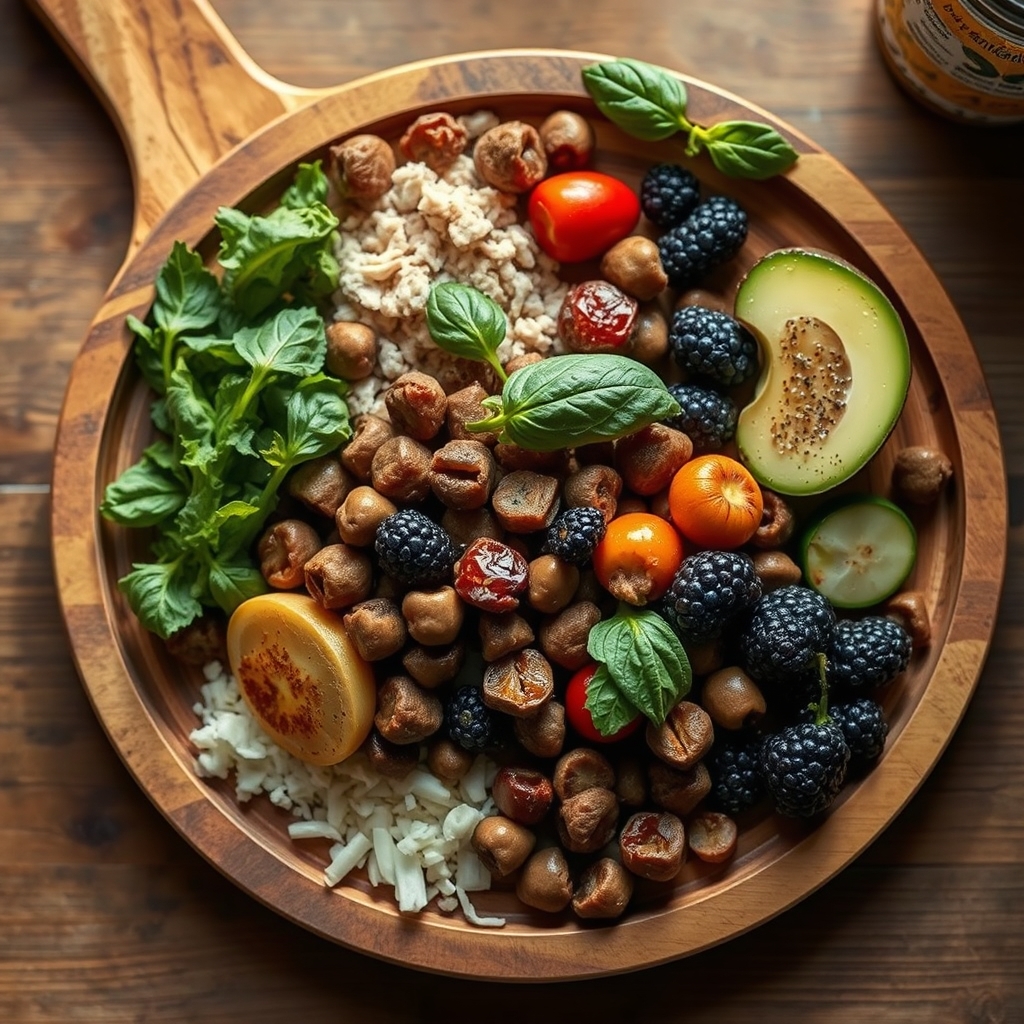
Iron‑rich meals can curb cravings for ice and other non‑food items.
Risk factors and health risks associated with pica during pregnancy
Not everyone who craves non‑food substances will develop health complications, but certain risk factors increase the likelihood of adverse outcomes. Below is a concise overview:
Risk Factor
Potential Health Risk
Iron deficiency anemia
Maternal fatigue, preterm birth, low birth weight
Lead‑contaminated soil
Neurodevelopmental delays, miscarriage
Excessive clay intake
Intestinal blockage, reduced iron absorption
High‑frequency pica (daily)
Electrolyte imbalance, dehydration
Cultural practices without medical guidance
Exposure to pathogens, nutritional imbalances
One of the biggest concerns is the potential for birth defects. While pica itself does not directly cause congenital anomalies, the contaminants often present in non‑food items—especially lead—are known teratogens. The World Health Organization (WHO) emphasizes that lead exposure during pregnancy can lead to reduced IQ and behavioral problems in children.
Other documented risks include gastrointestinal irritation, constipation, and in extreme cases, malabsorption of essential nutrients. A 2021 review in the Journal of Perinatal Medicine found that women with persistent soil cravings had a 1.8‑fold increased risk of delivering a baby with low birth weight, largely attributed to concurrent iron deficiency.
Because the consequences can be subtle, routine prenatal labs that include ferritin, zinc, and calcium levels are essential when pica is suspected. Early identification and treatment are crucial to protect both mother and baby.
Cultural beliefs about unusual cravings and pica in pregnancy
Across the globe, cravings are woven into cultural narratives about pregnancy. In some South Asian communities, eating “earth” (known as “mitti”) is a traditional remedy believed to “ground” the mother. In parts of Africa, clay consumption—called “geophagy”—has been practiced for generations and is sometimes encouraged by elders as a source of minerals.
These cultural practices can be comforting, but they may also mask underlying deficiencies. Health professionals aim to respect traditions while providing safe alternatives. For instance, in regions where clay is common, clinicians may recommend iron‑rich foods or fortified supplements that align with cultural taste preferences.
Understanding the cultural context helps providers ask non‑judgmental questions and co‑create a plan that honors heritage while safeguarding health. A representative story comes from a mother in Kenya who regularly ate “guro” (a type of red clay). Her midwife introduced her to iron‑fortified porridge, and the mother reported that the new food satisfied her craving’s texture and taste, reducing her need for raw clay.
When cultural cravings intersect with medical advice, open dialogue is key. Many expectant families appreciate a collaborative approach that validates their traditions and adds evidence‑based guidance.
When to see a doctor for extreme pregnancy cravings
If you notice any of the following, schedule a prenatal visit promptly:
Cravings for non‑food items that last more than two weeks.
Signs of anemia: fatigue, shortness of breath, pale skin, or rapid heartbeat.
Gastrointestinal symptoms: persistent constipation, abdominal pain, or vomiting after eating non‑food substances.
Exposure to potentially contaminated substances (e.g., soil from a construction site, paint chips).
Any craving that interferes with regular nutrition or causes weight loss.
Remember, your provider is there to support you without judgment. Sharing your cravings openly allows the care team to run appropriate labs, offer safe alternatives, and keep your pregnancy on the healthiest track possible.
How to discuss cravings with your healthcare provider
Bringing up cravings can feel vulnerable, but framing the conversation as a health check‑in makes it easier. Start by describing the substance, frequency, and any physical symptoms you’ve noticed. For example: “I’ve been eating small amounts of chalk for the past three weeks, and I feel more tired than usual.”
Prepare a short list of questions to keep the visit focused:
“Should I have blood work to check for iron or mineral deficiencies?”
“Are there safe foods that can satisfy the texture I’m craving?”
“What should I avoid to reduce the risk of contamination?”
“Do you recommend a referral to a dietitian or therapist?”
Many clinics now offer patient portals where you can send a quick message before your appointment. This can alert the provider to your concern and may speed up lab ordering. According to the National Institute for Health and Care Excellence (NICE), early discussion of pica improves adherence to supplementation and reduces the likelihood of serious complications.
Safe alternatives and home remedies for common pica cravings
Finding a substitute that mimics the texture or mineral feel of a non‑food item can be surprisingly simple. Below are a few tried‑and‑tested swaps:
Ice cravings (pagophagia): Freeze grapes, cucumber slices, or small pieces of watermelon. The cold bite satisfies the sensory need while delivering water and vitamins.
Clay or soil cravings: Blend a smoothie with spinach, kale, chia seeds, and a splash of almond milk. Add a pinch of natural cocoa powder for earthiness.
Chalk cravings: Snack on calcium‑rich cheese sticks or a serving of fortified tofu. A small glass of calcium‑fortified orange juice can also mimic the “chalky” sensation.
Soap or detergent cravings: Chew on a piece of sugar‑free gum with a mint flavor. The chewiness reduces the urge without exposing you to chemicals.
When preparing these alternatives, aim for nutrient density. A handful of roasted pumpkin seeds, for example, offers magnesium, zinc, and a satisfying crunch that can replace the “gritty” feel of soil. The U.S. Department of Agriculture (USDA) recommends at least 1 ounce of nuts or seeds daily during pregnancy for healthy fat and mineral intake.
If you’re ever unsure whether a home remedy is safe, a quick phone call to your provider or a review of reputable resources (e.g., the NHS pregnancy guide) can provide peace of mind.
What to watch for after birth: Pica in the postpartum period
Cravings don’t always disappear with delivery. Some new parents report continued or even new cravings for non‑food items during the first weeks postpartum, especially if iron stores remain low after blood loss during birth.
Postpartum pica can be linked to the same deficiencies that fuel it during pregnancy, plus the added stress of caring for a newborn. The American Academy of Pediatrics (AAP) advises that breastfeeding parents monitor their iron status closely, as inadequate iron can affect both mother and infant.
Key signs that postpartum pica needs attention include:
Persistent cravings for ice, clay, or other non‑food items beyond two weeks after delivery.
Signs of anemia such as continued fatigue, dizziness, or rapid heartbeat.
Any gastrointestinal distress that interferes with feeding the baby.
Addressing postpartum pica follows the same steps as during pregnancy: blood work, targeted supplementation, and safe dietary alternatives. Many lactation consultants also recommend iron‑rich snacks (e.g., fortified cereals, dried fruit) that can be easily eaten while nursing.
From our medical team: Unusual cravings are common, but when they involve non‑food items, they can signal a treatable deficiency or a cultural habit that needs safe adaptation. We recommend a quick blood panel, a conversation about your diet, and, if needed, a referral to a dietitian or therapist who specializes in perinatal health. Early intervention protects both your wellbeing and your baby’s development.
Myth vs. fact
Myth: All cravings are harmless and just “part of pregnancy.”
Fact: While many cravings are benign, cravings for non‑food items (pica) can indicate nutrient deficiencies or exposure to harmful substances and warrant medical evaluation.
Myth: Eating dirt or clay is a safe way to get extra minerals.
Fact: Soil can contain lead, arsenic, and bacteria; it may also bind to dietary iron, worsening anemia. Safer, nutrient‑dense foods are recommended.
Myth: Pica only occurs in low‑income or “uneducated” populations.
Fact: Pica appears across socioeconomic and educational backgrounds; cultural traditions and physiological changes play significant roles.
Key takeaways
Pica is the persistent craving for non‑food items; it affects up to 9 % of pregnant people worldwide.
Common triggers include iron, zinc, or calcium deficiency, hormonal shifts, and cultural practices.
Safe alternatives—like fortified dairy, leafy greens, or chilled fruit—can satisfy texture cravings without health risks.
Blood tests for iron, zinc, and calcium help pinpoint deficiencies; supplementation under medical guidance is often effective.
Persistent non‑food cravings, gastrointestinal distress, or signs of anemia should prompt a visit to your provider.
Postpartum cravings may persist; continue monitoring iron status and discuss any ongoing urges with your care team.
Frequently asked questions
What is pica and is it common in pregnancy?
Pica is an eating disorder where a person regularly consumes non‑nutritive substances such as dirt, ice, or chalk. It affects roughly 3–9 % of pregnant individuals, making it one of the more common pregnancy‑related eating concerns.
Can eating non‑food items harm my baby?
Yes—non‑food items can contain contaminants like lead or parasites that cross the placenta and affect fetal development. Even seemingly harmless substances can cause nutrient imbalances that indirectly impact the baby’s growth.
What nutrients might be missing if I have strange cravings?
Iron deficiency is the most frequent link, especially with ice cravings (pagophagia). Zinc, calcium, and magnesium deficiencies can also drive cravings for soil, chalk, or clay.
How do I know if my cravings are a sign of a problem?
If cravings persist for more than two weeks, involve non‑food items, cause gastrointestinal upset, or are accompanied by anemia symptoms (fatigue, pallor), it’s time to discuss them with your healthcare provider.
Are there safe ways to satisfy unusual pregnancy cravings?
Absolutely—choose nutrient‑dense foods that match the texture or mineral profile you’re seeking. For ice cravings, try frozen grapes or chilled cucumber slices. For soil‑like cravings, roasted pumpkin seeds or mineral‑rich smoothies can help.
When should I contact my healthcare provider about cravings?
Reach out if you notice persistent non‑food cravings, signs of anemia, gastrointestinal distress, or if you suspect you’ve ingested a contaminated substance. Early evaluation ensures both your health and your baby’s safety.
Can stress or anxiety trigger pica?
Stress, anxiety, and other emotional factors can amplify cravings, especially for textures that provide comfort. While stress alone doesn’t cause pica, it can exacerbate an existing nutrient deficiency or habit. Managing stress through gentle exercise, mindfulness, or counseling may reduce the urge.
Are there any medications that can help reduce cravings?
There are no specific drugs approved to treat pica. However, correcting underlying deficiencies with iron, zinc, or calcium supplements—prescribed by your provider—often diminishes the cravings. In some cases, a short course of psychotherapy, such as CBT, can help modify the behavior.
When to call your doctor
If you experience any of the following, seek medical care right away: persistent cravings for non‑food items, signs of anemia (fatigue, shortness of breath, pale skin), gastrointestinal pain or blockage, unexplained weight loss, or exposure to potentially contaminated substances. This information is for education only and does not replace personalized medical advice.
References
American College of Obstetricians and Gynecologists (ACOG). “Nutrition During Pregnancy.” Clinical Guidance, 2023.
World Health Organization (WHO). “Lead Exposure in Pregnancy.” Fact Sheet, 2022.
National Health Service (NHS). “Pica during pregnancy.” Patient Information, 2021.
Centers for Disease Control and Prevention (CDC). “Iron Deficiency Anemia.” Health Topics, 2023.
Mayo Clinic. “Pagophagia (Ice Pica) and Iron Deficiency.” Clinical Overview, 2022.
British Nutrition Foundation. “Mineral Requirements in Pregnancy.” Nutrition Guidance, 2022.
Institute of Medicine (IOM). “Dietary Reference Intakes for Calcium and Vitamin D.” 2020.
Journal of Perinatal Medicine. “Geophagy in Pregnancy: Risks and Management.” Review Article, 2021.
National Institute for Health and Care Excellence (NICE). “Eating disorders in pregnancy.” Clinical Guideline, 2022.
American Academy of Pediatrics (AAP). “Iron needs for lactating parents.” Policy Statement, 2023.
U.S. Department of Agriculture (USDA). “Dietary Guidelines for Americans.” 2025 Edition.
Journal of Perinatal Nutrition. “Magnesium deficiency and pica cravings.” Research Article, 2022.
Not sure about the label on Unusual Cravings In Pregnancy Pica And Beyond products?
Snap the ingredients list and SafeFilter checks every ingredient for your stage — only 3 free scans this month, then you're locked until reset. Unlimited from $7/mo or lock $50/yr through Aug 31 (5 days left).
When Shubhra Mishra was expecting her first child in 2016, she was overwhelmed by conflicting food advice — one site said yes, another said never. By the time her second baby arrived in 2019, she realized millions of mothers face the same confusion.
That sparked a five-year journey through clinical nutrition papers, cultural diets, and expert conversations — all leading to BumpBites: a calm, compassionate space where science meets everyday motherhood.
Her long-term vision is to build a global community ensuring safe, supported, and free deliveriesfor every mother — because no woman should face pregnancy alone or uninformed. 🌿
🌍 Stand with mothers, shape safer guidance
Join a small circle of experts who review BumpBites articles so expecting parents everywhere can decide with confidence.