Flare-ups can feel like a rollercoaster—one minute you’re functional, the next you’re curled up on the couch, wondering if you’ll ever eat a full meal again. The key during a flare-up is to focus on low-residue, low-fiber, and low-FODMAP foods that are gentle on your gut while still providing nutrition. Think of it like feeding a baby bird: soft, easy to digest, and nutrient-dense.
Many women with UC tell us they feel overwhelmed by the sheer number of "don’t eat" lists out there. So let’s flip the script: here’s what to actually stock your fridge and pantry with when you’re in the thick of it:
- Produce: Bananas (ripe), blueberries (frozen), cantaloupe (peeled and seeded), carrots (cooked), potatoes (peeled and mashed), and zucchini (steamed). Avoid high-fiber veggies like broccoli, Brussels sprouts, or corn.
- Proteins: Skinless chicken (boiled or baked), turkey breast, eggs (scrambled or boiled), and white fish like cod or tilapia. Tofu is also a good option if you’re vegetarian.
- Grains: White rice, plain pasta (gluten-free if needed), and oatmeal (certified gluten-free). Avoid whole grains, bran, or nuts during flare-ups.
- Dairy: Only if tolerated—opt for lactose-free milk, yogurt, or cheese. Many with UC have lactose intolerance, so test small amounts first.
- Fats: Olive oil, avocado oil, and butter (in moderation). Avoid fried or greasy foods.
- Snacks: Applesauce (unsweetened), plain crackers, and rice cakes. Skip anything with seeds or high-fiber additives.
Pro tip: Cook everything thoroughly. Steaming, boiling, or baking removes more irritants than raw eating. And if you’re feeling really rough, liquid nutrition can be a lifesaver—think bone broth, smoothies with low-FODMAP ingredients, or even AIP-friendly soups.
---
Best foods to avoid with ulcerative colitis: the silent triggers hiding in your pantry
Knowing what to avoid can feel like navigating a minefield, especially when you’re used to certain comfort foods. But here’s the hard truth: certain foods can trigger inflammation, bloating, or even bloody stools. The Monash University FODMAP program identifies high-FODMAP foods as the most common culprits for UC flare-ups. These include:
- High-fiber foods: Whole grains (quinoa, bran), raw vegetables (broccoli, cauliflower), and high-fiber fruits (apples, pears, prunes).
- Dairy (unless lactose-free): Milk, cheese (unless hard cheeses like cheddar), and ice cream. Many with UC also react to whey or casein.
- Processed foods: Chips, crackers with seeds, and sauces with garlic or onion (even hidden in ketchup or salad dressings).
- Spicy foods: While not a trigger for everyone, chili peppers, hot sauce, and heavily spiced dishes can irritate the gut lining.
- Carbonated drinks and caffeine: Soda, energy drinks, and even black coffee can worsen symptoms.
- Alcohol: Especially beer and wine, which contain sulfites and can irritate the gut.
One reader described her "aha moment" after tracking her symptoms: "I thought it was stress until I realized every time I had takeout with garlic and onion sauce, I’d wake up at 3 AM with cramps. Now I keep a list of sauces to avoid—even salsa can be a problem for me!"
If you’re curious about dairy-free alternatives, lactose-free or plant-based options like almond milk (certified low-FODMAP) or coconut yogurt can be great substitutes.
---
How to shop for ulcerative colitis diet: your step-by-step grocery strategy
Shopping for UC doesn’t have to be a chore—with the right strategy, you can make it efficient, budget-friendly, and even enjoyable. Here’s how to shop like a pro:
1. Plan ahead (and stick to your list)
Before you even leave the house, spend 10 minutes jotting down what you need. Apps like Mealime or Paprika can help you plan meals for the week based on your UC-friendly grocery list. Pro tip: Batch cook proteins like chicken or rice on Sundays to save time during flare-ups.
2. Read labels like a detective
Hidden triggers are everywhere. Always check for:
- Lactose (even in "lactose-free" products, cross-contamination can be an issue).
- High-fiber additives (like inulin or psyllium husk).
- Garlic, onion, or chive extracts (even in sauces or seasonings).
- Artificial sweeteners like sorbitol or xylitol (high-FODMAP).
If a label has more than 5 ingredients you can’t pronounce, it’s probably not worth the risk.
3. Shop the perimeter (and skip the middle aisles)
The outer edges of the grocery store are where you’ll find fresh produce, lean proteins, and whole grains—all UC-friendly staples. The middle aisles? That’s where processed foods and hidden triggers lurk. Stick to the edges and you’ll naturally avoid many UC triggers.
4. Seasonal is your friend
Seasonal produce is cheaper, fresher, and often lower in pesticides. In summer, prioritize berries, zucchini, and tomatoes (peeled). In winter, think carrots, sweet potatoes, and cabbage (cooked). The Blue Zones diet principles align perfectly with UC-friendly eating—focus on what’s in season and locally grown.
5. Don’t forget the freezer section
Frozen low-FODMAP fruits (like blueberries) and vegetables (like spinach) are a lifesaver. They’re just as nutritious as fresh and can be steamed or blended into smoothies without the risk of spoilage.
---
If you’ve been diagnosed with UC, your doctor may have mentioned the low-FODMAP diet as a tool to manage symptoms. Developed by Monash University, this diet temporarily eliminates fermentable carbohydrates that can trigger gut issues. For many with UC, it’s a game-changer.
Here’s your low-FODMAP grocery list breakdown:
Produce (low-FODMAP picks)
- Carrots, cucumbers, lettuce, spinach, zucchini, and green beans.
- Fruits: bananas, blueberries, grapes, kiwi, oranges, and watermelon.
- Avoid: apples, pears, mangoes, cherries, and high-fiber veggies like Brussels sprouts.
Proteins (low-FODMAP picks)
- Chicken, turkey, pork, lamb, and fish (cod, salmon, tilapia).
- Eggs and tofu.
- Avoid: high-lactose dairy (milk, soft cheeses), processed meats with additives.
Grains (low-FODMAP picks)
- White rice, quinoa (in moderation), gluten-free oats, and plain pasta.
- Avoid: whole grains, wheat, barley, and high-fiber cereals.
Dairy (low-FODMAP picks)
- Lactose-free milk, hard cheeses (cheddar, parmesan), and lactose-free yogurt.
- Avoid: regular milk, soft cheeses (ricotta, cream cheese), and ice cream.
Snacks (low-FODMAP picks)
- Rice cakes, plain crackers, and popcorn (plain, no butter).
- Roasted chickpeas (in moderation).
- Avoid: nuts, seeds, and high-fiber granola bars.
If you’re new to low-FODMAP eating, start with the elimination phase (2–6 weeks) to identify your personal triggers. Then, slowly reintroduce foods to see what works for you. Many find that after a few months, they can tolerate some high-FODMAP foods again.
---
Ulcerative colitis diet grocery list for pregnant women: what to eat for two (and your gut)
Pregnancy and UC can be a tricky combo—you want to nourish your baby while keeping your symptoms under control. The good news? Many UC-friendly foods are also nutrient-dense and pregnancy-approved. The bad news? Some UC triggers (like high-fiber foods) are also recommended for pregnancy (like whole grains). Balance is key.
Here’s what to prioritize:
Essential nutrients for UC + pregnancy
- Folate/Folic Acid: Critical for fetal development. Found in leafy greens (spinach, kale—cooked to reduce oxalates), fortified cereals (low-FODMAP options exist), and supplements.
- Iron: Helps prevent anemia. Opt for lean meats, lentils (in moderation), and iron-fortified low-FODMAP grains.
- Calcium: For bone health. Choose lactose-free milk, fortified almond milk, or hard cheeses like cheddar.
- Omega-3s: Support brain development. Fatty fish like salmon (low-FODMAP) or algae-based supplements.
Grocery list for pregnant women with UC
- Produce: Steamed carrots, zucchini, and spinach (cooked). Avoid high-fiber veggies like broccoli.
- Proteins: Eggs, chicken, turkey, and white fish. Consider Atkins-friendly options if you’re avoiding carbs.
- Grains: White rice, gluten-free oats, and low-FODMAP pasta.
- Dairy: Lactose-free milk, hard cheeses, and yogurt (check for lactose-free labels).
- Snacks: Smoothies with low-FODMAP fruits, rice cakes with almond butter (in moderation), and cucumber slices.
If you’re struggling with nausea, focus on small, frequent meals. Ginger tea (low-FODMAP) can help, and bland foods like toast or crackers are often tolerated better than spicy or greasy options.
Always consult your obstetrician and gastroenterologist before making major dietary changes during pregnancy. Some women find that their UC improves during pregnancy due to hormonal changes, while others experience flare-ups. Either way, staying hydrated and well-nourished is critical.
---
Ulcerative colitis diet grocery list with budget: affordable UC-friendly meals
UC can be expensive—between doctor visits, medications, and specialty foods, the costs add up. But you don’t have to break the bank to eat well. With a little planning, you can create a budget-friendly UC grocery list that keeps your wallet—and your gut—happy.
Here’s how to shop smart:
1. Buy in bulk (but only what you’ll use)
Staples like rice, oats, and canned tuna are cheaper in bulk. Just make sure you’ll eat them before they spoil. Freeze portions if needed.
2. Opt for frozen or canned produce
Frozen berries, spinach, and corn are often cheaper than fresh and just as nutritious. Canned tomatoes (no salt added) are great for sauces.
3. Choose store brands
Many grocery stores have affordable, low-FODMAP-friendly options. Look for plain crackers, rice cakes, and canned beans (low-sodium).
4. Cook at home
Avoid takeout and processed foods, which can be expensive and trigger flare-ups. Batch-cook meals like soups, stews, and casseroles to save time and money.
Budget-friendly UC grocery list
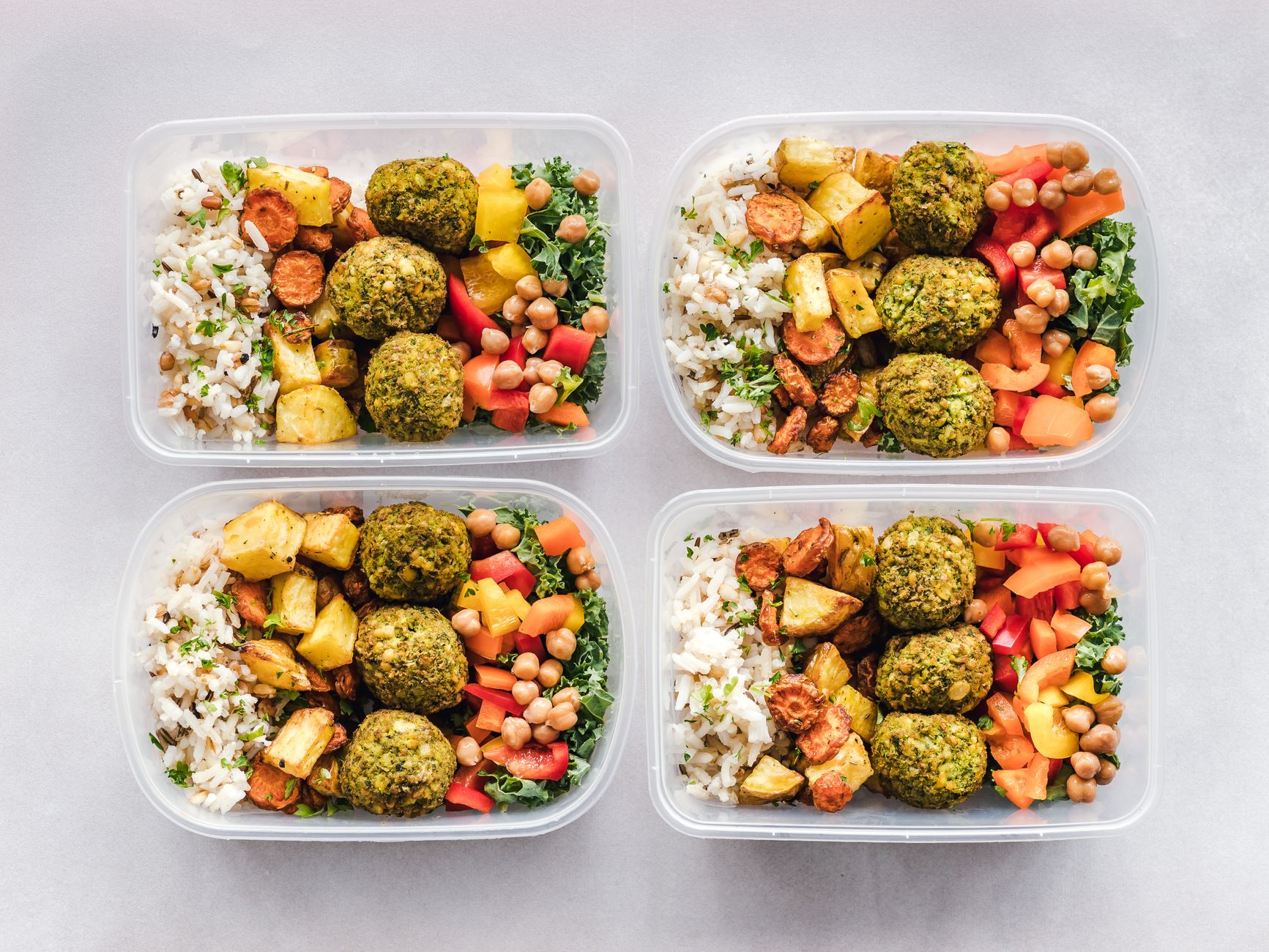
Pro tip: Meal prep Sundays can save you money and stress. Cook a big pot of rice, roast a batch of chicken, and portion out snacks for the week. Label everything so you know what’s safe to eat.
If you’re really stretching your budget, consider community-supported agriculture (CSA) programs or food co-ops, which often offer discounts on fresh, seasonal produce.
---
Ulcerative colitis diet grocery list for children: kid-friendly UC meals
Feeding a child with UC can feel like walking a tightrope—you want them to eat well, but you also don’t want to turn mealtime into a battle. The good news? Many UC-friendly foods are kid-approved (think chicken nuggets, mac and cheese, and smoothies). The challenge is making them nutritious and fun.
Here’s how to approach it:
1. Make meals familiar (but UC-safe)
Kids often resist new foods, so start with UC-friendly versions of their favorites:
- Chicken nuggets: Bake chicken strips with a low-FODMAP breading (gluten-free panko + egg).
- Mac and cheese: Use lactose-free cheese and low-FODMAP pasta.
- Pizza: Make a white pizza with low-FODMAP toppings like cooked spinach or turkey pepperoni.
2. Involve them in cooking
Kids are more likely to eat what they help prepare. Let them wash veggies, stir ingredients, or assemble their own plates (like a DIY taco bar with low-FODMAP fillings).
3. Sneak in nutrients
Blend spinach into smoothies, mix cauliflower into mashed potatoes, or use low-FODMAP sauces (like olive oil and lemon) to make veggies more appealing.
UC-friendly grocery list for kids
- Produce: Steamed carrots, blueberries, bananas, and cucumber slices.
- Proteins: Chicken tenders, turkey meatballs, and fish sticks (low-FODMAP breading).
- Grains: White rice, gluten-free pasta, and low-FODMAP cereals.
- Dairy: Lactose-free milk, hard cheeses, and yogurt (check labels).
- Snacks: Applesauce pouches, rice cakes with almond butter, and popcorn (plain).
If your child is picky, don’t stress—small steps count. Even if they only eat one UC-friendly food a day, that’s progress. And remember, hydration is key. Offer water, herbal teas (like chamomile), or low-FODMAP electrolyte drinks.
If your child’s symptoms worsen despite dietary changes, consult a pediatric gastroenterologist or a dietitian specializing in pediatric UC.
---
Ulcerative colitis diet grocery list for maintenance: keeping your gut happy long-term
Once you’ve weathered a flare-up and found your way back to remission, the goal shifts to maintenance—keeping your gut calm and your energy up without triggering relapses. This is where a balanced, UC-friendly diet becomes your lifelong ally.
Here’s how to build a long-term maintenance grocery list:
1. Focus on anti-inflammatory foods
These foods help reduce gut inflammation and support overall health:
- Leafy greens (spinach, kale), berries, and fatty fish (salmon, mackerel).
- Turmeric, ginger, and garlic (in moderation—some tolerate these better than others).
- Olive oil, avocados, and nuts (in moderation).
2. Reintroduce foods gradually
After a flare-up, you might have to eliminate certain foods. Once you’re stable, slowly reintroduce them to see what your gut can handle. Keep a food diary to track reactions.
3. Prioritize probiotics and prebiotics
Probiotics (like those in lactose-free yogurt or kefir) and prebiotics (found in certain fibers) can help restore gut bacteria. Just be cautious—some probiotics can trigger flare-ups in severe UC.
Maintenance grocery list
4. Stay hydrated and manage stress
Dehydration can worsen UC symptoms, so aim for at least 8 cups of water a day. Stress also plays a role—practice relaxation techniques like deep breathing or yoga to support gut health.
If you’re struggling to maintain remission, your doctor might recommend medications like mesalamine or biologics to keep inflammation in check. Always work with your gastroenterologist to tailor your approach.
---
Ulcerative colitis diet grocery list for seniors: aging with UC
Aging with UC comes with unique challenges—nutrient absorption can change, medications may interact with food, and mobility issues can make cooking harder. But with the right strategy, seniors with UC can enjoy delicious, gut-friendly meals that support both their gut and their overall health.
Here’s how to adapt your grocery list for a senior-friendly UC diet:
1. Prioritize easy-to-prepare meals
If cooking is difficult, focus on:
- Pre-cut veggies (like baby carrots or pre-washed spinach).
- Canned or frozen meals (check labels for low-FODMAP and low-sodium options).
- Meal delivery services that offer UC-friendly options (like HelloFresh or Freshly).
2. Watch for nutrient deficiencies
Seniors with UC are at higher risk for deficiencies in:
- Vitamin B12: Found in eggs, fish, and fortified low-FODMAP cereals.
- Vitamin D: Found in fatty fish, fortified dairy alternatives, and sunlight exposure.
- Calcium: Found in lactose-free milk, almonds (in moderation), and leafy greens.
3. Adjust portion sizes
Appetite may decrease with age, so focus on nutrient-dense foods rather than large portions. Smoothies with low-FODMAP fruits and spinach can be a great way to get extra nutrients.
Seniors’ UC-friendly grocery list
- Produce: Steamed carrots, blueberries, and cucumber slices (pre-cut).
- Proteins: Canned tuna, eggs, and pre-cooked chicken strips.
- Grains: White rice, gluten-free oatmeal, and low-FODMAP crackers.
- Dairy: Lactose-free milk, hard cheeses, and yogurt (check for added sugars).
- Snacks: Applesauce pouches, rice cakes, and popcorn (plain).
If cooking at home is no longer an option, consider meal prep services or community meal programs. Many senior centers offer affordable, nutritious meals tailored to dietary needs.
---
Ulcerative colitis diet grocery list for travel: packing smart for UC on the go
Traveling with UC can feel like a nightmare—unknown foods, limited bathroom access, and the stress of flare-ups. But with the right prep, you can enjoy your trip without gut drama. Here’s how to pack a UC-friendly travel grocery list:
1. Pack a "travel kit"
Include:
- A reusable water bottle (stay hydrated!).
- Low-FODMAP snacks (rice cakes, jerky, nuts—if tolerated).
- Probiotics (if your doctor approves).
- A small cooler with ice packs for perishables.
2. Research UC-friendly restaurants
Before you go, check out Find Me Gluten Free or HappyCow for vegan/UC-friendly options. Many cities now have dedicated UC-friendly menus.
3. Pack easy-to-prepare meals
Bring non-perishable staples like:
- Canned tuna or chicken.
- Low-FODMAP crackers or rice cakes.
- Peanut butter (if tolerated) or almond butter pouches.
- Instant mashed potatoes (just add water).
4. Know your airport/airplane options
Most airlines offer low-FODMAP snacks, but call ahead to confirm. Pack a small bag with your own safe options just in case.
Travel-friendly UC grocery list
Pro tip: Download a UC-friendly app like FODMAP Friendly or HappyCow to scan restaurant menus on the go.
---
Ulcerative colitis diet grocery list for kids vs. adults: what’s different?
Feeding a child with UC versus an adult with UC requires different strategies. Kids have smaller appetites, different taste preferences, and unique nutritional needs. Here’s how to tailor your grocery list:
For kids
- Focus on familiar, fun foods like chicken nuggets (UC-safe version), mac and cheese (lactose-free), and smoothies with low-FODMAP fruits.
- Avoid high-fiber or spicy foods that can irritate their gut.
- Make meals interactive—let them assemble their own plates or help with simple prep tasks.
- Prioritize nutrient-dense snacks like yogurt (lactose-free), rice cakes, and steamed veggie sticks.
For adults
- Focus on anti-inflammatory foods like fatty fish, leafy greens, and nuts (in moderation).
- Reintroduce moderate-fiber foods once in remission to avoid deficiencies.
- Prioritize hydration and stress management to support gut health.
- Experiment with global cuisines (like Japanese miso soup or Indian dal) with UC-safe adaptations.
If you’re feeding both a child and an adult with UC, consider family-friendly meals that everyone can enjoy. For example:
- A chicken and rice bowl with steamed carrots on the side.
- A low-FODMAP pasta dish with turkey meatballs and marinara (made with low-FODMAP tomatoes).
- A smoothie bowl with low-FODMAP fruits and a dollop of lactose-free yogurt.
---
Ulcerative colitis diet grocery list printable: how to make your own
If you love a good checklist, creating a printable UC grocery list can save you time and stress. Here’s how to make one:
Step 1: Use a template
Start with a simple table or checklist format. Include columns for:
- Category (Produce, Proteins, Grains, etc.).
- Item name.
- Quantity (e.g., 2 lbs chicken, 1 bag rice).
- Notes (e.g., "lactose-free," "organic").
Step 2: Organize by meal plan
If you meal prep, organize your list by meal (breakfast, lunch, dinner, snacks). For example:
- Breakfast: Oatmeal, eggs, lactose-free yogurt.
- Lunch: Chicken salad (low-FODMAP), rice cakes, cucumber slices.
- Dinner: Baked salmon, steamed carrots, quinoa.
- Snacks: Applesauce, rice crackers, almond butter.
Step 3: Add a notes section
Include a section for:
- Allergies or intolerances.
- Special instructions (e.g., "peel apples before eating").




