You should aim to gain 37‑45 pounds during a twin pregnancy, depending on your pre‑pregnancy BMI. This guide explains the recommended ranges, why they matter, and tips to achieve healthy weight gain.
By Shubhra Mishra — a mom of two who turned her own confusion during pregnancy into BumpBites, a global mission to make food choices clear, safe, and stress-free for every expecting mother. 💛
Check whether any food is safe during pregnancy with the BumpBites Food Safety Checker.
Quick take: For a twin pregnancy, most health authorities recommend gaining ≈ 37–54 lb (≈ 17–24 kg) total, adjusted to your pre‑pregnancy BMI. Aim for about 1 lb (0.45 kg) per week in the second and third trimesters, watch for signs of too little or too much gain, eat nutrient‑dense foods, and keep safe, low‑impact exercise. If you notice rapid swelling, severe fatigue, or weight loss, contact your provider right away.
It’s 2 a.m., you’re curled up on the couch, feeling the gentle kick of two tiny lives, and a sudden wave of anxiety hits: “Am I gaining enough? Am I gaining too much?” You’re not alone. Twin pregnancies come with a unique set of guidelines, and the numbers can feel overwhelming. The good news is that clear, evidence‑based targets exist, and they can be broken down into simple weekly or trimester goals.
In this article we’ll walk you through the recommended total weight gain, how it splits across each trimester, what to do if your BMI is lower or higher than average, the health implications of gaining too much—or too little—weight, and practical diet and exercise tips that fit into a busy life with two little hearts beating inside you.
By the end you’ll have a concrete plan, a handy weekly chart, and a set of “what‑to‑ask‑my‑provider” questions, so you can feel confident that your weight gain is supporting both you and your twins.
How much weight should you gain during a twin pregnancy?
Guidelines from the American College of Obstetricians and Gynecologists (ACOG) and the UK’s National Institute for Health and Care Excellence (NICE) converge on a total gain range of 37–54 lb (≈ 17–24 kg) for a twin pregnancy. The exact number depends on your pre‑pregnancy body‑mass index (BMI), which categorises you as underweight, normal weight, overweight, or obese.
Underweight (BMI < 18.5): Aim for the higher end of the range—about 45–54 lb (≈ 20–24 kg).
Normal weight (BMI 18.5–24.9): Target 37–45 lb (≈ 17–20 kg).
Overweight (BMI 25–29.9): Stay near 37–40 lb (≈ 17–18 kg).
Obese (BMI ≥ 30): The lowest end—≈ 37 lb (≈ 17 kg) is often sufficient.
These numbers are not arbitrary; they reflect the extra caloric and protein needs of supporting two growing fetuses, a larger placenta, and the increased blood volume that comes with twins. Gaining within this window helps reduce the risk of preterm birth, low birth weight, and maternal complications such as gestational hypertension.
It’s also worth noting that the recommended range is based on large cohort studies that tracked maternal and neonatal outcomes across diverse populations. For example, a 2022 ACOG analysis of over 30,000 twin pregnancies found that women who stayed within the 37‑54 lb window had the lowest combined rates of preterm delivery and neonatal intensive care admission. This evidence gives you confidence that the targets are rooted in real‑world outcomes.
Twin pregnancy weight gain chart by week
Gestational week
Typical weekly gain (lb)
Accumulated gain (lb)
1–12 (first trimester)
0.1–0.3
2–4
13–20
0.5
6–8
21–28
0.8
10–13
29–36
0.9
15–20
37–40
0.9
18–24
This chart is a guide, not a strict rule. Individual trajectories can vary, especially if you started the pregnancy with a higher or lower BMI. Your obstetrician will track your weight at each prenatal visit and adjust expectations as needed.
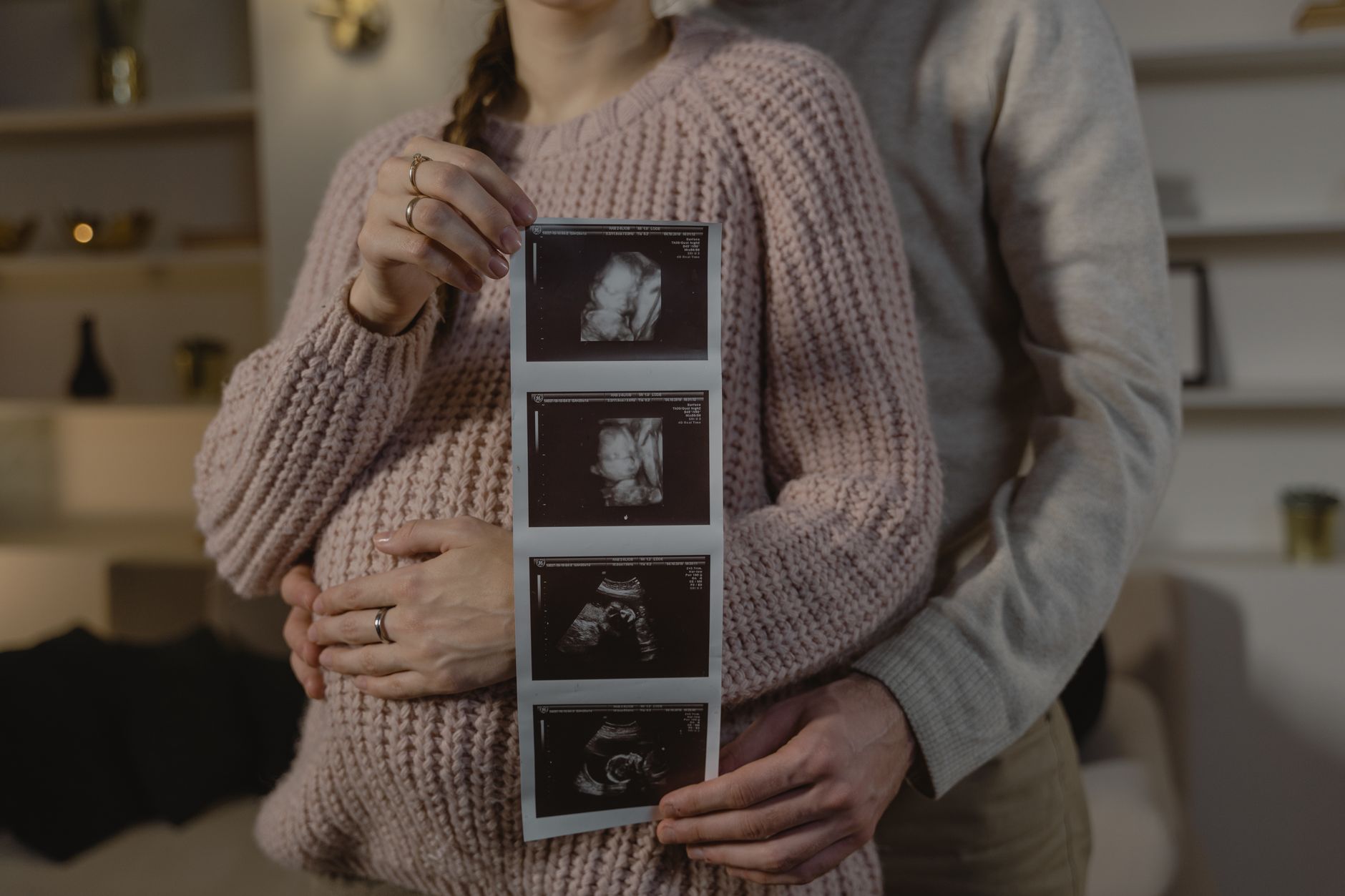
Seeing the twins on the screen can make the numbers feel more real.
What’s the recommended weight gain per trimester for twins?
Dividing the total target into trimester milestones makes the goal feel more manageable. ACOG suggests the following approximate gains:
First trimester (weeks 1–12): 2–5 lb (≈ 0.9–2.3 kg). Most of this is fluid and uterine expansion.
Second trimester (weeks 13–27): 8–12 lb (≈ 3.6–5.4 kg). This is where steady weekly weight gain occurs.
Third trimester (weeks 28–40): 12–20 lb (≈ 5.4–9 kg). The bulk of the increase happens here.
These figures are averages; your provider may recommend a slightly slower or faster pace based on your health, activity level, and fetal growth scans. For example, if ultrasound shows one twin is slightly larger, your provider might ask you to aim for the higher end of the third‑trimester range to support its growth.
It’s also helpful to think of the trimester targets as checkpoints rather than daily quotas. You might notice a slower gain during a busy work week and then catch up during a more relaxed period. Consistent monitoring—ideally at each prenatal visit—helps you and your care team spot any concerning trends early.
Average twin pregnancy weight gain vs singleton
For comparison, a singleton pregnancy typically calls for a total gain of 25–35 lb (≈ 11–16 kg). Twins require roughly 50 % more weight because of the extra placenta, greater amniotic fluid, and the need for more maternal tissue. Understanding this difference can help you feel less guilty if you’re gaining more quickly than you did with your first pregnancy.
Exercise safe during twin pregnancy weight gain
Staying active supports healthy weight gain by encouraging lean muscle development and reducing excess fluid retention. The American College of Obstetricians and Gynecologists recommends at least 150 minutes of moderate‑intensity aerobic activity per week, spread over most days. Safe options for twins include:
Walking on flat surfaces (30‑45 minutes).
Swimming or water aerobics—buoyancy eases joint stress.
Prenatal yoga focusing on gentle stretching and breathing.
Stationary cycling with low resistance.
Avoid high‑impact activities, deep squats, or heavy lifting that could increase abdominal pressure. Always check with your provider before starting a new routine, especially if you have complications such as pre‑eclampsia.
Research from the NHS (2023) shows that women who maintain a regular walking routine during twin pregnancies have a 12 % lower odds of developing gestational hypertension, underscoring the protective role of moderate activity.
Twin pregnancy weight gain guidelines for underweight moms
If you entered pregnancy weighing less than 115 lb (BMI < 18.5), your body has less reserve to support two growing babies. ACOG advises aiming for the upper end of the total gain range—about 45–54 lb (≈ 20–24 kg). This translates to roughly 0.8–1 lb (≈ 0.35–0.45 kg) per week after the first trimester.
Key strategies for underweight moms include:
Incorporating calorie‑dense, nutrient‑rich foods such as nuts, nut butters, avocado, and full‑fat dairy.
Adding a modest snack every 2–3 hours—think Greek yogurt with honey, a banana with peanut butter, or a cheese‑and‑whole‑grain cracker.
Ensuring protein intake of at least 1.5 g per kilogram of body weight daily (≈ 80–100 g for most underweight moms).
Monitoring iron and folic acid levels closely, as deficiencies can exacerbate low weight gain.
Because underweight status can increase the odds of preterm birth, regular ultrasounds and growth tracking are especially important. Your provider may also suggest a prenatal vitamin with extra calories or a tailored supplement plan. Studies published by the CDC in 2022 indicate that targeted nutritional counseling for underweight twin pregnancies reduces the rate of low‑birth‑weight infants by nearly 15 %.
Twin pregnancy weight gain guidelines for overweight moms
For mothers who start pregnancy with a BMI ≥ 25, the goal shifts to avoiding excess gain while still providing enough nutrients for two fetuses. The recommended total is often **37–40 lb (≈ 17–18 kg)**, with a slower weekly pace—about 0.5–0.7 lb (≈ 0.23–0.32 kg) after the first trimester.
Focus on high‑quality protein (lean meats, legumes, low‑fat dairy) rather than calorie‑dense junk foods.
Choose complex carbohydrates (whole grains, sweet potatoes) that provide steady energy without spiking blood sugar.
Limit added sugars and saturated fats, which can contribute to unnecessary adipose tissue.
Maintain a daily calcium intake of 1,000 mg and keep vitamin D levels adequate to support bone health.
Overweight mothers have a higher baseline risk for gestational diabetes and hypertensive disorders. Close monitoring of blood pressure, glucose tolerance tests, and weight trends helps catch any concerning shifts early. A 2023 NICE guideline emphasizes that individualized diet plans—often incorporating a modest caloric deficit of 150–200 kcal per day—can safely keep weight gain within target while still nourishing the twins.
Effects of gaining too much weight in a twin pregnancy
Excessive weight gain—exceeding the upper limit of the recommended range—can increase the likelihood of several maternal and neonatal complications:
Gestational diabetes mellitus (GDM): Extra adipose tissue raises insulin resistance, a key driver of GDM. ACOG notes that each additional 5‑lb (≈ 2.3 kg) beyond the target raises GDM risk by about 10 %.
Preeclampsia: Elevated blood pressure and proteinuria are more common with higher weight gain.
Cesarean delivery: Larger babies and higher maternal BMI correlate with a higher C‑section rate.
Postpartum weight retention: Women who gain aggressively often retain 5–10 lb (≈ 2–4.5 kg) longer term, impacting future pregnancies and overall health.
Beyond the clinical outcomes, excessive gain can also affect daily comfort—more swelling, joint strain, and fatigue—all of which can make the already demanding third trimester feel even harder.
Twin pregnancy weight gain and gestational diabetes risk
Both twin pregnancies and excessive weight gain independently raise GDM risk. The CDC advises that pregnant people who gain > 50 lb (≈ 23 kg) should be screened earlier and more frequently. Lifestyle modifications—balanced meals, regular low‑impact exercise, and glucose monitoring—are first‑line interventions. If diet and activity don’t keep blood sugars in range, medication may be introduced, but that decision is always individualized.
How does twin pregnancy weight gain affect delivery method?
Higher maternal weight and larger fetal size can limit pelvic space, making vaginal delivery more challenging. Studies from the Mayo Clinic show that twins with total maternal gain > 45 lb (≈ 20 kg) have a 15 % higher chance of requiring a planned or emergency C‑section compared with those who stay within guidelines.
That doesn’t mean a C‑section is inevitable—many women who exceed the range still deliver vaginally. However, staying within the recommended gain gives you the best odds of a smooth, uncomplicated birth.
Signs that you are not gaining enough weight with twins
Insufficient weight gain—falling below the lower end of the recommended range—can signal undernutrition, placental insufficiency, or fetal growth restriction. Watch for these red flags:
Consistent weight loss after the first trimester.
Persistent fatigue, dizziness, or faintness.
Reduced fetal movement or a slower increase in uterine size.
Laboratory findings of low iron, low albumin, or low fetal growth measurements on ultrasound.
If any of these appear, contact your obstetrician promptly. Early intervention—often involving dietary counseling, supplemental calories, or, in some cases, hospitalization—can improve outcomes for both you and your twins.
In many cases, a simple tweak such as adding a calorie‑rich smoothie (Greek yogurt, banana, nut butter, and a splash of orange juice) can add 300–400 kcal without feeling heavy. The key is to pair those extra calories with micronutrients, not just empty energy.
Diet plan to achieve healthy weight gain in twin pregnancy
Nutrition is the cornerstone of safe weight gain. A balanced plan should provide roughly **300–350 kcal extra per day** for twins, on top of the usual 2,200–2,400 kcal needed for a singleton. Below is a sample day that adds about 350 kcal while delivering protein, fiber, calcium, iron, and omega‑3 fatty acids.
Breakfast: Whole‑grain toast with avocado (½ avocado) and two scrambled eggs, plus a glass of fortified orange juice.
Mid‑morning snack: Greek yogurt (200 g) mixed with a handful of berries and a drizzle of honey.
Lunch: Quinoa salad with grilled salmon (3 oz), chickpeas, spinach, cherry tomatoes, and a olive‑oil‑lemon dressing.
Afternoon snack: A small handful of almonds (¼ cup) and an apple.
Dinner: Stir‑fried lean beef (4 oz) with broccoli, carrots, and brown rice, topped with a sprinkle of sesame seeds.
Evening snack: Cottage cheese (½ cup) with pineapple chunks.
This plan supplies roughly 115 g of protein, 30 g of fiber, and essential micronutrients like iron, calcium, and DHA—critical for fetal brain development. Adjust portion sizes up or down based on your personal calorie target and hunger cues.
What foods help increase weight gain in twin pregnancy
Choose foods that are both calorie‑dense and nutrient‑rich:
Nuts and nut butters: Almonds, walnuts, peanut butter—great for snacks or added to smoothies.
Full‑fat dairy: Whole milk, cheese, Greek yogurt add protein and calcium.
Healthy oils: Drizzle olive oil or avocado oil over salads and vegetables.
Complex carbs: Sweet potatoes, oats, brown rice, and whole‑grain pasta provide sustained energy.
Lean meats and fish: Chicken, turkey, salmon, and sardines give high‑quality protein and omega‑3s.
When you’re aiming for extra calories, it’s tempting to reach for processed snacks, but those often lack the vitamins and minerals twins need. A 2021 systematic review in the Journal of Perinatal Nutrition found that diets rich in whole foods—especially those emphasizing healthy fats—correlated with better birth weights in twin gestations.
Twin pregnancy weight gain calculator online
Many reputable health sites host free calculators that let you input pre‑pregnancy weight, height, and gestational age to receive a personalized weekly target. Look for calculators from ACOG, the NHS, or trusted university medical centers. They can help you track progress and flag when you’re deviating from the recommended curve.
Exercise safe during twin pregnancy weight gain
Even while aiming to add calories, staying active prevents excessive fat accumulation and supports cardiovascular health. Here’s a simple weekly schedule:
Monday: 30‑minute brisk walk.
Tuesday: Prenatal yoga (45 minutes).
Wednesday: Rest or gentle stretching.
Thursday: Water aerobics (45 minutes).
Friday: Light resistance band routine (20 minutes).
Saturday: 30‑minute walk plus a short body‑weight routine (squats against a chair, side‑lying leg lifts).
Sunday: Rest.
Listen to your body. If you experience shortness of breath, dizziness, or uterine contractions, stop and rest. Hydration is key—aim for at least 8 cups of water a day.
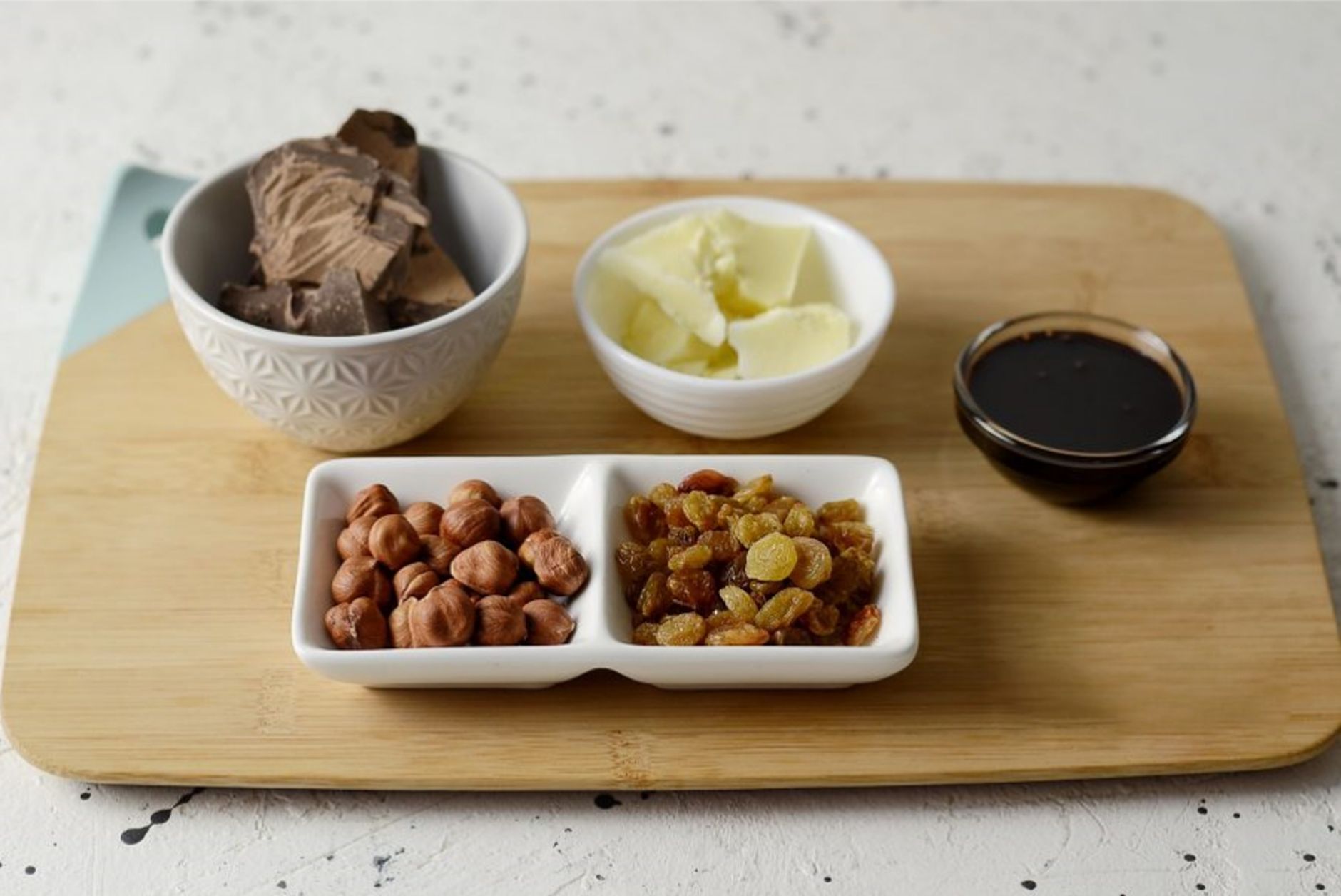
Snack on calorie‑dense, nutrient‑rich options like nuts and dark chocolate to boost healthy weight gain.
Micronutrient focus for twin pregnancies
While calories get most of the attention, specific vitamins and minerals become even more critical when you’re feeding two babies. The NHS recommends that pregnant people aim for 27 mg of iron, 400 µg of folic acid, 1,000 mg of calcium, and 200 IU of vitamin D daily. For twins, many clinicians suggest a modest boost—particularly for iron (30–35 mg) and DHA (200–300 mg).
Iron: Supports the expanded blood volume of both mother and twins. Good sources include lean red meat, lentils, and fortified cereals. Pairing iron‑rich foods with vitamin C (citrus, bell peppers) improves absorption.
Folate: Essential for neural‑tube development. While 400 µg is the standard recommendation, some twin‑specific protocols advise 600 µg, especially if you have a family history of neural‑tube defects.
Calcium & Vitamin D: Work together to build fetal bone. Fatty fish, fortified plant milks, and sunlight exposure are key. If you live in a region with limited sun, a vitamin D supplement up to 2,000 IU may be advised.
DHA (Omega‑3): Critical for brain and retina development. Two servings of low‑mercury fish per week or a prenatal DHA supplement (200‑300 mg) can meet the need.
Iodine: Supports thyroid function for both mother and babies. A daily intake of 220 µg (the standard prenatal dose) is usually sufficient, but some clinicians recommend a small increase for twins.
Regular blood work every 4–6 weeks can help you and your provider fine‑tune these micronutrient levels. If labs show low iron, an oral iron supplement (e.g., ferrous sulfate 325 mg) is typically prescribed, but the exact dosage should always be confirmed by your obstetrician.
Managing common discomforts while gaining weight
Weight gain brings physical changes that can cause new aches and pains. Understanding how to alleviate them can make the third trimester far more comfortable.
Back and pelvic pain: As the uterus expands, it shifts your center of gravity. A supportive maternity belt, gentle stretching, and a firm mattress can reduce strain. Prenatal yoga poses like “cat‑cow” and “pelvic tilt” are especially helpful.
Swelling (edema): Fluid retention is common, but raising your feet, wearing compression socks, and staying hydrated actually help reduce puffiness. Limit sodium‑rich processed foods, which can exacerbate swelling.
Shortness of breath: The growing uterus compresses the diaphragm. Slow, diaphragmatic breathing and short, frequent walks can improve oxygenation without overexertion.
Varicose veins: Hormonal changes make veins more elastic. Avoid prolonged standing, wear supportive stockings, and keep moving throughout the day.
Most discomforts are manageable with simple lifestyle tweaks, but if pain becomes sharp, persistent, or is accompanied by bleeding, it’s a sign to call your provider immediately.
Postpartum weight considerations after delivering twins
After birth, your body begins a rapid shift back toward its pre‑pregnancy state, but the timeline varies. Breastfeeding can burn an extra 300–500 kcal per day, which often aids in gradual weight loss. However, twins mean double the feeding schedule, and many new parents find it challenging to find time for self‑care.
Here are a few evidence‑based pointers:
Set realistic goals: aim for a loss of 1‑2 lb (0.5‑0.9 kg) per week once your provider confirms it’s safe.
Prioritize protein: lean meats, legumes, and dairy help preserve muscle while you shed fat.
Stay hydrated: adequate fluid intake supports milk production and reduces water retention.
Remember, the postpartum period is also a time of hormonal shifts that can affect appetite and mood. If you find weight loss difficult, talk to your provider about possible thyroid testing or a referral to a lactation specialist.
Doctor’s note
From our medical team: Each twin pregnancy is unique, and weight‑gain goals should be personalized. Keep a weekly log of your weight, diet, and activity, and bring it to every prenatal visit. If you notice rapid swelling, a sudden drop in weight, or any concerning symptoms, call your obstetrician right away. The guidance here reflects current ACOG, NICE, and CDC recommendations, but your provider will tailor advice to your health history and lab results.
Myth vs. fact
Myth: “If you’re gaining fast, you’re automatically gaining too much.”
Fact: Rapid early gain can be fluid‑related and not harmful; the key is the overall trajectory and staying within the trimester‑specific ranges.
Myth: “You should avoid all fats to keep weight down.”
Fact: Healthy fats (avocado, olive oil, nuts) provide essential fatty acids and calories that support fetal brain development and maternal energy needs.
Myth: “Exercise will make you lose the weight you need for twins.”
Fact: Low‑impact exercise actually helps regulate weight gain by building lean muscle and improving circulation, without sacrificing needed calories.
Key takeaways
Aim for a total gain of 37–54 lb (≈ 17–24 kg), adjusted to your pre‑pregnancy BMI.
Target ≈ 1 lb (0.45 kg) per week in the second and third trimesters, with a modest 2–5 lb gain in the first trimester.
Underweight moms should aim for the higher end of the range; overweight moms should stay near the lower end.
Include calorie‑dense, nutrient‑rich foods—nuts, avocados, full‑fat dairy, lean proteins, and whole grains.
Safe, moderate‑intensity exercise (walking, swimming, prenatal yoga) supports healthy weight gain and reduces complications.
Monitor weight weekly, keep a food and activity log, and discuss any red‑flag symptoms with your provider promptly.
Pay special attention to iron, folic acid, calcium, vitamin D, and DHA—micronutrients that are especially important for twins.
After delivery, gradual postpartum weight loss is safest when combined with breastfeeding, adequate protein, and gentle movement.
Frequently asked questions
How much weight should I gain with twins?
Most guidelines recommend a total gain of 37–54 lb (≈ 17–24 kg), with the exact number depending on your pre‑pregnancy BMI.
Is it safe to gain more than the recommended weight in a twin pregnancy?
Exceeding the upper limit can raise the risk of gestational diabetes, preeclampsia, and Cesarean delivery, so it’s best to stay within the advised range and discuss any concerns with your provider.
What are the risks of not gaining enough weight with twins?
Insufficient gain may lead to fetal growth restriction, preterm birth, and low birth weight, which can affect both short‑ and long‑term health of the babies.
Can I exercise while trying to gain weight for twins?
Yes—moderate, low‑impact activities like walking, swimming, and prenatal yoga are encouraged; they help maintain muscle tone and circulation without compromising calorie intake.
How does twin pregnancy weight gain affect delivery method?
Higher maternal weight and larger fetal size can increase the likelihood of a Cesarean section, especially if weight gain exceeds the recommended range.
When should I start monitoring my weight gain during a twin pregnancy?
Begin tracking from the first prenatal visit (usually around 8 weeks) and continue weekly; early trends help your provider adjust nutrition and activity plans as needed.
Is a weight‑gain app reliable for tracking twin pregnancies?
Many reputable apps use the same ACOG and NHS guidelines that we reference here, so they can be a helpful visual aid—just double‑check the numbers with your provider.
What should I do if I gain weight too quickly in the third trimester?
First, discuss the rapid increase with your obstetrician; they may suggest a short‑term adjustment to your diet or a brief pause in intense exercise. Monitoring blood pressure and glucose more frequently is also common, as fast gain can signal rising risk for preeclampsia or gestational diabetes.
When to call your doctor
If you notice any of the following, seek medical attention promptly: sudden weight loss after the first trimester, swelling of hands or face that doesn’t improve with rest, severe shortness of breath, persistent headaches, or reduced fetal movement. This article is for informational purposes only and does not replace personalized medical advice.
References
American College of Obstetricians and Gynecologists (ACOG). “Weight Gain During Pregnancy.” Practice Bulletin No. 202, 2023.
National Institute for Health and Care Excellence (NICE). “Antenatal Care for Twin Pregnancies,” NG123, 2022.
Centers for Disease Control and Prevention (CDC). “Gestational Diabetes Mellitus.” Updated 2023.
World Health Organization (WHO). “Recommendations on Antenatal Care for a Positive Pregnancy Experience.” 2022.
Mayo Clinic. “Twin Pregnancy: What to Expect.” Clinical guidelines, 2023.
National Health Service (NHS). “Weight Gain in Pregnancy.” 2023.
Food and Drug Administration (FDA). “Nutrition and Pregnancy.” 2022.
Not sure about the label on Twin Pregnancy Weight Gain products?
Snap the ingredients list and SafeFilter checks every ingredient for your stage — only 3 free scans this month, then you're locked until reset. Unlimited from $7/mo or $50/yr.
When Shubhra Mishra was expecting her first child in 2016, she was overwhelmed by conflicting food advice — one site said yes, another said never. By the time her second baby arrived in 2019, she realized millions of mothers face the same confusion.
That sparked a five-year journey through clinical nutrition papers, cultural diets, and expert conversations — all leading to BumpBites: a calm, compassionate space where science meets everyday motherhood.
Her long-term vision is to build a global community ensuring safe, supported, and free deliveriesfor every mother — because no woman should face pregnancy alone or uninformed. 🌿
🌍 Stand with mothers, shape safer guidance
Join a small circle of experts who review BumpBites articles so expecting parents everywhere can decide with confidence.