Discover common twin pregnancy symptoms in the first trimester, including morning sickness and fatigue, and learn how they differ from single pregnancies.
By Shubhra Mishra — a mom of two who turned her own confusion during pregnancy into BumpBites, a global mission to make food choices clear, safe, and stress-free for every expecting mother. 💛
Check whether any food is safe during pregnancy with the BumpBites Food Safety Checker.
Quick take: Twin pregnancy symptoms in the first trimester often feel like an amplified version of a singleton pregnancy—more nausea, stronger fatigue, and a slightly faster weight‑gain curve. Most early signs (missed period, breast changes, heightened cravings) are normal, but any heavy bleeding, severe pain, or sudden swelling should prompt a call to your provider right away.
It’s 2 a.m.; you’ve just gotten up to use the bathroom and a wave of nausea hits you harder than it did a week ago. You glance at the calendar, notice you’ve missed your period, and wonder if you’re carrying one baby—or two. That moment of uncertainty is exactly why many expectant parents search “twin pregnancy symptoms first trimester.” The good news is that, while twins can make the early weeks feel more intense, the core warning signs are the same as any pregnancy. Below we walk through every nuance you might notice, from subtle hormone shifts to the first ultrasound, and give you practical, doctor‑approved advice for staying healthy.
In this article you’ll learn:
Which early signs point specifically to twins.
How much weight gain is typical and how to plan your diet.
What hormones are driving stronger symptoms.
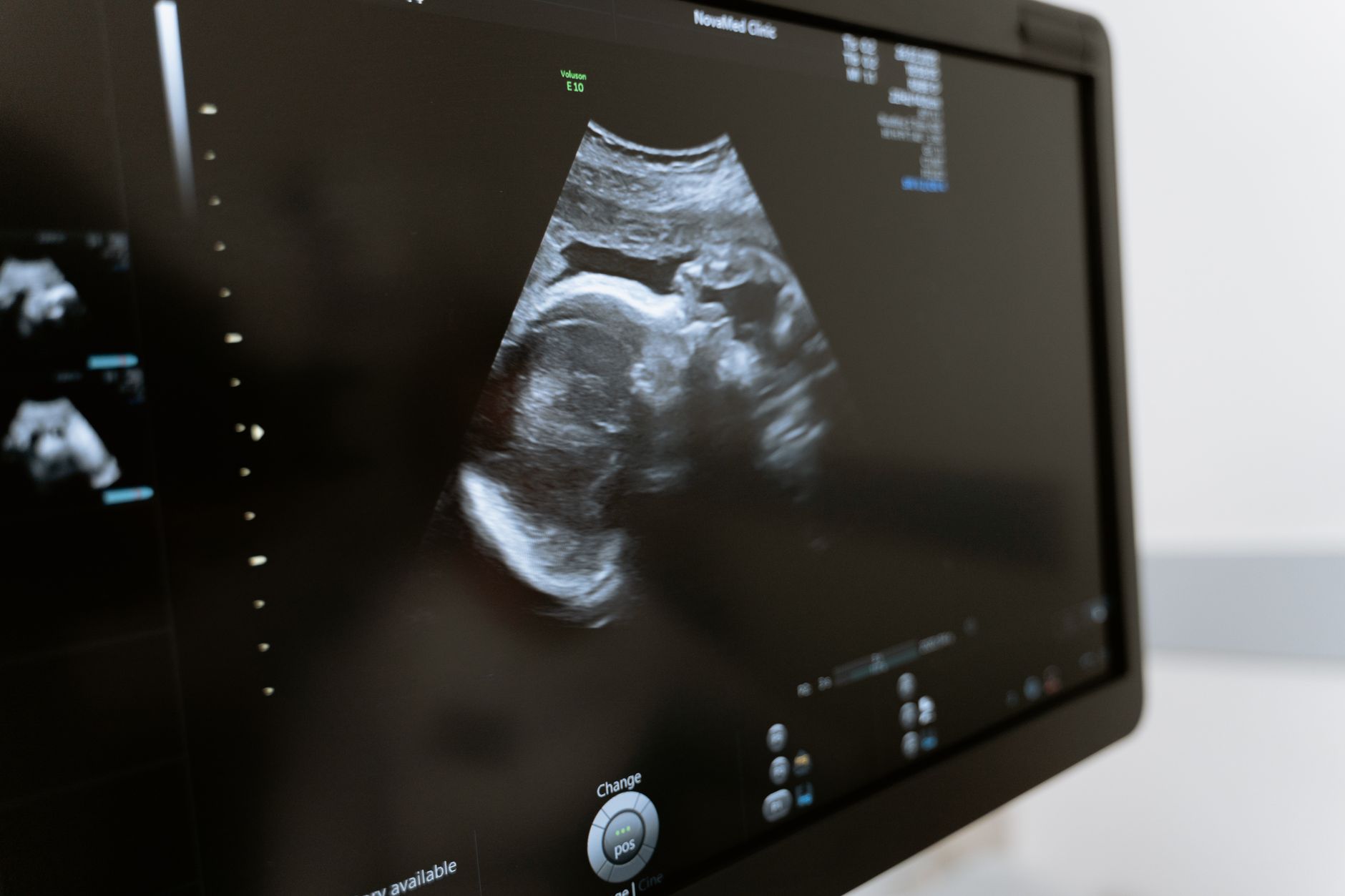
When twins become visible on ultrasound and what that looks like.
Risks that are unique to a twin pregnancy in the first trimester.
Practical tips for managing nausea, fatigue, and other discomforts.
When to schedule doctor visits and what questions to ask.
What are the early signs of a twin pregnancy in the first trimester?
Most women discover they’re pregnant before they notice any difference between carrying one or two babies. However, a few clues can hint that you’re expecting twins early on:
Rapid uterine growth: By 8–10 weeks, a twin gestation often feels larger than a singleton pregnancy of the same age. Your uterus may rise above the pubic bone sooner.
More pronounced breast changes: Swelling, tenderness, and darkening of the areola can be stronger because both placentas produce extra estrogen and progesterone.
Increased nausea and vomiting: Hormone spikes (see the hormone section) can intensify morning sickness.
Higher basal body temperature: Some women track temperature and notice a slightly higher average early on.
Early fetal movement sensations: Although true fetal movement (quickening) typically begins at 18–20 weeks, a few mothers report a faint “flutter” as early as 12 weeks when twins are present.
It’s important to remember that these signs are not definitive—only an ultrasound can confirm multiples. Many women experience a few of these symptoms with a singleton pregnancy, especially if they have a high baseline hormone level.
One reader shared that she felt “like her tummy was a basketball” at 9 weeks, even though her doctor hadn’t yet done an ultrasound. A quick appointment confirmed twins, and the reassurance that her “big” feeling was typical for multiples helped calm her anxiety.
Because every body reacts differently, you might notice only one or two of these clues. If you’re ever unsure, a simple blood test for hCG levels followed by an early scan can give you a clear answer.
How much weight gain is normal during the first trimester of a twin pregnancy?
W
eight‑gain guidelines for twins differ from singletons because there are two growing fetuses, two placentas, and more blood volume. The American College of Obstetricians and Gynecologists (ACOG) recommends a total gain of 37–54 lb (≈ 17–25 kg) for a twin pregnancy, compared with 25–35 lb (≈ 11–16 kg) for a singleton.
During the first trimester (up to 13 weeks), most of the weight gain comes from fluid retention, breast tissue, and the expanding uterus rather than fetal mass. On average, women carrying twins gain about 2–5 lb (≈ 0.9–2.3 kg) in this period, whereas a singleton pregnancy typically sees 1–4 lb (≈ 0.5–1.8 kg). The exact amount varies with pre‑pregnancy BMI, diet, and activity level.
Pregnancy type
Typical weight gain first trimester
Total recommended gain
Singleton
1–4 lb (0.5–1.8 kg)
25–35 lb (11–16 kg)
Twin
2–5 lb (0.9–2.3 kg)
37–54 lb (17–25 kg)
Because twins require more calories, the Institute of Medicine suggests an extra 300 kcal per day after the first trimester (about 600 kcal total for twins). In the first trimester, focus on nutrient‑dense foods—lean protein, whole grains, dairy, fruits, and vegetables—rather than trying to “eat for two.” Overeating can lead to excessive gestational diabetes risk, which is already higher in twin pregnancies.
Regular weigh‑ins at your prenatal visits help you and your provider track whether your gain is on target. If you notice rapid weight gain or loss, bring it up at the next appointment; early adjustments can keep you and the babies healthy.
Twin pregnancy vs singleton pregnancy symptoms first trimester differences
While many early signs overlap, the intensity and timing can differ. Below is a quick comparison:
Nausea and vomiting: Twins often experience more severe or prolonged morning sickness due to higher hCG (human chorionic gonadotropin) levels.
Fatigue: Energy drops are common in both, but twins may cause fatigue earlier because the body works harder to support two placentas.
Breast tenderness: More pronounced in twins; some report “balloon‑like” swelling.
Uterine size: By 10 weeks, a twin uterus may feel larger—sometimes reaching the level of a 12‑week singleton.
Bleeding: Light spotting can happen in both, but twins have a slightly higher chance of early bleeding due to the increased vascularity of the uterus.
These differences are averages; individual experiences vary widely. If you notice any symptom that feels “out of the ordinary” for you—especially sharp pain, heavy bleeding, or sudden swelling—contact your provider promptly.
Many moms also report a stronger emotional response to these amplified symptoms, feeling both excitement and worry. Sharing your experience with a support group or your partner can help you process the intensity.
Can twin pregnancy cause more severe morning sickness in the first trimester?
Yes. The hormone hCG, which peaks around 9–11 weeks, is produced by the placenta. With two placentas, hCG levels can be roughly 1.5‑2 times higher than in a singleton pregnancy, intensifying nausea, vomiting, and food aversions.
Most clinicians classify severe nausea as hyperemesis gravidarum. This condition affects about 0.5 % of all pregnancies but is more common in twins. Symptoms include:
Vomiting more than twice a day.
Inability to keep down fluids.
Weight loss of > 5 % of pre‑pregnancy weight.
Dehydration or electrolyte imbalance.
If you fall into this category, ACOG recommends early intervention—often intravenous fluids and vitamin B6 (pyridoxine) supplementation. Many moms find relief with small, frequent meals, ginger tea, and avoiding trigger smells. Your provider may also prescribe anti‑nausea medication that is safe for twins.
Should you experience persistent vomiting despite home measures, contact your obstetrician promptly; untreated hyperemesis can affect nutrient delivery to both babies.
When do twins show up on ultrasound in the first trimester?
Transvaginal ultrasound can detect twins as early as 6 weeks, but most clinicians schedule a definitive scan between 8 and 12 weeks. At 6 weeks, you may see two distinct gestational sacs or two yolk sacs; by 8 weeks, fetal poles and heartbeats are usually visible.
During the scan, the sonographer will:
Measure crown‑rump length (CRL) of each embryo.
Confirm chorionicity (whether twins share a placenta).
Check for any early complications such as twin‑to‑twin transfusion syndrome (TTTS), which is rare before the second trimester.
Many parents ask, “Will we see both babies moving?” While you won’t feel movement until later, the ultrasound will give you a clear visual of two separate heartbeats—often a reassuring moment for couples hoping for twins.
Before the appointment, drink a full glass of water and avoid heavy meals; a fuller bladder improves image quality for early scans.
Early ultrasound (8‑10 weeks) can reveal two distinct heartbeats, confirming a twin pregnancy.
How to differentiate twin pregnancy fatigue from normal pregnancy fatigue
Fatigue is a hallmark of any pregnancy, but twins can amplify the feeling for several reasons:
Higher progesterone: This hormone relaxes smooth muscle and can cause drowsiness.
Increased blood volume: The heart works harder to pump blood to two placentas, leading to quicker exhaustion.
Metabolic demand: Doubling the number of growing fetuses raises basal metabolic rate.
Key ways to tell if your fatigue is “twin‑level” include:
Timing: If you feel exhausted by the end of the first trimester (instead of the typical 2nd‑trimester dip), it may be twin‑related.
Sleep quality: Twins often cause more frequent nighttime urination, disrupting sleep.
Recovery after rest: If a short nap leaves you still feeling wiped out, the extra workload could be the cause.
Managing fatigue:
Prioritize short, frequent rest periods (10‑15 minutes).
Stay hydrated—dehydration worsens tiredness.
Eat protein‑rich snacks every 2–3 hours to keep blood sugar stable.
Gentle movement (prenatal yoga, short walks) can boost energy without overexertion.
Listening to your body and adjusting daily tasks—like swapping a morning jog for a brief stretch—can make the difference between feeling drained and feeling manageable.
What are the risks of twin pregnancy during the first trimester?
Twins carry a higher baseline risk for certain complications, especially early on:
Pre‑eclampsia: The risk rises to about 15‑20 % compared with 5‑8 % for singletons (ACOG).
Placental abruption: Early separation of the placenta is more common due to increased uterine stretch.
Early miscarriage: While overall miscarriage rates are higher for twins (≈ 30 % vs 15 % for singletons), most losses occur before the 12‑week mark.
Congenital anomalies: Slightly higher incidence, but most are detected later in pregnancy.
Bleeding: Light spotting is common, but heavy bleeding (> Spot size of a pad) should be evaluated promptly.
Red‑flag symptoms that warrant immediate medical attention include:
Severe abdominal pain or cramping that doesn’t ease with rest.
Sudden, heavy vaginal bleeding.
Fever > 100.4 °F (38 °C) without an obvious cause.
Persistent vomiting leading to dehydration.
Rapid swelling of hands, face, or feet (possible pre‑eclampsia).
Early prenatal care, including regular blood pressure checks and blood work, helps catch these risks before they progress.
First‑trimester screening labs—such as nuchal translucency and PAPP‑A—can also give clues about chromosomal risks that are slightly higher in multiples, guiding further testing if needed.
Twin pregnancy first trimester bleeding causes
Spotting in the first trimester is relatively common—about 20 % of all pregnancies experience it. In twins, the causes can include:
Implantation bleeding: As the embryo embeds into the uterine lining, small vessels may rupture.
Cervical irritation: Increased blood flow to the cervix can make it more sensitive, especially after intercourse.
Subchorionic hemorrhage: A small collection of blood between the uterine wall and chorion; usually resolves on its own.
Placental previa (rare that early): If the placenta implants low, it can cause early bleeding, but this is typically identified later.
If bleeding is light (a few drops) and not accompanied by pain, most providers advise rest and monitoring. Heavy bleeding, clots, or a sudden gush should trigger an emergency call.
When spotting persists beyond a week, your provider may order a repeat ultrasound to ensure the gestational sacs remain stable.
Early twin pregnancy cravings and aversions
Cravings (pica) and aversions often mirror hormone changes. Twins can intensify both because of higher levels of estrogen and progesterone. Common patterns include:
Strong sweet cravings: Many twins moms report a sudden urge for fruit, honey, or chocolate.
Salty or sour aversions: Dairy or citrus may become off‑limits.
Unusual cravings: Some describe a desire for non‑food items (ice, chalk)—known as pica, which should be discussed with a provider to rule out iron deficiency.
Balancing cravings with nutrition is key. If you crave high‑sugar foods, pair them with protein (e.g., a banana with peanut butter) to avoid blood‑sugar spikes. For aversions, find alternatives that provide the same nutrients—if you can’t tolerate dairy, fortified soy or almond milk can supply calcium and vitamin D.
Tracking your cravings in a journal can also reveal patterns that hint at nutrient gaps, allowing you to adjust your diet before deficiencies develop.
Twin pregnancy first trimester hormone levels
Hormonal profiles in twins differ mainly in magnitude, not type. The three major hormones influencing first‑trimester symptoms are:
Hormone
Primary role
Typical level in twins vs singletons
hCG (human chorionic gonadotropin)
Supports corpus luteum, stimulates progesterone
~1.5‑2× higher
Progesterone
Relaxes uterine muscle, prepares breasts
~1.3‑1.5× higher
Estrogen (estradiol)
Promotes blood flow, breast growth
~1.2‑1.4× higher
Higher hCG explains the more intense nausea, while elevated progesterone contributes to fatigue and breast tenderness. Estrogen’s boost in blood volume can lead to a flushed complexion and occasional dizziness.
These hormone levels peak around 9‑11 weeks and then gradually plateau. By the end of the first trimester, the difference between twins and singletons narrows, but the early “over‑the‑top” symptoms often linger for twins.
Blood tests that measure hCG can help your provider gauge whether your hormone rise is within the expected range for twins, especially if early ultrasound is delayed.
Start your day with a balanced snack—protein, fruit, and calcium—to tame cravings and support twin growth.
How to manage twin pregnancy nausea in first trimester
Nausea can be debilitating, but a few evidence‑based strategies often bring relief:
Ginger: 1 g of powdered ginger or a cup of ginger tea up to three times daily is endorsed by the NIH for nausea relief.
Vitamin B6 (pyridoxine): 25 mg three times a day is a first‑line recommendation from the WHO.
Small, frequent meals: Aim for 5‑6 mini‑meals; keep carbs on hand (crackers, toast) for “breakfast” before getting out of bed.
Avoid triggers: Strong smells, greasy foods, and overly spicy dishes often worsen nausea.
Hydration: Sip water, electrolyte drinks, or diluted fruit juice throughout the day.
Medication: If lifestyle changes aren’t enough, your provider may prescribe doxylamine‑pyridoxine (Diclegis) or ondansetron—both considered safe for twins.
Keep a nausea diary: note timing, foods, and severity. This helps your provider tailor treatment and can also reveal patterns that can be avoided.
Some women find that acupressure wrist bands, while not a cure, provide modest relief without medication.
Twin pregnancy first trimester doctor visits schedule
Early prenatal care for twins is slightly more intensive than for a singleton. A typical schedule looks like this:
First visit (6–8 weeks): Confirmation of twins by ultrasound, baseline labs (CBC, blood type, rubella immunity, urine culture), and discussion of nutrition.
Second visit (10‑12 weeks): Detailed anatomy scan, chorionicity determination, and counseling on weight‑gain targets.
Third visit (14‑16 weeks): Blood pressure check, urine protein screen, and early screening for gestational diabetes (if risk factors present).
Follow‑up every 2–4 weeks thereafter: Monitoring blood pressure, fetal growth via ultrasound, and screening for anemia.
Ask your provider about:
When to start prenatal vitamins (usually before conception).
Whether you need additional iron or calcium supplements.
Potential need for a higher‑dose folic acid (400‑800 µg) based on your health profile.
Any lifestyle modifications—exercise, caffeine limits, and safe medications.
Staying on top of this schedule helps catch issues early, which is especially important when caring for two growing babies.
Twin pregnancy early signs that are not typical
While most early symptoms overlap with singletons, a few atypical signs can hint at a twin pregnancy:
Rapidly enlarging uterus: If your belly feels significantly larger than expected for 8 weeks, consider twins.
Two distinct “baby bumps” early on: In some cases, a slight dip between two growths can be felt.
Early fetal heartbeats: Detecting two heart tones on a Doppler as early as 8 weeks is a strong clue.
Excessive fatigue with minimal activity: While everyone feels tired, twins may cause a noticeable drop in stamina even with light tasks.
If you notice any of these, schedule an ultrasound. Early identification helps tailor monitoring and nutrition plans.
Twin pregnancy first trimester diet recommendations
Nutrition is the cornerstone of a healthy twin pregnancy. Here are evidence‑based guidelines:
Protein: Aim for 1.5 g per kg of body weight daily (≈ 70–100 g for most women). Good sources include lean meat, poultry, fish low in mercury, beans, lentils, and Greek yogurt.
Calcium: 1,200 mg per day—choose fortified plant milks, low‑fat dairy, leafy greens, and calcium‑set tofu.
Iron: 27 mg daily (higher than singleton). Pair iron‑rich foods with vitamin C (citrus, bell peppers) to improve absorption.
Folate: 400‑800 µg daily, preferably from a prenatal vitamin plus folate‑rich foods (spinach, avocado, beans).
Omega‑3 DHA: 200–300 mg daily from safe fish (salmon, sardines) or algae‑based supplements.
Hydration: 2.5–3 L of water daily; dehydration can worsen nausea and fatigue.
Sample meal plan (≈ 2,200 kcal):
Breakfast: Whole‑grain toast with avocado, scrambled eggs, and a glass of fortified soy milk.
Mid‑morning snack: Greek yogurt with berries and a drizzle of honey.
Lunch: Grilled chicken salad with mixed greens, quinoa, cherry tomatoes, and olive‑oil dressing.
Afternoon snack: Apple slices with almond butter.
Dinner: Baked salmon, sweet potato mash, and steamed broccoli.
Evening snack: Cottage cheese with pineapple chunks.
Adjust portions based on hunger cues—twins do not require “double” portions, but you do need a slightly higher caloric density. Avoid excessive caffeine (> 200 mg/day) and limit sugary drinks, which can trigger gestational diabetes.
Meal timing matters too; spacing meals every 3–4 hours helps keep blood sugar steady and can reduce nausea spikes.
From our medical team: “Twins make the first trimester feel more intense, but the core principles—balanced nutrition, regular prenatal visits, and listening to your body—remain the same. If you’re ever unsure whether a symptom is typical, a quick call to your midwife can provide peace of mind and keep both you and your babies safe.”
Can I exercise safely during the first trimester of a twin pregnancy?
Yes—moderate, low‑impact activity is generally safe and can help reduce fatigue, improve mood, and support healthy weight gain. ACOG advises pregnant people to aim for at least 150 minutes of moderate aerobic exercise per week, provided there are no contraindications.
Ideal options include brisk walking, stationary cycling, prenatal yoga, and swimming. Avoid high‑impact sports, contact activities, and exercises that require lying flat on your back after the first trimester, as these can reduce blood flow to the uterus.
Listen to your body: if you feel dizziness, shortness of breath, or pelvic pain, stop and rest. Staying hydrated and wearing supportive shoes will also make workouts more comfortable.
What medications are safe for common twin pregnancy symptoms?
Many over‑the‑counter remedies are considered safe for twins, but it’s always best to check with your provider first. For nausea, vitamin B6 (pyridoxine) and doxylamine‑pyridoxine (Diclegis) have strong safety data from ACOG.
Acetaminophen (Tylenol) is the preferred pain reliever for headaches or mild aches, while ibuprofen and aspirin should be avoided after 12 weeks due to potential effects on fetal circulation.
If you need an antihistamine for allergies, loratadine or cetirizine are generally regarded as low‑risk. Always discuss any prescription or supplement you’re considering, especially herbal products, as some can interact with prenatal vitamins.
How to track twin pregnancy progress at home
While home monitoring can’t replace clinical exams, a few simple tools help you feel more in control. A basal body‑temperature chart can show subtle temperature shifts linked to hormone changes. A daily symptom journal—recording nausea severity, energy levels, and any spotting—provides useful data for your next appointment.
Many providers also recommend a gentle self‑check of fetal heart tones with a Doppler around 10‑12 weeks. If you hear two distinct beats, it’s an encouraging sign, but always confirm with a professional ultrasound.
Remember, fluctuations are normal; trends over weeks are more informative than day‑to‑day changes.
Myth vs. fact
Myth: You must eat for two from the moment you find out you’re pregnant.
Fact: In the first trimester, extra calories are modest; focus on nutrient density rather than volume. Over‑eating can raise the risk of gestational diabetes, especially in twins.
Myth: If you feel more nausea than your partner, it means you’re definitely carrying twins.
Fact: While twins often increase hCG levels, severe nausea can also occur in singleton pregnancies. An ultrasound is the only reliable way to confirm multiples.
Myth: Heavy bleeding in the first trimester always means miscarriage.
Fact: Light spotting is common, especially with twins. However, heavy bleeding or clots should be evaluated promptly, as it can signal placental issues.
Key takeaways
Early twin signs include larger uterine size, stronger breast changes, and intensified nausea.
Expect a 2–5 lb (0.9–2.3 kg) weight gain in the first trimester; focus on nutrient‑dense foods rather than “double” portions.
Higher hCG, progesterone, and estrogen levels drive more severe morning sickness and fatigue.
Ultrasound can reliably detect twins between 8–10 weeks; ask about chorionicity at that visit.
Watch for red‑flag symptoms—heavy bleeding, severe pain, sudden swelling, or persistent vomiting—and call your provider immediately.
Maintain a balanced diet with extra protein, calcium, iron, and omega‑3s, and stay hydrated.
Moderate exercise and safe over‑the‑counter medications can help manage common twin‑pregnancy discomforts.
Frequently asked questions
How can I tell if I'm carrying twins in the first trimester?
Most women discover twins via ultrasound between 8 and 12 weeks, when two distinct heartbeats are visible. Early clues—rapid belly growth, stronger nausea, and heightened breast tenderness—can hint at multiples, but only imaging confirms it.
Is morning sickness worse with twins?
Yes; twin pregnancies often produce higher hCG levels, which can intensify nausea and vomiting. While many experience mild symptoms, twins increase the risk of hyperemesis gravidarum, a severe form that may require medication.
When will I feel my twins move?
Fetal movement (quickening) usually begins around 18–20 weeks for twins, a bit earlier than for singletons. Some mothers report a faint flutter as early as 12 weeks, but true movement is uncommon before the second trimester.
Do twins cause more weight gain early on?
Twins typically gain 2–5 lb (0.9–2.3 kg) in the first trimester, slightly more than the 1–4 lb (0.5–1.8 kg) seen in singletons. The extra weight reflects higher fluid volume and uterine stretch rather than fetal mass.
Can I get a twin pregnancy ultrasound at 8 weeks?
Yes; a transvaginal ultrasound at 8 weeks can usually show two gestational sacs, yolk sacs, and embryonic poles, confirming a twin pregnancy. Some clinicians schedule it as early as 6 weeks if there’s a strong suspicion.
What are the warning signs of complications in a twin pregnancy first trimester?
Key red flags include heavy vaginal bleeding, severe abdominal pain, sudden swelling of hands or face, persistent vomiting leading to dehydration, and high fever. If any of these occur, contact your provider or go to the nearest emergency department.
Is it safe to travel during the first trimester of a twin pregnancy?
Travel is generally considered safe in the first trimester for twins, provided you’re not experiencing complications such as heavy bleeding or severe nausea. Keep hydrated, move around every hour on long flights, and have a copy of your prenatal records handy.
Can I breastfeed while pregnant with twins?
Breastfeeding during a twin pregnancy is possible, but it may increase fatigue and nutrient demands. Discuss with your provider to ensure your diet supplies enough calories, protein, and iron to support both lactation and fetal growth.
When to call your doctor
If you experience any of the following, seek medical attention right away: heavy bleeding (soaking a pad in an hour), severe abdominal pain or cramping, persistent vomiting, sudden swelling of face or hands, fever over 100.4 °F (38 °C), or a rapid increase in blood pressure (≥ 140/90 mm Hg). This article provides general information and does not replace personalized medical advice—always discuss your specific situation with your healthcare provider.
References
American College of Obstetricians and Gynecologists (ACOG). “Twin Pregnancy.” Clinical Guidance, 2023.
National Institute of Health (NIH). “Ginger for Nausea and Vomiting in Pregnancy.” Evidence Review, 2022.
World Health Organization (WHO). “Recommendations for Antenatal Care of Multiple Pregnancies.” 2021.
Not sure about the label on Twin Pregnancy Symptoms First Trimester products?
Snap the ingredients list and SafeFilter checks every ingredient for your stage — only 3 free scans this month, then you're locked until reset. Unlimited from $7/mo or $50/yr.
When Shubhra Mishra was expecting her first child in 2016, she was overwhelmed by conflicting food advice — one site said yes, another said never. By the time her second baby arrived in 2019, she realized millions of mothers face the same confusion.
That sparked a five-year journey through clinical nutrition papers, cultural diets, and expert conversations — all leading to BumpBites: a calm, compassionate space where science meets everyday motherhood.
Her long-term vision is to build a global community ensuring safe, supported, and free deliveriesfor every mother — because no woman should face pregnancy alone or uninformed. 🌿
🌍 Stand with mothers, shape safer guidance
Join a small circle of experts who review BumpBites articles so expecting parents everywhere can decide with confidence.