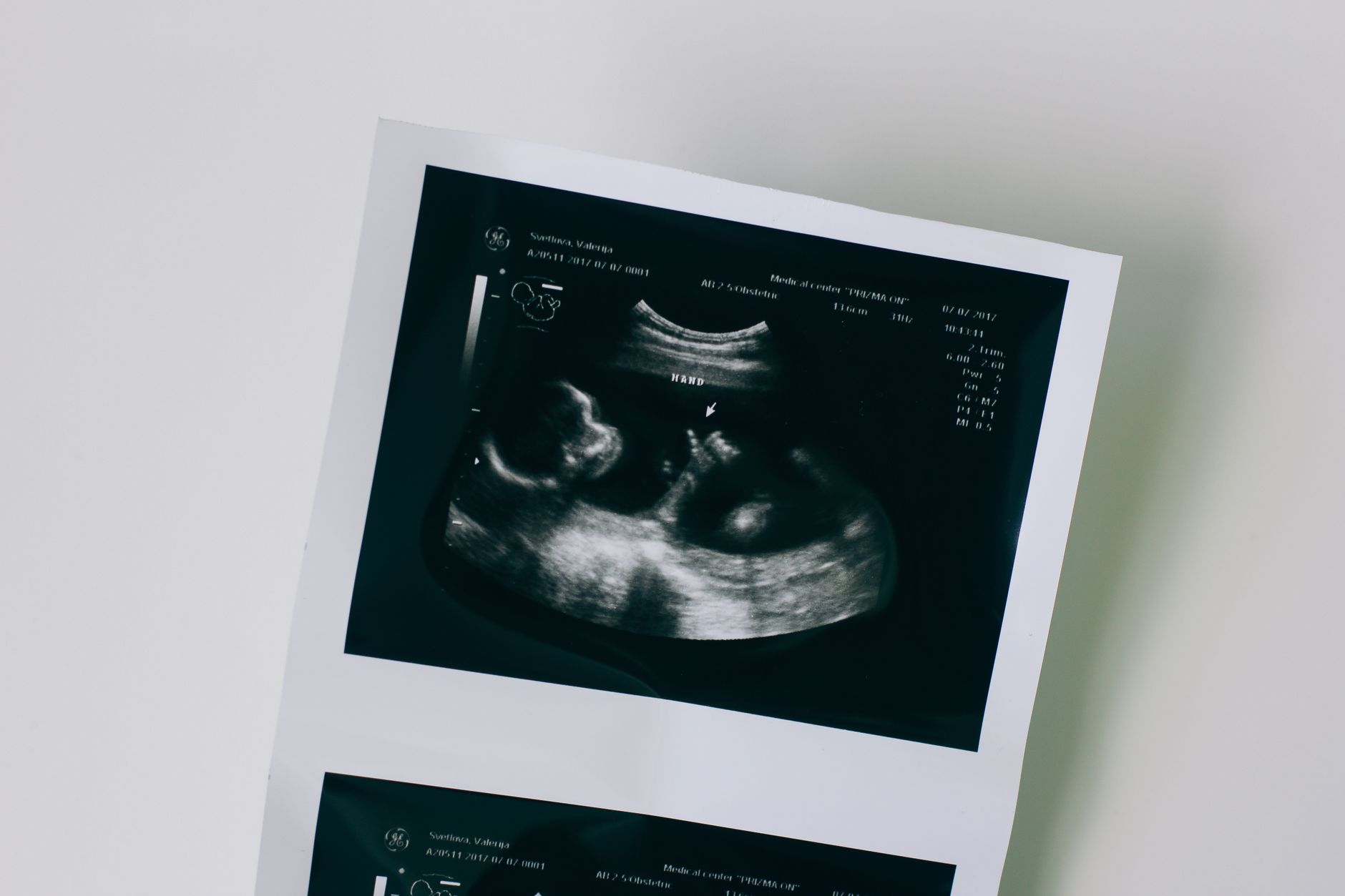
Twin pregnancy how many weeks full term is typically 36 weeks, but can vary, learn more about twin pregnancy and full term weeks
By Shubhra Mishra — a mom of two who turned her own confusion during pregnancy into BumpBites, a global mission to make food choices clear, safe, and stress-free for every expecting mother. 💛
Check whether any food is safe during pregnancy with the BumpBites Food Safety Checker.
Quick take: Twins are considered full term at 37 weeks, but most are born between 36 and 38 weeks. Delivery before 36 weeks raises the risk of respiratory and developmental complications, while waiting past 38 weeks can increase chances of labor‑inducing complications. Your care team will monitor growth, amniotic fluid, and any signs of distress to decide the safest delivery timing.
It’s 2 a.m., you’re sipping warm tea, and a flutter of tiny kicks makes you wonder: “Are we close to full term, or should I be preparing for an early birth?” Those midnight questions are common for parents expecting twins. The answer isn’t a one‑size‑fits‑all number; it’s a range that balances the babies’ development with the mother’s health.
In this guide we’ll break down exactly what “full term” means for twins, how many weeks you can safely stay pregnant, and what your provider looks for as you near the finish line. We’ll also compare twin timing to singleton pregnancies, discuss risks of early or late delivery, and give practical nutrition and prenatal‑care tips for those final weeks.
By the end you’ll have a clear picture of the typical twin gestational timeline, the warning signs to watch for, and concrete steps you can take tonight to feel more in control.
What is the full‑term gestation period for twins?
For single babies, full term is defined as 39 – 40 weeks. Twins, however, have a slightly earlier benchmark. The American College of Obstetricians and Gynecologists (ACOG) and the Royal College of Obstetricians and Gynaecologists (RCOG) both classify twins as full term at 37 weeks of gestation.
This definition reflects the fact that twins share the uterine space and often experience slower growth after the first trimester. By 37 weeks, most twin fetuses have reached a weight and lung maturity that allow them to thrive outside the womb with minimal respiratory support.
Key milestones that signal full‑term status for twins include:
Average fetal weight of 2.0 kg (4.4 lb) per baby.
Surfactant production sufficient for stable breathing.
Amniotic fluid volume within the normal range (1.0–2.5 L total for both sacs).
No signs of intra‑uterine growth restriction (IUGR) on ultrasound.
Because twins mature a bit earlier, many obstetricians aim to deliver between 36 and 38 weeks unless complications arise.
How many weeks can a twin pregnancy safely go past 37 weeks?
W
hile 37 weeks is the full‑term threshold, most providers will monitor twins closely if the pregnancy extends beyond that point. The sweet spot for twin delivery is often 36 – 38 weeks. Going past 38 weeks is generally safe, but the risk curve begins to rise.
Research from the National Institute for Health and Care Excellence (NICE) shows that waiting beyond 38 weeks can increase the chance of:
Placental insufficiency – where the placenta can’t deliver enough oxygen.
Labor induction complications, such as failed induction leading to emergency cesarean.
Maternal pre‑eclampsia or gestational hypertension.
Conversely, delivering before 36 weeks is associated with higher rates of neonatal intensive care unit (NICU) admission, respiratory distress syndrome, and neurodevelopmental delays.
In practice, if twins reach 38 weeks without any concerning signs, many clinicians will still consider induction to avoid the escalating risks of post‑term pregnancy. The exact cut‑off varies by country: ACOG recommends offering induction at 38 weeks for uncomplicated twin pregnancies, while the UK’s NICE suggests a more individualized approach, often waiting until 39 weeks if maternal health is optimal.
At 37 weeks, twin hearts often beat in sync, signaling readiness for life outside the womb.
What’s the difference between full term and early term for twin pregnancies?
“Early term” for twins refers to deliveries that occur between 34 and 36 weeks. While babies born in this window usually survive, they face a higher likelihood of complications compared with full‑term twins.
Key differences include:
Aspect
Early‑term (34‑36 wks)
Full‑term (≥37 wks)
Average birth weight
1.6 kg (3.5 lb) per baby
2.0 kg (4.4 lb) per baby
NICU admission
≈45 %
≈15 %
Respiratory distress syndrome
≈30 %
≈5 %
Breast‑feeding success (first week)
≈60 %
≈85 %
These numbers come from pooled data by the CDC’s National Center for Health Statistics and reflect the added vulnerability of twins when born before the full‑term mark.
Because early‑term twins have a higher chance of needing respiratory support, many clinicians aim to avoid elective deliveries before 36 weeks unless there’s a clear medical indication, such as severe pre‑eclampsia or placental abruption.
What is the average delivery week for twins compared with singletons?
On average, twins are born about 3 weeks earlier than singletons. The typical gestational age for twin delivery ranges from 35 to 38 weeks, with a median around 36 weeks. In contrast, singleton pregnancies most often reach 39 to 40 weeks.
Why the difference? The uterus has to accommodate two growing bodies, which can limit space and stretch the placental capacity. Additionally, twin placentas (whether shared or separate) may become less efficient earlier in the pregnancy.
Data from the World Health Organization (WHO) and ACOG show:
≈70 % of twins deliver before 38 weeks.
≈30 % of singletons deliver before 38 weeks.
Only about 5 % of twins reach 40 weeks, versus 25 % of singletons.
Understanding this baseline helps set realistic expectations. If you’re expecting twins, you’ll likely hear the phrase “early term” more often than you would with a singleton pregnancy.
What are the risks of delivering twins before 36 weeks?
Delivering twins before 36 weeks places the babies in the early‑term category, which carries measurable risks:
Respiratory distress syndrome (RDS): The lungs may not have produced enough surfactant, leading to breathing difficulties.
Neurodevelopmental delays: Studies from the National Institutes of Health (NIH) link early‑term birth with modest reductions in language and motor skills at age 2.
Thermoregulation problems: Smaller babies lose heat faster, increasing the chance of hypothermia.
Feeding challenges: Early‑term twins often need tube feeding or supplemental formula for the first few days.
Higher NICU stay: The average NICU length of stay for twins born at 34 weeks is about 10 days, compared with 3 days for those born at 38 weeks.
Because of these concerns, obstetricians typically delay elective deliveries until at least 36 weeks unless maternal or fetal health demands earlier action.
What prenatal care schedule is recommended for twins at 34–38 weeks?
From 34 weeks onward, twin pregnancies merit more frequent monitoring than singleton pregnancies. ACOG’s “Twin Pregnancy Care” guidelines suggest the following visit cadence:
34 weeks: Bi‑weekly visit with ultrasound to assess growth, amniotic fluid, and Doppler flow.
36 weeks: Weekly visit. Check blood pressure, urine protein, fetal heart rates (both twins), and cervical length via transvaginal ultrasound.
37 weeks: Continue weekly assessments; discuss delivery plan (vaginal vs. cesarean) and possible induction.
38 weeks: If no contraindications, many providers schedule delivery (often induction) between 38 0⁄7 and 38 6⁄7 weeks.
During each visit, the care team will also:
Screen for gestational diabetes control.
Monitor maternal weight gain (average 1.5 – 2 kg per week in the third trimester).
Perform a non‑stress test (NST) or biophysical profile (BPP) to gauge fetal well‑being.
Discuss signs of labor, pre‑eclampsia, and any new symptoms.
These appointments are essential because twin pregnancies have a higher incidence of complications such as pre‑eclampsia, placenta previa, and cord entanglement.
Focus on iron‑rich leafy greens, omega‑3 sources, and protein‑packed snacks as twins grow rapidly in the final weeks.
What signs indicate a twin pregnancy is reaching full term?
When twins approach 37 weeks, you may notice subtle changes that signal readiness for birth:
Increased fetal movement: Twins often “dance” more as they settle into the uterus.
Lowered belly height: The uterus may feel slightly lower as the baby heads descend.
More frequent Braxton‑Hicks: Light, irregular contractions become common.
Changes in cervical mucus: A clear, stretchy “egg‑white” discharge can precede labor.
Feeling of pelvic pressure: The babies' heads may be engaging the birth canal.
If you notice any of these signs, especially in combination with regular (every 3‑5 minutes) contractions, it’s wise to call your provider. A quick check of fetal heart rates and cervical status can confirm whether you’re truly at term.
How do twin birth weight expectations change at full term?
At full term (≥37 weeks), twin birth weight averages around 2.0 kg (4.4 lb) per baby. However, a healthy range is broad, spanning 1.5 kg (3.3 lb) to 2.5 kg (5.5 lb). Factors influencing weight include:
Placental type (shared vs. separate) – shared placentas may limit growth.
Maternal nutrition and weight gain – adequate protein and iron are crucial.
Gender – male twins tend to be slightly heavier.
Birth order – the first‑born twin is often a few hundred grams heavier.
Low birth weight (<2.5 kg) in twins is common and not automatically a cause for alarm, but persistent growth restriction (<10th percentile) warrants closer surveillance and possibly earlier delivery.
Research from the Mayo Clinic indicates that twins born at 37 weeks with weights above 1.8 kg have outcomes comparable to singleton infants born at 39 weeks.
What complications can arise if twins are born after 40 weeks?
While most twins deliver before 40 weeks, a small percentage (≈5 %) do reach term or post‑term. After 40 weeks, the risks include:
Placental insufficiency: The placenta may begin to age, reducing oxygen and nutrient transfer.
Umbilical cord compression: Space constraints can cause cord entanglement, especially in monochorionic twins.
Maternal hypertension or pre‑eclampsia: Late‑pregnancy blood‑pressure spikes are more common after 39 weeks.
Labor induction challenges: Inducing twins after 40 weeks may require higher doses of oxytocin and carries a higher cesarean‑section rate.
Because of these concerns, many providers will schedule an induction at 38 weeks for uncomplicated twin pregnancies, balancing the goal of full‑term maturity with the desire to avoid post‑term complications.
What nutrition tips support twins in the final weeks of pregnancy?
Nutrition becomes especially important as twins accelerate growth between 34 and 38 weeks. Here are evidence‑based recommendations from NICE and the CDC:
Increase protein intake: Aim for 1.1 g per kilogram of maternal weight per day (about 80–100 g for most pregnant women). Include lean meats, legumes, Greek yogurt, and tofu.
Boost iron and folic acid: Continue prenatal vitamins with 27 mg iron and 400 µg folic acid. Pair iron‑rich foods with vitamin C (citrus, bell peppers) to improve absorption.
Omega‑3 fatty acids (DHA): At least 200 mg DHA daily supports brain development. Sources include salmon, sardines, and fortified eggs.
Stay hydrated: Aim for 2.5–3 L of fluids daily to maintain amniotic fluid volume.
Limit simple sugars and excess caffeine: Keep caffeine below 200 mg per day (roughly one 12‑oz coffee) to reduce risk of low birth weight.
Snack ideas for busy evenings: a handful of almonds with a piece of fruit, whole‑grain toast topped with avocado, or a smoothie blended with spinach, berries, and a scoop of protein powder. These choices keep energy steady and provide the micronutrients twins need for rapid growth.
From our medical team: Twin pregnancies deserve extra attention because the two babies share a limited uterine environment. Watching growth curves, checking cervical length, and listening for any signs of distress are all part of a careful plan that aims for a safe delivery around 37 weeks. If you’re unsure about any symptom—persistent headache, sudden swelling, or a change in fetal movement—reach out to your provider right away. Your health and the twins’ well‑being are the top priorities.
Myth vs. fact
Myth: Twins must always be delivered by 34 weeks to avoid complications. Fact: While early delivery may be necessary for certain medical issues, most twins thrive when born between 36 and 38 weeks, which is considered full term for multiples.
Myth: If twins reach 40 weeks, they will be just as healthy as singletons born at the same age. Fact: Post‑term twins face higher risks of placental insufficiency and maternal hypertension, so many clinicians schedule delivery before 39 weeks.
Myth: Twins will always be smaller than singletons, regardless of gestational age. Fact: At full term (≥37 weeks), twins often catch up to a healthy weight range that supports normal development, especially when maternal nutrition is adequate.
Key takeaways
Twins are considered full term at 37 weeks; most are delivered between 36 and 38 weeks.
Early‑term delivery (34‑36 weeks) raises risks of respiratory and neurodevelopmental issues.
Waiting past 38 weeks can increase placental and maternal complications, so many providers induce around 38 weeks.
Regular weekly prenatal visits from 34 weeks onward help monitor growth, fluid levels, and fetal well‑being.
Key nutrition: extra protein, iron, DHA, and hydration in the final weeks support healthy twin growth.
Watch for increased fetal movement, Braxton‑Hicks, pelvic pressure, and changes in cervical mucus as signs of approaching term.
Frequently asked questions
Can twins be born at 38 weeks and still be considered full term?
Yes—twins born at 38 weeks are fully within the full‑term window (≥37 weeks) and generally have outcomes comparable to those born at 37 weeks.
What are the signs that twins are going into labor early?
Early labor signs include regular contractions every 5 minutes lasting 30–60 seconds, increasing pelvic pressure, a sudden gush of fluid, or a change in vaginal discharge. If you notice these, contact your provider promptly.
How does gestational age affect twin birth weight?
Each additional week after 34 weeks adds roughly 150–200 g to each twin’s weight. By 37 weeks, average twin weight reaches about 2.0 kg, while a baby born at 34 weeks averages 1.6 kg.
Are there differences in prenatal appointments for twins after 34 weeks?
Yes—appointments become weekly after 36 weeks, and include more frequent ultrasounds, cervical length checks, and non‑stress tests to closely monitor both babies and maternal health.
What are the risks of delivering twins after 39 weeks?
Delivering twins after 39 weeks can increase the chance of placental insufficiency, maternal hypertension, and the need for labor induction, which may raise the likelihood of a cesarean delivery.
How many weeks do twins typically stay in the womb compared to single babies?
Twins usually deliver 3 weeks earlier than singletons, with a median gestational age of 36 weeks versus 39 weeks for single births.
When to call your doctor
If you experience any of the following, seek medical attention right away: sudden severe abdominal pain, heavy vaginal bleeding, a rapid increase in swelling of hands or face, severe headache, vision changes, or a noticeable decrease in fetal movement.
This article is for informational purposes only and does not replace personalized medical advice. Always discuss your specific situation with your obstetric provider.
References
American College of Obstetricians and Gynecologists (ACOG). “Twin Pregnancy.” Practice Bulletin No. 169, 2022.
Royal College of Obstetricians and Gynaecologists (RCOG). “Management of Twin Pregnancy.” Green‑Top Guideline No. 68, 2021.
National Institute for Health and Care Excellence (NICE). “Twin Pregnancy: Antenatal Care.” NG123, 2020.
Centers for Disease Control and Prevention (CDC). “Births: Data on Multiple Births.” National Center for Health Statistics, 2023.
World Health Organization (WHO). “Recommendations on Antenatal Care for a Positive Pregnancy Experience.” 2022.
Mayo Clinic. “Twin Pregnancy: What to Expect.” Updated 2023.
National Institutes of Health (NIH). “Neurodevelopmental Outcomes of Early‑Term Twins.” Journal of Pediatrics, 2021.
Food and Drug Administration (FDA). “Caffeine Consumption During Pregnancy.” Consumer Health Information, 2022.
Not sure about the label on Twin Pregnancy How Many Weeks Full Term products?
Snap the ingredients list and SafeFilter checks every ingredient for your stage — only 3 free scans this month, then you're locked until reset. Unlimited from $7/mo or $50/yr.
When Shubhra Mishra was expecting her first child in 2016, she was overwhelmed by conflicting food advice — one site said yes, another said never. By the time her second baby arrived in 2019, she realized millions of mothers face the same confusion.
That sparked a five-year journey through clinical nutrition papers, cultural diets, and expert conversations — all leading to BumpBites: a calm, compassionate space where science meets everyday motherhood.
Her long-term vision is to build a global community ensuring safe, supported, and free deliveriesfor every mother — because no woman should face pregnancy alone or uninformed. 🌿
🌍 Stand with mothers, shape safer guidance
Join a small circle of experts who review BumpBites articles so expecting parents everywhere can decide with confidence.