Yes—twins can safely exercise. This guide explains which workouts are best, how often to train, and precautions to protect both babies and mom during a twin pregnancy.
By Shubhra Mishra — a mom of two who turned her own confusion during pregnancy into BumpBites, a global mission to make food choices clear, safe, and stress-free for every expecting mother. 💛
Check whether any food is safe during pregnancy with the BumpBites Food Safety Checker.
Quick take: Yes—most twin pregnancies can include safe, regular exercise when you follow ACOG’s guidelines, listen to your body, and adjust intensity as your belly grows. Aim for 150 minutes of moderate activity per week, choose low‑impact cardio, strengthen core and back, and stop if you notice pain, bleeding, or excessive shortness of breath.
It’s 2 a.m., you’re curled up in the living‑room with a half‑finished journal entry about your twins’ first ultrasound, and a sudden cramp makes you wonder: “Is it okay to keep moving?” You’re not alone. Many expecting parents of twins worry whether the extra weight and faster growth change the rules of staying active. The good news is that staying fit can actually ease back pain, improve circulation, and help you recover faster after delivery—provided you follow the right safety net.
In this guide we’ll walk through the safest exercises for each trimester, show you how to tweak common moves like squats and cardio, and give practical tips for special situations such as gestational diabetes or a prescribed bed‑rest. You’ll also find a quick‑reference table, a myth‑busting section, and a concise FAQ that answers the most‑asked questions about twin pregnancy exercise.
Read on, breathe easy, and feel confident that you can move safely with your growing pair.
Safe exercises for twin pregnancy second trimester
The second trimester (weeks 13‑27) is often the most comfortable phase for twin moms. Your energy levels usually rise, and the risk of miscarriage drops, making it a good window to maintain or start a gentle exercise routine. According to the American College of Obstetricians and Gynecologists (ACOG), moderate‑intensity activities such as brisk walking, swimming, and stationary cycling are safe for most twin pregnancies.
Key points for safety:
Intensity: Aim for a conversation‑pace level—if you can talk without gasping, you’re in the right zone.
Impact: Choose low‑impact moves that keep stress off the joints, which are already softened by pregnancy hormones.
Hydration: Drink 2‑3 L of water daily, especially around workouts, to avoid dehydration.
Sample routine (30‑45 minutes, 3‑4 times a week):
5‑minute warm‑up: marching in place, gentle arm circles.
20‑minute cardio: brisk walk or elliptical at a steady pace.
10‑minute strength: body‑weight squats (modified, see below), wall push‑ups, and seated rows with resistance bands.
5‑minute cool‑down: slow walking and deep breathing.
Keeping a symptom diary—note any uterine cramping, vaginal bleeding, or dizziness—and sharing it with your provider can help you fine‑tune the plan.
Best cardio workouts for twins after 30 weeks
B
y the third trimester, especially after week 30, your belly may feel like it’s taking up half the room, and balance can be tricky. Yet cardio remains essential for heart health and stamina during labor. The safest options are those that are low‑impact, keep your core stable, and don’t require sudden direction changes.
Activity
Intensity (moderate)
Typical Duration
Why It’s Safe
Walking (outdoor or treadmill)
5–6 km/h
30 min
Minimal joint stress; easy to pause.
Stationary cycling
Light‑to‑moderate resistance
30 min
Supports cardiovascular health without impact.
Swimming or water aerobics
Steady laps or gentle water jogging
30 min
Buoyancy reduces pressure on the spine and hips.
Elliptical trainer
Low resistance, steady stride
20‑30 min
Provides full‑body motion while protecting joints.
Start each session with a few minutes of gentle walking or arm swings, and finish with a cool‑down stretch. If you feel shortness of breath beyond normal pregnancy exertion, or experience any uterine pain, stop immediately and call your provider.
Strength training routine for twin moms to prevent back pain
Back pain is reported by up to 70 % of twin pregnancies, largely due to the extra weight and shifted center of gravity. Targeted strength work can reinforce the muscles that support the spine, pelvis, and hips. ACOG endorses resistance training with light to moderate loads (no more than 12‑15 lb per hand) when performed with proper form.
Cat‑Cow Stretch – 2 minutes, to mobilize the spine.
Modified Squats – 2 sets × 12 reps, using a stability ball against the wall.
Standing Row with Resistance Band – 2 sets × 12 reps.
Side‑Plank (knees down) – 2 × 20‑second holds each side.
Glute Bridge – 3 sets × 10 reps.
Bird‑Dog – 2 sets × 10 reps per side.
Focus on slow, controlled movements and keep your core gently engaged. Avoid heavy deadlifts, overhead presses, or any exercise that compresses the abdomen. If you feel a “popping” sensation in the pelvis or sharp low‑back pain, stop and discuss it with your obstetrician.
Yoga poses that are safe for carrying twins
Yoga can improve flexibility, reduce stress, and promote better sleep—benefits that are amplified when you’re nurturing two little lives. The key is to stay in poses that keep the belly open, avoid deep twists, and support the pelvic floor.
Safe poses (hold each 30‑60 seconds, repeat 2‑3 times):
Cat‑Cow (Marjaryasana‑Bitilasana) – gentle spinal flexion and extension.
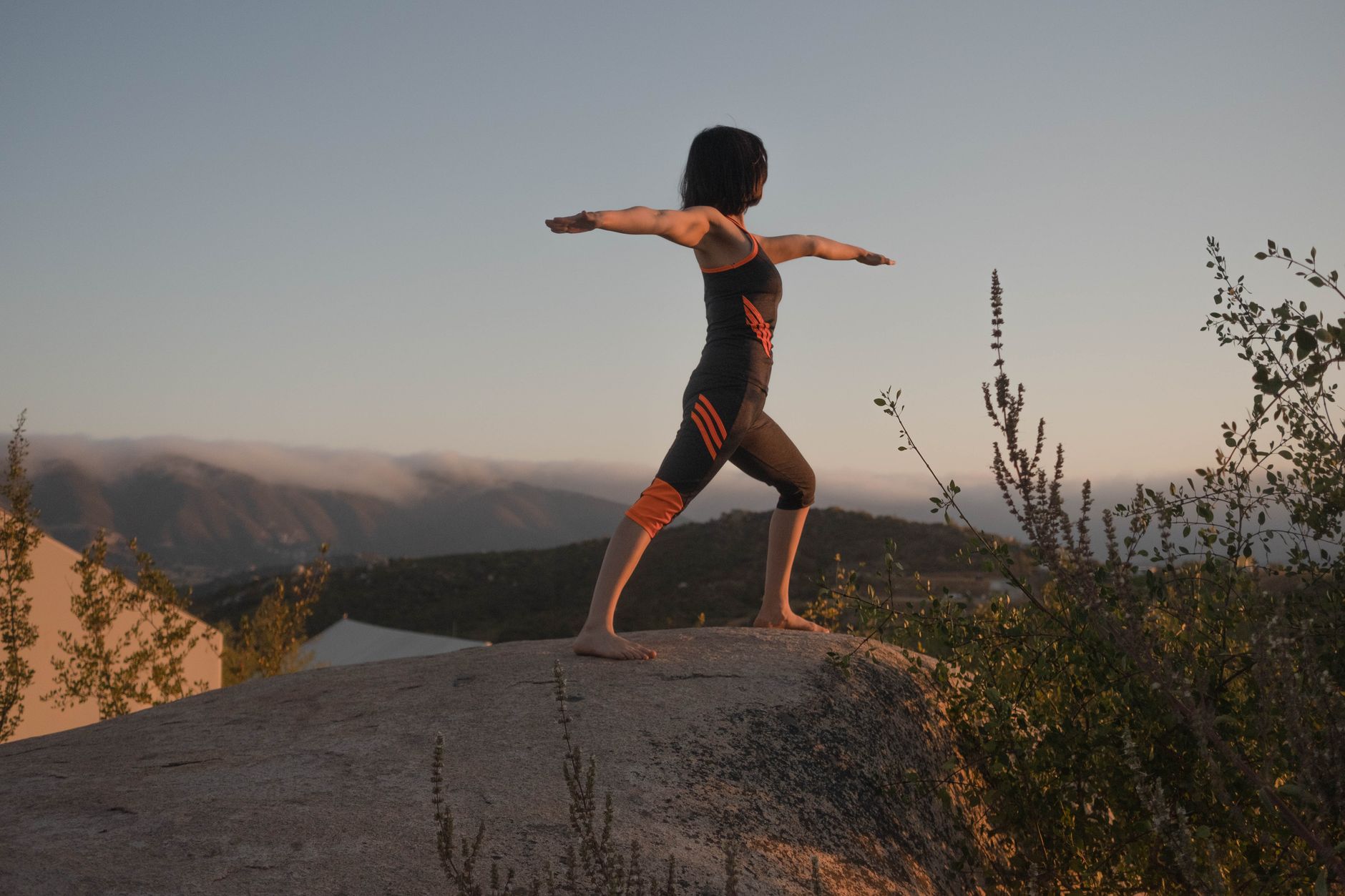
Modified Warrior II (Virabhadrasana II) – wide stance, hands on hips, no deep backbend.
Supported Bridge (Setu Bandha Sarvangasana) with a block – opens the chest without over‑arching the lower back.
Seated Forward Fold with a bolster – relaxes the hamstrings while the belly rests on the cushion.
Legs‑up‑the‑Wall (Viparita Karani) – reduces swelling and promotes circulation.
Skip deep inversions (headstands, shoulder stands) and any pose that requires lying flat on your back after the first trimester, as it can compress the vena cava and reduce blood flow to the baby.
Modified Warrior II keeps your hips stable while giving a gentle stretch.
How many minutes should a twin pregnancy exercise session last?
ACOG recommends at least 150 minutes of moderate‑intensity aerobic activity each week for pregnant people, which translates to roughly 30 minutes on most days. For twins, the same total applies, but you may need to split the time into shorter bouts—especially if you’re feeling fatigued.
Guidelines:
Start with 10‑15 minute sessions if you’re new to exercise, and gradually increase by 5 minutes each week.
During the third trimester, aim for 20‑30 minute sessions, listening closely to your body’s signals.
If you’re on a prescribed bed‑rest, consult your provider about permissible passive movements such as gentle stretching.
Remember, consistency beats duration. A steady 20‑minute walk most days is more beneficial—and safer—than an occasional hour‑long workout.
Low‑impact workouts for twin pregnancy with gestational diabetes
Gestational diabetes (GDM) affects roughly 10 % of twin pregnancies. Exercise helps regulate blood glucose, but intensity must stay moderate to avoid hypoglycemia. Low‑impact activities that keep the heart rate in the 50‑70 % of maximum are ideal.
Examples:
Water Aerobics: 30‑minute session, water resistance supports joints.
Stationary Bike: 20‑minute steady ride with light resistance.
Prenatal Yoga: Focus on gentle flow and breathing.
Resistance Band Workouts: Light bands for upper‑body strengthening.
Check your blood sugar before and after exercise. If you notice dizziness, shakiness, or a reading below 70 mg/dL, consume a quick carbohydrate snack and rest. Always coordinate your exercise plan with the diabetes care team.
Can I do Pilates while pregnant with twins?
Yes—Pilates can be a safe, core‑strengthening option when you modify the moves to accommodate a larger belly. Many prenatal Pilates classes emphasize breath work, pelvic floor activation, and controlled movements without lying flat on the back.
Safe Pilates moves:
Pelvic Curl: Supine with knees bent and a pillow under the hips; lift pelvis gently.
Modified Hundred: Seated with legs bent, arms pulsing overhead while keeping the torso upright.
Side‑Leg Lifts: Standing, hold a chair for balance, lift the outer leg slowly.
Spine Stretch Forward: Seated, reach forward while keeping a neutral spine.
Avoid deep twists, full roll‑ups, and any exercise that pressures the abdomen. If you feel any uterine cramping or increased vaginal discharge, stop and contact your provider.
Tips for staying active during a twin pregnancy bed rest
Some twins require a period of partial or total bed‑rest due to complications like pre‑eclampsia or cervical insufficiency. Even then, gentle movement can help maintain circulation and mood.
Suggested activities (always clear with your obstetrician first):
Upper‑body Stretching: Arm circles, shoulder rolls, and neck stretches while lying on your side.
Ankle Pumps: Flex and point feet 20 times each hour to prevent swelling.
Seated Marching: Sit upright on the edge of the bed and lift knees alternately.
Hand‑held Resistance Bands: Light pulling exercises for arms and shoulders.
Keep a bedside log of any discomfort, and ask your care team for a tailored activity plan that respects the level of restriction.
Twin pregnancy exercise guidelines from ACOG
The 2023 ACOG Committee Opinion on physical activity in pregnancy states:
Pregnant people without contraindications should aim for at least 150 minutes of moderate‑intensity aerobic activity per week.
Strength training involving major muscle groups should be performed 2‑3 times weekly with light to moderate loads.
Activities that carry a high risk of falling (e.g., downhill skiing, contact sports) should be avoided.
Any new or worsening symptoms—such as vaginal bleeding, persistent abdominal pain, or severe shortness of breath—require an immediate cessation of exercise and medical evaluation.
These guidelines apply equally to singleton and twin pregnancies, though clinicians may advise a more conservative progression for twins because of the larger uterine size and higher risk of preterm labor.
Difference between exercise for single and twin pregnancies
While the core principles of safety, moderation, and consistency remain the same, twin pregnancies often demand earlier modifications because the abdomen expands faster and the cardiovascular load is higher.
Key differences:
Timing of Modifications: Twins may need to switch to low‑impact cardio by the end of the second trimester, whereas singleton pregnancies often continue higher‑impact options like light jogging into the third trimester.
Intensity Limits: Many providers suggest staying at the lower end of the target heart‑rate zone (50‑70 % of max) for twins, compared with 60‑80 % for singletons.
Strength Load: Light resistance (≤ 12 lb) is emphasized for twins to avoid excessive intra‑abdominal pressure.
Monitoring: Twin pregnancies often require more frequent check‑ins for fetal heart tones and uterine activity after exercise sessions.
Understanding these nuances helps you tailor your routine without compromising safety.
What are the warning signs to stop exercising with twins?
Listen to your body. Stop immediately and contact your provider if you experience any of the following:
Vaginal bleeding or spotting.
Persistent uterine cramping or sharp abdominal pain.
Sudden, severe shortness of breath that does not improve with rest.
Headache, visual disturbances, or swelling of the hands/face (possible signs of pre‑eclampsia).
Feeling faint, dizziness, or a rapid heart rate over 120 bpm at rest.
Fluid leakage or a gush of fluid, which could indicate ruptured membranes.
These symptoms warrant prompt medical evaluation, as they may signal complications that require cessation of activity.
How to modify squat form for twin pregnancy
Squats are excellent for strengthening the legs and core, but the expanding belly changes your center of gravity. Here’s a safe, twin‑friendly modification:
Place a sturdy stability ball or a folded towel against a wall, positioned at the level of your lower back.
Stand with feet hip‑width apart, toes slightly turned out.
Engage your core, then slowly lower your hips, allowing the ball to glide up the wall as you descend. Keep your knees tracking over your toes.
Pause when your thighs are parallel to the floor or when you feel a stretch, then press through your heels to rise.
Maintain a neutral spine—avoid overarching or rounding the back.
If you feel any pressure in the lower abdomen or loss of balance, reduce the depth or switch to a seated squat on a chair. Using a resistance band around the thighs can also help maintain proper knee alignment.
Benefits of swimming for twin pregnancies
Swimming offers a unique combination of cardiovascular fitness, muscle strengthening, and buoyancy that relieves pressure on the spine and joints. For twins, the water’s support can reduce the feeling of heaviness and improve mood.
Specific benefits include:
Reduced Joint Stress: Water’s buoyancy lessens impact on hips, knees, and ankles.
Improved Circulation: Gentle water resistance promotes blood flow, which can lessen swelling.
Enhanced Lung Capacity: Controlled breathing techniques in the pool help maintain oxygenation for both mother and babies.
Temperature Regulation: Cool water helps prevent overheating, a concern in later pregnancy stages.
Aim for 30‑minute sessions, 2‑3 times per week, and avoid diving or high‑intensity laps that could cause sudden changes in heart rate.
Exercise frequency for twin pregnancy third trimester
In the third trimester (weeks 28‑40), consistency becomes more important than intensity. ACOG suggests maintaining the 150‑minute weekly goal, distributed across 4‑5 days to avoid overexertion.
Sample weekly schedule:
Monday: 30‑minute brisk walk.
Tuesday: 20‑minute prenatal yoga.
Wednesday: Rest or gentle stretching.
Thursday: 30‑minute water aerobics.
Friday: 20‑minute strength routine (light bands).
Saturday: 30‑minute stationary bike.
Sunday: Rest or short walk.
Adjust the schedule based on how you feel each day. If you notice increased fatigue, swap a cardio day for a rest day. The goal is to stay active without risking over‑training.
Postpartum exercise plan after delivering twins
Recovering from a twin delivery—whether vaginal, cesarean, or assisted—requires a gradual re‑introduction to exercise. Most providers recommend waiting until the 6‑week postpartum check before starting any moderate‑intensity activity, but gentle pelvic‑floor exercises can begin earlier.
First‑phase (weeks 1‑6):
Kegels: 3 sets × 10 reps, several times daily.
Pelvic tilts: 2 sets × 10 reps while lying on your back.
Walking: start with 5‑10 minutes, increase by 5 minutes each week as tolerated.
Second‑phase (weeks 6‑12):
Add light resistance band work for arms and shoulders.
Progress to low‑impact cardio such as elliptical or water walking.
Gradually re‑introduce core–strengthening moves like modified planks (knees on the floor).
Third‑phase (months 3‑6):
Increase cardio duration to 30 minutes, 3‑4 times per week.
Incorporate full‑body strength training with moderate weights (≤ 15 lb).
Consider a post‑natal Pilates or yoga class focused on diastasis recti and pelvic stability.
Listen to your body—if you feel any pelvic pain, excessive fatigue, or abnormal bleeding, pause and consult your obstetrician.
After delivery, gentle movement helps you regain strength while bonding with your twins.
Myth vs. fact
Myth: Twin pregnancies require you to stop exercising completely.
Fact: Most twins can continue safe, moderate activity throughout pregnancy, unless a medical complication mandates rest.
Myth: You can lift heavy weights as long as you feel strong.
Fact: Heavy lifting increases intra‑abdominal pressure and risk of pre‑term labor; light to moderate resistance (≤ 12 lb) is recommended.
Myth: Running is unsafe for twins after the first trimester.
Fact: Low‑impact running or jogging may be safe for some twins if the heart rate stays within the moderate zone and there are no complications—always get provider approval.
Key takeaways
Aim for at least 150 minutes of moderate cardio each week, split into 20‑30 minute sessions.
Prioritize low‑impact activities—walking, swimming, stationary bike, and gentle yoga.
Strengthen core and back with light resistance bands or body‑weight moves; avoid heavy lifting.
Listen to warning signs: bleeding, severe cramping, dizziness, or sudden shortness of breath require immediate medical review.
Hydrate well, eat balanced meals rich in protein and iron, and adjust workouts as your belly grows.
After delivery, start with pelvic‑floor and walking, then gradually re‑introduce strength and cardio over 3‑6 months.
Frequently asked questions
Is it safe to run while pregnant with twins?
For many twins, light to moderate jogging is safe if you stay within a conversational heart‑rate zone and have no contraindications; however, you should get clearance from your obstetrician and avoid high‑impact or downhill runs.
How much weight can a twin pregnancy mother lift?
Guidelines suggest using light to moderate loads—generally no more than 12 lb per hand—and focusing on high repetitions rather than heavy lifting to minimize intra‑abdominal pressure.
What types of exercise are recommended for twins in the third trimester?
Low‑impact cardio (walking, swimming, stationary cycling), gentle strength training with bands, and prenatal yoga or Pilates are all recommended, while high‑intensity interval training and contact sports should be avoided.
Can twin pregnancy cause joint pain during workouts?
Yes—pregnancy hormones relax ligaments, and the extra weight of twins can increase stress on joints, making aches common; using supportive shoes, proper form, and low‑impact moves can help reduce discomfort.
Should I avoid high‑intensity interval training with twins?
Most experts advise staying in the moderate‑intensity zone; HIIT can spike heart rate and blood pressure, which may not be appropriate for twin pregnancies unless cleared by your provider.
When should I stop exercising during a twin pregnancy?
You should cease activity and contact your provider if you experience vaginal bleeding, persistent abdominal pain, severe shortness of breath, dizziness, or any signs of pre‑eclampsia such as swelling and headache.
When to call your doctor
If you notice any of the following, seek medical attention right away: vaginal bleeding or spotting, sudden or severe abdominal pain, persistent uterine cramping, dizziness or faintness, rapid heartbeat (over 120 bpm at rest), swelling of hands or face, or a gush of fluid. This article provides general information and does not replace personalized medical advice.
References
American College of Obstetricians and Gynecologists. “Physical Activity and Exercise During Pregnancy and the Postpartum Period.” Committee Opinion, 2023.
National Health Service (NHS). “Exercise in pregnancy.” Guidance for pregnant people, 2022.
Centers for Disease Control and Prevention (CDC). “Gestational Diabetes.” 2022.
World Health Organization (WHO). “Recommendations on Antenatal Care for a Positive Pregnancy Experience.” 2022.
Royal College of Obstetricians and Gynaecologists (RCOG). “Twin Pregnancy.” Clinical guidance, 2021.
Mayo Clinic. “Exercise during pregnancy.” Health information, 2023.
American Pregnancy Association. “Prenatal Pilates.” 2022.
National Institute for Health and Care Excellence (NICE). “Hypertension in pregnancy.” Clinical guideline, 2021.
American Academy of Pediatrics (AAP). “Postpartum care for mothers of multiples.” 2022.
Not sure about the label on Twin Pregnancy Exercise products?
Snap the ingredients list and SafeFilter checks every ingredient for your stage — only 3 free scans this month, then you're locked until reset. Unlimited from $7/mo or $50/yr.
When Shubhra Mishra was expecting her first child in 2016, she was overwhelmed by conflicting food advice — one site said yes, another said never. By the time her second baby arrived in 2019, she realized millions of mothers face the same confusion.
That sparked a five-year journey through clinical nutrition papers, cultural diets, and expert conversations — all leading to BumpBites: a calm, compassionate space where science meets everyday motherhood.
Her long-term vision is to build a global community ensuring safe, supported, and free deliveriesfor every mother — because no woman should face pregnancy alone or uninformed. 🌿
🌍 Stand with mothers, shape safer guidance
Join a small circle of experts who review BumpBites articles so expecting parents everywhere can decide with confidence.