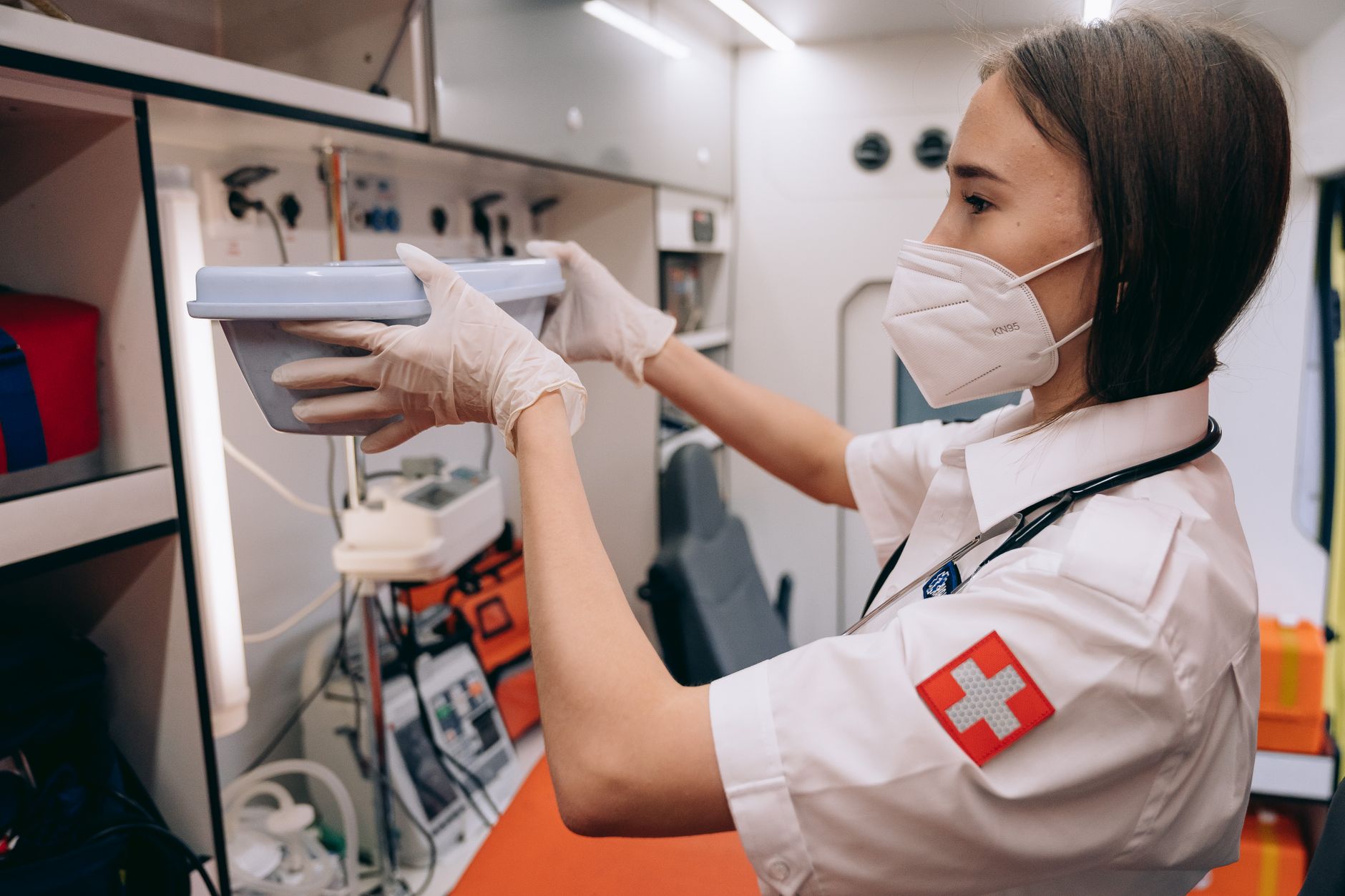
Food is the second most common transmission route. The parasite can hide in undercooked meat, unwashed fruits and vegetables, and even in some processed foods if cross‑contamination occurs.
Meats that need special attention
Raw or rare beef, pork, lamb, and goat can contain tissue cysts. The safest approach is to cook these meats to an internal temperature of 165 °F (74 °C), measured with a food‑grade thermometer. Ground meat should always be cooked thoroughly because the grinding process distributes any cysts throughout the product.
When buying meat, look for labels that indicate “fully cooked” or “ready‑to‑eat.” If you purchase fresh cuts, consider searing them on both sides before finishing in the oven—this extra step gives an extra safety margin without sacrificing flavor.
Seafood and game meat
While fish is not a typical source of T. gondii, wild game (such as venison) can be. Treat wild game the same as other meats: cook well, or freeze at –4 °F (–20 °C) for at least 48 hours before cooking to inactivate cysts.
Produce safety
- Wash all fresh fruits and vegetables. Use running water; a brush can help with firm produce like carrots or potatoes.
- Peel when possible. Peeling removes any surface‑adhered oocysts.
- Avoid raw sprouts. Sprouts are often grown in warm, moist conditions that encourage parasite growth.
- Separate cutting boards. Use a dedicated board for raw meat and another for produce to prevent cross‑contamination.
Even pre‑washed salad mixes can become contaminated after packaging, so give them a quick rinse before eating. This habit also reduces pesticide residues, offering a double benefit.
Cheeses and dairy
Unpasteurized dairy products can harbor many pathogens, including Toxoplasma. Stick to pasteurized milk, cheese, and yogurt. Soft cheeses like feta, brie, or chèvre should be made from pasteurized milk.
Guidelines from authorities
The FDA and the Academy of Nutrition and Dietetics both recommend these food‑safety practices for pregnant women and for anyone looking to avoid toxoplasmosis.
When dining out, don’t hesitate to ask the server how meat is prepared. Restaurants are accustomed to providing this information, and it’s an easy way to stay in control of your food safety.
Is it safe to garden during pregnancy to avoid toxoplasmosis?
Gardening can feel therapeutic, but soil can be another source of oocysts, especially if you use compost that contains cat feces or if cats roam your garden.
Assessing the risk
Oocysts survive in moist, shaded soil for months. If you’re planting a vegetable garden, the risk is low when you follow basic precautions. However, handling soil directly, especially if you’ve seen a cat using the area as a litter box, warrants extra care.
Safe gardening tips
- Wear gloves. Disposable nitrile gloves are inexpensive and protect both hands and the parasite.
- Wash hands after gardening. Even if you wore gloves, wash with soap and water for at least 20 seconds.
- Cover compost. Keep compost bins sealed and away from cats. If you use commercial compost, choose a brand that guarantees no animal waste.
- Use raised beds. Raising soil above ground reduces contact with stray cats.
- Water from a hose, not a bucket. Avoid splashing soil onto your skin or clothing.
These recommendations align with the World Health Organization (WHO) guidance for pregnant women who wish to garden.
Consider a simple “soil‑free” gardening approach by using large planters filled with sterile potting mix. This eliminates direct soil contact while still allowing you to grow herbs and vegetables for fresh meals.
What are the symptoms of toxoplasmosis in pregnancy?
Many pregnant women with toxoplasmosis never notice any symptoms, which is why routine testing is essential if you suspect exposure. When symptoms do appear, they often mimic mild flu‑like illness.
Common early signs
- Fever (often low‑grade)
- Headache
- Fatigue or malaise
- Muscle aches
- Swollen lymph nodes, especially around the neck
These signs are non‑specific and can be mistaken for a seasonal cold, which is why a thorough exposure history is crucial.
When symptoms become severe
In rare cases, the infection can cause eye inflammation (ocular toxoplasmosis) leading to blurred vision or floaters, or it can affect the brain (encephalitis), causing confusion or seizures. These severe manifestations are more common in immunocompromised individuals but can occur in pregnant women with a primary infection.
Because the signs are nonspecific, any flu‑like illness in pregnancy should prompt a conversation with your OB‑GYN, especially if you’ve had recent exposure to cat litter, undercooked meat, or contaminated soil.
How does toxoplasmosis affect a developing baby?
When a pregnant woman acquires a primary infection—meaning it’s her first exposure—the parasite can cross the placenta and infect the fetus. The timing of infection determines the severity of outcomes.
First trimester infection
Early infection carries the highest risk of miscarriage, stillbirth, or severe neurological damage. Up to 30 % of infants may experience serious complications, including hydrocephalus (fluid buildup in the brain), intracranial calcifications, or vision loss.
Second trimester infection
Risks drop to about 10‑15 % for severe outcomes, but the baby can still develop chorioretinitis (eye inflammation) or subtle neurodevelopmental delays that may not become apparent until later childhood.
Third trimester infection
Late‑pregnancy infection often results in a newborn who appears healthy at birth but may develop ocular disease or learning difficulties later. The overall risk of serious disease is lowest in this window, yet monitoring remains essential.
Long‑term considerations
Even when the infant appears unaffected at birth, studies from the National Institute of Child Health and Human Development (NICHD) suggest a modest increase in subtle learning or motor skill challenges. Early ophthalmologic and developmental screening can catch these issues early.
Because the brain continues to develop after birth, some effects may only emerge during school years. Keeping a record of your child's vision checks and developmental milestones helps clinicians intervene promptly if concerns arise.
Can I keep my cat if I'm pregnant and worried about toxoplasmosis?
The short answer: Yes—if you follow proper hygiene. Your cat is not the source of infection unless it’s shedding oocysts, which usually happens only for a few weeks after a first exposure.
Assessing your cat’s risk
- Indoor‑only cats. Cats that never hunt or eat raw meat are far less likely to become infected.
- Vaccinated and dewormed. Routine veterinary care reduces the chance of your cat picking up the parasite.
- Age of the cat. Kittens are more prone to infection because they’re still developing immunity.
Keeping the cat safe (and you safe)
Feed your cat commercial, cooked pet food. Avoid raw meat diets unless a veterinarian specifically recommends them and you handle the meat with strict hygiene.
Maintain regular litter‑box cleaning (as described earlier) and keep your cat’s environment clean. If a cat does become infected, it does not automatically mean you’ll become infected—proper hygiene remains the protective barrier.
These points echo the Royal College of Obstetricians and Gynaecologists (RCOG) guidelines, which encourage cat ownership with safe practices.
When introducing a new cat to your home, consider a short quarantine period and have the veterinarian test the cat’s feces for Toxoplasma. This extra step can give you peace of mind before the litter box becomes part of your routine.
What to do if you think you've been exposed to toxoplasmosis while pregnant?
Prompt action can make a big difference. Here’s a step‑by‑step plan you can follow the moment you suspect exposure.
Tell them about the exposure (e.g., “I cleaned the litter box yesterday without gloves”). They will likely order a serologic test (IgG and IgM antibodies) to determine if you have a recent infection.
2. Get tested
Testing is usually done through a blood draw. Results typically return within a week. If the test shows a recent infection (positive IgM or rising IgG titers), you’ll move to treatment.
3. Begin treatment if indicated
Standard therapy in pregnancy, recommended by the CDC and ACOG, involves a combination of spiramycin (available in many countries) or pyrimethamine‑sulfadiazine plus folinic acid in the second and third trimesters. Your provider will choose the regimen based on gestational age and drug availability.
4. Follow up
Serial ultrasounds are performed to monitor fetal development, especially the brain and eyes. Amniocentesis may be offered after 18 weeks to directly assess fetal infection.
5. Practice prevention moving forward
Re‑evaluate your cat‑litter routine, food handling, and gardening habits to reduce future risk.
Remember, early treatment can dramatically lower the chance of the parasite crossing the placenta, protecting your baby’s health.
How common is toxoplasmosis during pregnancy?
Globally, about 30 % of the population carries Toxoplasma antibodies, indicating past infection. However, primary infection during pregnancy is far less common.
- In the United States, seroprevalence among women of child‑bearing age is roughly 11 % (CDC).
- In Europe, rates range from 10 % to 30 % depending on dietary habits and cat exposure.
- In low‑income regions with higher exposure to raw meat and soil, prevalence can exceed 50 % (WHO).
Because many women have already been exposed before pregnancy, the actual risk of a new infection is relatively low—generally 1–2 % in the U.S. population. Nonetheless, the potential impact on the fetus makes prevention a priority.
Screening programs differ by country. In France, routine prenatal screening is standard, whereas in the U.S. it is usually performed only when risk factors are identified. Knowing your local guidelines helps you advocate for testing when needed.
Testing for toxoplasmosis during pregnancy
Serologic testing is the gold standard. Two key antibodies are measured:
If IgG is positive and IgM negative, you likely have immunity and the fetus is protected. If both are positive, your provider will order a follow‑up avidity test to pinpoint infection timing.
Some laboratories also offer PCR testing of amniotic fluid if fetal infection is suspected after 18 weeks. This molecular test can directly detect parasite DNA, providing definitive evidence of congenital infection.
Treatment options for toxoplasmosis in pregnancy
When a primary infection is confirmed, treatment aims to reduce fetal transmission and parasite load.
All medication plans require close monitoring by an obstetrician and an infectious‑disease specialist. Never start or stop drugs on your own.
If you have a known folate deficiency, your provider may increase folic acid supplementation while you’re on pyrimethamine‑based regimens to further protect against blood‑cell side effects.
Can you get toxoplasmosis from dog poop?
Dogs can carry Toxoplasma oocysts on their fur or paws after walking in contaminated soil, but they do not shed the parasite in their feces. The CDC confirms that direct transmission from dog feces is extremely rare. Nonetheless, good hand hygiene after handling any pet waste remains a wise practice.
For families with both cats and dogs, keep the litter box in a room that’s separate from the dog’s feeding area. This spatial separation reduces the chance of oocysts being transferred via a dog’s paws.
What are the risk factors for toxoplasmosis during pregnancy?
Understanding risk helps you focus prevention efforts.
- Owning or caring for a cat that hunts or eats raw meat.
- Consuming undercooked or raw meat, especially pork, lamb, or game.
- Eating unwashed fruits and vegetables.
- Gardening without gloves or with contaminated soil.
- Living in or traveling to regions with high seroprevalence.
- Having a weakened immune system (e.g., HIV, immunosuppressive therapy).
Even if you have several of these factors, diligent hygiene can keep the infection risk low.
Pregnant travelers should review local food‑handling customs before departure. In many countries, street‑food stalls may serve undercooked meat that poses a higher risk than typical U.S. meals.
What are the symptoms of toxoplasmosis in a newborn?
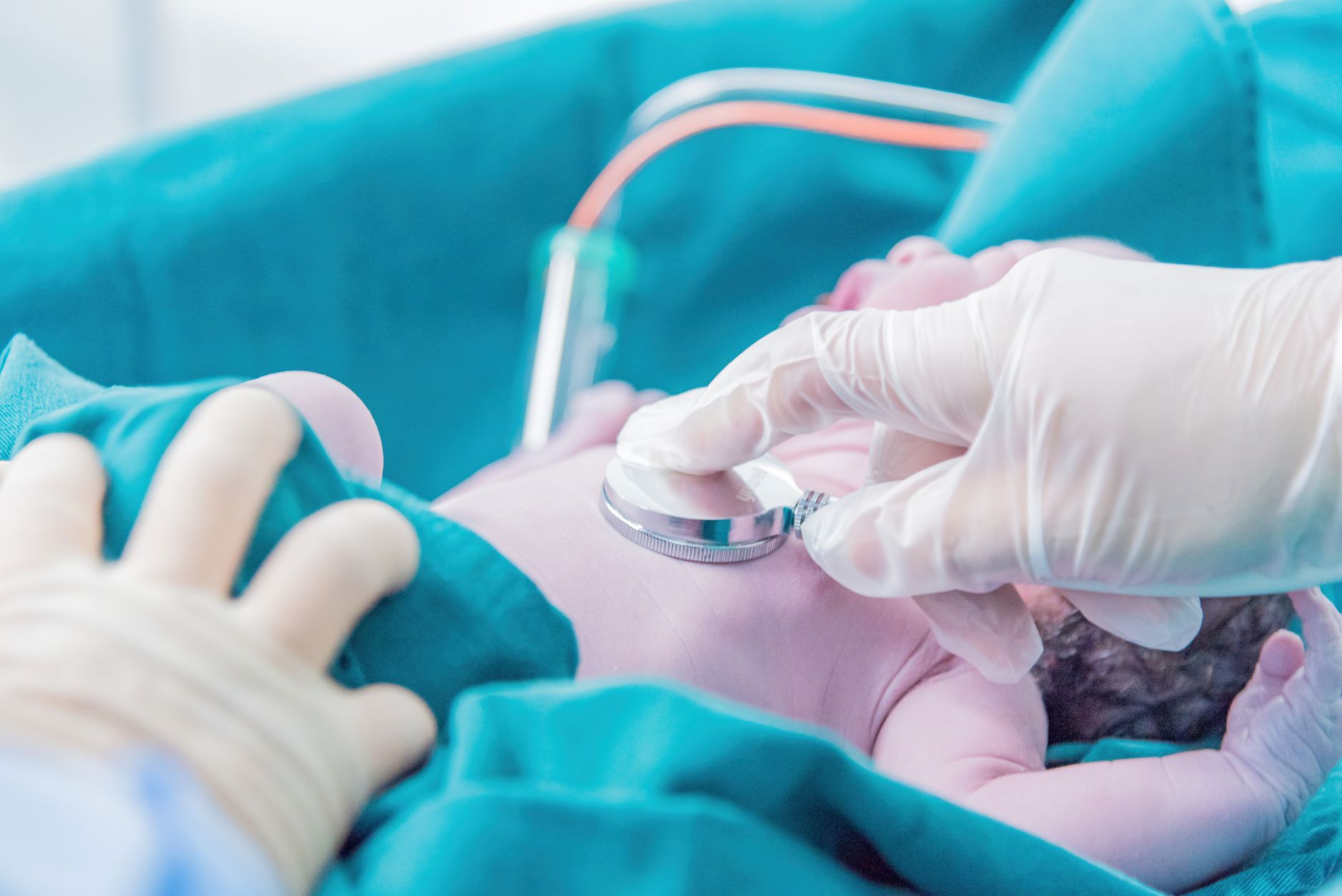
Congenital toxoplasmosis may present at birth or later in infancy.
At birth
- Low birth weight
- Jaundice
- Enlarged liver or spleen
- Neurological signs such as seizures or microcephaly
- Eye abnormalities (chorioretinitis)
Later infancy
Some infants appear normal initially but develop vision problems, hearing loss, or developmental delays within the first year. Regular pediatric eye exams and developmental screening are crucial for early detection.
Travel considerations for toxoplasmosis prevention during pregnancy
Travel can expose you to foods and environments that differ from your home routine. When visiting regions where raw or undercooked meat is common, the risk of toxoplasmosis rises.
Safe eating while abroad
- Choose fully cooked meats and avoid “rare” or “medium‑rare” preparations.
- Steer clear of unpasteurized dairy products, including soft cheeses and fresh goat milk.
- Prefer fruits you can peel yourself—bananas, oranges, and pitted fruits are safer than berries that may have been washed in contaminated water.
- When in doubt, ask restaurant staff about how dishes are prepared. Most establishments will accommodate a request for extra cooking.
The CDC recommends that pregnant travelers also carry a copy of their serology results, especially if they’ve already tested positive for IgG. This information helps local providers interpret any new symptoms promptly.
Screening and follow‑up schedule by trimester
Because the timing of infection influences fetal risk, many clinicians tailor screening to each trimester.
First trimester
Early testing for IgG and IgM is advised if you have known risk factors (cat exposure, raw‑meat diet, recent travel). A negative IgG means you’re susceptible, so preventive counseling becomes a priority.
Second trimester
If you were IgG‑negative in the first trimester, a repeat test at 20 weeks can catch a new infection before the placenta becomes fully permeable. Some guidelines also suggest an ultrasound at 22 weeks to look for signs of fetal involvement.
Third trimester
For women who remain IgG‑negative, a final screening at 30 weeks offers a last chance to identify infection before delivery. After birth, newborns of mothers with confirmed infection should receive a PCR test on cord blood and a thorough ophthalmologic exam.
These stepwise checks align with ACOG’s recommendation to individualize screening based on personal risk, rather than applying a one‑size‑fits‑all approach.
Myth vs. Fact
Myth: “If you own a cat, you’ll definitely get toxoplasmosis.”
Fact: Most cats never shed oocysts, and proper litter hygiene reduces maternal risk to near‑zero.
Myth: “Freezing meat kills Toxoplasma.”
Fact: Freezing at –4 °F (–20 °C) for at least 48 hours can inactivate tissue cysts, but cooking to 165 °F is the most reliable method.
Myth: “If you feel fine, you don’t need testing.”
Fact: Many infections are asymptomatic; a simple blood test is the only way to confirm immunity or recent infection.
Key takeaways
- Practice daily litter changes, wear gloves, and wash hands after cat‑litter contact.
- Cook all meat to 165 °F (74 °C) and wash all produce before eating.
- Garden with gloves, wash hands afterward, and keep compost sealed from cats.
- Ask your OB‑GYN for toxoplasmosis serology early in pregnancy.
- If exposed, treatment with spiramycin (first trimester) or pyrimethamine‑sulfadiazine (later trimesters) can protect the baby.
- Most pregnant women who follow these steps avoid infection; the condition is rare but serious.
- When traveling, stick to well‑cooked foods and bring your serology results for quick reference.
- Follow a trimester‑specific screening schedule if you have risk factors.
Frequently asked questions
How can I prevent toxoplasmosis during pregnancy?
Follow the three‑step rule: (1) handle cat litter safely—daily changes, gloves, hand‑wash; (2) cook meat thoroughly and wash all produce; (3) wear gloves while gardening and keep soil clean. Add routine blood testing early in pregnancy for peace of mind.
What are the chances of getting toxoplasmosis during pregnancy?
In the United States, about 1–2 % of pregnant women acquire a primary infection. The risk varies by diet, cat exposure, and geographic region, but proper hygiene keeps it low.
What are the symptoms of toxoplasmosis in a pregnant woman?
Most cases are silent, but flu‑like signs—fever, headache, muscle aches, and swollen neck lymph nodes—can appear. Eye pain or vision changes signal ocular involvement and require urgent care.
Can toxoplasmosis be cured during pregnancy?
While the parasite isn’t “cured” in the classic sense, medications like spiramycin (first trimester) or pyrimethamine‑sulfadiazine (later trimesters) can reduce fetal transmission and improve outcomes.
Is it safe to be around cats when pregnant?
Yes, as long as you avoid direct contact with cat feces. Change litter daily, wear gloves, and wash hands. Indoor‑only cats pose the lowest risk.
What should I do if I have toxoplasmosis while pregnant?
Contact your OB‑GYN immediately for serologic testing. If confirmed, start the recommended medication regimen, schedule serial ultrasounds, and continue strict hygiene to prevent reinfection.
Is sushi safe for pregnant women regarding toxoplasmosis?
Sushi made with raw fish does not typically carry Toxoplasma, but some sushi rolls contain raw meat or marinated seafood that could be contaminated. Choose cooked options (e.g., tempura or eel) or sushi made with fully cooked seafood to stay safe.
Is there a vaccine for toxoplasmosis?
Currently, no vaccine is approved for human use. Research is ongoing, and experimental vaccines have shown promise in animal models, but they remain in clinical trial phases. Until a vaccine becomes available, prevention relies on hygiene and food safety.
When to see a doctor / specialist
Red‑flag symptoms that warrant immediate medical attention:
- Fever above 100.4 °F (38 °C) lasting more than 48 hours.
- Severe headache, vision changes, or eye pain.
- Swollen lymph nodes that don’t improve after a week.
- Unexplained muscle pain with a recent exposure to raw meat or cat litter.
- Any signs of miscarriage or fetal movement changes.
If any of these appear, call your OB‑GYN or go to the nearest emergency department. An infectious‑disease specialist may be consulted for complex cases or treatment monitoring.
This article is for informational purposes only and does not replace personalized medical advice. Always discuss your individual situation with a qualified health professional.
References
- Centers for Disease Control and Prevention. “Toxoplasmosis – Pregnancy.” CDC, 2023.
- American College of Obstetricians and Gynecologists. “Management of Toxoplasmosis in Pregnancy.” ACOG Committee Opinion, 2022.
- World Health Organization. “Toxoplasmosis.” WHO Fact Sheet, 2022.
- Royal College of Obstetricians and Gynaecologists. “Toxoplasmosis.” RCOG Guidelines, 2021.
- National Institute of Child Health and Human Development. “Congenital Toxoplasmosis.” NICHD, 2023.
- Academy of Nutrition and Dietetics. “Food Safety for Pregnant Women.” Eatright.org, 2022.
- U.S. Food and Drug Administration. “Food Safety and the Types of Foodborne Illnesses.” FDA, 2023.
- American Society of Clinical Oncology. “Guidelines for Infectious Disease in Pregnancy.” ASCO, 2021.
- Centers for Disease Control and Prevention. “Travelers’ Health – Toxoplasmosis.” CDC, 2023.
- World Health Organization. “Vaccines in Development for Toxoplasmosis.” WHO, 2022.