

Quick take: A thyroid-friendly grocery list prioritizes nutrient-dense foods like leafy greens, fatty fish, nuts, and seeds while avoiding goitrogens, gluten, and processed foods. For Hashimoto’s or hypothyroidism, focus on anti-inflammatory foods, gluten-free grains, and adequate selenium. Start with this printable-friendly list and swap seasonal produce to keep costs low.Thyroid Friendly Diet Grocery Shopping List: The Complete 2026 Guide
It was 2 a.m., the glow of my phone casting shadows across the kitchen counter as I stared at the empty fridge. My thyroid had been acting up again—fatigue so deep it felt like drowning, my hands cold even in summer—and I’d finally decided to overhaul my diet. But where to begin? The internet offered endless lists, conflicting advice, and enough jargon to make my head spin. I needed a real, actionable plan. That’s when I realized: most thyroid-friendly grocery lists are either too vague or too overwhelming. So I dug into the science, talked to an endocrinologist, and built this practical guide—one that balances nutrition, budget, and your actual life.
This isn’t just another list of foods to eat or avoid. It’s a step-by-step roadmap to stock your pantry, fridge, and freezer with foods that support thyroid function—whether you’re managing hypothyroidism, Hashimoto’s, or just want to proactively protect your thyroid. We’ll cover what to buy, what to skip, how to read labels like a pro, and even how to meal prep on a budget. By the end, you’ll have a printable-friendly shopping list tailored to your thyroid’s needs, plus tips to adapt it for Hashimoto’s, weight loss, or gluten/dairy sensitivities.
Remember: no two thyroids are alike. If you have Hashimoto’s, you might need to avoid certain foods entirely. If you’re hypothyroid, you’ll want extra selenium and zinc. And if you’re pregnant or breastfeeding, your needs shift again. But this list is your foundation—adjust as you go.
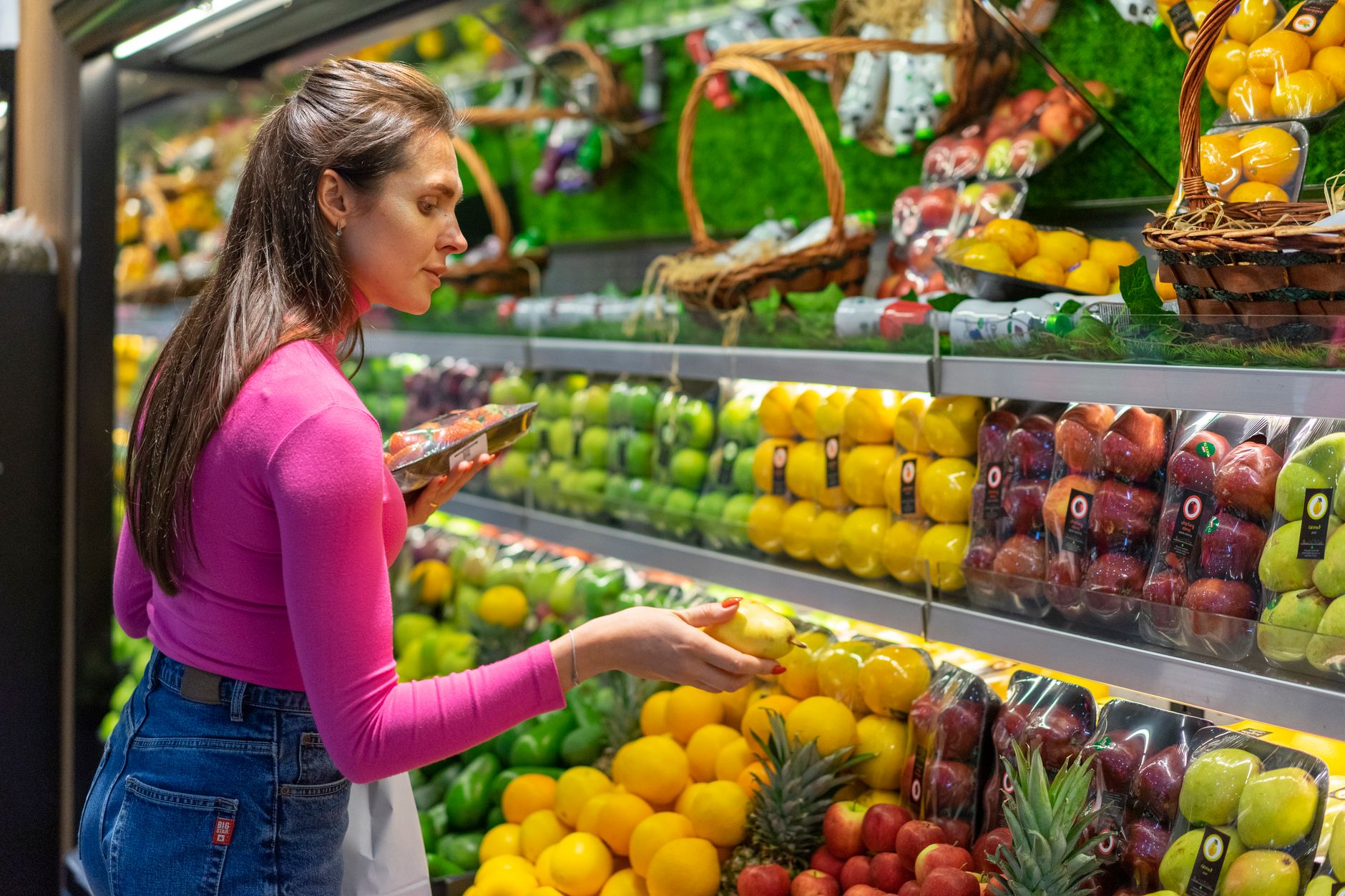
--- ## **What foods should I buy for a thyroid-friendly diet?**Think of your thyroid-friendly grocery haul as a nutrient powerhouse—one that fuels your metabolism, reduces inflammation, and gives your thyroid the building blocks it needs. The key is focusing on anti-inflammatory foods, thyroid-supportive nutrients, and digestive-friendly options (especially if you have Hashimoto’s). Here’s what to prioritize:
### **1. Fruits (The Sweet but Smart Picks)**Fruits are packed with antioxidants and fiber, which help reduce oxidative stress—a known thyroid disruptor. But not all fruits are equal. Here’s what to reach for:
- **Berries**: Blueberries, strawberries, and raspberries are loaded with vitamin C and antioxidants. Why it matters: Vitamin C helps your body absorb iron, which is crucial for thyroid hormone production. - **Citrus fruits**: Oranges, grapefruit, and lemons (fresh or in juice) are vitamin C powerhouses. Pro tip: Squeeze lemon into your water—it’s hydrating and supports liver detox (which helps metabolize thyroid hormones). - **Apples**: Rich in quercetin, an anti-inflammatory flavonoid. Bonus: The pectin in apples can help stabilize blood sugar, which is key for thyroid regulation. - **Pineapple**: Contains bromelain, an enzyme that may reduce inflammation. Caution: If you’re sensitive to goitrogens (more on that later), limit raw pineapple—cooking reduces its goitrogenic effect.What to skip: Overripe bananas (high in sugar) and tropical fruits like mangoes and papayas in excess, as they can be high in goitrogens when raw.
### **2. Vegetables (The Colorful Champions)**Leafy greens, cruciferous veggies, and root vegetables should dominate your cart. But here’s the catch: some cruciferous veggies (like raw broccoli or cabbage) contain goitrogens, which can interfere with iodine uptake if eaten in large amounts. The good news? Cooking them reduces this effect.
- **Leafy greens**: Spinach, kale, and Swiss chard are packed with vitamin K, magnesium, and folate—all thyroid-friendly. Pro tip: Add them to smoothies or sauté them with garlic and olive oil for extra flavor. - **Cruciferous veggies (cooked)**: Broccoli, Brussels sprouts, and cauliflower—steamed or roasted—are great sources of vitamin C and fiber. How to cook them: Try roasting Brussels sprouts with balsamic glaze or adding steamed broccoli to soups. - **Root vegetables**: Sweet potatoes, carrots, and beets are rich in beta-carotene, which supports thyroid hormone production. Bonus: Sweet potatoes are also high in vitamin A, which helps regulate thyroid function. - **Avocados**: Yes, they’re technically a fruit! Avocados are loaded with healthy fats, which support hormone production. Pro tip: Add sliced avocado to salads or spread on gluten-free toast for a thyroid-friendly snack.What to skip: Large amounts of raw cruciferous veggies if you’re iodine-deficient or have Hashimoto’s (unless your doctor approves). Also avoid canned or processed veggies with added salt or preservatives.
### **3. Lean Proteins (The Building Blocks)**Protein is essential for thyroid hormone production, but not all sources are created equal. Aim for:
- **Fatty fish**: Salmon, mackerel, sardines, and anchovies are rich in omega-3s and selenium—both critical for thyroid health. Pro tip: Buy wild-caught salmon to avoid mercury contamination. - **Eggs**: Pasture-raised eggs are a great source of selenium and choline, which supports thyroid function. Bonus: Egg yolks contain vitamin D, which is often deficient in hypothyroid individuals. - **Poultry**: Chicken and turkey (skinless) are lean protein sources. Opt for organic or free-range when possible to avoid antibiotics and hormones. - **Plant-based proteins**: Lentils, chickpeas, and quinoa are excellent for Hashimoto’s patients (if gluten-free). Pro tip: Swap white rice for quinoa—it’s a complete protein and gluten-free.What to skip: Processed meats (deli meats, sausages) and conventional dairy if you’re sensitive. Also, limit soy if you have Hashimoto’s, as it may worsen autoimmune activity.
### **4. Healthy Fats (The Hormone Helpers)**Your thyroid needs healthy fats to produce hormones. These are your best bets:
- **Nuts and seeds**: Almonds, walnuts, flaxseeds, chia seeds, and pumpkin seeds are rich in zinc, magnesium, and omega-3s. Pro tip: Sprinkle chia seeds on yogurt or blend flaxseeds into smoothies. - **Olive oil**: Extra virgin olive oil is anti-inflammatory and supports heart health (which is linked to thyroid function). Use it for: Drizzling over salads, sautéing veggies, or making dressings. - **Avocado oil**: High smoke point, great for cooking. Bonus: It’s rich in monounsaturated fats, which help regulate blood sugar. - **Coconut oil**: Contains medium-chain triglycerides (MCTs), which may support metabolism. Use it for: Cooking or adding to coffee for an energy boost.What to skip: Trans fats (found in fried foods and margarine) and excessive vegetable oils (like soybean or canola oil), which can be inflammatory.
### **5. Gluten-Free Grains (The Energy Boosters)**If you have Hashimoto’s or celiac disease, gluten is a no-go. Even if you don’t, some people with thyroid issues tolerate gluten poorly. Try these instead:
- **Quinoa**: A complete protein and gluten-free grain. - **Brown rice**: High in fiber and magnesium. - **Buckwheat**: Not a grain but a pseudocereal—great for breakfast porridge. - **Certified gluten-free oats**: A good source of beta-glucan, which supports gut health.What to skip: Wheat, barley, and rye unless you’ve tested gluten tolerance.
### **6. Hydration & Beneficial Beverages**Water is your thyroid’s best friend. But what you drink matters too:
- **Filtered water**: Aim for at least 8 cups a day. Pro tip: Add lemon or cucumber slices for flavor. - **Herbal teas**: Ginger, turmeric, and ashwagandha teas are anti-inflammatory. Bonus: Chamomile tea can help with stress, which is linked to thyroid function. - **Coffee (in moderation)**: Limit to one cup in the morning—caffeine can interfere with thyroid hormone absorption if consumed later in the day. - **Bone broth**: Rich in collagen and minerals like magnesium and calcium. Use it for: Soups or sipping like tea.What to skip: Sugary drinks, artificial sweeteners, and excessive alcohol.
Now, let’s talk about what to leave behind. Some foods can disrupt thyroid function, worsen inflammation, or trigger autoimmune responses—especially if you have Hashimoto’s. Here’s the breakdown:
### **1. Goitrogenic Foods (The Iodine Blockers)**Goitrogens are compounds found in certain foods that can interfere with iodine uptake, which is critical for thyroid hormone production. While cooking reduces their effect, it’s still wise to limit them if you’re iodine-deficient or have Hashimoto’s.
- **Raw cruciferous veggies**: Broccoli, cabbage, kale, Brussels sprouts, and cauliflower. Solution: Cook them thoroughly. - **Soy products**: Tofu, tempeh, edamame, and soy milk. Caution: If you have Hashimoto’s, limit soy to 1–2 servings per week. - **Cassava**: A starchy root that can be high in goitrogens. - **Peanuts**: Not technically a nut, but a legume. Swap for: Almonds or walnuts. ### **2. Processed Foods (The Silent Saboteurs)**Processed foods are often high in sugar, unhealthy fats, and additives that can spike inflammation and disrupt hormones. Avoid:
- **Packaged snacks**: Chips, crackers, and granola bars (even "healthy" ones with added sugar). - **Fast food**: Burgers, fries, and fried chicken. - **Deli meats**: Hot dogs, sausages, and processed luncheon meats (often contain nitrates, which can affect thyroid function). - **Frozen meals**: Convenient but usually loaded with sodium and preservatives. ### **3. Gluten (The Gut Trigger)**For many with Hashimoto’s, gluten can worsen autoimmune activity. Even if you don’t have celiac disease, gluten might be contributing to your symptoms. Skip:
- **Wheat**: Bread, pasta, and cereals. - **Barley**: Malt, beer, and some soups. - **Rye**: Certain breads and crackers.What to do instead: If you suspect gluten is an issue, try an elimination diet (like the AIP elimination diet grocery list) to see if your symptoms improve.
### **4. Dairy (The Controversial One)**Dairy can be tricky. Some people with Hashimoto’s tolerate it fine, while others experience digestive issues or inflammation. If you’re sensitive:
- **Skip**: Cow’s milk, cheese, yogurt, and butter. - **Try these alternatives**: Almond milk (unsweetened), coconut yogurt, or dairy-free cheese made from nuts or seeds. ### **5. Excessive Sugar & Refined Carbs**Sugar and refined carbs can cause blood sugar spikes, which may worsen thyroid dysfunction and contribute to weight gain. Avoid:
- **White bread**: Regular loaves, bagels, and dinner rolls. - **Pastries**: Donuts, muffins, and cakes. - **Sweetened yogurts**: Look for plain, unsweetened versions and add your own fruit. - **Soda and juice**: Even "natural" juices can be high in sugar. ### **6. Alcohol (The Disruptor)**Alcohol can interfere with thyroid hormone production and liver detoxification. Limit to:
- **1 drink per week** if you’re trying to optimize thyroid health. - **Avoid binge drinking**, which can worsen inflammation.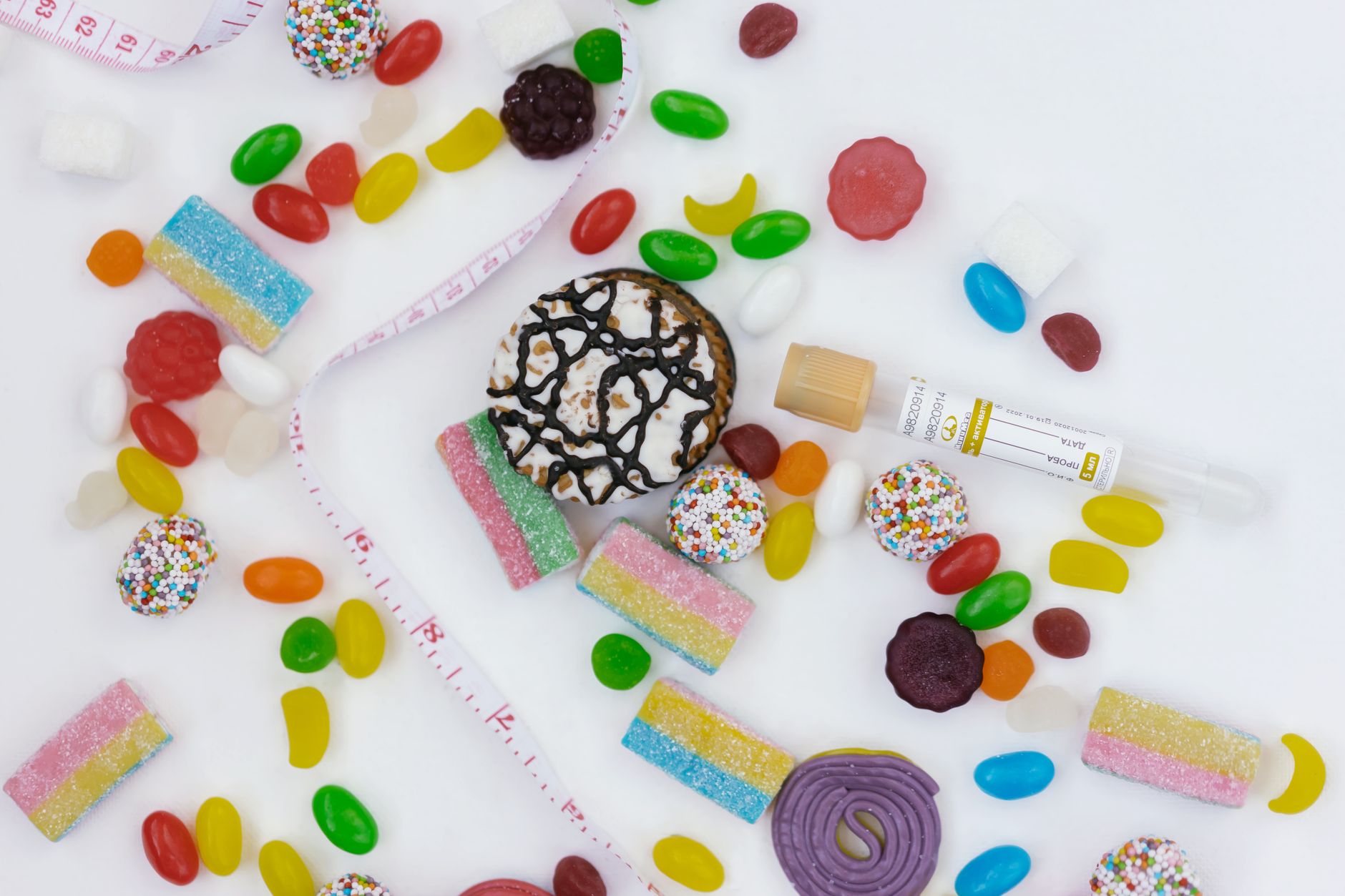
Let’s be real: eating for your thyroid doesn’t have to break the bank. The key is seasonal shopping, bulk buying, and smart swaps. Here’s how to keep your cart full without emptying your wallet.
### **1. Shop Seasonal & Local**Seasonal produce is cheaper, fresher, and often more nutrient-dense. Plan meals around what’s in season:
- **Spring**: Asparagus, spinach, strawberries, and artichokes. - **Summer**: Tomatoes, zucchini, peaches, and corn. - **Fall**: Sweet potatoes, Brussels sprouts, apples, and pumpkin. - **Winter**: Kale, carrots, pears, and citrus fruits.Pro tip: Visit farmers' markets for fresh, affordable produce. Many offer discounts on "ugly" veggies—perfect for roasting or blending into soups.
### **2. Buy in Bulk (But Smartly)**Bulk buying saves money, but only if you’ll use what you buy. Focus on:
- **Grains**: Quinoa, brown rice, and oats (store in airtight containers). - **Nuts and seeds**: Almonds, walnuts, chia seeds, and flaxseeds. - **Canned goods**: Wild-caught salmon, sardines, and low-sodium beans.Avoid bulk-buying perishables like berries or leafy greens—they spoil quickly.
### **3. Opt for Frozen (Yes, Really!)**Frozen veggies and fruits are often just as nutritious as fresh and way cheaper. Look for:
- **Frozen spinach, kale, and mixed berries**. - **Frozen salmon or shrimp** (great for quick meals). - **Frozen cauliflower rice** (a gluten-free, low-carb staple). ### **4. Make Your Own Snacks**Skip pre-packaged snacks and make your own:
- **Energy balls**: Mix dates, nuts, and cocoa powder, then roll into balls. - **Roasted chickpeas**: Toss canned chickpeas with olive oil and spices, then bake until crispy. - **Homemade granola**: Combine oats, nuts, seeds, and a touch of honey, then bake. ### **5. Use Coupons & Store Brands**Check for coupons on thyroid-friendly staples like:
- **Organic eggs or pasture-raised chicken**. - **Wild-caught fish**. - **Gluten-free grains**.Pro tip: Stores like Costco or Sam’s Club often have better bulk prices than smaller grocery chains.
### **6. Repurpose Leftovers**Cook once, eat twice! For example:
- **Roast a whole chicken** on Sunday—use the meat for salads and soups, and the bones for homemade broth. - **Make a big batch of quinoa**—use it in bowls, salads, or as a side dish all week. ### **7. DIY Condiments & Sauces**Avoid store-bought dressings and sauces (often loaded with sugar and additives). Make your own:
- **Tahini dressing**: Mix tahini, lemon juice, garlic, and water. - **Pesto**: Blend basil, garlic, olive oil, and nuts. - **Hot sauce**: Fermented chili peppers (great for gut health). ### **8. Compare Unit Prices**Always check the price per ounce or gram. For example:
- **Almond butter**: A small jar might be pricier than a larger one. - **Spinach**: Fresh bunches can cost more than frozen bags.
Need a jumpstart? Here’s a simple, balanced meal plan with a corresponding shopping list. Adjust based on your preferences and dietary needs (e.g., gluten-free, dairy-free).
### **Meal Plan** **Monday** - Breakfast: Scrambled eggs with spinach and avocado - Lunch: Quinoa salad with chickpeas, cucumber, and lemon-tahini dressing - Dinner: Baked salmon with roasted Brussels sprouts and sweet potato mash - Snack: Almonds and an apple **Tuesday** - Breakfast: Chia pudding with almond milk and berries - Lunch: Turkey lettuce wraps with avocado and hummus - Dinner: Lentil soup with a side of steamed kale - Snack: Hard-boiled eggs and carrot sticks **Wednesday** - Breakfast: Smoothie with spinach, banana, almond butter, and flaxseeds - Lunch: Grilled chicken with quinoa and roasted veggies - Dinner: Stir-fried tofu (or shrimp) with broccoli and brown rice - Snack: Roasted seaweed snacks and a handful of walnuts **Thursday** - Breakfast: Oatmeal with chia seeds, cinnamon, and sliced almonds - Lunch: Tuna salad (with olive oil instead of mayo) on gluten-free crackers - Dinner: Baked cod with mashed cauliflower and sautéed green beans - Snack: Celery sticks with almond butter **Friday** - Breakfast: Veggie omelet with mushrooms and spinach - Lunch: Quinoa bowl with black beans, avocado, and salsa - Dinner: Turkey meatballs with zucchini noodles and marinara sauce - Snack: Cottage cheese (if tolerated) with pineapple **Saturday** - Breakfast: Smoothie bowl with berries, granola, and coconut yogurt - Lunch: Grilled chicken Caesar salad (gluten-free dressing) - Dinner: Stuffed bell peppers with ground turkey and quinoa - Snack: Dark chocolate (85%+) and a handful of walnuts **Sunday** - Breakfast: Avocado toast (gluten-free bread) with smoked salmon - Lunch: Leftovers (e.g., lentil soup or quinoa salad) - Dinner: Baked chicken with roasted Brussels sprouts and mashed sweet potatoes - Snack: Homemade energy balls ### **Shopping List (Printable-Friendly)**Produce
- Spinach (fresh or frozen) - Kale - Brussels sprouts - Broccoli - Cauliflower - Sweet potatoes - Carrots - Avocados - Bananas - Apples - Berries (strawberries, blueberries) - Lemons - Limes - Garlic - Ginger - Fresh herbs (basil, cilantro)Meat & Seafood
- Eggs (pasture-raised) - Chicken breast (or thighs) - Ground turkey - Wild-caught salmon - Cod or tilapia - Shrimp (frozen or fresh) - Turkey deli slices (nitrate-free)Dairy (if tolerated)
- Cottage cheese - Almond milk (unsweetened)Proteins
- Chickpeas (canned or dried) - Lentils (dried or canned) - Quinoa - Brown rice - Black beans - Tofu or tempehNuts & Seeds
- Almonds - Walnuts - Chia seeds - Flaxseeds - Pumpkin seeds - Almond butterGrains & Bread
- Gluten-free bread - Gluten-free crackers - Quinoa - Brown rice - Oats (certified gluten-free)Healthy Fats
- Extra virgin olive oil - Avocado oil - Coconut oil - TahiniPantry Staples
- Canned tuna - Hummus - Low-sodium broth - Gluten-free soy sauce - Cinnamon - Turmeric - Ginger - Cocoa powder (unsweetened)Snacks
- Dark chocolate (85%+) - Roasted seaweed snacks - Gluten-free granola bars (check labels)Beverages
- Filtered water - Herbal teas (ginger, turmeric, chamomile) - Coconut water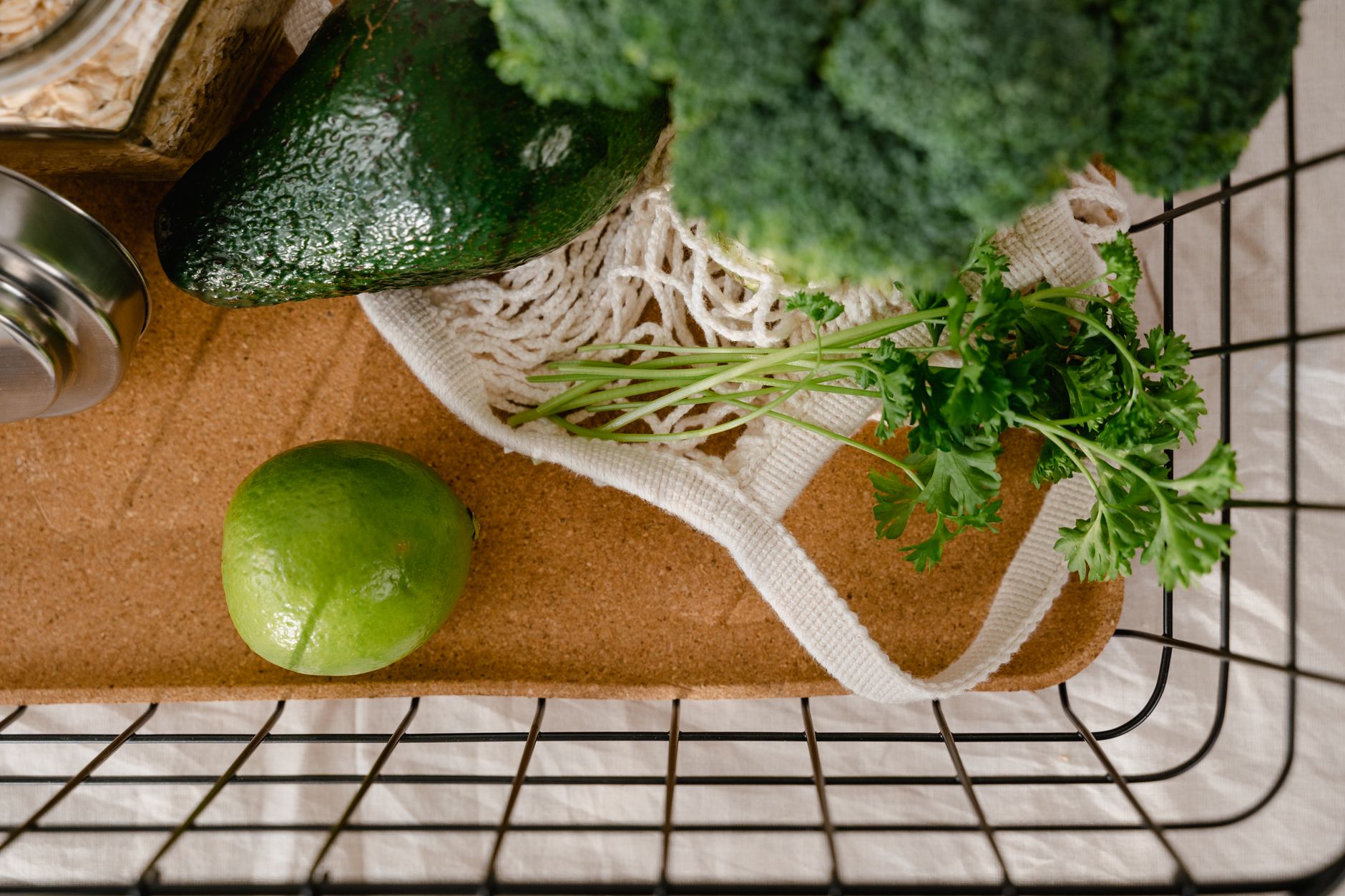
Not all brands are created equal—some prioritize organic, non-GMO, and sustainable practices, which can make a difference for your thyroid. Here’s what to look for and which brands to consider:
### **1. Organic vs. Conventional: What’s the Difference?**Organic foods are grown without synthetic pesticides, fertilizers, or GMOs. For thyroid health, organic is ideal because:
- **Reduced pesticide exposure**: Some pesticides (like organophosphates) have been linked to thyroid dysfunction. - **Higher nutrient levels**: Organic produce often has more antioxidants and vitamins. - **No synthetic hormones**: Important if you’re avoiding dairy or meat with added hormones.But organic isn’t always necessary. If you’re on a tight budget, prioritize the Dirty Dozen (the most pesticide-contaminated produce):
- Strawberries - Spinach - Kale - Grapes - Apples - Peaches - Cherry tomatoes - Celery - Blueberries - Potatoes - Sweet bell peppers - PlumsBuy these organic. For the rest, conventional is fine.
### **2. Best Brands for Thyroid Health**Here are some trusted brands that align with thyroid-friendly principles:
- **Produce**: Markets like Whole Foods, Sprouts, or local farmers' markets for organic and seasonal produce. - **Meat & Seafood**: Wild Planet (wild-caught fish), Applegate (pasture-raised chicken), Annie’s (organic eggs). - **Grains & Bread**: Canyon Bakehouse (gluten-free bread), Bob’s Red Mill (organic quinoa and oats). - **Nuts & Seeds**: Primal Kitchen (almond butter), Manitoba Harvest (organic chia seeds). - **Dairy Alternatives**: Silk (unsweetened almond milk), Kite Hill (dairy-free yogurt). - **Snacks**: Simple Mills (gluten-free almond flour crackers), RXBAR (protein bars with minimal ingredients). ### **3. What to Avoid in Brands**Watch out for brands that:
- Use added sugars (even in "healthy" products like granola bars). - Contain hydrogenated oils or trans fats. - Include artificial additives like carrageenan or MSG (which can trigger inflammation). - Market as "gluten-free" but still contain highly processed ingredients.Pro tip: Always check labels! Even "healthy" brands can change their formulations.
--- ## **Understanding food labels for a thyroid-friendly grocery haul**Reading food labels is like learning a new language—but once you crack the code, you’ll spot hidden culprits and make smarter choices. Here’s what to look for (and avoid):
### **1. Ingredients List: The First 5 Matter Most**The ingredients are listed in order of quantity, so the first 5 ingredients are the most abundant. Avoid products where:
- **Sugar is listed in the top 3** (even if it’s "natural" like honey or agave). - **Unpronounceable additives** appear (e.g., carrageenan, polysorbate-80). - **Gluten-containing grains** (wheat, barley, rye) are listed unless it’s a certified gluten-free product. ### **2. Nutritional Facts: Key Numbers to Watch**Look for these on the Nutrition Facts panel:
- **Sodium**: Aim for less than 200mg per serving (high sodium can disrupt thyroid function). - **Added sugars**: 0g is ideal. If there are added sugars, check the amount per serving. - **Total fat**: Focus on healthy fats (monounsaturated and polyunsaturated). Avoid "trans fat" and limit saturated fats to 5g or less per serving. - **Fiber**: Aim for at least 3g per serving to support gut health. - **Protein**: Look for 10g or more per serving for satiety and thyroid support. ### **3. Certifications to Look For**These labels can help you quickly identify thyroid-friendly options:
- **USDA Organic**: No synthetic pesticides, fertilizers, or GMOs. - **Non-GMO Project Verified**: Free from genetically modified ingredients. - **Gluten-Free**: Certified by a third party (safe for Hashimoto’s patients). - **Wild-Caught**: Ensures fish are sustainably sourced and free of contaminants. - **Pasture-Raised**: Indicates animals were raised in humane conditions (less likely to contain antibiotics or hormones). ### **4. Common Thyroid Triggers to Avoid**Watch for these in ingredient lists:
- **Soy lecithin**: Found in many processed foods; may worsen Hashimoto’s. - **Carrageenan**: A thickener in dairy-free products; linked to gut inflammation. - **MSG (monosodium glutamate)**: Can trigger inflammation in some people. - **Artificial sweeteners**: Aspartame and sucralose may disrupt gut bacteria, which affects thyroid function. ### **5. How to Decode "Healthy" Labels**Just because a product says "natural" or "whole grain" doesn’t mean it’s thyroid-friendly. For example:
- **"Natural" granola**: Often loaded with honey or sugar. - **"Whole grain" bread**: Might still contain gluten or be high in carbs. - **"Low-fat" yogurt**: Usually packed with sugar to compensate for flavor.Pro tip: If you can’t pronounce 3+ ingredients, it’s probably not worth buying.
When life gets busy, you need snacks that are nutrient-dense, easy to grab, and thyroid-supportive. Here’s a list of go-to options:
### **1. No-Prep Snacks**These require zero cooking or chopping:
- **Nuts and seeds**: Almonds, walnuts, pumpkin seeds, or a mix of all three. - **Fresh fruit**: Apples, bananas, or berries (pre-washed for convenience). - **Hard-boiled eggs**: Buy pre-cooked or boil a batch on Sunday. - **Olives**: Rich in healthy fats and antioxidants. - **Dark chocolate (85%+)**: A small square satisfies sweet cravings without blood sugar spikes. ### **2. Quick Assembly Snacks**Take 5 minutes to put these together:
- **Avocado toast**: Gluten-free bread + mashed avocado + sprinkle of sea salt. - **Hummus and veggies**: Carrots, cucumber, or bell peppers with store-bought hummus. - **Tuna salad**: Mix canned tuna with olive oil, lemon juice, and celery; eat with gluten-free crackers. - **Cottage cheese (if tolerated)**: Top with sliced peaches or berries. - **Energy balls**: Blend dates, almond butter, cocoa powder, and chia seeds; roll into balls and refrigerate. ### **3. Make-Ahead Meals**Prep these in advance for grab-and-go meals:
- **Mason jar salads**: Layer dressing at the bottom, then greens, protein (chicken or beans), and veggies. Shake before eating. - **Hard-boiled eggs**: Boil a dozen and store in the fridge for the week. - **Roasted chickpeas**: Toss canned chickpeas with olive oil and spices; roast until crispy. - **Quinoa or rice bowls**: Cook a big batch and store in the fridge. Reheat with veggies and protein. - **Freezer-friendly soups**: Blend lentil soup or butternut squash soup; freeze in portions. ### **4. Thyroid-Boosting Smoothies**Blend these for a quick, nutrient-packed meal:
- **Green smoothie**: Spinach, banana, almond milk, chia seeds, and flaxseeds. - **Berry blast**: Berries, almond butter, coconut yogurt, and a splash of almond milk. - **Tropical twist**: Mango, pineapple, coconut water, and a handful of spinach (you won’t taste it!). ### **5. Office or Travel-Friendly Options**For when you’re on the go:
- **Individual packets of nuts or seeds**. - **Gluten-free protein bars** (check for minimal ingredients). - **Pre-cut veggies** with a small container of hummus. - **Single-serve almond milk boxes**. - **Beef jerky (no added sugar or nitrates)**.Pro tip: Keep a small cooler bag with ice packs for snacks that need to stay cold (like yogurt or hummus).
--- ## **Specific considerations for Hashimoto's or hypothyroidism grocery shopping**If you have Hashimoto’s or hypothyroidism, your grocery list might look slightly different than someone with a general thyroid concern. Here’s how to tailor your shopping:
### **1. Hashimoto’s-Specific Adjustments**Hashimoto’s is an autoimmune condition, so your diet should focus on reducing inflammation and supporting gut health.
- **Eliminate gluten**: Even if you don’t have celiac disease, gluten can worsen autoimmune activity. Try an AIP elimination diet to see if it helps. - **Limit soy**: Tofu, tempeh, and soy milk may trigger autoimmune responses. Opt for small amounts if tolerated. - **Avoid processed foods**: These can spike inflammation and disrupt gut bacteria. - **Prioritize gut-healing foods**: Bone broth, fermented foods (sauerkraut, kimchi), and probiotic-rich foods (kefir, coconut yogurt). - **Increase selenium**: Brazil nuts, eggs, and wild-caught fish are great sources. ### **2. Hypothyroidism-Specific Adjustments**If you’re hypothyroid, your focus should be on supporting hormone production and metabolism.
- **Boost selenium**: Brazil nuts (1–2 per day), eggs, and fish are top sources. - **Increase iodine**: If you’re iodine-deficient, add seaweed (in moderation) or iodized salt to meals. Caution: Don’t overdo it—too much iodine can also disrupt thyroid function. - **Add zinc**: Pumpkin seeds, lentils, and oysters are excellent sources. - **Include vitamin D**: Fatty fish, egg yolks, and fortified almond milk can help if you’re deficient. - **Watch your protein**: Hypothyroidism can make you feel sluggish, so prioritize lean proteins to keep energy up. ### **3. Low-Iodine Diet for Thyroid Cancer (If Applicable)**If you’re undergoing treatment for thyroid cancer or have a condition requiring a low-iodine diet, avoid:
- **Iodized salt**. - **Seaweed and kelp**. - **Dairy products** (milk, cheese, yogurt). - **Eggs** (if your doctor advises it). - **Certain fish** (cod, haddock, tuna).Instead, focus on:
- **Non-iodized salt**. - **Fresh fruits and vegetables** (except those high in iodine, like spinach). - **Gluten-free grains** (quinoa, brown rice). - **Lean proteins** (chicken, turkey, to

