Yes, you can travel in the third trimester with proper planning. Follow our safety guide for airline policies, road trips, and essential health tips for a comfortable journey.
By Shubhra Mishra — a mom of two who turned her own confusion during pregnancy into BumpBites, a global mission to make food choices clear, safe, and stress-free for every expecting mother. 💛
Check whether any food is safe during pregnancy with the BumpBites Food Safety Checker.
Quick take: Traveling in the third trimester is generally safe, but you’ll want to check airline policies, pack smart, stay hydrated, and have a plan for unexpected labor. Most airlines allow travel up to 36 weeks with a simple doctor’s note, and a few simple precautions keep you comfortable on the road or in the air.
It’s 2 a.m., your belly is a little heavier, and you’ve just Googled “third trimester travel” while trying to decide whether that dream beach getaway is still on the table. The anxiety that comes with any pregnancy milestone—especially the last few weeks—can feel like a tidal wave of “what‑ifs.” The good news? With a bit of preparation, most expectant mothers navigate planes, road trips, and even cruises without a hitch.
In this guide we’ll break down the safety basics for air, car, and train travel, walk through airline restrictions, show you how to pack a pregnancy‑friendly bag, and give you practical tips for managing symptoms, preventing blood clots, and handling an unexpected labor. We’ll also cover travel insurance, vaccination recommendations, and the best destinations for a relaxed third‑trimester adventure.
Read on for a clear, step‑by‑step roadmap that lets you enjoy your trip while keeping you and your baby safe.
Is it safe to travel by plane in the third trimester?
For most pregnant travelers, commercial air travel up to 36 weeks is considered low‑risk. The American College of Obstetricians and Gynecologists (ACOG) states that flying does not increase the chance of miscarriage or preterm labor in a healthy pregnancy. The main concerns are comfort, circulation, and access to medical care if something unexpected happens.
Key safety points:
Timing: Most airlines allow travel until 36 weeks (or 32 weeks for twin pregnancies). After that, a medical clearance is usually required.
Cabin pressure: Aircraft cabins are pressurized to the equivalent of 6,000‑8,000 feet, which is well within the oxygen needs of a healthy pregnancy.
Radiation: The brief exposure to cosmic radiation on a typical flight (< 0.01 mSv) is far below the threshold of concern noted by the International Commission on Radiological Protection.
Mobility: Standing and walking every hour helps prevent blood pooling and reduces the risk of deep‑vein thrombosis (DVT).
If you have a high‑risk pregnancy—such as placenta previa, preeclampsia, or a history of preterm labor—your provider may advise you to avoid flying. Always discuss travel plans with your obstetrician, who can tailor advice to your specific health profile.
Best seats on a plane for pregnant women in the third trimester
Seat Location
Pros
Cons
Aisle (mid‑cabin)
Easy access to restroom, more room to stretch legs
May be near the galley where foot traffic is higher
Window (front row)
Wall provides a stable surface to lean against
Longer walk to bathroom; limited legroom if not exit row
Exit row (if allowed)
Extra legroom for comfort and circulation
Many airlines restrict exit‑row seats for pregnant travelers
Choosing an aisle seat near the front of the cabin often balances convenience and comfort, especially when you need to use the restroom frequently.
Pick an aisle seat near the front for easy bathroom access and a bit more legroom.
What are the airline restrictions for pregnant women in the third trimester?
Airlines worldwide have similar baseline policies, but each carrier may have its own paperwork requirements. Below is a quick snapshot of common restrictions:
U.S. carriers (Delta, United, American): Travel allowed up to 36 weeks for a single pregnancy; a doctor’s note is required after 28 weeks.
European carriers (British Airways, Lufthansa, Air France): Generally permit travel until 36 weeks, with a medical certificate needed after 28 weeks. Some airlines request a certificate after 32 weeks for twin pregnancies.
Asian carriers (Singapore Airlines, Cathay Pacific): Similar policies, typically requiring a doctor’s note after 28 weeks and limiting travel after 36 weeks.
Key points to remember:
Medical certificate: Most airlines ask for a signed letter confirming your estimated due date, gestational age, and that you have no complications that would make flying unsafe. The letter should be on official letterhead and include the provider’s contact information.
Seat restrictions: Some carriers block exit‑row seats for pregnant travelers, and a few limit aisle seat selection to reduce fall risk during turbulence.
Weight limits: Airlines do not have separate weight limits for pregnant passengers, but you must be able to lift your own luggage into the overhead bin.
International variations: Certain countries (e.g., Saudi Arabia) may have stricter regulations for travel beyond 28 weeks, so always double‑check the airline’s website before booking.
When you book, keep a digital copy of your doctor’s note in your phone and a printed copy in your carry‑on. If you’re traveling with a companion, they can also carry the note in case the airline requests it.
How to pack a travel bag for a third trimester pregnancy?
Packing efficiently can make the difference between a smooth trip and a stressful scramble at the airport. Think of your bag as a “comfort kit” that anticipates the common third‑trimester challenges.
Essential items to include
Medical paperwork: Doctor’s note, prenatal records, and a list of any medications (including dosage).
Hydration supplies: Empty reusable water bottle (fill after security) and electrolyte tablets.
Snacks: High‑protein, low‑sugar options like nuts, cheese sticks, and whole‑grain crackers to keep blood sugar stable.
Comfort items: A small pillow or travel cushion, a lightweight blanket, and a pair of slip‑on shoes for easy bathroom trips.
Personal hygiene: Wet wipes, hand sanitizer, and a travel‑size moisturizer for dry cabin air.
Pack smart, not heavy
Limit your bag to a maximum of 15 kg (33 lb) to stay within most airlines’ carry‑on limits. Use packing cubes to separate medical items from clothing, and roll clothes instead of folding to maximize space.
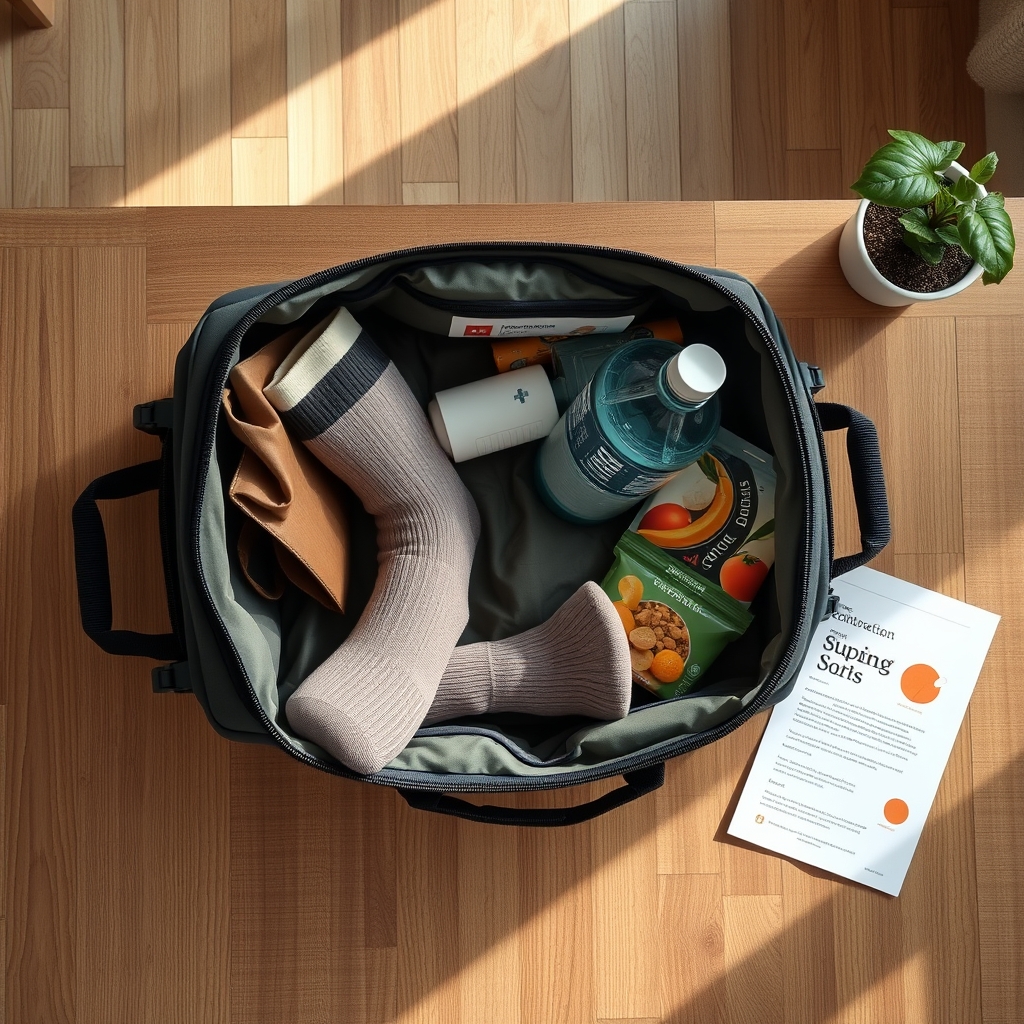
Pack a “pregnancy comfort kit” to stay hydrated, comfortable, and prepared.
Don’t forget to bring a small, waterproof pouch for any “just‑in‑case” items like a spare change of underwear or a spare pair of shoes. Having these at hand reduces the need to rummage through your main bag during a flight.
Can I go on a road trip during my third trimester and what precautions should I take?
Yes—road trips are often more flexible than flights, giving you control over stops, bathroom breaks, and seating posture. The main concerns are circulation, fatigue, and access to medical care.
Preventing blood clots on the road
Deep‑vein thrombosis (DVT) is a rare but serious risk for any long‑duration travel. To keep circulation flowing:
Plan a stop every 1‑2 hours to stretch and walk for a few minutes.
Wear graduated compression socks from the moment you start driving.
Stay hydrated (aim for at least 2 L of water per day) and avoid caffeine‑heavy drinks that can dehydrate you.
Keep your legs slightly elevated when seated—use a small pillow or rolled towel under your feet.
Comfort while driving
Adjust the driver’s seat so your hips are level with your knees, and use lumbar support if needed. If you’re a passenger, bring a cushioned seat pad and a neck pillow for added support.
Emergency planning
Before you set off, identify hospitals or urgent‑care centers along your route. Save their phone numbers in your phone and keep a printed map in case you lose signal. A basic “travel kit” for road trips includes a first‑aid kit, a copy of your prenatal records, and a list of your provider’s contact information.
What are the best travel destinations for third trimester pregnant travelers?
Choosing a destination that matches your energy level and medical needs is key. Here are three categories of ideal spots, each with a short list of specific locations:
Relaxing beach resorts
San Diego, California (USA): Mild climate, excellent medical facilities, and family‑friendly beachfront hotels with wheelchair‑accessible pools.
Algarve, Portugal: Gentle Atlantic breezes, easy‑access resorts, and a strong public‑health system (NHS‑Portugal) for any emergency.
Phuket, Thailand (if comfortable with travel distance): Luxury resorts with on‑site spas, plus reputable private hospitals in the area.
Gentle city getaways
Charleston, South Carolina (USA): Walkable historic districts, low‑impact walking tours, and a top‑rated obstetrics department at Medical University of South Carolina.
Edinburgh, Scotland (UK): Compact city center, excellent NHS services, and many low‑key tea rooms for quick snack breaks.
Nature‑focused retreats
Lake Tahoe, California/Nevada (USA): Easy‑going lakeside cabins, low‑altitude hikes, and a Level 1 trauma center nearby.
Lake Bled, Slovenia: Picturesque scenery, gentle walking paths, and a reputable University Medical Centre Ljubljana within an hour’s drive.
When evaluating any destination, consider the proximity to a hospital with obstetric services, the availability of prenatal vitamins, and the climate (extreme heat or cold can exacerbate swelling and fatigue).
How to manage pregnancy symptoms while traveling in the third trimester?
The third trimester often brings heartburn, shortness of breath, swelling, and frequent urination—all of which can feel amplified on the move. Here’s how to keep these symptoms in check.
Heartburn and indigestion
Eat small, frequent meals rather than large ones.
Choose low‑acid foods: bananas, oatmeal, and yogurt.
Carry antacids such as calcium carbonate (consult your provider for brand recommendations).
Swelling (edema)
Elevate your feet whenever possible. Compression socks, as mentioned earlier, are a game‑changer. During flights, keep your calves uncrossed and perform ankle circles every 30 minutes.
Shortness of breath
Breathing exercises—like the 4‑4‑8 technique (inhale for 4 seconds, hold for 4, exhale for 8)—help regulate airflow and calm anxiety. A short walk outside the airport or a rest stop during a road trip also eases breathlessness.
Frequent urination
Stay hydrated, but plan bathroom breaks. On a plane, request a seat near the aisle and know the location of the nearest restroom. In a car, pull over at safe rest areas every 1‑2 hours.
Fatigue
Schedule downtime each day. A 20‑minute power nap in a quiet airport lounge or a comfortable roadside rest area can restore energy without disrupting nighttime sleep.
Do I need a doctor's note to travel internationally in the third trimester?
Most airlines require a medical certificate for any pregnancy beyond 28 weeks, and this requirement typically applies to international flights as well. The note should include:
Patient name, date of birth, and estimated due date.
Current gestational age and confirmation of an uncomplicated pregnancy.
Provider’s contact information and signature on official letterhead.
International travel adds a few extra layers:
Visa and entry requirements: Some countries request proof of health insurance and may ask for a pregnancy letter at customs.
Medical coverage abroad: Verify that your travel insurance includes obstetric care; many policies exclude routine prenatal visits but cover emergencies.
Vaccination considerations: The CDC recommends certain vaccines (e.g., influenza, Tdap) during pregnancy, but live vaccines like yellow fever are generally contraindicated. Discuss any required travel vaccines with your provider well before departure.
In short, yes—carry a doctor’s note for any international flight after 28 weeks, and have a digital copy saved on your phone for quick access.
What are the risks of flying after 36 weeks pregnant?
Flying after 36 weeks (or 32 weeks for twins) is discouraged by most airlines because the risk of spontaneous labor increases dramatically. While the absolute risk remains low—studies cited by the Royal College of Obstetricians and Gynaecologists (RCOG) show a < 1 % chance of labor onset during a short‑haul flight—most carriers prefer to avoid the logistical complications of an in‑flight birth.
Potential risks include:
Unexpected labor: Cabin crews are trained for emergencies, but a delivery at 38 weeks is more likely to need medical assistance than a delivery at 34 weeks.
Limited access to comprehensive obstetric care: In‑flight medical kits are basic; a full neonatal resuscitation set is not available.
If a flight is unavoidable after 36 weeks, obtain a clearance letter from your obstetrician stating that you are cleared for travel, and consider purchasing a flexible ticket in case you need to postpone. However, most providers recommend waiting until after delivery for any non‑essential long‑distance travel.
Third trimester travel tips for expectant mothers
Below is a concise checklist that captures the most common advice from ACOG, the NHS, and travel experts.
Check airline policies early—most require a doctor’s note after 28 weeks.
Pack a “pregnancy comfort kit” (compression socks, water bottle, snacks, medical paperwork).
Stay hydrated and move every hour to reduce clot risk.
Schedule prenatal appointments before departure and keep a copy of your records.
Purchase travel insurance that covers obstetric emergencies; read the fine print.
Know the nearest hospital at your destination and have the address saved.
Bring any prescribed prenatal vitamins and medications in original packaging.
Listen to your body—if you feel unusually fatigued or notice signs of labor, pause travel.
Travel insurance coverage for third trimester pregnancy
Not all travel insurance plans treat pregnancy the same way. Look for policies that explicitly mention “pregnancy complications” and “pre‑term labor.” Key elements to verify:
Medical evacuation: Covers transport to the nearest appropriate facility if you go into labor abroad.
Hospital stay: Includes costs for a delivery that occurs while traveling, though many policies cap the amount.
Trip cancellation: Reimburses non‑refundable expenses if your provider advises you to stay home.
Exclusions: Most policies exclude routine prenatal visits; you’ll need to pay those out‑of‑pocket.
Companies such as Allianz Travel, World Nomads, and Travel Guard offer pregnancy‑friendly options. Always read the policy’s “pregnancy” section and, if possible, call the insurer to confirm coverage limits.
Recommended vaccinations for pregnant travelers in the third trimester
Vaccination decisions should be made in partnership with your obstetrician. The CDC and WHO agree on the following guidelines for pregnant travelers:
Influenza (flu) vaccine: Safe at any stage of pregnancy; recommended for all travelers during flu season.
Tetanus, diphtheria, pertussis (Tdap) vaccine: Recommended between 27‑36 weeks to protect the newborn from pertussis.
COVID‑19 vaccine: mRNA vaccines are safe throughout pregnancy; booster doses are advised for high‑risk travel.
Hepatitis A and B: Consider if traveling to regions with poor sanitation or high prevalence.
Yellow fever: Live vaccine is generally contraindicated; discuss risk vs. benefit with your provider if travel to endemic areas is unavoidable.
Always carry your immunization records and a copy of the vaccine certificates when traveling internationally.
From our medical team: Traveling in the third trimester is doable with a little planning. Keep hydrated, move often, and have a doctor’s note ready for airlines. If you feel any sudden cramps, bleeding, or a gush of fluid, seek medical care immediately. When in doubt, call your provider before you book.
Myth vs. fact
Myth: You can’t fly after 32 weeks under any circumstances. Fact: Most airlines allow travel up to 36 weeks with a simple doctor’s note, though individual carriers may have stricter policies for twins or high‑risk pregnancies.
Myth: All travel insurance covers pregnancy‑related emergencies automatically. Fact: Many standard policies exclude routine prenatal care and limit coverage for delivery; you must choose a plan that specifically includes obstetric complications.
Myth: You should avoid all travel in the third trimester because it’s unsafe. Fact: With proper precautions—hydration, movement, and medical clearance—most third‑trimester trips are safe and enjoyable.
Key takeaways
Air travel is generally safe up to 36 weeks; bring a doctor’s note after 28 weeks.
Pack a pregnancy‑focused comfort kit: compression socks, water, snacks, and medical paperwork.
Move and hydrate frequently to prevent blood clots on planes, cars, or trains.
Choose destinations with easy access to obstetric care and mild climates.
Secure travel insurance that explicitly covers pregnancy complications.
Stay up‑to‑date on recommended vaccines, especially flu, Tdap, and COVID‑19.
Frequently asked questions
Can I fly after 36 weeks pregnant?
Most airlines restrict travel after 36 weeks for single pregnancies and after 32 weeks for twins; a medical clearance is often required, and many providers advise waiting until after delivery for non‑essential flights.
Do airlines require a medical certificate for pregnant travelers?
Yes—most carriers ask for a doctor’s note after 28 weeks gestation, confirming an uncomplicated pregnancy and providing your due date and provider contact.
What are the signs of labor to watch for while traveling?
Watch for regular contractions (every 5‑10 minutes), a sudden increase in pelvic pressure, fluid leakage, or vaginal bleeding. If any of these occur, seek medical care immediately.
Is it safe to take a cruise during the third trimester?
Cruises are generally safe up to 36 weeks if you’re feeling well, but you should verify the ship’s medical facilities, obtain travel insurance that covers obstetric emergencies, and avoid itineraries that include remote ports with limited healthcare.
How much extra luggage can I bring for pregnancy‑related items?
Airlines treat pregnancy items as regular personal effects; most allow a standard carry‑on (typically 7‑10 kg). Pack essential items in your personal bag to ensure easy access.
Should I avoid certain foods while traveling in the third trimester?
Yes—steer clear of unpasteurized dairy, raw or undercooked eggs, and high‑mercury fish (like shark or swordfish). Stick to well‑cooked foods and bottled water to reduce food‑borne illness risk.
When to call your doctor
If you experience any of the following while traveling, contact your obstetrician or go to the nearest emergency department immediately: heavy vaginal bleeding, sudden severe abdominal pain, a gush of fluid (possible rupture of membranes), persistent contractions, decreased fetal movement, or a fever above 100.4 °F (38 °C). This article provides general information and is not a substitute for personalized medical advice.
References
American College of Obstetricians and Gynecologists (ACOG). “Travel During Pregnancy.” Clinical Guidance, 2023.
Centers for Disease Control and Prevention (CDC). “Vaccines and Pregnancy.” Updated 2024.
National Institute for Health and Care Excellence (NICE). “Pregnancy and Travel Recommendations.” 2022.
Royal College of Obstetricians and Gynaecologists (RCOG). “Air Travel in Pregnancy.” Clinical Guidelines, 2023.
U.S. Food and Drug Administration (FDA). “Pregnancy and Medication Safety.” 2024.
World Health Organization (WHO). “Travel Health and Pregnancy.” 2023.
National Health Service (NHS). “Traveling While Pregnant.” Patient Advice, 2024.
Not sure about the label on Third Trimester Pregnancy Travel products?
Snap the ingredients list and SafeFilter checks every ingredient for your stage — only 3 free scans this month, then you're locked until reset. Unlimited from $7/mo or $50/yr.
When Shubhra Mishra was expecting her first child in 2016, she was overwhelmed by conflicting food advice — one site said yes, another said never. By the time her second baby arrived in 2019, she realized millions of mothers face the same confusion.
That sparked a five-year journey through clinical nutrition papers, cultural diets, and expert conversations — all leading to BumpBites: a calm, compassionate space where science meets everyday motherhood.
Her long-term vision is to build a global community ensuring safe, supported, and free deliveriesfor every mother — because no woman should face pregnancy alone or uninformed. 🌿
🌍 Stand with mothers, shape safer guidance
Join a small circle of experts who review BumpBites articles so expecting parents everywhere can decide with confidence.