Discover the best third trimester pregnancy food to eat for a healthy baby and mom, including essential nutrients and meal ideas
By Shubhra Mishra — a mom of two who turned her own confusion during pregnancy into BumpBites, a global mission to make food choices clear, safe, and stress-free for every expecting mother. 💛
Check whether any food is safe during pregnancy with the BumpBites Food Safety Checker.
Quick take: In the third trimester you’ll need extra calories, protein, iron, calcium, DHA, and folate—most of which come from a balanced mix of lean meats, dairy, beans, whole grains, fruits, and vegetables. Safe foods are widely available; the main things to steer clear of are raw or undercooked animal products, certain high‑mercury fish, and unpasteurized cheeses. Aim for about 2,200–2,500 kcal a day, spread over three meals and two snacks, and stay hydrated with 2–3 L of fluids. This guide walks you through what to eat, what to avoid, portion sizes, and quick‑prep ideas so you can nourish yourself and your baby with confidence.
It’s 10 p.m., you’re curled up on the couch, and a sudden wave of cravings hits—sweet, salty, and everything in between. You glance at the fridge, wonder if that leftover pizza slice is a good idea, and then Google “third trimester pregnancy food to eat.” The flood of information can feel overwhelming, especially when you’re already juggling doctor appointments, prenatal vitamins, and a growing belly.
We get it. You want clear, actionable advice that fits into a busy schedule and respects the unique needs of the third trimester. Below you’ll find a step‑by‑step guide that covers safe foods, protein powerhouses, calorie targets, snack solutions, and more—all backed by reputable health organizations like ACOG, NHS, and the WHO.
Read on to discover a practical meal plan, hydration tips, and myth‑busting facts that will help you feel confident about every bite you take during these final weeks of pregnancy.
What foods are safe to eat during the third trimester of pregnancy?
Safety in the third trimester is largely about avoiding foods that can harbor harmful bacteria or high levels of contaminants, while embracing nutrient‑dense options that support rapid fetal growth. The American College of Obstetricians and Gynecologists (ACOG) recommends a diet rich in:
Lean proteins such as poultry, well‑cooked eggs, and low‑fat dairy.
Whole grains like quinoa, brown rice, and oats.
Colorful fruits and vegetables—especially leafy greens for folate and vitamin C.
Calcium‑rich foods including fortified milk, yogurt, and cheese (pasteurized).
Sources of DHA (docosahexaenoic acid) such as low‑mercury fish (salmon, sardines) and algae‑based supplements.
These foods provide the iron, calcium, folate, and omega‑3 fatty acids that are critical for the third trimester, when the baby’s brain and skeletal system are developing at an accelerated pace. For example, a 3‑ounce serving of cooked salmon supplies about 1,200 mg of DHA, supporting neural development and visual acuity.
High‑iron foods—like lean beef, lentils, and fortified cereals—are especially important because iron stores are often depleted by the end of pregnancy. Pairing iron‑rich foods with vitamin C sources (citrus, bell peppers) boosts absorption by up to 50 %.
When you’re unsure about a particular item, ask yourself: Is the food thoroughly cooked? Is it pasteurized? If the answer is yes, it’s generally safe. If you’re still hesitant, a quick check with your provider can give peace of mind.
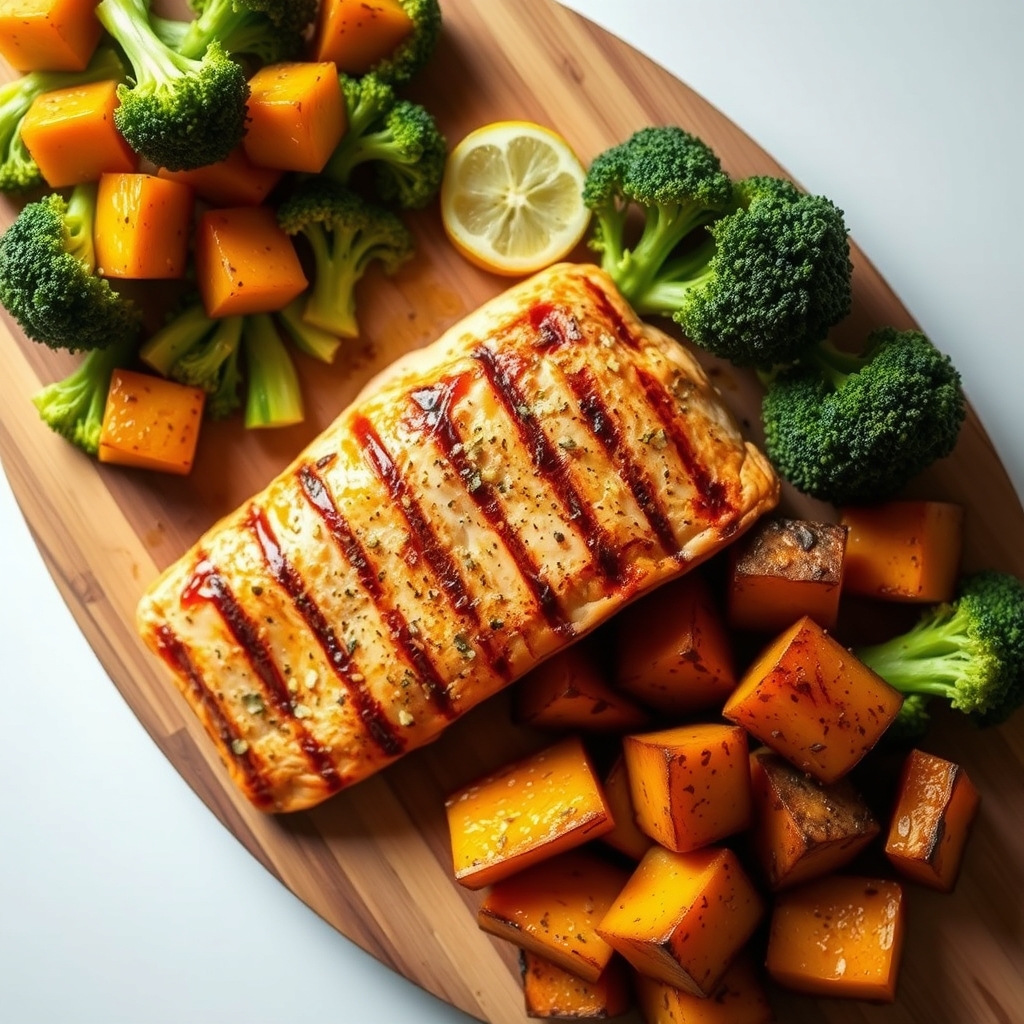
A balanced plate with protein, whole grains, and vegetables provides essential nutrients for you and your baby.
Which protein sources are best for a third trimester pregnancy diet?
Protein fuels both your growing uterus and the baby’s developing muscles and organs. Aiming for 70–100 g of protein per day—about 20‑30 % of total calories—is a guideline from the World Health Organization (WHO). Below is a quick comparison of protein options that fit a third‑trimester diet, including vegetarian-friendly choices.
Food
Protein (g) per 3‑oz serving
Key nutrients
Notes
Skinless chicken breast
26
Niacin, selenium
Low fat, easy to prep
Cooked lean beef
22
Iron, zinc, B12
Excellent iron source
Salmon (wild‑caught)
22
DHA, vitamin D
Limit to 2‑3 servings/week
Greek yogurt (plain)
15
Calcium, probiotics
Choose low‑fat, pasteurized
Tofu (firm)
10
Calcium (if set with calcium), iron
Great for vegans
Lentils (cooked)
9
Iron, folate, fiber
Combine with vitamin C for absorption
Eggs (large)
6
Choline, vitamin D
Fully cooked for safety
If you follow a vegetarian or vegan diet, focus on combining legumes with grains (e.g., beans + rice) to achieve a complete amino‑acid profile. Adding a handful of nuts or a splash of fortified soy milk can further boost protein and calcium intake.
For convenience, consider batch‑cooking chicken or tofu on the weekend and storing portions in the fridge. This makes it easy to assemble a quick lunch or dinner when you’re short on time.
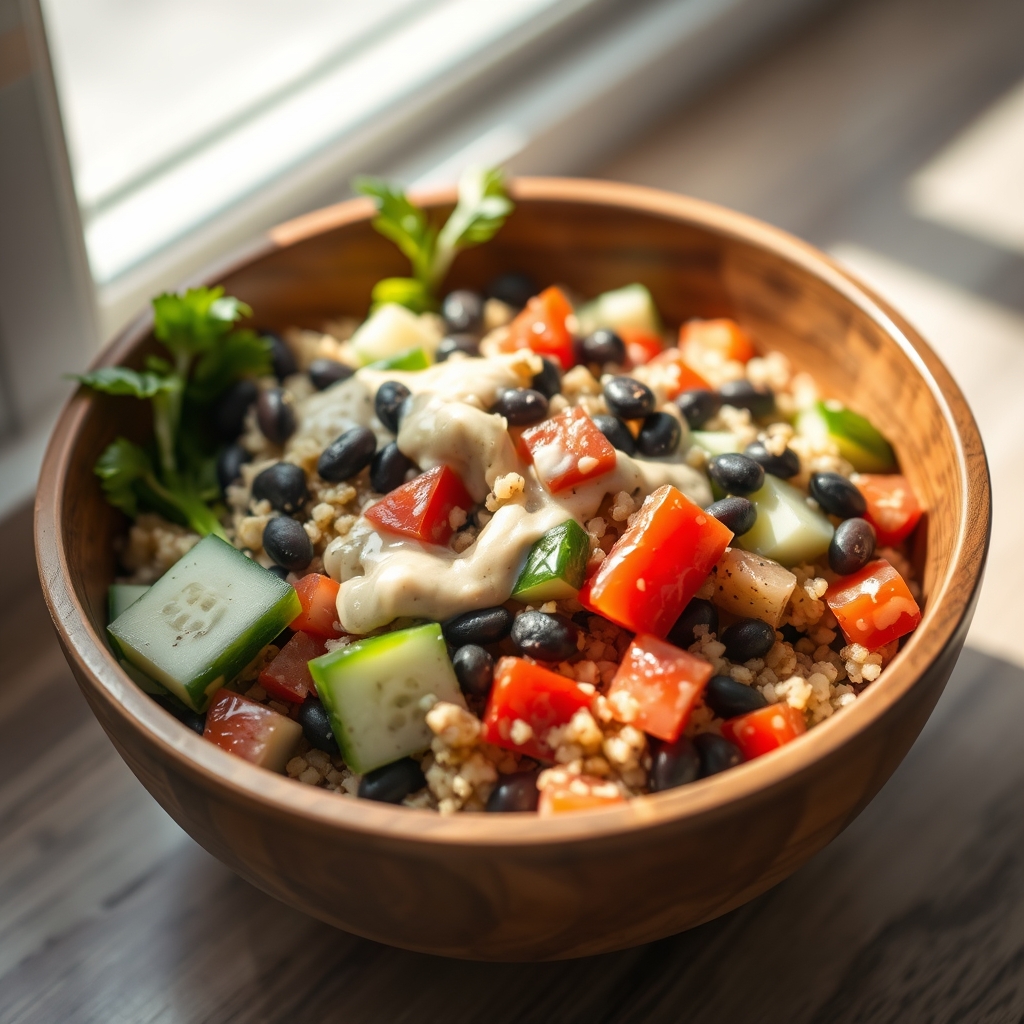
Quinoa and black‑bean salad delivers complete protein for vegetarian moms.
How many calories should a third trimester pregnant woman consume daily?
The calorie requirement rises as the baby grows rapidly. National Institute for Health and Care Excellence (NICE) advises an additional 300–350 kcal per day over a non‑pregnant baseline. For most women, this translates to a total of 2,200–2,500 kcal daily, though exact needs depend on pre‑pregnancy weight, activity level, and metabolic health.
Macronutrient distribution is typically:
Carbohydrates: 45‑55 % of total calories (≈250‑340 g)
Protein: 20‑30 % (≈70‑100 g)
Fat: 25‑35 % (≈60‑95 g), emphasizing mono‑ and poly‑unsaturated fats.
Weight‑gain guidelines from the CDC suggest a total gain of 25‑35 lb for women with a normal pre‑pregnancy BMI. In the third trimester, most of that gain occurs, so a steady, moderate increase of 0.5‑1 lb per week is typical. If you find yourself gaining weight too quickly, consider slightly reducing calorie‑dense snacks and focusing on nutrient‑dense foods.
Portion sizes can help you meet calorie goals without overeating. A visual cue is the “hand method”: a palm‑sized portion of protein, a fist‑sized portion of whole grains, and two cupped‑hand portions of vegetables at each meal.
Meal timing also matters. Eating three balanced meals plus two snacks spreads energy evenly, reduces blood‑sugar spikes, and can ease common third‑trimester discomforts like heartburn.
Which foods should I avoid in the third trimester of pregnancy?
Food safety is paramount because your immune system is naturally suppressed. The following items are generally discouraged, per Food Standards Agency (FSA) and the U.S. FDA:
Raw or undercooked animal products – sushi with raw fish, rare steak, soft‑boiled eggs, and unpasteurized cheeses can contain Listeria, Salmonella, or Toxoplasma.
High‑mercury fish – king mackerel, shark, swordfish, and tilefish should be avoided; limit albacore tuna to 6 oz per week.
Unwashed produce – can harbor bacteria; always rinse fruits and vegetables.
Processed deli meats unless reheated to steaming hot – risk of Listeria.
Alcohol – no safe level has been established for fetal development.
Caffeinated drinks – limit to ≤200 mg caffeine per day (about one 12‑oz cup of coffee) as recommended by the American College of Obstetricians and Gynecologists (ACOG).
What about sushi? If the roll contains cooked fish, shrimp, or vegetables, it’s generally safe. Avoid raw‑fish sushi and sashimi. Opt for a California roll with cooked crab or avocado, and always verify that the restaurant follows proper food‑handling protocols.
Similarly, soft cheeses like Brie or Camembert are okay only if they’re labeled “pasteurized.” When in doubt, choose hard cheeses or pasteurized alternatives.
Healthy snack ideas for third trimester pregnancy cravings
Cravings are normal, especially as your uterus expands and hormones shift. The key is to choose snacks that satisfy flavor while delivering nutrients and keeping added sugars low. Here are some ideas that hit common cravings:
Sweet tooth: Greek yogurt topped with fresh berries and a drizzle of honey (≤1 tsp). The yogurt provides calcium and protein; berries add antioxidants.
Salty craving: Whole‑grain crackers with hummus and sliced cucumber. Hummus supplies iron and fiber.
Crunchy desire: A handful of roasted almonds or pumpkin seeds (≈¼ cup). These nuts deliver healthy fats, magnesium, and calcium.
Energy boost: A small apple with peanut butter (1 tbsp). Pairing fruit (vit C) with nut butter (protein) steadies blood sugar.
Low‑sugar dessert: Chia‑seed pudding made with unsweetened almond milk, vanilla extract, and a few raspberries. Chia seeds are rich in omega‑3s and fiber.
For quick preparation, keep a “snack station” in the fridge: pre‑cut veggie sticks, portioned cheese cubes, and individual servings of hummus. This reduces the temptation to reach for processed snacks that are high in sodium and added sugars.
What does a nutrient‑rich meal plan for third trimester pregnancy weight gain look like?
Below is a sample day that totals roughly 2,300 kcal, provides 100 g protein, 1,200 mg calcium, 27 mg iron, and 300 µg DHA—meeting most third‑trimester recommendations from ACOG and the NHS.
Breakfast (≈500 kcal): Whole‑grain toast topped with avocado (½ avocado) and a poached egg; a side of orange slices; a glass of fortified soy milk.
Mid‑morning snack (≈200 kcal): A small bowl of oatmeal with a tablespoon of ground flaxseed and a few blueberries.
Lunch (≈600 kcal): Grilled salmon (3 oz) over quinoa salad with spinach, cherry tomatoes, and a lemon‑olive‑oil dressing; a cup of low‑fat cottage cheese.
Afternoon snack (≈250 kcal): Carrot sticks with hummus and a handful of roasted almonds.
Dinner (≈650 kcal): Stir‑fried lean beef strips with broccoli, bell peppers, and brown rice; a side of steamed carrots.
Evening snack (≈100 kcal): A cup of warm herbal tea and a piece of low‑sugar dark chocolate (≤15 g).
To help you visualize weekly variations, a third trimester pregnancy diet chart for each week can be built by rotating protein sources (chicken, fish, beans) and seasonal produce. For example, Week 1 focuses on salmon and leafy greens, Week 2 swaps salmon for lean beef and adds sweet potatoes, and Week 3 introduces lentil soups for a plant‑based break.
Quick‑and‑easy meals are essential when fatigue sets in. One‑pan dishes—like baked chicken with roasted vegetables—require minimal prep and clean‑up, while still delivering the full spectrum of nutrients.
How can I manage morning sickness in the third trimester with diet tips?
Although morning sickness often eases after the first trimester, some women experience lingering nausea. Dietary tweaks can make a big difference:
Eat small, frequent meals—aim for every 2‑3 hours. A steady influx of nutrients prevents an empty stomach, which can trigger nausea.
Include ginger—fresh ginger tea or ginger‑infused crackers are proven to reduce nausea according to the National Center for Complementary and Integrative Health (NCCIH).
Stay hydrated—sip water, electrolyte‑enhanced drinks, or herbal teas throughout the day. Dehydration worsens nausea.
Choose bland proteins—such as plain Greek yogurt, boiled eggs, or grilled chicken, which are easier on the stomach.
Avoid strong odors—prepare foods that are mildly scented; cold or room‑temperature meals often produce fewer aromas.
If you’re a vegetarian, a smoothie with banana, spinach, fortified soy milk, and a pinch of ginger can be soothing while delivering iron and folate.
What are the recommended portion sizes and meal timing in the third trimester?
Portion control helps you meet calorie goals without feeling overly full—a common concern as your abdomen expands. Here’s a simple visual guide:
Protein: Palm‑size portion (≈3 oz cooked meat or fish; ½ cup beans).
Whole grains: Fist‑size portion (≈½ cup cooked rice, quinoa, or pasta).
Vegetables: Two cupped‑hand portions (≈1‑1½ cups).
Fruits: One medium piece or a cup of berries.
Dairy: One cup of milk or yogurt, or ¼ cup cheese.
Meal timing that works for most third‑trimester moms follows a 3‑2‑3 pattern: three main meals (breakfast, lunch, dinner) spaced about 4‑5 hours apart, with two snacks mid‑morning and mid‑afternoon. This rhythm supports steady blood‑sugar levels, reduces heartburn, and keeps energy stable.
If you’re active—perhaps walking or prenatal yoga—schedule a snack within an hour after exercise to replenish glycogen stores and aid muscle recovery.
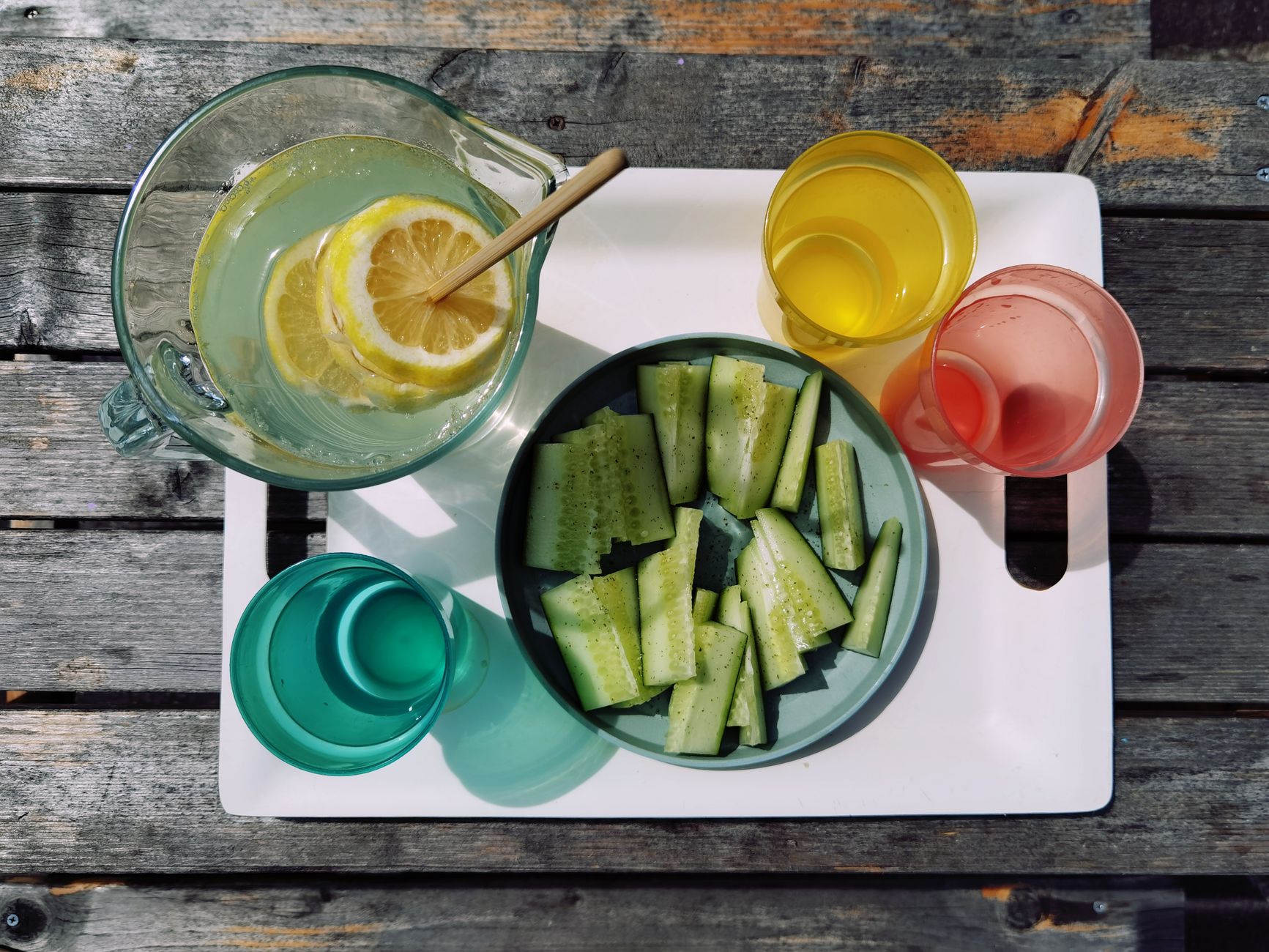
Infused water makes staying hydrated flavorful and simple.
Doctor's note
From our medical team: The third trimester is a time of rapid fetal growth, so your nutritional needs increase, but the safest approach is to focus on whole, minimally processed foods and to avoid any items that could carry bacteria or high levels of mercury. If you have specific dietary restrictions—such as vegetarianism, food allergies, or gestational diabetes—work with your registered dietitian or prenatal care provider to tailor these recommendations. Remember, every pregnancy is unique; use this guide as a foundation, but always check with your clinician before making major changes.
Myth vs. fact
Myth: You need to “eat for two” and double your portions in the third trimester.
Fact: Calorie needs increase by only about 300 kcal per day. Overeating can lead to excess weight gain and gestational diabetes. Focus on nutrient density rather than volume.
Myth: All fish are unsafe because of mercury.
Fact: Low‑mercury fish like salmon, sardines, and trout are safe and provide essential DHA for fetal brain development. Limit high‑mercury species and stick to recommended servings.
Myth: Dairy must be avoided if you’re lactose intolerant.
Fact: Lactose‑free or fortified plant milks (soy, almond) can replace dairy while still delivering calcium and vitamin D. Choose options with added nutrients.
Key takeaways
Aim for 2,200‑2,500 kcal daily, split into three meals and two snacks.
Include iron‑rich options (lean beef, lentils) with vitamin C for better absorption.
Stay hydrated with 2‑3 L of fluids; infused water or herbal teas make it enjoyable.
Limit raw fish, unpasteurized cheeses, high‑mercury seafood, and excessive caffeine.
Use the hand‑size portion guide to keep servings balanced and avoid over‑eating.
Frequently asked questions
What should I eat to gain weight safely in the third trimester?
Safe weight gain comes from adding nutrient‑dense calories—think nut butters, avocado, whole‑grain breads, and dairy—rather than empty‑calorie snacks. Pair these with protein and fiber to keep you full and support fetal growth.
Can I eat sushi during the third trimester?
Yes, if the sushi contains fully cooked fish, shrimp, or vegetables and is prepared with pasteurized ingredients; avoid raw‑fish rolls and sashimi due to the risk of Listeria and parasites.
How many servings of fruit are recommended in the third trimester?
ACOG suggests 2‑4 servings of fruit per day (one serving = a medium apple, a banana, or ½ cup of berries), providing essential vitamins, fiber, and natural sugars.
Is it okay to drink coffee in the third trimester?
Moderate caffeine—up to 200 mg per day (roughly one 12‑oz cup of brewed coffee)—is considered safe by ACOG. Exceeding this amount may increase the risk of low birth weight.
What are the best sources of calcium for a third trimester diet?
Top calcium sources include fortified milk or plant milks, low‑fat yogurt, cheese (pasteurized), sardines with bones, and leafy greens like kale and bok choy. Aim for 1,000 mg daily.
Should I avoid dairy in the third trimester?
Only avoid unpasteurized dairy products. Pasteurized milk, yogurt, and cheese are safe and provide calcium, protein, and vitamin D, which are crucial for bone development.
When to call your doctor
If you experience any of the following, seek medical attention promptly: persistent vomiting, severe dehydration, fever over 100.4°F (38°C), abdominal pain, cramping with bleeding, a sudden decrease in fetal movement, or any signs of infection after consuming a questionable food. This article is for informational purposes only and does not replace personalized medical advice.
References
American College of Obstetricians and Gynecologists (ACOG). “Nutrition During Pregnancy.” Clinical Guidance, 2023.
World Health Organization (WHO). “Guidelines on Protein and Energy Requirements for Pregnant Women.” 2022.
National Institute for Health and Care Excellence (NICE). “Antenatal Care Guidelines.” 2023.
Not sure about the label on Third Trimester Pregnancy Food To Eat products?
Snap the ingredients list and SafeFilter checks every ingredient for your stage — only 3 free scans this month, then you're locked until reset. Unlimited from $7/mo or $50/yr.
When Shubhra Mishra was expecting her first child in 2016, she was overwhelmed by conflicting food advice — one site said yes, another said never. By the time her second baby arrived in 2019, she realized millions of mothers face the same confusion.
That sparked a five-year journey through clinical nutrition papers, cultural diets, and expert conversations — all leading to BumpBites: a calm, compassionate space where science meets everyday motherhood.
Her long-term vision is to build a global community ensuring safe, supported, and free deliveriesfor every mother — because no woman should face pregnancy alone or uninformed. 🌿
🌍 Stand with mothers, shape safer guidance
Join a small circle of experts who review BumpBites articles so expecting parents everywhere can decide with confidence.